Reviewed · PRIVATE
Tokyo: Private Custom Insider Tour with a Local Host
Tokyo is easier to understand when someone shows you how its pieces fit together. This private tour lets you shape the day around your interests, then follow a local host through old neighborhoods, food markets, shrines, and pop-culture districts. I like the freedom to linger or change direction, and I like that guides such as Megumi, Mani, and Shuto have helped visitors handle everything from subway routes to Japanese etiquette.
I also like the practical start this can provide. A good host may help you use the train system, choose a useful neighborhood for your next meal, or find a small restaurant you would likely miss alone. The catch is that transport, food, and entry fees cost extra, and a walking day across Tokyo can be tiring, especially if you try to cover too much ground.
Key points at a glance
- Your interests shape the route: The pre-tour questionnaire helps match you with a like-minded host and guides the itinerary.
- Three to eight hours gives you choice: Pick a short orientation or a fuller day with several districts.
- Tokyo’s contrasts fit into one outing: You might pair Senso-ji with Akihabara, Harajuku with a market, or old Tokyo with a quiet shrine.
- The subway lesson can be as useful as the sights: Hosts have helped with train routes, Suica cards, wheelchair travel, and local customs.
- Food is part of the experience, not a fixed promise: You may stop for yakitori, sushi, mochi, or a local lunch, but you pay for food yourself.
- It is private and flexible: You get a host for your own group, rather than following a set coach route or large group schedule.
A Tokyo day built around you
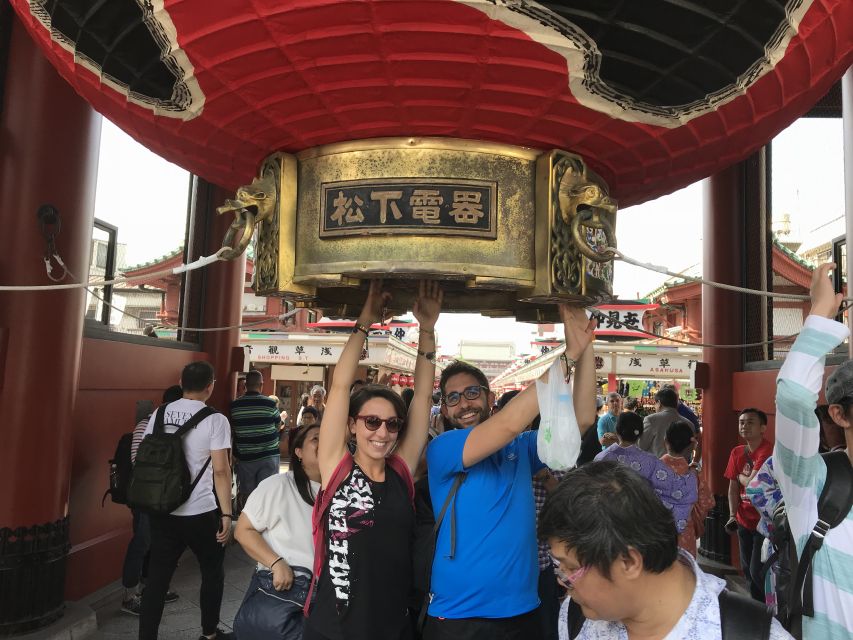
This is less a fixed sightseeing circuit than a guided introduction to the city. Before you meet, you complete a questionnaire about your personality and interests. The answers help pair you with a host and give that host a starting point for planning.
That matters in Tokyo. A first-time visitor who wants temples, etiquette, and old neighborhoods needs a different day from a teenager who wants anime shops and arcades. A family with children may need shorter walks and regular breaks, while a food-focused couple may prefer markets, small restaurants, and neighborhood streets.
You communicate directly with your host before the tour. Use that chance well. Tell the host what you have already booked, what you do not want to repeat, and how much walking feels comfortable. If you want help with the subway, say so. If you care more about atmosphere than famous sights, say that too.
The guide names and exact route vary. Past hosts have included Megumi, Tomo, Michael, Ayaka, Mani, Shuto, and others. The important point is not any one personality, but the chance to be matched with a local who can shape the day around your needs.
A few more Tokyo half-days worth comparing
- 1-Day Tokyo Bus Tour
★ 5.0 · 14,250 reviews - Tokyo: TOKYO SKYTREE® Admission ticket
★ 4.5 · 11,192 reviews - Tokyo: teamLab Planets TOKYO Digital Art Museum Entry Ticket
★ 4.6 · 9,779 reviews
Start in Asakusa for old Tokyo
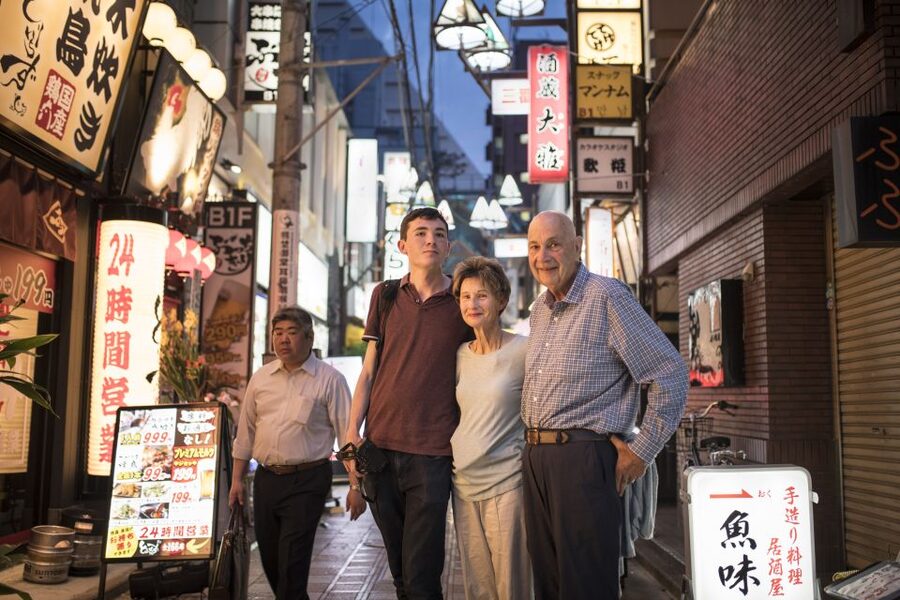
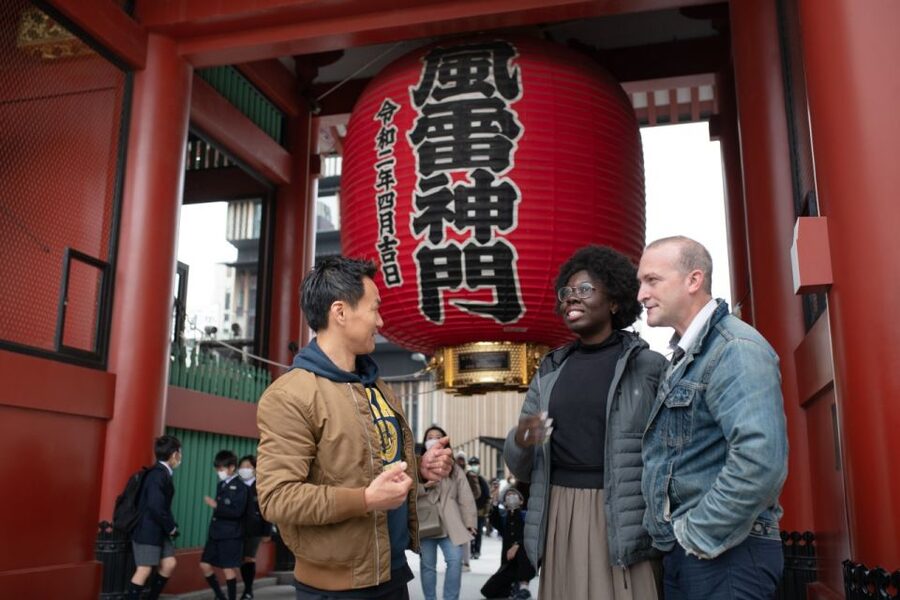
Asakusa is one of the strongest choices for a first stop. Senso-ji gives you a clear introduction to Japanese religious customs, and the surrounding streets add shops, snacks, and plenty to observe. You can learn how to behave at a shrine or temple, what the rituals mean, and how the neighborhood developed around this famous place.
A host can do more than point at the large red gate and temple buildings. You can ask about offerings, prayer customs, souvenirs, and the difference between a shrine and a temple. That context helps you make sense of other sacred sites later in your trip.
Asakusa also works well for families and first-time visitors because it offers several kinds of interest in one compact area. You can see a major landmark, sample something from a food stall, and browse traditional shops without needing a complicated plan.
The drawback is popularity. Senso-ji can be crowded, and the approach may feel more commercial than quiet. If you want a calm visit, ask your host about timing or request a nearby lane or garden where you can slow down.
Markets, mochi, and the best use of local advice
Food stops are not automatically included, so budget separately for anything you eat or drink. That extra cost can be worthwhile when your host chooses a place that suits your tastes instead of dropping you at the first restaurant near a major station.
The possible food range is broad. You might try sizzling yakitori, handmade mochi, fresh sushi, or a lunch spot tucked away from the main route. Ameya-Yokocho Market offers a different mood, with small stalls, quick bites, and a nostalgic street feel. A fish market stop can also be fitted into a day that includes Ginza or nearby districts.
I would tell your host about allergies, dislikes, budget, and appetite before you meet. The information provided does not promise a specific restaurant or meal, so think of food as one of the route options rather than a guaranteed package inclusion.
The value here is guidance. Tokyo has plenty of good food, but choosing confidently can be hard when menus, queues, and ordering customs are unfamiliar. A host can help you understand what you are looking at and point you toward a meal that fits the day.
Akihabara, Harajuku, and Tokyo’s modern side
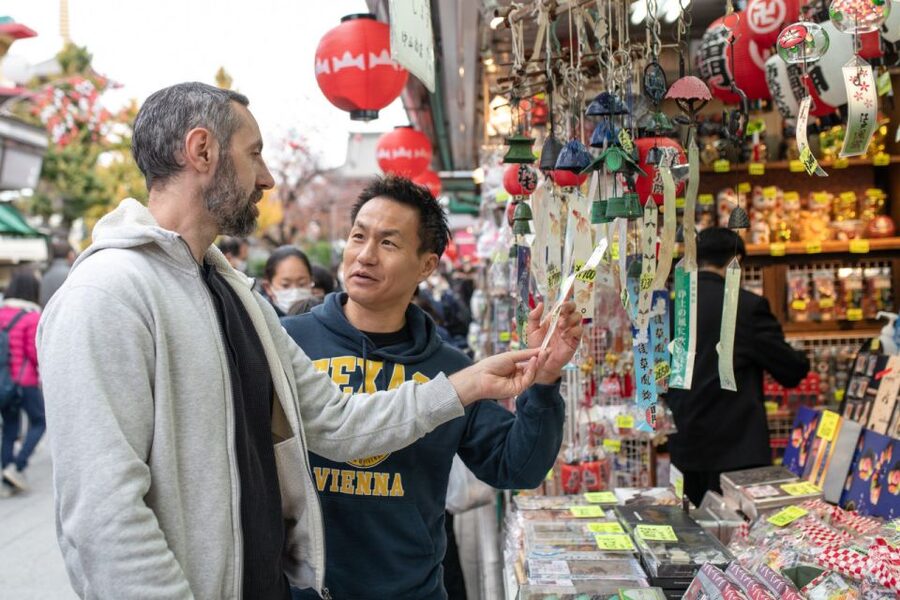
If your interests lean toward anime, gaming, electronics, or Japanese pop culture, Akihabara is a natural request. Its neon streets and specialist shops show a very different side of Tokyo from Asakusa. Your host can help you focus on the parts that actually interest you instead of wandering through every store.
Harajuku offers another change of pace. Fashion fans can ask for backstreets and local shopping areas, while families may enjoy the energy around its youth-oriented streets. The district can be busy and commercial, so a host who knows your priorities can keep the visit from becoming a random shop-to-shop march.
Shibuya is also a practical meeting area. The standard meeting point is Shibu Hachi Box near Shibuya Crossing, and central Tokyo hotel pickup can be arranged. If you meet there, you begin in one of the city’s major transport and shopping zones, which can make sense for a modern Tokyo route.
Do not assume these districts will all fit comfortably into three hours. Tokyo is large, and crossing the city takes time. If you want Asakusa, Akihabara, Harajuku, and Shibuya in one day, choose a longer duration and accept that public transport or a taxi may be needed.
More Private-Only Departures in Tokyo:
- Tokyo 6hr Private Tour with Government-Licensed Guide
★ 5.0 · 3,902 reviews - Tokyo Customized Private Tour (Must See Places in 1 Day)
★ 5.0 · 1,499 reviews - Tokyo: Private City Highlights Tour with Local Guide
★ 4.8 · 1,433 reviews - Private Custom Tour: Tokyo in a Day
★ 5.0 · 1,432 reviews
The real lesson may be Tokyo’s train system
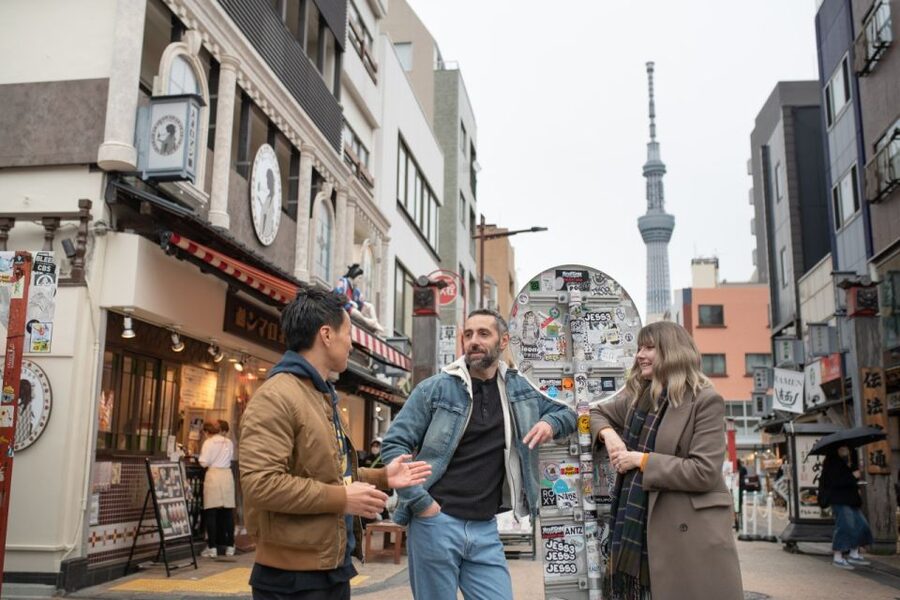
Several useful details come through in the way hosts handle the city, not just in the landmarks they visit. Guides have helped people buy or use Suica cards, understand JR routes, and move through stations with less confusion. That can save you time for the rest of your stay.
For a first day in Tokyo, this practical help has real value. You are not only seeing a shrine or market. You are learning how to get from one neighborhood to another, where to meet a guide, and how much time a cross-city trip can take.
Public transportation is not included in the price, and a private vehicle is not part of the tour. You may use trains, buses, or local taxis, with the exact cost discussed with your host after booking. Keep a little extra money available for these transfers.
The route is a walking experience, so wear comfortable shoes and be honest about your pace. One host helped a group traveling with a wheelchair manage difficult transfers and train travel, while another adjusted a day for a parent with a young child. That suggests useful flexibility, but you should discuss mobility needs before the tour rather than assume every route will work equally well.
How much can you cover in three, four, six, or eight hours?
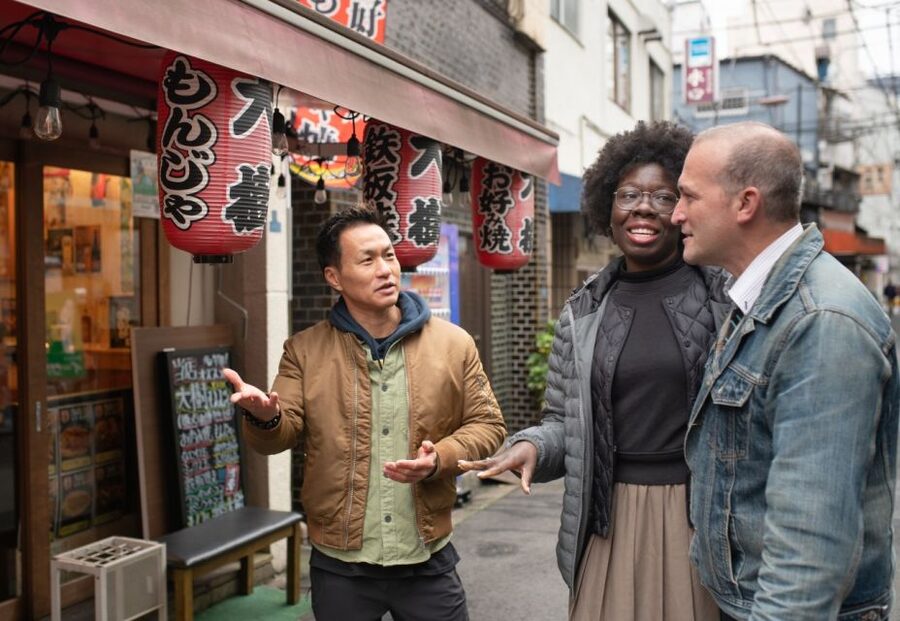
Three hours works best as an introduction. You could focus on Senso-ji and Asakusa, explore one market, learn basic etiquette, or visit one modern district. This shorter option is also useful if you have limited energy or a packed schedule.
Four hours gives you more breathing room. You might combine a temple area with a market, add a food stop, or include a short lesson in using the subway. One past four-hour outing covered temples and shrines while teaching efficient underground travel, and the guest finished the day ready to explore alone.
Six hours is a better choice for a broad first look. You can link two or three districts, stop for lunch, and leave room for shopping or a quiet detour. A six-hour outing on a cold public holiday still managed to cover requested sights, but busy days can slow the pace.
Eight hours gives you the most flexibility, but do not treat it as a reason to race across the whole city. The best long days have a clear theme, such as old Tokyo and food, family-friendly sights, or pop culture and shopping. Build in pauses. Tokyo’s stations, stairs, crowds, and long blocks can wear you down.
What the $95 price really buys
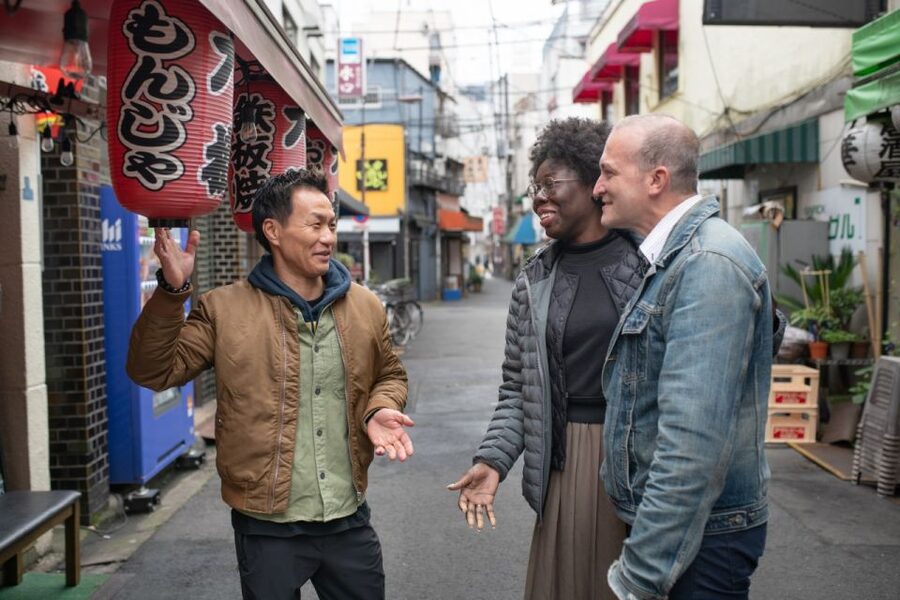
At $95 per person, the main purchase is not admission to a major attraction. It is private planning, a local companion, and the ability to adjust the day as you go. The value is strongest if you are new to Tokyo, short on time, nervous about transport, or keen to find places that do not appear in a standard sightseeing schedule.
It can also make sense for a family or small private group. You are not waiting for strangers, and the host can adapt explanations and walking speed to your group. A host has helped parents with children, a visitor traveling while pregnant, and a wheelchair user’s companion, though each request should be discussed in advance.
The price is less compelling if you already know Tokyo well, enjoy planning your own routes, or want a tour that includes meals and entrance tickets. Food, drinks, attraction tickets, and transport are extra. A full day can therefore cost more than the headline price suggests.
I would judge the price by the first day of your trip. If a host helps you understand the subway, choose better neighborhoods for later meals, and avoid wasting half a day getting oriented, the fee can pay off beyond the tour itself.
What past host styles tell you
The strongest pattern among the guide experiences is personal attention. Tomo helped a visitor practice Japanese and provided recommendations based on specific interests. Megumi combined the fish market, Ginza, Meiji Shrine, and Harajuku, then helped with souvenir shipping at the post office.
Mani offered careful support to a group managing wheelchair travel and explained cultural rules patiently. Hiroto adjusted his route for a parent traveling alone with a one-year-old and helped with the return journey after the scheduled time.
Families have also had good results. Maya designed a day around children and grandparents, while Saya Christina kept two young boys engaged with a shrine, Harajuku, a candy factory, and Shibuya Crossing. These details show what the private format can do when you give the host useful information before meeting.
Guide quality and style will differ because the host is not fixed. That is the main uncertainty. You should communicate clearly, ask questions, and be willing to refine the route together rather than expect a polished, identical program every time.
Who should book this private experience?
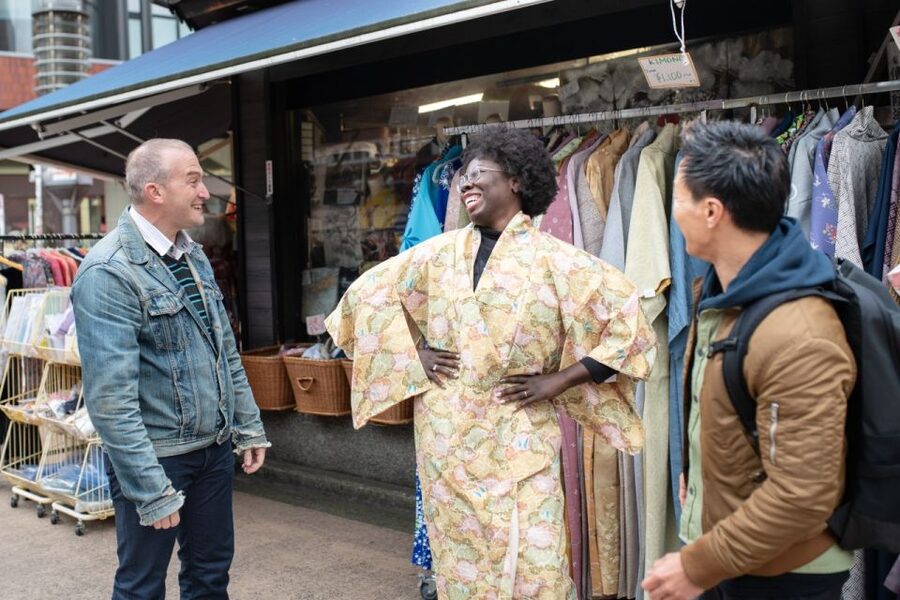
I would recommend it most strongly to:
- First-time visitors who want help getting oriented
- Families that need a flexible pace
- Couples who want food, shopping, or neighborhood life rather than only major sights
- Visitors interested in anime, gaming, fashion, or artisan shops
- Anyone uneasy about Tokyo’s train system
- People who want a private guide instead of a fixed group schedule
It is also a smart choice early in your stay. One past guest wished the tour had happened on the first day rather than the fourth, and that advice makes sense. Early guidance can improve every day that follows.
You may want something else if you prefer a precise historical lecture, a fixed list of admission sites, a private car, or an all-inclusive food tour. This experience is strongest when you want conversation, local help, and room for spontaneous choices.
Practical details before you reserve
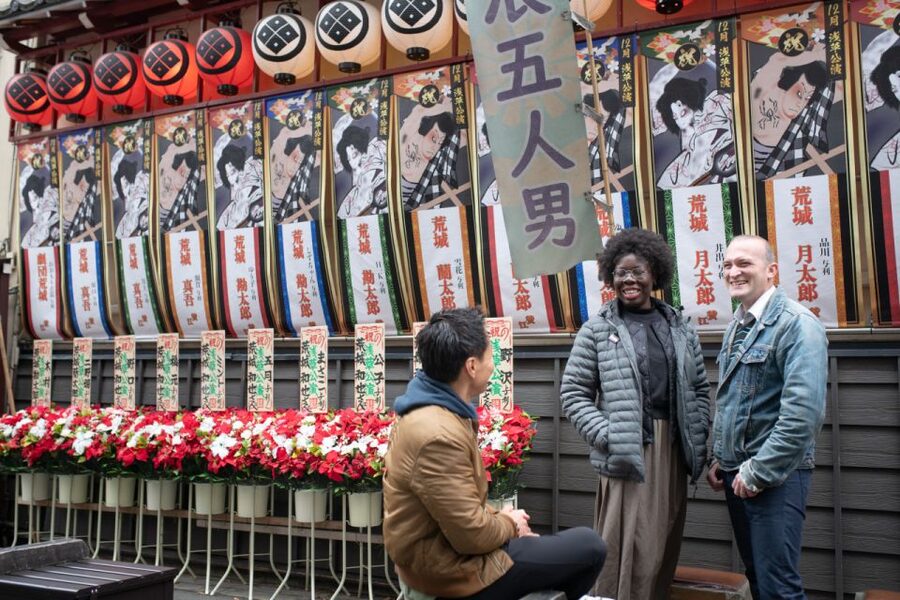
The tour lasts from three to eight hours, with the available start times shown during booking. You can request pickup at a central Tokyo hotel, or meet at Shibu Hachi Box in Shibuya.
English and Japanese are available. It is a private group experience, so the route is for your party rather than a large shared group.
Cancel up to 24 hours before the start for a full refund. You can also reserve now and pay later, which helps if your Tokyo schedule is still changing.
Bring comfortable shoes, a phone, and enough money for transport and any food or admissions you choose. Most importantly, complete the questionnaire carefully. Mention your walking ability, children’s ages, food needs, preferred neighborhoods, and any places already on your list.
Should you book the Tokyo private host tour?
Book it if you want Tokyo to feel less confusing and more personal. The best use is a first or second day, with a clear request such as old Tokyo and food, family-friendly sights, anime and gaming, or temples plus subway practice.
The $95 fee is fair for private planning and local help, but remember the extras. You are paying for the guide and flexibility, not a package of meals, tickets, or transport.
I would choose four hours for a focused introduction and six hours for a fuller first day. Ask for a specific host style through your questionnaire, explain your limits, and leave room for the small detour that may become your favorite part of Tokyo.
FAQ
How long does the Tokyo private tour last?
You can choose a duration from three to eight hours, depending on availability and the start times shown when you book.
Is the tour private?
Yes. The experience is arranged for a private group, with a personalized route rather than a large shared tour.
What languages are available?
The tour is available in English and Japanese.
Can the host pick me up at my hotel?
Hotel pickup can be arranged at a central Tokyo hotel. Otherwise, the meeting point is Shibu Hachi Box in Shibuya.
Are food, transport, and attraction tickets included?
No. Additional food, drinks, attraction tickets, and transportation costs are not included. Public transport or local taxis may be used between locations.
How is the itinerary planned?
You receive a questionnaire about your personality and interests. Your answers help match you with a host, who then communicates with you directly about an itinerary and recommendations.
Just added around Tokyo
- Kawagoe Japanese Food Tour : Unagi Kaiseki and Sake near Tokyo★ 5.0 · 30 reviews
- Kawagoe 4hr Private Tour with Licensed Guide (Kawagoe Dep)★ 5.0 · 13 reviews
- Little EDO Sushi Making workshop in Kawagoe★ 5.0 · 18 reviews
- 【R34】Tokyo:Private Daikoku tour in Modified R34★ 4.9 · 92 reviews
- :Tokyo,Shibuya/ Pro Photography in Kimono / English-Friendly★ 5.0 · 26 reviews
- Tokyo:Celebrate Unique Japanese New Year Tradition Festivity★ 3.9 · 20 reviews
- Tokyo: Allstar Food Tour★ 4.7 · 29 reviews
- Tokyo:Calligraphy &Make your original folding fan in Asakusa★ 5.0 · 62 reviews
Private, compared.
Private Tour to Mt. Fuji and Hakone (Fully Licenced Operator)
Our verdict →
Fushimi Inari Hidden Hiking Tour (Private Option Available)
Our verdict →
Private Kyoto Tour with a Local, Highlights & Hidden Gems, Personalised
Our verdict →
Tokyo Customized Private Tour (Must See Places in 1 Day)
Our verdict →
Tokyo 4hr Private Tour with Government-Licensed Guide
Our verdict →
Tokyo, Shaped Around You: A Private Experience with a Local
Our verdict →