Reviewed · PRIVATE
Tokyo : Must-see attractions private tour
Tokyo is easier to understand when someone helps you connect its temples, food stalls, train lines, and modern districts. This private, customizable walking tour lets you choose the focus, from Senso-ji and Tsukiji Outer Market to Akihabara, Ginza, or Tokyo Skytree.
I like the freedom to set your own pace, and I like having a local guide who can explain small points of Japanese etiquette, such as keeping quiet on public transport and not eating while walking. The main trade-off is simple: a flexible day can cover fewer sights, especially if you stop for photos, shops, and meals.
Key points at a glance
- Choose two to eight hours: A short outing can cover one area, while a full day gives you room to cross Tokyo by public transport.
- Meet at your hotel: The guide can start where you are staying, with pickup available depending on the selected option.
- Build your own Tokyo day: Focus on temples, food, anime, shopping, museums, city views, or a mix.
- Move by foot and public transport: This keeps the tour connected to everyday Tokyo rather than limiting you to a vehicle.
- Expect different guide styles: Fernando has been praised for explaining history and traditions, while Karl has focused on Japanese customs and manners.
- Keep your pace realistic: Lucas received strong praise for his attitude and planning, but one assessment found his historical explanations too light.
A private Tokyo day without the usual rush
The best feature here is control. You are not tied to a fixed sightseeing circuit, so you can tell your guide what matters most before setting out. If you want classic Tokyo, you might combine Senso-ji, Meiji Shrine, and a city viewpoint. If food and shopping matter more, Tsukiji, Ginza, and Akihabara could fill the day.
That freedom matters in Tokyo. The city is spread across many districts, and each stop has a different feel. A guide can help you decide if your wish list is realistic within two, four, or eight hours. You still need to accept that Tokyo’s size makes it impossible to see everything in one outing.
The tour is private, so you do not have to match the pace or interests of strangers. You can stop to take photographs, ask questions, spend time in a shop, or move on when a place is not holding your attention.
A few more Tokyo half-days worth comparing
- 1-Day Tokyo Bus Tour
★ 5.0 · 14,250 reviews - Tokyo: TOKYO SKYTREE® Admission ticket
★ 4.5 · 11,192 reviews - Tokyo: teamLab Planets TOKYO Digital Art Museum Entry Ticket
★ 4.6 · 9,779 reviews
What the two to eight hours really mean
The shortest option is best treated as a focused introduction, not a grand tour of Tokyo. Pick one area or one clear theme. Senso-ji and Asakusa make sense for a temple-centered walk, while Tsukiji works for food and market culture. Trying to add distant districts in two hours would leave you watching the clock.
A longer tour gives you more choice, but it also brings more walking and public transport. An eight-hour day can link several parts of the city, yet you should not confuse flexibility with unlimited coverage. One visitor enjoyed Fernando’s careful pace but saw fewer places than expected because there was time for photographs and shops. That is not necessarily a flaw. In Tokyo, a slower visit can be more rewarding than racing between landmarks.
Tell your guide early if you want frequent stops. Also say if you prefer a brisk sightseeing schedule. The private format makes this conversation useful, and it can prevent a mismatch later in the day.
Senso-ji and Asakusa for old Tokyo
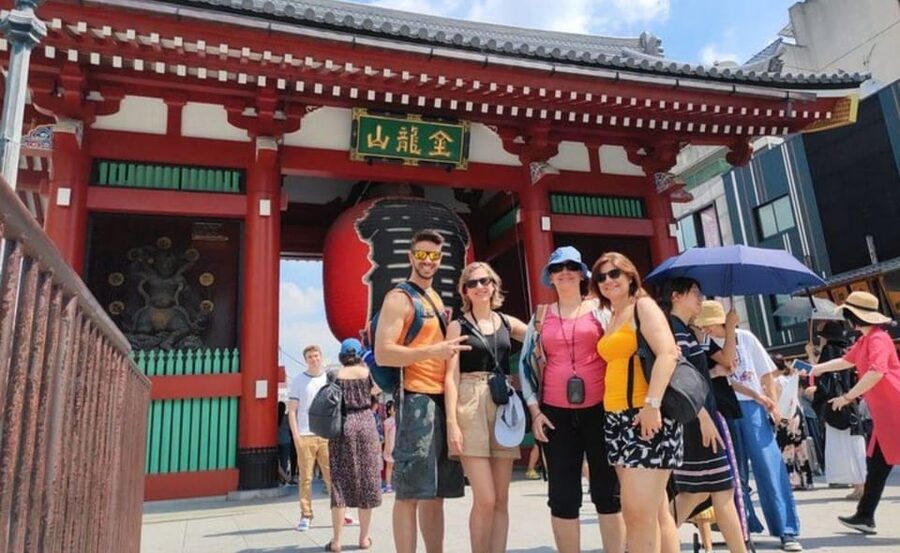
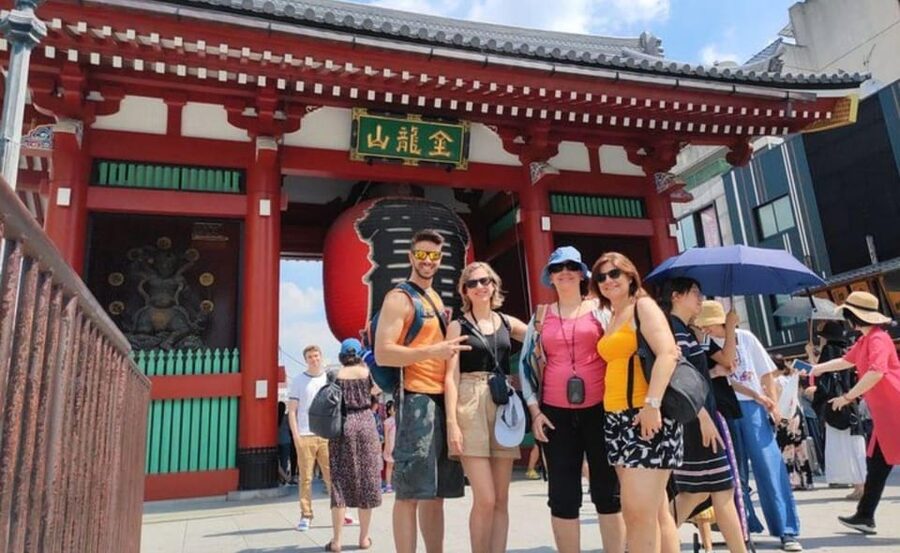
Senso-ji is one of the strongest choices for a first Tokyo outing. The approach through the Thunder Gate leads into a traditional temple setting, and a guide can explain the temple’s place in Asakusa and help you understand the rituals rather than simply walk through them.
This is a good area for questions. You can ask about the meaning of the gate, the steps used in temple worship, and the way the surrounding district developed. The nearby streets also give you a chance to browse shops and pause for photographs.
The drawback is time. Asakusa can easily absorb several hours if you stop often. Choose it when you want atmosphere and cultural context, not when your priority is checking off many far-flung sights.
Tsukiji Outer Market and Tokyo food culture
Tsukiji Outer Market suits anyone who wants Tokyo to be experienced through food. Your guide can help you find your way around the market, explain the role of seafood and street food, and point out local specialties.
A guide is especially useful here because a market visit is not just about looking at stalls. You may need help understanding what you are seeing and deciding how to approach unfamiliar foods. The tour information promises guidance toward fresh local delicacies, though the exact food you try will depend on what is available and on your own choices.
Build in time to eat rather than treating Tsukiji as a quick photo stop. If you are combining it with several other districts, tell your guide whether tasting food is a main goal or a small part of the morning.
More Private-Only Departures in Tokyo:
- Tokyo 6hr Private Tour with Government-Licensed Guide
★ 5.0 · 3,902 reviews - Tokyo Customized Private Tour (Must See Places in 1 Day)
★ 5.0 · 1,499 reviews - Tokyo: Private City Highlights Tour with Local Guide
★ 4.8 · 1,433 reviews - Private Custom Tour: Tokyo in a Day
★ 5.0 · 1,432 reviews
Meiji Shrine and the quiet side of Tokyo
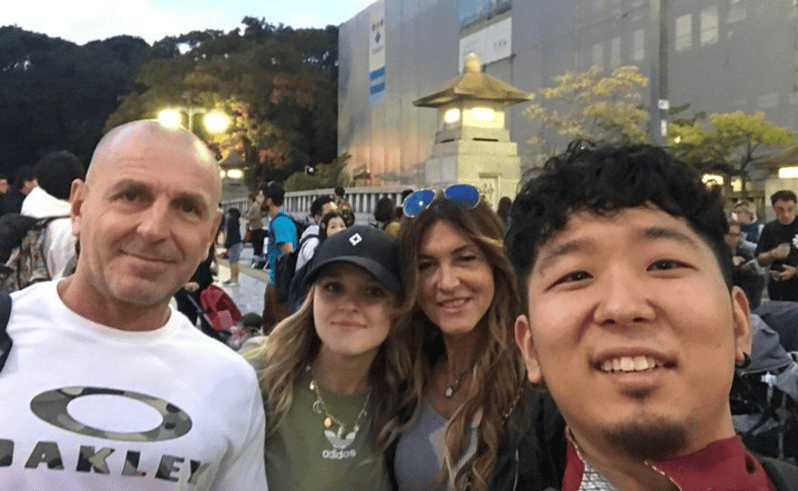
Meiji Shrine offers a change of pace from the city’s shopping streets. The torii gate and wooded approach provide a setting for learning about Shinto practice, the shrine’s history, and the customs connected with a visit.
This stop works well for first-time visitors who want cultural background without spending the entire day in museums. Your guide can explain when to bow, how shrine rituals differ from temple practices, and why the setting matters.
The shrine is not the place for a rapid visit. You get more from it when you walk calmly and pay attention to the transition from the city streets into the forested grounds. If your chosen tour lasts only two hours, select it as the main focus rather than adding too many other stops.
Akihabara, Ginza, and Roppongi Hills
Tokyo’s modern side offers three very different choices. Akihabara is the pick for electronics, anime, and gaming. A guide can help you sort through its many stores, explain the cultural meaning of the district, and take you to places that may not be obvious on your own.
Ginza is more polished and upscale, with department stores, dining, entertainment, and high-end shopping. Here, a guide can add context about the district and help you decide where to browse or eat. The experience is less about one landmark and more about understanding how Tokyo combines commerce, design, and city life.
Roppongi Hills brings art and architecture into the mix. The Mori Art Museum is one possible focus, along with shopping and city views. Choose this district if you want a modern cultural stop rather than a traditional temple visit.
These areas should not all be forced into a short tour. Akihabara and Ginza have different purposes, and Roppongi Hills can take time if you add art or views. Be clear about your top priority.
Tokyo Skytree, Odaiba, and Ueno Park
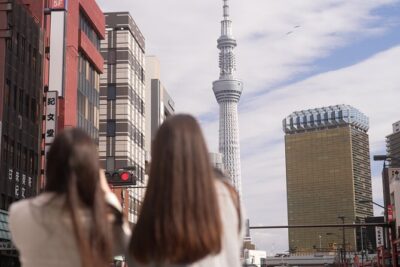
Tokyo Skytree is the natural choice if you want a broad view of the city. Your guide can explain the tower’s construction and significance while you take in the panorama from its observation decks. The view is the main event, but the surrounding information helps you understand Tokyo’s scale.
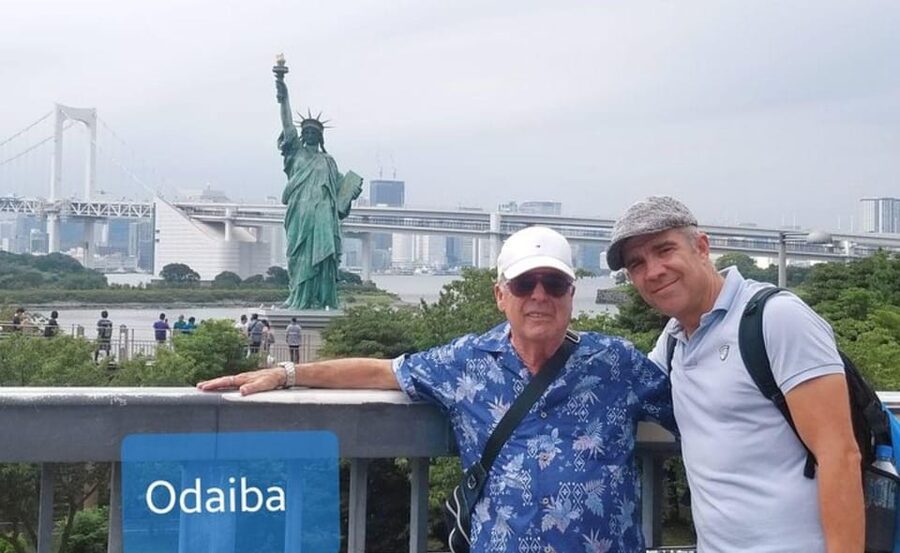
Odaiba offers another modern angle. This artificial island is known for entertainment complexes, futuristic buildings, and photo viewpoints. A guide can help with orientation and explain how the area came to be. It is a good choice if you want architecture and leisure spaces rather than temples and markets.
Ueno Park gives you a mix of open space, museums, and cultural attractions. Your guide can point out the park’s important sites and help you choose where to spend your time. During cherry blossom season, the guide can also direct you toward suitable viewing areas, though the tour details do not promise a particular bloom date or special event.
All three stops require sensible planning. They are not interchangeable quick pauses. Ask your guide which one fits best with your other choices and the time available.
The value of local advice
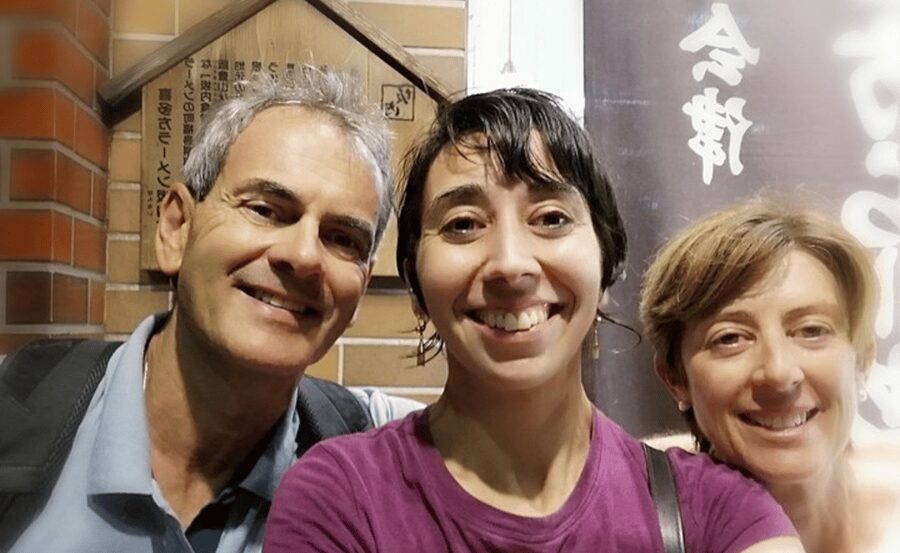
The strongest reason to book a private tour is not simply reaching famous sights. It is getting help with the small decisions that shape the rest of your stay.
Your guide can suggest other things to do after the tour, explain how different districts connect, and help you focus on an area that matches your interests. Karl, for example, has been noted for explaining everyday Japanese customs and polite behavior, including the quiet expected on public transport and the preference for not eating while walking.
That kind of advice is practical. It helps you avoid looking confused on a train platform and gives you a better sense of how to behave respectfully. Fernando has also been praised for his knowledge of local history and traditions, plus his willingness to let the day proceed at a comfortable pace.
Guide quality can vary, so set expectations early. One assessment found Lucas friendly, flexible, and pleasant but wanted more basic historical and cultural explanation. If context is important to you, say so before the walk begins and ask for more background at each stop.
Walking, trains, and hotel pickup
The tour uses walking and public transport, except where a selected option says otherwise. That is a useful arrangement in Tokyo because it lets you experience the city as a resident does, rather than viewing it only through a vehicle window.
You should be ready for a fair amount of walking, station navigation, and time on trains. The exact amount depends on your chosen districts and tour length. If you have mobility needs, the activity is listed as wheelchair accessible, but you should still discuss your route with the provider before booking, since Tokyo’s stations and selected attractions can differ.
The guide meets you at your hotel, with pickup optional according to the chosen arrangement. Confirm the exact pickup details when you select your option. Since the starting location depends on that choice, the first part of the day may vary.
Is $53 per person good value?
At $53 per person, this can be good value for a private introduction, especially if you use the guide for orientation and practical advice that helps with the rest of your Tokyo stay. The value improves when several people share the private experience, since the guide’s time is devoted only to your group.
Do not judge the price by the number of landmarks you can photograph. A slow, well-explained visit to two districts may offer more than a rushed list of six. The tour includes the private walking experience, customization, hotel meetup, walking, and public transport, except for selected options. Check the exact option details before assuming every cost is covered.
The flexible duration also lets you match the price to your schedule. A two-hour tour may be enough to get your bearings, while an eight-hour tour makes sense if you want a full day with several areas.
Who will get the most from this tour?
I would recommend it to first-time visitors who feel unsure about Tokyo’s scale, families or private groups with different interests, and anyone who wants a guide to adjust the day on the spot.
It also suits you if you care about manners, history, and local context, not just photographs. The comments about Fernando and Karl suggest that the right guide can add useful detail about traditions and daily behavior.
You should think twice if you want a fixed, academic lecture with guaranteed depth at every stop. The experience depends partly on the guide assigned to you. If historical detail is essential, state that preference clearly when arranging the tour.
The activity is offered in English, French, Italian, Spanish, Japanese, Chinese, and Traditional Chinese. It is a private group experience, so you can ask questions without feeling that you are holding up a large party.
Practical booking details
You can cancel up to 24 hours in advance for a full refund, and the reserve-now, pay-later option keeps your plans flexible. Starting times depend on availability, so check the schedule for your chosen date.
The overall rating is 4.7 from 53 assessments, with especially strong praise for flexibility, guide attitude, cultural explanations, and the ability to follow a comfortable pace. The less positive experience points to the main risk: not every guide may provide the same level of historical detail.
Should you book it?
Book this tour if you want Tokyo shaped around your interests and prefer a private guide to a fixed group route. It is particularly useful early in your stay, when advice about customs, neighborhoods, and public transport can improve the days that follow.
Choose a focused plan for two to four hours, or allow a full eight hours if you want to connect several districts. Ask for history and cultural explanation if that matters to you, and accept that a slower pace may mean seeing fewer places. At $53 per person, the best value comes from using the guide for judgment, context, and flexibility, not simply counting attractions.
FAQ
How long does the private Tokyo tour last?
The tour can last from two to eight hours. Starting times depend on availability.
Where does the guide meet the group?
The guide meets you at your hotel, with pickup available depending on the selected option.
Is this a private tour?
Yes. The activity is offered as a private group experience.
Can the tour be customized?
Yes. The walking tour is customizable, so you can discuss the sights and areas that interest you.
Which Tokyo sights can be included?
Possible areas and attractions include Tsukiji Outer Market, Senso-ji Temple, Meiji Shrine, Akihabara, Tokyo Skytree, Ginza, Odaiba, Ueno Park, and Roppongi Hills.
Does the tour include public transport?
Walking and public transport are included except if you select one of the options that states otherwise.
What languages are available?
Guiding is available in English, French, Italian, Spanish, Japanese, Chinese, and Traditional Chinese.
Is the tour wheelchair accessible?
Yes, the activity is listed as wheelchair accessible.
Can I cancel for a full refund?
Yes. You can cancel up to 24 hours in advance for a full refund.
Do I have to pay at the time of booking?
No. The reserve-now, pay-later option lets you book without paying immediately.
Just added around Tokyo
- Kawagoe Japanese Food Tour : Unagi Kaiseki and Sake near Tokyo★ 5.0 · 30 reviews
- Kawagoe 4hr Private Tour with Licensed Guide (Kawagoe Dep)★ 5.0 · 13 reviews
- Little EDO Sushi Making workshop in Kawagoe★ 5.0 · 18 reviews
- 【R34】Tokyo:Private Daikoku tour in Modified R34★ 4.9 · 92 reviews
- :Tokyo,Shibuya/ Pro Photography in Kimono / English-Friendly★ 5.0 · 26 reviews
- Tokyo:Celebrate Unique Japanese New Year Tradition Festivity★ 3.9 · 20 reviews
- Tokyo: Allstar Food Tour★ 4.7 · 29 reviews
- Tokyo: West-Side Cycling and Food Tour with Guide★ 5.0 · 37 reviews
Private, compared.
Private Tour to Mt. Fuji and Hakone (Fully Licenced Operator)
Our verdict →
Fushimi Inari Hidden Hiking Tour (Private Option Available)
Our verdict →
Private Kyoto Tour with a Local, Highlights & Hidden Gems, Personalised
Our verdict →
Tokyo Customized Private Tour (Must See Places in 1 Day)
Our verdict →
Tokyo 4hr Private Tour with Government-Licensed Guide
Our verdict →
Tokyo, Shaped Around You: A Private Experience with a Local
Our verdict →