
Reviewed · TEMPLES & SHRINES
Tokyo: Mt. Fuji, Owakudani, Hakone Shrine, & Open-Air Museum
Hakone packs modern art, volcanic activity, and mountain scenery into one very busy day. This $79 trip gives you transport, admission tickets, and an English or Korean-speaking guide, so you can reach several places that are awkward to connect by public transit.
I like the Hakone Open-Air Museum, where large sculptures sit among gardens instead of behind glass, and I like the practical flexibility. Guides such as Juna, Icchi, and Yuichi have adjusted the route for rain, crowds, and better views. The main drawback is time: traffic from Tokyo and weather around Mount Fuji can change the plan, and you may spend much of the day moving between stops.
Key points to know
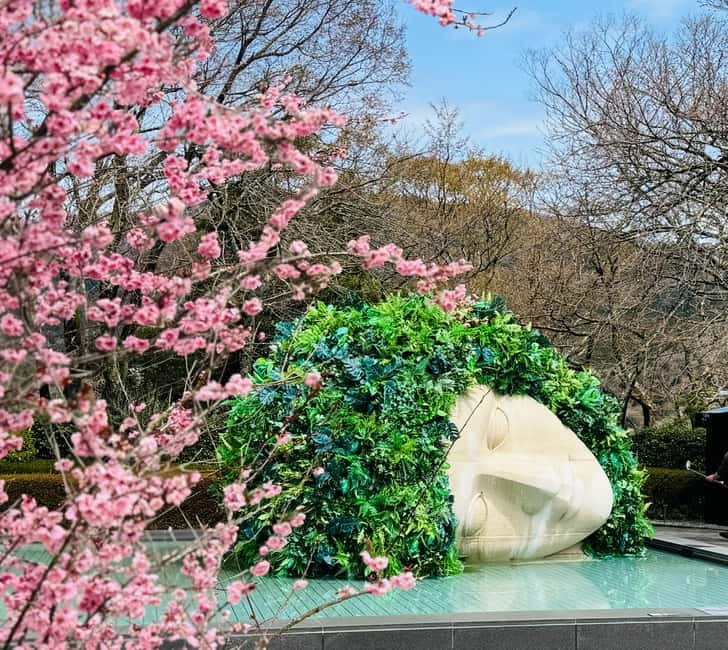
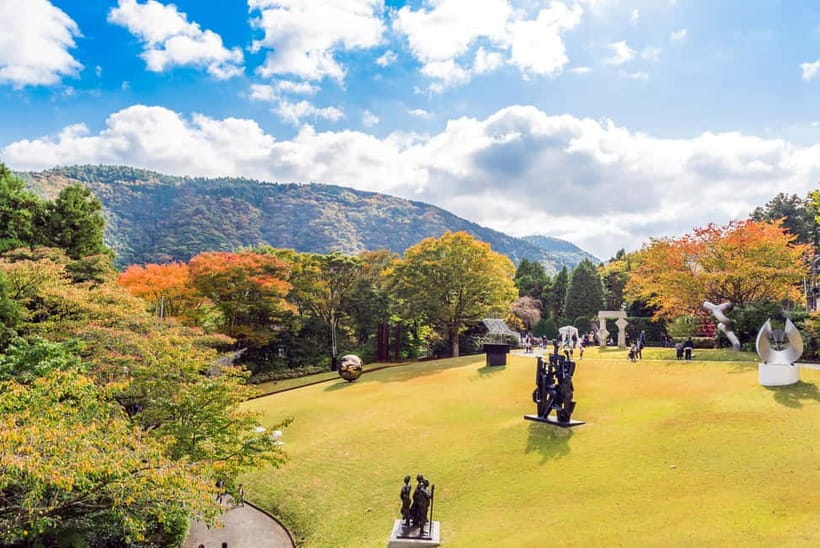
- Hakone Open-Air Museum: See Henry Moore, Joan Miró, Picasso, and outdoor sculpture in a mountain setting.
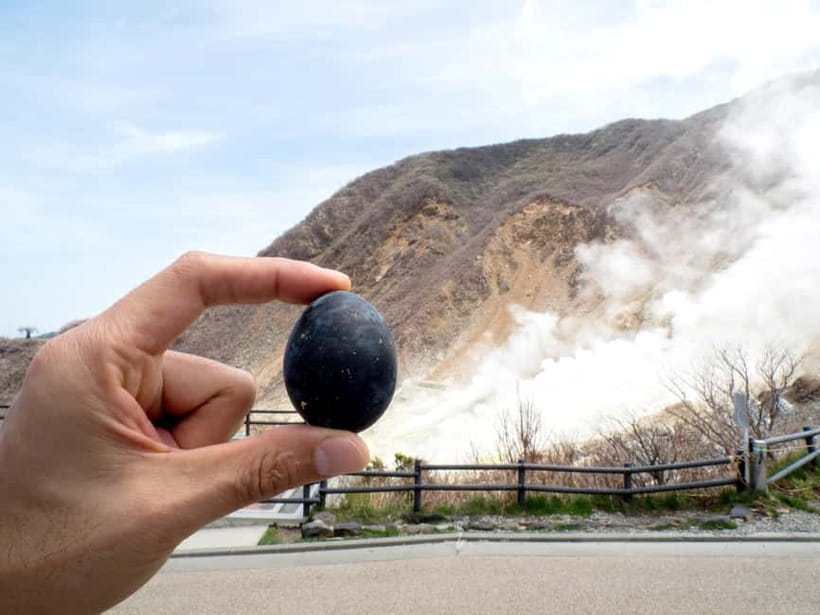
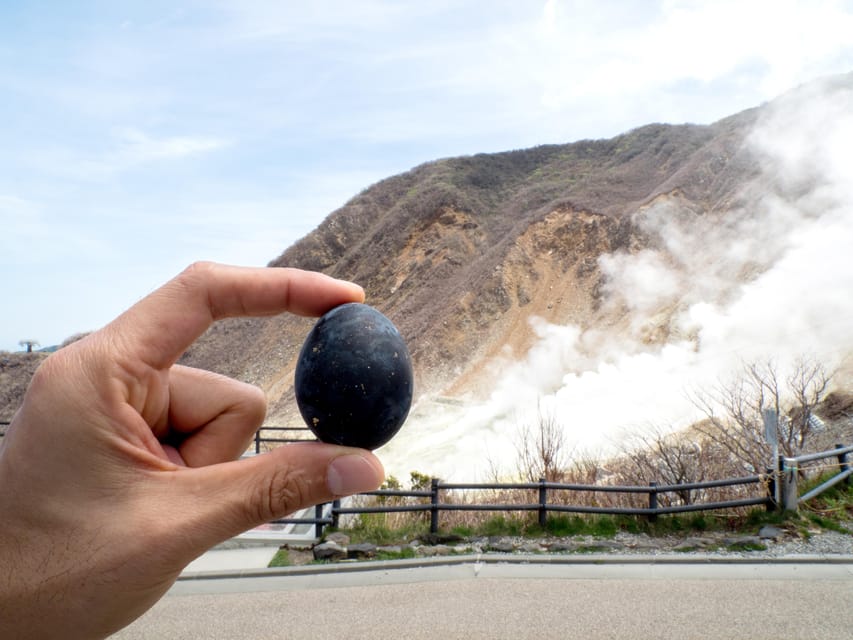
- Owakudani: Walk through an active volcanic valley with sulfur fumes, hot springs, and unusual ground formations.
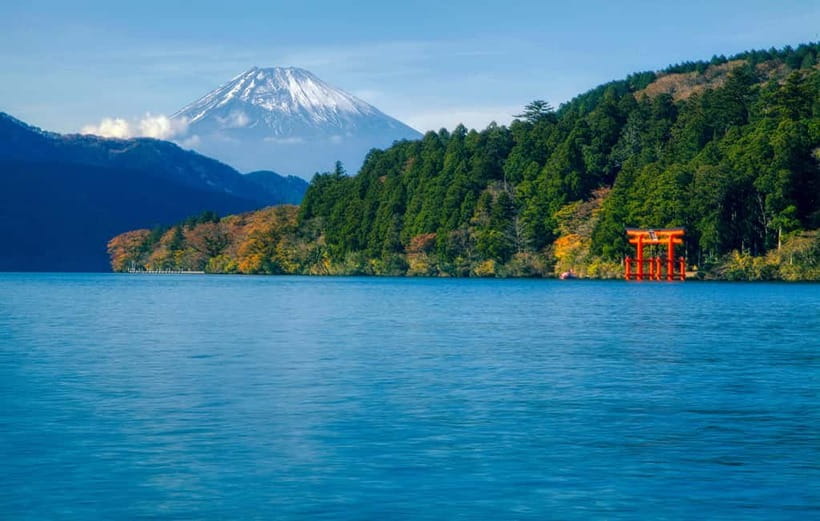
- Hakone Shrine: Visit the lakeside torii gate and forested shrine area beside Lake Ashi.
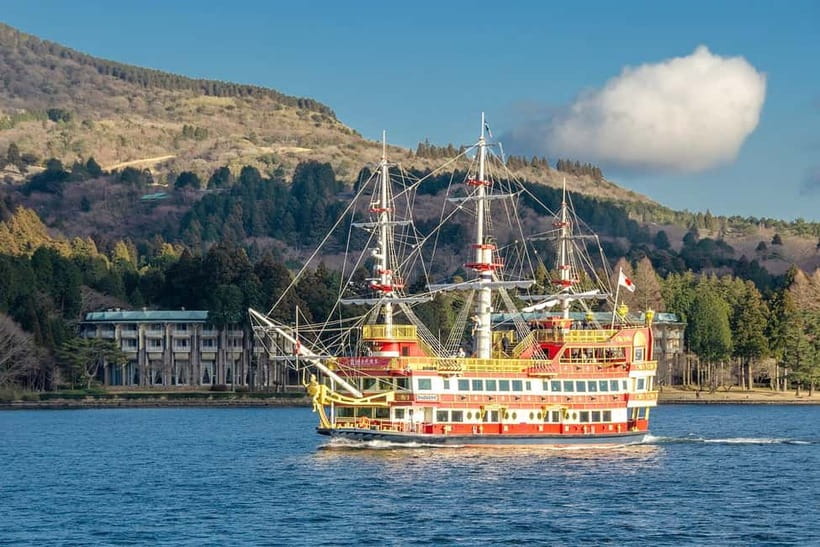
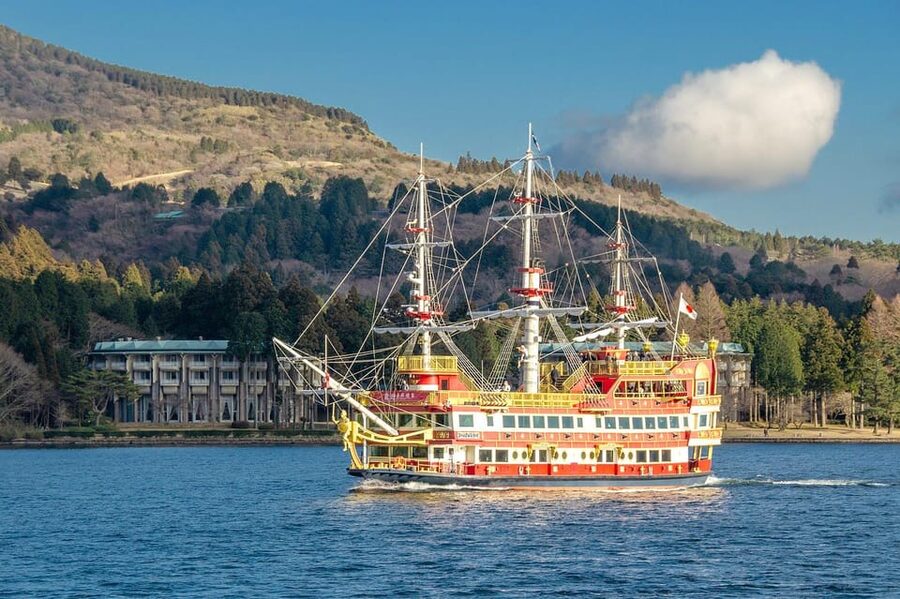
- Optional transport: Add the Hakone Ropeway or pirate ship when weather and local conditions permit.
- Flexible routing: The order can change in heavy traffic or rain, which may help you avoid the worst crowds.
- Good value at $79: Transport, guide service, and admission tickets are included, while food and optional rides cost extra.
Why Hakone works as a day trip from Tokyo
Tokyo can feel like a world of trains, towers, shop signs, and packed streets. Hakone gives you a very different day without requiring an overnight stay. Here, you trade city blocks for forested hills, Lake Ashi, volcanic steam, and outdoor art.
The trip is not a slow rural retreat. It is a greatest-hits circuit, and the distance from Tokyo means the schedule depends heavily on road traffic. Still, the mix is unusually strong. You get culture at the museum, geology at Owakudani, and quiet shrine scenery by the lake.
I see this as a useful choice if you have only one day for the Hakone area. The included vehicle removes the need to work out several separate trains, buses, cable cars, and walks. You also have someone who can explain the route and help if you want to add a ropeway or pirate ship ride.
More Temple & Shrine Tours in Mount Fuji:
- Mt. Fuji Heritage Tour: Traditional Villages, Lakes & Shrine
★ 4.5 · 509 reviews - From Tokyo: Fuji Mountain Area – FujiQ – Lake Kawaguchiko – Chureito Pagoda
★ 4.8 · 32 reviews - Kyoto: Fushimi Inari, Kinkakuji, Bamboo Grove 1 Day Bus Tour
★ 4.8 · 4,316 reviews
Starting with sculpture at the Hakone Open-Air Museum
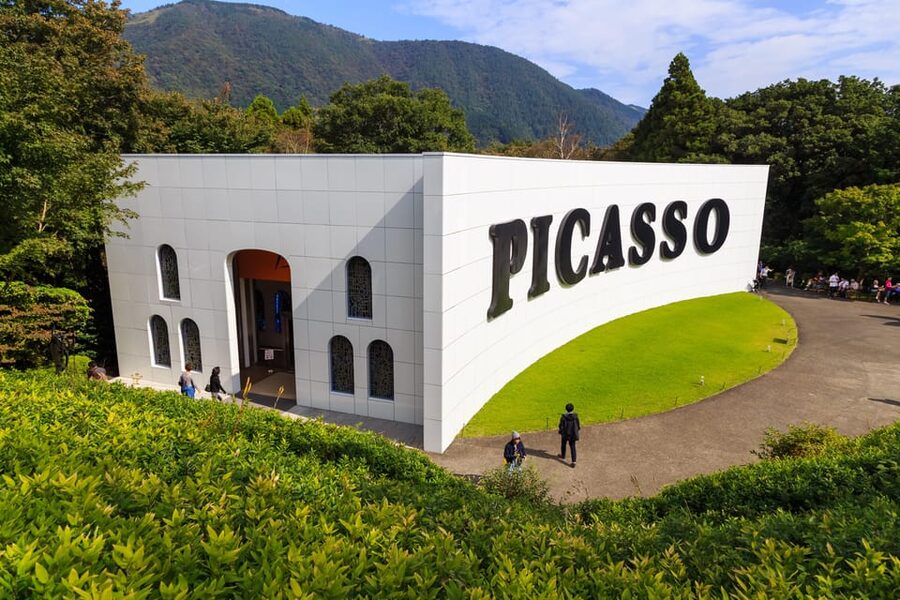
The museum is more than a quick gallery stop. Japan’s first open-air art museum spreads sculptures through gardens, with the surrounding hills forming part of the experience. You can walk among works by artists including Henry Moore and Joan Miró, then spend time in the Picasso gallery for a change of scale and mood.
This setting suits people who normally find traditional museums tiring. You are not moving room by room under artificial light for the whole visit. Instead, you can stop beside a large sculpture, look across the grounds, and continue at your own pace.
The museum also includes interactive art installations, which makes it a better fit for families than a formal fine-art collection might be. Children can have something to do while adults study the larger pieces. Even so, the stop still requires walking, and comfortable shoes matter.
Give yourself enough attention for the smaller details. The biggest sculptures are easy to notice, but the pleasure comes from how the pieces sit among trees, paths, and open views. If you rush through this stop, you reduce one of the tour’s most distinctive experiences to a simple photo opportunity.
The tradeoff is that outdoor art depends on weather. Rain can make paths less comfortable and may shorten the time you want to spend outside. On a clear day, though, the museum gives the tour a calm opening before the more dramatic volcanic stop.
Owakudani, where the ground is still active
Owakudani is Hakone’s most striking natural stop. This active volcanic valley is marked by sulfurous springs, steam vents, and exposed geological features. You are seeing a place shaped by heat below the surface, not simply a scenic mountain viewpoint.
The smell of sulfur can be strong, and the air may feel very different from the clean forest around the shrine. That is part of the point. Owakudani gives you a direct sense that Hakone is geologically active.
Conditions matter here. Weather can affect access, visibility, and optional ropeway operations. Your guide can help you decide if the Hakone Ropeway makes sense on the day, but its ticket is not included in the $79 price.
If you have a clear view, the area can also offer impressive mountain scenery. Mount Fuji is not guaranteed, however. Cloud, rain, and haze can hide it completely. You should treat a Fuji sighting as a bonus, not the main reason to book this particular outing.
Allow time for the simple pleasures of the stop: looking across the steaming valley, taking in the sulfur vents, and noticing how different the ground feels from ordinary woodland. The area is more about atmosphere and geology than a long hike, so it works well within a packed day.
Hakone Shrine and the torii on Lake Ashi
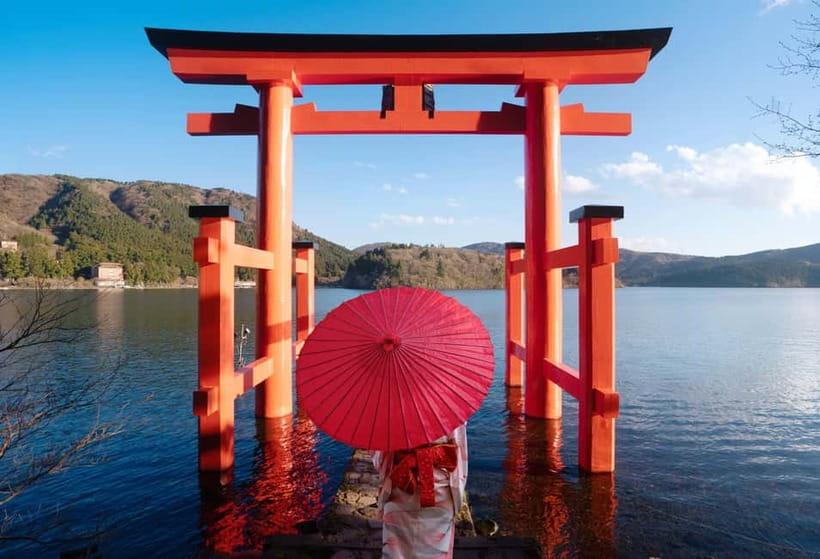
Hakone Shrine brings the quietest mood of the day. It sits in forest at the foot of Mount Hakone, near Lake Ashi, and its famous torii gate rises from the water. The contrast with Owakudani is sharp: one stop feels raw and volcanic, while this one feels shaded, ceremonial, and still.
The shrine is especially good for photography when the lake, mountains, and forest frame the gate. Crowds can gather around the most recognizable viewpoints, so timing makes a real difference. One guide rearranged the route to reach the shrine early, before loud groups filled the area. That is a useful reason to accept a changed itinerary rather than insisting on the original order.
You may also find mineral water near the shrine. Bring a bottle if you want to fill it, and keep a few five-yen coins for an offering if you enjoy taking part in local customs. These small preparations cost little but make the stop feel less rushed and more personal.
The shrine visit does involve walking, and the forest setting means paths can be uneven or damp in poor weather. You will want shoes with a firm sole rather than fashionable footwear designed only for city streets.
Lake Ashi gives you a chance to pause. Even if Mount Fuji is hidden, the water and wooded slopes still create a restful break from Tokyo. If Fuji does appear, the view can become the visual high point of the whole day.
More Museum Tours in Mount Fuji:
- Tokyo: teamLab Planets TOKYO Digital Art Museum Entry Ticket
★ 4.6 · 9,779 reviews - Osaka Castle: Museum and Tower Entry Ticket
★ 4.5 · 2,380 reviews - Tokyo: Samurai Ninja Museum Guided tour and Experience
★ 4.6 · 1,010 reviews - Kyoto: Tea Museum Tickets and Matcha Grinding Experience
★ 4.9 · 739 reviews
Optional ropeway and pirate ship rides
The route may offer two extra ways to see Hakone: the Hakone Ropeway and the pirate ship on Lake Ashi. These are optional purchases, not part of the $79 package, and they depend on weather and local conditions.
The ropeway is the more natural addition if you want another look at Owakudani and the surrounding hills. The pirate ship gives you a different angle on Lake Ashi and may work well after visiting Hakone Shrine. One flexible route used the ship first, then the cable car to Owakudani, before ending at the museum.
Do not assume you will have time for both. This is a one-day tour from Tokyo, and the vehicle cannot operate for more than 10 hours under Japanese law. Traffic, queues, weather, and the chosen order of stops all affect what fits.
Your guide can assist with these choices, which is useful if you are unsure how the local transport connects. Ask early in the day. Waiting until the final stop may leave too little time for an optional ride.
What the vehicle and guide add
The practical value here is not just getting from Tokyo to Hakone. It is avoiding the mental work of connecting several types of transport while trying to keep a sightseeing schedule intact.
You receive transportation, admission tickets, and an English or Korean-speaking guide. Meals are not included, and you should bring snacks or a light lunch for the bus or attraction stops. That advice matters because the schedule may not leave room for a relaxed restaurant meal.
The guides can also make a big difference when conditions turn poor. Juna was praised for taking care of small needs, while Icchi handled heavy rain safely and changed the order to make the shrine more peaceful. Yuichi adjusted the plan to give the group a better chance of seeing Mount Fuji and Lake Ashi before continuing to Owakudani.
Those examples point to the tour’s strongest human feature: flexibility. The guide cannot control clouds or traffic, but a good route change can protect your best chance at the shrine, the lake, or Fuji.
Group size may vary. One particularly small departure had six people, which allowed the guide to respond quickly to the group. You should not assume every departure will be that small, but the vehicle format can be more efficient than trying to arrange each connection yourself.
Mount Fuji views are possible, not promised
The title places Mount Fuji among the main attractions, but Fuji visibility is entirely weather dependent. A rainy or cloudy day may give you no view at all. That is not a flaw unique to this tour, but it is an important expectation to set before booking.
If Fuji is visible, the best chance may come around Lake Ashi or during an adjusted route using the pirate ship and ropeway. Your guide may change the order to take advantage of a brief clearing. If the mountain stays hidden, Hakone still offers the museum, Owakudani, the shrine, and the lake.
I would not book this trip only for a Fuji photograph. I would book it for the combination of Hakone experiences, then regard Fuji as a welcome extra. That mindset will make a cloudy day feel far less disappointing.
The tour has also included a small origami Mount Fuji keepsake at the end. It is a modest touch, but it gives you something to take home when the real mountain refuses to appear.
Is $79 a good value?
At $79 per person, the price is reasonable for a full day that includes transportation, guide service, and admission tickets. The strongest value comes from saving time and avoiding the confusion of linking the Hakone Open-Air Museum, Owakudani, Hakone Shrine, and Lake Ashi on your own.
You still need to budget for food and any optional ropeway or pirate ship ticket. Those extras can change the final cost, so decide in advance how important those rides are to you.
The price is less compelling if you want a slow day at one location. This schedule covers several attractions, and Tokyo traffic can make the day feel long. It is better value for someone who wants broad coverage and prefers a guide to handle the movement between stops.
The included admissions also help. You are not paying $79 only for a ride to Hakone, then adding every major entrance fee separately. For a first visit, that simple structure makes planning easier.
Who should book this Hakone outing?
I would recommend it to you if you are staying in Tokyo and want to see several sides of Hakone in one day. It is particularly suited to first-time visitors, families who prefer a guided route, and anyone who does not want to study a complicated local transport map.
Art lovers will get the most from the Open-Air Museum. People interested in geology will remember Owakudani. Photographers will want the shrine and Lake Ashi, with Fuji as a weather-dependent reward.
You should think twice if you dislike early starts, vehicle time, changing plans, or busy sightseeing days. The route is efficient rather than leisurely. You should also bring comfortable shoes, snacks, rain protection suited to the forecast, and a bottle if you want mineral water near the shrine.
Reserve in advance if your schedule is tight, but remember that the route may reverse in peak season because of heavy traffic. You can cancel up to 24 hours ahead for a full refund, and the reserve-now, pay-later option keeps your plans flexible.
FAQ
What is included in the $79 tour price?
The price includes transportation, an English or Korean-speaking guide, and admission tickets.
Are meals included?
No. Meals are not included, so bring snacks or a light lunch for the bus or attraction stops.
Are the Hakone Ropeway and pirate ship included?
No. Both are optional activities that require an on-site ticket purchase and depend on weather and local conditions.
Can I see Mount Fuji on this tour?
You may see Mount Fuji if weather and visibility cooperate, but a view is not guaranteed. Clouds and rain can hide the mountain.
Can the tour order change?
Yes. The guide may adjust the order because of traffic, weather, peak-season crowds, or real-time conditions. The vehicle also cannot operate for more than 10 hours under Japanese law.
What languages are available?
The tour provides an English and Korean-speaking guide.
What should I bring?
Wear comfortable shoes. It is also recommended that you bring snacks or a light lunch. If you want to collect mineral water near Hakone Shrine, bring a bottle.
Just added around Mount Fuji
- Ramen Cooking Class at Lake Kawaguchiko (Short Course)★ 5.0 · 42 reviews
- Private Fuji Full-day Car Tour with Hotel Pickup -Local Guide★ 5.0 · 12 reviews
- Sushi Cooking Class at Sushi Factory -KIWAMI- Mt.Fuji★ 5.0 · 23 reviews
- Private Local Hiking to enjoy the nature and culture of Mt.Fuji★ 5.0 · 22 reviews
- Cute & Fun E-Car tour following guide around Lake Kawaguchiko★ 5.0 · 54 reviews
- Ramen Cooking Class at Ramen Factory in Mt.Fuji★ 5.0 · 101 reviews
- Fujisan Sushi Making Lesson★ 5.0 · 16 reviews
- Early Morning Kayaking With Views of Mt Fuji at Lake Kawaguchiko★ 5.0 · 69 reviews
Temples & Shrines, compared.

Tea Ceremony in a Traditional Tea House in Kiyomizu
Our verdict →
Meiji Shrine, Asakusa, Skytree Bus Tour and Cruise
Our verdict →
Fushimi Inari Hidden Hiking Tour (Private Option Available)
Our verdict →
Osaka/Kyoto:Kinkakuji,Arashiyama,FushimiInariShrine,NaraPark
Our verdict →
Nikko: Kegon Falls, Lake Chuzenji & Toshogu Temple
Our verdict →
Kamakura & Enoshima Day Trip including Temple Tickets
Our verdict →Browse the lists this tour appears in