
Reviewed · TEMPLES & SHRINES
Takayama: Onigiri and miso soup making at a buddhist temple
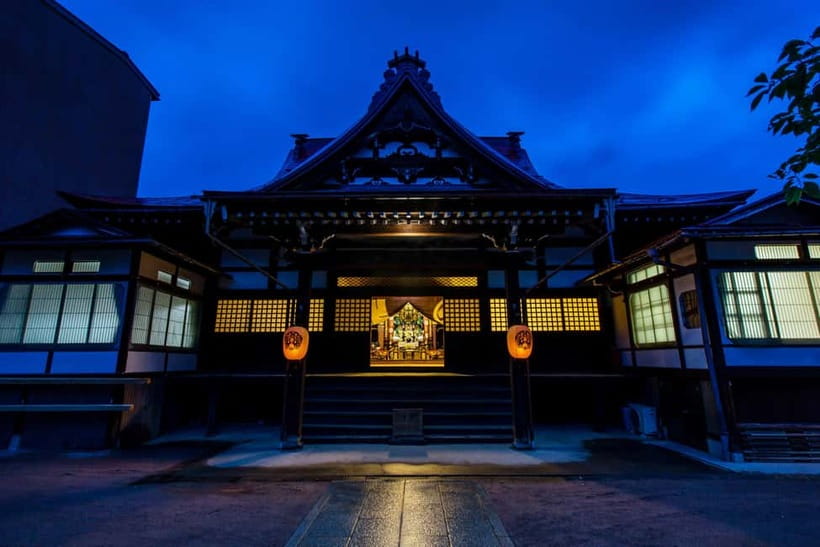
Making breakfast or lunch inside a Buddhist temple gives this Takayama class its special flavor. You do not simply watch a chef prepare Japanese food. You shape your own onigiri, stir together miso soup, and learn why gratitude and care matter at the table.
I like the hands-on format and the calm setting in the temple’s kuri, its kitchen space. I also like the clear English instruction, with teachers such as Kazuki and Tama able to explain both the cooking steps and the customs behind them. The main consideration is time: one hour is enough for a focused introduction, but not enough for a long lesson on Japanese food culture.
Key points to know
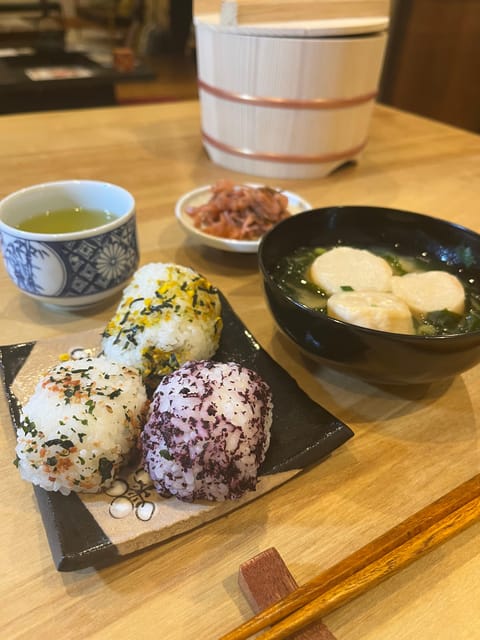
- Make and eat your own meal: Prepare onigiri and miso soup, then sit down to enjoy what you made.
- Cook in a temple kitchen: The kuri offers a peaceful setting that feels far removed from a standard cooking studio.
- Learn the meaning behind the food: The class connects cooking with Buddhist ideas of respect, mindfulness, and gratitude.
- English instruction: The activity is conducted in English, with step-by-step help from the instructor.
- Good value at $25: The price includes the lesson, ingredients, and a filling rice ball and miso soup meal.
- Plan for a short, focused class: The one-hour format works well for a busy Takayama schedule, though anyone wanting a deeper cultural lesson may find it brief.
Cooking onigiri inside a Takayama temple
Onigiri is one of Japan’s most familiar everyday foods: rice shaped by hand, often filled or seasoned, and commonly wrapped or served with simple accompaniments. It is humble food, but that is part of its appeal. You are learning something Japanese people can make at home, take to work, pack for a journey, or serve as a quick meal.
Here, the lesson takes place in a Buddhist temple rather than a restaurant or commercial cooking school. You enter through one of the temple gates and make your way to the entrance and kitchen area. The setting gives the class a slower rhythm. You are not rushing through a tourist checklist. You are handling basic ingredients and paying attention to the preparation.
The class uses fresh, seasonal ingredients. The exact fillings and accompaniments can vary, so you should expect a traditional approach rather than a fixed menu with a long list of choices. The focus is on learning the method and understanding the food, not on producing restaurant-style decoration.
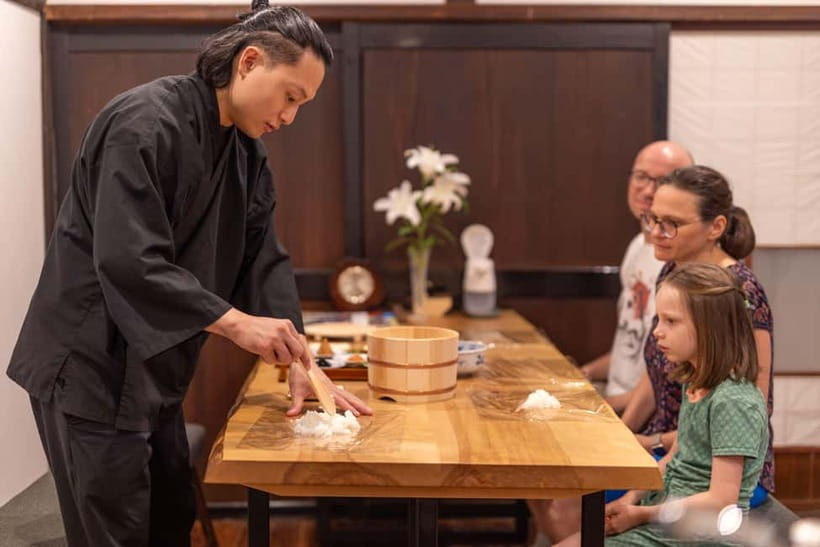
Your instructor guides you through the process step by step. You learn how to handle the rice and shape it into onigiri, then prepare miso soup as part of the same meal. The instructions are practical enough for you to repeat the dishes at home, and a recipe may be provided to take with you.
More Temple & Shrine Tours in Takayama:
- Kyoto: Fushimi Inari, Kinkakuji, Bamboo Grove 1 Day Bus Tour
★ 4.8 · 4,316 reviews - Kyoto: Tea Ceremony in a Traditional Tea House in Kiyomizu
★ 4.9 · 3,519 reviews - Kyoto: Tea Ceremony Ju-An at Jotokuji Temple
★ 4.9 · 3,207 reviews
What happens during the one-hour class
The hour is compact and well suited to a morning or lunchtime stop in Takayama. You should arrive about 10 minutes early, giving yourself time to find the correct entrance and settle in before cooking begins.
The meeting point has two gates in front of the temple. Enter through the gate closer to the traffic lights, then walk straight to the entrance and follow the directions. This is worth noting because arriving at the general temple area is not quite the same as being at the kitchen. Build in a little extra time if you are unfamiliar with the area.
Once inside, you receive an introduction to the meal and the temple setting. Some sessions include a prayer or a moment to pay respects to the temple’s patron. This is not a theatrical performance added for visitors. It helps explain why food preparation here is connected with attention, respect, and thanks.
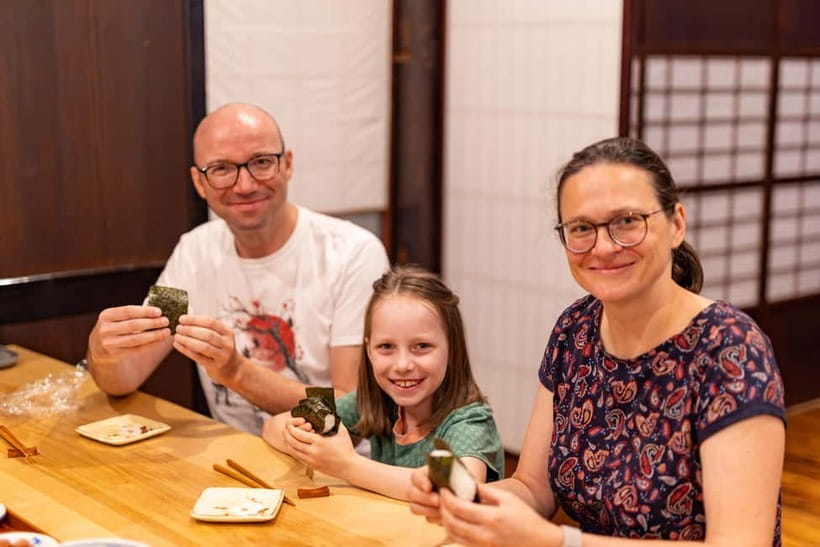
The cooking portion follows. You work with the ingredients under direct instruction, rather than standing back while someone else does everything. You prepare the miso soup and shape the rice balls yourself. The teachers are friendly and patient, and the English instruction allows you to ask questions about ingredients, cooking methods, and local customs.
The final part is the meal. You eat the onigiri and miso soup you have prepared, usually in the quiet temple surroundings. That simple change from kitchen work to shared meal gives the class a satisfying finish. You see the result, taste it, and leave with a recipe and a better sense of how these foods fit into daily Japanese life.
Why the temple setting matters
A cooking class can teach you a recipe anywhere. The temple adds a second layer.
The class introduces a Buddhist way of thinking about food without turning into a formal religion lesson. You learn to consider the ingredients, the work involved in preparing them, and the act of eating with gratitude. That context helps explain why a plain bowl of miso soup can feel more meaningful than its short ingredient list suggests.
The setting also changes the mood. A standard food workshop may be lively and busy, while this activity is designed to be peaceful. That does not mean the class is silent or solemn. You will cook, talk, ask questions, and share a meal. But the temple encourages you to slow down and pay attention.
This is especially useful if you have already spent time seeing Takayama’s streets, markets, and historic buildings. The class gives you a quieter way to connect with the area. You are not just looking at Japanese culture from the outside. You are taking part in a small daily practice.
Some participants have also been invited to attend morning prayer on another day. That invitation is not listed as part of the one-hour cooking class, so you should not book this activity expecting a prayer service. Still, it shows how the cooking lesson can open a door to a broader connection with the temple.
The teaching style and English support
The quality of this activity depends heavily on the instructor. Fortunately, the format allows for direct contact rather than a recorded demonstration or crowded lecture.
Kazuki has led sessions praised for warm hosting, clear cooking instruction, and explanations of the food. Tama has also guided participants with a friendly, helpful approach. Other temple staff may lead your class, but the important point is that the instruction is conducted in English.
You can expect help with the small details that make a difference at home: how to handle the rice, how to shape the onigiri, and how to prepare the soup. The teachers also explain ingredients and Japanese customs, so you are not left guessing why each step matters.
The English level appears strong enough for practical conversation about food and culture. That makes the class a good choice if you want to ask questions rather than simply copy movements. If you are interested in where to find similar ingredients or how the dishes fit into Japanese meals, use the time to ask.
The teaching is friendly, but do not expect a full culinary course. You will not spend several hours on knife skills, multiple regional recipes, or a detailed history of Japanese cuisine. This is a short introduction built around two foods and one cultural setting.
A few more Takayama half-days worth comparing
- World Heritage Shirakawa-go and Experience Tours from Kanazawa
★ 5.0 · 4,049 reviews - Kanazawa: World Heritage Shirakawa-go Morning Guided Tour
★ 4.9 · 988 reviews - From Nagoya: Gujo, Hida Takayama, and Shirakawa-go Day Tour
★ 4.4 · 398 reviews - Kanazawa: World Heritage Shirakawa-go & Two Local Experience
★ 4.9 · 274 reviews
The food: simple, filling, and vegetarian-friendly
The meal includes onigiri and miso soup as breakfast or lunch. It is not a tasting menu. You are getting a modest, traditional meal that also serves as the result of your work.
The miso soup receives especially strong praise for its flavor. That makes sense: the class gives you a chance to taste the difference between a carefully prepared soup and a quick version made without much thought. The soup is warm, savory, and a natural match for rice balls.
The onigiri are equally useful because they are easy to understand and easy to recreate. You do not need specialist equipment or advanced cooking skills. The point is to learn a practical food that belongs to ordinary Japanese life.
Vegetarian-friendly options are available. If you have dietary restrictions beyond that, confirm the details before booking, since the supplied information does not explain every ingredient or substitution. The menu may also reflect seasonal produce, so the food you prepare can vary.
One session included several variations of mochi, with enough for participants to eat freely. This may be an occasional addition rather than a guaranteed part of every class, so treat it as a possible bonus, not a promised feature.
Is $25 a fair price?
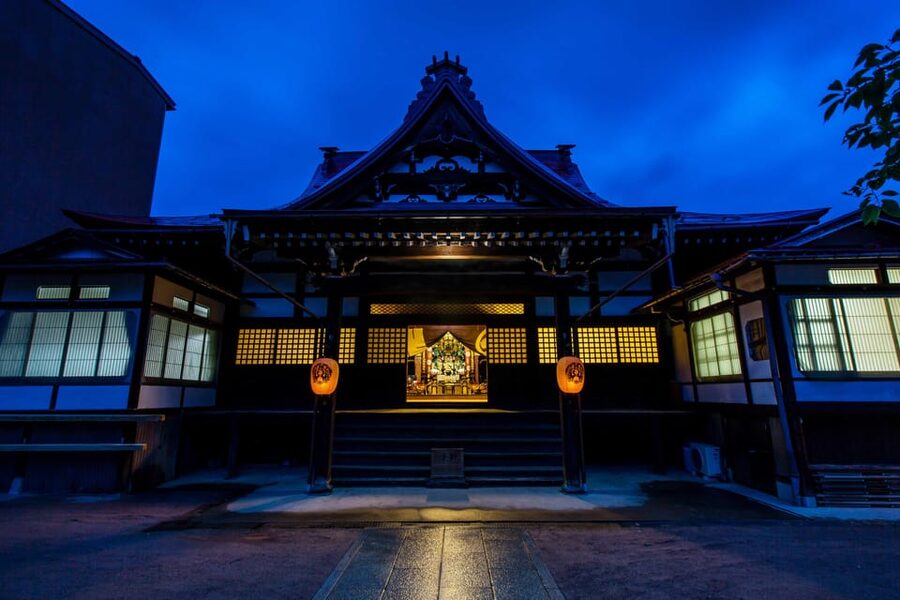
At $25 per person, this is good value if you want more than a meal. The price includes the ingredients, instruction, and the food you prepare and eat. You are also paying for access to a temple kitchen and an English-language cultural lesson, which makes the cost compare well with many short food activities.
The value is strongest for first-time visitors who want a manageable introduction to Japanese cooking. You leave with a recipe, practical skills, and a clearer idea of how food and Buddhist thought can connect.
If you only want a cheap lunch, you can eat onigiri and miso soup elsewhere for less. The extra cost here pays for the setting, guidance, and participation. That distinction matters. This is a cooking and culture activity that includes lunch, not simply a lunch deal.
A small group can make the price feel even better because the instructor can give personal attention. The experience is designed to be intimate, though group size can vary by date. If you want a private class, check the booking details rather than assuming one will be arranged.
Who will enjoy this class most?
I would recommend it to food lovers, first-time visitors to Japan, and anyone who prefers a personal activity over another sightseeing stop. It also suits people who want a gentle introduction to Buddhist customs without committing to a longer temple stay.
You do not need advanced cooking skills. The recipes are approachable, and the instructor works through the process with you. The class also fits well into a packed Takayama itinerary because it takes only one hour.
It is less suitable if you want a long, detailed discussion of Japanese cuisine. One participant found the activity excellent but wished for more time and cultural context. That is a fair point. The class covers a lot in a short period, so the explanations must stay focused.
Children under 10 cannot take part. The activity is also not suitable for wheelchair users or people with altitude sickness, according to the stated restrictions. Transportation to the temple is not included, and personal expenses are your responsibility.
Practical planning for your Takayama day
Choose the class as a morning breakfast or midday lunch stop. The food is substantial enough to serve as a light meal, and the timing makes it easy to pair with other sightseeing before or after.
Arrive 10 minutes early. Use the gate closer to the traffic lights, then continue straight to the entrance. Do not assume that transportation or parking is provided. One participant was told parking would be available but found there was none, so I would avoid planning around a private car unless you have confirmed the arrangement directly.
Wear clothing that lets you work comfortably in a kitchen. The supplied information does not list a dress code, but practical clothing is sensible for any hands-on food activity.
The experience is conducted in English. Vegetarian options are available, but ask ahead about allergies or specific dietary needs because the available details do not cover every possible substitution.
Cancellation is flexible: you can cancel up to 24 hours before the activity for a full refund. You can also reserve now and pay later, which is useful if your Takayama schedule is still changing.
Should you book the temple cooking experience?
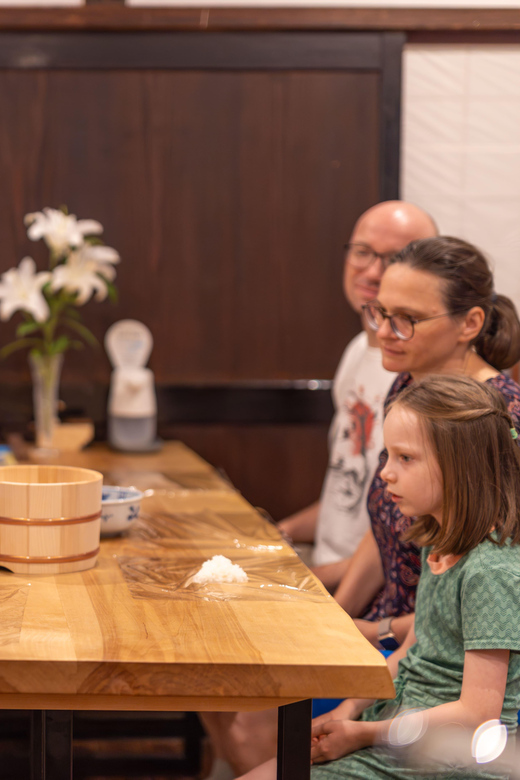
Book it if you want a short, hands-on introduction to Japanese food with a real cultural setting. The strongest parts are the personal instruction, the peaceful temple kitchen, the tasty miso soup, and the chance to eat food you prepared yourself.
Skip it if you are looking for an advanced cooking course, a long temple tour, or a large meal with many dishes. The one-hour schedule is both its advantage and its limit.
For most visitors, the $25 price is reasonable because the class combines food, instruction, and Buddhist context in one neat hour. It gives you something practical to take home, too: the ability to make onigiri and miso soup, plus a better understanding of why Japanese food is often prepared with such care.
FAQ
How long does the onigiri and miso soup activity last?
The activity lasts one hour. You should arrive 10 minutes before the scheduled start time.
What food will I make?
You will prepare onigiri, or Japanese rice balls, and miso soup. The meal is provided as breakfast or lunch, and seasonal ingredients are used.
Is the activity taught in English?
Yes. The instructor teaches in English, and guides such as Kazuki and Tama have led sessions.
Is the activity vegetarian-friendly?
Yes, vegetarian-friendly options are available. The provided information does not specify every ingredient or allergy substitution, so ask before booking if you have specific dietary needs.
Where do I meet the group?
You will see two gates in front of the temple. Enter through the gate closer to the traffic lights, walk straight to the entrance, and follow the directions there.
Is transportation or parking included?
Transportation to the temple is not included. Parking is not guaranteed, so do not depend on private parking without confirming it in advance.
Can I cancel the booking?
Yes. You can cancel up to 24 hours before the activity for a full refund. Reserve now and pay later is also available.
Just added around Takayama
- Takayama and Shirakawago/Photoshoot by professional photographer★ 5.0 · 67 reviews
- Shirakawago & Kanazawa from Kanazawa★ 5.0 · 51 reviews
- Private Tour of Shirakawago from Kanazawa (Half Day)★ 5.0 · 24 reviews
- Private Tour of Shirakawago and Gokayama from Kanazawa★ 5.0 · 50 reviews
- Private Tour Kanazawa, Shirakawago, Hida Furukawa,Takayama★ 5.0 · 108 reviews
- Private transfer Kanazawa to Takayama Including Shirakawago★ 5.0 · 15 reviews
- Gokayama and Shirakawago/Photoshoot by professional photographer★ 5.0 · 51 reviews
- From Kanazawa: Shirakawa-go, Gokayama and Wood Carving Village★ 5.0 · 90 reviews
Temples & Shrines, compared.

Tea Ceremony in a Traditional Tea House in Kiyomizu
Our verdict →

Meiji Shrine, Asakusa, Skytree Bus Tour and Cruise
Our verdict →
Fushimi Inari Hidden Hiking Tour (Private Option Available)
Our verdict →
Osaka/Kyoto:Kinkakuji,Arashiyama,FushimiInariShrine,NaraPark
Our verdict →
Nikko: Kegon Falls, Lake Chuzenji & Toshogu Temple
Our verdict →
Kamakura & Enoshima Day Trip including Temple Tickets
Our verdict →Browse the lists this tour appears in