
Reviewed · RAMEN & NOODLE TOURS
Eat/Drink like a LOCAL-Taverns & Ramen
Ueno is the setting for a very food-centered evening: three small taverns, at least seven dishes, five or more drinks, and a final bowl of ramen. The appeal is simple. You are not being marched through Tokyo’s most famous nightlife districts. You are being guided into places chosen for local diners, where the staff may speak only Japanese and the menu may need a friendly interpreter.
I like the range of food, from sashimi and grilled fish to skewered chicken and pork, followed by ramen. I also like Aki’s personal approach. He explains Japanese food and drinking customs, answers questions, introduces people in the group, and adds humor along the way. The main consideration is the pace and amount of food: this is a full meal spread across several restaurants, so come hungry and expect walking, stairs, and standing.
Key things to know before you book
- Three taverns plus ramen: You visit several local-style restaurants rather than settling in for one long dinner.
- At least seven dishes and five drinks: Beer, cocktails, spirits, wine, soft drinks, and other Japanese drinks are included.
- Ueno instead of Shibuya: The route focuses on Ueno and nearby Taito City, an area favored by Japanese food lovers.
- A guide who explains the customs: Aki adds context about ordering, drinking, dishes, and regional food traditions.
- A useful start for a Japan trip: You can ask for advice about other prefectures and places to eat or visit.
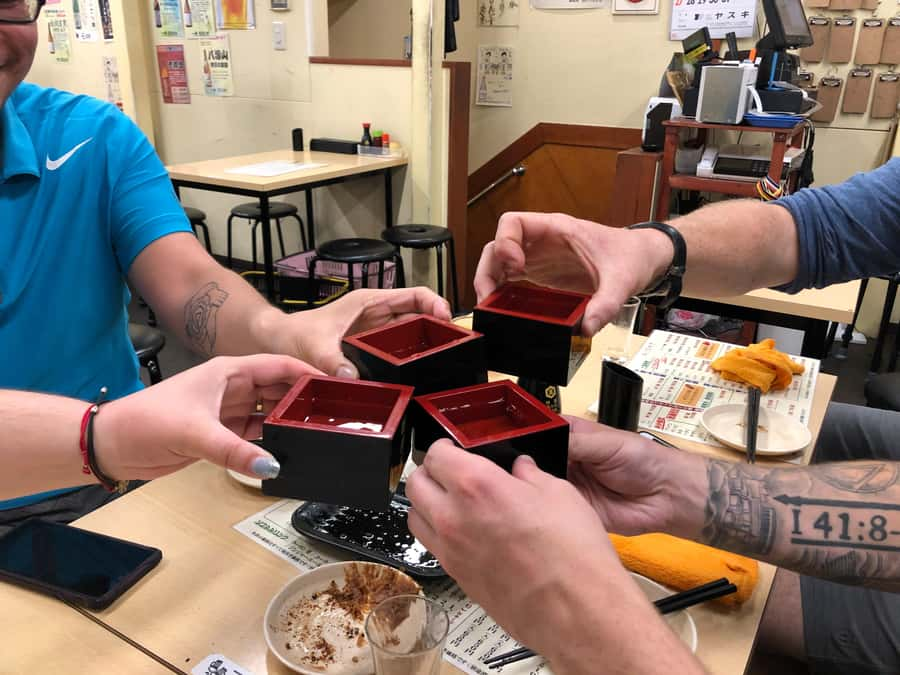
- A small keepsake included: You receive a porcelain cup connected to the experience.
Why Ueno makes a good food-tour base
Ueno has a different feel from Shibuya and Shinjuku. It is still central and easy to reach, but the tour presents it as a less tourist-heavy place for eating and drinking. That matters because the best part of a Japanese tavern is often the setting: a compact room, a menu built around familiar local dishes, and a staff working in Japanese rather than an English-facing tourist operation.
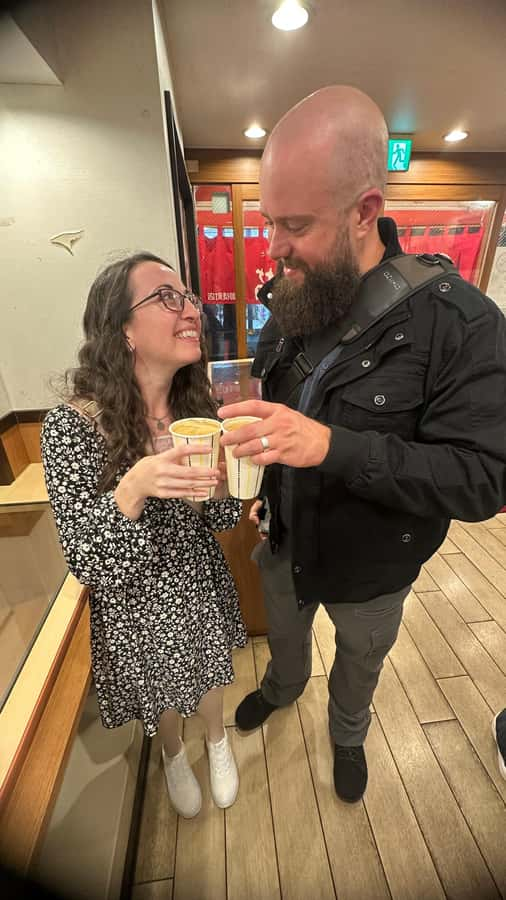
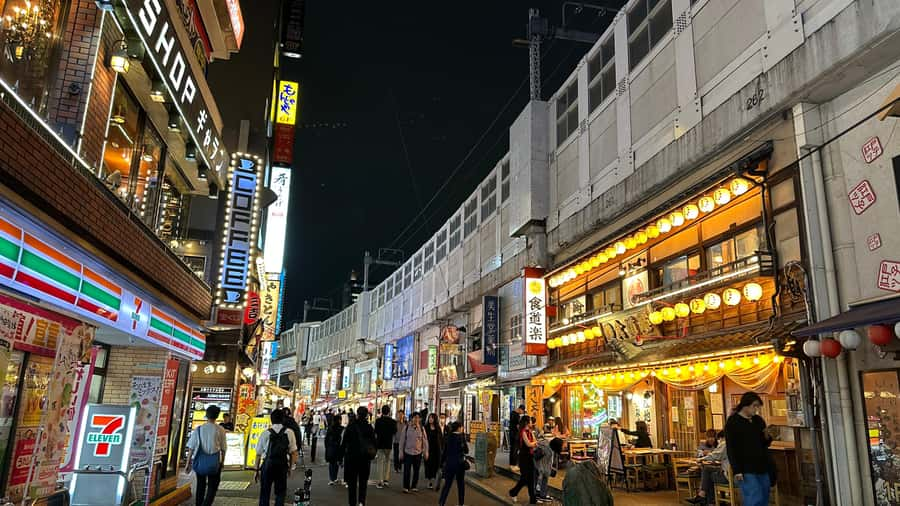
You begin near Starbucks at atré Ueno, beside the Hirokōji exit. This is not a quiet meeting point. Ueno Station is large, and the surrounding crossings and signs can be confusing, so allow enough time to find the correct exit. The meeting point is at the Starbucks entrance by the crosswalk, not at Ueno Hirokōji Station.
From there, you walk through Ueno and Taito City. The short transfers between stops are about five minutes, with a longer walk of around 15 minutes early in the route. This is useful for working up an appetite, but it also means comfortable shoes are a sensible choice.
More Ramen Tours in Tokyo
- Eat and Drink Like a Local: Tokyo Ueno Food Tour-Taverns&Ramen
★ 5.0 · 957 reviews - Ramen & Gyoza Cooking Class in Tokyo with Local Supermarket Visit
★ 5.0 · 823 reviews - Tokyo: Ramen Tasting Tour with 6 Mini Bowls of Ramen
★ 4.9 · 432 reviews
Starting with a drink and a small souvenir
The experience begins with a welcome drink at the meeting spot. Aki also presents a small porcelain cup, which you use during the tour and keep afterward as a souvenir. It is a modest item, but it gives the evening a nice physical reminder beyond photographs and food memories.
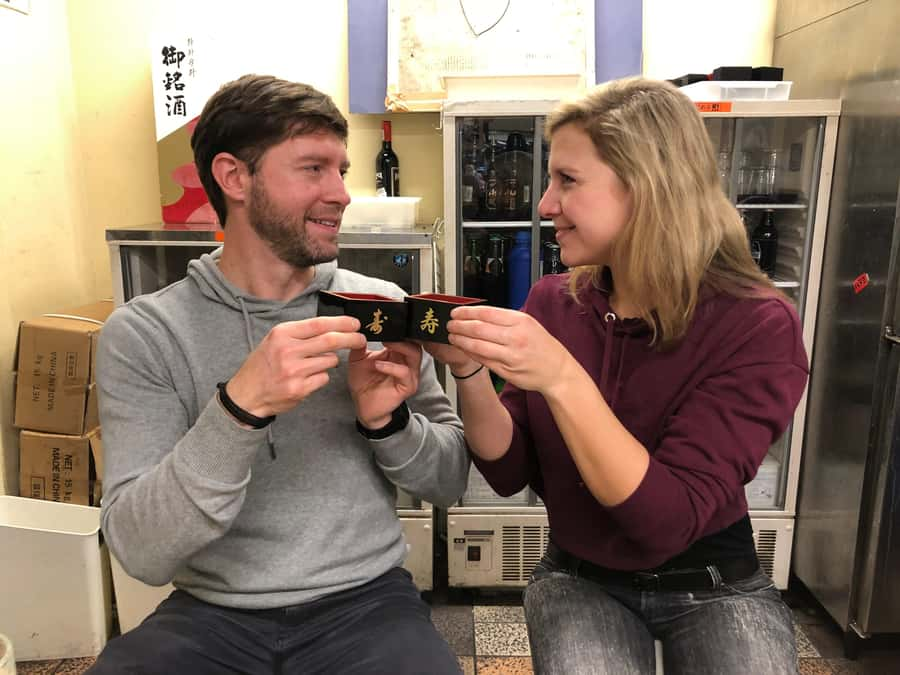
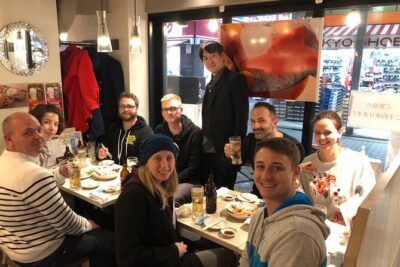
This first drink also helps settle the group. Food tours can feel awkward in the first few minutes, especially if you are alone. Aki has been praised for making introductions, keeping conversation moving, and making solo participants feel included. That makes this a practical choice if you are traveling alone or as a couple and want a social evening without joining a large sightseeing group.
The tour is in English, and Aki explains the food and drink customs as you go. You can ask questions about dishes, drinking habits, and places to visit in other prefectures. That extra advice may be one of the most useful parts of the evening if this is your first trip to Japan or if you plan to travel beyond Tokyo.
First tavern: local dishes without the tourist polish
The first restaurant visit lasts about 45 minutes and includes food tasting. The planned dishes include sashimi, grilled fish, and other Japanese specialties, though the exact selection can change. Rather than choosing one dish from a translated menu, you sample signature items selected for the group and hear how they fit into Japanese dining culture.
Sashimi can be a good test of how you feel about local tavern food. It is simple on the plate, but freshness, texture, dipping sauce, and the order in which you eat it all matter. Aki gives you the context you would miss if you simply pointed at a menu and hoped for the best.
The restaurant staff may speak only Japanese. That is part of the point, but it can also feel unfamiliar. You will not have the same control over every order that you would in a restaurant designed for international visitors. If you enjoy trying a set selection and letting the guide handle the ordering, this works well. If you need to choose every ingredient yourself, ask clearly about your dietary needs before the tour starts.
Second stop in Taito City: fish, skewers, and Japanese drinks
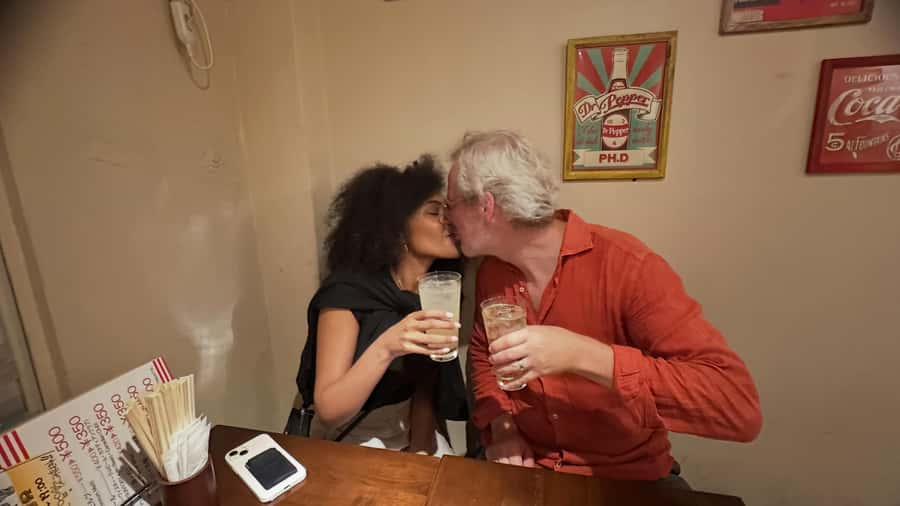
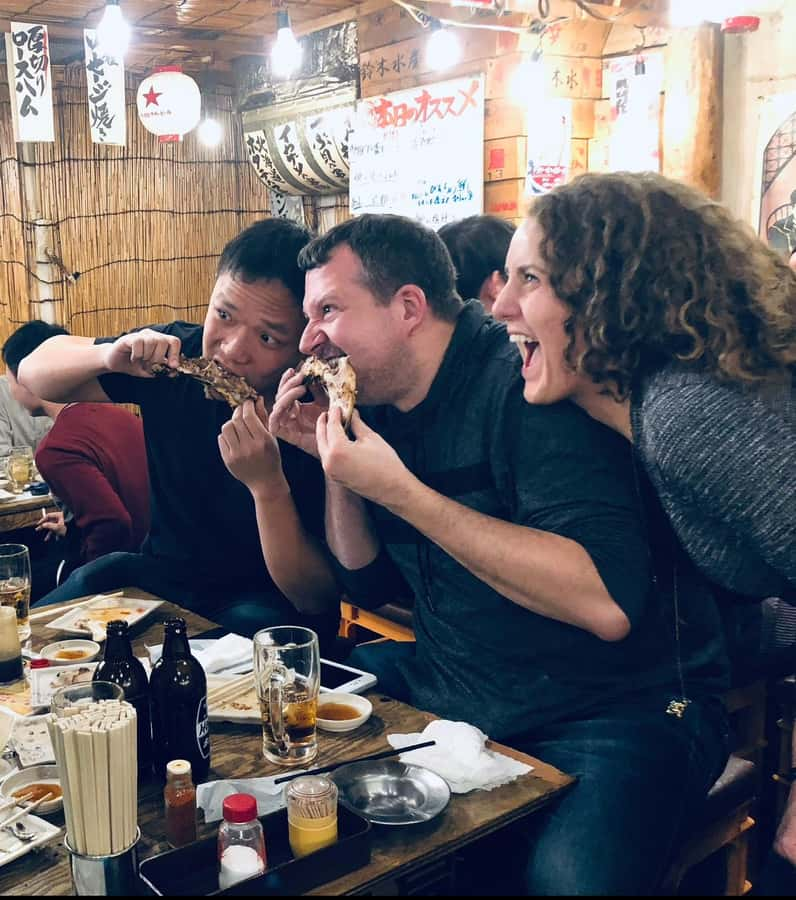
After a short walk, the route continues to Taito City for another tavern visit. This stop combines food tasting with more conversation about Japanese eating and drinking customs. You can expect grilled items and skewered chicken or pork, with other choices available depending on dietary restrictions.
Japanese skewers are especially well suited to this kind of evening. They are easy to share, arrive in manageable portions, and show how a simple ingredient can be treated in several ways. Grilled fish brings a different texture and flavor from the raw dishes at the first stop, so the meal does not feel like the same course repeated three times.
The drinks are a major part of the experience. You receive at least five different drinks in total, with possible selections including beer, wine, cocktails, spirits, and soft drinks. The tour also promises unusual Japanese alcoholic drinks, giving you a chance to try something beyond the standard beer or sake order.
You do not need to drink alcohol to take part. Soft drinks are included, and the food remains the main event. Still, if you are interested in Japanese drinking culture, this is where the tour offers more than a standard dinner. Aki explains what you are drinking and how it fits into the meal, rather than simply putting a glass in front of you.
Keep an eye on your pace. Five or more drinks across three hours can add up, especially with food at every stop. You can ask for soft drinks or take smaller sips. The tour is designed as a series of tastings, not a drinking contest.
Same trip, a completely different kind of day:
- 1-Day Tokyo Bus Tour
★ 5.0 · 14,250 reviews - Tokyo: TOKYO SKYTREE® Admission ticket
★ 4.5 · 11,192 reviews - Tokyo: teamLab Planets TOKYO Digital Art Museum Entry Ticket
★ 4.6 · 9,779 reviews - Tokyo: Sumo Show Experience with Chicken Hot Pot and a Photo
★ 4.8 · 6,678 reviews
Third stop: a local meal before the final bowl
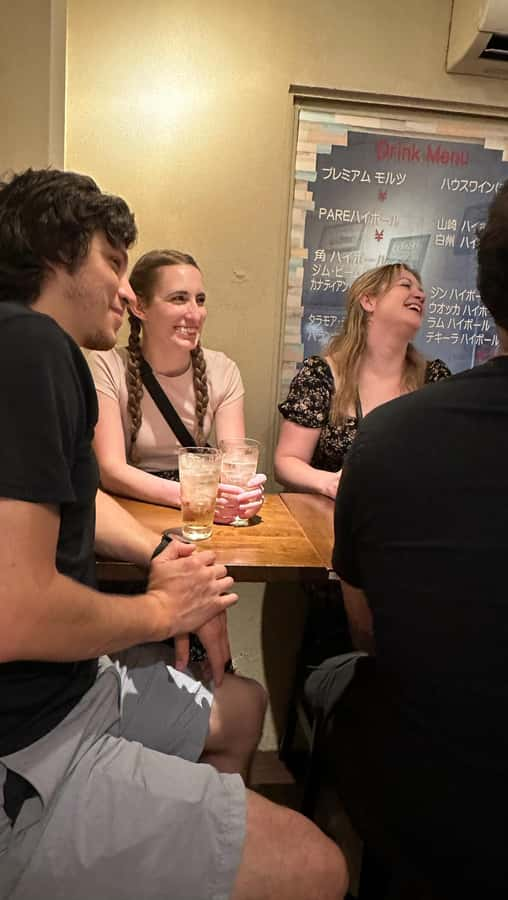
The third restaurant is another five-minute walk away and lasts about 45 minutes. It focuses on regional food and guided explanation, rounding out the tavern portion of the evening.
By this point, you will have tried several styles of Japanese food in different settings. That progression is valuable because it shows how a night out works in practice. You are not just tasting dishes. You are seeing how food, drinks, conversation, and short walks fit together in a Tokyo evening.
The exact dishes are not fixed in the information provided, so you should expect some variation. The stated examples are sashimi, grilled fish, skewered chicken and pork, with alternatives available for dietary restrictions. Tell the guide about allergies or restrictions before ordering, rather than waiting until a dish arrives.
One unusual dish mentioned by participants is mystery pork, which became a fun talking point rather than a problem. That gives you a fair idea of the tone: the evening encourages curiosity, and Aki uses unfamiliar food as a chance to explain rather than making you feel foolish for asking.
Ending with ramen in a shop locals favor
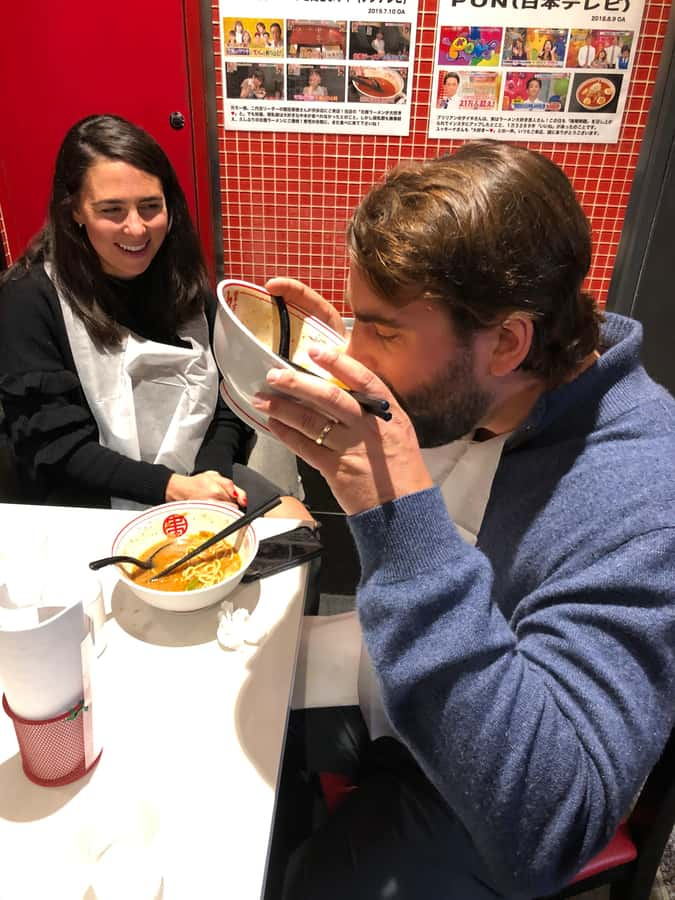
The tour ends at a ramen shop popular with local diners. Ramen is not an afterthought here. It is included as part of the full meal, and it provides a fitting final stop after the smaller plates and drinks at the taverns.
You should arrive hungry. The description promises a full-size meal spread among several restaurants, including ramen. That is more food than the phrase food tasting may suggest. If you have a late lunch, you may struggle by the final stop.
Ramen also gives the evening a clear finish. After sashimi, grilled food, skewers, and drinks, you sit down for a bowl that is hearty and familiar to many visitors but still deeply tied to everyday Japanese dining. The precise ramen style is not specified, so do not book this expecting one particular broth or topping.
The final location is listed around Okachimachi Station, with guidance toward the entrances for the train lines you may need. The information also says the activity can end back near the meeting point, so confirm the exact ending location and route instructions when booking. Either way, the guide helps you orient yourself at the end instead of leaving you to decode Ueno’s rail network alone.
What the guide adds to the meal
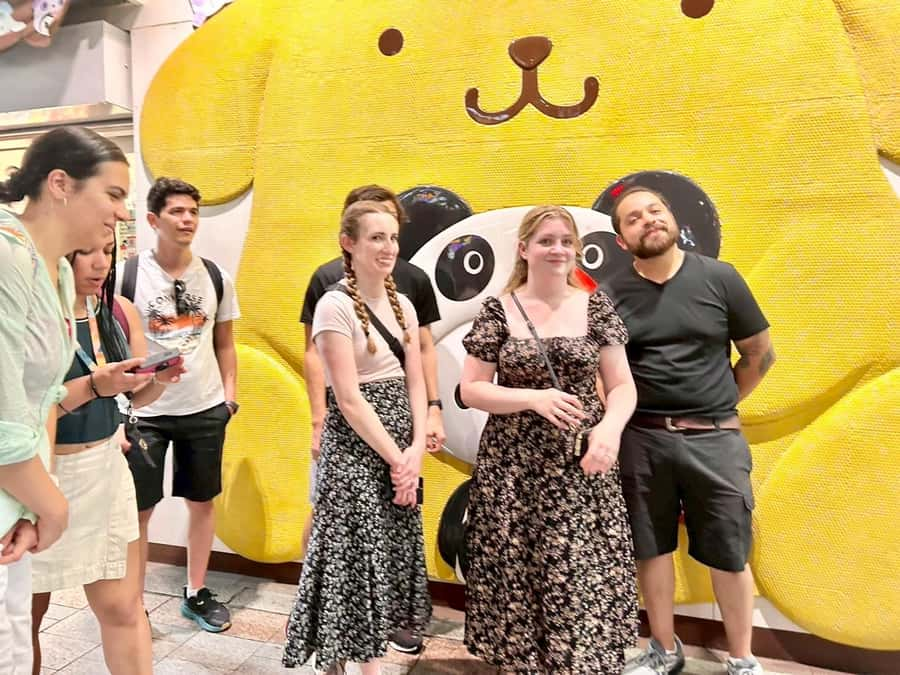
A food tour is only as useful as the person explaining it. Aki is repeatedly singled out for his humor, clear explanations, and ability to keep the group involved. He talks about Japan’s food and drink culture, shares stories, and gives practical advice for other prefectures.
That combination matters. You can find ramen and izakaya-style restaurants on your own, but it is harder to know what to order, how much food to expect, or why a particular dish belongs on the table. Aki acts as the bridge between a local restaurant and a first-time visitor.
Yumi has also helped on at least one departure, particularly with welcoming people and introducing members of the group. The exact guide team can vary, so check the booking details if meeting a particular guide is important to you.
The social side is another strength. The format naturally brings people together around shared plates, and the guide makes an effort to include solo participants. If you want a quiet private dinner, this is not the right format. If you want conversation and a chance to compare first impressions of Japanese food, it fits well.
Price, value, and what is included
The price is $126 per person for three hours. At first glance, that is more than you would spend eating at one casual Tokyo restaurant. The value comes from the amount included: all food and drinks, at least seven dishes, at least five drinks, ramen, an English-speaking guide, restaurant ordering, cultural explanation, and a souvenir porcelain cup.
You are also paying for access to places you may not feel comfortable entering alone when the staff speaks only Japanese. That does not guarantee every stop will be unforgettable, and the restaurants are chosen for local dining rather than polished atmosphere. But the price covers a full evening meal, not just a few samples.
The best value comes if you use the advice beyond the tour. Ask about other prefectures, regional dishes, and places to eat during the rest of your trip. The tour can serve as both dinner and a practical introduction to how Japanese food culture works away from tourist districts.
The price is less attractive if you do not drink, eat lightly, or prefer to choose your own dishes. Soft drinks are included, but the tour’s strength is variety and quantity. You should book it because you want a guided food evening, not simply because you need one bowl of ramen.
Practical details that affect your evening
The tour lasts three hours, with starting times based on availability. It is conducted in English, and free cancellation is available up to 24 hours in advance. You can also reserve and pay later, which helps if your Tokyo schedule is still changing.
The meeting instructions deserve attention. At Ueno Station, use the Central Gate if arriving on the JR line, then follow signs for the Hirokōji exit. If you arrive by the Ginza or Hibiya Tokyo Metro lines, go toward the JR Ueno Station District Gate and Exit 9, then continue to the Hirokōji exit.
Meet at the Starbucks at atré Ueno by the entrance near the crosswalk. There are several Starbucks entrances, and Ueno Station is large enough to make a rushed arrival stressful. Save the Japanese names, 中央改札 for Central Gate and 広小路口 for Hirokōji exit, if that makes following signs easier.
You should wear shoes suitable for walking between restaurants. The experience is not suitable for wheelchair users, and the compact tavern settings may involve standing or limited space. Share dietary restrictions in advance so alternatives can be considered.
Who should book this Ueno food walk
I would choose this for a first visit to Japan, especially if you want help understanding what to order and how local taverns work. It also suits solo visitors, couples, and anyone who likes meeting people over shared dishes.
It is a good match for curious eaters who want sashimi, grilled fish, skewers, Japanese drinks, and ramen in one evening. You do not need to be an expert on Japanese cuisine. In fact, the tour works best if you are willing to ask questions and try dishes you might not identify on your own.
I would hesitate if you have strict dietary restrictions that make shared or preselected dishes difficult, though alternatives are available. I would also skip it if you want a slow, private meal, a fixed restaurant, or a carefully controlled tasting menu. This is an active evening with several stops and a generous amount of food.
Should you book it?
Book this tour if you want a full Japanese dinner with guidance, not a quick sampler. The combination of three local taverns, at least five drinks, seven dishes, ramen, and an English-speaking guide gives the $126 price real value for a visitor who wants to eat broadly in one evening.
The biggest reasons to book are Aki’s humor and explanations, the chance to enter restaurants where Japanese is the working language, and the useful orientation around Ueno and Okachimachi. Come hungry, arrive early at the correct station exit, and tell the guide about dietary needs before the first dish arrives.
FAQ
Where does the tour begin?
It begins at the Starbucks at atré Ueno, beside Ueno Station’s Hirokōji exit. Meet at the entrance near the crosswalk.
Is the meeting point at Ueno Hirokōji Station?
No. The meeting point is at Ueno Station, not Ueno Hirokōji Station.
How long does the experience last?
The tour lasts three hours. Starting times depend on availability.
What food is included?
The food includes at least seven dishes in total, with examples including sashimi, grilled fish, skewered chicken and pork, and ramen. Other options may be available for dietary restrictions.
How many drinks are included?
At least five drinks are included. Options can include beer, wine, cocktails, spirits, and soft drinks.
Is ramen included in the price?
Yes. The tour ends at a ramen shop, and ramen is included as part of the meal.
What language is the tour conducted in?
The live tour guide speaks English. Staff at the local restaurants may speak only Japanese.
Is the tour suitable for wheelchair users?
No. The activity is listed as unsuitable for wheelchair users.
Just added around Tokyo
- Kawagoe Japanese Food Tour : Unagi Kaiseki and Sake near Tokyo★ 5.0 · 30 reviews
- Kawagoe 4hr Private Tour with Licensed Guide (Kawagoe Dep)★ 5.0 · 13 reviews
- Little EDO Sushi Making workshop in Kawagoe★ 5.0 · 18 reviews
- 【R34】Tokyo:Private Daikoku tour in Modified R34★ 4.9 · 92 reviews
- :Tokyo,Shibuya/ Pro Photography in Kimono / English-Friendly★ 5.0 · 26 reviews
- Tokyo:Celebrate Unique Japanese New Year Tradition Festivity★ 3.9 · 20 reviews
- Tokyo: Allstar Food Tour★ 4.7 · 29 reviews
- Tokyo: West-Side Cycling and Food Tour with Guide★ 5.0 · 37 reviews
Ramen & Noodle Tours, compared.

Eat and Drink Like a Local: Tokyo Ueno Food Tour-Taverns&Ramen
Our verdict →
Five Must-See Highlights Walking Tour & Ramen Lunch
Our verdict →
Professional Ramen & Gyoza with Ramen Chef in a restaurant!
Our verdict →
Popular in SapporoExperience authentic hand-made soba at a real soba shop!
Our verdict →
Browse the lists this tour appears in