
Reviewed · COOKING CLASSES
Tokyo: Private Japanese Cooking Class with a Local Chef
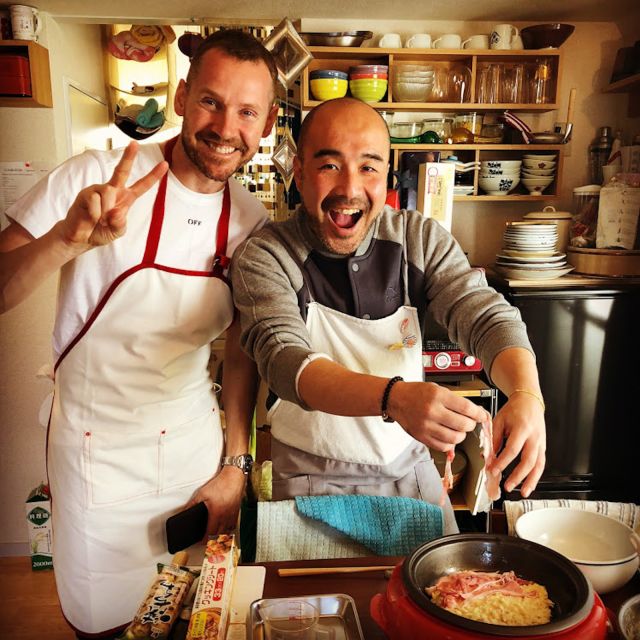
Tokyo food is easy to enjoy, but cooking it yourself gives you a better sense of how Japanese meals come together. With Chef Sato, you work in his small Shinjuku apartment, prepare two to four dishes, and sit down to eat what you made. I especially like the seasonal menus and the chance to learn practical recipes you can repeat at home.
I also like the personal scale. This is a private group, not a crowded demonstration, and Sato teaches in English. The main consideration is the apartment setting: expect a compact home kitchen rather than a professional cooking studio, and remember that the menu changes with the day of the week.
Key points at a glance
- Cook in Chef Sato’s Shinjuku home: This is a personal visit as well as a cooking lesson.
- Choose your day for the menu: Traditional set meals run Saturday through Tuesday, while popular dishes such as ramen and gyoza are scheduled Wednesday through Friday.
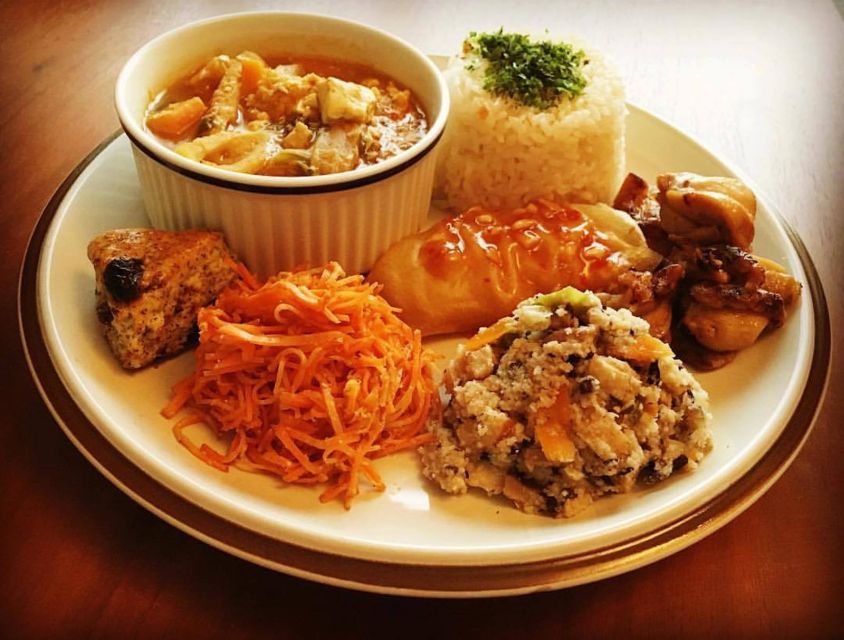
- Prepare two to four dishes: Past menus have included miso soup, teriyaki chicken, rice, salads, katsu curry, ramen, gyoza, and seasonal side dishes.
- Learn the Japanese seasonal approach: Ingredients and menu choices reflect the idea that seasonal produce is central to Japanese home cooking.
- Add a Tokyo walk after morning class: The optional 1 PM to 3:30 PM outing visits places around Shinjuku and Nakano that are not part of a standard sightseeing route.
- Plan around a three-hour class: Morning sessions run from 10:30 AM to 1 PM, and evening sessions run from 6 PM to 8:30 PM.
Why this Shinjuku cooking class feels personal
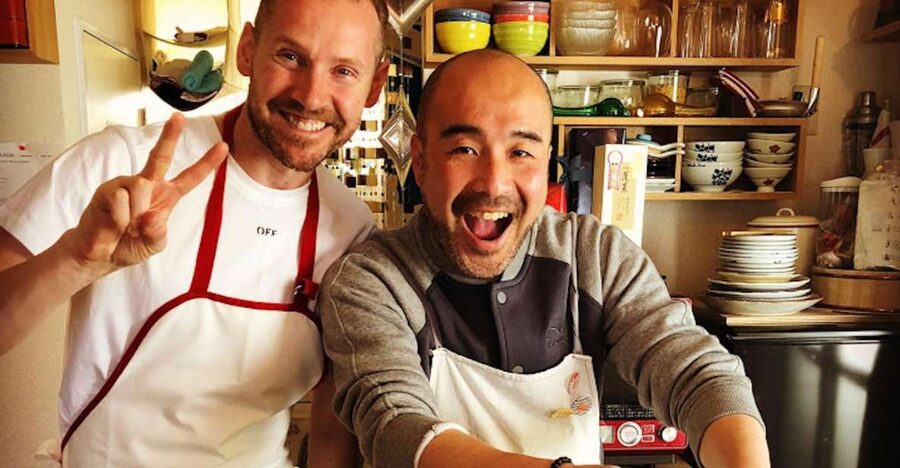
The strongest part of this experience is the setting. You meet at the police box by Shinjuku Station’s East Exit, then walk with Sato to his apartment. That short transition matters. Instead of arriving at a cooking school with a row of workstations, you enter a local home and see where the food is actually prepared.
Sato learned traditional Japanese cooking from his parents from a very young age. He explains not only what to do, but why a dish is prepared in a certain way. His stories about family cooking, ingredients, and Japanese food customs give the class a human side that a recipe sheet cannot provide.
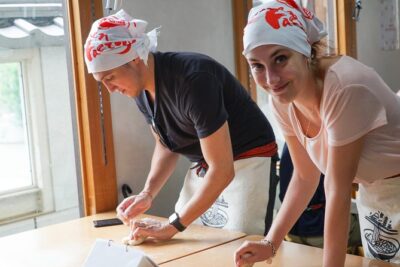
You will not simply watch Sato cook. You can expect to chop, season, prepare, and assemble the dishes yourself. The pace is relaxed, which suits beginners and home cooks who want time to ask questions. Several menus also include guidance on presentation, so the finished meal looks like more than a pile of tasty food.
The three-hour length is well judged. You have enough time to cook several dishes, sit down to eat, and talk without racing through each step. Past menus have included two main components and several smaller dishes, though the exact plan changes with the schedule and seasonal ingredients.
More Cooking Classes in Tokyo
- Ramen & Gyoza Cooking Class in Tokyo with Local Supermarket Visit
★ 5.0 · 823 reviews - Tokyo: Easy Ramen Cooking Experience in Kabukicho, Shinjuku
★ 4.6 · 321 reviews - Ramen and Sushi Cooking Class with Sake Pairing Set in Tokyo
★ 5.0 · 291 reviews
Meeting Sato at Shinjuku Station
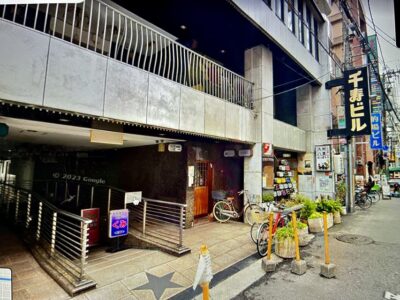
The meeting point is the police box at the East Exit of Shinjuku Station, listed at 3-38-38-1, Shinjuku, Shinjuku-ku, Tokyo. Shinjuku Station is large, so allow yourself time to find the correct exit. The meeting point is not at the apartment, and the activity includes pickup there before you walk onward.
This arrangement is useful if you are new to Tokyo. Sato has been described as responsive before the class and clear about meeting instructions. His English is strong, which makes a cooking lesson much easier: you can ask about measurements, ingredients, technique, and the meaning behind a dish without relying on gestures.
The apartment itself is part of the experience, but it also sets expectations. A cute home kitchen offers a more genuine picture of everyday cooking, though it will not have the space or equipment of a culinary school. If you prefer a polished studio with individual professional stations, this is not that kind of class.
What you cook depends on the day
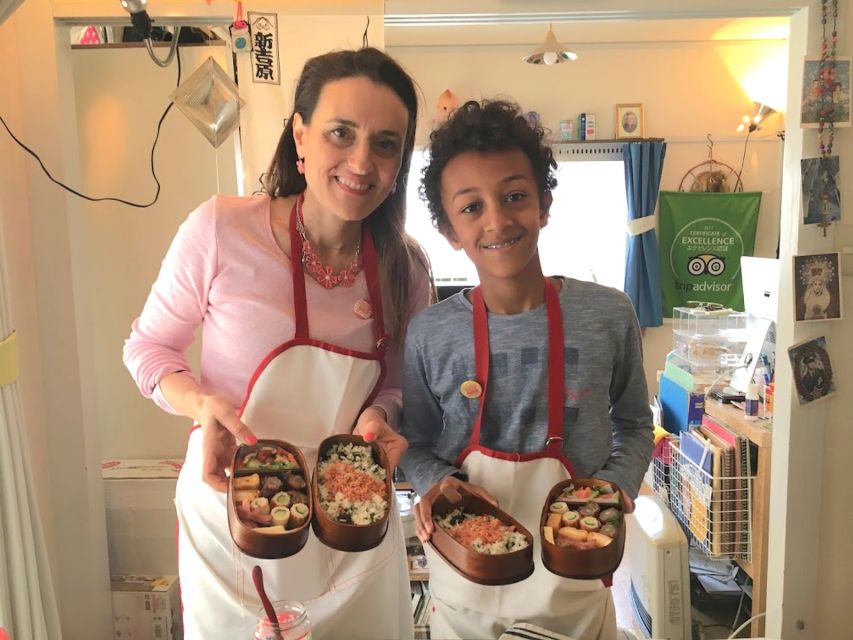
The schedule gives you a useful way to choose. From Saturday through Tuesday, the class focuses on standard traditional meals. These may include a teishoku, or Japanese set meal, with rice, a seasonal main dish, and two seasonal side dishes. Other possibilities include donburi, bento, tonjiru, rice balls, and similar home-style dishes.
From Wednesday through Friday, the menu shifts toward popular Japanese comfort foods. You might prepare curry rice, okonomiyaki, gyoza, ramen, a rice burger, kara-age, or yakisoba. A set meal with a seasonal fried main dish and two side dishes is also possible.
This division is practical. Choose Saturday through Tuesday if you want a broad look at the structure of a traditional Japanese meal. Choose Wednesday through Friday if ramen, gyoza, fried chicken, or okonomiyaki is the food you most want to learn.
The listing does not promise a fixed menu, so contact with the host before your class is useful. Sato has tailored menus around food preferences in the past, but you should not assume a particular dish unless it has been confirmed. The menu also reflects the season, which means the class is not designed as a one-size-fits-all demonstration.
Seasonal cooking, explained through a real meal
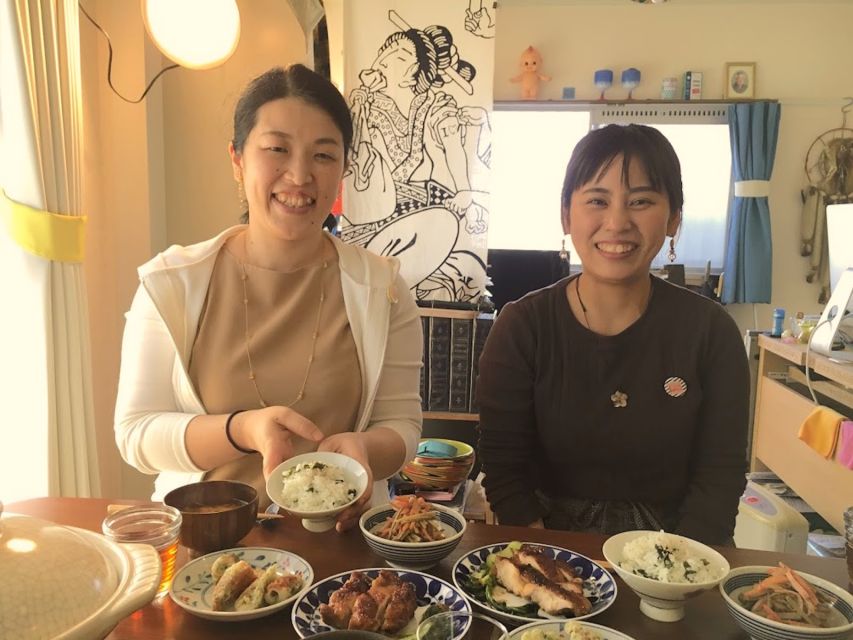
Seasonality is not a decorative idea here. It shapes the ingredients and the way a meal is balanced. Sato explains that cooking with seasonal ingredients is a basic part of Japanese cuisine, and you see that principle through the main dish and side dishes.
A typical traditional meal may seem simple on paper: rice, a main dish, soup, and side dishes. Yet the class shows how different flavors, textures, and colors fit together. That is useful if you want to understand Japanese home cooking rather than only learn one famous dish.
Past combinations have included miso soup, salad, rice, teriyaki chicken, vegetables, and stuffed fish cake. Another class prepared katsu curry with rice, a spring tofu salad, and chikuwa vegetable appetizers. These examples show the range of the experience. You may cook a familiar restaurant favorite, or you may spend more time on the smaller dishes that make a Japanese meal feel complete.
You also get practical kitchen tips. One student specifically appreciated learning how to cut dark spots from potatoes, a small detail that says a lot about the class. Sato’s approach appears aimed at home cooks, not professional chefs. You leave with methods that make sense in an ordinary kitchen.
Same trip, a completely different kind of day:
- 1-Day Tokyo Bus Tour
★ 5.0 · 14,250 reviews - Tokyo: TOKYO SKYTREE® Admission ticket
★ 4.5 · 11,192 reviews - Tokyo: teamLab Planets TOKYO Digital Art Museum Entry Ticket
★ 4.6 · 9,779 reviews - Tokyo: Sumo Show Experience with Chicken Hot Pot and a Photo
★ 4.8 · 6,678 reviews
Ramen and gyoza days
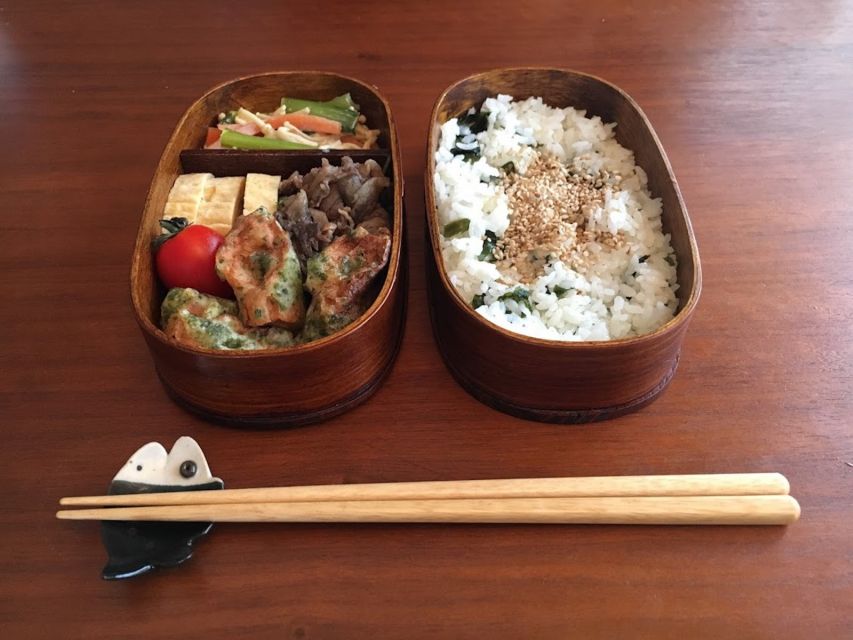
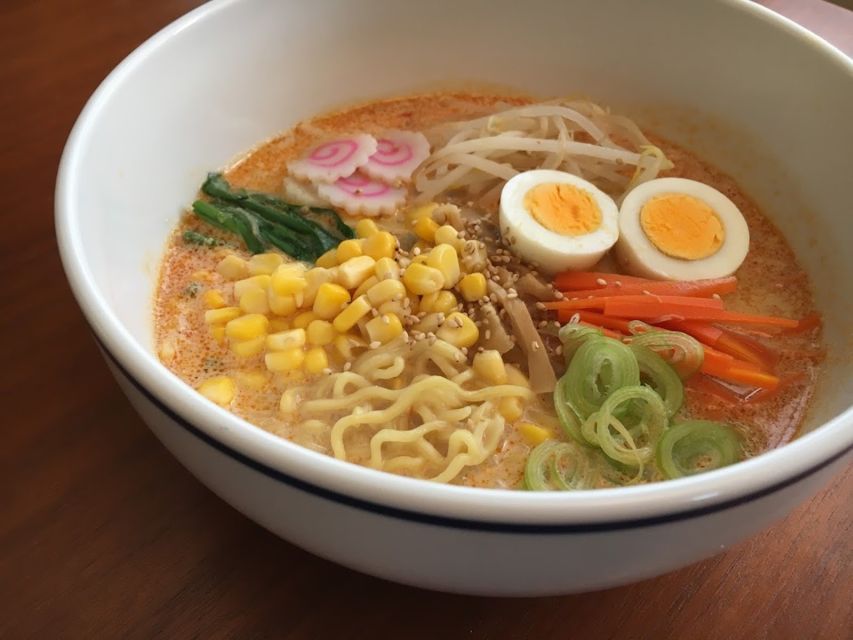
Ramen and gyoza are among the most requested possibilities, and they make a good choice if you want dishes that are fun to recreate after returning home. The class has included making miso ramen and gyoza from scratch, with students involved in the preparation rather than watching from the side.
There is value in learning these foods at home because restaurant versions can make them seem more complicated than they are. Sato breaks the process into manageable steps and explains the ingredients as you work. The finished food is also your best lesson: you can taste how the seasoning, broth, filling, and cooking method fit together.
The drawback is that you cannot count on ramen and gyoza on every date. They belong to the Wednesday through Friday popular-food schedule, but the menu still changes. Confirm what will be prepared if those are your main reason for booking.
The meal after the cooking
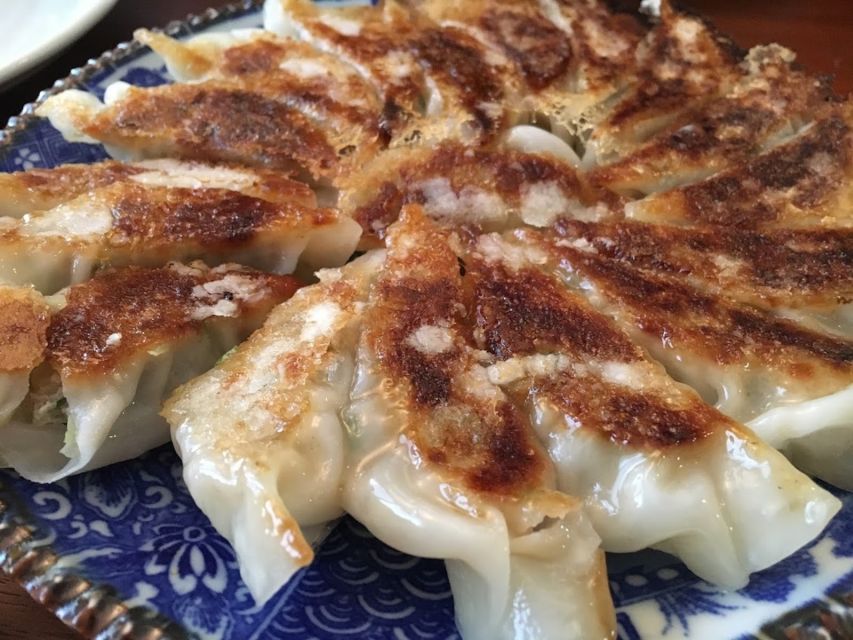
Once the food is ready, you sit down and eat together. This is not a quick sample at the end of a demonstration. The meal is part of the three-hour experience, giving you time to see how the dishes work as a set and to talk with Sato.
The social side is one of the main reasons to choose this class. Sato shares stories about his family and his own path in cooking, and you can talk about your life and your time in Tokyo. The atmosphere is described as relaxed and welcoming, closer to cooking with a friend than attending a formal lesson.
That warmth may be especially welcome after several days of restaurant meals. You still get to eat Japanese food, but you also see how it can be made and served in a local home. Free Japanese barley tea is included, along with the meal.
If you want a quiet, private experience, this format works well. If you prefer to keep conversation to a minimum and focus only on technique, the personal nature of the visit may feel like more than you need.
Add the 1 PM Shinjuku and Nakano walk
Morning-class participants can add a short trip from 1 PM to 3:30 PM. The walk visits several places around Shinjuku and Nakano that are not usually found in guidebooks. It is a useful extra because Sato can point out parts of the area through a local’s eyes rather than giving you a standard landmark checklist.
The timing is convenient. The cooking class ends at 1 PM, so the walk follows directly without sending you back across Tokyo. You should check the exact arrangement when booking, since the supplied details describe this as an optional short trip rather than a required part of every class.
I would choose the walk if you want to connect the food lesson with Tokyo life outside the kitchen. Several past menus and walks have been paired with informal neighborhood conversation, and that combination can help you see Shinjuku and Nakano as lived-in districts rather than just places between major attractions.
Evening participants do not have this stated post-class option. The evening schedule is 6 PM to 8:30 PM, which may work better if you want your daytime free for museums, shopping, or other sightseeing.
Is $120 a fair price?
At $120 per person, this is not a bargain meal. You could eat Japanese food for much less in Tokyo. The value comes from the private instruction, the meal, the English-language conversation, the home setting, and the chance to prepare several dishes yourself.
The private format matters most for couples, families, and small groups who want attention from the instructor. You are not paying only for ingredients. You are paying for Sato’s time, explanations, preparation, and the personal exchange that continues while you cook and eat.
It is also better value if you will use the recipes later. Past classes have provided recipe handouts, and several dishes are suited to home kitchens outside Japan. If you cook regularly, the class can become a practical souvenir rather than a meal that ends when you leave the apartment.
The price is harder to justify if you only want to taste Japanese food or take a quick cooking photo. Tokyo has plenty of cheaper food options. Book this when you value instruction and conversation as much as the meal itself.
Who will enjoy this experience most?
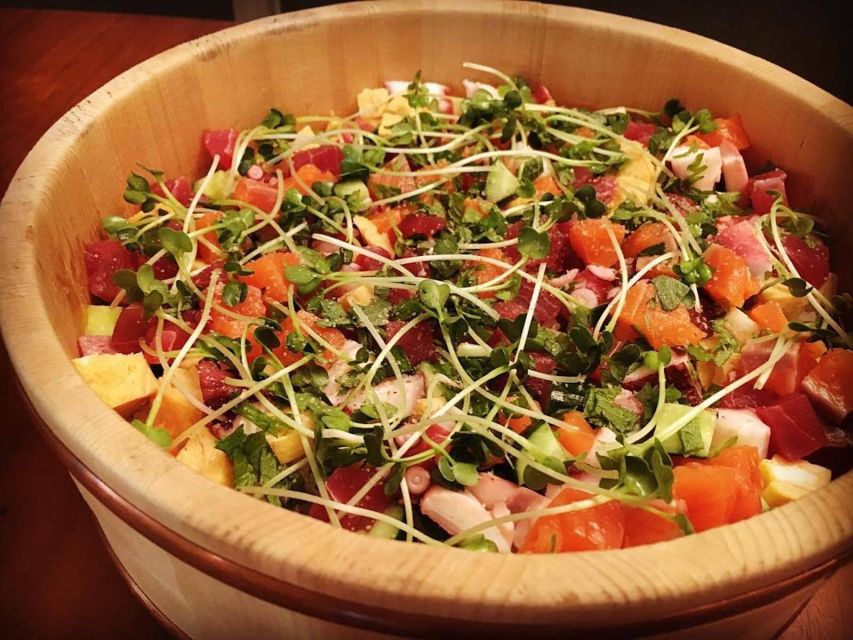
I would recommend it to couples, families, and small private groups who want a slower, more personal activity. It suits beginners especially well, since the teaching is patient and hands-on, but experienced home cooks can still learn about Japanese ingredients, seasoning, presentation, and meal structure.
It is a good fit for people who enjoy food as a way to understand culture. You hear about family traditions, seasonal ingredients, and the role of home cooking while actually preparing lunch or dinner.
It may be less suitable if you need a fixed menu, a large professional kitchen, or a class built around advanced culinary training. The apartment is compact, the menu varies, and the experience includes plenty of conversation. Those are strengths for the right person, but they are worth knowing before you book.
Booking details worth knowing
The class lasts three hours. Morning sessions run from 10:30 AM to 1 PM, while evening sessions run from 6 PM to 8:30 PM. Availability determines the exact start time, so check the date carefully.
English instruction is provided, and the group is private. Japanese barley tea and the meal are included. You meet at the Shinjuku Station East Exit police box, then continue to the apartment with Sato.
You can cancel up to 24 hours in advance for a full refund, and the reserve-now, pay-later option lets you hold a place without paying immediately. These policies are useful if your Tokyo schedule is still changing.
Should you book Chef Sato’s class?
Book it if you want to cook, talk, and eat in a real Tokyo home. The strongest reasons are Sato’s friendly teaching style, the seasonal menus, and the private setting. I especially like that the experience gives you recipes and techniques you can try again at home, instead of leaving you with only a photograph.
Choose your date based on the food you want. Saturday through Tuesday favors traditional set meals, while Wednesday through Friday offers popular dishes such as ramen, gyoza, curry, and okonomiyaki. Add the morning walk if you want more local time around Shinjuku and Nakano.
Skip it if you want a cheap meal, a guaranteed menu, or a formal cooking school. For everyone else, $120 buys a memorable mix of food, instruction, and ordinary Tokyo life.
FAQ
Where does the cooking class meet?
You meet at the police box by the East Exit of Shinjuku Station, at 3-38-38-1, Shinjuku, Shinjuku-ku, Tokyo, 160-0022, Japan. From there, you are picked up and taken to the apartment.
How long does the experience last?
The cooking class lasts three hours. Morning sessions run from 10:30 AM to 1 PM, and evening sessions run from 6 PM to 8:30 PM.
Is the class private?
Yes. The experience is offered as a private group, with English instruction.
Who teaches the class?
Chef Sato, also referred to as Satoru in some class communications, teaches the cooking session in his Shinjuku apartment.
What food might I cook?
The menu changes by day and season. Possible dishes include teishoku, donburi, bento, tonjiru, rice balls, curry rice, okonomiyaki, gyoza, ramen, rice burgers, kara-age, and yakisoba.
Is a meal included?
Yes. The meal you prepare is included, along with a free drink of Japanese barley tea.
Can I join a walking tour after the class?
An optional short trip runs from 1 PM to 3:30 PM every day after the morning class. It visits several places around Shinjuku and Nakano that are not commonly found in guidebooks.
Just added around Tokyo
- Kawagoe Japanese Food Tour : Unagi Kaiseki and Sake near Tokyo★ 5.0 · 30 reviews
- Kawagoe 4hr Private Tour with Licensed Guide (Kawagoe Dep)★ 5.0 · 13 reviews
- Little EDO Sushi Making workshop in Kawagoe★ 5.0 · 18 reviews
- 【R34】Tokyo:Private Daikoku tour in Modified R34★ 4.9 · 92 reviews
- :Tokyo,Shibuya/ Pro Photography in Kimono / English-Friendly★ 5.0 · 26 reviews
- Tokyo:Celebrate Unique Japanese New Year Tradition Festivity★ 3.9 · 20 reviews
- Tokyo: Allstar Food Tour★ 4.7 · 29 reviews
- Tokyo: West-Side Cycling and Food Tour with Guide★ 5.0 · 37 reviews
Cooking Classes, compared.
Browse the lists this tour appears in