
Reviewed · RAMEN & NOODLE TOURS
Ramen Making from Scratch +Akihabara Tour –Cooking Class
The unusual part here is that you make the noodles from flour, then turn them into a full bowl of Jiro-style ramen. I like the opening walk through Akihabara and the supermarket stop, since they connect the dish to everyday Japanese food shopping instead of treating cooking as an isolated demonstration. I also like the small group of six, which should give you useful help at the stove and rolling surface.
The main catch is the split location. You meet outside Akihabara Station, pay your own train fare to the kitchen studio, and finish there rather than returning to the station. Vegetarian and vegan guests cannot take this class, and late arrivals risk missing the group.
Key points at a glance
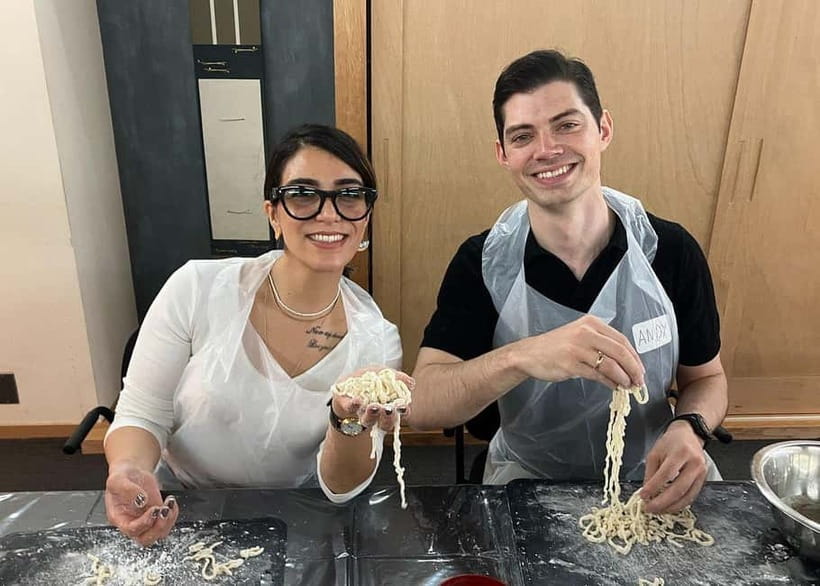
- Fresh noodles made by hand: Work with flour and prepare the noodles used in your own ramen.
- Akihabara beyond electronics: Begin with a short walk through the district’s gadgets, anime, and pop culture sights.
- A real supermarket stop: See the ingredients before cooking and learn how they are used.
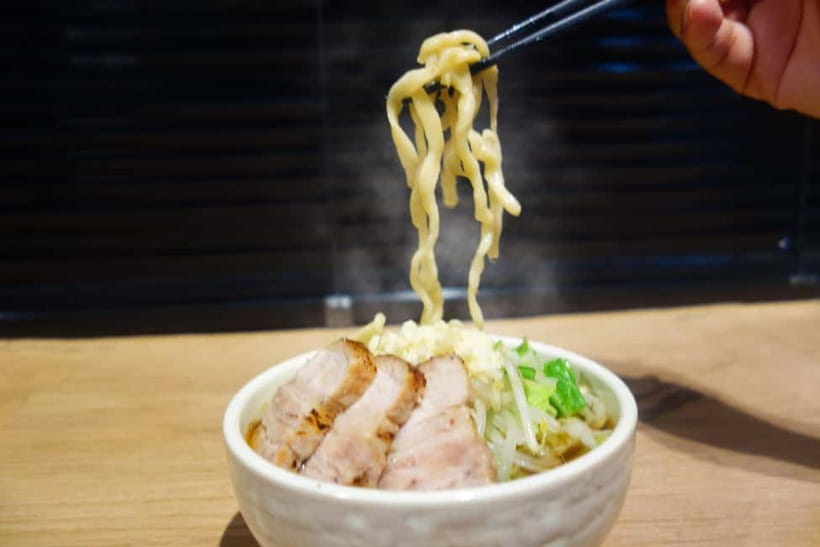
- English-language Jiro-style ramen: An English-speaking instructor guides the broth, noodles, and toppings.
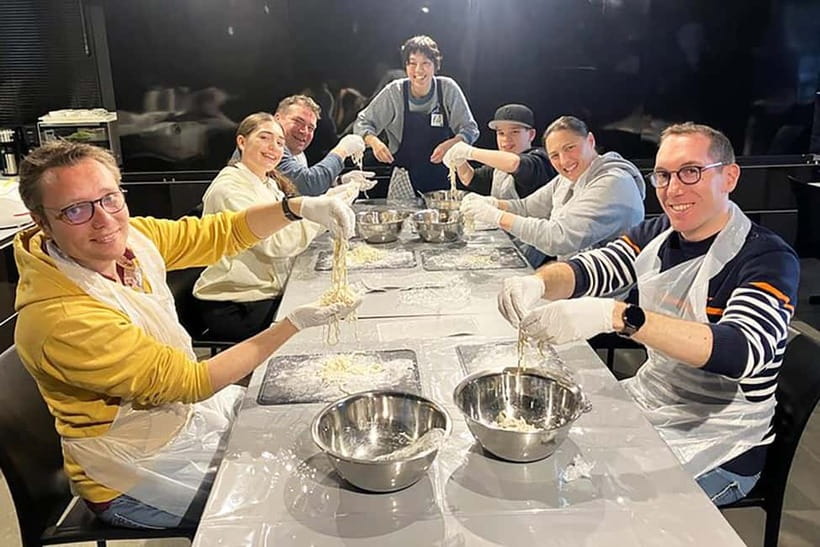
- Small group format: The class is limited to six people, with food, drinks, and downloadable photos included.
- Three-hour urban food experience: Meet at 11 AM, take a short train ride, and finish at a central Tokyo kitchen studio.
Why this ramen class feels different
Many Tokyo food activities focus on eating. This one asks you to understand the bowl by making it yourself. You do not simply watch an instructor assemble ramen. You prepare the broth and toppings, make fresh noodles, and bring the parts together for lunch.
That difference matters. Flour becomes the part of the meal you usually take for granted. The supermarket walk also gives you a practical look at Japanese cooking before the class begins. You can see the ingredients in their normal shopping setting, then learn how they fit into the dish.
The activity is presented as the only English-language class offering Jiro-style ramen. That is a specific draw for anyone curious about this particular ramen style, especially if you want more than a standard sushi or tempura lesson.
The experience has earned a full 5 out of 5 rating from 25 bookings. The strongest praise centers on the friendly guide and chef, the clear teaching, and the taste of the finished ramen. One participant from Canada called the homemade bowl the best ramen of an entire Japan trip. That is a strong endorsement, but I would still book this for the hands-on work first and the meal second. Your enjoyment will depend partly on how much you like active cooking.
More Cooking Classes in Tokyo
- Ramen & Gyoza Cooking Class in Tokyo with Local Supermarket Visit
★ 5.0 · 823 reviews - Tokyo: Easy Ramen Cooking Experience in Kabukicho, Shinjuku
★ 4.6 · 321 reviews - Ramen and Sushi Cooking Class with Sake Pairing Set in Tokyo
★ 5.0 · 291 reviews
Starting at JR Akihabara Station at 11 AM
Your meeting point is outside the Central Ticket Gate at JR Akihabara Station. This detail is important because Akihabara is a large, busy station with several exits and rail lines. Plan to arrive early enough to find the correct gate without rushing.
The group leaves after 10 minutes if someone is late. If you miss the departure, you are expected to go to the kitchen studio on your own, and there is no refund for the delay. That makes punctuality more than a polite suggestion.
The activity begins at 11 AM and lasts about three hours. It is best placed on a morning when you do not have another fixed appointment immediately afterward. The class itself is timed at about 90 minutes, but the walk, supermarket visit, and train ride use the rest of the schedule.
A minimum of two people is required per booking. The maximum group size is six. That is a useful middle ground: you are not paying for a private lesson, but you are also unlikely to disappear into a large tour crowd.
A 20-minute walk through Akihabara
The first walk lasts about 20 minutes and leads through Akihabara, Tokyo’s famous electric town. The route includes colorful streets known for gadgets, anime, and Japanese pop culture.
Do not expect a full historical tour of the district. The walk is a short introduction on the way to the supermarket, so its value is in setting the scene and helping you get your bearings. If you have only seen Akihabara as a place to shop, this gives the neighborhood a food-related purpose.
I like this pairing. The district is famous for electronics and entertainment, while the class turns your attention to ordinary ingredients and home-style food preparation. You get a quick look at the public face of Akihabara, then move toward the practical side of Japanese daily life.
The walking portion may be less appealing if you already know the neighborhood well or want to spend the entire three hours cooking. In that case, the 20 minutes feels like time taken away from the kitchen. For a first visit, though, it gives the activity a stronger sense of place.
Seeing ramen ingredients at a local supermarket
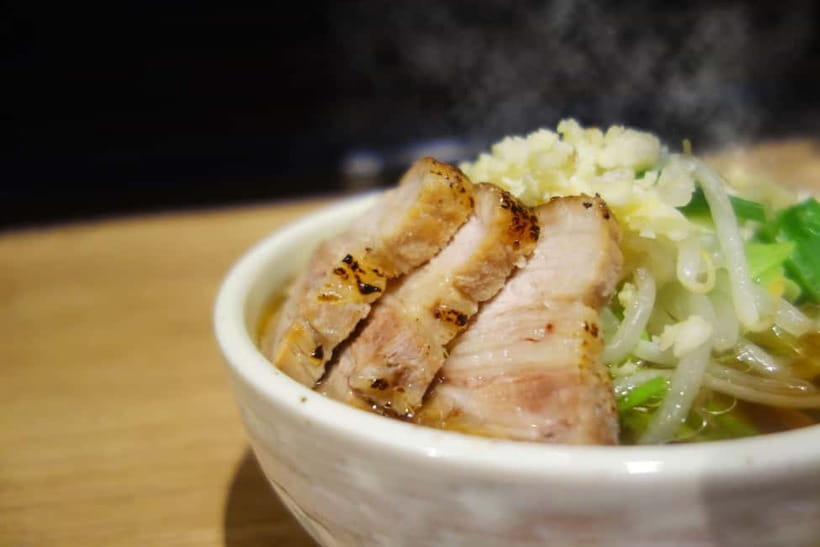
The supermarket visit lasts about 20 minutes. Your guide explains the ingredients used in that day’s ramen and how they are used in cooking.
This is a small stop, but it may be the most useful part for anyone interested in Japanese food culture. A recipe can tell you what to buy. A supermarket shows you how those ingredients appear in ordinary shopping, with the packaging and product choices you would see in Japan.
You should not expect a long shopping period or time to browse every aisle. The stop is focused on the ramen ingredients, and the schedule moves on to the kitchen. Still, it adds context that a cooking class inside a studio cannot provide.
The exact ingredients may change according to the ramen being prepared that day. That is why the explanation on site matters more than memorizing a fixed shopping list. Listen for how the guide connects each item to the broth, noodles, or toppings.
More Ramen Tours in Tokyo
- Eat and Drink Like a Local: Tokyo Ueno Food Tour-Taverns&Ramen
★ 5.0 · 957 reviews - Tokyo: Ramen Tasting Tour with 6 Mini Bowls of Ramen
★ 4.9 · 432 reviews - Professional Ramen & Gyoza with Ramen Chef in a restaurant!
★ 5.0 · 223 reviews - Shibuya: Ramen Dojo Tokyo | Make All 3 (Tonkotsu/Shoyu/Miso)
★ 5.0 · 214 reviews
The train ride to the Patia kitchen studio
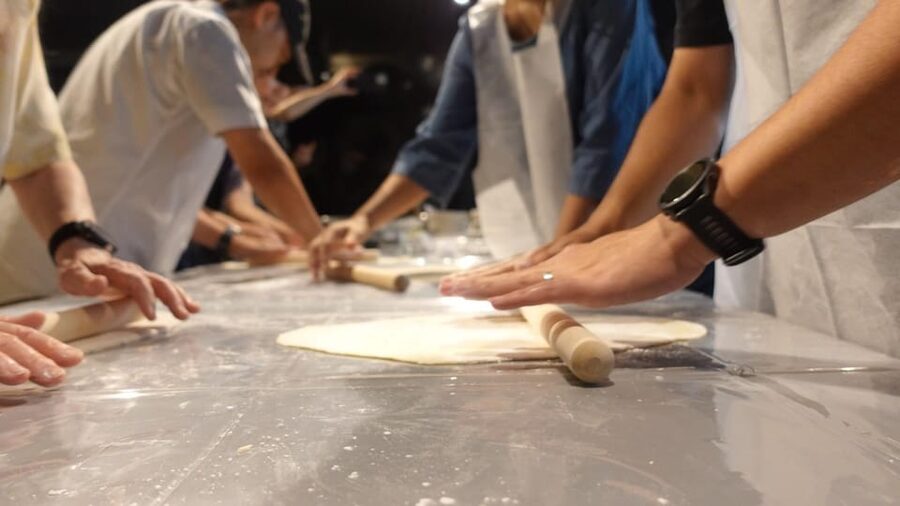
After the supermarket, you take a train to the cooking venue. The ride takes about 15 to 30 minutes, depending on the route and timing.
Transportation from Suehirocho Station to the studio is not included in the price. You need your own Suica or another IC card. If you do not have one, the guide will help you buy a ticket.
This is a modest extra cost, but it is worth knowing before you book. The class price covers the food experience, not every part of the local transport. Keep your IC card topped up or carry enough yen for the ticket machine.
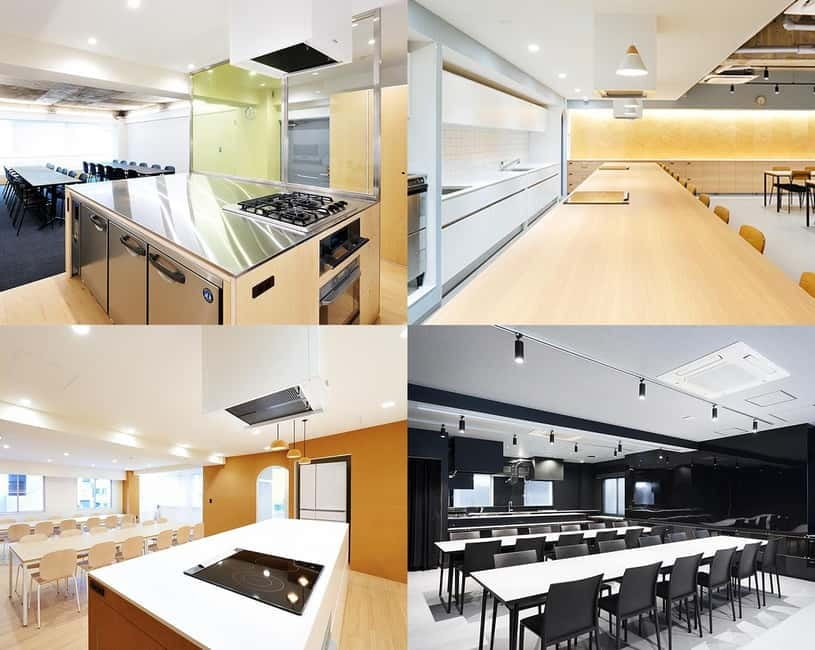
The kitchen is part of Patia Kitchen Studios, a group of modern cooking spaces in central Tokyo. The studios are described as spacious and relaxed, located a few minutes from the nearest station, and used for Japanese television programs. The class ends here, so you should plan your next activity from the studio rather than from Akihabara Station.
Making noodles, broth, and toppings in 90 minutes
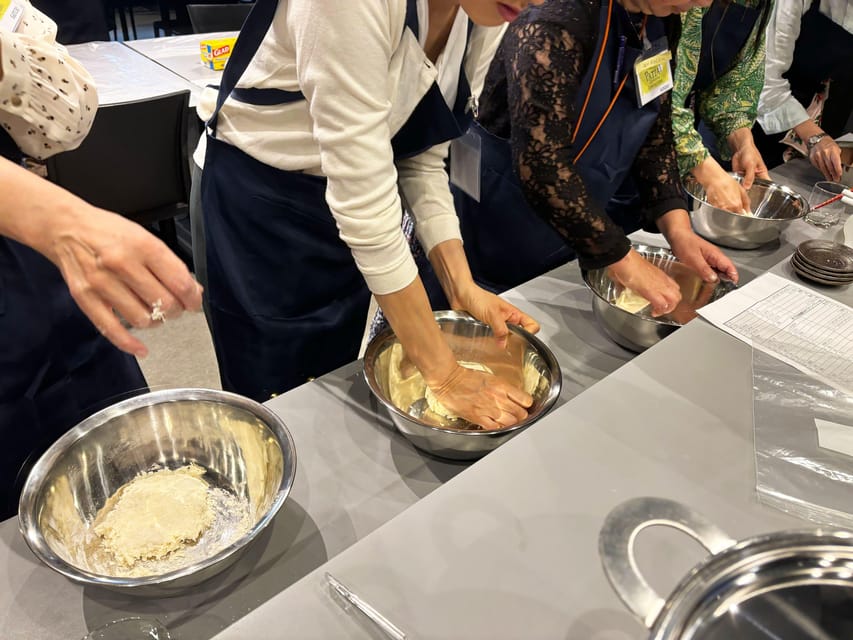
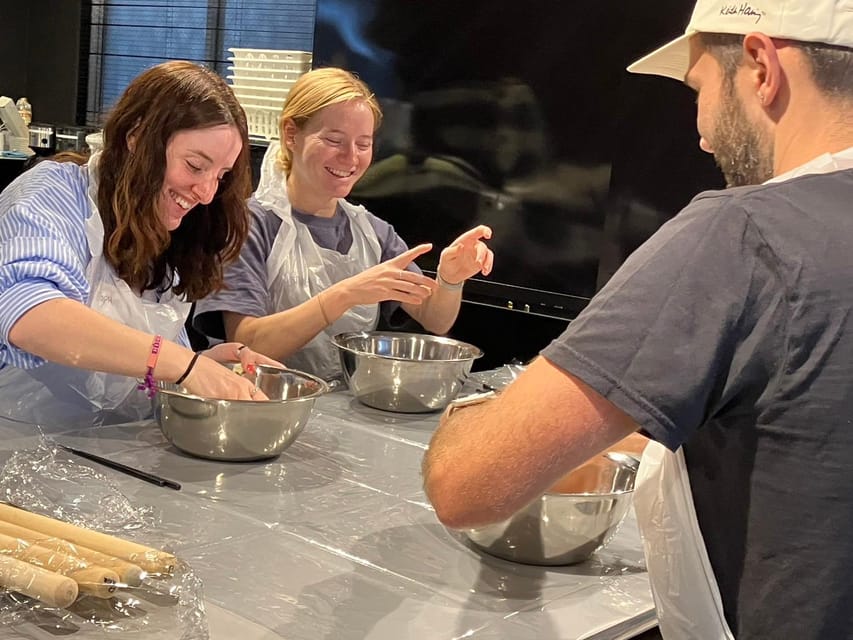
The cooking class lasts about 90 minutes. With an English-speaking instructor guiding you, you prepare fresh noodles, flavorful broth, and toppings before assembling the finished bowl.
The best part is the noodle making. You work from flour rather than starting with packaged noodles. That gives you a direct connection to the texture and shape of the final meal. It also makes the class more active than a lesson where the instructor has already prepared the hardest parts.
The broth and toppings round out the lesson. You are not making a single component and then watching someone else finish the dish. The goal is a complete ramen bowl that you can eat at the end.
The class is described as Jiro-style ramen. The supplied information does not give a detailed recipe or promise a particular level of spice, serving size, or topping list, so you should not assume the exact bowl will match a restaurant version. What you can count on is the central format: fresh noodles, broth, toppings, and an English-language lesson.
The instructor and guide have received especially strong praise for being friendly and clear. That matters in a cooking class, where a language barrier can turn a simple technique into a frustrating one. The English instruction is a major reason to choose this activity over a cheaper Japanese-only lesson.
Eating the bowl you made yourself
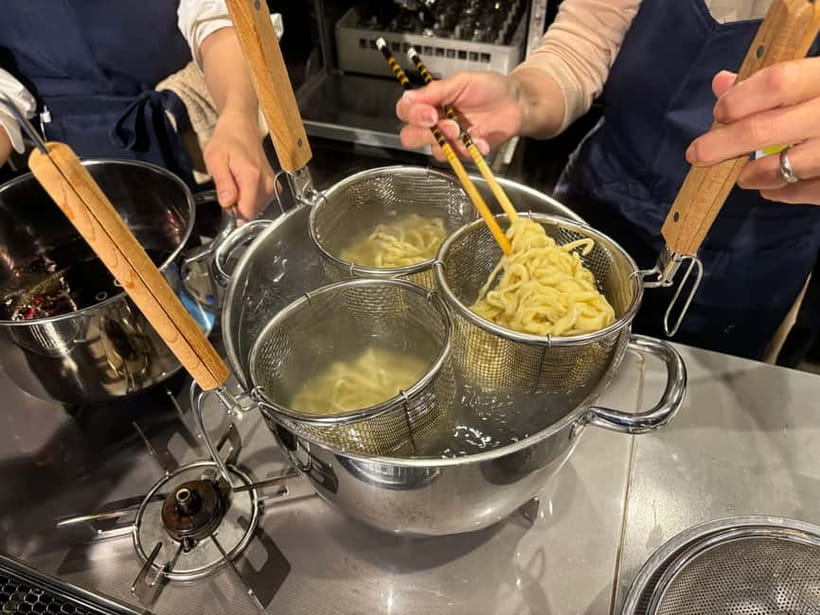
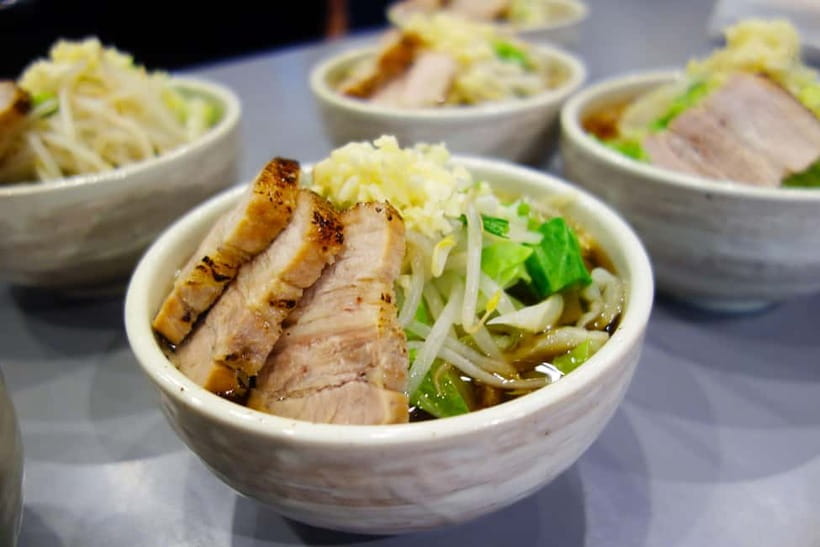
At the end, you eat the Jiro-style ramen you prepared. Food and beverages are included, so there is no separate meal bill at the studio.
The finished dish is the payoff, but it also gives you a way to judge your own work. You have seen the ingredients at the supermarket, handled the noodles, helped prepare the broth, and then tasted the result. That full sequence gives the meal more meaning than a restaurant stop alone.
The class is not only for serious home cooks. You do not need to arrive with specialist skills listed in the activity details. The important requirement is that you are comfortable taking part in a hands-on cooking session.
If you are mainly looking for a huge bowl of ramen with no effort, this may not be your ideal lunch. The point is participation. The cooking takes time, and the result may be valued as much for the process as for restaurant-level perfection.
What the $120 price includes
The cost is $120 per person. That is not a low-cost meal, so the value depends on how you measure the day.
You receive the Akihabara walk, supermarket tour, cooking instruction, food and drinks, and photographs that can be downloaded later. You also get a small group setting, an English-speaking instructor, and a guided experience that combines sightseeing with lunch.
The price does not include the train fare from Suehirocho Station to the studio or hotel pickup and drop-off. Those are easy expenses to manage, but you should include them in your budget.
I think the price makes the most sense for you if you want a food activity with several parts rather than a quick cooking demonstration. You are paying for the guide, the setting, the ingredients, the instruction, and the time spent making the meal. If you compare it only with the cost of buying ramen, it will seem expensive. If you compare it with a three-hour guided Tokyo activity that includes lunch and photos, the price is easier to justify.
Who should book, and who should skip it
This class is a good fit for adults, couples, friends, and small families with children aged five or older who enjoy food and hands-on activities. It also suits anyone who wants an English-language class focused on a specific ramen style.
The activity has a few firm limits. Children under five cannot join. It is not suitable for people with back problems or wheelchair users, and baby strollers are not allowed. Smoking is not permitted.
The class is not suitable for vegans or vegetarians. If you eat pork but prefer chicken, you can request a change from pork chashu to chicken, but you must give more than 48 hours notice. The information provided does not confirm other dietary substitutions, so do not assume the class can adapt beyond that change.
I would also think about your schedule. You walk through Akihabara, shop for ingredients, take a train, cook, and finish at another location. That is a pleasant route if you want a varied morning, but it is not the simplest choice for someone who wants to stay in one place.
Booking details worth remembering
You can cancel up to 24 hours in advance for a full refund. A reserve-now-and-pay-later option is also available, which helps if your Tokyo plans are still changing.
Arrive before 11 AM at the outside Central Ticket Gate of JR Akihabara Station. The meeting point is not the kitchen studio, and the class does not end back at the station.
Bring a Suica, another IC card, or money for a train ticket. The guide can help you buy a ticket if needed. Since the group departs after 10 minutes, the safest plan is to locate the station gate before meeting time.
The downloadable photographs are included, which gives you a record of the cooking session without adding a photo package to the cost. The experience is offered in English and is limited to six participants.
Should you book this ramen experience?
Book it if you want to make fresh noodles, learn how the ingredients fit together, and see a little of Akihabara before cooking. The strongest reasons to go are the English instruction, small group size, supermarket visit, and the chance to make a complete Jiro-style bowl from scratch.
Skip it if you are vegetarian or vegan, need wheelchair access, have back problems, or prefer a food tour that ends where it starts. Also skip it if your schedule cannot handle a strict meeting time and a separate return journey.
For the right person, $120 buys more than lunch. It buys a compact look at modern Tokyo food culture, practical cooking time, and a meal you helped create from flour to bowl.
FAQ
Where does the ramen experience meet?
Meet at 11 AM outside the Central Ticket Gate at JR Akihabara Station.
How long does the activity last?
The activity lasts three hours. The Akihabara walk takes about 20 minutes, the supermarket visit about 20 minutes, the train ride about 15 to 30 minutes, and the ramen class about 90 minutes.
Where does the experience finish?
The experience finishes at the Patia kitchen studio, which is different from the Akihabara meeting point.
Is train transportation included?
No. You pay for transportation from Suehirocho Station to the kitchen studio. You can use a Suica or another IC card, and the guide can help you buy a ticket if you do not have one.
Is the class taught in English?
Yes. The guide and cooking instructor provide the experience in English.
Can vegetarians or vegans join?
No. Vegan and vegetarian options are not available, and the activity is not suitable for vegans or vegetarians.
Can the pork chashu be changed to chicken?
Yes. You can request chicken instead of pork chashu if you provide more than 48 hours notice.
How many people can join the class?
The group is limited to six participants, and at least two people are required per reservation.
Just added around Tokyo
- Kawagoe Japanese Food Tour : Unagi Kaiseki and Sake near Tokyo★ 5.0 · 30 reviews
- Kawagoe 4hr Private Tour with Licensed Guide (Kawagoe Dep)★ 5.0 · 13 reviews
- Little EDO Sushi Making workshop in Kawagoe★ 5.0 · 18 reviews
- 【R34】Tokyo:Private Daikoku tour in Modified R34★ 4.9 · 92 reviews
- :Tokyo,Shibuya/ Pro Photography in Kimono / English-Friendly★ 5.0 · 26 reviews
- Tokyo:Celebrate Unique Japanese New Year Tradition Festivity★ 3.9 · 20 reviews
- Tokyo: Allstar Food Tour★ 4.7 · 29 reviews
- Tokyo: West-Side Cycling and Food Tour with Guide★ 5.0 · 37 reviews
Ramen & Noodle Tours, compared.


Eat and Drink Like a Local: Tokyo Ueno Food Tour-Taverns&Ramen
Our verdict →

Five Must-See Highlights Walking Tour & Ramen Lunch
Our verdict →
Professional Ramen & Gyoza with Ramen Chef in a restaurant!
Our verdict →
Popular in SapporoExperience authentic hand-made soba at a real soba shop!
Our verdict →
Browse the lists this tour appears in