
Reviewed · FISH MARKET TOURS
Private Toyosu & Tsukiji Market Adventure with Tuna Auction
Toyosu’s tuna auction is the star here: a fast, chilly, early-morning glimpse of buyers judging enormous bluefin tuna before the fish reaches Tokyo’s restaurants. I especially like the guide’s role in making sense of the action, and the easy pairing of modern Toyosu with old-school Tsukiji.
I also like the practical food focus. You can move from fresh sushi and seafood breakfast to grilled eel, tamago, mochi, tea, and market snacks, then shop for knives, pottery, chopsticks, and other Japanese kitchen tools. The catch is the very early start, plus the first-floor auction view depends on an official lottery. Even without winning, you can watch from the second floor.
Key points at a glance
- The auction begins before most of Tokyo wakes up: Plan around a 5 a.m. meeting or pickup, and expect to pay for your own taxi to Toyosu.
- A guide makes the tuna auction understandable: Visual aids, diagrams, and clear explanations help you follow the buyers’ movements and bidding process.
- Toyosu and Tsukiji offer different experiences: Toyosu is the modern working market, while Tsukiji’s Outer Market is better for browsing, eating, and shopping.
- Food is part of the tour, not an add-on: Sushi, sashimi, grilled eel, yakitori, tamago, matcha, pickles, and mochi may all appear along the way.
- The first-floor auction view is not guaranteed: You must register for the official lottery by the fifth day of the previous month.
- Private means flexible: Groups of up to 10 can stop for food, shopping, and questions at their own pace.
Why the tuna auction is worth the early alarm
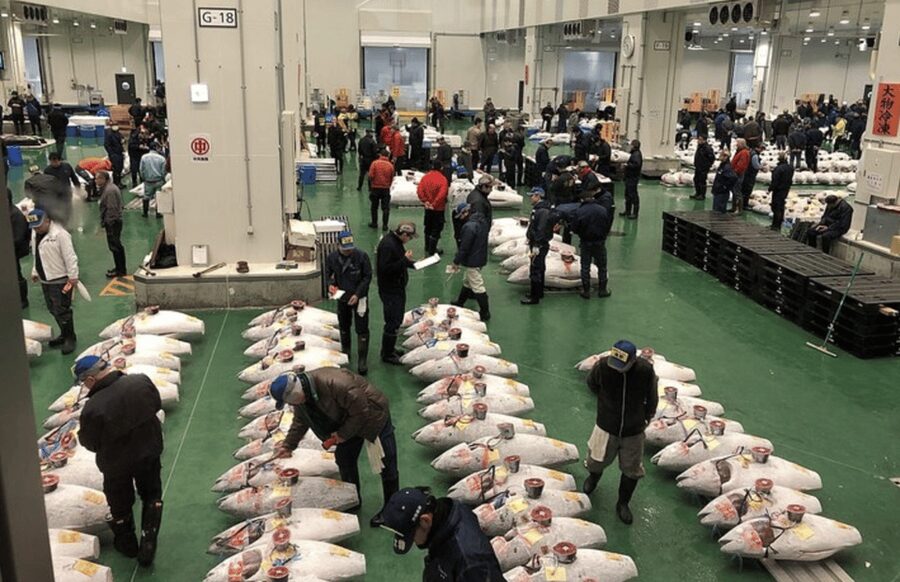
Toyosu Market is the modern home of Tokyo’s wholesale fish trade. The tuna auction is not a staged show for visitors. It is a working sale, with professional buyers examining frozen bluefin tuna and bidding as part of the supply chain that feeds restaurants across Japan.
That is also why a guide matters. From a public viewing area, you can see the action, but the meaning behind it is easy to miss. A good guide explains what buyers are looking for, how the auction works, and how the fish moves from the wholesale floor toward restaurants and market stalls.
Guides such as Sachiyo have used printed diagrams and photos to explain the process. Eriko has used visual aids to answer questions about fishing and auction procedures. Nobby, Yumi, Mayumi, Emi, and other guides are praised for turning a confusing scene into something you can follow.
The auction view itself comes with an important condition. The first-floor observation deck is available only through a lottery run by the market authorities. You need to book by the fifth of the previous month, register through the official link, and wait for the result. Winning is not certain.
If you do not win, the tour can still continue with a second-floor view. This is less close to the action, but it still lets you watch the auction and hear the explanations. At the time of booking, treat the first-floor spot as a bonus, not as a promise.
December has an extra wrinkle. The lottery does not take place at the end of the month, so viewing is from the second floor during that period.
More Market Tours in Tokyo
- Tokyo Tsukiji Fish Market Food and Culture Walking Tour
★ 5.0 · 3,184 reviews - Tokyo: Tsukiji Fish Market Food and Walking tour
★ 5.0 · 1,724 reviews - Tokyo: Tsukiji Fish Market Guided Walking Tour
★ 4.9 · 1,397 reviews
Starting before sunrise at Toyosu
The timing is the tour’s biggest practical challenge. The guide can meet you at your hotel around 5 a.m., or you can meet at the ticket gate of Shijō-mae Station on the Yurikamome Line. The station’s escalator shutters do not open until 5 a.m., so early arrivals should use the stairs or elevator to reach the second-floor ticket gate.
Subway and bus services are not running at the necessary early hour, so you need a taxi from your hotel. That fare is not included and depends on where you stay. A hotel in Toyosu, Tsukiji, or Ginza keeps the ride shorter and the cost more manageable.
This is worth planning carefully. A few people have been surprised that hotel pickup means the guide meets you at the hotel, while you arrange and pay for the taxi. If you choose pickup, the guide will meet you in the lobby or outside the hotel, but the vehicle cost remains yours.
The tour itself lasts about three hours. The listed schedule allows roughly 70 minutes at Toyosu, 15 minutes by bus, and another 70 minutes at Tsukiji. That gives you enough time to see both markets without giving up a full day of sightseeing.
Toyosu’s modern market and professional trading floor
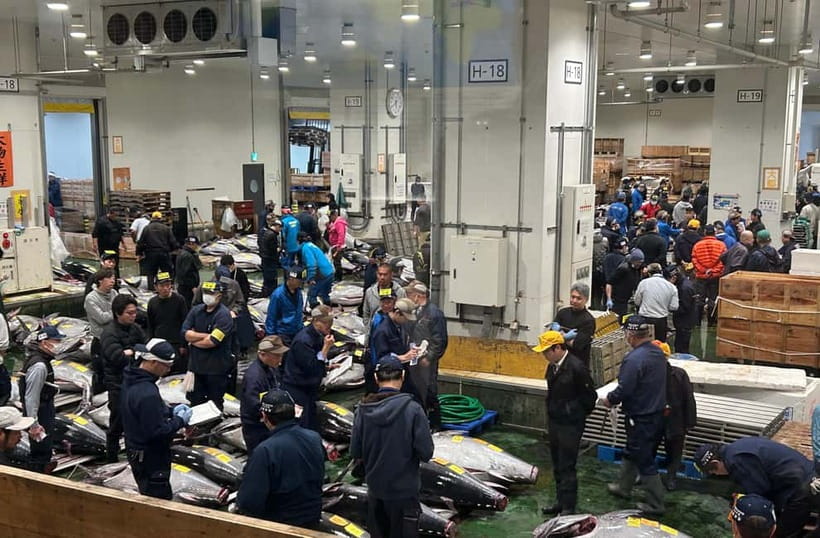
Toyosu feels organized and purpose-built. It is a working wholesale market, but public areas let you observe parts of the operation without wandering into restricted zones.
The auction is the main event, yet the market visit is broader than a few minutes of bidding. Your guide can explain the seafood trade, point out market operations, and help you understand the connection between the auction floor and the breakfast plate you eat later.
You may also visit shops selling dried mushrooms, kombu, miso, pickles, sake, matcha, and other Japanese ingredients. These are useful stops if you want to take home something practical rather than another souvenir with no clear purpose.
The market is surprisingly clean, and the fish smell may be far less intense than you expect. That does not make Toyosu a quiet tourist attraction. It remains a workplace, with a brisk pace and an early-morning rhythm, so follow your guide and stay aware of staff and market activity.
Sushi breakfast before the city gets busy
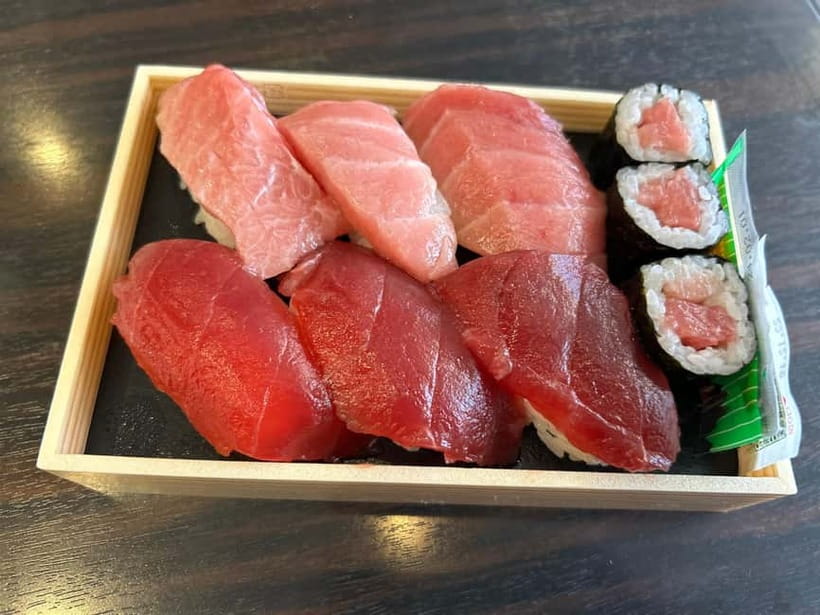
Breakfast is not included in the price, and neither are drinks. You pay directly for whatever you choose, which gives the private group room to match its budget and appetite.
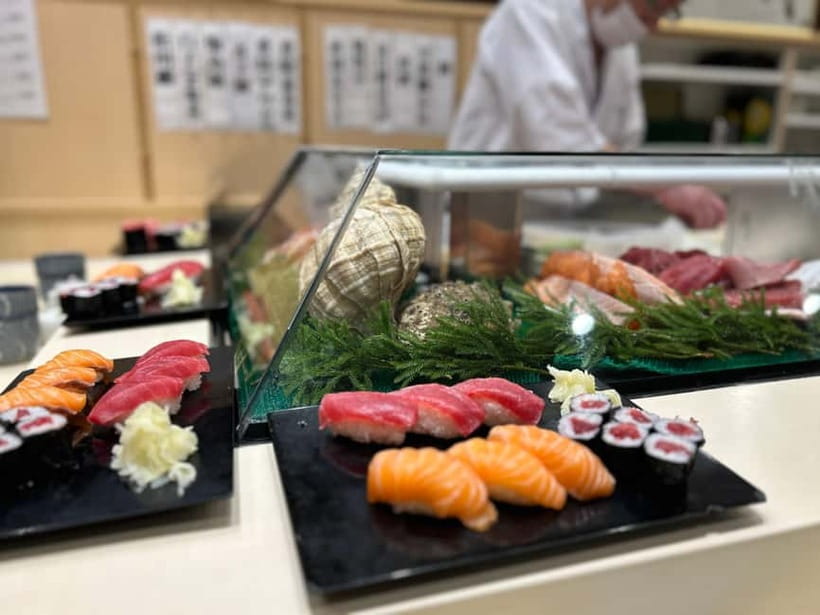
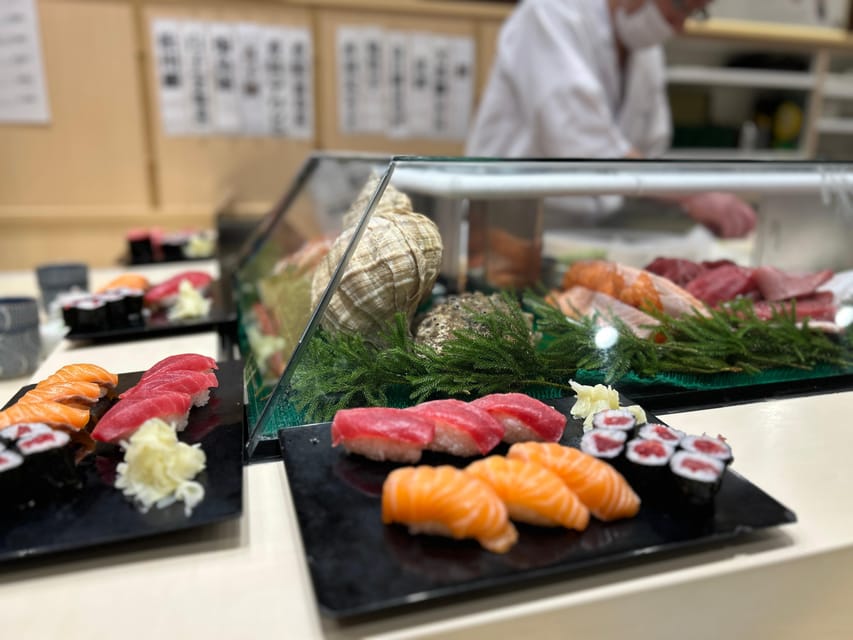
The usual choices include sushi or seafood breakfast at Toyosu or Tsukiji. Fresh sashimi and sushi are obvious picks, but you might also find grilled eel, tamago, tuna steak, yakitori, pickles, or other small foods as you continue through the markets.
This is one of the tour’s strongest features because your guide can help you choose. Some guides point out less popular restaurants with lower prices, while others suggest a sit-down breakfast after the official tour stops. One useful detail is that you do not have to treat the first restaurant you see as your only option.
That said, the morning schedule can make decisions feel rushed. One person found it difficult to discuss food choices in a taxi before sunrise and would have preferred a quiet ride. If you are tired or traveling with children, tell your guide whether you want a slower breakfast stop rather than a rapid series of samples.
More Fish Market Walks in Tokyo:
- Tokyo Sushi Making Class in Tsukiji with Professional Chef
★ 5.0 · 1,177 reviews - Tsukiji Fish Market Guided Tour and Sushi Making with Pro Chef
★ 5.0 · 775 reviews - Tokyo: Tsukiji Fish Market Food and Culture Walking Tour
★ 4.7 · 757 reviews - Tsukiji Fish Market: Street Food & Culture Walking Tour
★ 5.0 · 669 reviews
The short ride from Toyosu to Tsukiji
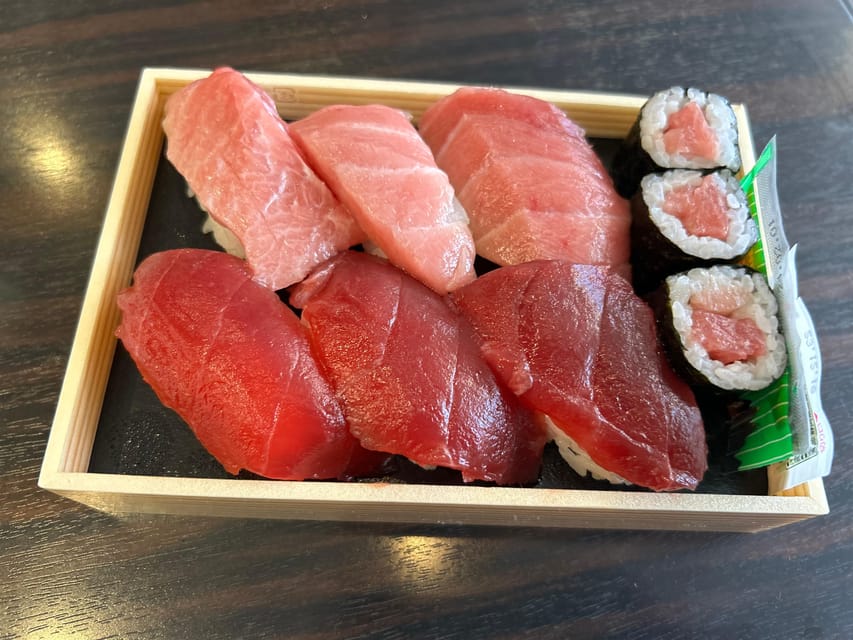
After Toyosu, you take a local bus to Tsukiji. The fare is separate, and the ride is listed at about 15 minutes.
The change in atmosphere is part of the appeal. Toyosu is the newer wholesale facility, while Tsukiji’s Outer Market is a street-level collection of small food shops, restaurants, suppliers, and kitchen stores. You are not simply seeing the same market twice.
Tsukiji is also easier to enjoy at a wandering pace. The streets offer more chances to stop, look closely, compare prices, and sample food. The guide can help you avoid missing the small shops tucked among the better-known stalls.
An optional local shrine visit may be included if time and interest allow. It is not the central reason to book the experience, but it offers a short cultural pause between market stops.
Tsukiji’s food stalls and useful souvenirs
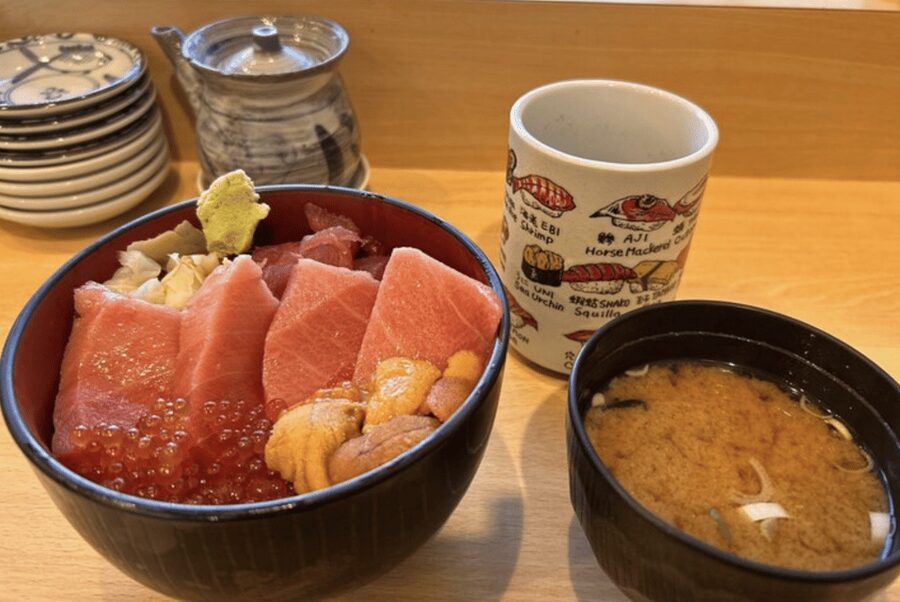
Tsukiji is where the tour becomes especially practical for shoppers. You can browse Japanese knives, pottery, chopsticks, matcha whisks, wasabi graters, and other kitchen tools.
A knife purchase needs a little thought. Ask your guide for help with translation, intended use, care, and packing. You can also compare the feel and weight of several knives instead of buying the first one put in front of you.
Food stops can include sliced sashimi, grilled eel, yakitori, tamago, mochi, seasonal produce, tuna, and matcha-related products. You may also find dried seafood and pantry goods that travel better than fresh food.
The market is a good place to try small portions rather than commit to one large meal. A private guide can help you pace the morning, especially if one person wants seafood and another prefers sweets or vegetarian options.
Vegetarian and vegan participants are welcome. The guide can help locate suitable ingredients, but you should explain your needs clearly at the start. The tour is food-focused, so this conversation is worth having before the first tasting.
What the private format really adds
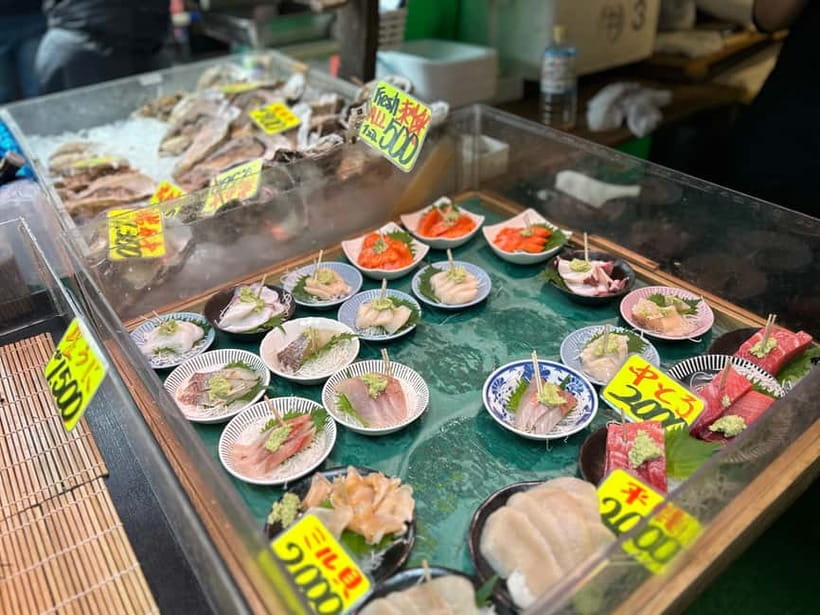
The group limit is 10, but the private setup is most valuable for smaller parties. You do not need to wait for a large group to decide where to eat or how long to spend at a shop.
You can ask questions as they arise. Why is the tuna frozen? What do buyers inspect? How does a market restaurant choose its fish? Which knife is suited to your cooking? A private guide has room to respond instead of delivering a fixed speech and moving on.
The guides also help with ordinary market tasks. They can assist with ordering, point out good stalls, and help you find particular products. Sachiyo has helped people locate tax-free refund services, while other guides have stayed with groups until they were seated for breakfast.
Guide quality is clearly central to the experience. Nobby is praised for being warm, punctual, and good at explaining the markets. Sachiyo is described as organized and patient. Yumi, Emi, Mayumi, Eriko, and others are noted for clear English and useful recommendations.
Because guides vary, you cannot choose every detail of the personality you will receive. You can, however, message the company through WhatsApp or the tour app before the morning begins. Download WhatsApp, provide an accurate phone number, and allow notifications from Japanese numbers.
Price and value at $153 per person
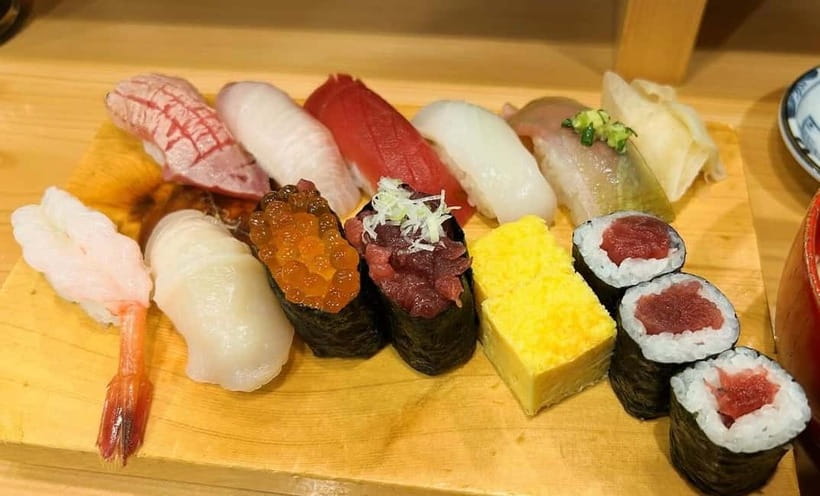
At $153 per person, this is not a cheap breakfast outing. You also pay for your taxi to Toyosu, the bus between markets, food, and drinks. A family or small group should budget for those extras before booking.
The value comes from access, timing, and guidance rather than from included meals. You are paying for an English-speaking private guide who knows how to handle a pre-dawn meeting, explain a specialized auction, navigate two large market areas, and help you choose where to eat and shop.
For a couple or family that would otherwise struggle to understand the auction, the price can make sense. It is also useful if you want to buy a knife or cookware and would benefit from help with language and product choices.
If you only want to see the auction from a public viewing area and do not care about food or shopping, a less expensive self-guided plan may suit you. But you would need to arrange the early taxi, understand the viewing rules, find the right areas, and choose restaurants without the guide’s help.
The tour has a 4.8 rating from 191 reviews, with particularly strong praise for the guides’ explanations, food suggestions, punctuality, and ability to make both markets manageable. The consistent message is simple: the guide is a major part of what you are buying.
Who should book this early-morning market tour
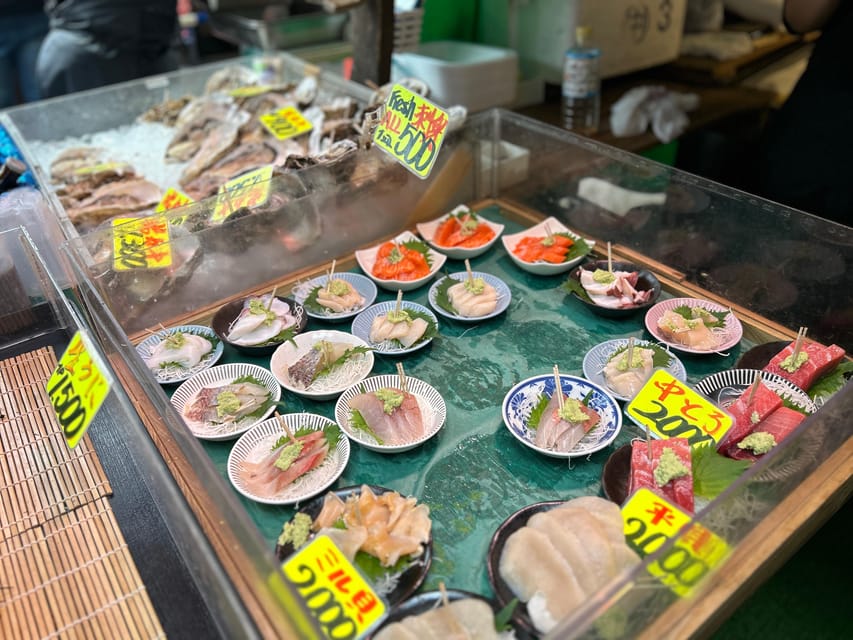
This experience suits you if you want a close look at Japanese food culture rather than a quick photo stop. It is a good match for first-time visitors, families, food lovers, cooks, and anyone interested in how seafood reaches restaurants.
Children are welcome, and families have enjoyed the food variety. Wheelchairs and strollers are allowed, though you should still discuss your needs with the provider because the morning includes walking, a taxi, a bus, and market paths.
You should think twice if you dislike early starts, do not want to pay for a taxi, or expect a guaranteed first-floor auction seat. The auction can also be quieter than expected on a particular morning, with only a small number of sales taking place.
The tour is flexible, but three hours passes quickly. You will not explore every corner of both markets. Think of it as a focused introduction with food and shopping, not a full-day market study.
Should you book it?
Book this tour if the tuna auction is high on your Tokyo list and you want someone to explain what you are seeing. The combination of Toyosu’s working market, Tsukiji’s food stalls, and practical shopping advice gives you more than an isolated auction viewing.
Before booking, choose a hotel location that keeps the taxi fare reasonable, set aside money for breakfast and purchases, and apply for the first-floor lottery by the fifth of the previous month. If you can accept the early alarm and the uncertain auction viewing level, this is a strong way to spend your first morning in Tokyo.
FAQ
How long does the tour last?
The tour lasts three hours. The schedule includes about 70 minutes at Toyosu, a 15-minute bus ride, and about 70 minutes at Tsukiji.
What time does the tour start?
The guide can meet you at about 5 a.m., depending on the selected option and availability.
Where do I meet the guide?
You can meet at the ticket gate of Shijō-mae Station on the Yurikamome Line, or choose hotel pickup where available. The guide will contact you through WhatsApp or the tour app.
Is transportation included?
The walking tour and English-speaking guide are included. Your taxi from the hotel to Toyosu and the bus fare from Toyosu to Tsukiji are not included.
Is breakfast included?
No. Breakfast, drinks, and food purchases are paid for separately.
Is the first-floor tuna auction viewing guaranteed?
No. The first-floor observation deck requires winning a lottery run by the market authorities. If you do not win, you can still watch the auction from the second floor.
How do I enter the tuna auction lottery?
Book the tour by the fifth day of the previous month, then register through the official link provided by the tour company. The market authorities conduct the lottery, and winning is not guaranteed.
What happens to auction viewing in December?
The lottery does not take place at the end of December. Viewing is from the second floor during that period.
Can vegetarians and vegans join?
Yes. The guide can help you find suitable ingredients and food options at the markets.
Can children, wheelchair users, and people with strollers join?
Yes. Children are welcome, and the activity is listed as accessible for wheelchair and stroller users.
What should I bring?
Bring your passport or another ID, especially if you win the first-floor auction lottery, and bring cash for food, drinks, transportation, and shopping.
Just added around Tokyo
- Kawagoe Japanese Food Tour : Unagi Kaiseki and Sake near Tokyo★ 5.0 · 30 reviews
- Kawagoe 4hr Private Tour with Licensed Guide (Kawagoe Dep)★ 5.0 · 13 reviews
- Little EDO Sushi Making workshop in Kawagoe★ 5.0 · 18 reviews
- 【R34】Tokyo:Private Daikoku tour in Modified R34★ 4.9 · 92 reviews
- :Tokyo,Shibuya/ Pro Photography in Kimono / English-Friendly★ 5.0 · 26 reviews
- Tokyo:Celebrate Unique Japanese New Year Tradition Festivity★ 3.9 · 20 reviews
- Tokyo: Allstar Food Tour★ 4.7 · 29 reviews
- Tokyo: West-Side Cycling and Food Tour with Guide★ 5.0 · 37 reviews
Fish Market Tours, compared.
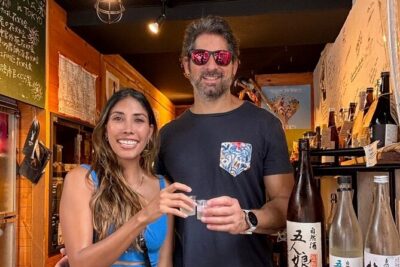
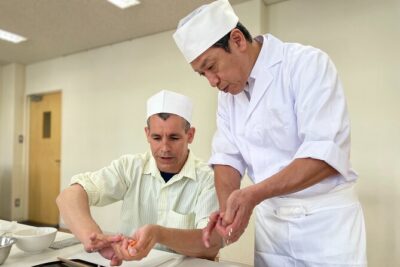
Tokyo Sushi Making Class in Tsukiji with Professional Chef
Our verdict →

Wakayama Cat Train, Seafood market, Hot Springs Tour
Our verdict →
Awesome Private Tour: Tsukiji, Asakusa, Shinjuku, Shibuya
Our verdict →Browse the lists this tour appears in