
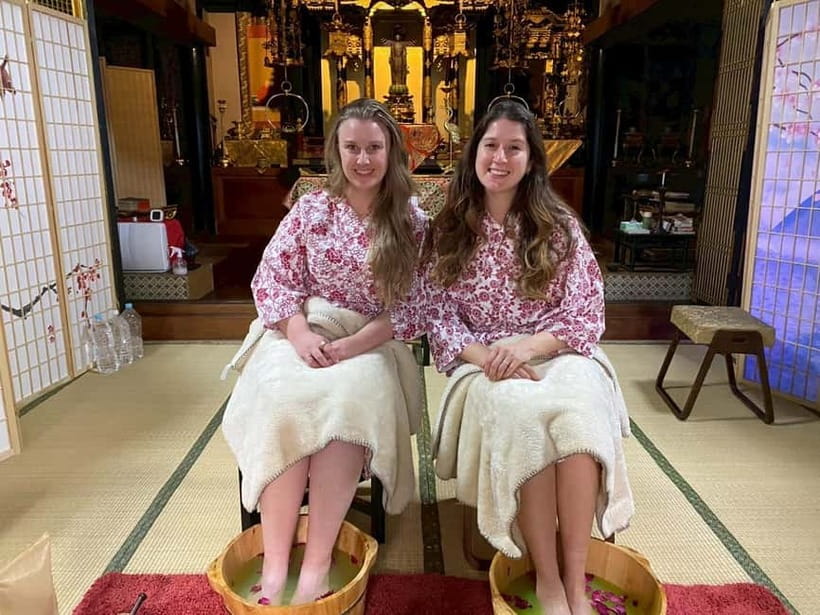
Reviewed · OSAKA TOURS
Osaka Temple :Warm Bamboo Oil Massage – Deep Restore〈90min〉
A warm bamboo massage inside an Osaka temple is the unusual hook here. You change into a simple yukata, offer incense, sit for Zen meditation, then settle into a 90-minute treatment using oil, hands, and heated bamboo. It feels less like a standard spa appointment and more like a quiet cultural pause in the middle of a city trip.
I especially like the tea ceremony with matcha and Japanese sweets, plus the care taken to explain temple worship and the meaning of each step. The free smartphone photos also give you a small keepsake. The main consideration is that this is a two-hour cultural and wellness experience, not simply a 90-minute massage, and meditation may be shared unless you request a private arrangement.
Key points at a glance
- Warm bamboo and hand massage: The main treatment combines full-body oil massage with bamboo work and myofascial release.
- Temple customs made accessible: Incense offering, kneaded incense, a bell, and an explanation of Japanese worship culture are part of the visit.
- Matcha with context: The tea ceremony includes an explanation of Japanese tea traditions and history, not just a quick cup.
- A small-group setting: The group is limited to three participants, with English and Japanese instruction.
- Yukata and phone photos: You change into traditional clothing and receive complimentary smartphone photos to take home.
- Strong satisfaction record: The experience has a 5 out of 5 rating from 14 bookings, with repeated praise for the massage, calm setting, tea ceremony, and friendly staff.
A temple visit that begins with care, not sightseeing
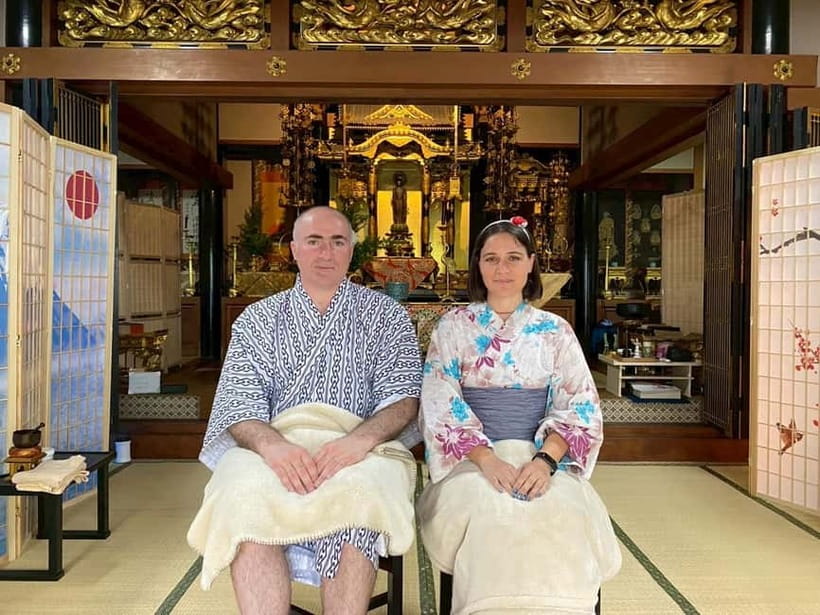
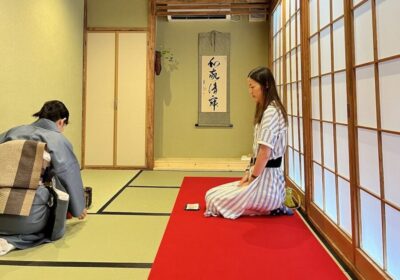
The experience starts with a welcome drink and time to change into a simple yukata. That small change matters. You are not rushing from one Osaka attraction to the next in street clothes. You are being asked to slow down before the treatment begins.
The yukata is practical rather than formal. Think of it as comfortable temple clothing for the session, not a full dress-up service with elaborate styling. You also receive a commemorative smartphone photo, so you can keep a record of the setting without needing to arrange your own photographer.
The visit includes an introduction to the temple’s history and Japanese worship culture. I appreciate this because temple customs can otherwise feel like a set of mysterious motions. Here, the incense offering has a place in the experience, and the explanation helps you understand what you are doing rather than simply copying someone else.
You may offer incense and work with kneaded incense before meditation. These details give the first part of the visit a gentle rhythm. The point is not to collect another sightseeing stop. It is to prepare your attention for the quieter parts that follow.
More Massage Treatments in Osaka:
- Tokyo: Japanese Massage – Kangfu Beauty & Body Care Salon
★ 4.4 · 43 reviews
Zen meditation with a bell and kneaded incense
The meditation section brings a traditional temple atmosphere into a guided experience that remains approachable for first-time visitors. A bell marks the practice, while kneaded incense adds scent and ritual to the room.
You do not need prior meditation experience. The activity description presents this as Zen meditation, and the small group format means the session should feel more personal than a large class. Still, meditation may be shared with other people unless you request a private experience. That is worth considering if silence and privacy are your main reasons for booking.
This is also where expectations matter. The meditation is one part of a larger program, not a long residential retreat or an advanced Zen lesson. You receive an introduction to a temple setting, then move into the foot bath and massage portion.
I like the order. Starting with ceremony and stillness can help your body shift out of sightseeing mode. If you arrive tired from Osaka’s busy streets, the bell, incense, and quiet pause may be just as useful as the massage itself.
The foot bath leads into a 90-minute treatment
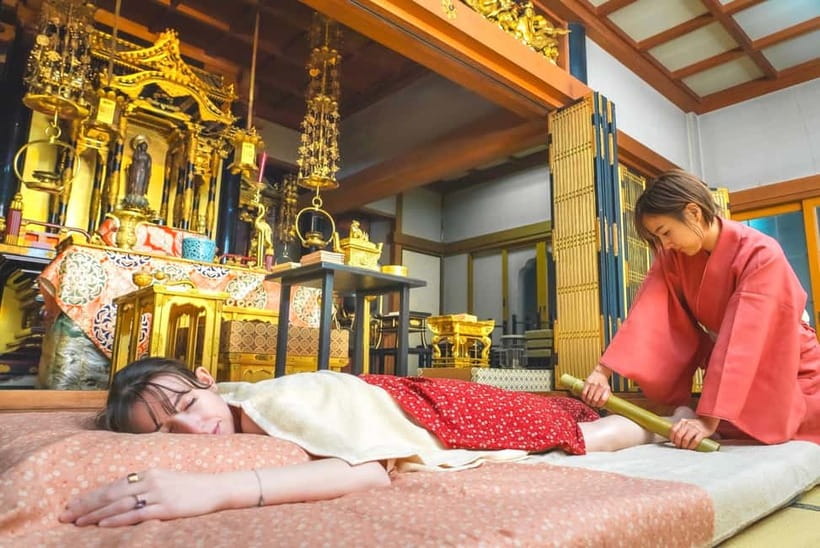
The treatment begins with a foot bath and scrub massage. This gives the session a clear transition from cultural visit to body care. Your feet receive attention before the full-body work begins, which can feel especially welcome after a day spent walking.
The central treatment lasts 90 minutes and uses warm bamboo along with hand oil massage. The bamboo provides a different sensation from hands alone. It is used for massage and myofascial release, with the warmth intended to help the body relax while the practitioner works through areas of tension.
Arisa is named as one of the massage practitioners associated with the experience. One booking described her as a talented masseuse, while another praised the massage as wonderful. That does not guarantee that Arisa will handle every appointment, but it gives you a useful name to ask about when arranging your visit.
The massage is described as full-body. Oil is part of the treatment, so wear something that can handle a change back into clothing afterward. The supplied information does not specify the exact oil, pressure level, or massage sequence, so you should explain your preferences and any sensitive areas before the treatment starts.
The word deep restore in the experience title should not lead you to expect medical treatment. This is a relaxation and wellness service. Myofascial release can sound technical, but the important practical point is that bamboo and hand techniques are used together to work on tight, tired areas.
The activity information also explains Reiki as a non-contact Japanese energy-healing method intended to support relaxation and emotional balance. It does not list a separate Reiki treatment in the 90-minute itinerary, so I would ask the provider directly if that element matters to you.
Matcha, sweets, and a slower ending
After the bodywork, the traditional tea ceremony gives the experience a calm finish. You receive matcha and original Japanese sweets, with an explanation of the ceremony’s cultural and historical background.
This section is more than a drink break. It gives you a chance to sit still after the massage and connect the temple setting with a familiar part of Japanese culture. The tea ceremony was described as informative and relaxing, and one person who booked a facial treatment for the following day found the whole visit special enough to return.
You should not expect a formal tea school lesson lasting several hours. The tea ceremony is one component of a two-hour program. But that compact format is useful if you want an introduction without giving up half a day.
The sweets are part of the experience rather than a full meal. If you are booking around lunch or dinner, plan to eat separately. The provided information does not describe the exact sweets served, which may vary.
A few more Osaka half-days worth comparing
- Osaka Go Karting Tour with Funny Costume
★ 5.0 · 2,658 reviews - Osaka Castle: Museum and Tower Entry Ticket
★ 4.5 · 2,380 reviews - Osaka: Shinsekai Food Tour with 13-15 Dishes at 5 Eateries
★ 4.8 · 2,204 reviews - Osaka Food Tour: 13 Dishes at 5 Local Eateries
★ 5.0 · 2,149 reviews
Why the cultural details improve the massage
You can find massage services all over Osaka. The value here comes from the combination of treatment and setting. Incense, meditation, tea, matcha, sweets, and the yukata create a more complete cultural experience than an ordinary spa visit.
That does not mean the temple elements will suit every person. If you want a firm, highly customized sports massage with no ceremony, the extra activities may feel like padding. If you want a restful introduction to Japanese customs alongside bodywork, they give the appointment its character.
I particularly like that the activity explains temple worship culture rather than asking you to treat the setting as decoration. The incense offering and meditation are included as parts of the visit, and the tea ceremony receives historical explanation. You get some context without needing to plan a separate temple tour.
The setting also gives couples and first-time visitors an easy structure. One couple described the experience as a good way to relax during a trip, and another person returned for a second massage. Those details suggest the program works well when you want calm time together, but you should still remember that meditation may be shared.
Price and practical value at $129
At $129 per person, this is not priced like a quick massage. You are paying for a 90-minute oil and bamboo treatment plus roughly two hours of organized temple, meditation, tea, clothing, and photo elements.
The price makes the most sense if you would otherwise book both a spa treatment and a cultural activity. You receive a foot bath, scrub massage, full-body massage, incense offering, Zen meditation, matcha, sweets, yukata use, and smartphone photos in one appointment.
The value is less convincing if you care only about massage technique. In that case, compare the 90-minute treatment time with standalone Osaka spas before booking. Here, the cultural program is a major part of what you are buying.
The group limit of three helps. A small group can make explanations easier and keep the visit from feeling like a packaged class. It does not promise complete privacy, though, and the meditation may include other participants.
You can reserve now and pay later, which is useful when your Osaka schedule is still shifting. Free cancellation is available up to 24 hours in advance for a full refund. Starting times depend on availability, so check the schedule before building the rest of your day around it.
Finding the correct meeting point in Osaka
The meeting instructions deserve careful attention. In Google Maps, enter Japanese Massage -the one&only- rather than the temple’s name. Using the temple name may send you to the back entrance, where it is easy to get lost.
If you cannot find the location, search for the restaurant Tossa de coracao. The meeting point is right next to it. This is the sort of small detail that can save you from arriving flustered, especially when you are trying to be calm before a massage.
The provider is japanese massage 唯一無二 -the one&only-. English and Japanese are available. Reservations for three people should be made by email, so larger groups should not assume that the normal booking path will handle them automatically.
The duration is listed as two hours, while the treatment itself is listed as 90 minutes. Allow the full two hours, since the welcome, changing, temple introduction, meditation, foot bath, tea ceremony, and photos all take part in the schedule.
Who will get the most from this experience
I would recommend this for someone who wants a quiet cultural activity with real bodywork. It suits couples, solo visitors, and small groups who would rather spend an afternoon slowing down than adding another crowded attraction to the itinerary.
It is also a good fit if you are curious about matcha, Japanese worship customs, or wearing a yukata but do not want to book several separate activities. The English option helps if you want explanations rather than simply observing.
This may be especially welcome after several days of sightseeing. The combination of foot care, warm bamboo, oil massage, and meditation offers a clear break from walking and busy schedules.
I would hesitate if you dislike oil massage, do not want to change clothes, or prefer a fully private setting. I would also look elsewhere if you need a treatment for a specific medical problem, since this is presented as relaxation and wellness rather than clinical care.
What the strongest praise points to
The clearest pattern is the quality of the welcome and treatment. People from France, Belgium, Hong Kong, the United States, the United Kingdom, and Switzerland described the experience as relaxing, calming, informative, or exceptionally pleasant.
The massage receives the most direct praise, but the tea ceremony is close behind. One person booked mainly for the massage and found the tea ceremony and temple explanation unexpectedly valuable. Another described the full program as carefully arranged for peace and harmony.
The staff also receive repeated praise for being kind and attentive. That matters in a treatment where trust and comfort affect the experience as much as the technique.
The 5 out of 5 rating from 14 reviews is a strong signal, though the sample is still small. I would treat it as encouraging evidence rather than a guarantee that every appointment will match your personal taste.
Should you book the temple massage?
Book it if you want more than a massage. The best reason to choose this experience is the combination of warm bamboo bodywork, a small temple visit, Zen meditation, matcha, Japanese sweets, a yukata, and a keepsake photo.
At $129, the cost is reasonable when you value the whole two-hour program. It is less compelling if you only want the longest possible massage for the lowest price.
Before booking, confirm the meeting point in Google Maps, allow the full two hours, and request privacy for meditation if that is important to you. For a calm, culturally focused break in Osaka, this is a thoughtful choice with unusually good attention to atmosphere.
FAQ
How long does the experience last?
The complete activity lasts two hours. The massage portion is 90 minutes.
How much does the experience cost?
The listed price is $129 per person.
What type of massage is included?
You receive a full-body oil massage using warm bamboo and hands, along with myofascial release techniques.
Is a foot treatment included?
Yes. The program includes a foot bath and scrub massage before the main body treatment.
Do I wear a yukata?
Yes. A simple yukata is included, and you change into it during the experience.
Is Zen meditation included?
Yes. The program includes Zen meditation with a bell and kneaded incense.
Is the meditation private?
Not necessarily. Zen meditation may be shared with other participants unless you request a private experience.
Is a tea ceremony included?
Yes. The experience includes a traditional Japanese tea ceremony with matcha, original Japanese sweets, and cultural and historical explanation.
What languages are available?
Instruction is available in English and Japanese.
Where should I go for the meeting point?
Enter Japanese Massage -the one&only- in Google Maps. Do not use only the temple’s name, since that may take you to the back entrance. If needed, search for the restaurant Tossa de coracao, which is right next to the meeting point.
Just added around Osaka
- Exclusive Sushi Making Experience with a Master Chef – Osaka Area★ 5.0 · 25 reviews
- Private Home-Style Cooking Class in Osaka with Local Mom Yoshiko★ 5.0 · 46 reviews
- Hidden Osaka – Yukaku Red Light Tour & Culinary Adventure★ 4.8 · 96 reviews
- Osaka: Walking Tour and Top Highlights★ 4.8 · 104 reviews
- Osaka: Private Ceramic Painting Workshop★ 5.0 · 13 reviews
- Pickleball in Osaka, Kobe & Kyoto with Locals!★ 4.7 · 80 reviews
- Eat Like a Local in Osaka – Private Custom Street Food Tour★ 4.3 · 33 reviews
- Osaka:SUMO BEATS SHOWCASE: Taiko Drum and Wagyu burger!★ 4.2 · 37 reviews
Osaka Tours, compared.
Shinsekai Food Tour with 13-15 Dishes at 5 Eateries
Our verdict →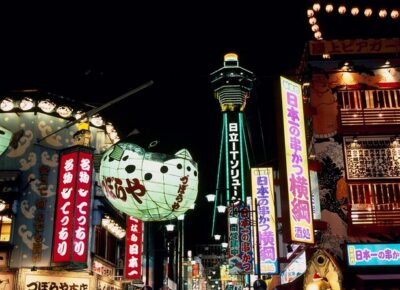
Hungry Osaka Street Food Tour:15 Tastings & 3 Drinks with a Local
Our verdict →

Deep Backstreet Osaka Tours (Option to add Dinner)
Our verdict →Browse the lists this tour appears in