
Reviewed · HIDDEN GEMS TOURS
Osaka Kickstart: Hotspots & Hidden Gems Tour
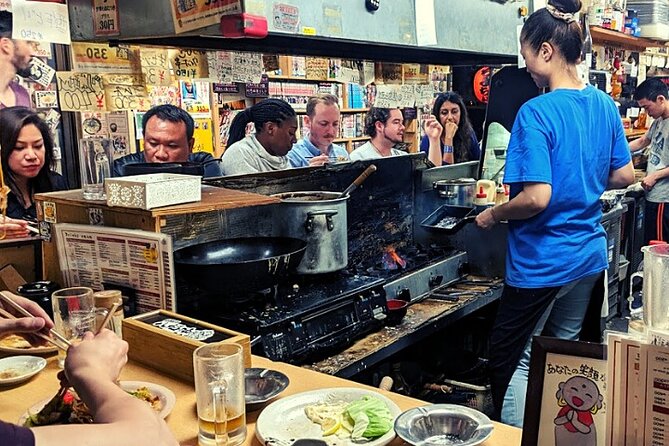
Osaka is easiest to understand from street level, and this tour gets you quickly from the famous neon of Dotonbori to quiet lanes, fish stalls, retro arcades, and local gathering spots. I especially like the way the route mixes food and everyday Osaka with landmarks such as Osaka Castle, rather than treating the city as a string of photo stops.
I also like the flexible timing. A three-hour walk can give you a useful first look at central Osaka, while a five or seven-hour private tour adds the castle, temples, museums, and southern districts. The main consideration is walking: you may cover more than 16,000 steps on a long day, and entry fees, train rides, taxis, and extra food cost more.
Key points to know before booking
- Start near Namba: The meeting point at 2-chōme-2-8 Namba puts you close to Dotonbori, Hozenji Yokocho, and Shinsaibashi.
- Choose your depth: Three hours focuses on central Osaka, while five or seven hours can include Osaka Castle, Shitennoji, Abeno Harukas, and museums.
- Expect local navigation: Your guide leads you through small lanes, tucked-away shops, seafood stores, arcades, and restaurants that are easy to miss alone.
- The guide shapes the day: Rahat, Bryan, Knox, Louis, Stephanie, Harry, and other guides are praised for personal stories, food tips, and help with trains.
- One small taste is included: The tour includes one drink and one small side dish, usually a single takoyaki ball.
- Budget for extras: Attractions, transport when needed, and food beyond the included snack are not covered.
Why this works as an Osaka first-day tour
Osaka can feel like several cities packed into one. Namba gives you giant signs, shopping arcades, food counters, and crowds. A few streets away, you can find a small temple lane or a shop that looks plain from outside but opens into a seafood counter or hobby store.
That contrast is the real point of the Osaka Kickstart tour. You are not simply checking off Dotonbori and Osaka Castle. You are learning how the central districts fit together and getting practical suggestions for later meals, shopping, and transport.
The guides add much of the value. Rahat is repeatedly singled out for energy, humor, and personal stories. Bryan has helped families with vegetarian restaurant ideas and even showed one family how to reach Shin-Osaka for a Shinkansen. Louis is praised for clear communication and a strong introduction for first-time visitors. Stephanie has led long walks at an easy pace, adding local coffee and lunch stops along the way.
Guide quality can vary from person to person, as it does on any walking tour, but the pattern is clear: the best part is the human connection and the advice you can use after the tour ends.
More Hidden Gems Tours in Osaka
- Osaka: Hotspots & Hidden Gems Walking Tour Private or Group
★ 4.9 · 1,300 reviews - Ultimate Osaka Walking Tour: Castle, Dotonbori & Hidden Gems
★ 5.0 · 862 reviews - Private Osaka Walking Tour: Highlights & Hidden Gems
★ 5.0 · 569 reviews
Hozenji Yokocho and the old lanes near Namba

Hozenji Yokocho is a good opening stop because it changes the mood at once. The narrow cobbled lanes have a traditional feel, with walls decorated with scenes from Osaka’s past. It is a short visit, about 20 minutes, but it gives you a useful reminder that Namba is not only lights and shopping.
This is also a place where a guide earns their fee. The lanes can be easy to walk past if you do not know where to turn. Your guide can explain how this older pocket relates to the surrounding entertainment district and point out details that would otherwise blur into the background.
Do not expect a long temple visit here. The stop is brief, and the tour soon moves toward Dotonbori.
Dotonbori, the river, and Osaka’s big street energy
Dotonbori is the tour’s most obvious attraction, but it earns its place. The river, illuminated signs, bridges, restaurants, and shops create the classic Osaka scene. You get about 45 minutes here, enough to see the main area without spending the entire day in one corridor.
The guide can help you read the district beyond its famous signs. You may hear personal stories about Osaka, learn where locals meet, and get suggestions for food after the walk. The included snack is usually one takoyaki ball, so treat it as a taste rather than lunch.
Dotonbori can be crowded and noisy, especially at popular times. That is part of its character, but it may not suit you if you want a quiet start. The tour handles this well by pairing the main riverfront with smaller streets and less obvious stops.
Shinsaibashi-suji and the Ebisubashi meeting point
Shinsaibashi-suji is a long shopping street with Japanese fashion, gadgets, and plenty of local street life. The scheduled visit is around 20 minutes, so you will get an introduction rather than a full shopping session.
That short timing is useful if you want orientation. Your guide can point out the kinds of shops found here and explain how the shopping area connects with Namba and America Mura. If you already know you want to buy clothes, cosmetics, or unusual souvenirs, save your shopping list for after the tour.
New Ebisubashi adds a small piece of Osaka history. The first bridge was built from wood in the 1600s, and the present iron bridge remains a local meeting point. It is a 15-minute stop, but it helps you understand why this crossing is such a natural reference point in central Osaka.
Same trip, a completely different kind of day:
- Osaka Go Karting Tour with Funny Costume
★ 5.0 · 2,658 reviews - Osaka Castle: Museum and Tower Entry Ticket
★ 4.5 · 2,380 reviews - Osaka: Shinsekai Food Tour with 13-15 Dishes at 5 Eateries
★ 4.8 · 2,204 reviews - Osaka Food Tour: 13 Dishes at 5 Local Eateries
★ 5.0 · 2,149 reviews
America Mura and the city’s playful side
America Mura, or America Town, is Osaka’s playful answer to American culture. The area has shops, side streets, and even a Statue of Liberty figure on top of a building. The tour spends roughly 15 minutes guiding you through streets that are more interesting when someone explains what you are seeing.
This is a good match for teenagers, shoppers, and anyone who likes odd details. It also helps break up the history portions of the tour. You are not expected to spend the whole walk in temples and museums.
Kuromon Market and the tucked-away food stops
Kuromon Market is where the tour’s food focus becomes more practical. The market is easy to find, but the more useful part is stepping into stores that may look plain from the street and discovering seafood counters inside.
The planned stop is about 15 minutes on many three-hour routes, depending on how quickly the group walks. That limitation matters. If you want time to eat, browse, and stop at several stalls, a longer private option will serve you better.
Food beyond the small included snack is extra. That is sensible because appetites and budgets differ, but you should not book this as an all-you-can-eat market tour. Think of Kuromon as a guided introduction, followed by the option to return on your own.
Arcades, gaming, and cosplay shops

Another short stop takes you through Osaka’s gaming and cosplay area. The route uses small, tucked-away shops that can be hard to locate without local help. This is one of the more distinctive parts of the walk, especially for families and travelers interested in Japanese games, character goods, and collectibles.
One family used the time to find a rare Pokémon card at a thrift shop. That does not mean a rare card will be waiting for you, but it shows why this section works well for children and hobby fans. The tour can feel more personal when your guide adjusts the route to your interests.
Shinsekai, Tower Knives, and southern Osaka
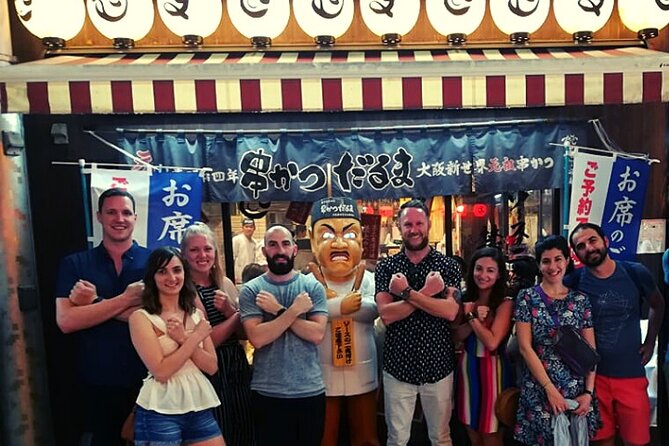
Shinsekai is available only on four, five, or seven-hour private tours. This retro district adds a different side of Osaka, with old-style restaurants, fishing-themed eateries, game arcades, board game shops, and vinyl stores.
The 30-minute stop is best for atmosphere and orientation. If you want to eat here or browse carefully, ask about allowing extra time in a private itinerary. The district is far enough from the central Namba stops that it makes a longer tour feel worthwhile.
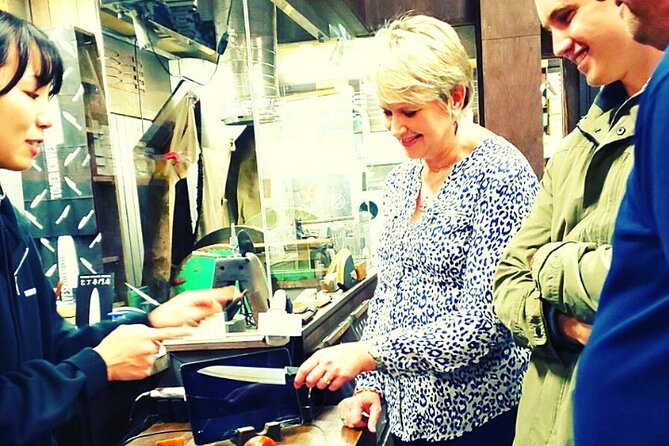
Tower Knives Osaka is also limited to four or five-hour private tours. The visit includes a private lesson on how knives are made, with the craft work taking place at the rear of the building. You then get to try cutting. The stop lasts about 15 minutes and includes admission.
This is a strong choice for anyone interested in Japanese craftsmanship, though it is not a full workshop. If you are considering buying a knife, ask your guide about the visit and allow time for questions.
Abeno Harukas and Shitennoji
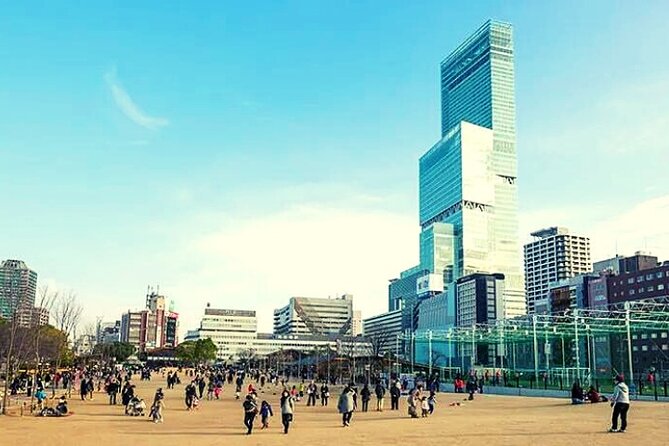
Abeno Harukas is available on five or seven-hour private tours. At 300 meters, it is Japan’s tallest building, though not its tallest structure or tower. The planned stop is about 20 minutes, so the emphasis is on seeing and understanding the building rather than spending a long time at an observation deck.
Shitennoji is also limited to five or seven-hour private tours. It is described as Japan’s first Buddhist temple and oldest officially administered temple. You get about 30 minutes here, with admission not included.
These stops make sense for you if you want more than Osaka’s shopping and food districts. They also add variety to a long walking day. Since entrance charges are extra, check the route cost before assuming every temple or attraction is covered.
Osaka Castle and the story of unification
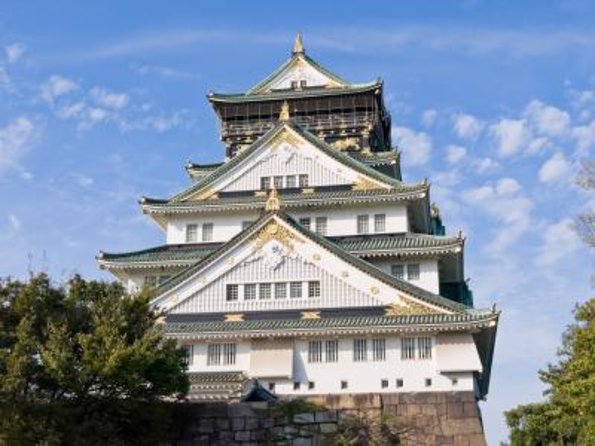
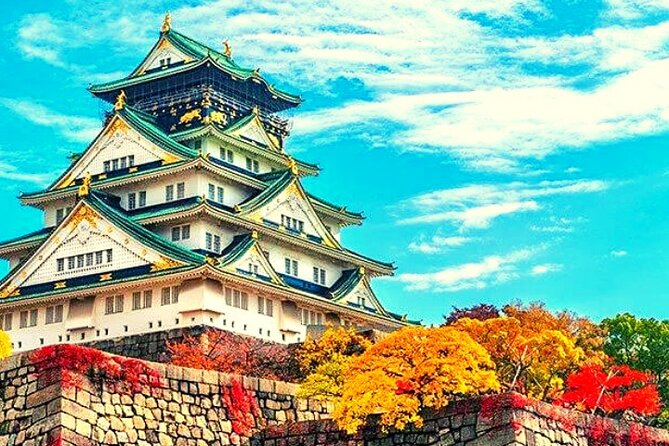
Osaka Castle is offered on five or seven-hour private tours and takes about 70 minutes. This is one of the most important additions to the longer routes. You walk through the castle grounds while learning about its role in the unification of Japan.
The value here is context. Osaka Castle is not just a photogenic building. Its story helps explain the political struggles that shaped Japan, and a guide can connect the landmark to the city you have already seen on foot.
One family covered Osaka Castle, Dotonbori, and other central stops during a five-hour walk, with an early meal along the way. Another long private tour began at the castle and continued through the business district, America Town, and shopping areas. These examples show how the route can be arranged around your priorities, but also why you should be realistic about pace.
The castle entrance is not included. If you mainly want the castle interior, confirm how much time the guide will allow for it.
Ukiyo-e and the Museum of Housing and Living
The Osaka Ukiyo-e Museum appears only on a seven-hour private tour. It is small and welcoming, with older original works from the Edo period alongside newer pieces. The planned visit lasts about 15 minutes and includes admission.
The Osaka Museum of Housing and Living is also limited to the seven-hour private option. Its main draw is a reconstructed old Osaka neighborhood with houses and shops. The visit lasts about 45 minutes, and admission is extra.
These museums are a good fit if you want to understand how Osaka looked and functioned in earlier periods. They are not essential for a short city orientation, but they make the seven-hour route more varied than a long run of streets and landmarks.
How much walking, transport, and time to plan
The standard format is a walking tour, with optional train or taxi use if requested. Transport costs are not included unless your requested route specifically covers them. You should wear comfortable shoes and be ready for uneven streets, crowds, stairs, and a moderate level of physical effort.
The three-hour route is the most efficient choice for a first look at central Osaka. It can cover places such as Hozenji Yokocho, Dotonbori, Shinsaibashi, America Mura, and Kuromon Market, depending on pace.
A four-hour tour opens the door to Shinsekai and Tower Knives on a private route. Five hours can include Osaka Castle, Abeno Harukas, and Shitennoji. Seven hours adds both museums, but it is a full day on foot and should be chosen only if you enjoy a packed itinerary.
The tour starts and ends at the Namba meeting point. Pickup is offered, but confirm the arrangement when booking.
Price and who gets the best value
The listed price is $31.84 per person, which is a fair entry price for a guided introduction to central Osaka, especially when the route includes local navigation and a drink plus small snack. The value rises if you use the guide’s food, shopping, and transport advice during the rest of your stay.
The price needs a closer look for private tours. Route length, group size, transport, and attraction fees can affect the final cost, so confirm exactly which version you are booking. A private five or seven-hour route will naturally offer more customization than the basic advertised amount suggests.
I would choose the three-hour option if you arrive in Osaka with limited time or want help getting oriented before exploring alone. I would choose five hours for a first family visit, a castle stop, and a meal or shopping break. The seven-hour route suits repeat visitors and museum fans more than people who prefer a relaxed afternoon.
The tour has a 4.9 rating from 1,306 ratings, with 98 percent recommending it. The strongest praise centers on friendly guides, useful local tips, family appeal, and the ability to see places that are not obvious from a standard Osaka map.
Free cancellation is available up to 24 hours before the start time. Poor weather or failure to meet the minimum number of participants can lead to a new date or full refund.
Should you book the Osaka Kickstart tour?
Book it if you want a fast, friendly introduction to Osaka that mixes famous sights with side streets, food stops, shopping areas, and local stories. It is especially useful on your first day, when a guide can help you get your bearings and suggest where to eat afterward.
Choose the three-hour route for orientation. Choose five hours if Osaka Castle matters to you. Choose seven hours only if you want museums and a long, active day.
Skip it if you prefer to explore entirely alone, dislike walking through crowded shopping districts, or want a focused food tour with many tastings. For most first-time visitors, though, the flexible route and practical guide advice make this a strong way to begin Osaka.
FAQ
Where does the Osaka Kickstart tour begin?
It begins at 2-chōme-2-8 Namba, Chuo Ward, Osaka, 542-0076, Japan.
Where does the tour end?
The activity ends back at the meeting point.
How long does the tour last?
Available durations are approximately 3, 4, 5, or 7 hours.
Is this a private tour or a group tour?
You can choose a private personalized tour or a group tour. The private option is limited to your own group.
Is transportation included?
The tour is mainly on foot. Train or taxi use can be requested, but transport costs are not included unless specified for the requested route.
What food or drink is included?
You receive one drink and one small side dish, usually one takoyaki ball. Additional food and drinks cost extra.
Is Osaka Castle included on every route?
No. Osaka Castle is available only on five or seven-hour private tours, and its admission fee is not included.
Can I cancel for a refund?
Yes. You can cancel at least 24 hours before the start time for a full refund. Changes or cancellations made less than 24 hours before the start time are not accepted for a refund.
Just added around Osaka
- Exclusive Sushi Making Experience with a Master Chef – Osaka Area★ 5.0 · 25 reviews
- Private Home-Style Cooking Class in Osaka with Local Mom Yoshiko★ 5.0 · 46 reviews
- Hidden Osaka – Yukaku Red Light Tour & Culinary Adventure★ 4.8 · 96 reviews
- Osaka: Walking Tour and Top Highlights★ 4.8 · 104 reviews
- Osaka: Private Ceramic Painting Workshop★ 5.0 · 13 reviews
- Pickleball in Osaka, Kobe & Kyoto with Locals!★ 4.7 · 80 reviews
- Eat Like a Local in Osaka – Private Custom Street Food Tour★ 4.3 · 33 reviews
- Osaka:SUMO BEATS SHOWCASE: Taiko Drum and Wagyu burger!★ 4.2 · 37 reviews
Hidden Gems Tours, compared.

Kyoto Geisha Walking Tour: Gion District & Hidden Gems
Our verdict →
Small Group, Big Flavors & Hidden Local Secrets Tour
Our verdict →Browse the lists this tour appears in