
Reviewed · OSAKA TOURS
Osaka : 3/4/5 Hours Private Tour With Local Guide
Osaka is easiest to understand when you connect its famous sights with the ordinary neighborhoods between them. This private tour does exactly that, taking you from Osaka Castle Park to Shinsekai, Denden Town, Kuromon Market, Dotonbori, and Amemura rather than leaving you with a single postcard view of the city.
I like the hotel pickup and the way the guide teaches you to use Osaka’s railway system as you go. I also like the flexible format: guides such as Hugo, Arnaud, Francois, and Antoine adjust the day to your interests, from secondhand video games to local food and Japanese customs.
The main consideration is the amount of walking. One four-hour outing reached about 17,000 steps, and the route includes train rides, crowded commercial streets, and market stops. You cover a lot, but this is not a slow, sit-down sightseeing tour.
Key things to know before booking
- A useful first-day orientation: You see major districts while learning how to move around Osaka by train and subway.
- Six very different areas: The route links castle grounds, old Shinsekai, electronics shops, a seafood market, Dotonbori, and youth-oriented Amemura.
- Private and adjustable: Your guide can give more time to food, history, anime, shopping, family interests, or local life.
- Food is optional: You pay for snacks and meals separately, and you can decide what you want to taste.
- Expect serious walking: The tour is active, even though the pace is described as easygoing.
- Useful follow-up advice: Guides share restaurant suggestions, day-trip ideas, activities, and addresses for the rest of your stay.
Why this works well on your first day in Osaka
This is less a checklist tour than a practical introduction to Osaka. You get the headline sights, but the real value comes from learning how the city fits together. A guide can point out why one district feels historic, another feels eccentric, and another is aimed at young local shoppers.
The hotel pickup removes a common first-day nuisance. Your guide meets you in front of your hotel reception if the hotel is inside the designated Osaka pickup zone. From there, you use public transportation and walk between neighborhoods. Transportation is not included in the price, so you should budget separately for train fares.
I especially like this arrangement for anyone arriving in Japan with little confidence about railway stations. Hugo has shown people how to use Osaka’s metro and railway system, and one guide also helped explain the bullet train. That kind of help can save time for the rest of your trip, especially when station signs and ticket machines feel unfamiliar.
The tour is private, so you do not have to wait for a large group or follow a fixed script. If you are fascinated by old video games, the guide can spend more time in Denden Town. If food matters most, the route can include local snacks or an unusual Japanese dish. Families also have room to adjust the outing for different ages and interests.
A few more Osaka half-days worth comparing
- Osaka Go Karting Tour with Funny Costume
★ 5.0 · 2,658 reviews - Osaka Castle: Museum and Tower Entry Ticket
★ 4.5 · 2,380 reviews - Osaka: Shinsekai Food Tour with 13-15 Dishes at 5 Eateries
★ 4.8 · 2,204 reviews
Osaka Castle Park: history with room to breathe
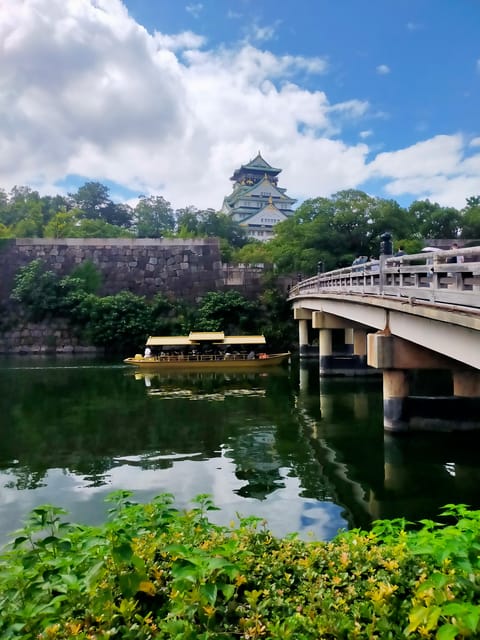
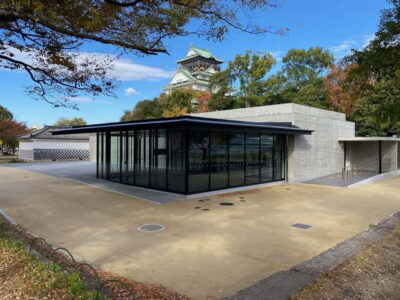
The day begins with Osaka Castle Park, reached by train. The planned castle stop includes about an hour of walking and guiding through the large park around the castle.
This is important because the park gives you more than a quick castle photograph. Your guide explains the castle’s place in Japanese history and connects the site to wider changes in the country. You can ask questions as you walk, rather than reading a few short signs and moving on.
The focus is on the grounds and their history. Tickets to attractions are not included, so do not assume that entry to a paid interior exhibit or other attraction is part of the tour. If entering the castle is important to you, ask about that when arranging your route.
An hour here is enough to get your bearings and understand why Osaka Castle matters. It is not enough for a slow visit to every part of the castle complex, especially if you want extensive photo stops or indoor exhibits. That is one reason the private format helps. You can tell the guide whether you prefer historical explanation, photographs, or a brisk walk.
Shinsekai: Osaka’s working-class character
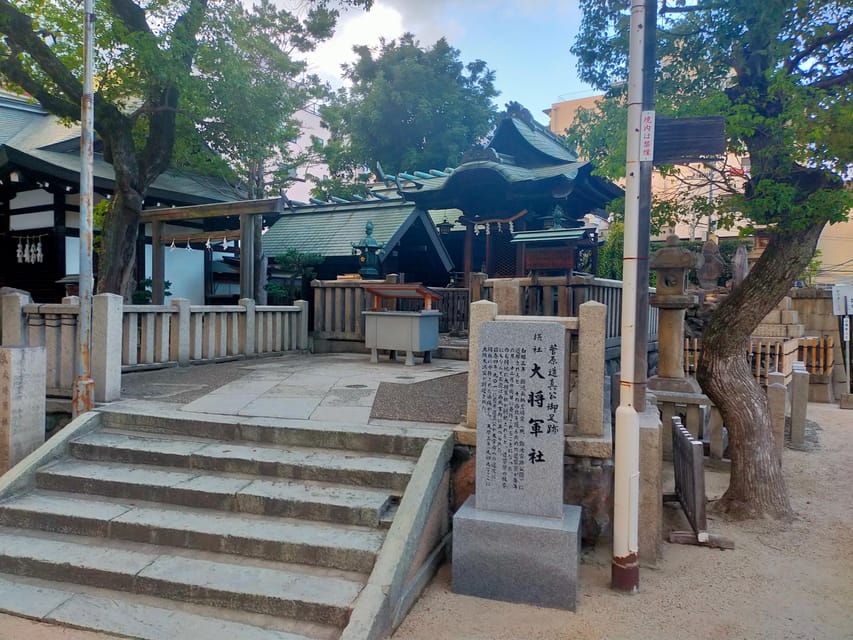
After another train ride, the tour moves to Shinsekai for about 30 minutes. This district is presented as a working-class area with its own history and architecture, quite different from the polished image many people have of central Osaka.
I like this part because it gives the tour some texture. Shinsekai is not simply another famous photo stop. Your guide can explain how the neighborhood developed and how daily life differs from the commercial districts later in the route.
You may stop for a local snack if you wish. Food and drinks cost extra, and tasting is optional. That is useful if you have dietary limits, have already eaten, or would rather save your appetite for Kuromon Market.
Thirty minutes is a short visit, but it keeps the day moving. If Shinsekai interests you more than shopping in Amemura, tell your guide early. Since this is a private experience, the balance can change, although the total time remains limited.
Denden Town: electronics, anime, and secondhand finds
Next comes Nipponbashi Denden Town, Osaka’s electronics district. The planned visit lasts about 30 minutes, with time to walk and look around.
This area is one of the tour’s more unusual contrasts. You may find electronics shops, old video games, maid cafes, anime merchandise, figurines, and secondhand stores packed into the same broad district. One guide spent time showing a couple secondhand video game shops, which made the stop especially appealing for anyone who enjoys gaming or Japanese pop culture.
Denden Town can be difficult to read on your own because its attractions are scattered. A guide helps you understand what kind of shops you are seeing and where to focus your limited time. You might find a small store that would be easy to pass without noticing.
The drawback is simple: 30 minutes is not enough for serious shopping. If you want to browse games, figures, and electronics in detail, you will need to return on your own. Think of this stop as an introduction and a source of ideas for a later visit.
More Private-Only Departures in Osaka:
- Osaka: Hotspots & Hidden Gems Walking Tour Private or Group
★ 4.9 · 1,300 reviews - Private Osaka Walking Tour: Highlights & Hidden Gems
★ 5.0 · 569 reviews - Osaka 4hr Private Tour with Government-Licensed Guide
★ 5.0 · 359 reviews - Osaka: Private Custom Walking Tour with a Local Guide
★ 4.6 · 97 reviews
Kuromon Ichiba Market: food with guidance
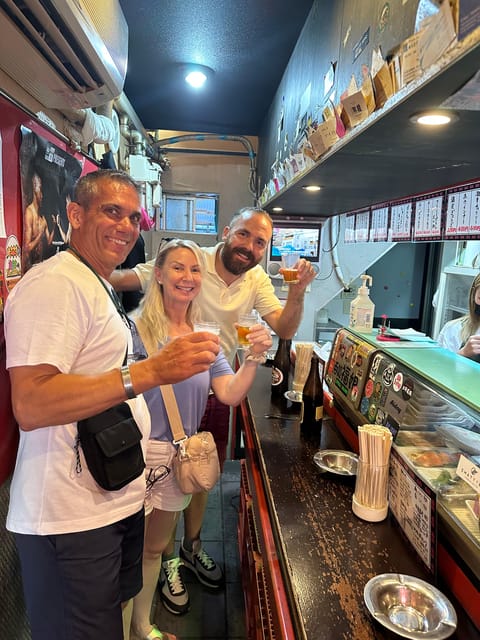
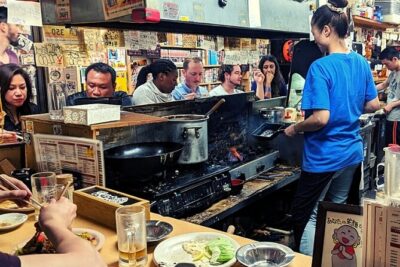
The route continues to Kuromon Ichiba Market, a street food market known for seafood. The planned stop lasts around 30 minutes and includes a guided walk through the market.
This is where the private format has clear practical value. A guide can explain what you are looking at, point out Japanese foods you may not recognize, and help you decide what is worth trying. The experience allows for atypical foods found mainly in Japan, though you choose what to buy and eat.
Food is not included in the tour price. That keeps the cost flexible, but you should bring extra money if tasting is part of your plan. A market visit can be as modest or as indulgent as you choose.
A half-hour goes quickly here. If you stop repeatedly for food, you may have less time for shopping or later neighborhoods. Tell your guide what matters most: seeing the full market, tasting seafood, finding unusual items, or simply learning how the market works.
Dotonbori and the famous running man
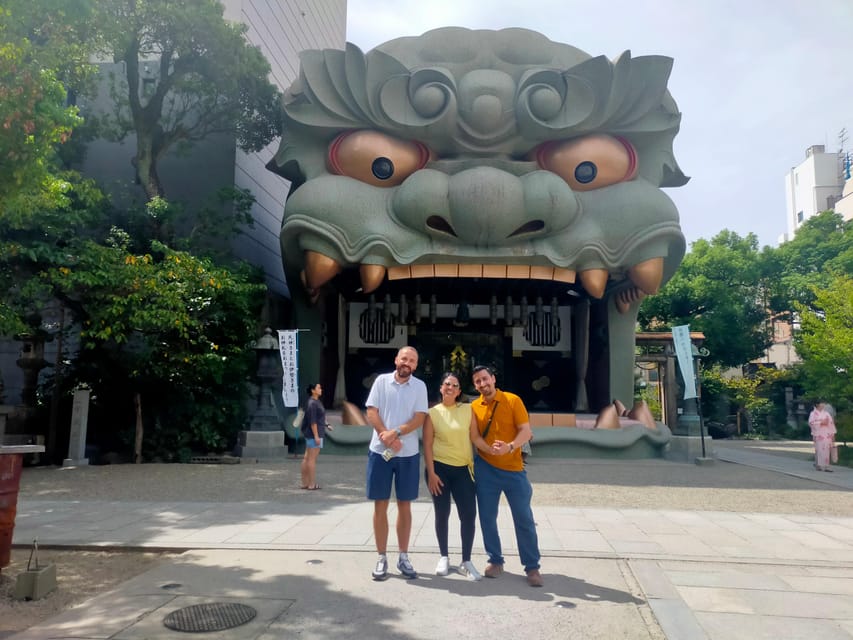
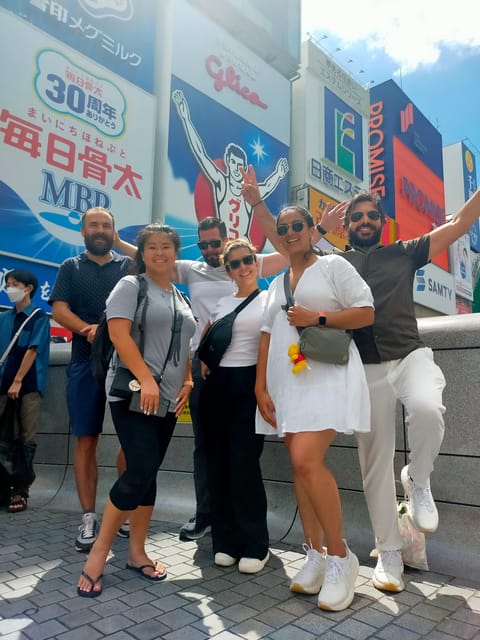
The next stop is Dotonbori, Osaka’s best-known entertainment district. You get a photo stop, a guided visit, and a walk of roughly 30 minutes.
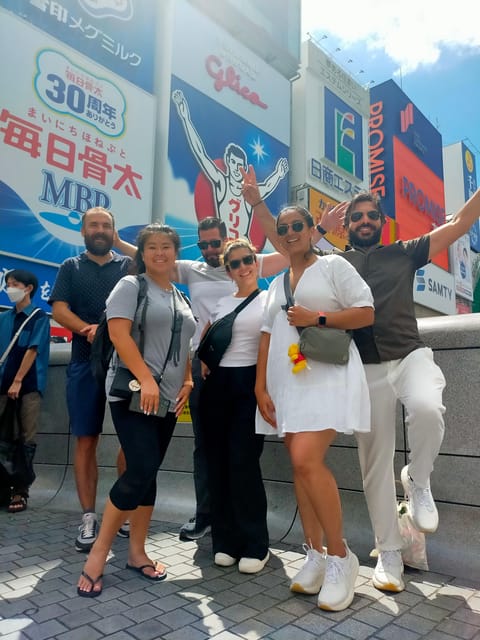
The famous running man sign is the obvious landmark, but the useful part is learning how to read the district beyond that single photograph. Your guide can point out what the area offers, explain the character of the streets, and help you avoid missing details while you walk.
Dotonbori is highly popular, so expect a busier feel than at Osaka Castle Park. The route does not promise extended time at restaurants, shops, or attractions. If you want a full evening in Dotonbori, use this tour to learn the layout, then return later when you can explore at your own speed.
This stop works particularly well for first-time visitors who want context. You see the famous signs, but you also get suggestions for food and places to return to after the tour.
Amemura: a final look at young Osaka
The final neighborhood is Amemura, also called the American district, ending near Triangle Park, or Sankaku Park. The planned stop lasts about 30 minutes.
Amemura is popular with local young people and offers a different feel from the traditional atmosphere around Osaka Castle or the older streets of Shinsekai. Your guide can help you understand its shops, street culture, and changing style without treating it as just another shopping area.
Ending here makes sense because the district is casual and modern. It also gives you another place to revisit on your own if you enjoy clothing, youth culture, or browsing independent shops. As with Denden Town, half an hour gives you an overview rather than enough time for detailed shopping.
The tour then returns to Osaka. Since the route covers several districts, you will finish with a much clearer mental map of the city than you would get from visiting Osaka Castle alone.
What the private format adds
The strongest part of this experience is the guide’s ability to respond to you. The schedule gives a clear spine, but the conversations and detours make it personal.
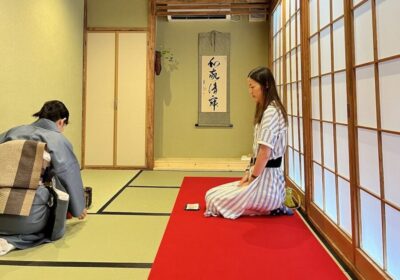
You can ask about Japanese history, modern life, local customs, food, restaurants, or day trips. Guides have helped people read Japanese-only menus, find restaurants, understand railway routes, and choose activities for teenagers. Families can ask for stops that keep both adults and children interested.
The guides also share practical advice for the rest of your trip. That may include places to eat, neighborhoods to revisit, day-trip ideas, or ways to use the train system. For a first day, this advice can be worth more than another formal explanation at a famous landmark.
The guide style appears relaxed rather than theatrical. Hugo is described as easygoing and attentive, while Arnaud, Francois, Antoine, and Kieran have also led highly rated outings. Guide availability can vary, so do not assume you will receive a particular person unless that is confirmed before booking.
Walking, trains, and the real time commitment
The stated duration is three to five hours. The five-hour option gives you the most room for questions, food stops, and flexible pacing. The three-hour version can still cover the main route, but you should expect shorter stops and fewer detours.
The schedule includes two train segments of about 30 minutes each, plus extensive walking. One four-hour outing reached approximately 17,000 steps. That is a useful warning for anyone planning a full day of sightseeing afterward.
Wear comfortable shoes and carry water. One guide made a point of checking that people stayed comfortable and hydrated, but you should still plan for an active outing. Osaka’s streets and stations can be tiring when you are jet-lagged.
The activity is listed as wheelchair accessible, and it is a private group experience. Because the route uses trains and includes a great deal of walking, contact the provider in advance with specific mobility needs so the route can be matched to your requirements.
Is $116 per person a fair price?
At $116 per person, this is not the cheapest way to see Osaka. You still pay separately for transportation, food, drinks, and any attraction tickets. The price makes the most sense when you value personal guidance rather than simply collecting entrance tickets.
For a couple or family, the cost buys a private route, hotel pickup, local orientation, language support, and the ability to shape the day around your interests. A guide may also help you avoid wasted time in stations, confusing menus, or neighborhoods that are hard to interpret on your own.
The value is strongest at the beginning of a Japan trip. If you already know Osaka well, can easily use the rail system, and prefer to explore alone, you may find the price harder to justify. If Osaka is your first stop in Japan, the orientation and practical advice can repay itself during the rest of your stay.
Free cancellation is available up to 24 hours before the tour for a full refund, and you can reserve now and pay later. Starting times depend on availability.
Who should book this Osaka tour?
I would choose this tour for a first visit, a short stay, or a first day when you want someone else to handle the route. It is also a good fit for families, mixed-interest groups, and people who want both famous sights and less obvious neighborhoods.
It suits you particularly well if you want help with:
- Using Osaka trains and subway stations
- Choosing local snacks and restaurants
- Understanding Japanese customs and daily life
- Finding gaming, anime, electronics, or secondhand shops
- Getting ideas for day trips and the rest of your stay
I would be more cautious if you dislike walking, want long visits inside paid attractions, or prefer a fixed historical tour with little shopping or food. The route is broad by design. You see many parts of Osaka, but none receives the attention of a full-day specialist visit.
Should you book it?
Book this private Osaka tour if you want to get your bearings quickly and would rather explore with a flexible local guide than follow a large group. The mix of Osaka Castle, Shinsekai, Denden Town, Kuromon Market, Dotonbori, and Amemura gives you a useful first look at the city’s different sides.
Choose the four or five-hour option if food, questions, or neighborhood detours matter to you. Choose the three-hour option if you mainly want an introduction and practical route advice. Just plan for plenty of walking, bring extra money for food and trains, and tell the guide your priorities before setting out.
FAQ
Where does the tour begin?
Your guide meets you directly in front of your hotel reception if your hotel is within the designated pickup zone in Osaka.
How long does the tour last?
You can book a three, four, or five-hour private tour, depending on availability and the starting time offered.
Which places are included?
The route includes Osaka Castle Park, Shinsekai, Nipponbashi Denden Town, Kuromon Ichiba Market, Dotonbori, and Triangle Park in Amemura.
Is food included?
No. Food and drinks are not included. You may stop for local snacks or other Japanese foods, but you pay for anything you choose to eat.
Are trains included in the price?
No. Transportation is not included, so train and other transportation costs are paid separately.
Which languages are available?
Live guiding is available in English, French, and Spanish.
Just added around Osaka
- Exclusive Sushi Making Experience with a Master Chef – Osaka Area★ 5.0 · 25 reviews
- Private Home-Style Cooking Class in Osaka with Local Mom Yoshiko★ 5.0 · 46 reviews
- Hidden Osaka – Yukaku Red Light Tour & Culinary Adventure★ 4.8 · 96 reviews
- Osaka: Walking Tour and Top Highlights★ 4.8 · 104 reviews
- Osaka: Private Ceramic Painting Workshop★ 5.0 · 13 reviews
- Pickleball in Osaka, Kobe & Kyoto with Locals!★ 4.7 · 80 reviews
- Eat Like a Local in Osaka – Private Custom Street Food Tour★ 4.3 · 33 reviews
- Osaka:SUMO BEATS SHOWCASE: Taiko Drum and Wagyu burger!★ 4.2 · 37 reviews
Osaka Tours, compared.

Shinsekai Food Tour with 13-15 Dishes at 5 Eateries
Our verdict →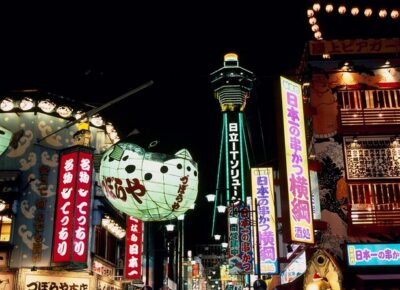
Hungry Osaka Street Food Tour:15 Tastings & 3 Drinks with a Local
Our verdict →
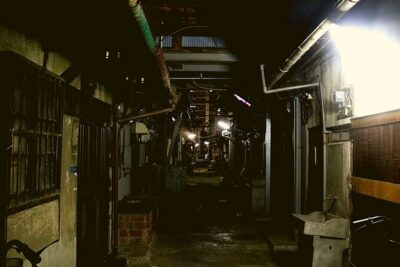
Deep Backstreet Osaka Tours (Option to add Dinner)
Our verdict →Browse the lists this tour appears in