
Reviewed · TRAIN TRIPS IN MOUNT FUJI
From Tokyo: Mt. Fuji & Hakone Tour w/ Return by Bullet Train
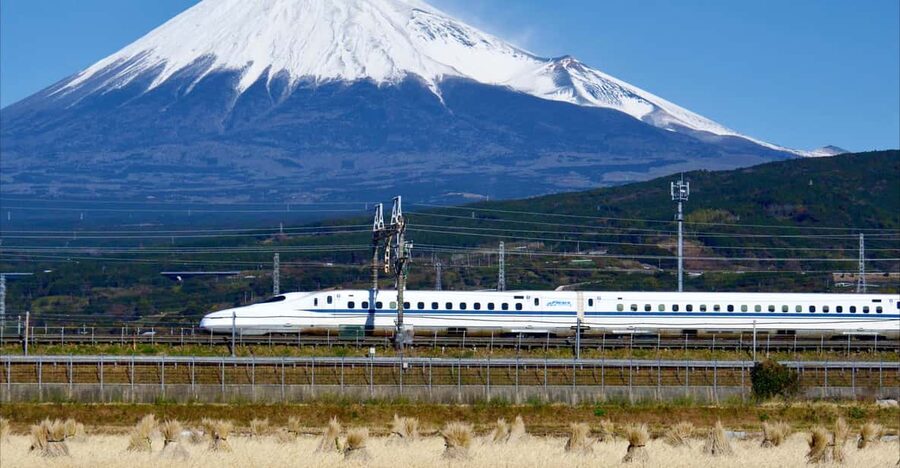
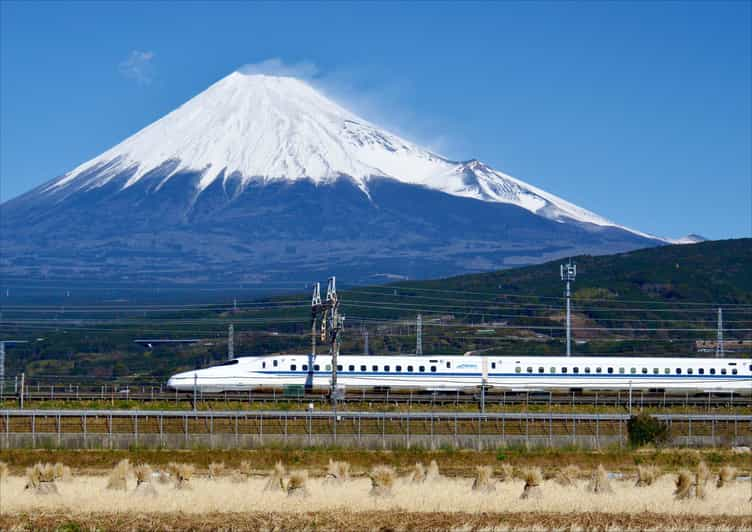
This is a big day with a clever finale: after visiting Mt. Fuji’s 5th Station, Owakudani, and Lake Ashi, you return toward Tokyo on Japan’s famous Shinkansen. The bullet train is not just transport here. It gives you a fun last chapter and saves you from another long coach ride.
I like the mix of scenery and transport. The Hakone Ropeway carries you over the volcanic Owakudani area, then the Lake Ashi cruise gives you a slower, open-water view. I also like the guides, who keep the long road sections lively with stories, local tips, and, in some cases, a song or two. The main drawback is simple: this is a packed 11-hour day, and Mt. Fuji may be hidden by cloud, fog, or rain.
Key points to know before booking
- Mt. Fuji’s 5th Station reaches about 2,300 meters, the highest point normally included, but bad weather or road conditions may force a lower stop.
- The itinerary is packed but varied, with a coach ride, mountain viewpoint, lunch, ropeway, lake cruise, and Shinkansen.
- The bullet train ticket is non-reserved, and your guide does not ride with you from Odawara to Tokyo.
- Owakudani’s black eggs cost extra, but they are a memorable local snack cooked in volcanic sulphur water.
- The lunch option includes hot pot and a half buffet, though meal quality can vary by taste and day.
- Weather matters greatly. You can have a fine tour even without a Fuji view, but you should not book this only for a guaranteed mountain photograph.
Why this day works for first-time visitors
At $117 per person, this tour gathers several hard-to-arrange sights into one day. You get transport from central Tokyo, a guide, the Hakone Ropeway, the Lake Ashi cruise, and a Shinkansen ticket. Lunch is included only when you choose the lunch option, so compare the prices carefully before paying.
I see the value in the route rather than in any single stop. Mt. Fuji and Hakone are spread across a wide area, and connecting them by local trains and buses takes planning. Here, someone else handles the mountain roads, transfers, and timing. You can sit back and watch Japan pass by.
The cost is also easier to justify if you want to ride the bullet train but do not have another good chance during your trip. The return journey from Odawara usually takes about 34 minutes on the Shinkansen. By contrast, the alternative coach return is cheaper but slower.
The tradeoff is time. The first drive from the Nishi Shinjuku meeting point to the Fuji area takes about two and a half hours, and traffic can alter the schedule. Stops can feel brief, often around 20 to 45 minutes. This suits you if you prefer seeing several major sights in one day. If you want long walks, quiet meals, or time for photography, you may find the pace too tight.
More Train Trips in Mount Fuji
- Mt Fuji and Hakone 1-Day Bus Tour Return by Bullet Train
★ 5.0 · 26,383 reviews - Mt Fuji & Hakone Cruise, Drum Show Bullet Train 1 Day from Tokyo
★ 4.0 · 7,413 reviews - Tokyo Mt Fuji 5th St & Hakone Cruise Bus Tour w/Bullet Train
★ 4.4 · 5,024 reviews
Meeting in Shinjuku and heading toward Fuji
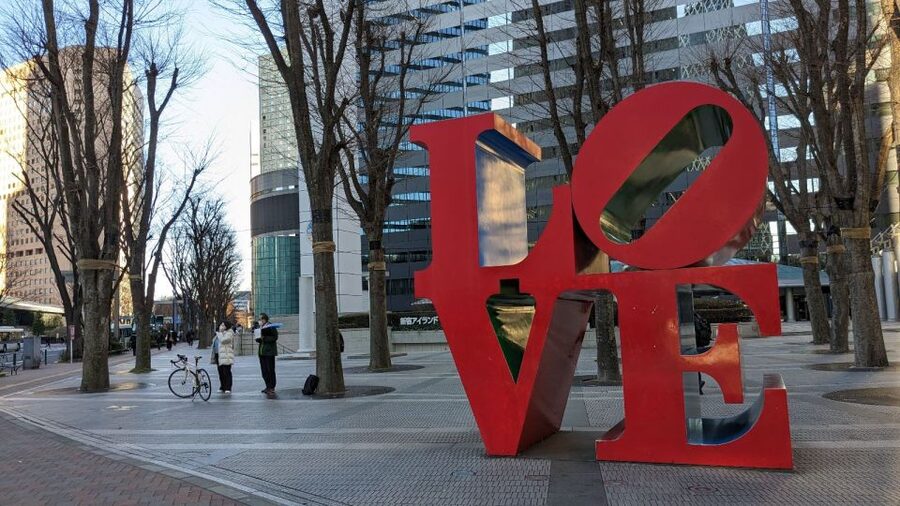
The meeting point is beside the Nishi Shinjuku LOVE sculpture, outside the Shinjuku i-Land building. Arrive early. If you are late, you cannot join the group at a later stop because the timetable is too tight.
The coach ride is a major part of the morning. That may sound dull, but it is also when a good guide earns the fee. Guides such as Happy, Ai, Yumi, Sachi, Hide, and Yoshiu have been praised for giving clear explanations, personal stories, food suggestions, and a light touch without talking nonstop.
The quality of the bus audio system matters on a trip like this. One passenger had trouble hearing the commentary when the sound system was not working well, so sit where you can hear the guide clearly if possible. Guides also keep an eye on the clock and remind you when to return to the coach. That is important when one late person could delay the whole group.
The drive can be congested, especially near Tokyo. If the road is slow or access is blocked, the order of stops may change. You need to accept that flexibility from the start.
Mt. Fuji’s 5th Station at 2,300 meters
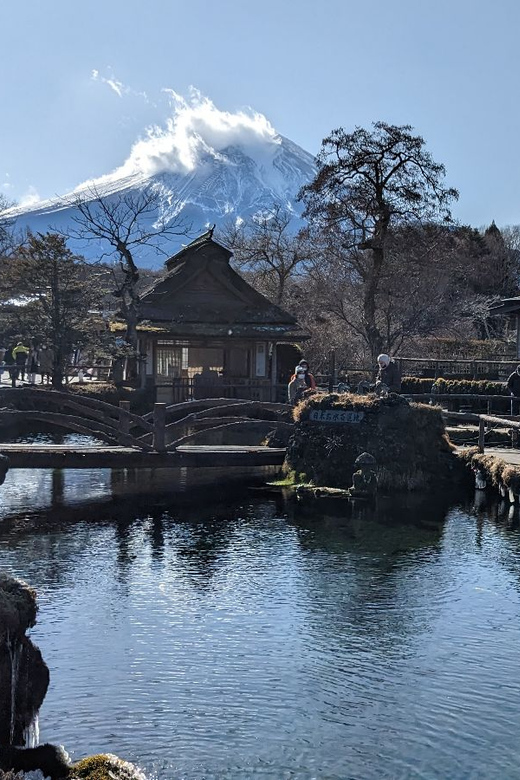
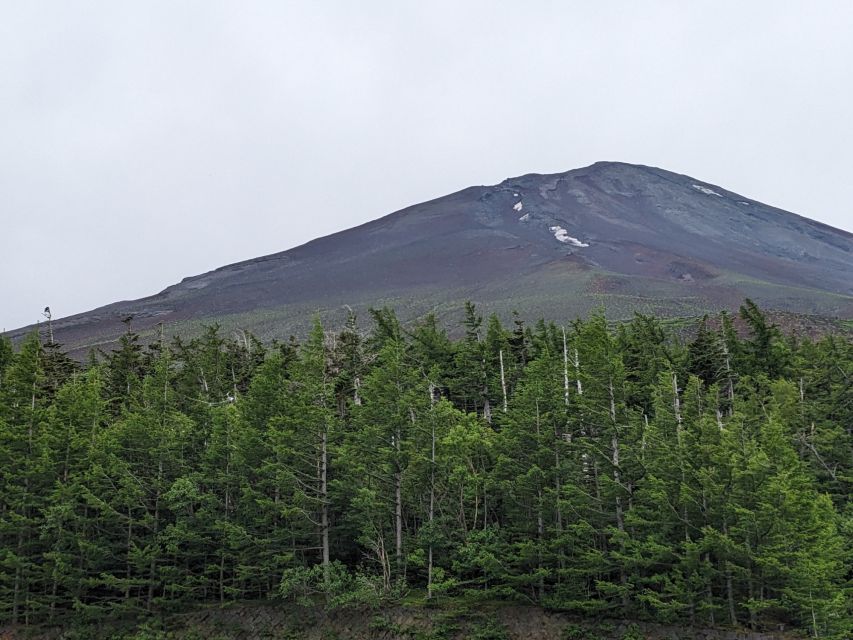
The Subaru Line takes the coach up to Mt. Fuji’s 5th Station, at roughly 2,300 meters above sea level. This is not the summit, and you will not be climbing the mountain. It is the highest point normally reached on this tour by road, and it puts you much closer to the upper slopes than a view from Tokyo ever could.
At the station, you can look for the summit through fast-moving cloud, visit Komitake Shrine, and browse for Fuji-themed souvenirs. On a clear day, the scale of the mountain is the main reward. In poor weather, you may see little more than mist.
The tour is honest about this limitation. Heavy rain, fog, high humidity, road accidents, or other conditions can prevent the coach from reaching the 5th Station. The guide will then take you to the highest point that is possible, or to an alternative area. You should not expect a refund because clouds cover Fuji or the itinerary changes for safety.
This is the stop where patience helps. A cloud can move away quickly, but it can also close in again just as fast. Keep your camera ready, yet do not spend the entire visit staring at one patch of sky.
Some people find the time at the 5th Station short. That is fair criticism. The tour has several more major stops, and the schedule cannot wait for perfect visibility. If Fuji photography is your main goal, a dedicated Fuji excursion with more time may suit you better.
A Japanese lunch with hot pot and buffet dishes
The lunch stop lasts about 45 to 60 minutes. When you select the lunch option, you can expect a Japanese meal built around hot pot and a half buffet. This gives you a chance to try several small dishes instead of ordering one familiar plate.
The meal has been one of the more praised parts of the day, especially when visitors were surprised by the range of Japanese dishes. Still, tastes differ. Some people found the lunch only average, while others did not care for the hot pot or certain Japanese choices. Rice and fried chicken may be available as easier options, but do not assume every dish will suit you.
Tell the operator about food restrictions when booking. Drinks are not included, and you should expect to pay extra for soft drinks. Water is available according to the practical information provided.
I would choose the lunch option if you want convenience and a proper sit-down break. If you are selective about food, compare the tour options and consider bringing a small snack. The schedule does not leave much time for finding a separate restaurant.
More Shinkansen Trips in Mount Fuji:
- Mt. Fuji and Hakone Day Trip From Tokyo with Bullet Train Option
★ 4.0 · 368 reviews - Osaka/Kyoto: Hiroshima Miyajima Bus Tour & Shinkansen Ticket
★ 4.7 · 919 reviews - From Tokyo 1-Day Kyoto English-guided Tour by Bullet Train
★ 4.0 · 376 reviews - Full Day Hiroshima and Miyajima Tour by Bullet Train from Kyoto
★ 4.5 · 120 reviews
Owakudani and the Hakone Ropeway
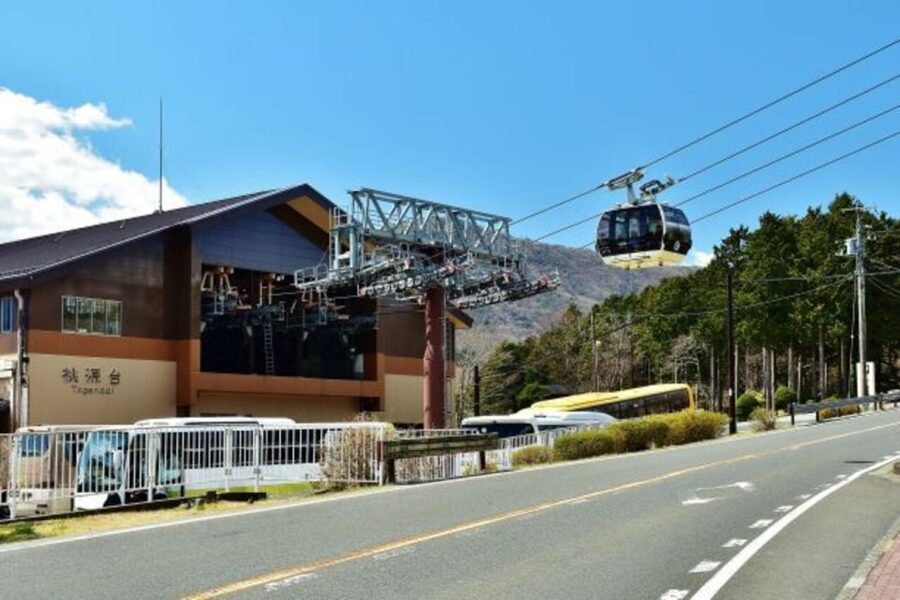
The Hakone Ropeway is one of the strongest parts of the route. The gondola carries you across the Owakudani volcanic area, where sulphur fumes rise from the earth and the scenery changes as you cross the mountain.
The ride is more than a simple transfer. You can watch the elevation shift, see the volcanic ground below, and get a broad view of the Hakone area. On clear days, the ride feels dramatic. In fog or rain, the volcanic atmosphere remains, but the distant views fade.
At Owakudani, you can buy the famous black eggs, cooked in sulphur-rich volcanic water. They cost extra, and they are an easy souvenir or snack. The area also has other distinctive gifts, so allow a little time to browse rather than rushing straight back to the boarding point.
The gondola can be uncomfortable if you are very uneasy with heights. One person with a severe fear of heights ended up enjoying it, but you should know in advance that this is a real aerial ride, not a low scenic lift.
If the ropeway is closed, the tour may switch to another destination. Options include Komagatake Ropeway, the Mt. Fuji Panoramic Ropeway, Mishima Skywalk, Narukawa Art Museum, Hakone Checkpoint, Hakone Shrine, or another Lake Ashi cruise. These alternatives protect the shape of the day, but none can promise the same volcanic view.
Cruising Lake Ashi on the pirate ship
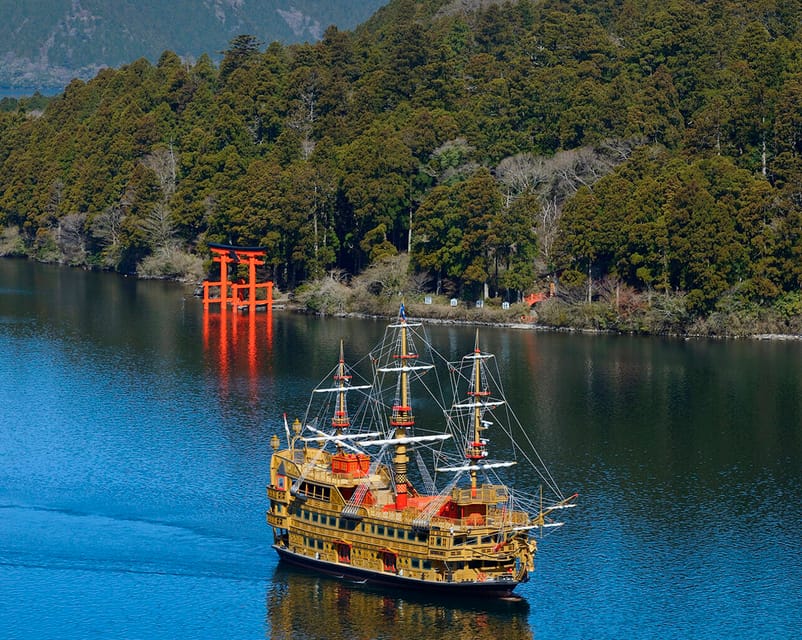
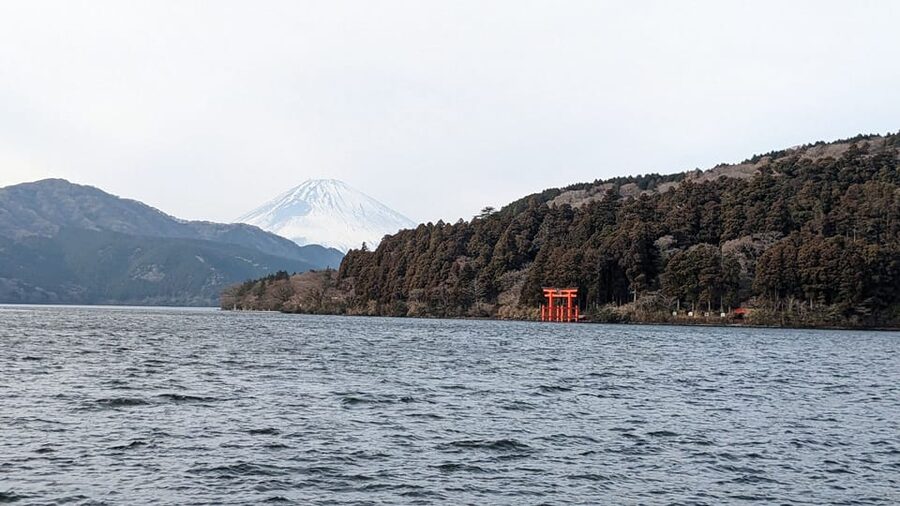
The Lake Ashi cruise adds a welcome change of pace after the road and cable car sections. You can step onto the decorated Hakone Pirate Ship and look back across the lake. When the air is clear, Mt. Fuji may appear from the deck, making this one of the best photo chances of the day.
The ship itself is part of the fun. It is not a plain commuter ferry. Its elaborate pirate styling makes the ride particularly appealing if you are touring with children, though adults will find it entertaining too.
Do not count on seeing Fuji from the water. Humidity, cloud, and fog can block the mountain even when the lake cruise still runs. Think of the cruise as a worthwhile Hakone experience first, with a Fuji view as a bonus.
If you want food on board, buy it early. A limited cream bun can sell out almost immediately, and the ship may have few other choices afterward. This is a small point, but it can matter during a long day when lunch was several hours earlier.
The Shinkansen home from Odawara
The tour ends as a guided experience at Odawara Station. Your guide will take you as far as needed, explain the train arrangements, and then leave you to board on your own. The guide does not ride with you.
Your Shinkansen ticket is for a non-reserved seat. There are usually two trains per hour, and the exact departure depends on traffic during the coach transfer to Odawara. The listed timetable includes Kodama services and one Hikari service, but times may change.
This part is easy once you understand the system. Follow the station directions, board a non-reserved coach, and keep your ticket handy. You may get off at Shinagawa, one stop before Tokyo, then use the Yamanote Line with the same Shinkansen ticket to reach Shinjuku or another Yamanote Line destination.
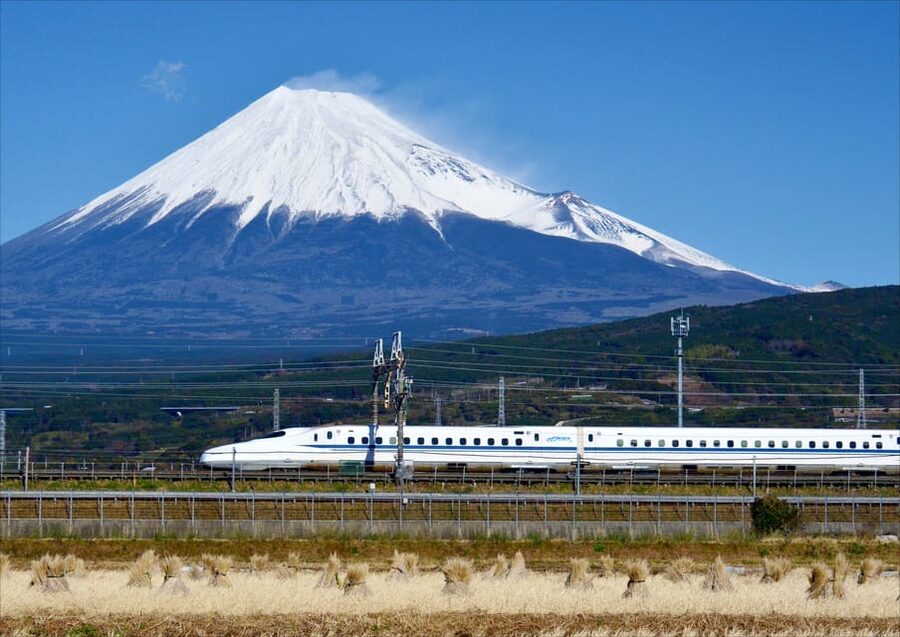
The Shinkansen is a smart finish because it avoids a long evening drive back into Tokyo. It also gives first-time visitors a brief taste of one of Japan’s signature transport experiences. The train ride itself is short, so do not expect a long scenic railway journey. Its value is speed and novelty.
If you already have an active JR Pass, you may not need the included Shinkansen ticket. There is also a separate version of this tour that returns by coach to Odawara, which costs less but takes longer.
Guides, group rhythm, and accessibility
The guide can make or break a day with this much transport. Names praised for a warm and organized style include Happy, Ai, Yumi, Sachi, Emi, Hide, Ken, Yoko, and Yuji. The strongest guides keep the explanations useful, share stories about Japan, and make reminders about timing without creating tension.
The group format also means you must be punctual. Stops are shared, and one person who lingers can affect everyone. I would set a phone alarm for every return time and keep your belongings together.
All sightseeing stops are described as wheelchair accessible. Standard coaches do not have lifts or ramps, though a folding wheelchair can generally go in the luggage compartment. Electric wheelchairs may not fit because of size and weight limits, so contact the operator when booking.
Pregnant women should not join this tour. Comfortable shoes are essential, even though this is not a hiking trip. You will be moving between buses, platforms, ropeway areas, and the ship.
Who should book this Fuji and Hakone tour?
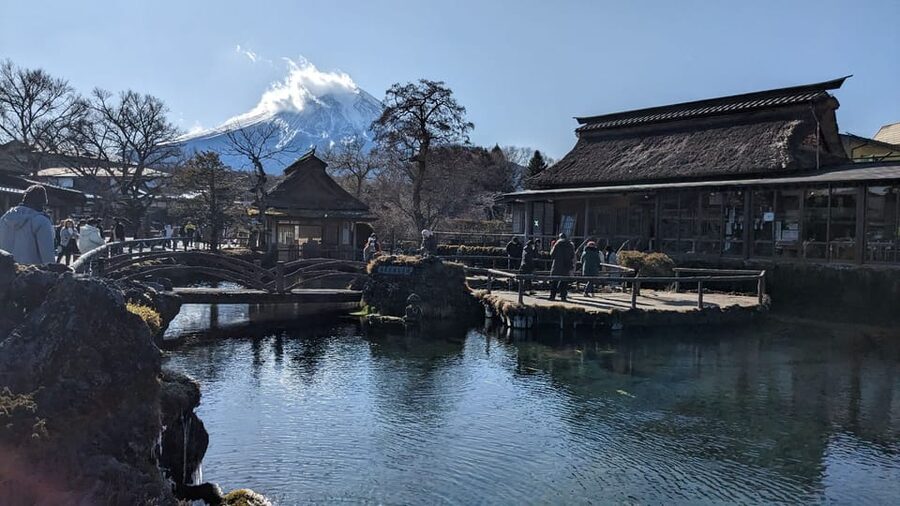
I would book this if you have limited time in Tokyo and want a guided introduction to both Mt. Fuji and Hakone. It is also a good fit if you like varied transport, want lunch handled, and would enjoy ending the day on a bullet train.
Families can enjoy the pirate ship, ropeway, black eggs, and Shinkansen. Couples and older visitors may appreciate having the long transfers organized. The tour can also work for solo visitors who prefer not to manage several regional connections alone.
I would hesitate if you need guaranteed Fuji views, dislike early starts and long coach rides, or want several hours at each stop. The mountain is weather dependent, and the packed schedule leaves little room to linger.
FAQ
How long is the Mt. Fuji and Hakone tour?
The tour lasts about 11 hours, including transportation from Shinjuku, sightseeing, lunch if selected, and the return journey toward Tokyo.
Where is the meeting point?
Meet your guide beside the Nishi Shinjuku LOVE sculpture outside the Shinjuku i-Land building.
Does the tour include hotel pickup?
No. Hotel pickup and drop-off are not included.
What languages are available?
Live guiding is available in English and Spanish.
Is lunch included?
Lunch is included only if you select the option that includes it. That meal features hot pot and a half buffet.
Can I always reach Mt. Fuji’s 5th Station?
No. Bad weather, fog, heavy rain, high humidity, road accidents, or other road conditions may prevent access. The group will visit the highest point possible or use an alternative destination.
Is the Shinkansen seat reserved?
No. The included bullet train ticket is for a non-reserved seat.
Does the guide ride the bullet train to Tokyo?
No. The guided tour ends at Odawara Station, and you return to Tokyo independently. You may also get off at Shinagawa and continue on the Yamanote Line using the same Shinkansen ticket.
What happens if the Hakone Ropeway or pirate ship is closed?
The tour may change to another destination, such as the Komagatake Ropeway, Mt. Fuji Panoramic Ropeway, Mishima Skywalk, Narukawa Art Museum, Hakone Checkpoint, Hakone Shrine, or another Lake Ashi cruise.
Should you book it?
Book this tour if you want maximum variety in one long day and understand that weather controls the Fuji views. The ropeway, Lake Ashi cruise, Japanese lunch option, and bullet train make the $117 price fair for many visitors, especially those who would struggle to connect these places alone.
Do not book it solely for a perfect Mt. Fuji photograph. Instead, treat Fuji as the day’s great possibility, while Hakone, Owakudani, the ship, and the fast ride home provide a solid plan when clouds get in the way.
Just added around Mount Fuji
- Ramen Cooking Class at Lake Kawaguchiko (Short Course)★ 5.0 · 42 reviews
- Private Fuji Full-day Car Tour with Hotel Pickup -Local Guide★ 5.0 · 12 reviews
- Sushi Cooking Class at Sushi Factory -KIWAMI- Mt.Fuji★ 5.0 · 23 reviews
- Private Local Hiking to enjoy the nature and culture of Mt.Fuji★ 5.0 · 22 reviews
- Cute & Fun E-Car tour following guide around Lake Kawaguchiko★ 5.0 · 54 reviews
- Fujisan Sushi Making Lesson★ 5.0 · 16 reviews
- Early Morning Kayaking With Views of Mt Fuji at Lake Kawaguchiko★ 5.0 · 69 reviews
- Ramen Cooking Class at Ramen Factory in Mt.Fuji★ 5.0 · 101 reviews