

Reviewed · HIROSHIMA TOURS
FromOsaka/Kyoto:Hiroshima & Miyajima Private Tour with Lunch
Hiroshima and Miyajima make a powerful pair: one asks you to reflect on the cost of war, while the other offers sea air, shrine architecture, and a slower island pace. This private 12-hour tour links both places without making you handle trains, transfers, ferry tickets, or restaurant planning.
I like two things right away. First, the door-to-door van service makes a long day from Osaka or Kyoto far less tiring. Second, the private format gives you room to pause, take photos, stop for breaks, or adjust the plan. Guides including Shah, Sunny, Hamza, and Malik are named in the tour information, though your assigned guide may differ.
The main drawback is the distance. Hiroshima is a long way from Osaka or Kyoto by road, so you will spend several hours in the van. This is best for people who want both headline sights in one day, not for anyone hoping for a slow, museum-heavy visit.
Key points to know before booking
- Two major sights in one day: Visit the Atomic Bomb Dome and Peace Memorial Park, then continue to Miyajima and Itsukushima Shrine.
- Private transport from your hotel: Ride in an air-conditioned van with pickup and drop-off in Osaka or Kyoto.
- A serious morning and scenic afternoon: Hiroshima brings quiet reflection, while Miyajima offers shrine views, ferry travel, and time outdoors.
- Lunch is part of the plan: The package includes Hiroshima-style okonomiyaki, a local specialty cooked in layered form.
- Guiding style can vary: English, Japanese, and Hindi are offered, with guides such as Shah, Sunny, Hamza, Hamzi, and Malik appearing in the provider information.
- A demanding day for mobility: Comfortable shoes are essential, and the activity is listed as unsuitable for people with mobility impairments or wheelchair users despite also being marked wheelchair accessible. Confirm this directly before booking.
Why this Hiroshima and Miyajima pairing works
The appeal is simple. Hiroshima and Miyajima are close enough to combine, yet different enough to give the day a clear rhythm.
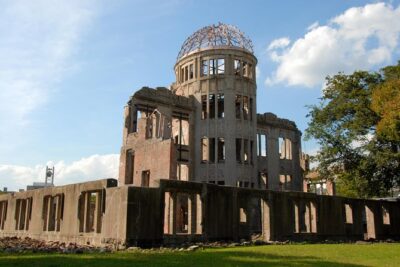
At Hiroshima Peace Memorial Park, the tone is quiet and thoughtful. The Atomic Bomb Dome is not a grand monument in the usual sense. Its damaged structure remains because it was close to the blast center and survived when much of the surrounding city did not. Seeing it in person gives the history a physical scale that books and photographs cannot provide.
Miyajima then changes the mood without erasing the morning. You cross the water by ferry, approach an island with strong Shinto importance, and visit Itsukushima Shrine, famous for its torii gate set in the sea. The contrast is one of the tour’s strengths. Hiroshima asks you to remember. Miyajima gives you space to breathe.
I would not call this a relaxed day. The drive from Osaka or Kyoto is long, and the schedule allows roughly an hour at several major stops. Still, private transport makes the distance easier. You can sit back between visits instead of changing trains and finding your way through unfamiliar stations.
A few more Hiroshima half-days worth comparing
- Peaceful Hiroshima & Miyajima UNESCO 1 Day Bus Tour
★ 5.0 · 5,309 reviews - Hiroshima: Hiroshima and Miyajima UNESCO Sites 1-Day Tour
★ 4.9 · 2,330 reviews - Hiroshima / Miyajima Full-day Private Tour with Government Licensed Guide
★ 5.0 · 1,298 reviews
The long ride from Osaka or Kyoto
The tour begins with hotel pickup in either Osaka or Kyoto. From there, the van ride to Hiroshima takes about three and a half hours according to the planned schedule. That is a substantial stretch of road, so bring water, wear comfortable clothes, and treat the vehicle as part of the experience rather than a minor transfer.
The air-conditioned van matters here. A private group of up to six can travel together, keep bags nearby, and avoid splitting up on public transport. It also gives your guide a chance to explain the day and answer questions along the way.
The price is $784 per group, not per person. For six people, that works out to about $131 each before considering the included lunch, entry tickets, ferry tickets, hotel pickup, and return transport. For two people, the per-person cost is much higher. The value improves sharply when you fill most of the six-person capacity.
This setup suits families and small groups especially well. You are paying for convenience and control, not just admission to two sights. If you are traveling alone or as a couple and are comfortable with public transport, a private van may feel expensive.
Hiroshima Peace Memorial Park and the Atomic Bomb Dome
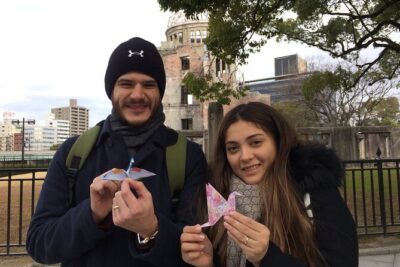
The Hiroshima portion begins at Peace Memorial Park. Expect about an hour for the guided park visit, followed by a separate stop at the Atomic Bomb Dome that lasts around 49 minutes in the stated plan.
The park is not a place to rush through while collecting photos. Give yourself time to notice the open spaces, memorials, and the weight of what happened here. A good guide can help connect the visible sites to Hiroshima’s wartime story without turning the visit into a dry lecture.
The Atomic Bomb Dome is the most direct visual reminder of the bombing. Its exposed frame and ruined walls are stark against the modern city around it. You will have time for photographs, but this is a place where a respectful pause matters more than a perfect picture.
Several guide accounts emphasize that the Hiroshima history is explained with care and clarity. Shah is praised for giving local context, while Sunny and Hamza are also described as thoughtful guides who connect the park, dome, and city’s recovery. The provider lists English, Japanese, and Hindi, so check the language you need when reserving.
The information supplied with the tour also refers to the Hiroshima Peace Memorial Museum in some customized outings, but the core plan specifically names Peace Memorial Park and the Atomic Bomb Dome. Do not assume museum entry is included unless the operator confirms it. If the museum is important to you, ask before the day begins because a 12-hour schedule already has limited spare time.
This part of the tour may be difficult for young children or anyone who prefers a light sightseeing day. The subject is painful, and the setting is intentionally reflective. I would plan to keep the morning focused rather than trying to add too many unrelated attractions.
Hiroshima-style okonomiyaki at lunchtime
Lunch is included, and the featured dish is Hiroshima-style okonomiyaki. This is not the same as a simple pancake. The ingredients are layered, often including cabbage, noodles, batter, and toppings, then cooked on a hot griddle.
One especially useful detail from the guide experiences is that the restaurant choice may be handled locally rather than treated as a fixed formal dining stop. A guide named Shah is praised for finding a good okonomiyaki restaurant, and Sunny arranged an okonomiyaki cooking experience for one private couple. Those examples suggest some flexibility, but you should not assume a cooking class is part of the standard package.
Lunch adds real value because it saves you from spending precious time searching for food in an unfamiliar area. It also gives you a taste of a dish closely linked with Hiroshima. If you have dietary restrictions, tell the provider in advance. No special dietary arrangements are specified in the tour information.
More Private-Only Departures in Hiroshima:
- Hiroshima City 4hr Private Walking Tour with Licensed Guide
★ 5.0 · 437 reviews - Hiroshima & Miyajima: Full-Day Private Tour & Licensed Guide
★ 4.8 · 252 reviews - Miyajima Half-day Private Tour with Government Licensed Guide
★ 5.0 · 184 reviews - Hiroshima/Miyajima Private Custom Tour with Local Guide
★ 5.0 · 134 reviews
Crossing to Miyajima by ferry
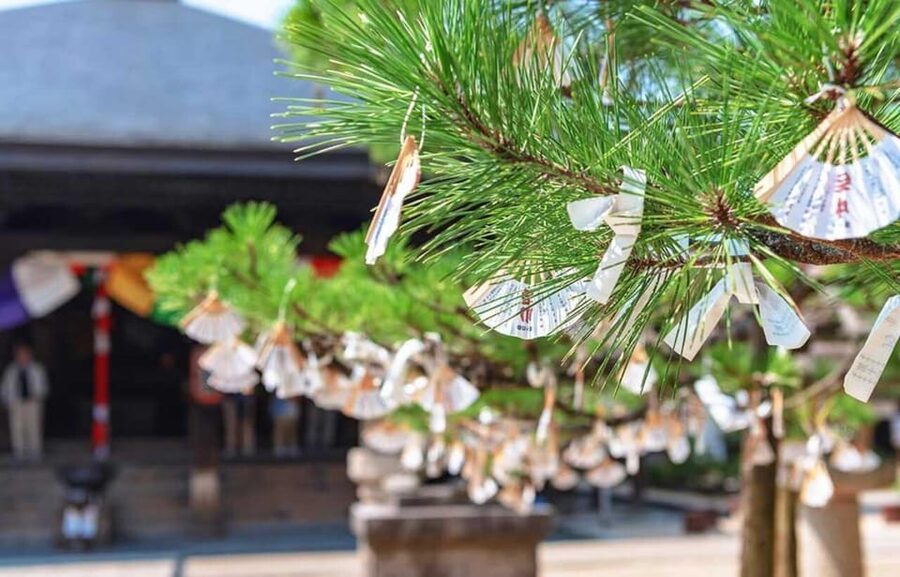
After Hiroshima, the van takes you toward the ferry for Miyajima. The ferry ticket is included, so you do not need to arrange that separately. The crossing is brief compared with the road journey, but it provides a welcome change from the vehicle.
Miyajima is officially Itsukushima, though Miyajima is the name most people use. The island is associated with Shinto practice, and its name is often explained as island of worship. The approach by boat is part of the charm: instead of arriving at a normal city street, you come across the water toward a place shaped by the sea and shrine tradition.
The plan allows about an hour for Miyajima, followed by around an hour at Itsukushima Shrine. That gives you a useful first look, but not a full island day. You may have time for photos, a short walk, local snacks, and the main shrine area, but you should not expect a long hike or an extended visit to every corner of the island.
The island is also known for free-roaming deer, a detail that appears in the guide experiences. You might find them around the visitor areas. Keep food and paper items secure, and remember that the deer are part of the setting, not a reason to lose sight of the shrine visit.
Itsukushima Shrine and the famous torii gate
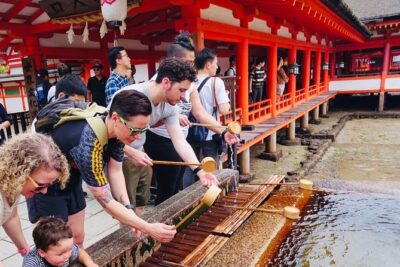
Itsukushima Shrine is the visual high point of the tour. Its buildings appear to float over the water at certain tides, and the large torii gate offshore is one of Japan’s best-known views.
The exact appearance depends on the tide and weather. The gate may look surrounded by water, or you may see people walking closer to it when the tide is out. The tour information does not promise a particular tide, so keep expectations flexible. The shrine itself remains worthwhile even if the gate is not floating in the way you imagined.
You get free time here, which is important. Use it to look beyond the famous gate. Notice the shrine’s wooden walkways, the relationship between the buildings and the shore, and the way the island’s religious purpose shapes the setting. The shrine is not merely a scenic backdrop. It is a working sacred place.
A guide can also point you toward better photo positions and help you avoid spending the entire hour in one crowded spot. Several guide accounts highlight help with photo locations and pacing. Since the group is private, you can ask for more time at the shrine if that matters more to you than browsing elsewhere, though the overall return schedule still applies.
Wear shoes with a good grip. The day includes walking through the park, ferry terminals, shrine grounds, and island streets. A hat, sunscreen, and camera are also recommended. Smoking is not allowed as part of the activity rules.
What the private format really changes
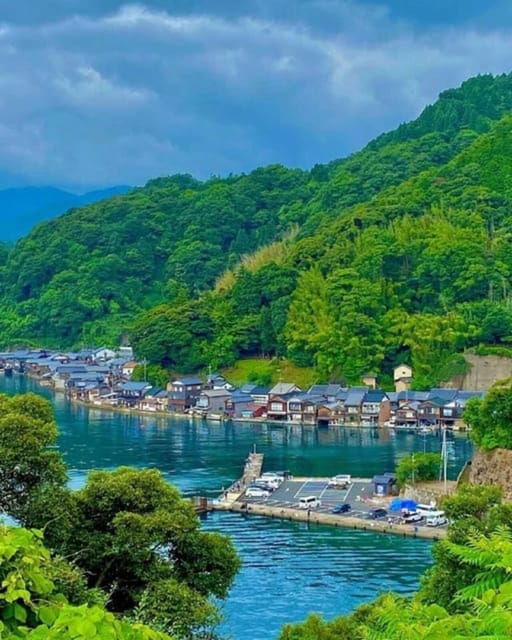
A private tour is more than a van with your own driver. It can change how the day feels.
You can stop for a restroom break without waiting for a bus full of strangers. You can ask for more explanation at the Atomic Bomb Dome, linger over a shrine view, or shorten a stop if someone in your group is tired. One family used the flexibility to visit places beyond Peace Memorial Park, while another private couple adjusted the day around a shrine visit, a cooking activity, and card shops.
Those custom examples should be treated as possibilities, not promises. The advertised route is Hiroshima Peace Memorial Park, the Atomic Bomb Dome, Miyajima, and Itsukushima Shrine. If you want extra stops, tell the provider before booking and confirm what can fit into the 12-hour day.
The guides named in the supplied information include Shah, Sunny, Hamza, Hamzi, and Malik. Their styles may differ, but the strongest pattern is personal attention: explaining local culture, helping with food choices, finding photo spots, and keeping the day moving without making it feel like a race.
The tour is described as having live guides in English, Japanese, and Hindi. Since the guide may be a different person from those named in the material, confirm the language and pickup details in advance.
Who should book this day trip?
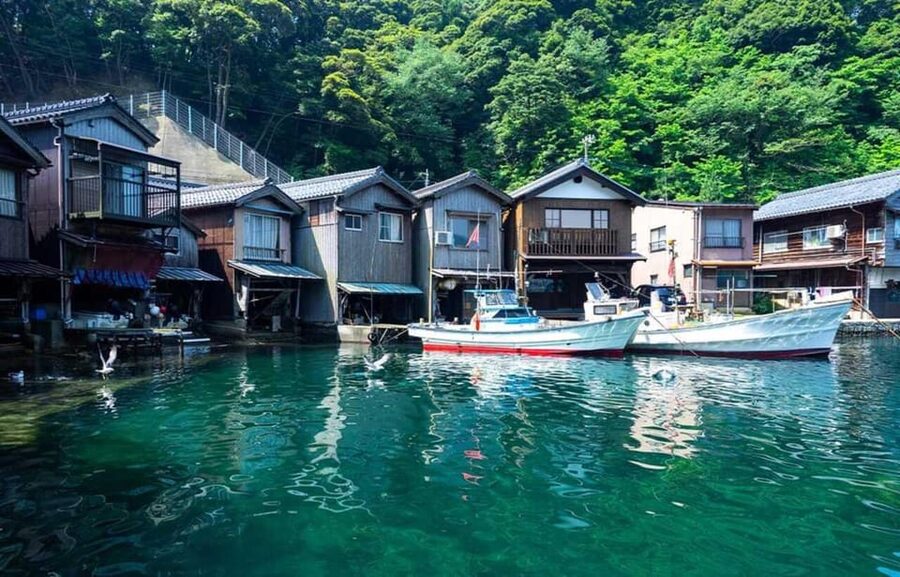
I would recommend it to a small group that wants Hiroshima and Miyajima in one outing and values comfort over the lowest possible cost.
It is a strong fit if you:
- Have only one available day for the region
- Are staying in Osaka or Kyoto
- Prefer hotel pickup and private transport
- Want an English, Japanese, or Hindi-speaking guide
- Value a flexible schedule for photos and breaks
- Are traveling with family or friends who can share the group price
I would be more cautious if you want a slow, detailed study of Hiroshima. The drive takes time, and the standard plan gives limited room for a long museum visit, extended island walking, or extra attractions.
I would also reconsider it for anyone with mobility limits. The information is inconsistent, listing the activity as wheelchair accessible while also saying it is not suitable for wheelchair users or people with mobility impairments. That needs a direct check with Travel Club Japan before payment.
Booking flexibility and practical details
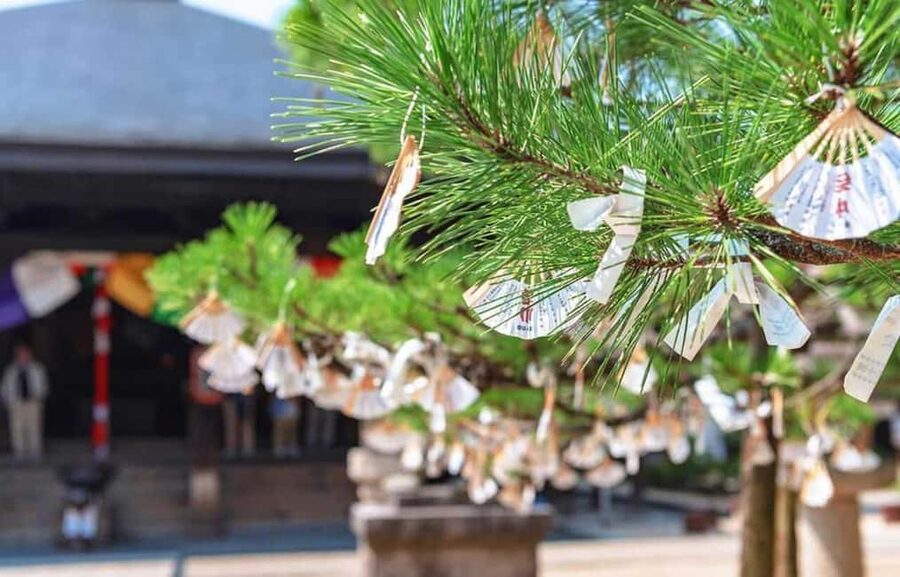
The activity offers free cancellation up to 24 hours before departure for a full refund, and you can reserve now and pay later. That is useful when your Osaka or Kyoto plans are still changing.
The tour lasts 12 hours, with starting times based on availability. Since the schedule includes a long road journey, aim for a day when you can handle an early start and a late return. Hotel pickup and drop-off are included in Osaka or Kyoto, but confirm your exact accommodation area when arranging the booking.
Bring comfortable shoes, a hat, sunscreen, and a camera. You should also carry anything you need for the long van ride, since the day is built around several major transfers and walking stops.
Should you book it?
Book this tour if you want the easiest way to see Hiroshima’s most sobering site and Miyajima’s most beautiful shrine in one day. The included transport, ferry, tickets, lunch, and private guide make the $784 group price reasonable for a full group of six, but expensive for just one or two people.
The best reason to choose it is control. You are not locked into a large coach group, and guides such as Shah, Sunny, or Hamza may add local context and help shape the day around your interests. The biggest compromise is time: Hiroshima and Miyajima deserve more than a quick look, but reaching both from Osaka or Kyoto in one day requires a brisk schedule.
For a first visit with limited time, I would book it after confirming the guide language, mobility arrangements, museum plans, and exact lunch details. If you have two or more days, staying near Hiroshima and exploring at a slower pace may give you a fuller experience.
FAQ
How long does the Hiroshima and Miyajima tour last?
The tour lasts 12 hours, including transportation from Osaka or Kyoto, visits in Hiroshima, the ferry to Miyajima, and the return journey.
Can I join the tour from Osaka or Kyoto?
Yes. Pickup and drop-off options are listed for both Osaka and Kyoto.
Is transportation included?
Yes. The tour includes hotel pickup and drop-off in an air-conditioned private van.
Are ferry tickets and admission tickets included?
Yes. All entry tickets and ferry tickets are included in the package.
What food is included?
The tour includes a Hiroshima-style okonomiyaki lunch.
What languages are available for the guide?
Live guiding is offered in English, Japanese, and Hindi.
Just added around Hiroshima
- Full Day Hiroshima and Miyajima Tour by Bullet Train from Kyoto★ 4.5 · 120 reviews
- Hiroshima Saijo Sake Tasting Tour with visit to 7 Breweries★ 5.0 · 104 reviews
- The Peace Memorial to Miyajima : Icons of Peace and Beauty★ 4.5 · 31 reviews
- Shore Excursion from Hiroshima Port : Private Tour in Hiroshima★ 5.0 · 17 reviews
- Okunoshima Rabbit Island Cycling Tour with Local Guide★ 4.5 · 17 reviews
- Hiroshima & Miyajima All-Inclusive Tour w/Licensed guide Pancho★ 5.0 · 54 reviews
- Private Full Day Hiroshima Tour★ 4.5 · 29 reviews
- Hiroshima Private Tour with a Local – Highlights & Hidden Gems★ 4.5 · 24 reviews
Hiroshima Tours, compared.
Peaceful Hiroshima & Miyajima UNESCO 1 Day Bus Tour
Our verdict →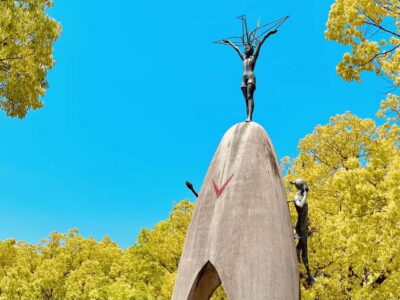
Hiroshima Historical Walking Tour – Why A-Bomb was Dropped
Our verdict →
Hiroshima Peace (Heiwa) Walking Tour at World Heritage Sites
Our verdict →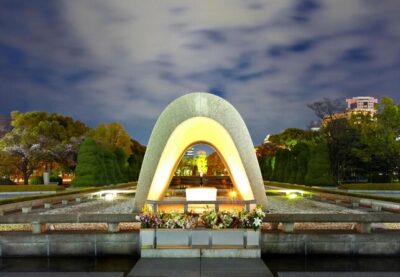
Hiroshima City 4hr Private Walking Tour with Licensed Guide
Our verdict →
Japanesel Archery Experience HIROSHIMA CASTLE SHARAKU
Our verdict →
Browse the lists this tour appears in