
Reviewed · NARA TOURS
From Osaka: Nara Private Tour with Meet-Up at Your Hotel
Nara’s magic is that its biggest sights sit among deer, trees, old streets, and quiet temple grounds rather than behind a chain of museums. This private day takes you from Osaka to the Great Buddha at Todai-ji, with time for deer feeding and several important sites along the way.
I like the hotel meet-up and the personal pace. Guide Masa has helped families, teenagers, solo visitors, and couples, and he is often praised for clear explanations, good English, photos, and calm handling of crowded areas. I also like that he can adjust the day, perhaps adding Nara’s old town or a garden stop.
The main caution is cost clarity. The $140 price includes entrance fees and the guide, but trains, lunch, and drinks are extra. Six hours is also a tight window for this many stops, so expect a well-organized overview rather than a slow, lingering day.
Key points before you book
- Meet Masa at your Osaka hotel: You do not need to find a tour office or navigate the first train connection alone.
- Travel by local train: The ride takes about 70 minutes each way, and transportation costs are paid separately.
- See Nara’s major sights in one sweep: Kofuku-ji, Nara Park, Todai-ji, Himuro Shrine, and Yoshikien Garden all fit into the day.
- Feed the famous deer: Buy deer crackers in Nara Park and keep your hands empty once the food is gone.
- Private means flexible: Masa can check your pace, allow a rest, and adjust parts of the visit to suit your interests.
- Plan for a walking day: Comfortable shoes, water, sunscreen, and a camera are sensible choices.
Why Nara works so well as an Osaka day trip
Osaka is energetic, modern, and food-focused. Nara offers a different Japan, with temple roofs, old religious traditions, mountain views, and deer wandering through public parkland. As Japan’s first permanent capital, Nara gives you a useful early chapter in the country’s story.
The trip takes about 70 minutes by train each way. That is a meaningful part of a six-hour tour, but the ride also removes much of the stress of planning a first visit. You meet your guide at your hotel, follow him through the transport system, and arrive with the route already sorted.
This is a private group rather than a large coach tour. That matters in Nara, where paths can become crowded around the deer and Todai-ji. Masa has been praised for finding less crowded approaches, taking care near the more forceful deer, and explaining what you are seeing without rushing through every point.
You should think of this as a guided highlights tour. It gives you a well-shaped introduction to Nara, but it does not offer hours at each temple or a long, unplanned wander through the park.
A few more Nara half-days worth comparing
- World Heritage Kyoto & Nara Uji Authentic Matcha Experience
★ 5.0 · 1,573 reviews - Kyoto/Osaka: Nara, Fushimi Inari Taisha, Arashiyama Bus Tour
★ 4.7 · 1,275 reviews - Nara Half Day Trip Walking Tour (Private Option Available)
★ 5.0 · 937 reviews
Higashimuki Shopping Street: a practical first look at Nara
The day begins with a guided 20-minute walk through Higashimuki Shopping Street. This is a useful transition from Osaka to Nara. Instead of going straight from the station to a temple, you get a quick look at the town’s commercial side, with shops and places to buy food or small souvenirs.
Twenty minutes is enough to get your bearings, not enough for serious shopping. I would treat this stop as a gentle introduction to Nara rather than a main attraction. If you see something you want to buy, ask Masa how it fits with the schedule, since the day has several timed visits ahead.
This part also helps explain Nara as a living city. The temples are the headline sights, but people still shop, eat, work, and move through the same streets around them.
Kofuku-ji and the pagoda
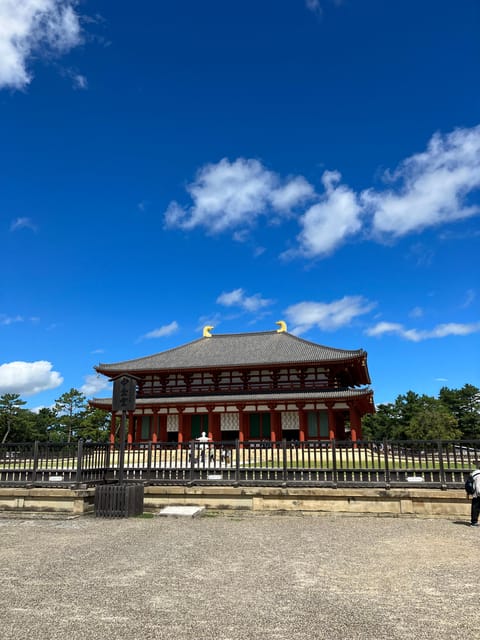
Kofuku-ji is the first major temple stop, with about 30 minutes of guided time. Its pagoda is one of the most recognizable sights in Nara and gives the visit an immediate sense of age and ceremony.
The value of a guide is especially clear at a place like this. You can take in the rooflines and open temple grounds on your own, but a good explanation helps connect the buildings to Nara’s role as an early capital and a center of Buddhist worship.
Do not expect a long private meditation session here. Thirty minutes is a compact visit, suited to seeing the key architecture and hearing the main background before moving on. The entrance fees to the mentioned sites are included, which makes the schedule easier to manage and avoids repeated ticket decisions.
Nara Park and the deer
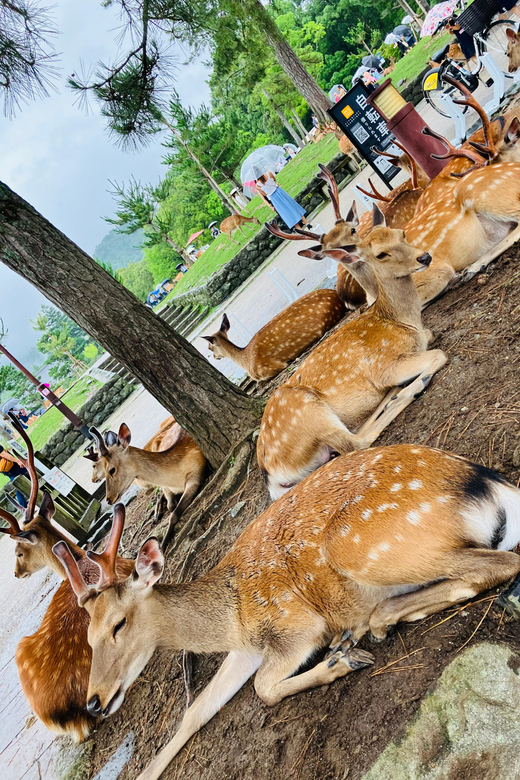
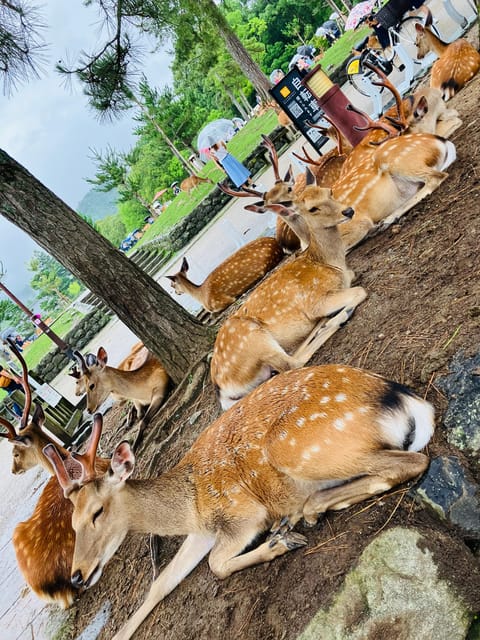
Nara Park is the most playful part of the day. Deer roam freely through the park, and you get the chance to feed them with special crackers. They are often gentle, but do not mistake their famous friendliness for perfect manners. Once they see food, some can become persistent.
A useful habit is to show empty hands after your crackers are gone. Keep paper and maps away from curious mouths, and pay attention when Masa points out how to move around the animals. One especially helpful part of this private format is having someone nearby who can keep the encounter controlled and comfortable.
You get roughly 30 minutes with a guide in the park. That is enough for photographs, deer feeding, and a short walk, but you may want more time if the animals are the main reason you chose Nara. Families and teenagers should enjoy this stop, and Masa has a record of getting younger visitors involved rather than turning the day into a lecture.
The park also gives you open views toward the surrounding mountains. It is a pleasant change after the dense streets of Osaka, though the amount of walking can add up quickly once you include the temples.
More Private-Only Departures in Nara:
- Kyoto/Osaka: Kyoto and Nara Customized Private Guided Tour
★ 4.6 · 258 reviews - Nara 6hr Private Tour with Government-Licensed Guide
★ 5.0 · 219 reviews - Kyoto Private Car Tour – Full Day with Local Guide & Nara Option
★ 5.0 · 169 reviews - From Osaka/Kyoto: Private Kyoto & Nara Day Trip with Pickup
★ 4.7 · 122 reviews
Lunch at a local restaurant
The schedule allows one hour for lunch at a local restaurant, but the meal is not included in the price. This is good news if you want freedom to choose, but you should budget for it separately.
The exact restaurant can vary. Past stops have included ramen, okonomiyaki, and other local food, and Masa has also recommended Japanese barbecue for the evening after the tour. One account describes a ramen meal with a beautiful view, while another mentions delicious okonomiyaki.
Use lunch as a proper break. The rest of the day involves walking and standing, so a sit-down meal makes the afternoon more comfortable. If you have dietary needs, tell the guide early. The provided information does not promise a particular menu or restaurant, so the lunch stop should be treated as flexible rather than fixed.
Himuro Shrine, a quieter pause
Himuro Shrine receives about 20 minutes of guided attention. Compared with Todai-ji, it is a smaller and calmer stop, making it useful as a change of pace.
This is where a private guide can help you notice details you might otherwise pass. Masa is known for explaining the meaning behind temples and shrines, not just pointing out attractive buildings. That cultural context can make a short visit feel worthwhile.
Still, do not expect a long shrine walk in 20 minutes. The stop is designed to fit into a broad Nara route, not to replace a dedicated shrine visit. If you prefer quiet religious sites to major monuments, mention that preference at the beginning and ask how much time can be shifted.
Todai-ji and the Great Buddha
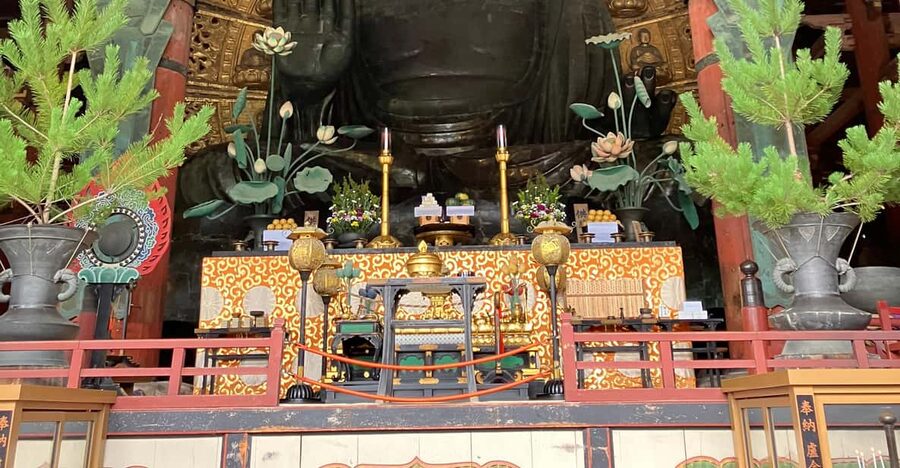
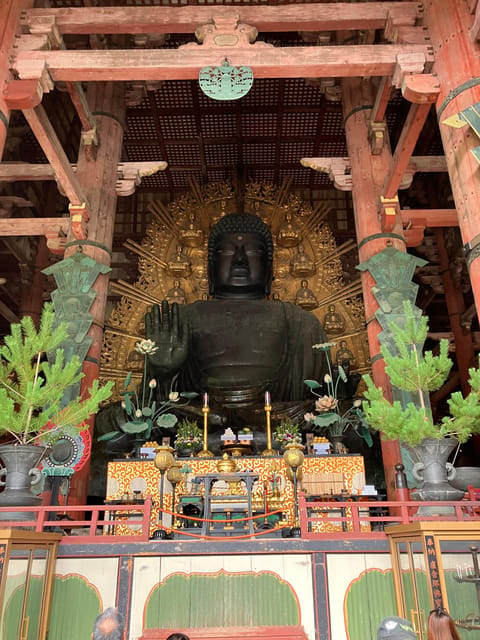
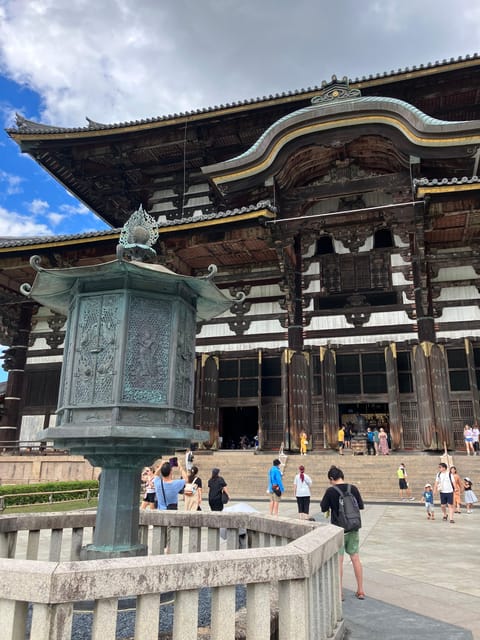
Todai-ji is the day’s major event. The temple is home to the Great Buddha, one of the largest bronze Buddha statues in the world, and the scale of the building makes the arrival memorable even before you focus on the statue.
You have about one hour here. That is a sensible amount for entering the temple, seeing the Great Buddha, hearing the main story, and taking photographs without turning the visit into a hurried photo stop. The building and statue can feel overwhelming in the best way, especially after the smaller-scale shrines and the outdoor park.
Todai-ji can be crowded. A private guide does not make the crowd disappear, but Masa has been praised for choosing routes that avoid the worst congestion and for keeping communication clear. He can also help with the practical flow of the visit, including entrances covered by the tour price.
For many people, this is the point that justifies making the trip from Osaka. If you only have one day for Nara, Todai-ji gives you a powerful sight with real cultural weight. If you have several days in the region, you may prefer more time at each place, but this visit provides a strong first introduction.
Yoshikien Garden and the final walk
Yoshikien Garden is the last sightseeing stop, with about 20 minutes. Its inclusion adds a quieter, more decorative finish after the large temple and busy park.
The short time here means you should keep expectations in check. You will get a guided look rather than a long garden visit. If gardens are a personal priority, ask at the start whether the schedule can be adjusted. The private format may allow some flexibility, but the tour still has to catch the return train.
This final stop also helps vary the day. Nara is not only about huge temples and deer. A garden gives you another way to experience the city, with a slower visual rhythm before the trip back to Osaka.
What the private guide adds
The strongest part of this experience is the guide relationship. Masa is repeatedly described as friendly, patient, organized, and flexible. He has helped with transport, explained Japanese culture, taken photographs, suggested food, and offered practical ideas for the rest of a Japan trip.
That is more useful than a guide who simply recites dates. Several accounts describe Masa checking whether people wanted a rest or a detour. One person arranged a visit to Nara’s old town, and Masa was happy to adapt the route. Another appreciated extra Czech translation help.
His communication before the tour is also worth noting. WhatsApp contact was used to clarify arrangements, and punctuality was praised. The official language options are English and Japanese. The strongest feedback points to clear English, but you should still share important preferences before the day begins.
The guide can also make the train journey easier. You are not paying for private vehicle transport, despite the experience being described with car transportation in its highlights. The detailed route uses local trains, and transportation fees are excluded. Confirm the exact meeting and transport plan before you go.
Is $140 per person a fair price?
At $140 per person, this is not the cheapest way to visit Nara. You still pay for train fares, lunch, and drinks. If you are comfortable planning rail connections, buying temple tickets, and deciding where to eat, a self-guided trip will cost less.
The price becomes easier to justify for first-time visitors, families, older adults who prefer help with the route, or anyone who wants a private day without the pressure of a large group. Entrance fees are included, and the guide handles the structure of a busy six-hour visit.
You are also paying for time saved and fewer small decisions. Masa meets you at the hotel, guides you through the trip, explains the sites, helps manage the deer encounter, and returns with you to Osaka. That convenience has real value when you are already juggling several cities in Japan.
For two people, the cost is substantial. For a family or small private group, the value depends on the group size and how much you care about personal attention. Ask about the transport wording before booking, since the supplied details describe train travel and separate transport fees, not an all-inclusive private car.
Who will enjoy this six-hour tour most?
I would choose this tour if you want a clear first look at Nara and do not want to spend your morning learning the rail route. It suits solo visitors, couples, families, and groups with teenagers. Masa has a calm style and has been particularly effective at keeping younger people engaged.
It is also a good fit if you want cultural explanation rather than a simple transfer between photo stops. The temples and shrines make more sense when someone explains their role, design, and place in Japanese culture.
You may want another option if you want a slow, deeply focused temple day, extensive shopping, or a long stretch of free time with the deer. The six-hour schedule covers a lot, and the 70-minute ride each way reduces the hours available in Nara itself.
Wear comfortable shoes. Bring water, sunscreen, and a camera. The combination of train travel, outdoor walking, temple grounds, and deer encounters makes practical clothing more important than dressing for a formal sightseeing day.
Should you book this Nara tour?
Book it if you value personal guidance and easy logistics more than the lowest possible price. The route covers Nara’s essential sights, the private setup allows some adjustment, and Masa’s role goes beyond giving historical facts. His help with transport, photos, food suggestions, crowd timing, and rest breaks can make a short visit feel much easier.
Think twice if you dislike fixed schedules or want to spend an entire afternoon at one temple. You should also add the cost of trains and lunch to the advertised $140, and clarify the transportation arrangement before paying.
For a first visit from Osaka, I see this as a strong, practical introduction. You will not see every corner of Nara, but you will meet its deer, enter its most important temple, see several religious sites, and return with a better sense of why the old capital matters.
FAQ
How long does the Nara tour last?
The experience lasts six hours, including the journey between Osaka and Nara.
Where does the tour begin?
The guide meets you at your hotel in Osaka.
How do you travel from Osaka to Nara?
The detailed route uses a local train, with travel time listed as about 70 minutes each way.
Are train fares included?
No. Transportation fees are not included in the $140 price.
Is lunch included?
No. The schedule includes a one-hour lunch stop, but meals and drinks are paid for separately.
Which places are included in the sightseeing route?
The route includes Higashimuki Shopping Street, Kofuku-ji, Nara Park, Himuro Shrine, Todai-ji, and Yoshikien Garden.
Can you feed the deer?
Yes. The tour gives you the chance to feed the deer in Nara Park.
Is the Great Buddha included?
Yes. The tour visits Todai-ji, home of the Great Buddha, and entrance fees to the mentioned sites are included.
What languages are available?
The listed guide languages are English and Japanese.
What happens if you need to cancel?
You can cancel up to 24 hours in advance for a full refund. You can also reserve now and pay later, according to the booking terms.
Just added around Nara
- Private Kyoto Tour by Car with Optional Nara or Osaka Add-Ons★ 5.0 · 36 reviews
- Kyoto, Osaka, Nara Private Tour by Car English Driver Guide★ 4.0 · 63 reviews
- Nara Todaiji Kasuga Taisha Private Full Day Tour From Kyoto★ 5.0 · 13 reviews
- From Kyoto: Nara History Guided Half Day Bus Tour with lunch★ 5.0 · 23 reviews
- Nara 8hr Private Tour – Kyoto DEP. with Licensed Guide★ 5.0 · 115 reviews
- Arashiyama & Nara Highlights: One-Day Private Tour Adventure★ 5.0 · 16 reviews
- Kyoto Private Car Tour – Full Day with Local Guide & Nara Option★ 5.0 · 169 reviews
- Kyoto & Nara Private Tour from Osaka Kyoto Hotel Pick-up★ 4.5 · 32 reviews
Nara Tours, compared.
World Heritage Kyoto & Nara Uji Authentic Matcha Experience
Our verdict →
Nara Half Day Trip Walking Tour (Private Option Available)
Our verdict →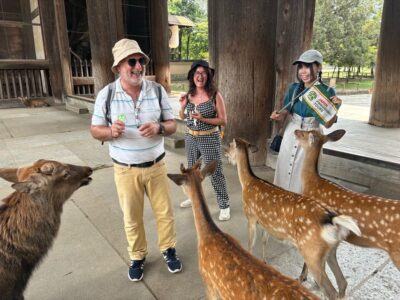
Nara and Uji Day Trip with Deer Park and Hot Spring
Our verdict →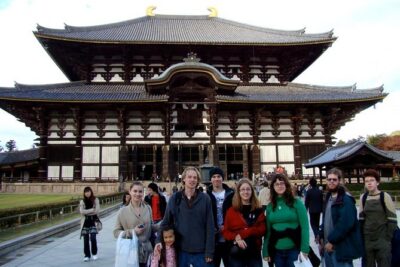
Nara 6hr Private Tour with Government-Licensed Guide
Our verdict →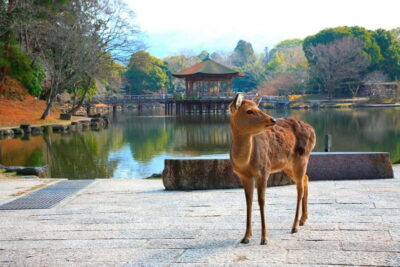
Browse the lists this tour appears in