
Reviewed · HIROSHIMA TOURS
From Hiroshima: Rabbit Island and Takehara Town Tour
Okunoshima is famous for its friendly rabbits, but its real story is much darker. This full-day trip from Hiroshima pairs the island’s poison gas ruins with Takehara’s preserved Edo-period streets, giving you history, local culture, and plenty of time with the animals.
I especially like two things here: the small group, limited to 15 people, and the way the day adds context before you reach the island. Guides such as Isabella have been praised for keeping the schedule smooth, explaining Japan’s past clearly, and handling special needs with care. The free time on Rabbit Island is another plus, since you are not rushed from one rabbit photo stop to the next.
The main drawback is the long day, about 570 minutes, with several train, bus, and ferry connections. Summer heat can also make the walking tiring, and the tour is not suitable for wheelchair users, pregnant women, or people with animal allergies.
Key points to know
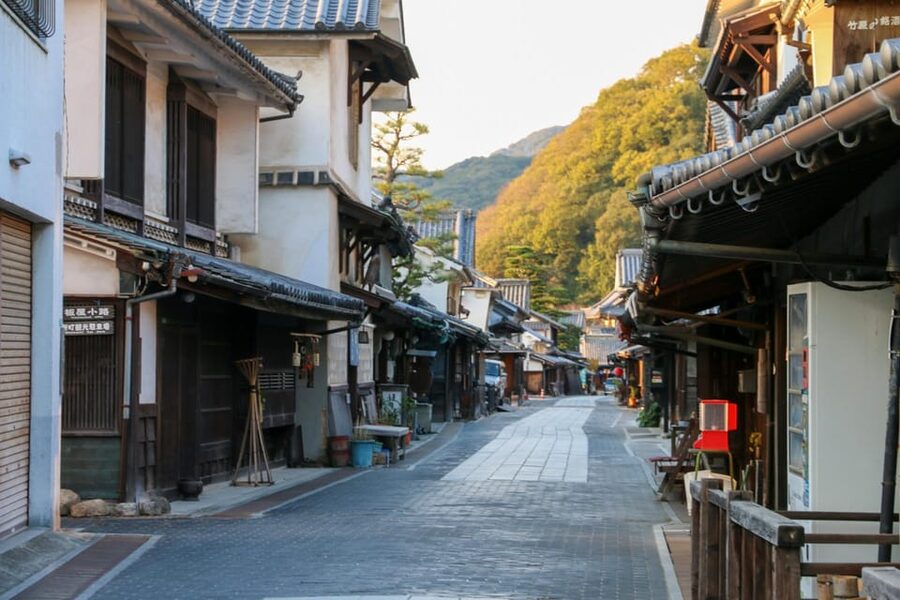
- Takehara comes before the rabbits: You visit old merchant homes, a mid-Edo-period Zen temple, and a famous Jizō statue before reaching the island.
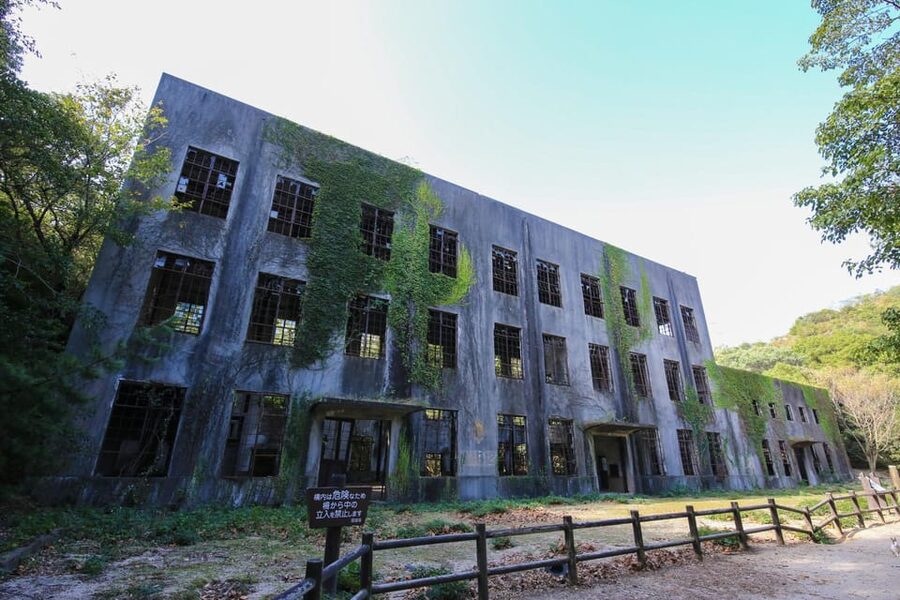
- Okunoshima has a serious past: The guided walk includes island ruins and an explanation of its poison gas production history.
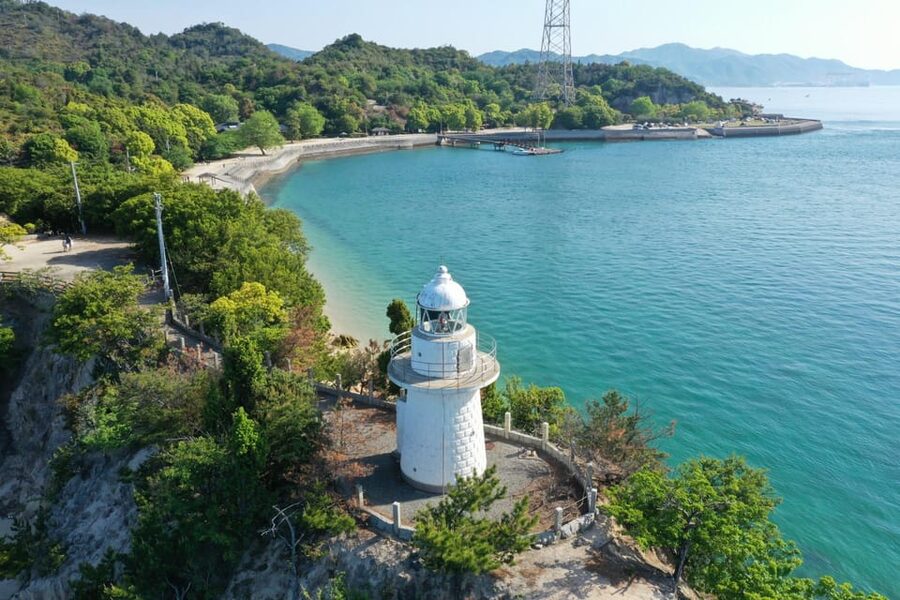
- Your rabbit time is flexible: Feed the animals with the supplied food, use the hot springs, rent a bike, hike, visit the lighthouse, or eat at the hotel restaurant.
- Small groups make the day easier: The maximum group size is 15, with an English-speaking guide leading the transport and visits.
- The price covers the costly pieces: At $170, the tour includes entry fees, public transport, ferry tickets, rabbit food, and guiding.
- Pack for sun and walking: Comfortable shoes, sunscreen, a hat, water, and a camera will serve you well.
Why this day trip works so well

Many Hiroshima day trips focus on the Peace Memorial Park and Miyajima. This one takes you east into the Chugoku Region, where the pace is slower and the subject matter less familiar.
You get two very different experiences in one day. Takehara shows you a carefully preserved town shaped by merchants, salt, and sake. Okunoshima offers cute animals, coastal walking, and a painful wartime story. That contrast is the point. You are not simply visiting a rabbit island for photographs. You are learning why the island matters.
The tour lasts about nine and a half hours, so you should treat it as a full day rather than a casual side trip. The guide takes care of the route, tickets, and timing, which is useful because the outing combines local public transport with two ferry rides.
The group limit of 15 is also important. You can ask questions without trying to catch a guide’s voice across a large crowd. Isabella received especially strong praise for her energy, humor, and clear explanations, while Shoh was noted as a helpful guide in training. The quality of the day depends partly on the guide assigned, but the format gives the guide room to work with the group.
A few more Hiroshima half-days worth comparing
- Peaceful Hiroshima & Miyajima UNESCO 1 Day Bus Tour
★ 5.0 · 5,309 reviews - Hiroshima: Hiroshima and Miyajima UNESCO Sites 1-Day Tour
★ 4.9 · 2,330 reviews - Hiroshima / Miyajima Full-day Private Tour with Government Licensed Guide
★ 5.0 · 1,298 reviews
Takehara’s old streets and merchant life
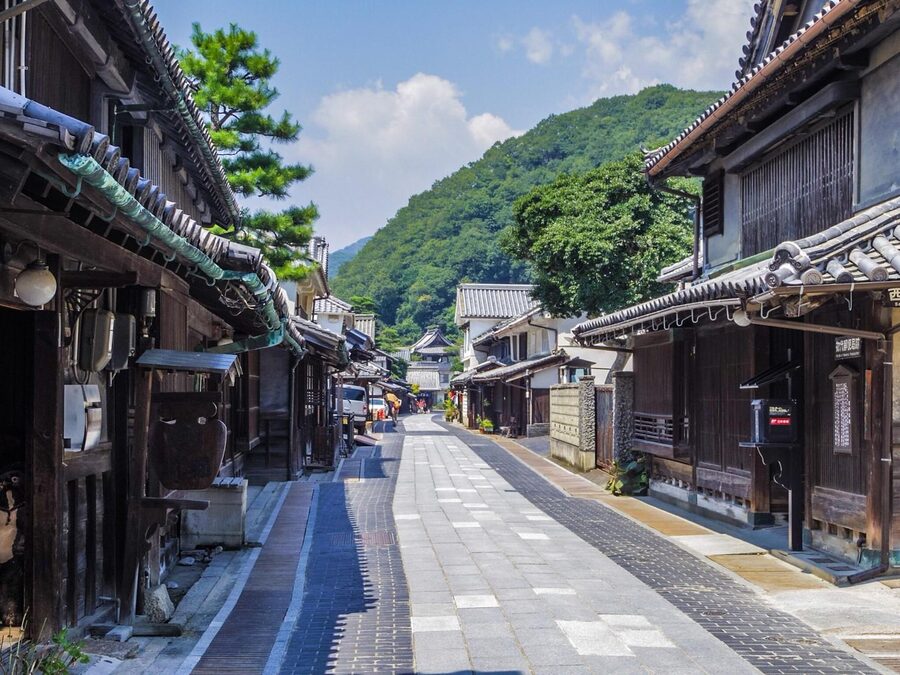
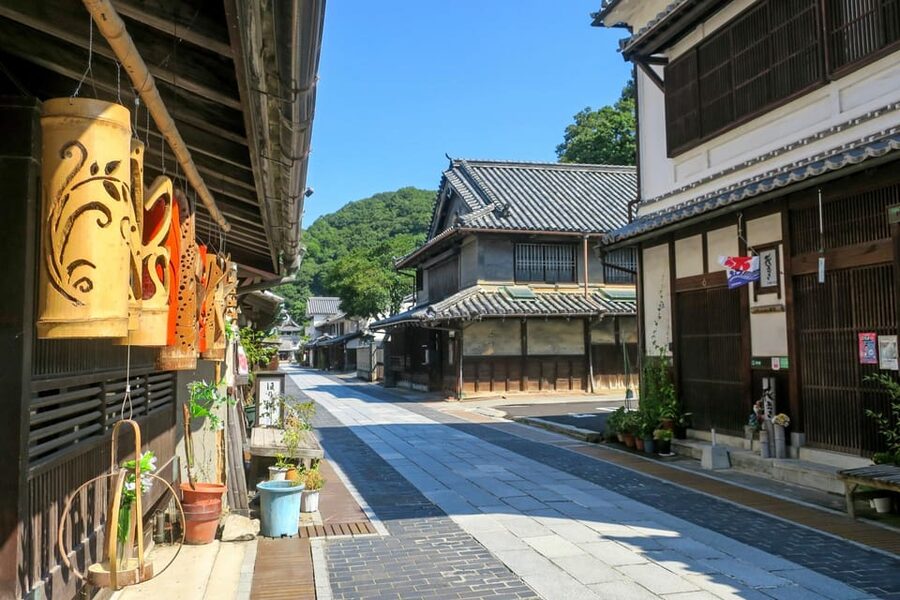
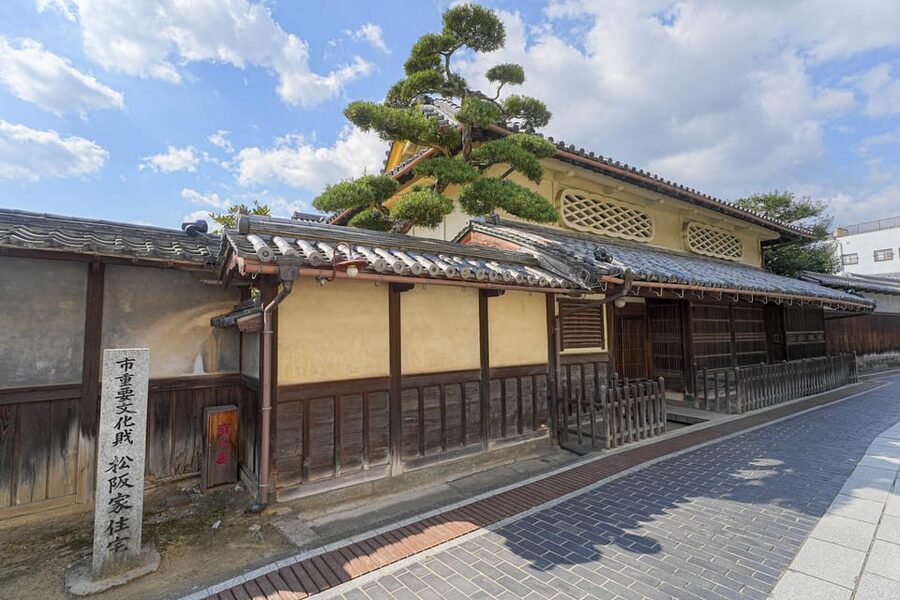
The first major stop is the Takehara Townscape Conservation Area. This is not a quick photo stop. You walk through old streets and learn how the town developed, including its connections with sake and salt production.
Takehara’s buildings give you a useful look at urban Japanese life before modern development changed the shape of towns. The preserved facades, narrow streets, and traditional houses make the area easy to explore on foot. Your guide helps you read details that you might otherwise pass without noticing.
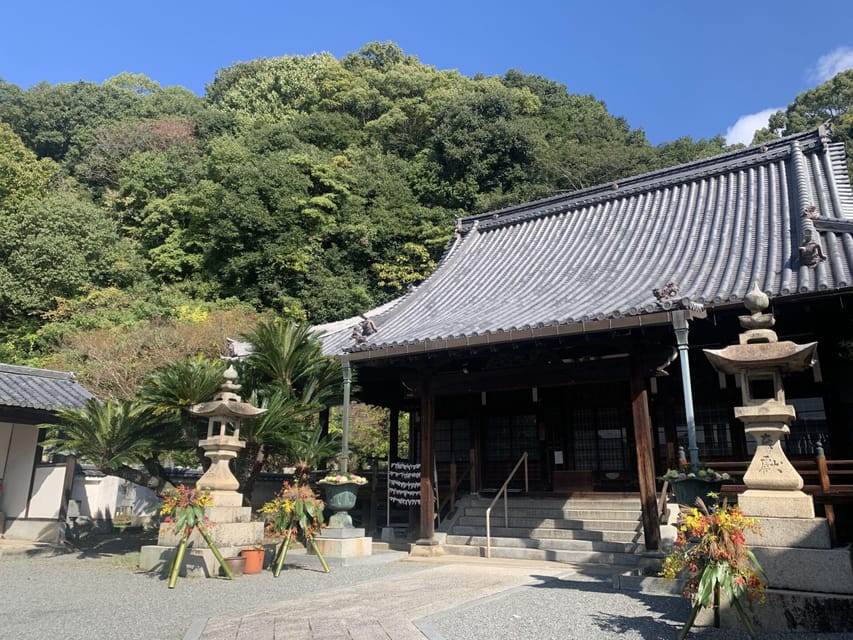
The tour visits Saihoji, a Zen Buddhist temple with architecture dating to the mid-Edo period. The temple adds a religious and architectural layer to the morning. You are not only looking at old buildings. You are hearing how the town’s spiritual and commercial life fit together.
A stop at the former Matsusaka family residence brings the story down to a more personal level. This was the home of a prosperous Edo-period merchant, and the interior contains objects left by former residents. Those artifacts help you picture daily routines, household status, and the practical life of a merchant family.
I like this part because it gives you a human scale. Grand historical statements can feel distant, but a house and its belongings show how people lived, worked, stored possessions, and received visitors. The visit is also a good reason to wear shoes you can walk in comfortably. You will be on your feet through much of the day.
The Okakae Jizō and a local wish
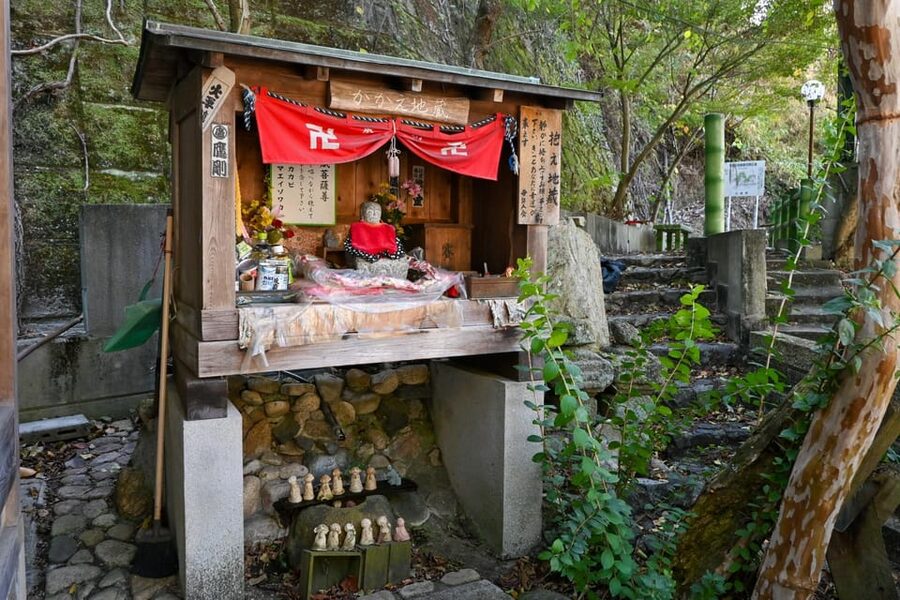
Near the old streets, you visit the Okakae Jizō Statue in a small hut. Jizō figures are associated with protecting children and people on journeys, making this a fitting stop on a day trip.
This particular statue is linked to a local test of fortune. You pick it up, make a wish, and see whether it feels lighter than expected. Local belief says that a lighter feeling means the wish will come true.
It is a small moment, but it gives the morning a touch of local character. You are not just moving between formal attractions. You are hearing a living folk tradition tied to a specific object and place.
The stop will not take the whole morning, so keep your expectations sensible. Its value comes from the story and the chance to take part, not from a long museum visit.
Ferrying from Tadanoumi to Rabbit Island
From Takehara, the tour continues to Tadanoumi Port for the ferry to Okunoshima. The ferry ride changes the rhythm of the day. You leave the old streets behind and cross to an island that feels very different in purpose and mood.
Transportation is one of the strongest practical reasons to book this outing as a package. The price includes ferry tickets and public transport between activities. You do not need to work out separate fares or worry about missing a connection while also trying to understand the island’s history.
That convenience comes with a tradeoff. This is a scheduled group tour, so you need to stay with the guide and respect the meeting times. If you prefer to linger for hours in one place or change plans on a whim, an independent visit may suit you better.
Once you arrive, the guide leads a short coastal walk and points out island ruins. This is where the tone shifts. Okunoshima is now known for rabbits, but it also has a dark connection with poison gas production. The ruins offer physical evidence of that past, and the guide explains what you are seeing rather than leaving you with a collection of unexplained walls and buildings.
Same trip, a completely different kind of day:
- Osaka/Kyoto: Hiroshima Miyajima Bus Tour & Shinkansen Ticket
★ 4.7 · 919 reviews - Hiroshima Historical Walking Tour – Why A-Bomb was Dropped
★ 4.8 · 893 reviews - Hiroshima Peace (Heiwa) Walking Tour at World Heritage Sites
★ 5.0 · 872 reviews - Hiroshima in a Nutshell: Morning Bike Adventure
★ 5.0 · 524 reviews
Okunoshima’s dark past beside its friendly rabbits
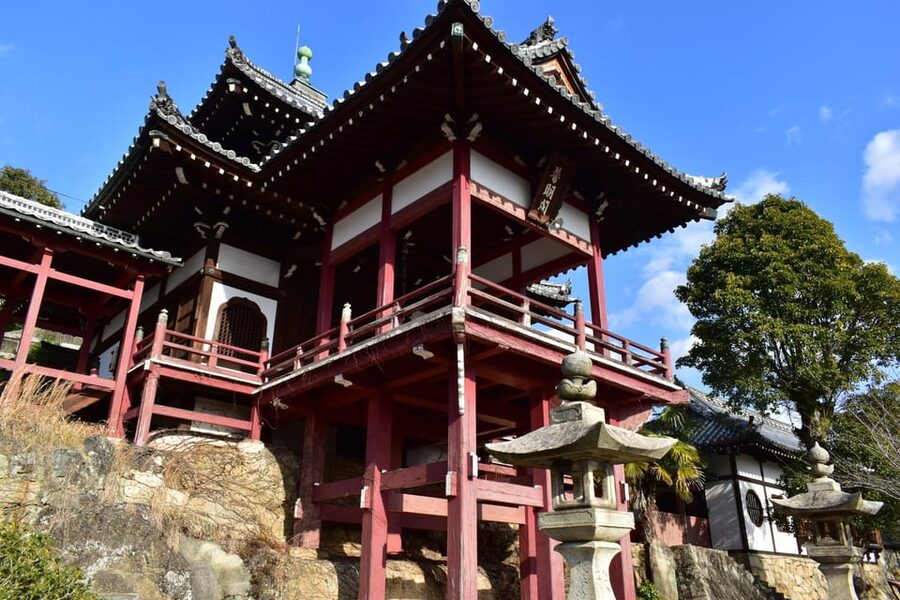
The island’s central tension is impossible to miss. Rabbits may approach you for food while nearby ruins recall a period when the island was used for a secret and deadly military purpose.
That contrast can feel uncomfortable, and it should. The guided walk helps keep the visit from becoming only an animal photo opportunity. You learn about the island’s wartime role and see remains connected to that period. One account of the day also noted an informative film at the poison gas museum, so you may have a chance to add a more direct historical explanation to the outdoor ruins, depending on the schedule and availability.
You should approach the rabbits responsibly. Food is provided, and feeding is one of the main pleasures of the visit, but the island is still a real place with a serious past. Take photographs, enjoy the animals, and give yourself time to think about the history rather than treating the ruins as scenery.
The tour does not turn the island into a museum-only visit. After the guided portion, you receive free time to explore at your own pace. That balance works well because the guide handles the difficult context, then lets you choose how to spend the rest of your island visit.
Free time for rabbits, bikes, views, and hot springs
Your free time is the most flexible part of the day. Many people will simply walk along the coast, feed rabbits, and take photographs. The provided rabbit food means you do not need to arrange that separately.
If you want a break from walking, the Kyukamura Ōkunoshima hotel has hot springs. You can also eat at its restaurant, which matters because lunch is not included in the tour price. Food and drinks can be purchased on the island, but I would still carry water, especially in warm weather.
A bicycle gives you another way to see more of the island. The tour information says bikes can be rented, though rental details are not included in the $170 price. You should treat cycling as an optional extra, not part of the basic package.
You can also hike to the observation desk or visit the lighthouse. These choices make the free period useful for different energy levels. A short rabbit walk, a meal, or a bath may suit you better than a longer climb. If you want to fit in several activities, keep an eye on the return meeting time.
The island can be exposed to the sun, and a summer visit may be hot. Sunscreen and a hat are recommended, and comfortable shoes are essential. A review of an August outing described very hot weather even though the day remained enjoyable, so do not underestimate the need for water and sun protection.
Is $170 good value?
At $170 per person, this is not the cheapest way to reach Okunoshima. The better question is what you would spend and manage on your own.
The price includes:
- An English-speaking guide
- Entry fees at all tour locations
- Rabbit food
- Public transport between activities
- Both ferry tickets
Lunch, accommodation, and the cost of reaching Hiroshima Station are not included. Optional bicycle rental, hot springs, and food on the island are also extra.
For someone who already knows the railway and ferry route, an independent visit may cost less. But the tour adds a full morning in Takehara, historical explanations, entry fees, and a guide who keeps the connections moving. You are paying for structure and interpretation as much as transport.
The value is strongest if you want to understand Okunoshima rather than simply reach it. The guide links the island to Takehara’s local economy and history, then explains the poison gas ruins before you have free time. If you would skip Takehara and spend only a short time feeding rabbits, the price may feel high.
Reserve and pay later is available, and cancellation is free up to 24 hours before departure. Those terms give you some useful flexibility, but the date remains subject to availability. Specific activities can sometimes need adjustment if a partner venue cannot confirm them.
Meeting at Hiroshima Station
The meeting point is under the Tourist Information sign outside the Shinkansen gates at Hiroshima Station. If you arrive by Shinkansen, the sign is directly to your left after leaving the gates.
If you arrive on a JR line, follow signs toward the Shinkansen gates. From outside the station, use the underground passage and follow signs for Hiroshima Station, then continue toward the Shinkansen area. Streetcar arrivals should also follow the station signs.
A taxi driver can take you to the Shinkansen Entrance, also called the North Entrance. Look for the guide holding a SNOW MONKEY RESORTS tour sign.
Give yourself time to find the meeting point. Hiroshima Station can be confusing when you are carrying luggage or arriving from another part of the city. The tour ends back at Hiroshima Station, with the guide saying goodbye near the Shinkansen gates.
Who should book this experience?
I would recommend this tour if you want a guided day beyond Hiroshima’s best-known sights and like mixing serious history with lighter outdoor time. It is particularly useful for first-time visitors who do not want to arrange several transport legs themselves.
It also suits you if you enjoy small towns, traditional buildings, local stories, and a flexible afternoon. Families and animal lovers may enjoy the rabbits, though the long day, heat, walking, and historical subject matter should be considered carefully.
You should think twice if you have an animal allergy, are pregnant, use a wheelchair, or dislike fixed schedules. The tour is not suitable for wheelchair users, pregnant women, or people with animal allergies. It also may not be right for anyone seeking a short, relaxed excursion with minimal transport.
Should you book the Rabbit Island and Takehara tour?
Book it if you want the complete picture. Takehara gives you old streets, sake and salt history, a merchant home, and a local religious tradition. Okunoshima adds rabbits, coastal walking, ruins, and a difficult wartime story. The combination is far more interesting than a quick island visit on its own.
The strongest reasons to go are the small group, included transport and entry costs, and the guide-led explanation of the island’s past. Guides such as Isabella have shown that the day can stay warm, organized, and lively even in difficult summer heat.
Skip it if you only want a brief rabbit encounter or if nine and a half hours of walking and public transport sounds tiring. For the right kind of visitor, though, this is a well-balanced Hiroshima day trip that gives you both a memorable animal experience and something serious to think about.
FAQ
How long does the tour last?
The tour lasts 570 minutes, or about nine and a half hours.
Where do I meet the guide?
Meet under the Tourist Information sign outside the Shinkansen gates at Hiroshima Station. The guide will be holding a SNOW MONKEY RESORTS tour sign.
What is included in the $170 price?
The price includes an English-speaking guide, entry fees, rabbit food, public transport between activities, and ferry tickets.
Is lunch included?
No. Lunch is not included, but food and drinks can be purchased on Rabbit Island at the hotel restaurant.
Can I feed the rabbits?
Yes. Rabbit food is provided as part of the tour.
What else can I do during free time on Rabbit Island?
You can walk around the island, visit the hot springs at Kyukamura Ōkunoshima, rent a bicycle, hike to the observation desk, visit the lighthouse, or eat at the hotel restaurant.
Is the tour suitable for everyone?
No. The tour is not suitable for wheelchair users, people with animal allergies, or pregnant women. Comfortable walking shoes, sunscreen, and a hat are recommended.
Just added around Hiroshima
- Full Day Hiroshima and Miyajima Tour by Bullet Train from Kyoto★ 4.5 · 120 reviews
- Hiroshima Saijo Sake Tasting Tour with visit to 7 Breweries★ 5.0 · 104 reviews
- The Peace Memorial to Miyajima : Icons of Peace and Beauty★ 4.5 · 31 reviews
- Shore Excursion from Hiroshima Port : Private Tour in Hiroshima★ 5.0 · 17 reviews
- Okunoshima Rabbit Island Cycling Tour with Local Guide★ 4.5 · 17 reviews
- Hiroshima & Miyajima All-Inclusive Tour w/Licensed guide Pancho★ 5.0 · 54 reviews
- Private Full Day Hiroshima Tour★ 4.5 · 29 reviews
- Hiroshima Country Cycling: Explore Rural Life 1 HR from City★ 5.0 · 22 reviews
Hiroshima Tours, compared.

Peaceful Hiroshima & Miyajima UNESCO 1 Day Bus Tour
Our verdict →
Hiroshima Historical Walking Tour – Why A-Bomb was Dropped
Our verdict →
Hiroshima Peace (Heiwa) Walking Tour at World Heritage Sites
Our verdict →
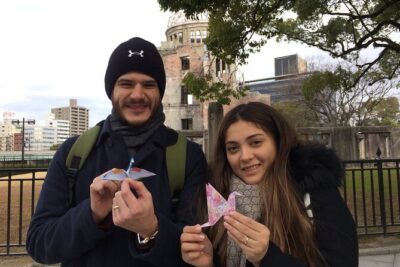
Hiroshima City 4hr Private Walking Tour with Licensed Guide
Our verdict →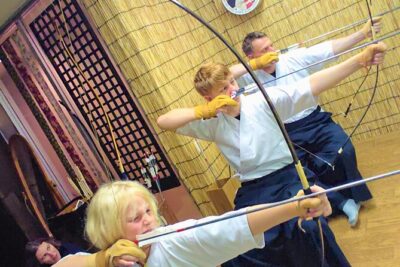
Japanesel Archery Experience HIROSHIMA CASTLE SHARAKU
Our verdict →
Browse the lists this tour appears in