
Reviewed · JDM & CAR MEETS
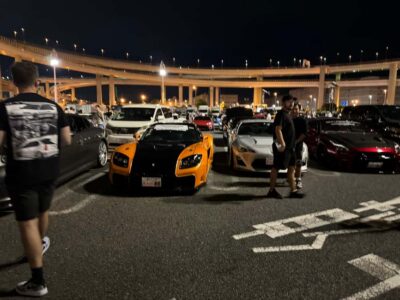
Daikoku Parking : going by this mini JDM – one customer only
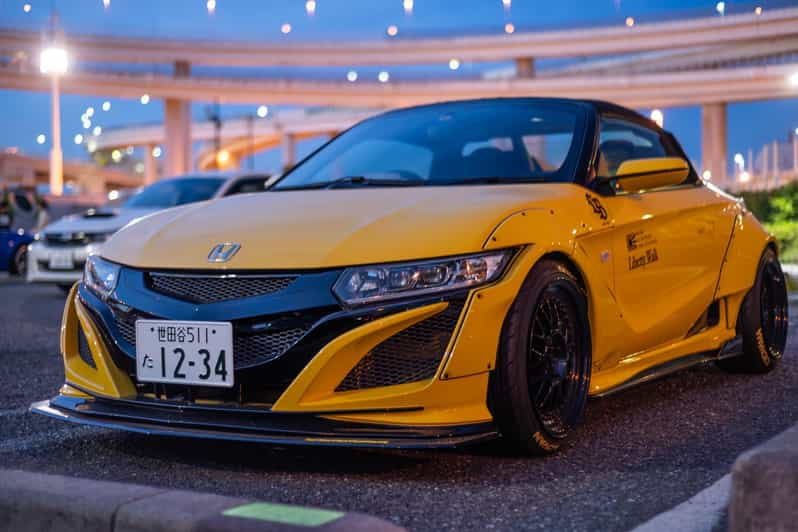
Tokyo’s famous car meet culture feels very different from the back seat of a minivan. Here, you ride alone with local driver Toshiro in a Liberty Walk modified Honda S660, a tiny Japanese sports car with a mid-mounted engine. The route uses Tokyo’s expressways and bay roads, so the drive itself is part of the show. I like the one-customer format and the chance to see Daikoku and Tatsumi without being folded into a large group.
I also like the way the tour connects real Tokyo roads with the car culture seen in Wangan Midnight and Shuto Ko Battle. You cross Rainbow Bridge and pass Tokyo Tower and Skytree along the way. The main drawback is physical: the S660 is genuinely small, with an economy-airline-sized seat and no luggage space. At $192 for the group, or one person, this is a specialist experience rather than a cheap sightseeing ride.
Key points before you book
- One passenger and one local driver: This is a private ride in a Honda S660, not a shared minivan tour.
- Daikoku and Tatsumi are the main stops: You get time for photos, a walk, and a look at Japan’s modified-car scene.
- Tokyo’s expressways are part of the attraction: The route includes the Metropolitan Expressway, the bay route, and Rainbow Bridge.
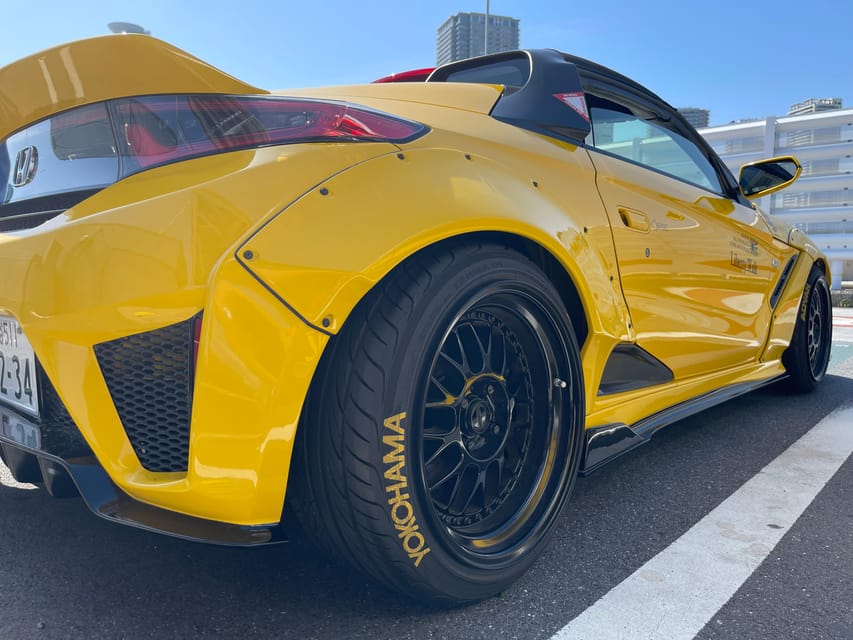
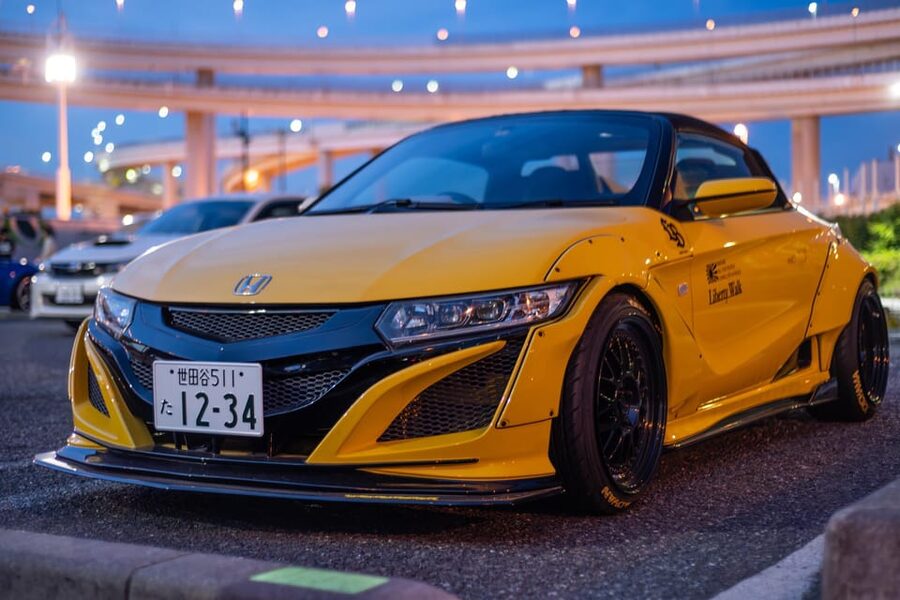
- The car is the experience: Toshiro’s Liberty Walk modified S660 is a rare, eye-catching domestic Japanese model.
- Friday and Saturday timing matters: Parking areas may close from about 8:30 p.m., so an 6 p.m. to 9 p.m. schedule may be used.
- Expect a tight cabin: Bring no luggage, and do not expect racing or game-style driving.
Why the Honda S660 changes the whole experience
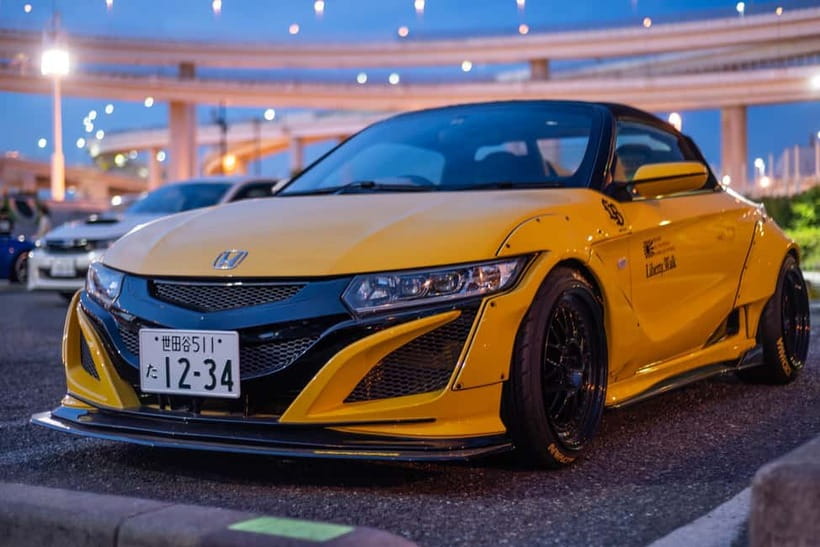
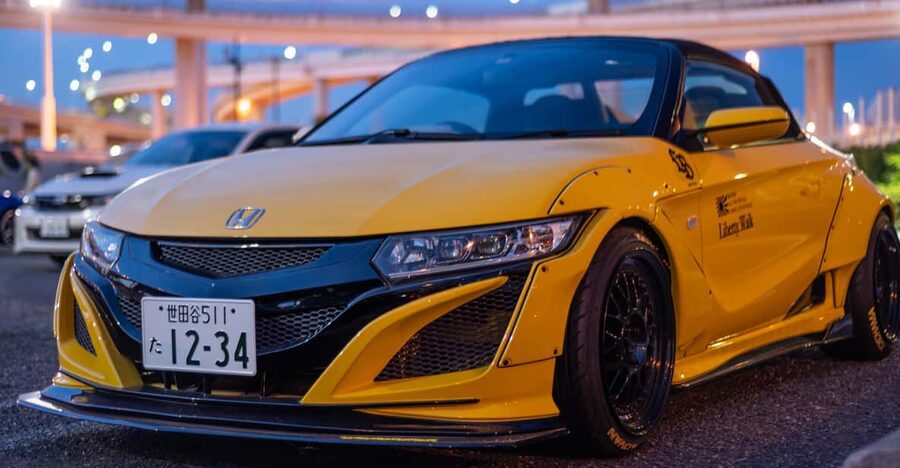
The strongest reason to choose this tour is not simply getting to Daikoku Parking Area. You are getting there in a very specific kind of car. The Honda S660 is a small Japanese roadster with a mid-mounted engine, and this example has Liberty Walk, or LBWK, modifications that give it a much more dramatic look.
That makes the journey feel personal. In a minivan, you are watching Tokyo through glass with several other people around you. In the S660, you are sitting beside the driver, close to the road, with the car’s shape and sound forming part of the evening. The small cabin also helps you understand why this is a specialist outing. It is more like joining a local car enthusiast for a night run than taking a standard city tour.
Toshiro drives and guides in English. The experience is designed around conversation, views, and car culture, not speed. You should not expect racing, drifting, or a recreation of an arcade game. Traffic laws are respected, and the fun comes from seeing the roads, the city lights, and the cars gathered at the parking areas.
More JDM Car Tours in Tokyo:
- FAST&FURIOUS EXPERIENCE Tokyo Car Club membership
★ 4.7 · 1,145 reviews - GT-R35 800hp Club Membership – secret underground car meet
★ 4.8 · 998 reviews - Tokyo: Fast & Furious Tokyo Drift 3 Experience (Kaila Yu SP)
★ 4.8 · 947 reviews
Starting at Ōba and heading onto Tokyo’s expressways
The meeting point is in front of MOS Burger in Ōba. Hotel transportation is not included, so you need to make your own way there. The activity lasts about three hours, beginning when you get into the S660 and ending back at Ōba.
The route uses Tokyo’s Metropolitan Expressway and bay-side roads. This is important because the ride is not just a transfer between parking areas. You see Tokyo from road level and from several different angles, with the elevated expressways shaping the view. For anyone who has played Japanese street-racing games or watched car films set on Tokyo’s highways, this is one of the most appealing parts.
The tour’s timing can change with traffic and police controls. Friday and Saturday nights may require an early start at around 6 p.m., returning near 9 p.m., because Daikoku Parking Area can be closed from about 8:30 p.m. Sundays and weekdays are also possible, but Friday, Saturday, or Sunday is suggested as the better choice. Ask about the exact departure time before booking.
Daikoku Parking Area, the main car-culture stop
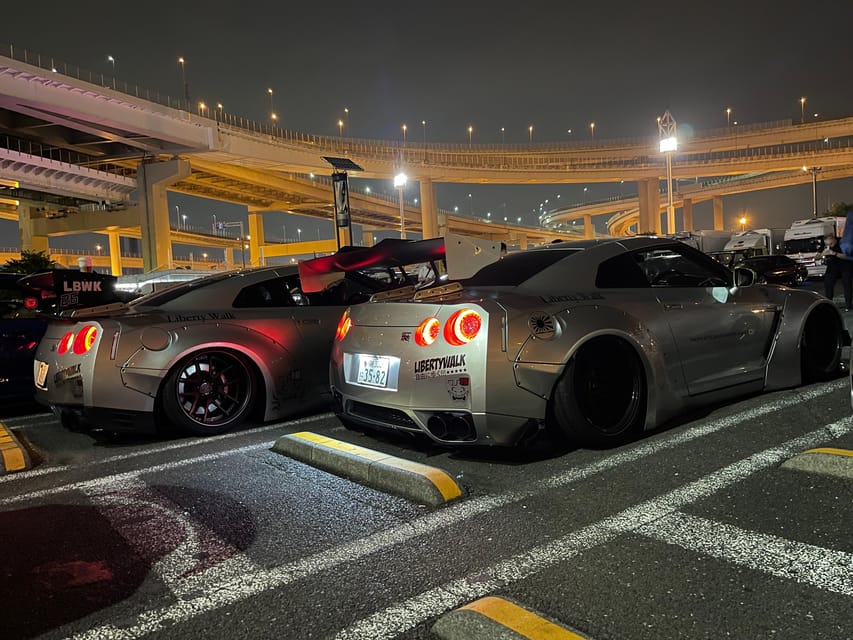
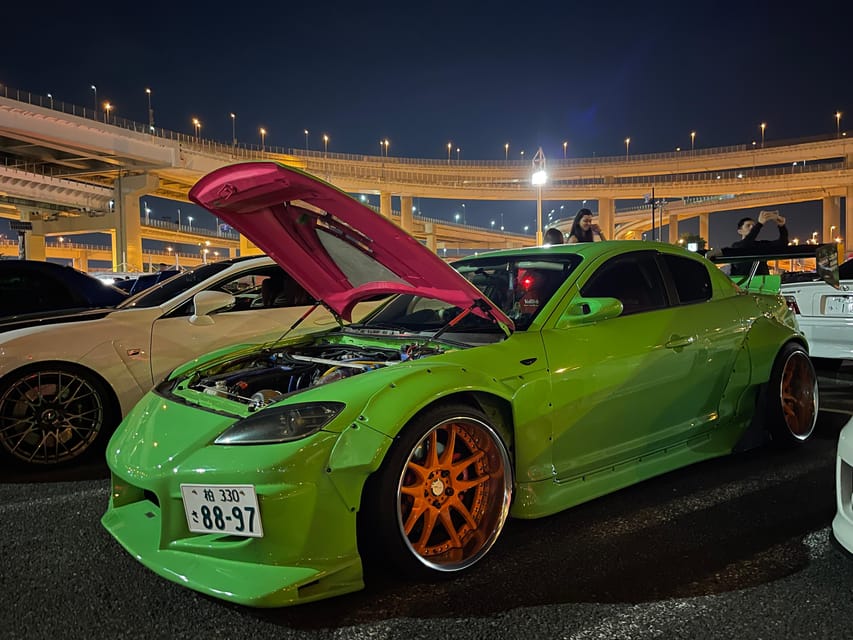
Daikoku is the name most people recognize, and it is the key stop for anyone interested in Japanese performance cars. The visit includes a break, photo time, free time, sightseeing, and a short walk. The stated stop is about 15 minutes, so you should think of it as a quick, focused look rather than a long afternoon at a museum.
The appeal is the chance to see modified Japanese cars in a real parking-area setting. You might see heavily customized cars arriving and leaving, with the atmosphere changing from one visit to the next. That uncertainty is part of the appeal, but it also means no particular make, model, or gathering can be promised.
You will have time to take photos of Toshiro’s S660 and the cars around you. One particularly nice detail is that Toshiro can explain what you are looking at and place the cars within Japan’s wider tuning culture. The experience is more useful if you are curious about how the cars are built and styled, not only interested in taking a quick picture.
The 15-minute stop is also the main limitation. If your dream is to spend hours studying every vehicle, this will feel brief. The tour gives you a taste of Daikoku within a moving Tokyo route, rather than treating Daikoku as the only destination.
Tatsumi 1st Parking Area gives you more time
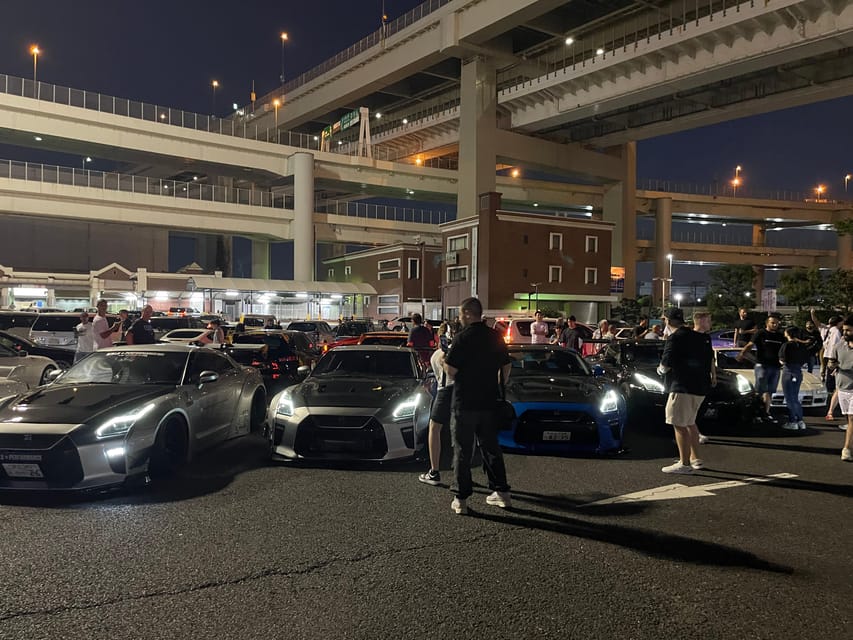
Tatsumi 1st Parking Area receives roughly an hour and a half in the schedule, making it the longer stop. Like Daikoku, it is a place to pause, walk, take photographs, and watch the car scene. The longer stay gives you more breathing room after the expressway ride.
This difference between the two stops matters. Daikoku is a short stop folded into the wider route, while Tatsumi gives you more time to look around and talk with Toshiro. If the car meet scene is the main reason you are booking, the extended Tatsumi visit is a useful part of the value.
Still, parking-area meetups are not fixed attractions. The cars present can vary by night, and access or opening conditions can change. The tour provider specifically notes possible police closures at Daikoku, so a change in timing is possible. You are paying for the private ride, local guidance, and access to the night route, not a guarantee of a particular lineup.
A few more Tokyo half-days worth comparing
- 1-Day Tokyo Bus Tour
★ 5.0 · 14,250 reviews - Tokyo: TOKYO SKYTREE® Admission ticket
★ 4.5 · 11,192 reviews - Tokyo: teamLab Planets TOKYO Digital Art Museum Entry Ticket
★ 4.6 · 9,779 reviews - Tokyo: Sumo Show Experience with Chicken Hot Pot and a Photo
★ 4.8 · 6,678 reviews
Rainbow Bridge, Tokyo Tower, and Skytree from the road
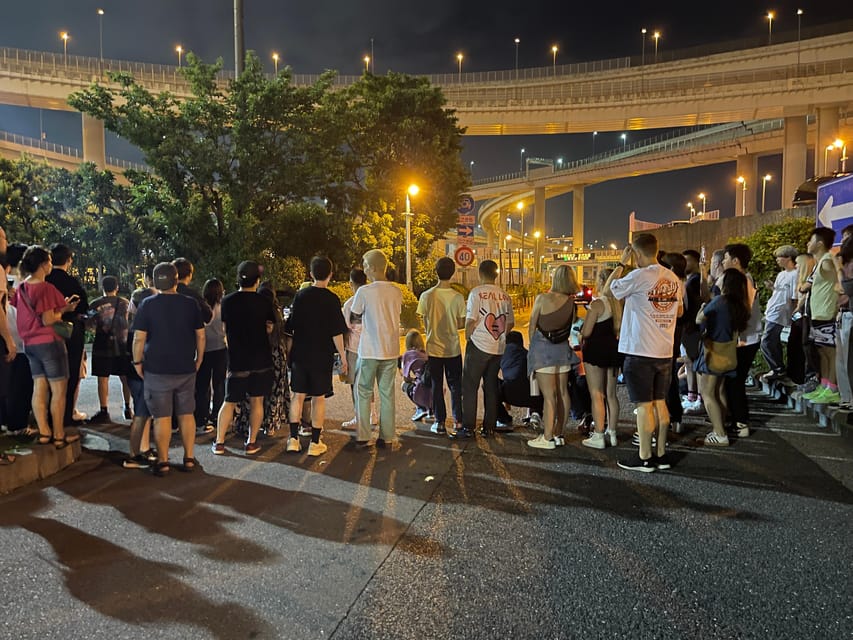
Several famous sights appear as drive-by views rather than walking stops. You cross Rainbow Bridge, pass Tokyo Tower, and pass Tokyo Skytree. This is a good fit if you want to connect car culture with Tokyo’s wider night scenery.
Do not book this expecting admission to Tokyo Tower or Skytree, or a long photo stop beneath either landmark. You see them while moving through the city. That can be especially enjoyable from the S660 because the road itself is central to the experience, but you should plan a separate visit if you want time at the towers.
Rainbow Bridge is different because crossing it is an active part of the route. It helps link the car meet locations with the city and bay roads, and it gives the drive a clear sense of movement. The tour is at its best when you treat these sights as passing scenes in a night drive, not as separate attractions.
What the private format is worth
The price is $192 for a group of up to one person. In practical terms, that means the whole vehicle is reserved for you, with Toshiro as your local English-speaking driver and guide. For a solo visitor, this is a high price compared with a bus ride, but the comparison is not quite fair.
You are not buying a basic transfer to Daikoku. You are paying for a rare car, a private route, fuel, toll roads, and personal time with a local Japanese enthusiast. The private setup also lets you ask questions, focus on cars, or simply enjoy the ride without adapting to a group’s pace.
The value is strongest for a solo car enthusiast who would otherwise struggle to reach the parking areas and who wants the vehicle itself to be part of the night. It is weaker if you mainly want Tokyo landmarks, a roomy seat, or a predictable sightseeing schedule.
If two or more people want to go, contact the provider first. The standard price and setup are for one customer, and the S660 is not designed as a group vehicle.
The small-car reality you need to accept
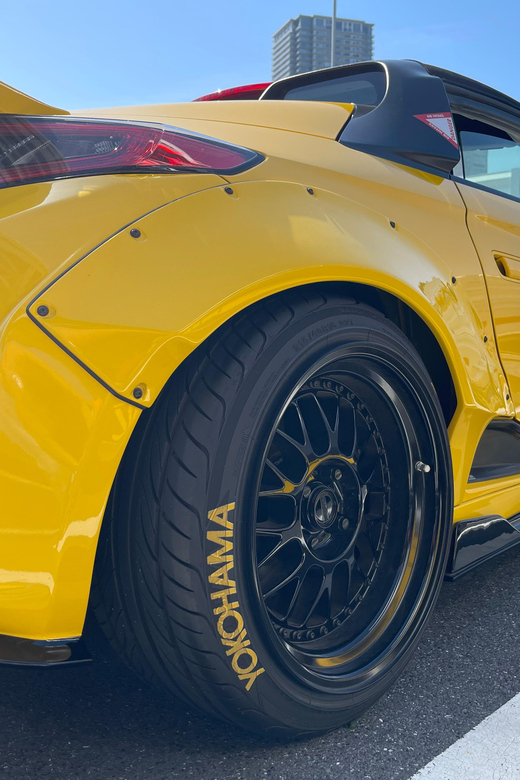
The S660’s cabin is tiny. The practical warning is clear: imagine an economy-class airline seat, and do not bring luggage. You should arrive with only what you can comfortably keep on your person.
That tight space is not a minor footnote. It will shape your whole three-hour evening. If you dislike compact sports-car cabins, have mobility concerns, or want room to stretch, this is probably the wrong tour. The listing provides no luggage space, so plan your hotel or evening arrangements around that fact.
On the other hand, the small cabin is exactly what makes the ride distinctive. You are not being driven in a generic vehicle. You are experiencing a compact Japanese sports car on Tokyo’s expressways, with the road close around you and the car visible at every stop.
Timing, weather, and sensible expectations
The best choice is to check the departure time for your chosen date. Friday and Saturday evenings may need an 6 p.m. start because of possible parking-area closures. Sunday is also suggested, and weekday departures can be arranged.
Rain can affect the plan. The tour can be postponed to a mutually convenient day if it rains. That flexibility is useful, since the experience depends heavily on outdoor stops, photography, and the condition of the night drive.
Keep your expectations grounded. This is not a race, a self-drive rental, or a chance to operate the S660 yourself. Self-driving is not included. Toshiro drives, follows traffic laws, and takes you through the route while you enjoy the scenery and car culture.
That restraint is a positive for many people. The roads are real public highways, not a private track, and the tour lets you see the setting that inspired car games and films without pretending to stage a race.
Who will enjoy this three-hour night ride
I would recommend this most strongly to a solo visitor who likes Japanese cars, modified vehicles, expressway scenes, or the world around Wangan Midnight. It also suits someone who has already seen Tokyo’s main sights and wants a more unusual evening activity.
You do not need to be an expert. Toshiro’s role as a local guide means you can ask basic questions about the cars and the places you visit. The experience also works for a visitor who simply wants an unusual way to see Tokyo after dark, provided the tiny cabin is acceptable.
I would be more cautious if you are booking for comfort, a large group, or a landmark-heavy evening. Daikoku is brief, Tokyo Tower and Skytree are pass-by sights, and the seat is tight. The tour is focused and specialized, not a general introduction to Tokyo.
Should you book it?
Book this if the idea of crossing Tokyo’s expressways in a modified Honda S660 sounds as appealing as reaching Daikoku itself. The best parts are the private setup, Toshiro’s friendly local guidance, the unusual car, and the link between real roads and Japanese car culture.
Skip it if you need luggage space, dislike compact cars, want to drive yourself, or expect a guaranteed lineup of famous vehicles. At $192, this is not the bargain option for seeing Tokyo. It is a focused experience for one person who wants the car, the roads, and the parking-area scene to be the main event.
The free cancellation policy allows cancellation up to 24 hours before departure for a full refund, and you can reserve now and pay later. Those terms help if your schedule or the weather is uncertain, but the more important decision is simple: can you happily spend three hours in a very small sports car? If yes, this is one of the more personal ways to see Tokyo’s Japanese car scene.
FAQ
How many customers can join the standard tour?
The standard experience is for one customer and one local Japanese driver. If you want to go with more than two customers, you should message the provider first.
Is this a shared minivan tour?
No. The tour specifically uses one Honda S660 for one customer and one driver. It is not a minivan tour or a shared group ride.
What car is used?
The vehicle is a domestic Japanese Honda S660 with a mid-mounted engine and Liberty Walk, or LBWK, modifications.
Where does the tour start?
The meeting point is in front of MOS Burger in Ōba. Hotel transportation is not included.
How long is the experience?
The tour lasts about three hours. The exact starting time depends on availability and the chosen date.
Does the tour stop at Tokyo Tower and Skytree?
No. Tokyo Tower and Tokyo Skytree are passed by during the drive. Rainbow Bridge is also crossed as part of the route.
Can I drive the Honda S660?
No. Self-driving is not included. Toshiro drives the car and provides the English-language local guide service.
Is there room for luggage?
No. The car has no luggage space, and the seat is compared with an economy-airline seat, so pack very lightly.
Just added around Tokyo
- Kawagoe Japanese Food Tour : Unagi Kaiseki and Sake near Tokyo★ 5.0 · 30 reviews
- Kawagoe 4hr Private Tour with Licensed Guide (Kawagoe Dep)★ 5.0 · 13 reviews
- Little EDO Sushi Making workshop in Kawagoe★ 5.0 · 18 reviews
- 【R34】Tokyo:Private Daikoku tour in Modified R34★ 4.9 · 92 reviews
- :Tokyo,Shibuya/ Pro Photography in Kimono / English-Friendly★ 5.0 · 26 reviews
- Tokyo:Celebrate Unique Japanese New Year Tradition Festivity★ 3.9 · 20 reviews
- Tokyo: Allstar Food Tour★ 4.7 · 29 reviews
- Tokyo: West-Side Cycling and Food Tour with Guide★ 5.0 · 37 reviews
JDM & Car Meets, compared.
FAST&FURIOUS EXPERIENCE Tokyo Car Club membership
Our verdict →
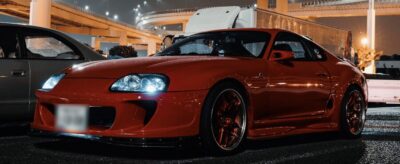
Tokyo Drift: Daikoku PA Supreme Car Experience 大黒PA
Our verdict →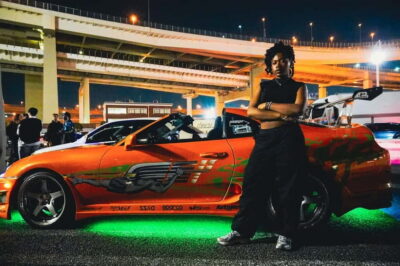
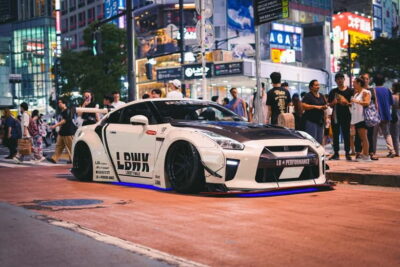
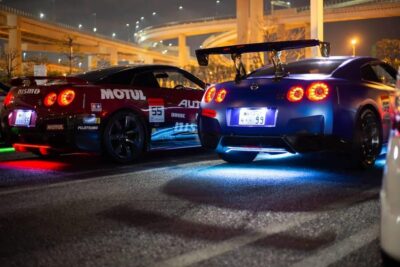
Tokyo JDM Night: 600hp C63s AMG Edition 1 (Private)
Our verdict →Browse the lists this tour appears in