
Reviewed · JDM & CAR MEETS
Best Price Daikoku Parking Tokyo Drift & APIT Car Meet Tour
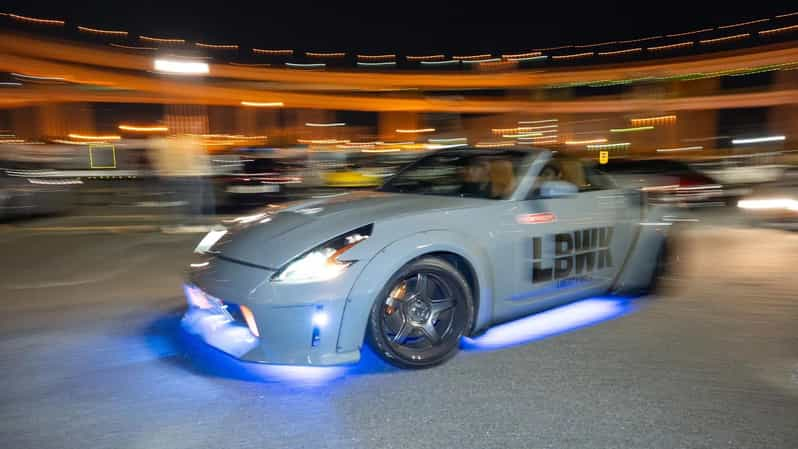
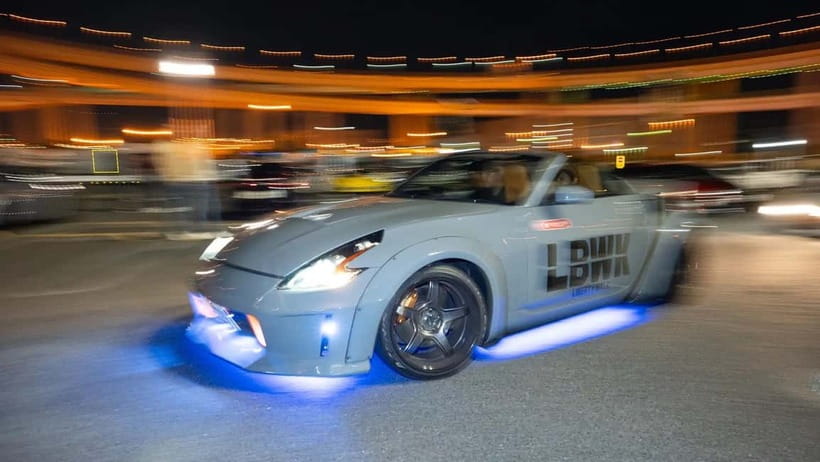
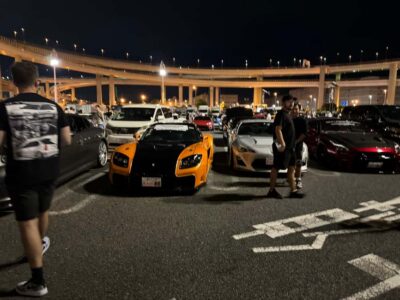
Tokyo’s Daikoku Parking area is not a normal sightseeing stop. It is a working rest area that, on the right night, turns into a rolling display of Japanese performance cars, tuned machines, and local car culture. This tour gives you a ride there with someone connected to that scene, rather than sending you off with a map and good luck.
I like the local Japanese guide and the chance to start at APIT, a huge auto store filled with parts, books, apparel, toys, and car gadgets. I also like the included pickup in a modified Lexus LS or Honda wagon, which matters because Daikoku is not a simple place to reach on your own. The main caution is that Daikoku’s car activity can vary, and the tour is canceled in heavy rain or snow.
Key points to know before booking
- APIT comes first: Browse one of Tokyo’s biggest car stores before heading to Daikoku Parking.
- Daikoku time is about one hour: Enough to see the scene, but not a long night of wandering.
- Toshi and Takeshi are named guides: Both are praised for friendly conversation, driving, and links to the local drift community.
- Pickup is flexible: The operator can collect you at your preferred pickup location, with transportation fees included.
- The ride is part of the experience: You may travel in a modified Lexus LS or a Honda wagon for larger groups.
- The skyline return is a bonus: The route passes Rainbow Bridge and Tokyo Tower.
Why Daikoku Parking matters to JDM fans
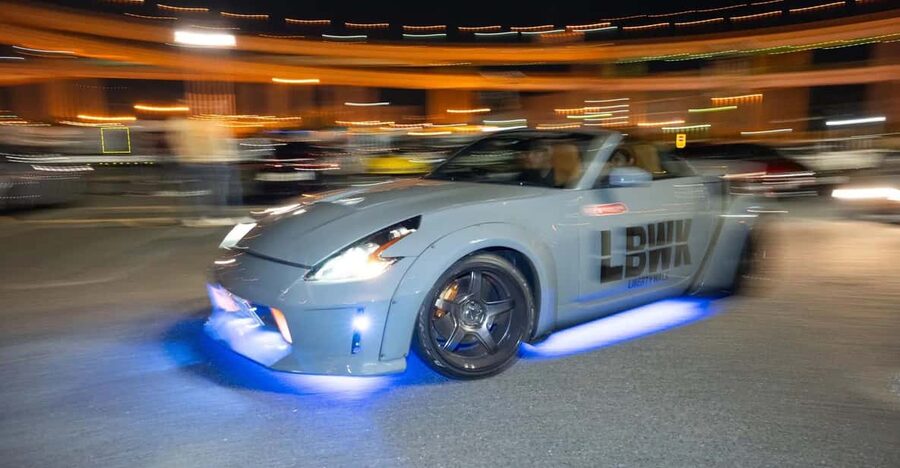
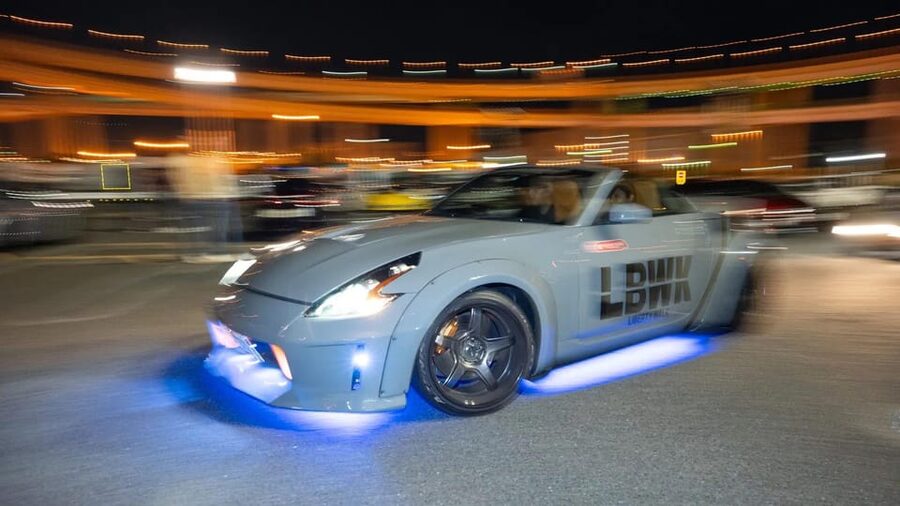
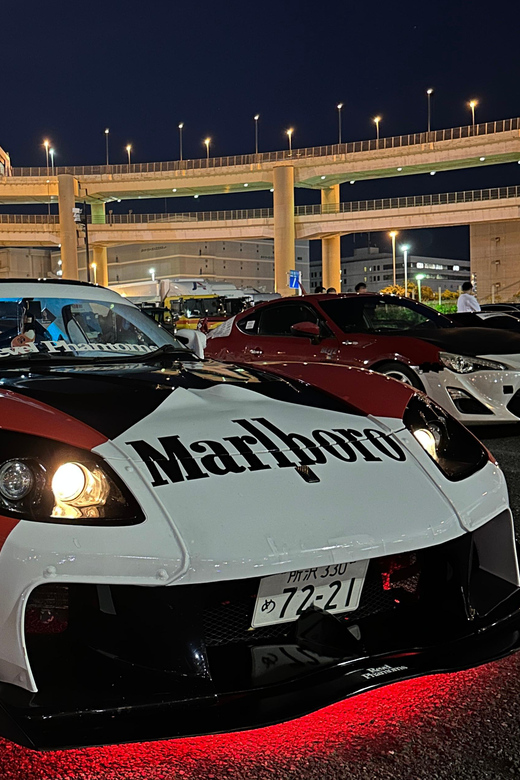
Daikoku Parking is a well-known meeting point for Japanese car culture in the Greater Tokyo Area. It has the feel of a roadside gathering place rather than a formal exhibition. That is important: you are not walking through a museum where every car has a label and a velvet rope. You are seeing cars arrive, park, leave, and mingle with the people who brought them.
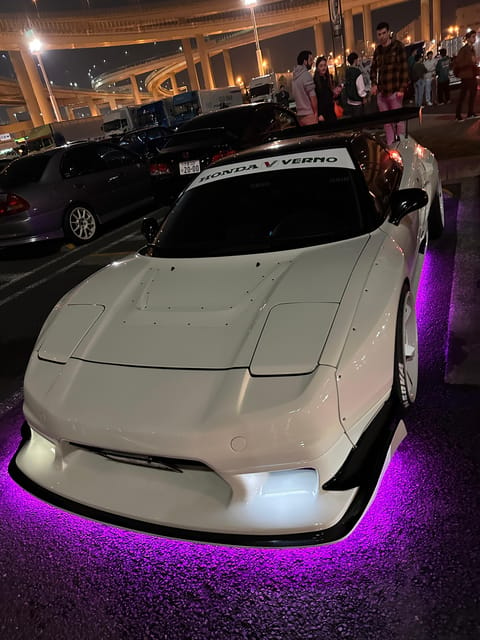
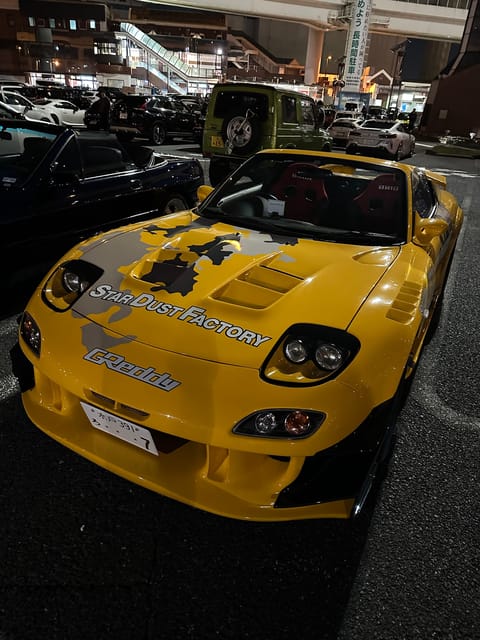
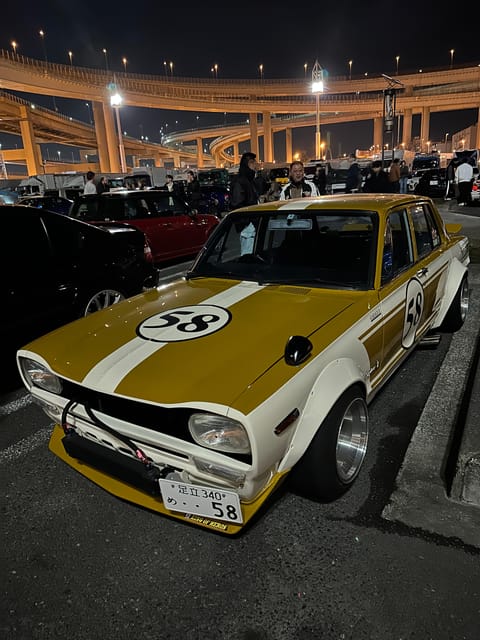
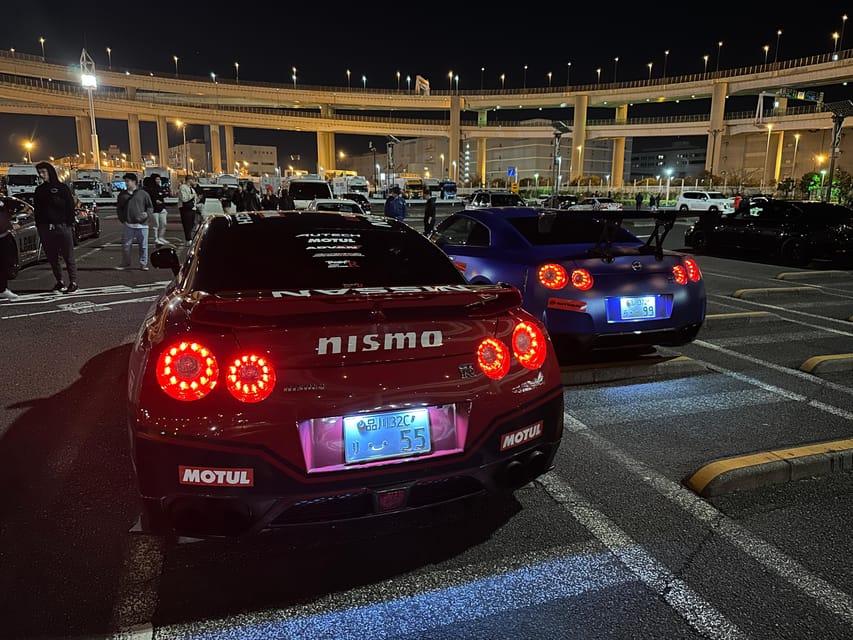
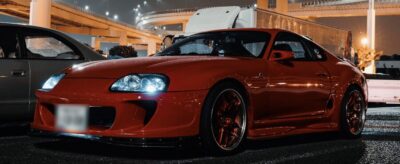
The appeal is the mix. You might find carefully built JDM cars beside ordinary street cars, modified vehicles, and machines that simply look interesting. The exact lineup is never guaranteed, which is part of the honest appeal. If you need a particular model or a staged show, this is not the right outing. If you want to see how car fans gather in Japan, it makes much more sense.
The tour presents Daikoku in the spirit of a Tokyo Drift scene, but you should keep your expectations sensible. This is a car meet, not a film set, and there is no promise of drifting or racing at the parking area. The supplied drift riding and driving lessons are separate offerings, not part of this package.
More JDM Car Tours in Tokyo:
- FAST&FURIOUS EXPERIENCE Tokyo Car Club membership
★ 4.7 · 1,145 reviews - GT-R35 800hp Club Membership – secret underground car meet
★ 4.8 · 998 reviews - Tokyo: Fast & Furious Tokyo Drift 3 Experience (Kaila Yu SP)
★ 4.8 · 947 reviews
Starting at APIT, Tokyo’s giant car store
The first major stop is APIT, described as the biggest auto store in the Tokyo area. It is a smart opening act because it gives you a clear look at the commercial side of Japanese car culture before you see the social side at Daikoku.
You can browse car parts, apparel, books, toys, gadgets, and other JDM-related goods. Even if you are not shopping, the range helps explain how broad the scene is. You are not limited to engine parts and racing equipment. The store also connects cars with design, clothing, collecting, and everyday enthusiasm.
I would give APIT your full attention if you enjoy browsing. One person in the group may want to inspect vehicle-related items while another looks at books or merchandise, so this stop works well for mixed groups. It is also a useful place to begin a conversation with your guide about what you are seeing.
The APIT stop has one practical limitation: the available time and exact pace are not specified. If you have a particular item in mind, ask your guide after booking how much time is planned. The tour is custom, so requests may be possible, but they are not guaranteed.
The ride to Daikoku in a modified Lexus LS
Transportation is one of the clearest reasons to consider this outing. Pickup and drop-off are included, and the operator says it can collect you at your preferred pickup location. The advertised vehicles are a modified Lexus LS or a Honda wagon for a larger group.
That changes the experience from a difficult logistics project into a guided evening. You do not have to work out the route to an industrial waterfront area, and you can spend the drive asking about Japanese cars, tuning, or the local drift community. Guides named Toshi and Takeshi have both been praised for punctuality, friendly conversation, and good driving.
The Lexus is also part of the theme. A modified luxury sedan makes a fitting shuttle for a JDM-focused outing, although the precise vehicle is not guaranteed. If several bookings are combined, you may be asked to share the ride with other people. That is worth knowing if you picture a completely private car and guide arrangement.
The tour is described as private, but the operator also notes that multiple bookings may lead to shared transportation. Ask about this point if privacy is especially important to you. The vehicle can also vary with group size.
One hour at the Daikoku car meet
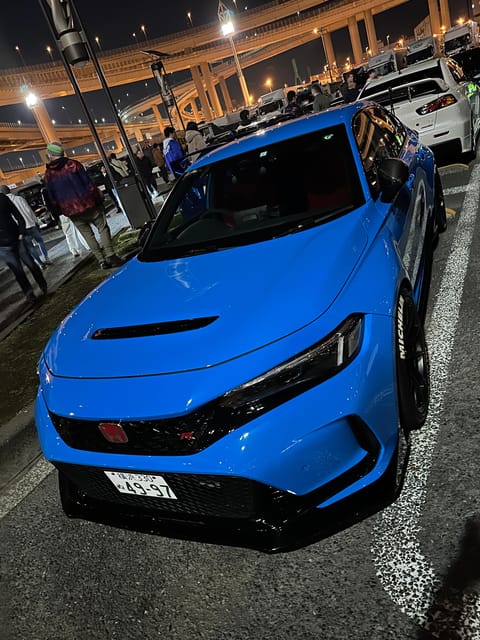
The scheduled visit to Daikoku lasts about one hour. That is enough for a focused look, photographs, and conversation, but it is not an all-night car-spotting session.
Your guide’s local connection is the central benefit here. A person from the Daikoku and drift community can help you understand what you are looking at and how the scene fits into Japanese car culture. Several people specifically valued the guide’s knowledge of the local community, the easy conversation, and the friendly atmosphere around the meeting.
Still, the cars are the unpredictable part. Some nights may bring a strong mix of JDM machinery, while another visit may feel quieter. The tour cannot promise a certain number of cars, a specific model, or a particular kind of build. The timing of your visit matters, but no exact schedule is supplied, so you should treat the stop as a chance to see the scene as it is that night.
That uncertainty is not a flaw for everyone. I prefer a real meeting place to a guaranteed display when the goal is local car culture. But if you are traveling a long way for one rare vehicle, this outing carries a natural risk.
A few more Tokyo half-days worth comparing
- 1-Day Tokyo Bus Tour
★ 5.0 · 14,250 reviews - Tokyo: TOKYO SKYTREE® Admission ticket
★ 4.5 · 11,192 reviews - Tokyo: teamLab Planets TOKYO Digital Art Museum Entry Ticket
★ 4.6 · 9,779 reviews - Tokyo: Sumo Show Experience with Chicken Hot Pot and a Photo
★ 4.8 · 6,678 reviews
Rainbow Bridge and Tokyo Tower on the way back
The return route passes Rainbow Bridge and Tokyo Tower. This gives the outing a second mood after the car meet. You begin with shelves of parts and merchandise, move to a parking area filled with car culture, then finish with some of Tokyo’s most recognizable city views.
The skyline portion is viewed from the vehicle, not presented as a separate sightseeing stop. That means you should not expect a long photo break or a walking tour. Even so, it is a pleasant way to end the ride, especially if you want something beyond cars during the evening.
I like this route because it gives a non-car enthusiast in your group a reason to come along. The experience remains firmly about JDM culture, but the city drive adds some general Tokyo interest. It also helps the tour feel like an outing across the city rather than a simple transfer to a parking lot.
What the $133 price gets you
At $133 per person, the value depends on how hard Daikoku would be for you to reach and how much you value a local guide. Transportation fees, pickup and drop-off, an English-speaking guide, the APIT visit, the Daikoku stop, and the return route are included.
For a committed car fan, the main value is access and context. You are not just paying for a ride. You are paying for an introduction to a local scene that can be difficult to understand from outside, plus transport in a themed vehicle and help communicating in English.
The price is less compelling if you only want to take a quick look at cars and do not care about APIT or the guide’s local connection. The Daikoku stop itself is only about one hour, and the selection of cars changes. A casual observer might find the cost high for a single parking-area visit.
The custom approach helps. You can tell the operator what you want to do after booking, and the guide may be able to shape the outing around your interests. The provided information does not promise every request, so treat customization as a conversation rather than a fixed menu.
The people who will get the most from this tour
This is a strong match for you if you follow JDM cars, Japanese tuning, drifting, or the wider car scene. It also suits someone who wants an English-speaking local rather than a generic sightseeing guide.
The outing can work for mixed groups, too. A partner or friend who is not a serious gearhead still gets APIT, the city drive, and skyline views. Just be honest about the focus: cars take center stage from the beginning.
The guides appear to be a major part of the experience. Toshi is described as kind, sociable, punctual, and a good driver. Takeshi is praised for his connection to the local car community, helpful handling of a booking problem, and ability to make the ride enjoyable. The information identifies both names, but it does not guarantee which guide you will receive.
You may also appreciate the tour if you are curious about drift culture but do not want to participate in a driving lesson. Matenro Drift Racing offers separate drift rides and lessons, so you can ask about those options if watching cars is not enough.
Weather, timing, and the small practical catches
The tour is canceled in heavy rain or snow. That makes sense for an outdoor parking-area visit, but it is worth keeping in mind when planning around a short stay in Tokyo. The activity is not weather-proof simply because the ride is in a car.
You can reserve now and pay later, and cancellation is allowed up to 24 hours in advance for a full refund. The tour is offered in English and Japanese. Transportation is included, but the precise pickup time, tour duration, and group size are not specified in the supplied details.
There is also an unusual location note to check carefully. The experience information labels the location as the Chugoku Region, while the actual itinerary describes Tokyo, Yokohama, APIT, Daikoku Parking, Rainbow Bridge, and Tokyo Tower. Confirm the pickup area and operating location with Matenro & Co. Inc. before paying, especially if you are staying outside Tokyo.
How to make the most of the outing
Tell the operator what matters to you after booking. If you want more time at APIT, particular interest in drift cars, or a discussion of local tuning culture, say so early. The tour is presented as custom, but the guide needs to know your priorities.
Keep your expectations flexible at Daikoku. Go to see the gathering, not to collect proof of one exact car. The strongest part of the experience is the combination of local access, transportation, and explanation.
If you are sharing the ride, be ready for a more social outing. That can be a plus for some people, but it is not the same as having a car and guide entirely to yourself. Larger groups may use a Honda wagon rather than the Lexus LS.
Should you book the Daikoku and APIT tour?
Book it if you want a local introduction to Tokyo’s JDM scene, value an English-speaking guide, and would rather have transportation handled than chase Daikoku on your own. The APIT stop, roughly one hour at Daikoku, and Tokyo skyline drive create a well-rounded car-themed outing.
Think twice if you need a guaranteed lineup, a long visit, or a formal drift performance. Daikoku is a real meeting place, so the night’s cars are never fully predictable. For the right person, that is exactly the point: you get a guided look at a living car community, not a polished display built for tourists.
FAQ
Where does this tour take place?
The itinerary covers APIT, Daikoku Parking in the Yokohama area, Rainbow Bridge, and Tokyo Tower. The experience information also lists the Chugoku Region, so confirm the exact operating and pickup location before booking.
How much does the tour cost?
The listed price is $133 per person.
What is included in the price?
Pickup and drop-off, transportation fees, an English-speaking local guide, the APIT visit, the Daikoku Parking visit, and the return route past Rainbow Bridge are included.
What vehicles are used for transportation?
Pickup is provided in a modified Lexus LS or a similar vehicle. A Honda wagon may be used for larger groups.
How long do you spend at Daikoku Parking?
The planned time at Daikoku Parking is about one hour.
Is the tour available in English?
Yes. The tour is offered in English and Japanese, with a fluent English-speaking local guide.
Can I cancel the booking?
You can cancel up to 24 hours in advance for a full refund. The tour is also canceled in heavy rain or snow.
Just added around Tokyo
- Kawagoe Japanese Food Tour : Unagi Kaiseki and Sake near Tokyo★ 5.0 · 30 reviews
- Kawagoe 4hr Private Tour with Licensed Guide (Kawagoe Dep)★ 5.0 · 13 reviews
- Little EDO Sushi Making workshop in Kawagoe★ 5.0 · 18 reviews
- 【R34】Tokyo:Private Daikoku tour in Modified R34★ 4.9 · 92 reviews
- :Tokyo,Shibuya/ Pro Photography in Kimono / English-Friendly★ 5.0 · 26 reviews
- Tokyo:Celebrate Unique Japanese New Year Tradition Festivity★ 3.9 · 20 reviews
- Tokyo: Allstar Food Tour★ 4.7 · 29 reviews
- Tokyo: West-Side Cycling and Food Tour with Guide★ 5.0 · 37 reviews
JDM & Car Meets, compared.
FAST&FURIOUS EXPERIENCE Tokyo Car Club membership
Our verdict →
Tokyo Drift: Daikoku PA Supreme Car Experience 大黒PA
Our verdict →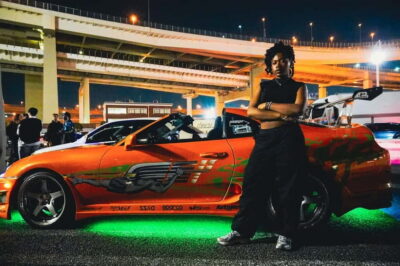
Tokyo JDM Night: 600hp C63s AMG Edition 1 (Private)
Our verdict →Browse the lists this tour appears in