

Reviewed · SAKE TASTING
Kobe: 3-Hour Sake Breweries Tour with Special Tasting
Kobe’s Nada Gogo district is one of Japan’s best places to understand sake beyond the bottle. In three hours, you visit three breweries, see how old methods fit alongside modern production, and taste enough varieties to notice how rice polishing and brewing choices change the final drink. I especially like the mix of large, established breweries and smaller local producers whose bottles may not be easy to find in shops.
I also like the guides’ personal touch. Chiyuki, Kaito, Max, Atsuko, and others have explained brewing, local history, Japanese sayings, and the area’s traditions in clear, friendly ways. The main drawback is practical: you walk between breweries, and hot weather can make the route tiring. At about $94, this is a good value if you want context and guided tastings, but less so if you only want a quick drink.
Key points to know before booking
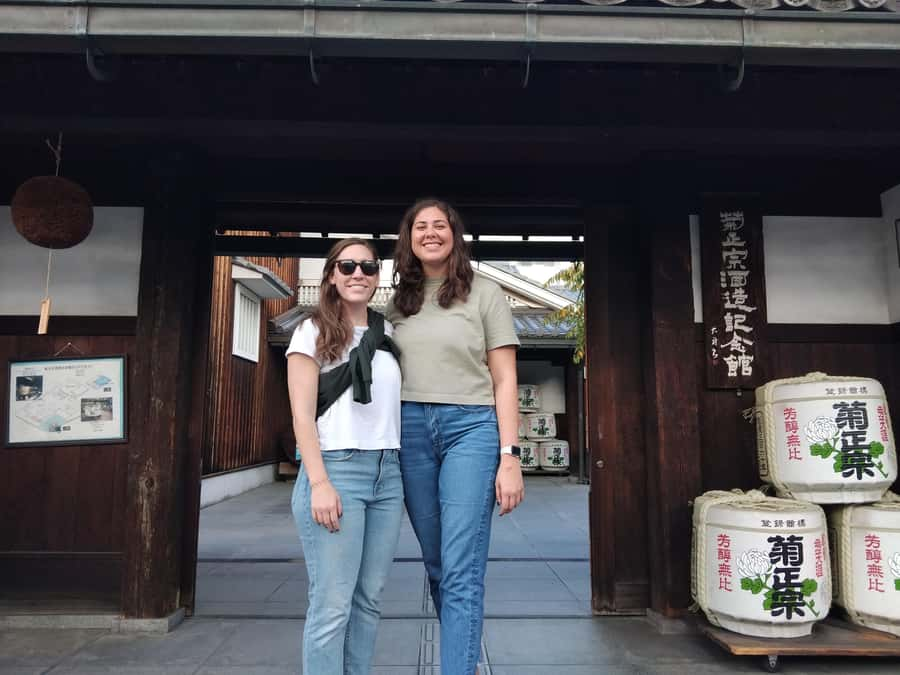
- Three breweries in one short route: You compare different approaches instead of seeing only one sake museum or tasting room.
- Traditional and modern brewing: The tour covers older production methods, present-day equipment, rice polishing, and fermentation.
- Tastings are built into the experience: Up to 1,000 yen per brewery is covered for tasting fees.
- Guides add more than translation: Chiyuki, Kaito, Max, Kaito, Atsuko, Naoke, and others have brought local stories, technical detail, and humor to the walk.
- Expect a walking tour: You meet at Hanshin Uozaki Station and return there after visiting the breweries.
- A strong choice for sake beginners: You can taste several styles while learning what makes them different, rather than guessing from labels.
Why Nada Gogo is the right place to learn about sake
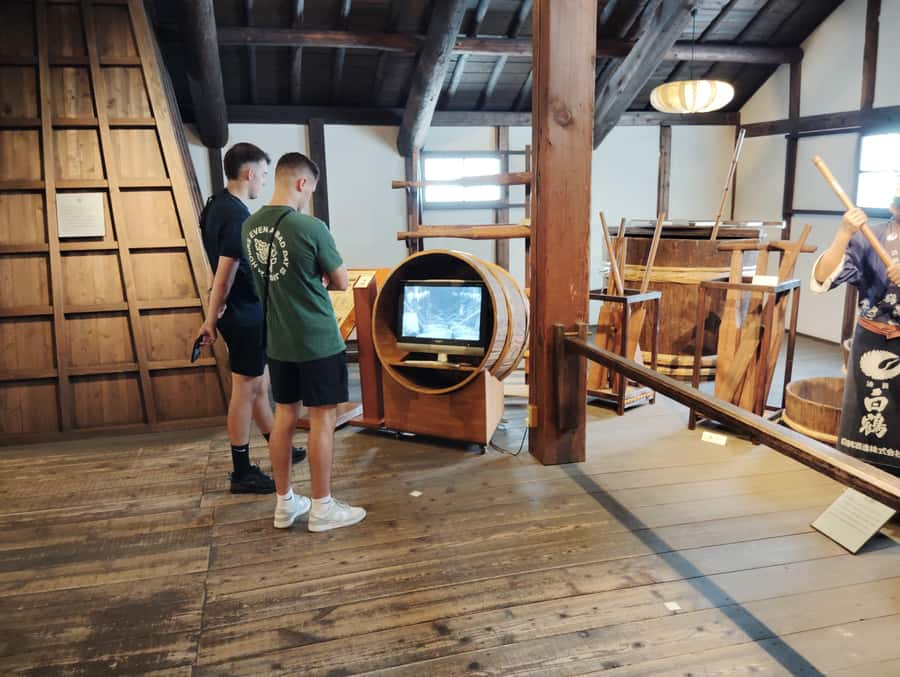
Nada Gogo is a major sake-producing area in Kobe, and its importance gives this tour a useful sense of place. You are not simply tasting Japanese alcohol in a generic bar. You are visiting a district shaped by brewing, trade, local customs, and the steady work of producers who have made sake here for generations.
That setting matters because sake can seem mysterious when you first encounter it. Labels use unfamiliar terms, and the range runs from light and dry to fragrant, full-bodied, sweet, or highly polished. Seeing the breweries helps connect those differences to the process.
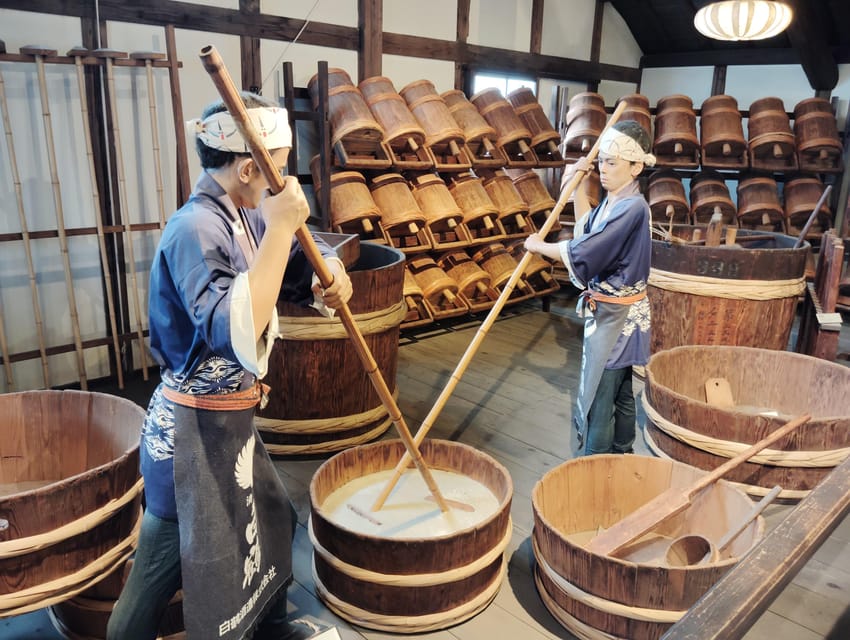
The tour explains the main stages, including rice selection, rice polishing, fermentation, and the handling of the finished drink. You also learn how production has changed. Older techniques are presented alongside modern equipment and more efficient methods, giving you a clearer idea of what has been preserved and what has been adapted.
I like this approach because it avoids treating tradition as a museum piece. Sake brewing is both an old craft and a working industry. Nada Gogo lets you see both sides within a single outing.
More Sake Tastings in Kobe:
- KOBE Sake Tasting Tour at Breweries (tasting fee included)
★ 5.0 · 154 reviews - Kobe: Guided Sake Breweries Tour with Tastings
★ 5.0 · 55 reviews - Sake Brewery and Japanese Life Experience Tour in Kobe
★ 5.0 · 39 reviews
Meeting at Uozaki Station and setting the pace
Your guide meets you in front of the ticket gate at Hanshin Uozaki Station, holding a yellow DeepExperience sign. That is a useful arrangement in a busy Japanese rail network, since you do not need to search for a brewery entrance or guess which street to take.
The activity lasts three hours and finishes back at the same meeting point. You should plan on walking between the breweries rather than riding from door to door. That makes the experience feel more connected to the district, but it also means comfortable shoes are important.
The pace can be fairly brisk. You visit three breweries, hear explanations, and make time for tastings in a limited window. If you prefer a long, slow tasting at one producer, this may feel hurried. If you want to make good use of a spare morning or afternoon in Kobe, the compact schedule works well.
Weather is worth considering. The route can feel demanding in very hot conditions, especially during the walk between stops. One guide even bought ice cream for the group during a particularly hot outing, but you should still arrive ready for outdoor walking and bring water.
The first brewery: start with the brewing story
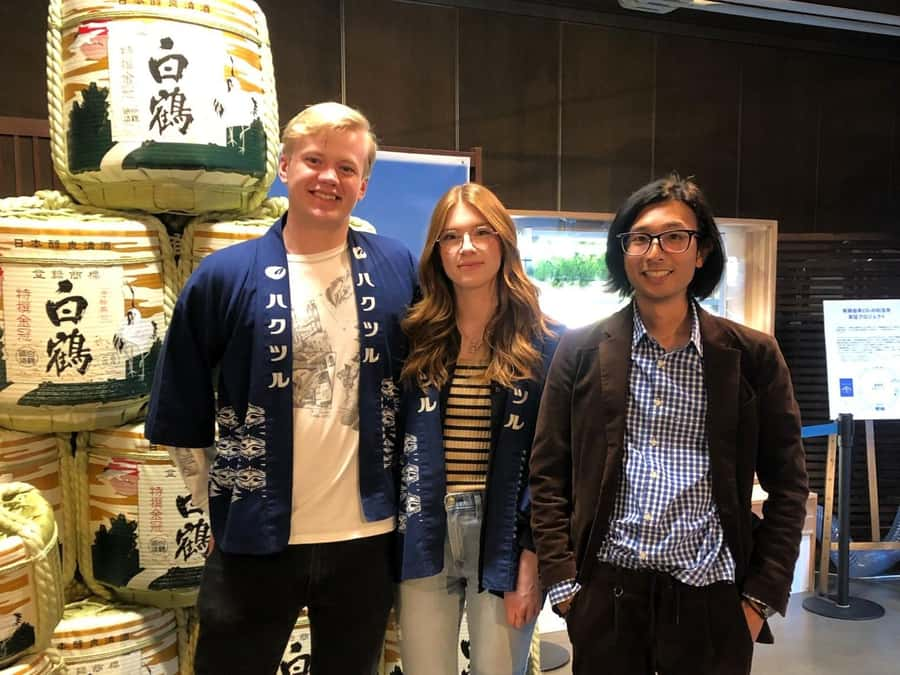
The opening stop introduces the basic craft. You can expect an explanation of how rice is prepared for sake and why polishing matters. Rice used for brewing is polished to remove outer layers, and the degree of polishing affects the style and price of the finished sake.
This is one of the most useful lessons on the tour. You may already know that some sake is described by how much the rice has been polished, but seeing the idea explained at a brewery gives it practical meaning. You begin to understand why two bottles made from the same broad ingredient can taste and cost quite differently.
The guides also cover fermentation, which is central to sake’s character. Rather than presenting brewing as a single secret formula, they show how several careful steps shape the result. That helps you taste with more purpose later.
The exact order and brewery names can vary, but the experience has included major producers such as Hakutsuru, Kikumasamune, and Hamafukutsuru. Each offers a different window onto Nada Gogo’s brewing culture.
Hakutsuru and the scale of a major producer
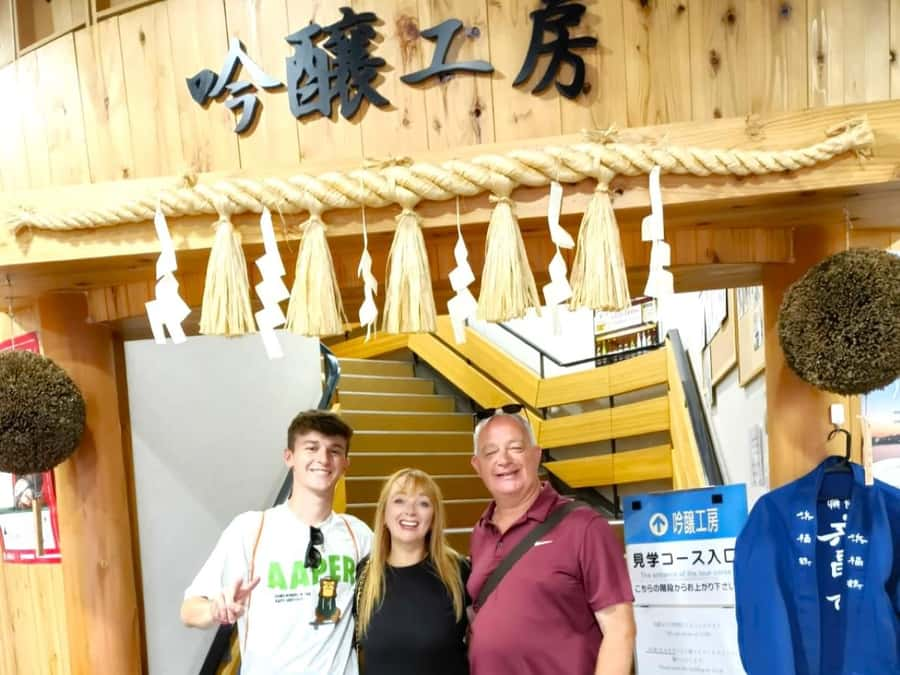
Hakutsuru is the sort of stop that helps you understand the scale and reach of the sake business. It is a well-known producer, and a visit here gives the tour a strong contrast with smaller local breweries.
You may see how traditional ideas are presented within a larger, more organized production setting. That contrast is valuable. Large producers can preserve established methods while also using modern systems to make sake consistently and distribute it widely.
The tasting here gives you a chance to connect the explanation with the glass in front of you. Try to notice the differences in aroma, sweetness, dryness, and texture rather than rushing through the samples. You do not need a trained palate. Your guide can help you put simple words to what you are noticing.
For many people, Hakutsuru will be the easiest name to recognize. That makes it a useful reference point when you later encounter bottles from smaller producers. You can compare a familiar, widely distributed label with sake that has a more local presence.
More Sake Breweries in Kobe:
- Exploring Nada Sake Breweries Kobe Private Tour with Government-Licensed Guide
★ 5.0 · 17 reviews - 3-Hour Kyoto Insider Sake Brewery Tour with Tastings & Pairings
★ 5.0 · 917 reviews - Arashiyama Bamboo, Temple, Monkeys, or Secret Sake Brewery
★ 4.8 · 886 reviews - Kyoto: Insider Sake Brewery Tour with Sake and Food Pairing
★ 5.0 · 704 reviews
Kikumasamune and the older craft
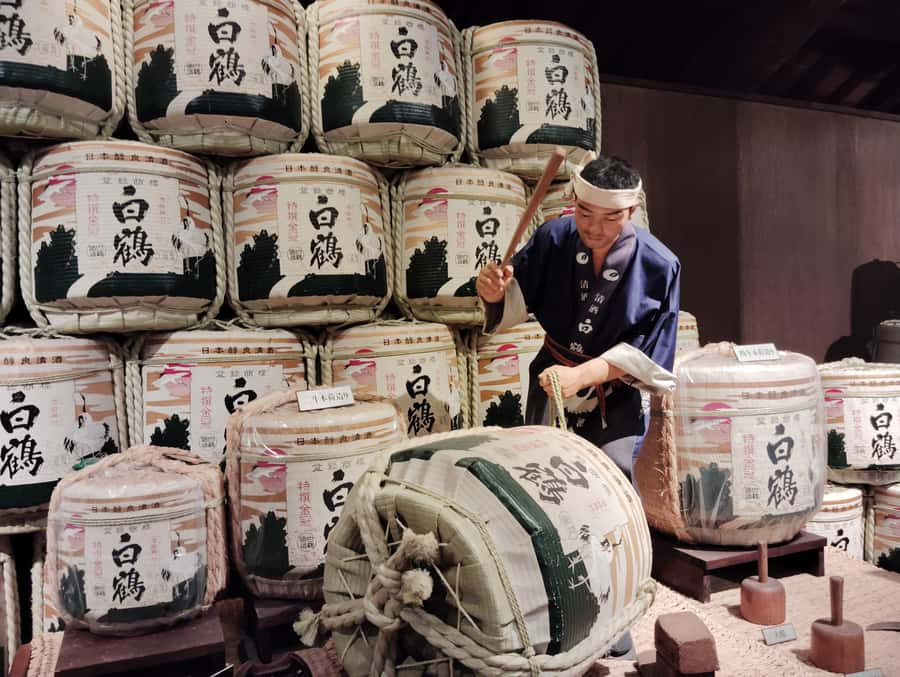
Kikumasamune adds another layer to the story. The brewery is associated with long-standing sake production, so this stop helps explain how the craft was handled before modern systems changed the work.
The historical side is not just decoration. It shows how much labor and care went into preparing rice, managing fermentation, and maintaining the right conditions. You gain a better sense of why sake was such an important local product and why brewing traditions were passed from one generation to the next.
A guide such as Chiyuki can make this section especially useful by connecting the technical details to Japanese culture and the surrounding area. Her style has included clear explanations, a well-judged pace, and a light sense of humor. That combination matters when the subject becomes technical.
You may also hear about the working tools and methods used in earlier periods. Some visitors find the older process more memorable than the modern machinery because it makes the human effort visible. Others prefer the comparison between old and new. Either way, the value comes from seeing that today’s sake is part of a long chain rather than an isolated product.
Hamafukutsuru and the smaller-producer contrast
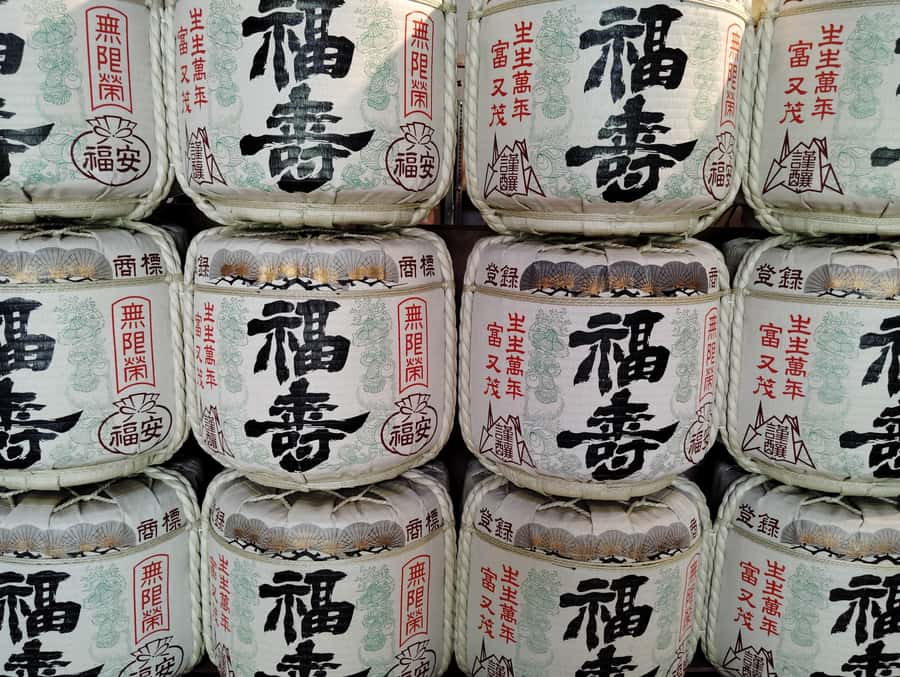
Hamafukutsuru brings a different feel to the route. Smaller local breweries can show you sake that is less familiar outside the area, and some bottles may not be widely available in ordinary shops.
That is one of the strongest reasons to take this tour rather than rely on a department-store tasting counter. A shop can offer choice, but it cannot always explain where the sake comes from, how it was made, or why one producer favors a certain style.
The local stop also gives the guide room to discuss the relationship between place and production. You learn how a brewery’s methods and priorities affect the sake it makes. The point is not that one producer is automatically better than another. The point is that variety is part of the pleasure.
If you are hoping to buy a bottle afterward, ask your guide for advice on what you tasted. The experience is designed to help you recognize styles you like, even if you cannot find every bottle outside Nada Gogo.
Tasting several sake styles without getting lost
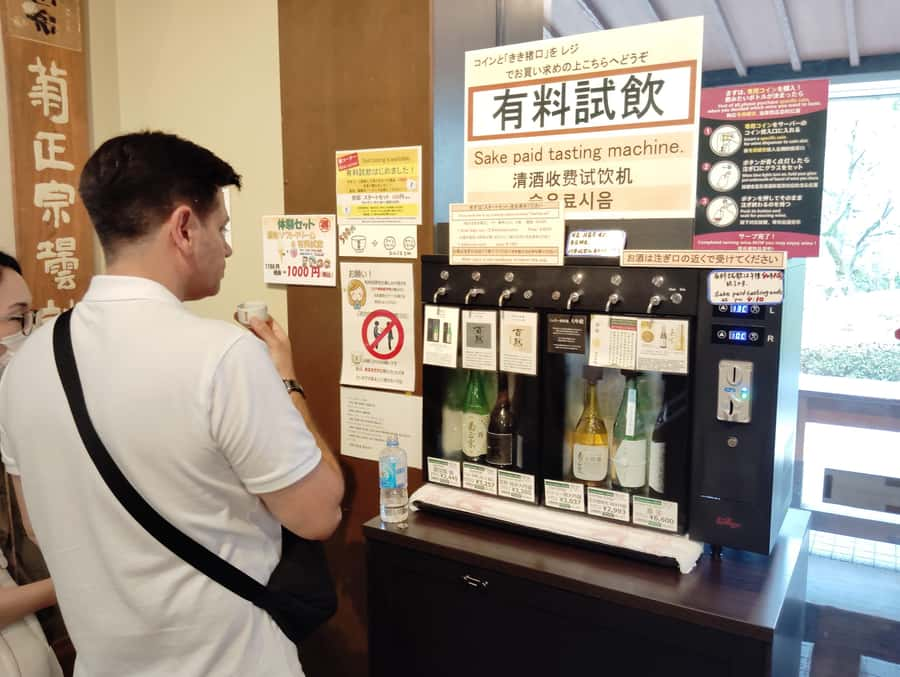
The tasting is not an afterthought. You try a range of sake across the three stops, with up to 1,000 yen per brewery allowed for tasting fees. That inclusion improves the value, since you are not paying separately every time a producer offers a sample.
Your guide should help you pace yourself and compare what you taste. Start with broad impressions: Is it dry or sweet? Light or full? Fragrant or restrained? Smooth, sharp, or rounded? You do not need specialized vocabulary to enjoy the exercise.
The range is important. A single sample can leave you thinking sake has one fixed flavor. Several samples show the opposite. Rice polishing, fermentation choices, producer style, and serving differences all affect the glass.
This is also where a guide makes the largest difference. Chiyuki, Kaito, Max, Naoke, and Atsuko have all been described as friendly and good at adjusting explanations to the group. Kaito has used note cards and Japanese sayings, while other guides have added local history and practical brewing detail. You get more from the tasting when someone explains what to look for.
Drink thoughtfully, especially if you are visiting in hot weather. Three brewery stops and a walk between them can add up. The point is comparison, not seeing how much you can consume.
What the guides add to the experience
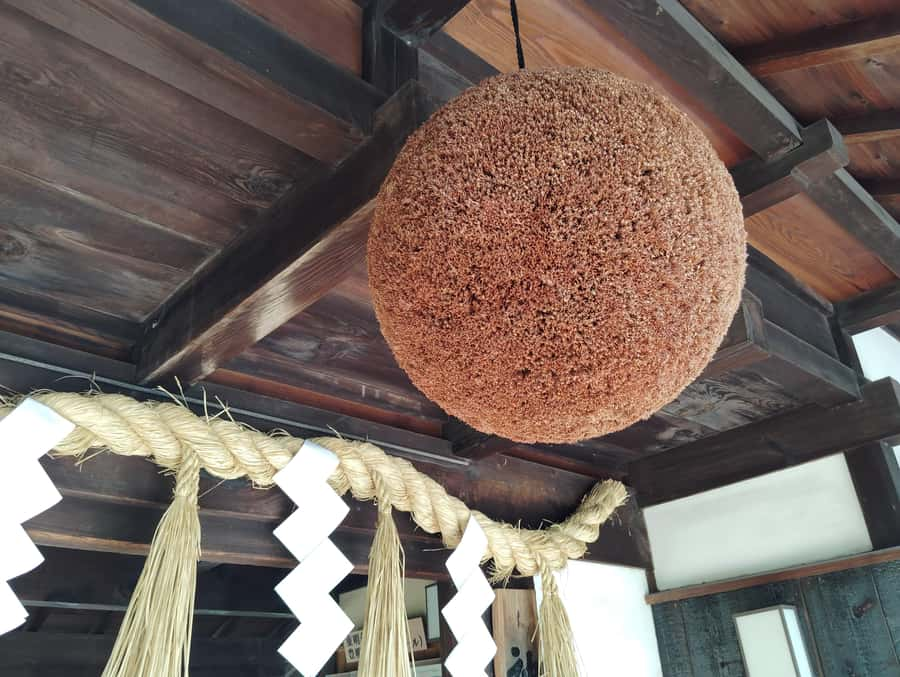
The guide is the main reason this tour offers more than a self-guided brewery visit. The breweries provide the setting, but the guide connects the technical facts, cultural background, and tasting notes.
English and Japanese are available. The quality of the experience will depend partly on which guide leads your group, but the named guides have brought different strengths. Kaito has been warm and attentive, including a thoughtful gesture for a traveler’s sick daughter. Max has focused on the history of sake. Chiyuki has combined technical explanations with an easy manner and good pacing.
Naoke has also been praised for making the time both informative and enjoyable. Atsuko kept a group going during intense heat with humor and practical kindness. Those details tell you what to expect from the tone: this is not a stiff lecture.
You can also ask questions as you go. If you are curious about rice polishing, production methods, local traditions, or Japanese phrases, this is the time to ask. A guide can give meaning to details you would otherwise walk past.
Price, value, and who should book
At $94 per person, this is not the cheapest way to taste sake in Kobe. You are paying for a guide, three brewery visits, organized tastings, interpretation, and the time saved by having someone structure the route.
I think the price is fair for a visitor who wants to understand what they are drinking. The included tasting allowance, up to 1,000 yen per brewery, helps. The strongest value comes from the access to several different producers in one outing and from the guide’s explanations.
The tour suits:
- First-time sake drinkers who want a clear introduction
- People interested in Japanese food and drink traditions
- Couples, friends, and families with adult children
- Visitors who prefer local producers and working cultural sites to a generic tasting bar
- Anyone who wants a compact Kobe activity near a train station
It may not suit you if you dislike walking, have only a taste for one specific sake style, or want a private, slow-paced brewery visit. The three-hour format is focused and active. Hot weather can make it harder, too.
You should also remember that the tour returns to Hanshin Uozaki Station. That makes the start and finish simple, but it is not a city-center walking tour that begins and ends at a major Kobe landmark.
Should you book the Nada Gogo sake tour?
I would book this if you want more than a few samples and need help making sense of sake. The combination of three breweries, included tastings, local history, and friendly English-speaking guides gives you a useful introduction to Nada Gogo.
Book it especially if you enjoy food culture and like meeting a place through its working traditions. You will come away with a better idea of how rice polishing and fermentation affect taste, plus a clearer sense of which styles you want to seek out later.
Skip it if you want a short indoor tasting with no walking. For everyone else, the tour offers a practical and enjoyable look at one of Kobe’s most distinctive local industries. Reserve ahead if the timing suits you, and use the flexible cancellation policy, which allows a full refund up to 24 hours before the activity.
FAQ
Where does the sake brewery tour start?
The tour starts in front of the Hanshin Uozaki Station ticket gate. Your guide will hold a yellow sign with the DeepExperience logo.
Where does the tour finish?
The activity ends back at the same meeting point at Hanshin Uozaki Station.
How long does the tour last?
The tour lasts three hours.
How many breweries do you visit?
You visit three breweries in the Nada Gogo sake district.
Are tasting fees included?
Yes. The guide fee is included, along with up to 1,000 yen per brewery for tasting fees.
What languages are available?
The tour is available in English and Japanese.
More Food & Drink in Kobe
- Tokyo: Shinjuku Food Tour (13 Dishes at 4 Local Eateries)
★ 5.0 · 6,603 reviews - Tokyo Tsukiji Fish Market Food and Culture Walking Tour
★ 5.0 · 3,184 reviews - Osaka: Shinsekai Food Tour with 13-15 Dishes at 5 Eateries
★ 4.8 · 2,204 reviews - Osaka Food Tour: 13 Dishes at 5 Local Eateries
★ 5.0 · 2,149 reviews
More Drinking Tours in Kobe
- 1-Day Kobe Highlights Tour including Sake Tasting
★ 4.5 · 28 reviews - Tokyo Bar Hopping Tour in Shinjuku (All-You-Can-Drink + Dinner)
★ 5.0 · 3,587 reviews - Best of Shinjuku: Izakaya Food Tour (4 Stops, 14+ Tastings)
★ 5.0 · 1,863 reviews - Tokyo: Shinjuku Local Bar and Izakaya Guided Walking Tour
★ 4.9 · 1,794 reviews
Just added around Kobe
- Exploring Nada Sake Breweries Kobe Private Tour with Government-Licensed Guide★ 5.0 · 17 reviews
- Cruise Stop-Over: Private Custom Day trip to Kyoto from Kobe Port★ 4.5 · 12 reviews
- KOBE, SHIOYA, a quaint fishing town walking tour★ 5.0 · 19 reviews
- Private Shore Excursion Kobe Port – Best of Kobe with a local★ 5.0 · 19 reviews
- Kobe : Private Custom Tour (Excursion to Osaka / Kyoto possible)★ 4.5 · 12 reviews
- Kobe Half Day Tour – Private & Personalized with a Local Guide★ 4.5 · 18 reviews
- Kyoto Full Day Tour from Kobe with Licensed Guide and Vehicle★ 4.5 · 19 reviews
- Kobe: Private Tour – Excursion to Osaka / Kyoto possible★ 4.7 · 27 reviews
Sake Tasting, compared.
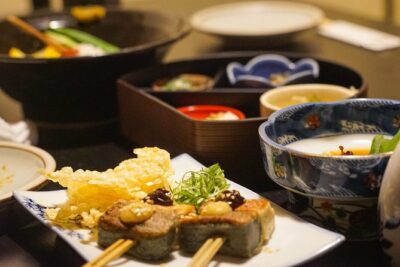
Kyoto Night Foodie Tour in Gion (9+ dishes + 6 Sake tastings)
Our verdict →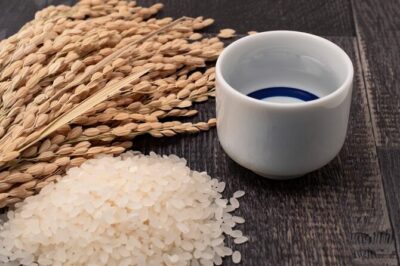
1-Day Snow Monkeys, Zenko-ji Temple & Sake in Nagano
Our verdict →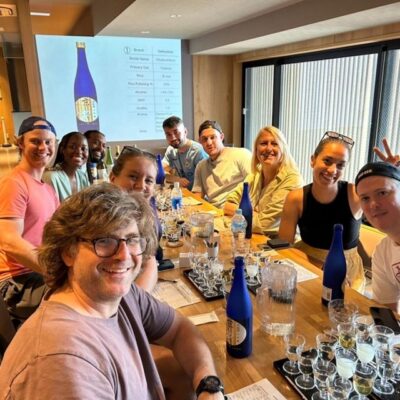
Insider Sake Brewery Tour with Sake and Food Pairing
Our verdict →
Sake Tasting Masterclass in Shinjuku (8+ Varieties with a Pro)
Our verdict →
Browse the lists this tour appears in