
Reviewed · KOBE TOURS
Kobe Half Day Tour – Private & Personalized with a Local Guide
Kobe is best understood through its contrasts: a quiet Shinto shrine, lively Nankinmachi, foreign-style homes on the Kitano hills, and a memorial to the earthquake that changed the city. This private walking tour lets you choose which side of Kobe matters most to you.
I like the personal planning, which begins with a questionnaire and direct contact with your host. I also like the flexibility. Guides such as Angelica have used public transport to fit more into a short visit, while Hiro adjusted a route for a parent with limited mobility. The drawback is clear: at $105.82 per person, the tour can feel costly if your guide simply leads you through places you could reach on your own.
Key points to know before booking
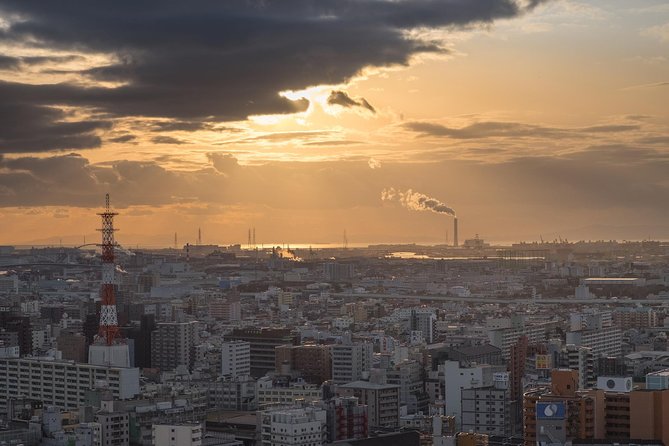
- A route built around your interests: Focus on food, history, gardens, local culture, shopping, or scenic views.
- Private time with one local host: Only your group takes part, so the pace and conversation can be adjusted.
- A flexible 3 to 4 hours: You can discuss the route before the day and make changes along the way.
- Kobe’s best mix of old and new: Possible stops include Ikuta Shrine, Nankinmachi, Kitano, Sorakuen, and the earthquake memorial.
- Walking comes first: Public transport or taxis may be used, but you pay those costs separately.
- Good options for different abilities: A host can reduce walking or adapt the plan, but you should discuss your needs in advance.
A private introduction to Kobe, not a fixed sightseeing march
This experience works best as a personal introduction to Kobe rather than a standard checklist tour. You are matched with a local host after filling out a short online questionnaire. That gives you a chance to say what you care about before the meeting, such as food, architecture, Japanese gardens, local customs, or Kobe’s modern past.
The route is not locked into one script. You might spend the morning tasting snacks in Nankinmachi, then ride public transport toward the hills. Or you might favor shrines, gardens, and quiet streets. A host can also adjust the plan while you are out, which matters in a city where hills, shopping streets, and waterfront sights can quickly change the feel of a half-day.
The tour begins at the Kobe Information Center near Sannomiya. If you are staying in a central accommodation, pickup on foot may be possible. Ask about this before the day begins, since the published meeting point remains the Kobe Information Center and the activity ends there.
More Custom Private Tours in Kobe:
- Kobe Highlights & Hidden Gems: Private & Custom Tour with a Guide
★ 4.5 · 70 reviews - Kobe : Private Custom Tour (Excursion to Osaka / Kyoto possible)
★ 4.5 · 12 reviews - Tokyo Customized Private Tour (Must See Places in 1 Day)
★ 5.0 · 1,499 reviews
How the customization works in practice
The questionnaire is more important than it may first appear. A private tour only earns its price when the host knows how to use the time well. Tell the company if you want food rather than architecture, an easy pace rather than a long walk, or major sights rather than lesser-known corners.
You can also communicate directly with your host about plans and local suggestions. Guides have taken very different approaches. Hamu has been praised for clear English and strong cultural explanations. Angelica used public transport to fit several stops into a tight schedule and even added an extra hour. Hirotake combined city travel with the Nunobiki Botanical Herb Gardens and a cable car ride.
These examples show the upside of a private format: your guide is not trying to satisfy a busload of people with one route. Still, your experience depends on the match and on the planning. One guide may have years of local context, while another may be new to the work. If a particular subject matters to you, state it when you book.
Ikuta Shrine brings a quiet start
A common early stop is Ikuta Shrine, one of Kobe’s oldest and most respected Shinto shrines. Its city-center location makes it an easy way to begin without spending much of your limited time on transport.
The appeal is not only the shrine itself. Your host can explain how a Shinto shrine is used, what you are seeing in the grounds, and why the site matters to Kobe. For a first visit to Japan, this kind of explanation can make a short stop far more useful than walking through alone and taking a few photographs.
The grounds offer a calmer change from the streets around Sannomiya. If you want a slow cultural start, tell your host. If shrines are not your priority, the flexible format means this stop can be shortened or replaced.
Nankinmachi is the food stop
Nankinmachi, Kobe’s Chinatown, supplies the tour with its most immediate sensory hit. You can explore the narrow streets, watch the food stalls, and try local specialties such as steamed buns and ramen. Food costs are not included, so keep some money available if tasting is part of your plan.
This is where a local host can add real value. Instead of choosing at random, you can ask what fits your tastes, how much food to order, and which stops make sense within the time available. A host may also explain how Nankinmachi fits into Kobe’s wider international character.
The limitation is that food tours can become expensive if every snack is an extra purchase. You are paying for the guide’s time and context, not a meal package. If your budget is tight, decide in advance how much you want to sample.
A few more Kobe half-days worth comparing
- KOBE Sake Tasting Tour at Breweries (tasting fee included)
★ 5.0 · 154 reviews - Kobe 4hr Private Tour with Government-Licensed Guide
★ 5.0 · 59 reviews - Kobe: Guided Sake Breweries Tour with Tastings
★ 5.0 · 55 reviews - Nijigen No Mori:Naruto & Boruto Theme Park Entry Ticket
★ 4.5 · 53 reviews
The earthquake memorial adds weight to the visit
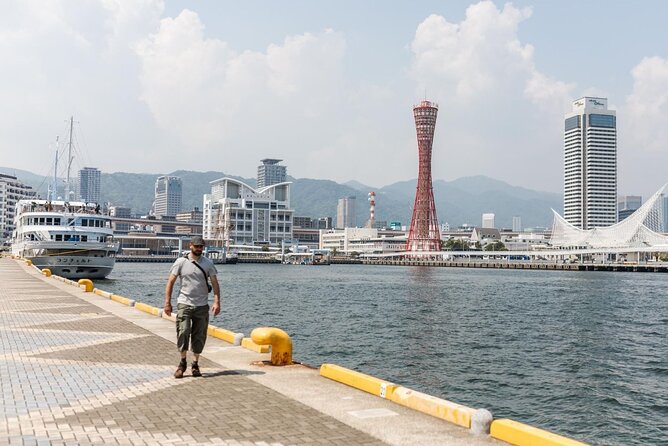
Kobe’s Great Hanshin Earthquake memorial preserves visible damage from the 1995 disaster. This stop gives the tour a serious turn and helps explain the city’s rebuilding and resilience.
A local perspective matters here. The host can discuss how the earthquake affected Kobe, how recovery unfolded, and how the event remains part of the city’s identity. This is not a light sightseeing stop, and it may not suit someone who wants only gardens and food. For many people, though, it provides the context that a quick look at modern Kobe would otherwise miss.
I would tell your host if you want more time here. The memorial is more meaningful when you are not rushing between attractions. The private setup makes that possible, but only if you make your preference known.
Kitano shows Kobe’s international side
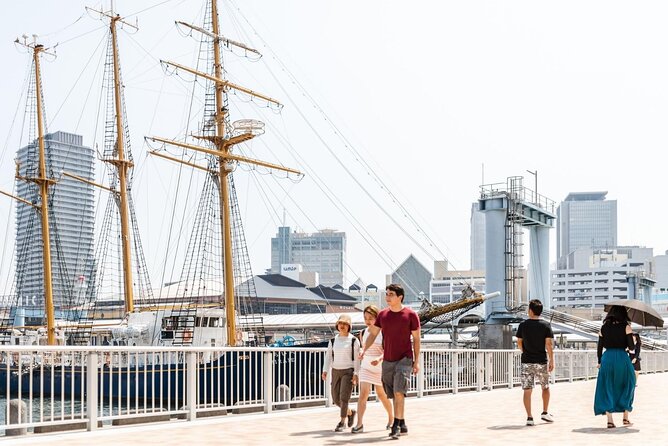
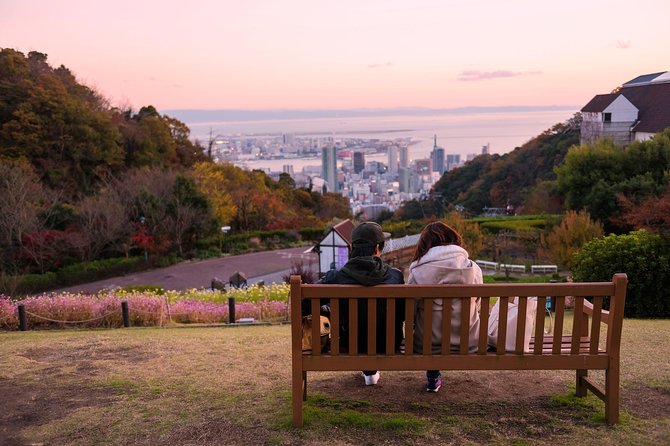
The Kitano district climbs the slopes above central Kobe and preserves Western-style residences from the former foreign settlement. Its architecture gives you a different picture of the city, one shaped by overseas trade and international residents.
The hills are the key practical point. Kitano is not the easiest choice for a group that wants flat walking, especially after a shrine, Chinatown, and other city stops. If you enjoy architecture, the climb may be worthwhile. If you have mobility concerns, ask your host to choose only the most important buildings or use transport to reduce the uphill work.
A guide can also help you decide which residences deserve your limited time. You may not need to visit every building to understand the district. The value lies in linking the houses to Kobe’s position as an international port, rather than treating them as isolated photo stops.
Sorakuen offers a calm finish
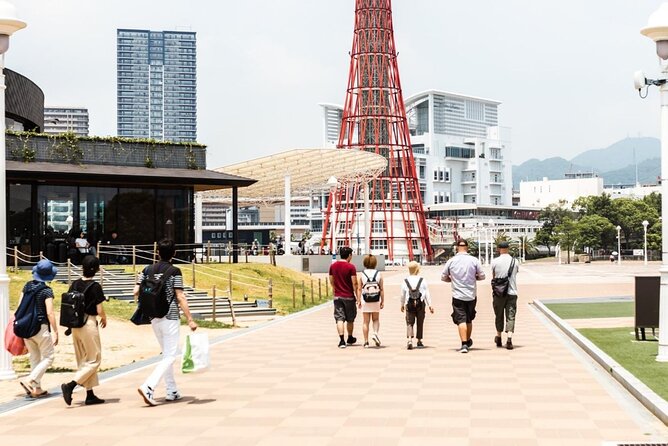
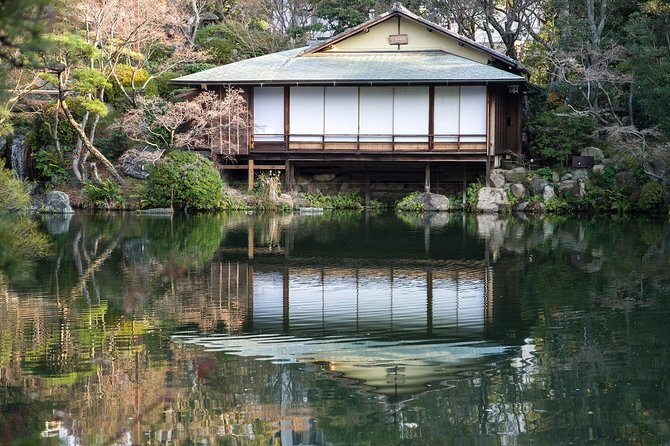
Sorakuen is a traditional Japanese garden in the city center, with seasonal flowers, a teahouse, and quiet views. It is a sensible ending because it gives you room to slow down after the streets of Nankinmachi and the slopes of Kitano.
Garden visits are especially dependent on season and personal taste. If you enjoy plants, design, and quiet places, Sorakuen may be the most restful part of the route. If you prefer markets and food, you may want to spend more time in Nankinmachi instead.
The garden is also a useful place to ask your host for final suggestions. Since the tour ends back at the meeting point, you can clarify how to reach another part of Kobe or what to see next. Admission is not included, so check the current entry cost with your host before adding it to the route.
Cable cars, botanical gardens, and extra possibilities
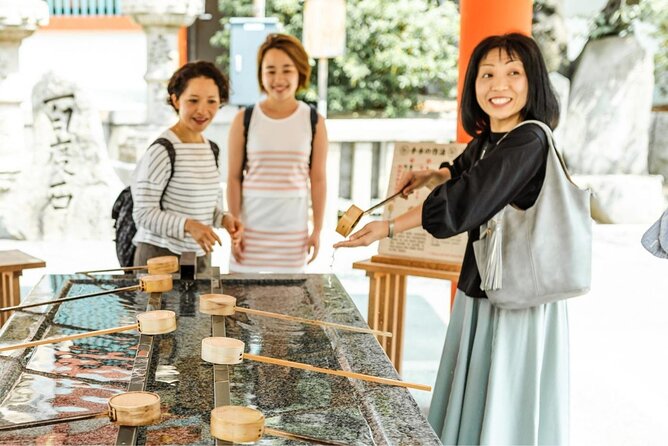
The listed route is only a framework. The experience can include other Kobe highlights when they match your interests and the time available. One route included a cable car ride, views from above, Nunobiki Botanical Herb Gardens, and a waterfall stop. That combination adds a scenic side to the city, but it also requires more careful timing and transport planning.
Hirotake helped one group move through the subway system and up into the hills for the botanical gardens. This is a good example of why the direct host contact matters. If you want a cable car, garden, or harbor activity, ask before the day so the plan does not become too ambitious.
Another customized outing included Chinatown, a Kobe harbor boat tour, and snacks, with less walking for a parent with mobility limitations. A boat ride and cable car are not guaranteed inclusions. They are examples of what may be possible when you state your priorities early and pay any required admission or transport costs.
What the $105.82 price really buys
At $105.82 per person, this is not a cheap way to get from one Kobe sight to another. Food, drinks, attraction tickets, taxis, and public transport are extra. The price makes the most sense for a small private group that values conversation, planning, and a route suited to its pace.
For two people, the cost buys privacy and a local point of contact. For a larger group, the per-person rate may feel more reasonable if everyone shares the same interests. Group discounts are offered, though the exact saving is not provided, so check before booking.
The price is harder to justify if you only want Ikuta Shrine, Nankinmachi, and a shopping area. Those places are reachable without a private host. The tour earns its keep when you need help choosing among Kobe’s many options, want cultural explanation, have limited time, or need a route adjusted for mobility.
One weak experience can happen when the walk feels like simple shopping and sightseeing without much added context. That risk is reduced by sending a detailed questionnaire and asking direct questions before the start.
Walking, transport, and pace
This is mainly a walking experience, not a private vehicle tour. Public transport or local taxis may be used to transfer between sites, and those costs are separate. If you want to cover the shrine, Chinatown, Kitano, a garden, and a distant scenic stop in three to four hours, transport becomes important.
You should also be realistic about the route. Kobe includes flat central streets, uphill Kitano roads, busy food areas, and quieter gardens. You cannot give every stop equal time in half a day. I would choose two main interests and one secondary interest rather than trying to collect every possible sight.
Most people can participate, and service animals are allowed. If someone in your group has limited mobility, mention it before the route is finalized. Hiro’s adaptation for a father who could not walk far shows that the format can work well, but a private vehicle is not included.
The guides can shape the whole experience
The strongest part of this tour is the host relationship. Hamu has been recognized for clear English and a strong grasp of local history and culture. Angelica showed flexibility with public transport and added time to make the schedule work. Hirotake handled city streets, subway travel, and the route to the botanical gardens. Hiro adjusted the plan around mobility needs.
Those examples also show why you should not book this as if it were a uniform, fixed product. The guide’s interests, experience, and communication style will influence the day. Ask for the kind of host you need, and use the pre-tour messages to make the plan specific.
You can request food, history, gardens, local culture, scenic spots, or less familiar areas. You can also explain that you want a gentle pace or fewer hills. The more precise you are, the better chance you have of receiving a useful route rather than a generic walk.
Who should book this Kobe tour
I would recommend it to first-time visitors with only half a day, couples who want a private pace, families with mixed interests, and anyone who wants help connecting Kobe’s sights to local life. It is also a good option for people who find planning Japanese transport tiring or who want a host to explain customs along the way.
It suits travelers who are willing to pay extra for personal attention. It is less suitable if you want a fully guided vehicle tour, a fixed list of included admissions, or a guaranteed cable car, harbor cruise, or botanical garden visit.
Free cancellation is available up to 24 hours before the start time. Changes or cancellations inside that window are not accepted, so make your plans carefully.
Should you book it?
Book this Kobe experience if you want a flexible local introduction and are prepared to shape the day yourself. Before paying, send clear requests: food or history, flat streets or hills, gardens or shopping, and the exact mobility needs of your group.
Skip it if you are comfortable planning a short self-guided route and do not need a guide’s explanations. At this price, the real value is not the number of sights. It is the private planning, local conversation, and ability to change direction when Kobe catches your interest.
FAQ
How long does the Kobe half-day tour last?
The experience lasts approximately 3 to 4 hours.
What is the price?
The listed price is $105.82 per person. Group discounts are offered, but the exact discount is not specified.
Is this a private tour?
Yes. Only your group participates in this private City Unscripted experience.
Where does the tour start?
The stated meeting point is the Kobe Information Center at 8 Chome-1 Kumoidori, Chuo Ward, Kobe, Hyogo 651-0096, Japan.
Can I be picked up at my accommodation?
Pickup on foot may be available if your accommodation is in a central area. Confirm this with your host.
What places can I visit?
Possible stops include Ikuta Shrine, Nankinmachi, the Great Hanshin Earthquake memorial, Kitano, and Sorakuen. The final route depends on your interests and the plan made with your host.
Is transportation included?
No. The tour is mainly on foot. Public transport or local taxis may be used, but those costs are extra.
Are food and attraction tickets included?
No. Food, drinks, and admission tickets are not included.
Can the tour be adapted for limited mobility?
Yes, the route can be adjusted to reduce walking. Discuss your needs with the host in advance. A private vehicle is not included.
Just added around Kobe
- Exploring Nada Sake Breweries Kobe Private Tour with Government-Licensed Guide★ 5.0 · 17 reviews
- Cruise Stop-Over: Private Custom Day trip to Kyoto from Kobe Port★ 4.5 · 12 reviews
- Kobe : Private Custom Tour (Excursion to Osaka / Kyoto possible)★ 4.5 · 12 reviews
- KOBE, SHIOYA, a quaint fishing town walking tour★ 5.0 · 19 reviews
- Private Shore Excursion Kobe Port – Best of Kobe with a local★ 5.0 · 19 reviews
- Kyoto Full Day Tour from Kobe with Licensed Guide and Vehicle★ 4.5 · 19 reviews
- Kobe: 3-Hour Sake Breweries Tour with Special Tasting★ 4.4 · 25 reviews
- Kobe: Private Tour – Excursion to Osaka / Kyoto possible★ 4.7 · 27 reviews
Kobe Tours, compared.

KOBE Sake Tasting Tour at Breweries (tasting fee included)
Our verdict →
Kobe Highlights & Hidden Gems: Private & Custom Tour with a Guide
Our verdict →
Nijigen No Mori:Naruto & Boruto Theme Park Entry Ticket
Our verdict →
Shore excursion: Full Day Private Kyoto Tour From Osaka/Kobe Port
Our verdict →
4-Hour Multicultural Kobe Walking Tour with Genuine Kobe Beef
Our verdict →
Browse the lists this tour appears in