
Reviewed · FISH MARKET TOURS
Awesome Private Tour: Tsukiji, Asakusa, Shinjuku, Shibuya
Tokyo is easiest to enjoy when someone helps you connect the dots. This private tour lets you choose between big-name sights such as Senso-ji and Shibuya Crossing or quieter districts such as Yanaka and Kichijoji. I especially like the flexible pacing and the chance to ask for help planning the rest of your stay.
I also like that the guide can turn a sightseeing walk into something useful, such as food advice at Tsukiji or a sensible lunch stop near Akihabara. The main drawback is value: at $116 per person, before trains, food, and admission fees, it costs more than a basic walking tour. The detailed route also lists more stops than one half-day can reasonably cover, so you should agree on priorities before setting out.
Key points to know before booking
- Choose two or three areas: The experience is designed around a focused selection, not every Tokyo district in one day.
- Start with your interests: Ask for food, temples, shopping, pop culture, architecture, or a mix of old and new Tokyo.
- Expect public transit: Subway and metro rides are part of the route, but you pay those fares yourself.
- Abu, Maruf, and Ayoub are named hosts: The experience is in English, and the guides can also help shape the rest of your Tokyo plans.
- The route can include Tsukiji and Asakusa: Food stalls, Senso-ji, Nakamise Street, and Ginza make a strong classic-Tokyo combination.
- Allow extra money and time: Meals, snacks, attraction tickets, and transportation are not included, and the available duration ranges from four to eight hours.
A private Tokyo day built around your priorities
This tour works best as a flexible framework rather than a fixed march through Tokyo. You begin in Tokyo, then work with your host to choose the parts of the city that fit your interests and available time.
The suggested neighborhoods cover a wide spread. Asakusa gives you temple gates, incense, souvenirs, and old downtown character. Shibuya offers Tokyo’s famous crossing and a dense mix of shops, food, and nightlife. Harajuku pairs Takeshita Street with the quiet grounds of Meiji Shrine. Ginza shifts the mood to department stores, polished streets, theaters, and high-end dining.
You can also ask for a less predictable day. Yanaka gives you narrow lanes, temples, and the small shops of Yanaka Ginza. Nakano suits manga and anime fans, especially around Nakano Broadway. Kichijoji offers Inokashira Park, a boating lake, cafes, vintage shops, and a slower pace.
That range is the tour’s real strength. Tokyo is not one single experience, and a private host can help you avoid spending the whole day in districts that do not match your taste. I would tell the guide your top two wishes and one thing you do not care about. That makes the four-hour version much more useful.
More Fish Market Walks in Tokyo:
- Tokyo Tsukiji Fish Market Food and Culture Walking Tour
★ 5.0 · 3,184 reviews - Tokyo: Tsukiji Fish Market Food and Walking tour
★ 5.0 · 1,724 reviews - Tokyo: Tsukiji Fish Market Guided Walking Tour
★ 4.9 · 1,397 reviews
Tsukiji Outer Market: a practical start for food lovers
The route begins at Tsukiji Outer Market, with about 30 minutes for a guided walk, photos, shopping, and sightseeing. This is a good opening stop because it gives you a quick introduction to Japanese food culture without requiring a formal meal.
You can look for snacks and market specialties, but the short time matters. If you want to eat several things, shop carefully, or ask many food questions, Tsukiji alone could use more than half an hour. Tell your host in advance if food is a main goal, since the market can easily become the center of your morning.
Abu received particular praise for food suggestions at Tsukiji. On one outing, his advice helped shape the meal choices, and he later directed the group toward a ramen place near Akihabara. That is the sort of help that can save you from choosing at random when every stall looks tempting.
Food costs are extra. The tour price does not cover snacks, drinks, or meals, so carry room in your budget for tasting as you go.
Tsukiji Hongan-ji and Ginza: temple calm beside polished Tokyo
A short five-minute walk brings you to Tsukiji Hongan-ji. The stop lasts about 15 minutes and includes time for a visit, photos, and an explanation from your guide.
This is a useful contrast with the market. You move from food stalls and shopping lanes into a religious setting, then continue on foot toward Ginza. The temple stop is brief, so treat it as an introduction rather than a long religious visit.
The route passes by Kabuki-za for about five minutes before reaching Ginza. Kabuki-za is a key visual marker in the district, even if you do not have time for a performance. The tour does not include a kabuki ticket, and the listed stop is a pass-by rather than a performance visit.
Ginza itself receives about 15 minutes for photos, shopping, and sightseeing. That is enough to get a feel for the district, but not enough for serious shopping or a meal. If luxury stores, architecture, or Kabuki-za matter to you, ask for more time here and accept fewer stops elsewhere.
I would choose Ginza when you want to see Tokyo’s polished, expensive side. I would skip it in favor of Yanaka or Kichijoji if your main interest is local neighborhood life.
Asakusa, Nakamise Street, and Senso-ji
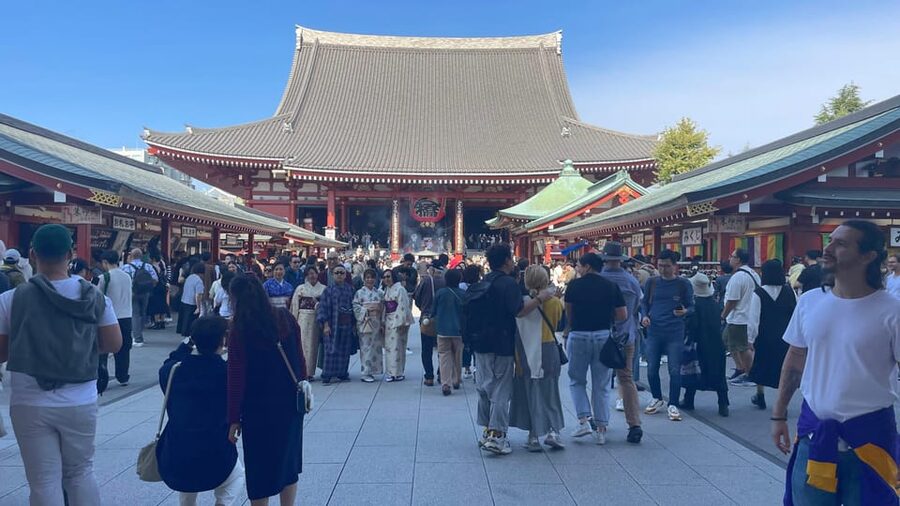
The route continues by subway or metro to Asakusa. Nakamise Shopping Street gets about 20 minutes, followed by roughly 30 minutes at Senso-ji Temple.
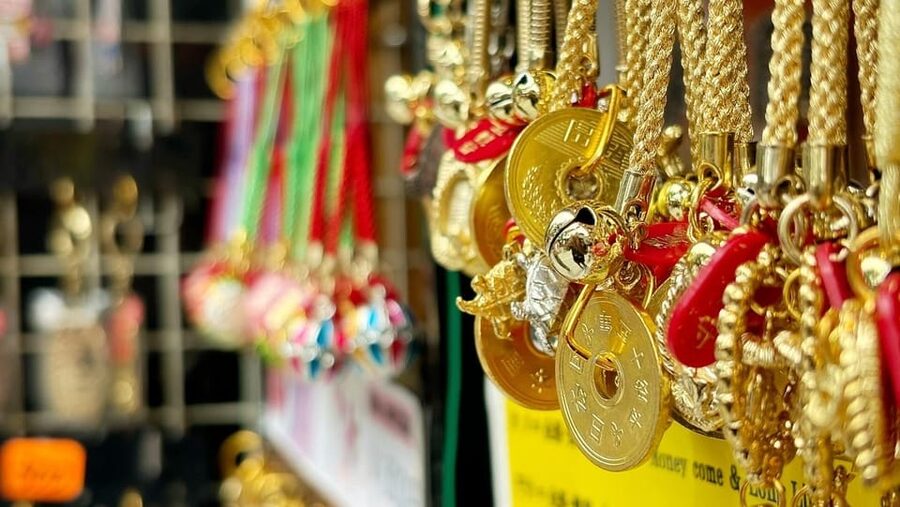
Nakamise leads toward the temple and is lined with traditional stalls selling snacks, souvenirs, and small gifts. It is an easy place to browse, but the path can feel more commercial than the surrounding temple grounds. Use the time to ask your host what is worth buying and what may be better found elsewhere.
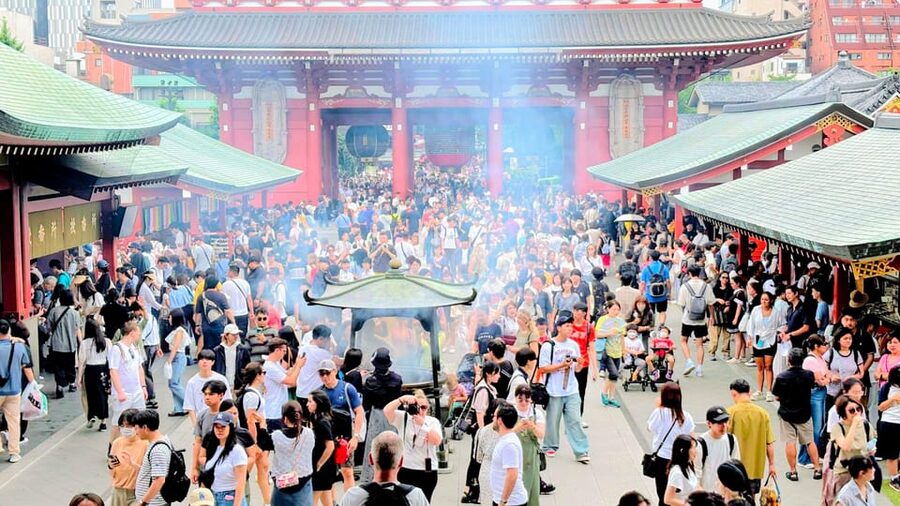
Senso-ji is the major draw. It is Tokyo’s oldest and most significant Buddhist temple, and the setting gives you a clear sense of how old religious traditions sit inside a modern capital. Your visit includes photos, free time, shopping, and guided sightseeing.
The half-hour temple stop is reasonable for a first look. You can see the main approach, take photos, and get context from the guide. If you want a slower visit, time for prayer, or a closer look at the surrounding streets, request a longer Asakusa block.
The Asakusa section is one of the safest choices for a first Tokyo tour. It offers history, food, shopping, and strong visual landmarks in a compact area. It also suits someone who wants more than a modern-city checklist.
A few more Tokyo half-days worth comparing
- 1-Day Tokyo Bus Tour
★ 5.0 · 14,250 reviews - Tokyo: TOKYO SKYTREE® Admission ticket
★ 4.5 · 11,192 reviews - Tokyo: teamLab Planets TOKYO Digital Art Museum Entry Ticket
★ 4.6 · 9,779 reviews - Tokyo: Sumo Show Experience with Chicken Hot Pot and a Photo
★ 4.8 · 6,678 reviews
Tokyo Skytree: the biggest time commitment
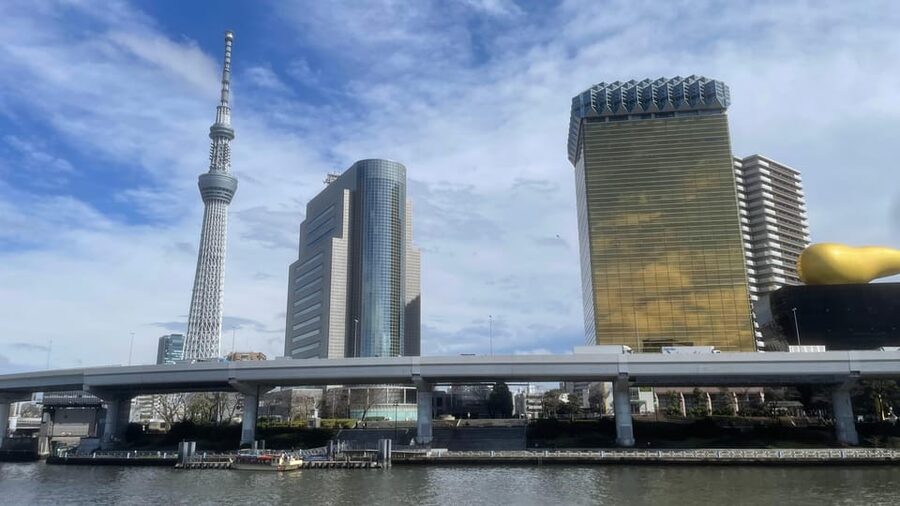
Tokyo Skytree is listed with up to two and a half hours for photos, free time, shopping, sightseeing, and a break. That makes it the longest single stop in the detailed route.
The height and city views are the obvious reason to go, but the time requirement changes the whole day. If you include Skytree, you may need to limit the number of other neighborhoods. The listed route cannot realistically give every stop its full stated time during a four-hour booking.
Admission is not included. If you want to go inside an attraction, you pay separately, so confirm the plan and ticket cost before committing a large part of your tour to Skytree.
I would choose Skytree if views and modern Tokyo matter more to you than small streets and food stops. If this is your first short visit, Senso-ji and Shibuya may give you a wider sense of the city for less time. Your host can help make that tradeoff.
Akihabara and Ueno for pop culture and older Tokyo
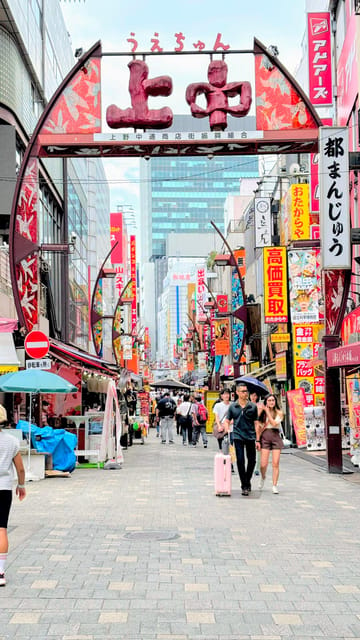
After another subway ride, Akihabara receives about 30 minutes. This is the suggested stop for manga, anime, electronics, and Japanese pop culture. The area can be overwhelming, so a guide is useful if you have a specific interest or want to know which part of the district fits you.
Thirty minutes is enough for a quick look or a targeted shop visit. It is not enough for broad browsing through Nakano Broadway, Akihabara stores, and a meal. If collectibles are your main purpose, ask for Akihabara instead of trying to combine it with every major landmark.
Ueno follows with about 20 minutes for sightseeing, free time, shopping, and a class-style cultural element. That is a short introduction to a district with several possible interests. You might prefer it for parks, culture, or a local neighborhood feel, but the tour data does not promise a specific museum or class. Ask exactly what your host plans to include.
The combination of Akihabara and Ueno can work well for someone interested in both modern pop culture and older city districts. It is less useful if you mainly want temples, food, or shopping in luxury areas.
Shibuya Crossing: a quick hit of modern Tokyo
Shibuya Crossing gets about 30 minutes, including photos, free time, shopping, and a guided walk. This is enough to experience the famous crossing and see the Hachiko Statue nearby.
The crossing is a short event, not a full neighborhood tour. You can watch the waves of pedestrians, take the classic photo, and ask your host about the surrounding streets. Shibuya also has fashion stores, restaurants, bars, and entertainment, but you will need more time if you want to shop or eat here.
The Hachiko Statue adds a human story to what could otherwise be just a busy intersection. It commemorates the loyal dog who waited for his owner each day, giving the stop a small emotional pause amid the noise.
I like Shibuya as part of a first visit, but I would not give it the whole tour unless modern city life is your main interest. Pair it with Harajuku for youth culture and Meiji Shrine, or with Shinjuku for nightlife and narrow dining lanes.
Omoide Yokocho, Kabukicho, and Golden Gai after dark
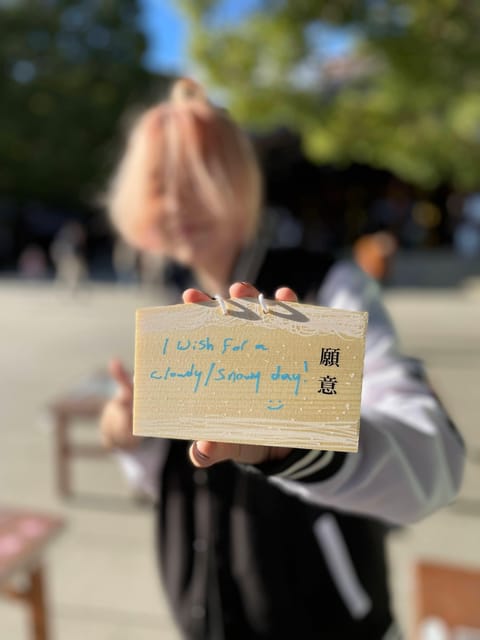
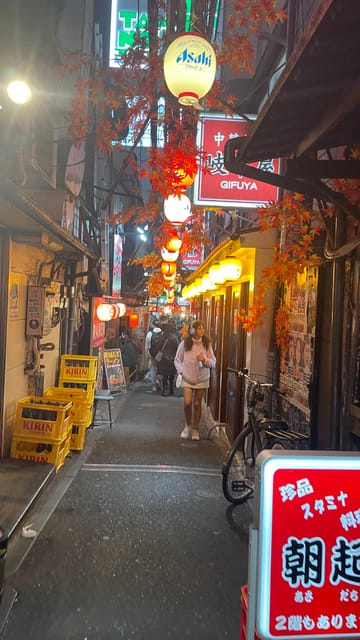
The final part of the detailed route moves to Shinjuku. Omoide Yokocho gets about 20 minutes, Kabukicho about 30 minutes, and Golden Gai about 20 minutes.
Omoide Yokocho is a narrow dining area where you can get a look at compact izakaya-style streets and small food spots. Twenty minutes gives you an introduction, but not much room for a relaxed meal. Food and drinks cost extra.
Kabukicho provides a different view of Shinjuku, with nightlife, signs, restaurants, and entertainment. The tour allows time for a walk and photos, not a full evening out. If you want to stay for dinner or drinks, clarify when the guided portion ends.
Golden Gai is known for its tiny bars and tight lanes. The short stop is best treated as a visual introduction. The tour does not include drinks, and the supplied information does not promise entry to any particular bar.
This Shinjuku finish suits you if you want Tokyo after dark. It is less suitable for a family-focused daytime tour or anyone who prefers quiet temples and parks. Since the route uses several subway transfers, adding all three Shinjuku stops to a packed day may feel rushed.
Yanaka, Nakano, Kichijoji, Harajuku, and other alternatives
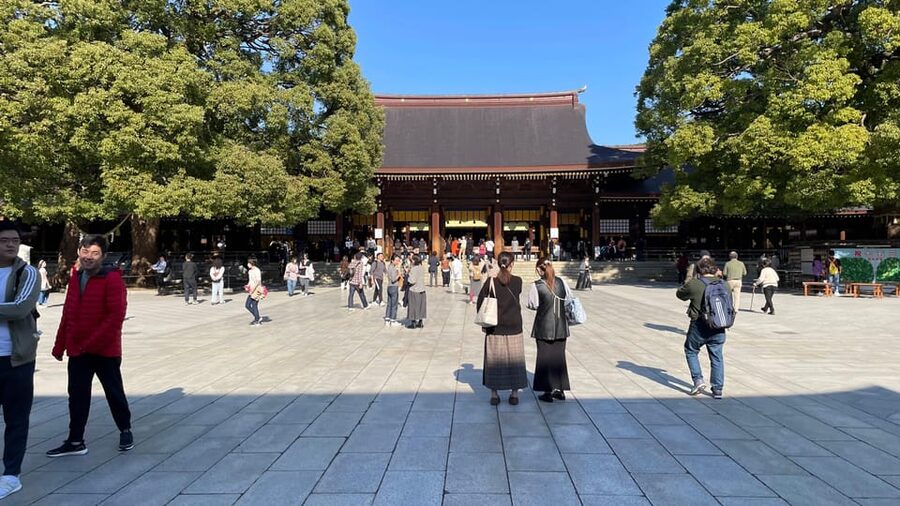
The tour is not limited to the long route above. Your host can tailor the day around art, history, food, shopping, modern architecture, niche museums, or galleries.
Yanaka is the strongest choice for an old neighborhood feel. Narrow lanes, temples, and Yanaka Ginza offer a slower look at Tokyo than the major crossings and department stores. It is a good pick if you want local streets and small shops rather than major attractions.
Nakano suits pop-culture fans who want a different setting from Akihabara. Nakano Broadway has manga, anime, and collectibles, while nearby izakayas give you a taste of local nightlife and food.
Kichijoji offers a gentler day around Inokashira Park and its boating lake. Cafes, vintage shops, and food markets give the area a relaxed feel. Choose it if you want a break from central Tokyo’s intense pace.
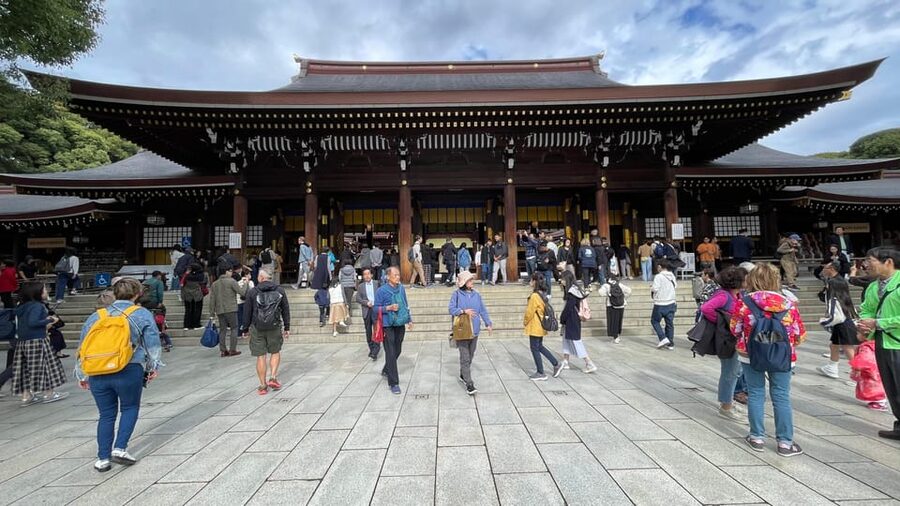
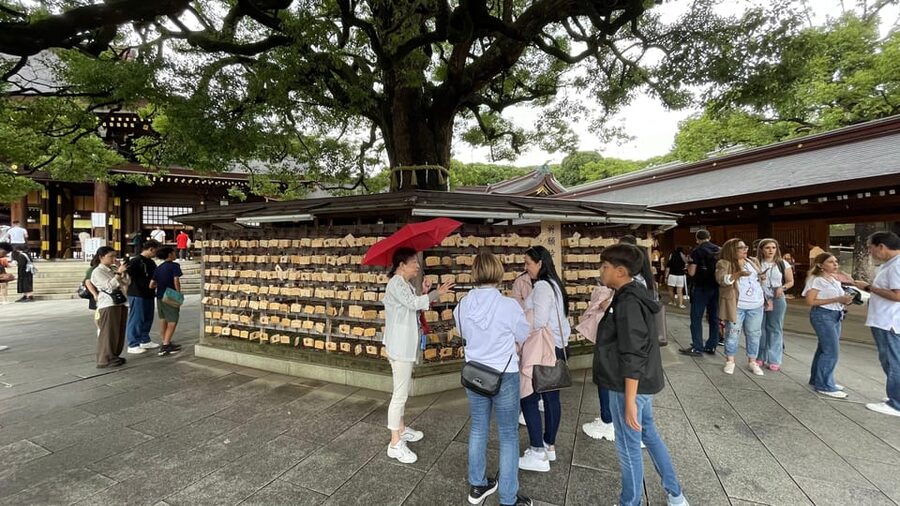
Harajuku gives you two sharply different experiences. Takeshita Street is youthful and filled with trendy boutiques and quirky cafes, while Meiji Shrine offers wooded paths and quiet religious grounds. That contrast makes Harajuku one of the best areas for a first-time introduction.
What $116 buys you, and what it does not
The listed price is $116 per person. You are paying for a private group format, an English-speaking local host, a tailored route, cultural explanations, and help planning the rest of your Tokyo visit.
That can be good value if you have only one day in Tokyo, feel unsure about the subway, or want direct advice on food and neighborhoods. One outing covered important sights in a single day because the group could not stay longer. Another guide, Abu, helped with Tsukiji food choices, Asakusa shopping advice, a ramen stop near Akihabara, and breaks during very hot weather.
The price is harder to justify if you already know Tokyo well or only want a simple walk through one district. Transportation, food, drinks, and attraction tickets are extra. One direct assessment found the walking-tour price high compared with other food experiences, so budget honestly before booking.
The private format is the key difference. You are not locked into one public schedule, and the host can adjust the pace and focus. The advertised duration ranges from four to eight hours, so check the available start time and length that fit your plans.
Timing, transit, and comfort
The route uses multiple subway or metro journeys, including transfers of about 15 to 25 minutes. You pay these transportation costs yourself. Build a small transport budget into the day and expect some time to be spent moving between districts.
The detailed schedule includes Tsukiji, Ginza, Asakusa, Skytree, Akihabara, Ueno, Shibuya, and several Shinjuku stops. Those places cannot all receive their full listed time in a four-hour tour. The practical answer is to pick two or three areas, exactly as the experience description recommends.
The walking level is not presented as a fixed distance. You will walk through markets, temple approaches, shopping streets, and station areas, then use public transportation between districts. The activity is advertised as wheelchair accessible, but you should still discuss your preferred route and stops with the host before booking.
Breaks matter in Tokyo, especially in hot weather. Abu built pauses into one tour, which made the day easier. Ask for similar pacing if you need regular rests or want time to eat without rushing.
Who should book this private experience
I would recommend it most strongly to first-time Tokyo visitors with limited time, families or small private groups with different interests, and anyone who wants help making sense of the city’s rail-connected districts.
It also suits you if food is a priority but you do not want a formal food-only experience. The host can point you toward Tsukiji choices, Asakusa snacks, ramen near Akihabara, or izakaya areas in Nakano and Shinjuku.
It is less suitable for a strict attraction collector who expects every listed stop in one day. It is also not the best value for an experienced Tokyo visitor who needs no orientation and would rather explore one neighborhood independently.
Before you go, send three clear requests: your must-see area, your preferred pace, and your food or shopping interests. If you want Skytree, a museum, a long meal, or serious shopping, say so early. A private tour becomes useful when the plan reflects you, not when it tries to cover the whole city.
Should you book it?
Book this tour if you want a flexible introduction to Tokyo and value personal advice more than the lowest possible price. Abu, Maruf, and Ayoub are named English-speaking hosts, and the strongest practical benefit is help with choices: where to eat, which neighborhood fits your interests, and how to plan the rest of your stay.
Skip it if you want a cheap, fixed walking tour or intend to see every listed stop in four hours. For the best value, choose two or three areas, confirm the duration, and treat transport, meals, and attraction tickets as part of the real cost.
FAQ
How long does the Tokyo private tour last?
The available duration ranges from 4 to 8 hours. You should check the available starting times and choose the length that suits your plans.
What areas can I visit?
Possible areas include Tsukiji, Asakusa, Shibuya, Harajuku, Ginza, Ueno, Yanaka, Nakano, Kichijoji, Akihabara, and Shinjuku. The experience is designed around visits to two or three areas.
Is the tour private?
Yes. It is offered for a private group, allowing the itinerary and pace to be adjusted around your interests.
Is the guide English-speaking?
Yes. The live tour guide language is English. The named hosts associated with the experience include Abu, Maruf, and Ayoub.
Are subway and metro fares included?
No. You are responsible for transportation expenses during the tour.
Are food and drinks included?
No. Food and drinks are extra, including any costs above the included amount.
Are attraction entrance tickets included?
No. You pay separately for entrance fees to attractions or activities you choose to visit.
Can the tour be customized?
Yes. You can request a focus on landmarks, food, history, art, shopping, modern architecture, niche museums, galleries, or quieter neighborhoods.
Is the activity wheelchair accessible?
Yes. The activity is advertised as wheelchair accessible. It is still sensible to discuss your chosen route and stops with the host before the tour.
Just added around Tokyo
- Kawagoe Japanese Food Tour : Unagi Kaiseki and Sake near Tokyo★ 5.0 · 30 reviews
- Kawagoe 4hr Private Tour with Licensed Guide (Kawagoe Dep)★ 5.0 · 13 reviews
- Little EDO Sushi Making workshop in Kawagoe★ 5.0 · 18 reviews
- 【R34】Tokyo:Private Daikoku tour in Modified R34★ 4.9 · 92 reviews
- :Tokyo,Shibuya/ Pro Photography in Kimono / English-Friendly★ 5.0 · 26 reviews
- Tokyo:Celebrate Unique Japanese New Year Tradition Festivity★ 3.9 · 20 reviews
- Tokyo: Allstar Food Tour★ 4.7 · 29 reviews
- Tokyo: West-Side Cycling and Food Tour with Guide★ 5.0 · 37 reviews
Fish Market Tours, compared.

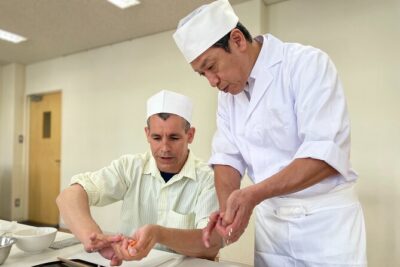
Tokyo Sushi Making Class in Tsukiji with Professional Chef
Our verdict →
Wakayama Cat Train, Seafood market, Hot Springs Tour
Our verdict →Browse the lists this tour appears in