
Reviewed · WALKING TOURS
Kanazawa Private/Group Walking Tour: Local & Major Highlight
Kanazawa’s best sights form a satisfying story: samurai homes lead to the market, the castle, a garden, and finally the old geisha quarter. This private or small-group walk gives you the history behind those places instead of leaving you to read signs and guess at the connections.
I like the personal touch, especially the way guides such as Emi and Yu adjust the route and offer restaurant advice. I also like the mix of famous sights and everyday details, from food at Omicho Market to the relationship between Shinto and Buddhism. The main drawback is time: fitting all seven stops into three or four hours means some visits are brief, and food, drinks, and transport are extra.
Key points to know
- A strong first-day orientation: The route links Kanazawa’s main sights and helps you plan the rest of your stay.
- Personal guiding from local hosts: Emi, Yu, Hirofumi, and Aiko are praised for clear explanations, warm conversation, and useful recommendations.
- Seven major stops in one walk: You visit Nagamachi, Omicho Market, Oyama Shrine, Kanazawa Castle, a café, Kenrokuen, and Higashi Chaya.
- Good cultural range: The tour covers samurai life, food traditions, garden design, religion, castle history, and geisha culture.
- Flexible for private bookings: Guides can adapt the route to your interests, hotel location, plans after the tour, and in some cases wheelchair needs.
- Bring cash and a card: Food, drinks, café purchases, and any public transport are not included in the $48 price.
Why this Kanazawa walk works so well

Kanazawa is easy to admire and surprisingly easy to misunderstand. Its castle, garden, old districts, and market sit within a walkable central area, but each place represents a different side of the city. Without context, you may see attractive streets and buildings without understanding how samurai rule, trade, religion, and the arts shaped them.
This tour joins those pieces together. You begin with the samurai class, move through local food culture, learn about the Maeda family at a shrine and castle, pause for tea or coffee, and finish among traditional wooden teahouses. That sequence gives the city a clear shape.
The guides also add something a printed guidebook cannot: conversation. Yu is repeatedly praised for his English, storytelling, and ability to explain both past events and modern Japanese life. Emi is described as warm, funny, and deeply proud of Kanazawa. Hirofumi has adjusted the route around a hotel and later plans, while Aiko has been praised for her friendly manner.
The result is less like a parade of monuments and more like a guided introduction to how Kanazawa works.
More Walking Tours in Kanazawa:
- Kanazawa: Private Walking Tour with a Local
★ 4.8 · 141 reviews - True Kanazawa: Private Walking tour with a Local guide
★ 5.0 · 66 reviews - Kanazawa: City Highlights & Hidden Gems Private Walking Tour
★ 4.8 · 42 reviews
Nagamachi Samurai District: earthen walls and former homes

The first major stop is Nagamachi, the old samurai district. Here, the preserved earthen walls and traditional residences give you a feel for the city’s warrior past. The stop is scheduled for about 20 minutes, so expect a guided look at the streets rather than a long museum visit.
This is a useful place to begin because it sets up the social order of old Kanazawa. Your guide can explain who lived in the district, how samurai households were arranged, and how the buildings and walls helped define the area.
The appeal is in the small details. The quiet lanes and walls are more atmospheric than grand, and they help you picture a neighborhood shaped by rank and duty. You will have time for photographs and questions, but if you want to study every residence at length, plan to return independently.
This stop also shows why a local guide matters. The district itself does not tell the whole story. A good explanation turns a pleasant walk into a clearer picture of the people who once lived there.
Omicho Market: Kanazawa on a plate
Omicho Market brings a change of pace. The smell of seafood and local food fills the covered lanes, and your guide introduces you to Kanazawa’s eating traditions. The planned visit lasts about 20 minutes, which is enough for orientation and suggestions, but not necessarily enough for a relaxed meal.
I like this part because it connects the city’s past to daily life. Instead of treating Kanazawa as a collection of old buildings, the market shows what people buy, cook, and enjoy now. Depending on the day and your guide, you might receive advice about seafood, local dishes, or places to eat after the walk.
Food is not included, so carry cash and a credit card. You can browse without buying, but the market is more useful if you are ready to stop for a snack or note down ideas for lunch.
One practical point: 20 minutes goes quickly in a market. If you care more about food than architecture, tell your guide early. On a private tour, the pace may be adjusted, but the full route has several stops to cover.
Oyama Shrine: a window into Kanazawa’s ruling family

Oyama Shrine adds a religious and political layer to the tour. It is linked with the samurai leader associated with Kanazawa Castle and his wife, giving your guide a natural opening to explain the city’s ruling family and its legacy.
The shrine is also a good place to discuss Japanese religious practice. The tour explains how Shinto and Buddhism have interacted in Japan, a subject that can be confusing if you assume they function as completely separate traditions.
You will have around 20 minutes for photographs, sightseeing, and explanation. That is enough for a focused introduction, though not a long period of quiet reflection. The stop works best when you listen for the connections among the shrine, the castle, and the people who shaped Kanazawa.
The mention of plum blossoms and shrine atmosphere adds a seasonal note. What you see will depend on the date, but the shrine provides a calmer counterpoint to the market and city streets.
A few more Kanazawa half-days worth comparing
- Kanazawa: Kenrokuen Tea Ceremony Experience
★ 4.8 · 1,139 reviews - Kanazawa Half Day Tour (Private Guide)
★ 5.0 · 361 reviews - Kanazawa Full Day Tour (Private Guide)
★ 5.0 · 323 reviews - Kanazawa Night Tour with Local Meal and Drinks
★ 5.0 · 148 reviews
Kanazawa Castle Park: the city’s political center
From Oyama Shrine, the route continues to Kanazawa Castle Park. The castle area receives about 30 minutes, making it one of the longer stops. You can photograph the buildings, hear about the Edo period, and visit inside the castle area where the route allows.
The important thing here is not just the architecture. The castle helps explain why Kanazawa became such a major regional center and why the Maeda family mattered so much to the city’s development.
Your guide can point out how the castle relates to the samurai district and shrine you have already seen. That continuity is one of the tour’s strengths. You are not simply ticking off three unrelated attractions.
Still, 30 minutes is a brisk visit. If you want a detailed look at every building or a slow walk across the grounds, you will need extra time on your own. The tour gives you the framework, then leaves you better prepared for a return visit.
A local café: a welcome pause with a view

The café stop lasts about 20 minutes. It is described as a favorite local café with views toward the castle, giving you a chance to rest and continue the conversation.
This break matters more than it might seem. Kanazawa’s main sights are close enough to link on foot, but several hours of walking can catch up with you. A short seat, drink, and chance to ask questions can make the second half of the tour more enjoyable.
Café purchases are not included. Some guides have arranged special touches, including a private upstairs session for a Sakura latte and a matcha tea experience. These details may vary by guide and day, so treat them as possibilities rather than guaranteed inclusions.
Use this pause to ask about dinner, local customs, or places you want to visit later. Yu, in particular, has helped with restaurant suggestions and even booking assistance when holidays made dining difficult.
Kenrokuen Garden: careful beauty with a seasonal rhythm

Kenrokuen is one of Japan’s three most beautiful gardens, and it is the scenic heart of the route. You will spend about 30 minutes walking through the grounds with your guide.
The value here lies in learning how a Japanese garden is planned. Your guide can help you notice the relationship between water, paths, trees, borrowed views, and seasonal change. The garden is not simply a patch of pretty scenery. Its beauty comes from controlled balance and the feeling that each view has been considered.
Spring brings blossoms, including plum blossoms, while other seasons offer different colors and textures. The tour information does not promise a particular bloom, so check the season before booking if flowers are central to your plans.
Thirty minutes offers a useful introduction, but it is not enough for every path. If gardens are your main reason for visiting Kanazawa, return later when you can slow down. If you want a broad city overview, the short guided visit is a fair trade for seeing more districts.
Higashi Chaya District: wooden teahouses and a graceful finish
The tour ends in Higashi Chaya, one of Kanazawa’s traditional geisha districts. The beautifully preserved wooden teahouses give the final stop a distinct mood, quite different from the market and castle.
You receive a guided introduction, then some free time for self-guided exploring. The scheduled visit is about 20 minutes, but the end of the tour can be flexible. You may be left with time to continue through the district, find lunch, or make your own way to another attraction.
This is a good closing stop because it brings together Kanazawa’s interest in craft, performance, hospitality, and traditional design. Your guide can explain the role of the teahouse districts without reducing them to a photo backdrop.
Keep expectations realistic. A short visit will show you the streets and their character, but it is not a full evening of geisha entertainment or an extended cultural performance. The tour introduces the district and helps you decide if you want to return.
What the $48 price really gets you

At $48 per person, the tour is priced below many full-day private sightseeing experiences, but it is not a bargain sightseeing bus. You are paying for a local guide, route planning, explanations, and the ability to ask questions as you go.
The value is strongest for first-time visitors who want to understand Kanazawa quickly. In three or four hours, you cover the city’s major themes and receive advice for the rest of your stay. Several people have used the tour soon after arriving, finding it useful as a practical orientation.
A private booking is also more valuable for families, couples, and people with particular interests. You can ask for more history, more food advice, more attention to religion, or a gentler pace. Small groups should expect a more social outing, while a private tour gives you more control.
The price does not include food, drinks, or transport. The route is mainly on foot, though a short bus or coach segment of about 10 minutes may be used. Public transport costs are extra. Hotel meet-up is available on request for central locations, but confirm the meeting point for your chosen option.
Pace, language, and mobility
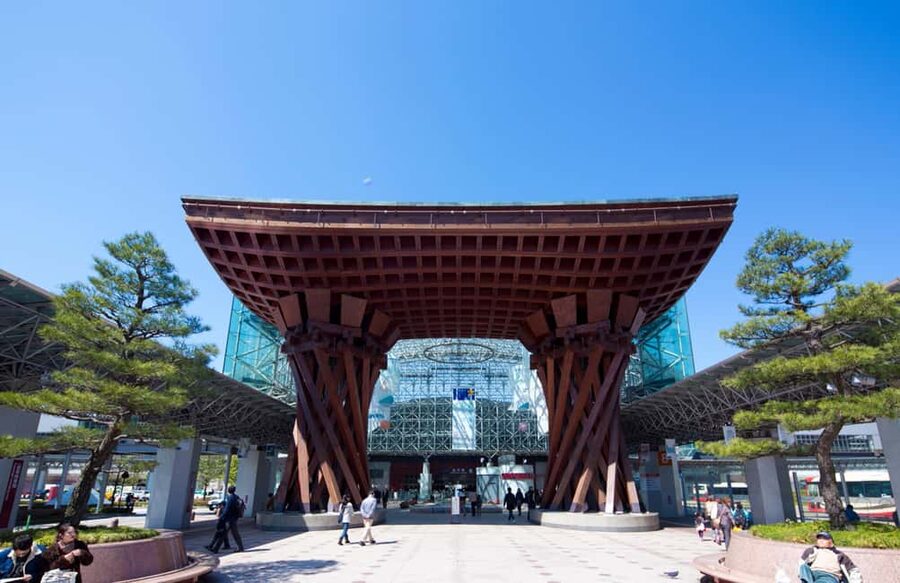
This is a walking tour with several stops, so comfortable shoes are sensible. The route lasts from two to four hours, depending on the option booked and the final schedule. The example route totals roughly three to four hours, including the café break.
English and Japanese are offered. Most feedback praises the guides’ English, especially Yu, whose clear speaking and patient answers are frequently noted. One person found a guide’s English difficult to understand, so communication may vary by individual guide.
The tour is marked wheelchair accessible, and Yu has adapted routes for people using wheelchairs, including one guest with multiple sclerosis. Another booking included help with transport from a cruise terminal and small route changes. This is encouraging, but you should explain your needs before the tour because the route includes streets, public spaces, and garden paths.
Private tours are the best choice if mobility, rest breaks, or a family’s pace matter. A small group may be less flexible.
Who should book this walk?
I would choose this tour if you have one day or a short stay in Kanazawa and want a sensible first look at the city. It is especially useful if you value explanation over simply taking photographs.
You will get the most from it if you enjoy asking questions. The guides can discuss history, modern Japan, food, religion, local customs, restaurants, and daily life. Families may appreciate the patient approach, including time for children’s questions.
This is also a good fit for visitors who want help planning the rest of their stay. Guides have offered advice about restaurants, desserts, cafés, and other local activities before and after the walk.
I would not choose it as your only Kanazawa activity if you want long, unhurried visits inside every site. The itinerary covers a lot, and several stops last only 20 or 30 minutes. Use the tour as your city introduction, then return to the places that catch your interest.
Should you book it?
Book this tour if you want a human guide to connect Kanazawa’s major sights and give you useful local advice along the way. The strongest features are the thoughtful route, the broad mix of subjects, and guides such as Emi and Yu, who bring warmth and personal stories to the walk.
The main tradeoff is the brisk schedule. You will see a lot, but you will not linger everywhere. For $48 per person, that is a reasonable exchange if you want orientation, context, and a clear plan for exploring on your own afterward.
Choose a private option if you want changes for children, mobility needs, food interests, or a slower pace. If you do book, contact the guide in advance, bring cash and a card, and ask where the walk ends so you can plan lunch or your next Kanazawa stop.
FAQ
How long does the Kanazawa walking tour last?
The tour lasts between 2 and 4 hours, depending on the option selected and the day’s schedule.
What places are included?
The route can include Nagamachi Samurai District, Omicho Market, Oyama Shrine, Kanazawa Castle Park, a local café, Kenrokuen Garden, and the Higashi Chaya District.
Is food included in the price?
No. Food and drinks are not included. Bring cash and a credit card if you want to buy something at the market or café.
Is transportation included?
The experience is mainly a walking tour. A short bus or coach segment may be used, but transportation costs are not included.
Which languages are available?
Live guiding is available in English and Japanese.
Can wheelchair users join the tour?
The activity is marked wheelchair accessible. Guides have adapted routes and made small changes for guests using wheelchairs, so explain your needs when arranging the tour.
Just added around Kanazawa
- Kanazawa: Sushi & Japanese Cooking Class at a Historic School★ 5.0 · 66 reviews
- Taste of Kanazawa (Food tasting in Omicho Market & Higashi Chaya)★ 5.0 · 58 reviews
- Kanazawa private half day/Photoshoot by professional photographer★ 5.0 · 38 reviews
- Kanazawa private 1 day/Photoshoot by professional photographer★ 5.0 · 33 reviews
- Photoshoot session by professional photographer in Kanazawa★ 5.0 · 42 reviews
- Private Ring Craft Experience in Kanazawa★ 5.0 · 22 reviews
- Omicho Market & Kanazawa Ramen Tasting Tour★ 5.0 · 15 reviews
- True Kanazawa: Private Walking tour with a Local guide★ 5.0 · 66 reviews
Walking Tours, compared.
Kyoto Geisha Walking Tour: Gion District & Hidden Gems
Our verdict →
Imperial Palace and Shogun Historical Walking Tour
Our verdict →
Shinjuku Local Bar and Izakaya Guided Walking Tour
Our verdict →


Nishiki Market Brunch Walking Tour (7 Tastings + Brunch)
Our verdict →
Kyoto Arashiyama Walking Tour: Bamboo, Monkeys, Gardens & Secrets
Our verdict →
Tokyo Castle & Imperial PalaceーShogun Walking Tour
Our verdict →Browse the lists this tour appears in