
Reviewed · RAMEN & NOODLE TOURS
Ramen & Gyoza Cooking Class in Tokyo with Local Supermarket Visit
Tokyo’s best food experiences do not always happen at famous restaurants. In Nishiogu, YUCa welcomes a small group into her home kitchen, explains Japanese home cooking, and guides you through ramen and gyoza. You make the meal, then sit down to eat it.
I like the friendly, personal setting and the chance to see a quiet neighborhood beyond central Tokyo. I also like the family appeal: children, teenagers, parents, and grandparents can all take part. The main drawback is that this is not a fully hands-on chef’s workshop. With one kitchen and up to seven people, some steps are demonstrations or simple ingredient additions.
Key points to know before booking
- YUCa teaches in her own home kitchen, giving the class a personal look at everyday Japanese food and domestic life.
- Ramen and gyoza are prepared in the same session, with the dumplings made while the noodle soup cooks.
- The class is suitable for beginners and families, including children and teenagers.
- The group size is capped at seven, but the single-kitchen setup can make parts of the class demonstration-based.
- The optional supermarket visit adds local context, although it has not always taken place, so confirm this before you book.
- The experience costs $122.70 per person and lasts about two and a half hours, including cooking and tasting.
A home kitchen instead of a cooking school
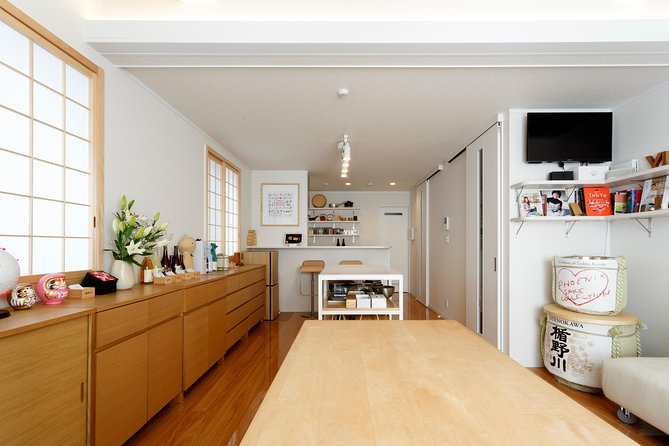
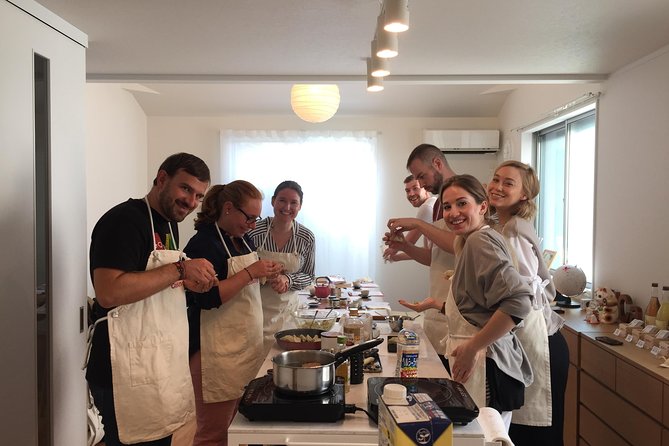
The first thing to understand is the setting. YUCa’s Japanese Cooking takes place at 2-chōme-34-8 Nishiogu in Arakawa City, northeast Tokyo. This is not a polished restaurant kitchen or a large culinary studio. It is a real home kitchen, described by several participants as cute, welcoming, and well prepared.
That setting is part of the appeal. You are not only learning how to assemble two Japanese dishes. You are also seeing how a local host organizes a cooking space and explains food from the point of view of daily life. YUCa includes cultural notes about Japanese cooking and lifestyle, and some participants received their names written in Japanese characters based on pronunciation.
The atmosphere sounds especially suited to people who prefer conversation over formal instruction. YUCa is warm, energetic, and comfortable teaching in English. You will work alongside the other people in the group, which can make the morning feel social rather than classroom-like.
There is one practical limit. The experience allows a maximum of seven people, but there is only one kitchen. You should expect shared tasks, demonstrations, and moments when you watch rather than cook. If your goal is to prepare every ingredient from start to finish by yourself, this may feel less hands-on than expected.
More Cooking Classes in Tokyo
- Tokyo: Easy Ramen Cooking Experience in Kabukicho, Shinjuku
★ 4.6 · 321 reviews - Ramen and Sushi Cooking Class with Sake Pairing Set in Tokyo
★ 5.0 · 291 reviews - Tokyo: Wagyu and 7 Japanese Dishes Cooking Class
★ 4.9 · 273 reviews
The 10:00 meeting and the short introduction
The class begins at 10:00 a.m. at the Nishiogu address. Plan your route carefully, since the meeting point is outside the areas most first-time visitors associate with Tokyo. The activity is near public transportation, but one participant chose to use an Uber, so leave enough time to find the home without rushing.
From 10:15 to 10:30, YUCa gives a short introduction to Japanese home cooking and lifestyle. This is a useful opening because it places ramen and gyoza in a broader food context. You are not simply following a recipe. You are learning why these dishes are familiar household foods and how different ingredients can be combined.
The introduction is brief, so most of your time goes toward preparation and eating. That balance works well for visitors who want an experience rather than a long lecture. If you have questions about Japanese ingredients, cooking habits, or food customs, this is a good time to ask them.
Making ramen while the soup comes together
The main cooking period runs from 10:30 to 12:30. You learn to prepare ramen using vegetables and meat, then assemble the noodle soup with the components you have worked on.
The class is designed to be approachable. You do not need to be an experienced cook, and the instructions are intended to be easy to follow. Families have found the process workable for children and teenagers, with different participants taking on different roles.
One useful part of the sequence is the timing. While the ramen ingredients wait or cook, you move on to the gyoza. This keeps the class moving and gives you a second kind of food preparation rather than leaving you standing around.
Do keep your expectations realistic about the word cooking. Some of the preparation is hands-on, but not every step involves chopping, simmering, or making a sauce from scratch. One participant felt that adding a teaspoon of powder or liquid was less satisfying than doing more of the preparation personally. That is a fair point if you are seeking technical training.
For most visitors, the value is in learning a repeatable home version of the dishes. You leave with a method you can try in your own kitchen, rather than only a restaurant tasting. Several participants specifically wanted to recreate the ramen at home, which is a good sign for anyone looking for a practical recipe.
Folding gyoza by hand
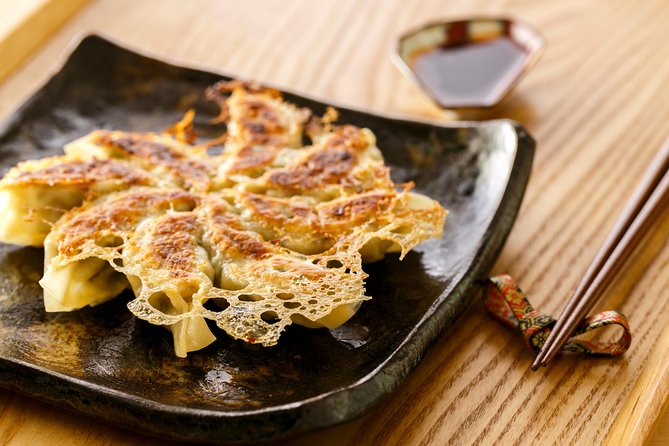
Gyoza gives the class its most tactile moment. You prepare minced pork dumplings with vegetables and learn how to fold them by hand.
This is the part most likely to appeal to families. The dumpling stage gives children a clear task and lets beginners take part without needing advanced knife skills. It also creates a nice contrast with ramen, since the work is slower and more physical.
Do not expect every dumpling to look perfect. That is part of the fun, and the food is cooked and eaten shortly afterward. The emphasis is on understanding the basic method, working together, and producing a meal you can repeat at home.
The menu focuses on a simple ramen and gyoza meal rather than a long series of dishes. That keeps the class manageable in two and a half hours. It also means the food portion may feel modest to some people. One participant said the servings could be larger, so do not book this expecting an oversized lunch.
More Ramen Tours in Tokyo
- Eat and Drink Like a Local: Tokyo Ueno Food Tour-Taverns&Ramen
★ 5.0 · 957 reviews - Tokyo: Ramen Tasting Tour with 6 Mini Bowls of Ramen
★ 4.9 · 432 reviews - Professional Ramen & Gyoza with Ramen Chef in a restaurant!
★ 5.0 · 223 reviews - Shibuya: Ramen Dojo Tokyo | Make All 3 (Tonkotsu/Shoyu/Miso)
★ 5.0 · 214 reviews
Eating your own ramen and gyoza
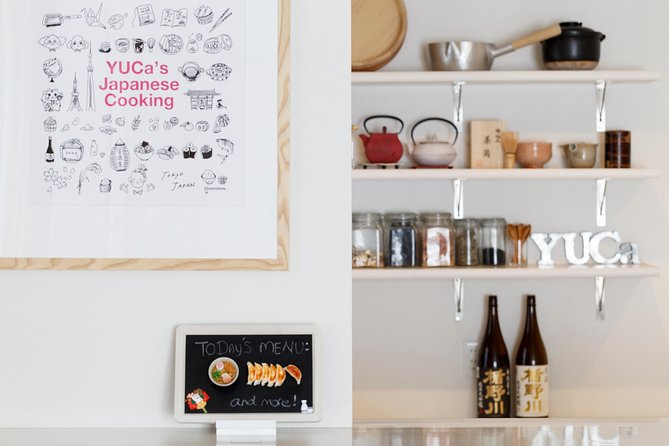
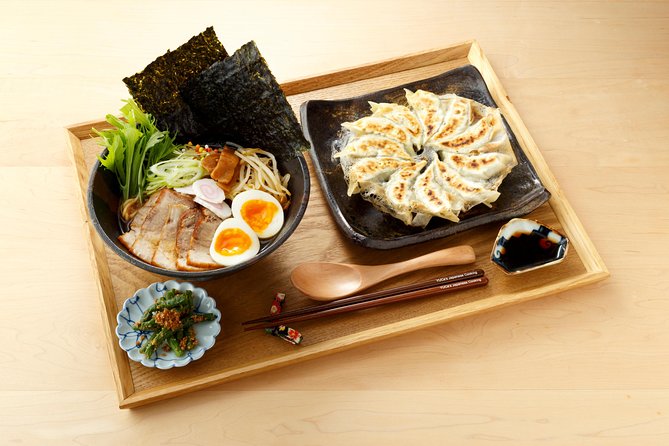
After the preparation, you sit down and taste the food you have made. This is more than a final reward. It lets you see how the separate parts work together and gives you a chance to ask last-minute questions about flavor, texture, and serving.
The meal is particularly satisfying for families because everyone has contributed something. You can point to the dumplings you folded and the ramen bowl you assembled. That shared result is one reason this experience works well as a family activity.
The food is also the clearest test of value. At $122.70 per person, the class is not a cheap meal. You are paying for instruction, the host’s time, the home setting, the cultural explanation, and the social experience, as well as the food itself.
I think the price makes sense if you care about learning and personal contact. It is harder to justify if you only want to eat ramen and gyoza, since Tokyo offers many less expensive places to do that. The strongest value comes when you use the class as a practical introduction to Japanese cooking and continue making the dishes at home.
The optional supermarket visit in a neighborhood of Tokyo
The stated schedule includes an optional local supermarket tour from 12:30 to 13:00. This can be a useful addition because supermarket shelves show you the ingredients of ordinary Japanese cooking in a way a restaurant menu cannot.
You can ask about unfamiliar packages, vegetables, sauces, and cooking products. Families have enjoyed using the visit to ask about unusual items, and some participants found it helpful for understanding what to buy when cooking Japanese food at home.
The location also adds a different side of Tokyo. Nishiogu is outside the busiest sightseeing core, so the supermarket visit can give you a look at a neighborhood that is not built around visitors. That is a worthwhile reason to allow extra time after the class.
There is an important caution here. The supermarket visit is optional, and it has not always taken place. In one case, a participant needed to return to a hotel because of illness, and the tour did not happen. Other participants also expected the visit but did not receive it. If this part matters to your decision, ask YUCa or the booking provider to confirm that it will be available on your date.
How hands-on is the class?
This is the key question to ask before booking. The class is interactive, but it is not a private lesson where you control every burner and prepare every ingredient independently.
The group may include up to seven people, and the kitchen is shared. You will have roles to play, fold gyoza, help with assembly, and follow YUCa’s demonstrations. At other points, you may watch while she explains a technique or adds an ingredient.
That structure works well for:
- First-time cooks
- Families with children
- Couples and siblings
- People who want cultural conversation with their food
- Visitors who prefer a relaxed class to a technical course
It may disappoint you if you want advanced ramen work, detailed broth preparation, or extended practice with knife skills. The course teaches an approachable version of the dishes, not professional restaurant technique.
The small maximum group size helps. Seven people is still enough to create shared activity, but it is far more personal than a large commercial class. YUCa’s teaching style is patient and energetic, and she makes an effort to involve different ages and ability levels.
Who should book this Tokyo food experience?
I would put this high on the list for families. Children ages 9, 13, and 14 have enjoyed the combination of folding gyoza, assembling ramen, and eating the finished meal. Teenagers also have enough responsibility to take part without feeling treated like very young children.
It suits couples and siblings, too. One of the nice features is the chance to meet other people while working toward the same meal. The social side is not forced, but the shared kitchen naturally creates conversation.
You should also consider it if you are staying in Tokyo for several days and want a break from major sights. The trip to Nishiogu takes you into a less tourist-focused part of the city, and the home setting gives you a more personal encounter with Japanese daily life.
Vegetarians can request a vegetarian option, but you must provide dietary requirements at the time of booking. The standard dishes include meat, including minced pork gyoza, so do not wait until the morning of the class to explain your needs.
Timing, transport, and booking details
The full activity lasts about two and a half hours, with cooking and tasting from 10:30 to 12:30. Add another 30 minutes if you plan to join the optional supermarket tour.
The activity ends back at the meeting point. A mobile ticket is provided, and confirmation is sent when you book. At least two people are required per booking, so this is not designed as a solo reservation.
The experience has a maximum of seven participants. That limit is helpful for conversation, but remember that a small group does not mean every person has a separate work station.
You can cancel for a full refund up to 24 hours before the 10:00 start time. Changes or cancellations made inside that window are not accepted for a refund. The class also requires a minimum number of participants, and if the provider cancels because that minimum is not met, you are offered another date, another experience, or a full refund.
Is the $122.70 price worth it?
The cost is high for a bowl of ramen and a plate of gyoza. It is more reasonable when you count the full experience: a two-and-a-half-hour lesson, a local host, cultural explanation, a home kitchen, a meal, and possibly a supermarket visit.
The most valuable part is not the food alone. It is the chance to learn an uncomplicated version of two dishes you can make again. If you return home and use the recipes, the class becomes more than a one-time lunch.
Still, the price does not guarantee a fully technical cooking course. You may do some preparation yourself, but parts of the process are demonstration-based. I would book it for the personal setting and the connection to everyday Japanese food, not for advanced culinary training.
Should you book YUCa’s ramen and gyoza class?
Book it if you want a friendly home-based activity, enjoy meeting people through food, or need a family experience that suits several age groups. YUCa’s warmth, clear explanations, and attention to cultural detail are the heart of the class.
Think twice if your priority is a long supermarket tour, large portions, or complete control of every cooking step. Confirm the optional store visit before paying, and tell YUCa about vegetarian needs or other dietary requirements when booking.
For most visitors, this is a good way to spend a morning away from central Tokyo. You will leave with a full stomach, a better sense of Japanese home cooking, and a recipe you can try again after your trip.
FAQ
Where does the ramen and gyoza class take place?
The class takes place at YUCa’s Japanese Cooking, 2-chōme-34-8 Nishiogu, Arakawa City, Tokyo 116-0011, Japan.
What time does the experience start?
The meeting time is 10:00 a.m. The introduction begins around 10:15, followed by cooking and tasting from 10:30.
How long does the class last?
The main activity lasts about two and a half hours. The listed schedule runs from 10:00 to 12:30, with an optional supermarket visit from 12:30 to 13:00.
What dishes will I make?
You will learn to prepare ramen and gyoza. The gyoza uses minced pork along with vegetables and other ingredients, while the ramen includes noodles, vegetables, and meat.
Is the supermarket visit included?
The supermarket visit is optional and is scheduled after the cooking class. Availability should be confirmed when you book, since it has not taken place on every occasion.
Is a vegetarian option available?
Yes. A vegetarian option is available, but you must advise the provider of your dietary requirement when booking.
How many people can join?
The activity has a maximum of seven participants. A minimum of two people per booking is required.
Does the class suit children?
Yes. The experience has been used successfully by families with children and teenagers, and the gyoza preparation offers a task that different ages can take part in.
Does the activity end at the meeting point?
Yes. The activity ends back at the original meeting point.
Can I cancel for a refund?
You can receive a full refund if you cancel at least 24 hours before the experience start time. Cancellations or changes made less than 24 hours before the start are not accepted for a refund.
Just added around Tokyo
- Kawagoe Japanese Food Tour : Unagi Kaiseki and Sake near Tokyo★ 5.0 · 30 reviews
- Kawagoe 4hr Private Tour with Licensed Guide (Kawagoe Dep)★ 5.0 · 13 reviews
- Little EDO Sushi Making workshop in Kawagoe★ 5.0 · 18 reviews
- 【R34】Tokyo:Private Daikoku tour in Modified R34★ 4.9 · 92 reviews
- :Tokyo,Shibuya/ Pro Photography in Kimono / English-Friendly★ 5.0 · 26 reviews
- Tokyo:Celebrate Unique Japanese New Year Tradition Festivity★ 3.9 · 20 reviews
- Tokyo: Allstar Food Tour★ 4.7 · 29 reviews
- Tokyo: West-Side Cycling and Food Tour with Guide★ 5.0 · 37 reviews
Ramen & Noodle Tours, compared.
Eat and Drink Like a Local: Tokyo Ueno Food Tour-Taverns&Ramen
Our verdict →

Five Must-See Highlights Walking Tour & Ramen Lunch
Our verdict →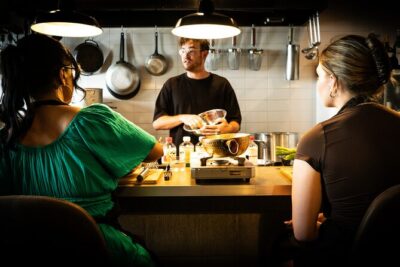
Professional Ramen & Gyoza with Ramen Chef in a restaurant!
Our verdict →
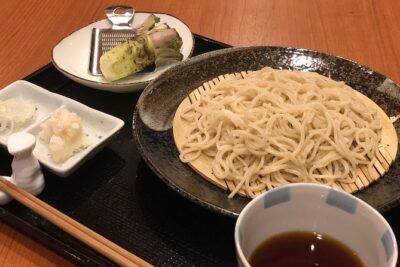
Popular in SapporoExperience authentic hand-made soba at a real soba shop!
Our verdict →
Browse the lists this tour appears in