
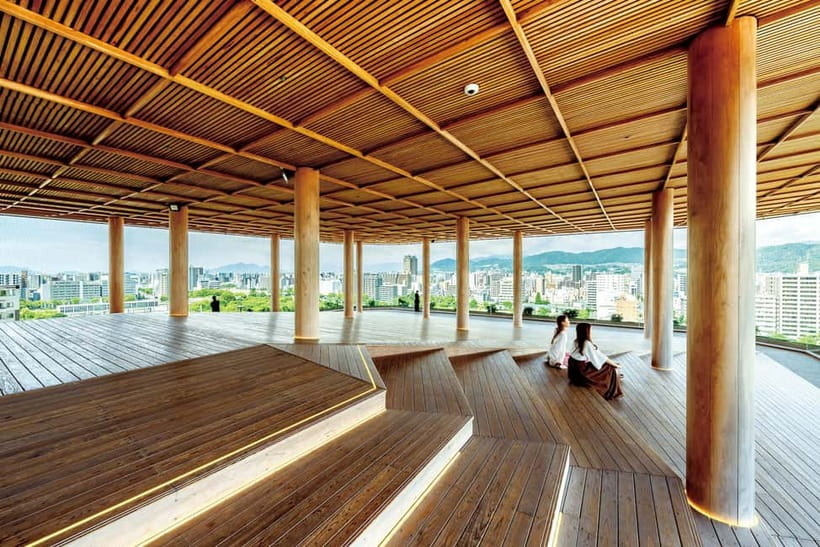
Reviewed · TICKETS
HIROSHIMA ORIZURU TOWER Admission Ticket
Hiroshima Orizuru Tower gives you two very different views of the city: one from the rooftop, where Peace Memorial Park and Miyajima share the horizon, and one through the quiet act of folding a paper crane. I especially like the wide city view and the chance to leave your own crane in the ORIZURU WALL, rather than simply taking photos and moving on.
I also like the SPIRAL SLOPE, where 2045 NINE HOPES adds a thoughtful art element to the walk down. The main drawback is simple: if you want a long museum visit or a large number of exhibits, this may feel brief. Some of the appeal comes from the view and the hands-on activity, not from a packed display hall.
Key points
- HIROSHIMA HILLS: Look across Peace Memorial Park toward the distant shores of Miyajima from the rooftop observatory.
- ORIZURU SQUARE: Fold an origami crane and take part in a Japanese tradition linked with peace.
- ORIZURU WALL: Add your crane to a shared installation made from contributions by people from around the world.
- SPIRAL SLOPE: Walk through 2045 NINE HOPES, a wall art project focused on hopes for the centennial of the end of the war.
- Local tastes: Stop at the café for handmade drinks made mainly with seasonal local fruit, then browse Hiroshima specialties in the permanent shop.
- Easy planning: The $14 admission is valid for one day, with free cancellation up to 24 hours before the visit and wheelchair access.
Why the tower works best as a Peace Memorial Park add-on
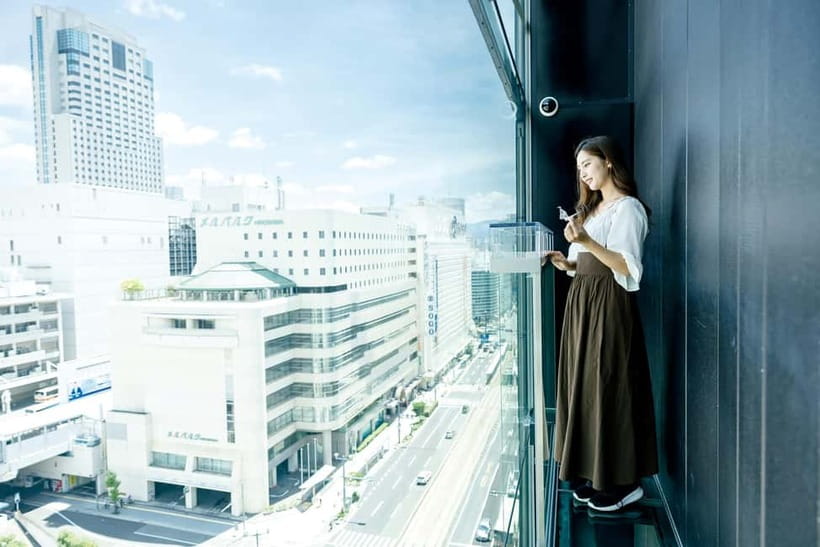
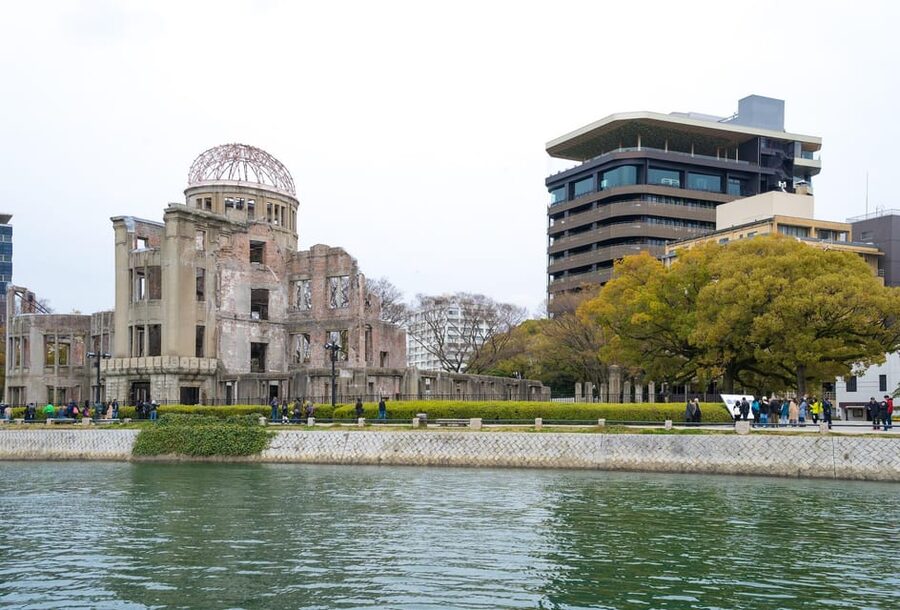
HIROSHIMA ORIZURU TOWER was built in 2016, close to the Atomic Bomb Dome. That location gives the visit its real meaning. You are not looking at Hiroshima from an isolated observation deck. You are near the city’s central memorial area, with the past below and the modern city stretching beyond it.
The tower does not replace the Peace Memorial Museum or the Atomic Bomb Dome. Instead, it gives you a different way to read the city. From above, Hiroshima becomes easier to understand as a place of water, streets, parks, buildings, and distant islands. From inside, the cranes connect the city’s painful history with a simple act you can carry out yourself.
I would plan this for the same general part of your day as Peace Memorial Park. The ticket is valid for one day, so you have room to fit it around other sightseeing rather than treating it like a fixed tour with a guide. That flexibility matters in Hiroshima, where the memorial sites deserve unhurried attention.
A few more Hiroshima half-days worth comparing
- Peaceful Hiroshima & Miyajima UNESCO 1 Day Bus Tour
★ 5.0 · 5,309 reviews - Hiroshima: Hiroshima and Miyajima UNESCO Sites 1-Day Tour
★ 4.9 · 2,330 reviews - Hiroshima / Miyajima Full-day Private Tour with Government Licensed Guide
★ 5.0 · 1,298 reviews
HIROSHIMA HILLS and the view toward Miyajima
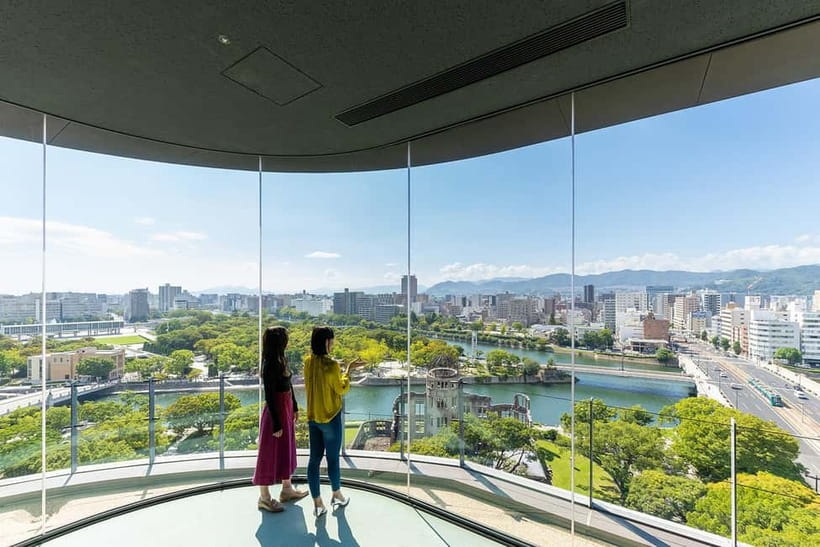
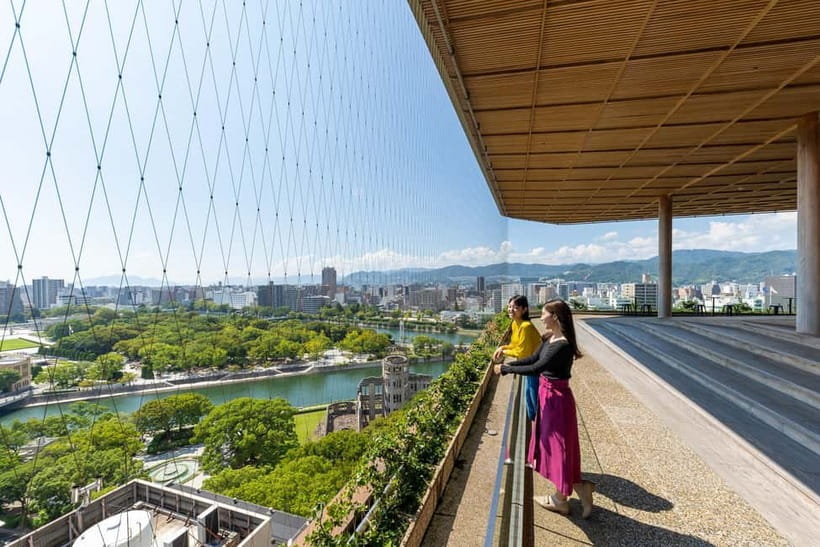
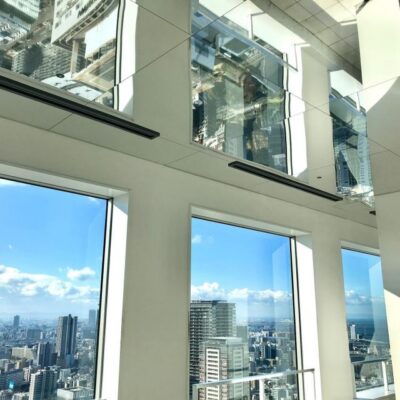
The rooftop observatory is the main reason to buy the ticket. From HIROSHIMA HILLS, you can look across Peace Memorial Park and out toward the shores of Miyajima. It is a useful orientation point, especially if you are still trying to understand how Hiroshima’s central area fits together.
The view has two layers. Nearby, you see the memorial district and the Atomic Bomb Dome area. Farther away, the city opens toward the water and the island scenery. That combination gives the observatory more purpose than a standard high viewpoint focused only on rooftops.
I would visit in daylight if the view is your priority. The supplied information does not promise a particular weather condition or visibility level, so distant Miyajima views will naturally depend on the day. Still, even a shorter stop here helps you get your bearings.
The observatory is also a good choice for different kinds of visitors. If you like photography, the broad outlook gives you plenty to frame. If you are visiting with family, it provides a clear visual break from memorial exhibits. If you have already seen Hiroshima at street level, the rooftop adds scale.
The limitation is that the tower’s view is the star attraction, and the visit may not fill a full day by itself. One review rated it as a fun way to get a view from above but suggested there was not a huge amount to see. I would treat the tower as a focused stop, not as an all-day attraction.
Folding a crane at ORIZURU SQUARE
At ORIZURU SQUARE, you can fold an origami crane. This is not just a craft station added to keep children busy. In Hiroshima, the paper crane carries a strong association with peace, hope, and the memory of the atomic bombing.
The activity gives you something physical to do after taking in the rooftop view. You do not just read about a symbol. You fold the paper yourself, following the familiar sequence of creases and folds. If your crane is not perfect, that is part of the charm. The point is participation, not an origami examination.
Digital content themed around the orizuru adds context to the area. The information provided does not identify a particular instructor or guide, so you should not expect a named guided lesson. This is a self-directed part of the admission experience.
I think this section will appeal most to families, couples, and anyone who prefers a hands-on activity to another display case. It also gives you a quiet moment to think about the meaning of the peace crane without requiring a formal ceremony.
The tradeoff is that the origami portion may be quite short if you already know how to fold cranes or are mainly interested in architecture. One French review described the visit as playful, with the origami and view as the strongest parts, while noting that there was not a great deal else to see. That is a fair way to set your expectations.
Leaving your crane on the ORIZURU WALL
The ORIZURU WALL is where the paper crane becomes part of something larger. After folding your crane, you can post it there. The activity is included in the admission fee, so you do not need to budget extra for this central feature.
This small action changes the mood of the visit. You are not simply buying a souvenir or taking a photograph. You are contributing a folded paper message to a shared display connected with peace. The tower describes the wall as a place linking people from around the world through a common hope.
I like that the wall gives the visit a clear ending point. First, you look over Hiroshima. Then, you take part in the crane tradition. Finally, you leave your own small contribution. It is a simple sequence, but it gives the ticket more substance than a view alone.
You should also understand what this is not. It is not a long workshop, a private ceremony, or a guided cultural class. It is a personal gesture within a public attraction. If you want detailed instruction about the history of origami or a specialist art lesson, this ticket does not promise that.
More Tickets in Hiroshima:
- Osaka/Kyoto: Hiroshima Miyajima Bus Tour & Shinkansen Ticket
★ 4.7 · 919 reviews - Hiroshima Kagura Performance Entry Ticket
★ 5.0 · 36 reviews - Tokyo: TOKYO SKYTREE® Admission ticket
★ 4.5 · 11,192 reviews - Tokyo: teamLab Planets TOKYO Digital Art Museum Entry Ticket
★ 4.6 · 9,779 reviews
Walking the SPIRAL SLOPE and 2045 NINE HOPES
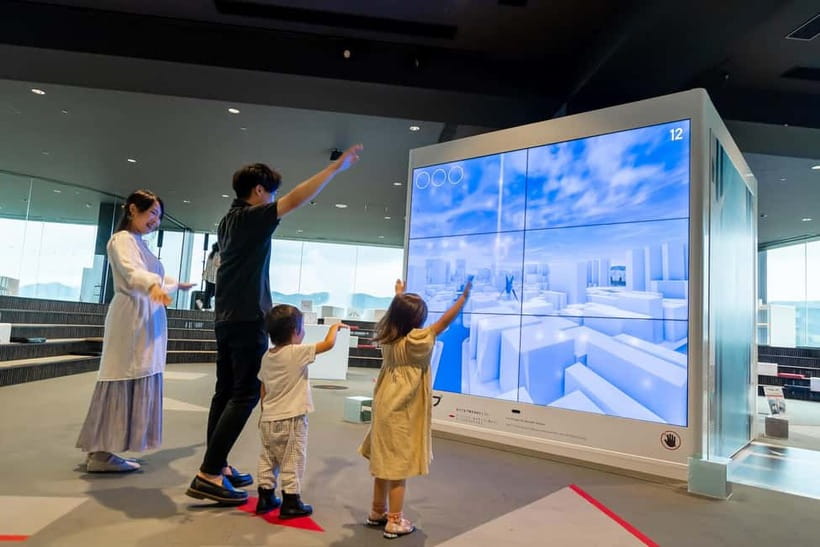
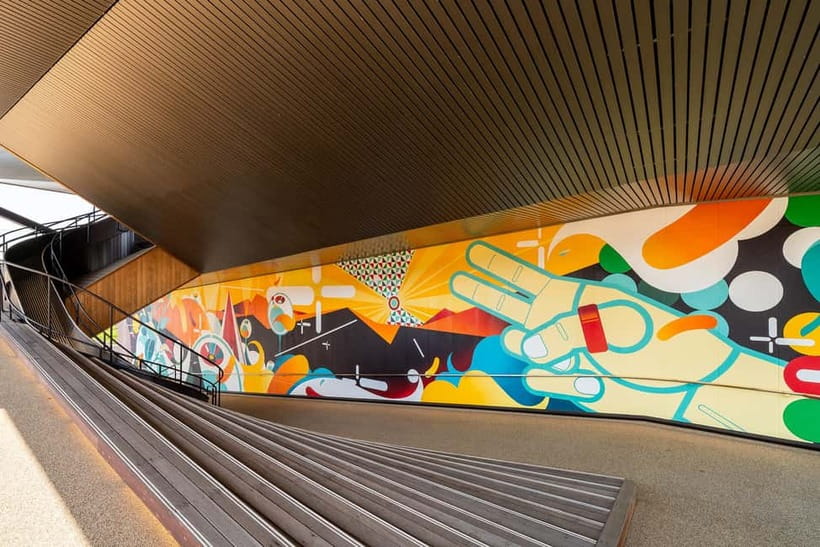
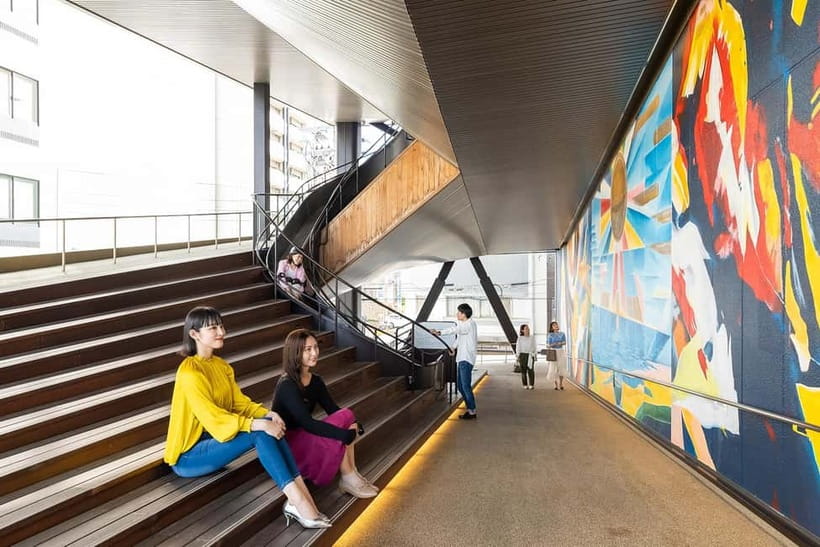
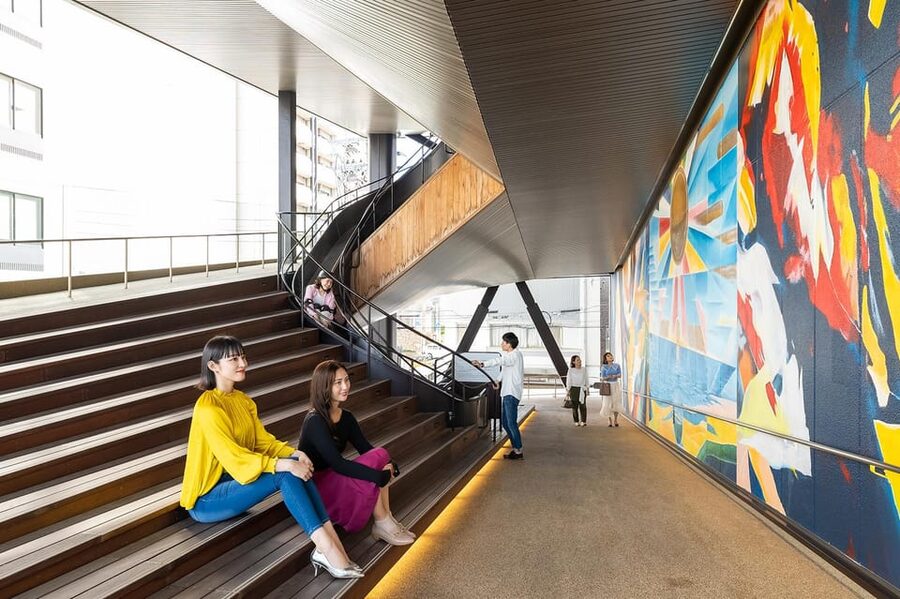
The SPIRAL SLOPE, called Sampo, takes you through the tower on a gradual route that combines movement, art, and reflection. Along the way, the WALL ART PROJECT 2045 NINE HOPES presents hopes for the centennial of the end of the war.
Artists with ties to Hiroshima created the project. That detail gives the work a strong local connection. It is not simply decorative art placed in a stairway. The theme asks you to think about what Hiroshima hopes for in the future, looking toward 2045.
This part of the visit helps break up the standard observation-tower pattern. You do not just take an elevator up, look out, and leave. The slope gives you a route through the building, with the art unfolding as you move.
I would pay attention to this section if you are interested in modern Hiroshima, public art, or the way a city talks about its future. It offers a different tone from the memorial sites nearby. The focus shifts from remembering the past to asking what kind of future people want.
The information does not provide the length of the slope or the exact number of artworks, so I would not plan your schedule around a long gallery visit. Think of it as a thoughtful part of the tower route, not a separate museum.
Café drinks and Hiroshima souvenirs

The tower also gives you a chance to taste and buy something local. The café serves handmade, healthy drinks made mainly with local fruits. Its guiding idea is Seasonal Foods Offering Peace of Mind, which points to a simple focus on seasonal ingredients and careful preparation.
This is useful if you want a pause after the observatory and crane activity. The information does not list specific drinks, prices, or menu items, so I would not arrive expecting one particular specialty. Instead, use the café as a convenient place to sample a seasonal fruit drink in the same building.
The permanent shop focuses on Hiroshima specialty products. That makes it practical for a small souvenir, especially if you want something connected to the city without spending time searching through several shops. The available information does not name the products, so your choices will depend on what is in stock during your visit.
I see the café and shop as helpful extras rather than reasons to buy the ticket alone. They round out the stop, but the rooftop and crane activity provide the main value.
What the $14 ticket is really worth
At $14 per person, this is reasonably priced if you want both the view and the cultural activity. The admission includes the observatory fee and the right to post your folded crane on the ORIZURU WALL. You are paying for more than a roof platform, but less than a full museum program.
The value is strongest when you use the tower as part of a larger Hiroshima day. Pair it with Peace Memorial Park and the Atomic Bomb Dome, then come here for a new view and a personal activity. In that setting, the tower adds variety without demanding a separate half-day.
The value is weaker if you only want a major indoor attraction with many exhibits. One rating gave the visit three out of five for providing an overview of the city from above. Another visitor called the building and outlook excellent, while a separate review described the experience as remarkable. Taken together, the pattern is clear: the view receives the most praise, while the amount of material to see varies by expectation.
I would also consider the ticket good value for families. The crane folding and ORIZURU WALL give children an active role, and the rooftop adds a clear visual highlight. Adults who enjoy architecture, city views, and peace-related cultural symbols should find enough here for a worthwhile stop.
Planning your visit at the first-floor counter
Bring the QR code for your booking and exchange it for a voucher at the information counter on the first floor. The listed coordinates are 34.3956868, 132.4547167, which can help you locate the building with a map app.
The activity is valid for one day, and availability determines the starting times shown when you book. There is no named guide or fixed guided itinerary provided, so plan for a self-paced visit through the observatory, ORIZURU SQUARE, ORIZURU WALL, SPIRAL SLOPE, café, and shop.
Wheelchair access is available. If your schedule changes, you can cancel up to 24 hours in advance for a full refund. A reserve-now, pay-later option is also available, which is useful when your Hiroshima plans still depend on weather or transport.
I would avoid treating the tower as a rushed photo stop. Give yourself enough time to look at the city, fold the crane, add it to the wall, and walk the art slope. You may finish quickly if you skip the café and shop, but the whole point is the change of pace.
Who should book HIROSHIMA ORIZURU TOWER
I would recommend this ticket to you if you want a short, flexible Hiroshima activity with a strong view and a small cultural action. It is particularly suitable for:
- Families looking for something interactive
- First-time visitors who want to understand the city’s layout
- People already visiting Peace Memorial Park
- Visitors interested in peace symbolism and modern public art
- Anyone who enjoys a rooftop outlook but wants more than a viewpoint
I would be more cautious if you want a large museum, a long guided explanation, or many historical displays. The tower’s appeal is focused. You get a rooftop outlook, an origami crane activity, a shared peace installation, a wall art route, and access to local food and products.
FAQ
How much does HIROSHIMA ORIZURU TOWER cost?
The admission price is $14 per person.
How long is the ticket valid?
The ticket is valid for one day. Starting times depend on availability when you check.
What is included in the admission?
The ticket includes the observatory admission fee and the right to post your folded paper crane on the ORIZURU WALL.
Where do I exchange my booking?
Show your QR code at the information counter on the first floor and exchange it for a voucher.
Can I cancel the booking?
Yes. You can cancel up to 24 hours in advance for a full refund.
Is the tower wheelchair accessible?
Yes, wheelchair access is available.
Can I reserve now and pay later?
Yes. A reserve-now, pay-later option is available.
Should you book this Hiroshima view and crane experience?
Book it if you want a well-priced stop that combines a broad Hiroshima view with a meaningful hands-on activity. The best reasons are the outlook toward Peace Memorial Park and Miyajima, plus the chance to add your own crane to the ORIZURU WALL.
Skip it if your schedule is already packed with museums and memorial sites and you do not care much about city views or origami. For most visitors, though, the $14 ticket works well as a change of pace near the Atomic Bomb Dome. You look out over Hiroshima, make something with your hands, and leave a small sign of peace behind.
Just added around Hiroshima
- Full Day Hiroshima and Miyajima Tour by Bullet Train from Kyoto★ 4.5 · 120 reviews
- Hiroshima Saijo Sake Tasting Tour with visit to 7 Breweries★ 5.0 · 104 reviews
- The Peace Memorial to Miyajima : Icons of Peace and Beauty★ 4.5 · 31 reviews
- Shore Excursion from Hiroshima Port : Private Tour in Hiroshima★ 5.0 · 17 reviews
- Okunoshima Rabbit Island Cycling Tour with Local Guide★ 4.5 · 17 reviews
- Hiroshima & Miyajima All-Inclusive Tour w/Licensed guide Pancho★ 5.0 · 54 reviews
- Private Full Day Hiroshima Tour★ 4.5 · 29 reviews
- Hiroshima Private Tour with a Local – Highlights & Hidden Gems★ 4.5 · 24 reviews
Tickets, compared.

teamLab Planets TOKYO Digital Art Museum Entry Ticket
Our verdict →
Japanese Dance Cabaret Theater Asakusa-Kaguwa Ticket
Our verdict →
Kamakura & Enoshima Day Trip including Temple Tickets
Our verdict →

Browse the lists this tour appears in