
Reviewed · HIROSHIMA TOURS
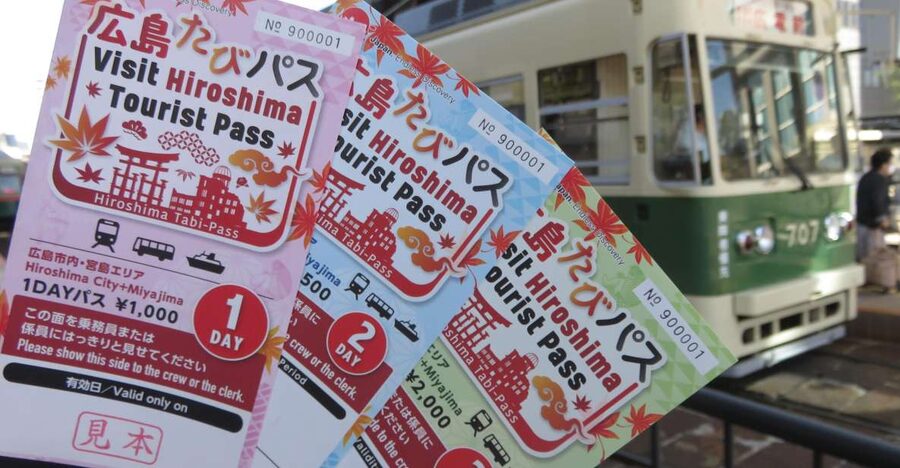
Hiroshima:Visit Tourist Pass(1, 2, 3day and 3day middlearea)
Hiroshima’s best-known sights are spread across the city and bay, so this pass is really a sightseeing tool, not just a transport ticket. With it, you can ride the tram to the Atomic Bomb Dome, take a ferry to Miyajima, and hop on and off selected buses without counting every fare.
I like the freedom to change plans during the day, and I like that the pass covers both ferry companies from Miyajimaguchi to Miyajima. The digital coupons add another small saving, especially if one matches a place you already planned to visit.
The catch is simple: you need to calculate your likely rides. If you only make a few trips, individual tickets may cost less. Also, finding the voucher exchange point at the bus terminal can take a little patience.
Key points to know before buying

- Miyajima ferry travel is included: Use either Miyajima Matsudai Kisen or JR West Miyajima Ferry from Miyajimaguchi.
- The streetcar network is broad: All Hiroshima Electric Railway inner-city and Miyajima lines are covered.
- There are four pass choices: Pick one, two, or three days, or choose the three-day Middle Area option.
- The Middle Area pass reaches farther: It allows up to two rides on selected express-bus routes toward Kure, Takehara, Miyoshi-Shobara, and Iwakuni.
- Miyajima still has an extra charge: You must pay the 100 yen Miyajima Visitor Tax before boarding the ferry.
- The value depends on your schedule: The more often you ride, especially on a Miyajima day, the easier it is to justify the price.
How the Hiroshima pass fits together
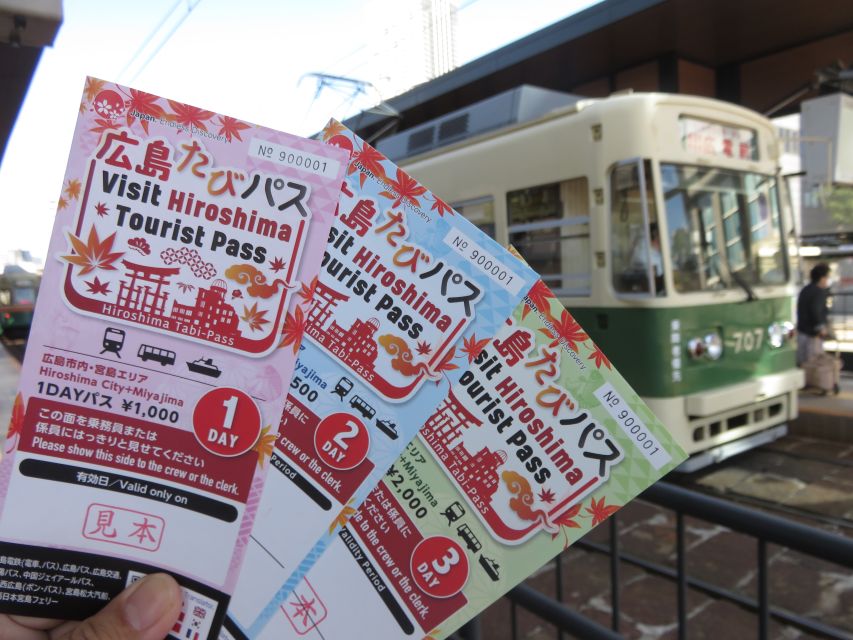
The Visit Hiroshima Tourist Pass is issued by Hiroshima Electric Railway, the company that operates Hiroshima’s streetcars and several related transport services. It is available for one, two, or three days, plus a three-day Middle Area version.
The basic pass is designed for Hiroshima city, the route to Miyajima, and selected local buses. The Middle Area pass is for a wider plan. It adds limited use of express buses, making it more useful if you want to go beyond the main city sights.
The pass works for the exact period stamped on the ticket. That detail matters. A three-day pass is not an open ticket you can activate whenever you like after purchase. Check the redemption date and the stamped validity period before setting off.
The price supplied for this activity is $6 per person. Since the exact cost can vary by pass type and booking date, check the option you select. The key point is not the headline price alone. You should compare it with the number of tram, bus, and ferry rides you expect to make.
Other Hiroshima days travellers book alongside this one:
- Peaceful Hiroshima & Miyajima UNESCO 1 Day Bus Tour
★ 5.0 · 5,309 reviews - Hiroshima: Hiroshima and Miyajima UNESCO Sites 1-Day Tour
★ 4.9 · 2,330 reviews - Hiroshima / Miyajima Full-day Private Tour with Government Licensed Guide
★ 5.0 · 1,298 reviews
Hiroshima’s streetcars, the easiest way to reach the main sights
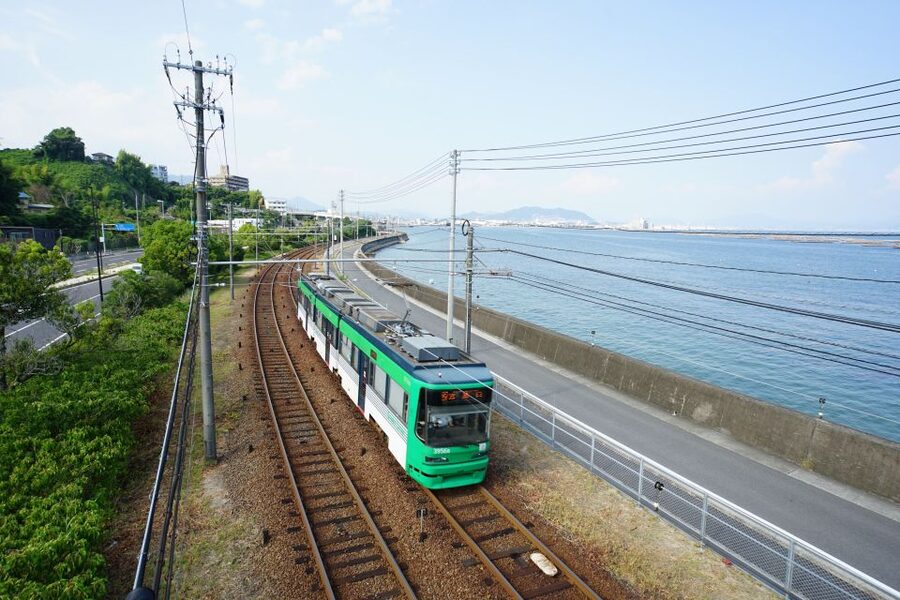
Hiroshima’s streetcars are the workhorse of this pass. All lines of the Hiroshima Electric Railway are included, covering the inner-city network and the Miyajima Line.
That gives you a practical way to link several major stops in one day. You can ride toward the Atomic Bomb Dome, continue around the central sightseeing area, and later travel toward Miyajimaguchi without buying a separate ticket for every leg.
I like passes that remove small decisions from a busy sightseeing day. Here, you can get off when something catches your eye, walk around, and board another covered service later. That flexibility is useful in Hiroshima because the city’s sights are important but emotionally demanding. You may want to slow down rather than rush from one attraction to the next.
The streetcar coverage is also useful if you are staying outside the immediate center. The route map supplied with the pass helps you check which services are included. Keep it handy, since not every bus or rail service in the region is part of the deal.
The Atomic Bomb Dome and central Hiroshima
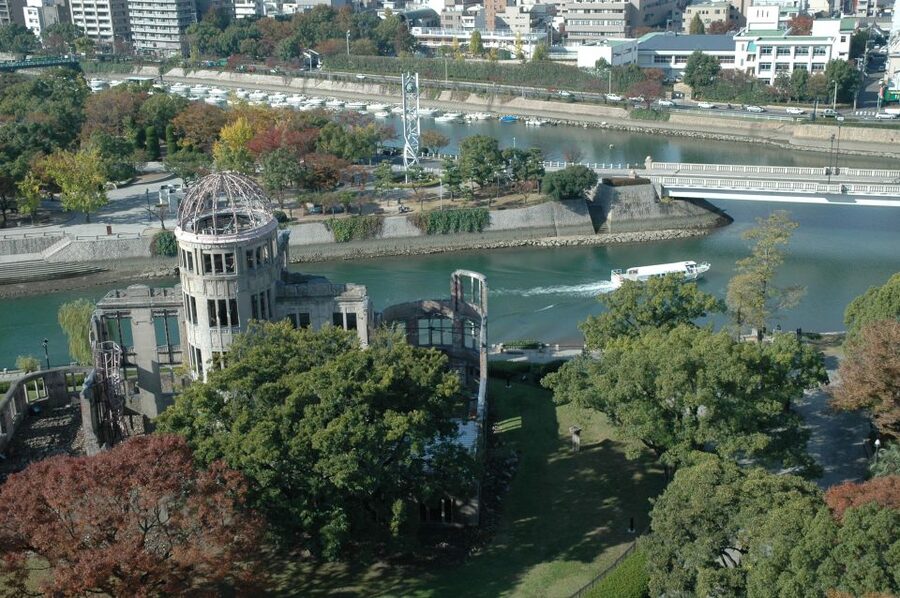
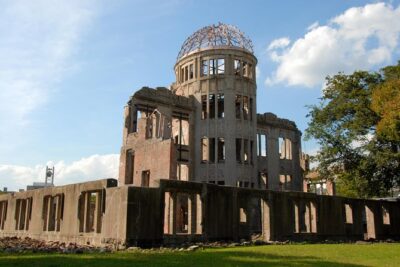
The Atomic Bomb Dome is one of the clearest reasons to use the pass. It sits in the central Hiroshima sightseeing area and is reached by the covered streetcar network.
The Dome is not a quick photo stop in the usual sense. Its damaged structure gives physical form to the events remembered across the Peace Memorial Park. The nearby Peace Memorial Museum provides more context, though the material can be difficult. Give yourself enough time instead of trying to squeeze both the museum and Miyajima into a hurried morning.
The pass does not list admission to attractions as a standard inclusion. It does provide digital discount coupons, and one recent use of the pass included reduced admission for Hiroshima Castle and the Peace Museum. Treat that as a possible benefit rather than a guaranteed admission deal, since coupon offers can change.
A useful plan is to use the streetcar to reach the Peace Memorial area early, visit the Dome and museum, then take a break before heading onward. The pass lets you make that day practical without watching the fare meter.
Miyajima by ferry, with one small extra fee
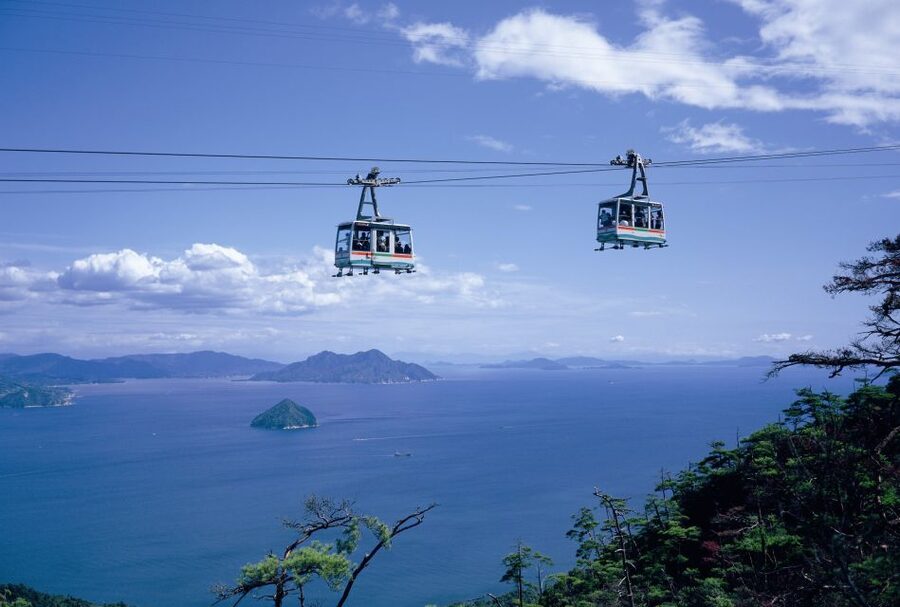
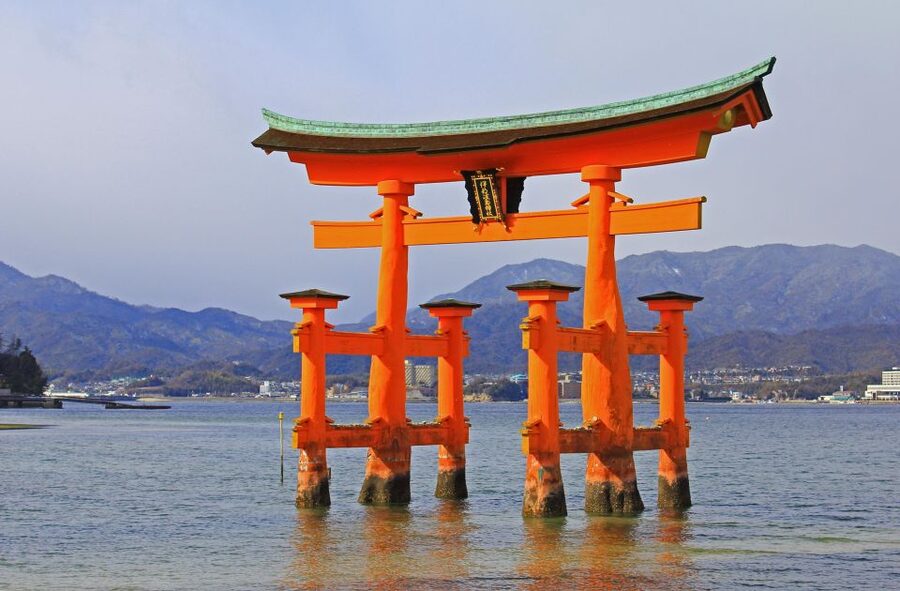
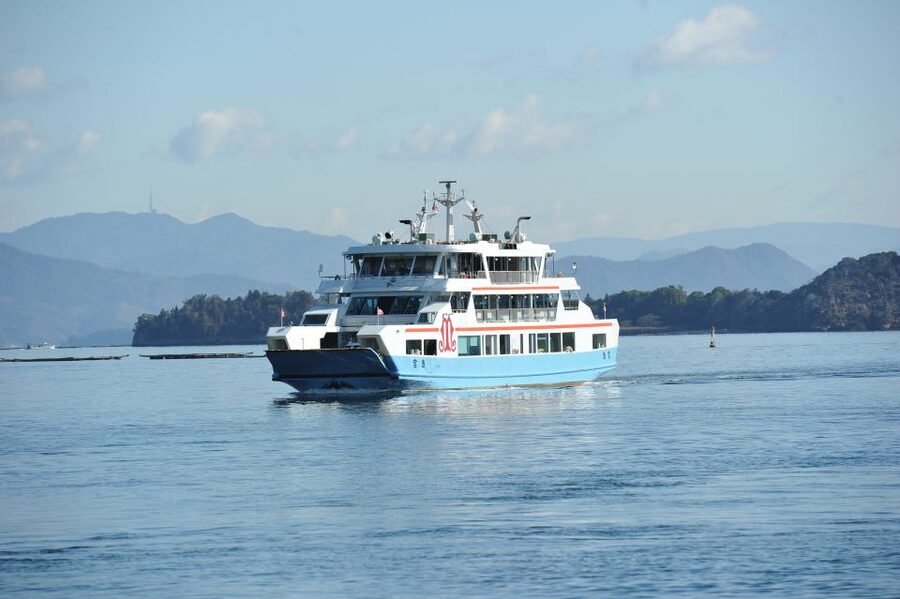
Miyajima is the other major reason this pass can pay for itself. From Miyajimaguchi, you may use either Miyajima Matsudai Kisen or JR West Miyajima Ferry to reach the island.
Both ferry options are covered by the pass. That is a strong benefit because Miyajima is not simply another stop within central Hiroshima. It requires a separate connection, and paying for each part of the journey can add up.
Before boarding, budget an additional 100 yen for the Miyajima Visitor Tax. This tax applies to visits to Miyajima and is purchased at a vending machine before the ferry ride. It is not included in the tourist pass.
Once on the island, the pass has done its main job by getting you there and back. The supplied information does not state that island attractions or admission fees are included, so plan to pay those separately unless a current digital coupon says otherwise.
A Miyajima day can involve several transport legs: streetcar or bus from Hiroshima, the route to Miyajimaguchi, the ferry, and the return journey. That is exactly the kind of day when the pass becomes easier to justify. One recent three-day use covered the Hiroshima and Miyajima area by tram and ferry for the full period.
A few more Hiroshima half-days worth comparing
- Osaka/Kyoto: Hiroshima Miyajima Bus Tour & Shinkansen Ticket
★ 4.7 · 919 reviews - Hiroshima Historical Walking Tour – Why A-Bomb was Dropped
★ 4.8 · 893 reviews - Hiroshima Peace (Heiwa) Walking Tour at World Heritage Sites
★ 5.0 · 872 reviews - Hiroshima in a Nutshell: Morning Bike Adventure
★ 5.0 · 524 reviews
Buses for places the streetcars do not reach
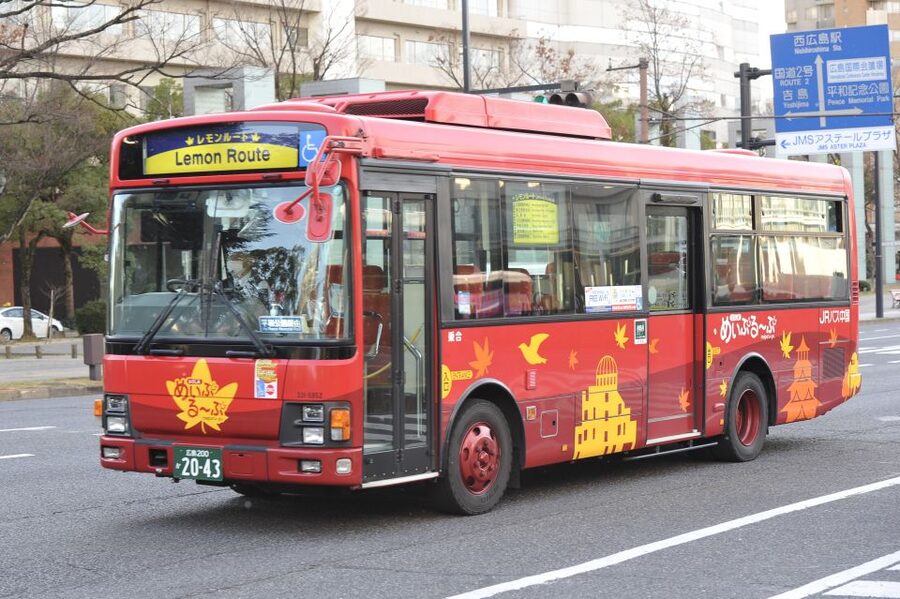
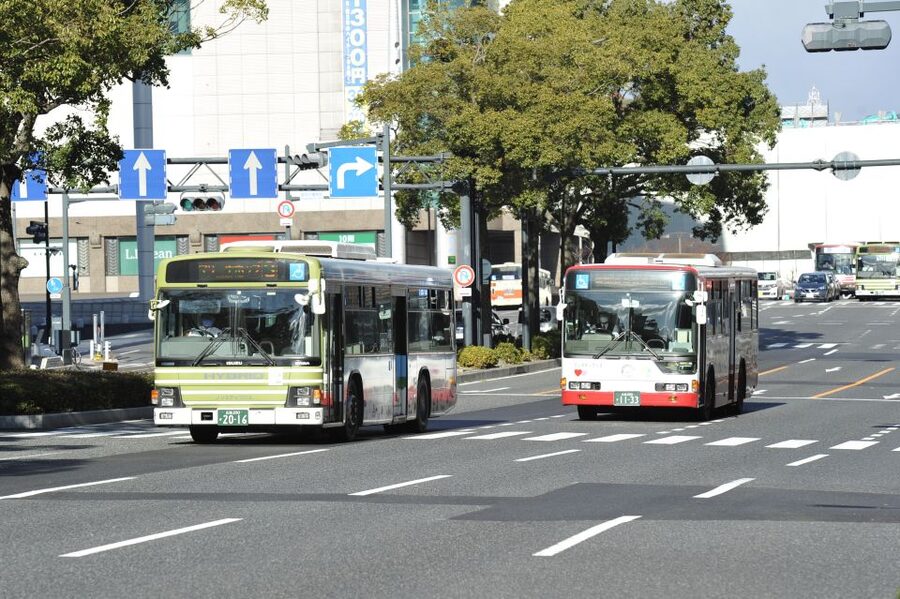
The pass covers selected route buses operated by Hiroshima Electric Railway, Hiroshima Bus, Hiroshima Kotsu, Geiyo Bus, Chugoku JR Bus, and HD Nishihiroshima, also known as Bon-Bus.
It also covers the Hiroshima sightseeing loop bus, called Hiroshima meipuru-pu. This can be handy when you want to connect central sights without returning to a streetcar stop.
Do not assume every bus in Hiroshima is included. Highway buses, the Hiroshima Airport Limousine bus, midnight buses, community buses, and JR trains are excluded. The route map is therefore important, especially if you are trying to reach a hotel, an outlying sight, or the airport.
The pass also does not cover every approach to The Outlet Hiroshima. If you visit the outlet, you must show the pass to the driver and pay the fare from Koi Shiroyama Memorial Hills, listed as 190 yen in April 2024. That is a very specific exception, so keep it in mind if shopping is part of your plan.
What the Middle Area pass adds
The three-day Middle Area pass is aimed at people who want more than Hiroshima city and Miyajima. It can be used on selected express buses for routes between:
- Hiroshima and Kure
- Hiroshima and Takehara
- Hiroshima and Miyoshi-Shobara
- Hiroshima and Iwakuni
Use on these express buses is limited to two times. That restriction is important. This is not unlimited regional bus travel, and you should decide in advance which long-distance rides matter to you.
For a city-only itinerary, the Middle Area version may offer more coverage than you need. If you are planning a wider trip across the Chugoku Region, it can make sense, but only after checking the route map and counting your intended express-bus trips.
The wording around the express buses can be easy to misread. The Middle Area ticket does not turn every highway bus into a covered service. Airport Limousine buses and other excluded services remain outside the pass.
Digital coupons and the real savings
Every purchaser receives a digital coupon at redemption. Offers may apply to selected sightseeing spots, restaurants, and cultural experiences in Hiroshima.
I see the coupons as a bonus, not the main reason to buy. A discount is useful only if it matches something you already want to do. Do not add an unnecessary restaurant or admission fee simply because the coupon makes it cheaper.
Still, the coupons can improve the value of a pass that is already paying for transport. One recent use included reduced admission for Hiroshima Castle and the Peace Memorial Museum. Check the digital offers when you redeem the pass, then see if one fits your route.
This benefit also gives you a reason to keep the pass information accessible during the day. The discount is digital, so make sure you know where to find it when you arrive at a participating place.
Counting rides before you choose one, two, or three days
The right pass length depends on how concentrated your sightseeing is.
A one-day pass can work well if you plan a full day around Hiroshima’s central sights and perhaps Miyajima. Count the expected streetcar rides, the route to Miyajimaguchi, and both ferry crossings. If you will ride only once or twice and spend most of the day walking, buying individual fares may be cheaper.
A two-day pass suits a split plan. You might visit the Peace Memorial area on one day, then use the streetcar and ferry for Miyajima on the next. One recent user found the pass useful over two days and described it as a major reduction in transport costs.
A three-day pass gives you more room. You can separate the emotional weight of the Peace Memorial sites from a day on Miyajima, then use a third day for additional city stops or a slower return to places you missed.
The pass becomes less attractive if your hotel, main sights, and meals are all within walking distance. Hiroshima is not a city where you need to ride simply because you have a ticket. Use it when it saves money or effort.
Redemption, validity, and practical snags
The meeting point depends on the option selected. The stated coordinates are 34.3962155, 132.456702, but your confirmation should take priority because the redemption location may vary.
One important practical detail is the voucher exchange. A recent purchaser had difficulty finding the correct place and later located it at the tourism office in the bus terminal. Allow extra time, especially if you want to start using the pass immediately.
At redemption, check the stamped dates and confirm which pass you received. Look at the route map before boarding your first bus. This is the easiest way to avoid confusing included local services with excluded highway buses or JR trains.
The pass offers free cancellation up to 24 hours before the activity, and a reserve-now, pay-later option may be available. These terms can depend on the booking selection, so check the conditions attached to your chosen pass.
Who should buy the Visit Hiroshima Tourist Pass?
This pass suits you if you plan to combine the Atomic Bomb Dome, central Hiroshima, and Miyajima. It is also useful if you prefer spontaneous stops and do not want to buy a ticket each time you board a tram or bus.
Families and small groups may appreciate the simple routine, although each person needs a pass. The one, two, and three-day choices also help if you have only a short stay.
Choose the Middle Area version if your plan includes Kure, Takehara, Miyoshi-Shobara, or Iwakuni and you can use the two permitted express-bus rides. It is not the best choice simply because it covers a larger area on paper.
You may want to skip the pass if you expect to walk most of the time, use JR trains, take the airport bus, or make only a few local rides. It also requires attention to the route map and redemption point, so it is not a completely hands-off ticket.
Should you book it?
Book the Visit Hiroshima Tourist Pass if you are making several tram or bus rides and visiting Miyajima. The ferry coverage is the key advantage, and the pass becomes especially practical when your itinerary includes both Hiroshima’s central memorial sites and the island.
Before booking, count your rides and check the exact pass area. Remember the 100 yen Miyajima Visitor Tax, excluded JR and airport services, the two-trip limit on Middle Area express buses, and the special fare needed for The Outlet Hiroshima.
For many visitors, the best choice is the shortest pass that covers the busiest part of the trip. If your schedule is full for two or three days, the longer option can offer good value. If your plans are loose and walkable, buy only after doing the arithmetic.
FAQ
What transport is included in the Visit Hiroshima Tourist Pass?
The pass includes all Hiroshima Electric Railway streetcar lines, including the Inner-City Line and Miyajima Line. It also covers selected route buses and the Hiroshima sightseeing loop bus.
Does the pass include the ferry to Miyajima?
Yes. You can use the pass on the ferry from Miyajimaguchi Station to Miyajima Island operated by Miyajima Matsudai Kisen or JR West Miyajima Ferry.
Is the Miyajima Visitor Tax included?
No. You must pay the 100 yen Miyajima Visitor Tax separately at a vending machine before boarding the ferry.
How long can I use the pass?
The pass is available for one, two, or three days. The Middle Area version is valid for three days. It is valid only for the period stamped on the ticket.
What is the Middle Area three-day pass?
It is a three-day pass with additional use on selected express buses between Hiroshima and Kure, Takehara, Miyoshi-Shobara, and Iwakuni. These express-bus trips can be used up to two times.
Are JR trains included?
No. JR trains are not included in the pass.
Is the Hiroshima Airport Limousine bus included?
No. The Hiroshima Airport Limousine bus is excluded.
Can I use the pass for The Outlet Hiroshima?
The Outlet Hiroshima is outside the covered area. You must show the pass to the driver and pay the fare from Koi Shiroyama Memorial Hills, listed as 190 yen as of April 2024.
Can I cancel the booking?
You can cancel up to 24 hours in advance for a full refund. A reserve-now, pay-later option may also be available, depending on the booking choice.
Just added around Hiroshima
- Full Day Hiroshima and Miyajima Tour by Bullet Train from Kyoto★ 4.5 · 120 reviews
- Hiroshima Saijo Sake Tasting Tour with visit to 7 Breweries★ 5.0 · 104 reviews
- The Peace Memorial to Miyajima : Icons of Peace and Beauty★ 4.5 · 31 reviews
- Shore Excursion from Hiroshima Port : Private Tour in Hiroshima★ 5.0 · 17 reviews
- Hiroshima & Miyajima All-Inclusive Tour w/Licensed guide Pancho★ 5.0 · 54 reviews
- Private Full Day Hiroshima Tour★ 4.5 · 29 reviews
- Okunoshima Rabbit Island Cycling Tour with Local Guide★ 4.5 · 17 reviews
- Hiroshima Private Tour with a Local – Highlights & Hidden Gems★ 4.5 · 24 reviews
Hiroshima Tours, compared.
Peaceful Hiroshima & Miyajima UNESCO 1 Day Bus Tour
Our verdict →
Hiroshima Historical Walking Tour – Why A-Bomb was Dropped
Our verdict →
Hiroshima Peace (Heiwa) Walking Tour at World Heritage Sites
Our verdict →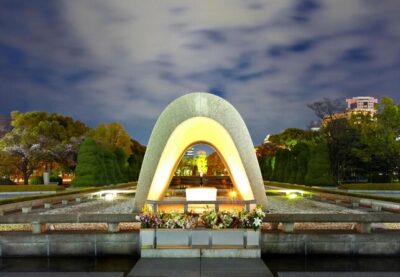
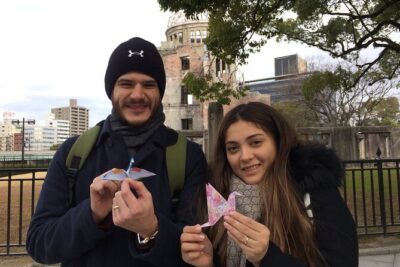
Hiroshima City 4hr Private Walking Tour with Licensed Guide
Our verdict →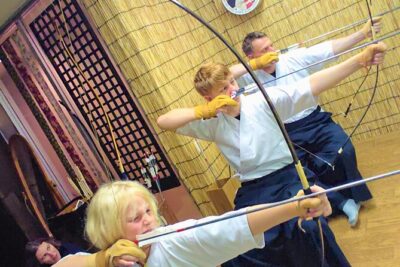
Japanesel Archery Experience HIROSHIMA CASTLE SHARAKU
Our verdict →
Browse the lists this tour appears in