
Reviewed · HIDDEN GEMS TOURS
Hiroshima: Hidden Gems and Highlights Private Walking Tour
Hiroshima’s most rewarding moments may come after you leave the main memorial sights. This private walk pairs the Atomic Bomb Dome and Peace Memorial Park with quiet lanes, local eateries, and neighborhood bars that are easy to miss on your own. Your host may be Ken, Yuka, Kaku, Masayo, Tom, or another English or Japanese-speaking local.
I like the way the tour begins with Hiroshima’s major landmarks but does not stop there. I also like the pre-tour questionnaire, since your host can focus on food, gardens, history, nightlife, or everyday city life instead of giving every visitor the same script. The main consideration is cost: at $67 per person, food, entry tickets, taxis, and public transport are extra, so the final bill can rise.
Key points at a glance
- Start at Hiroshima Orizuru Tower: Meet your host outside the souvenir shop on the ground level.
- See a garden that survived 1945: Shukkei-en offers a quiet opening and an important link to Hiroshima’s past.
- Handle difficult history with care: Peace Memorial Park and the Atomic Bomb Dome are covered with local stories and personal context.
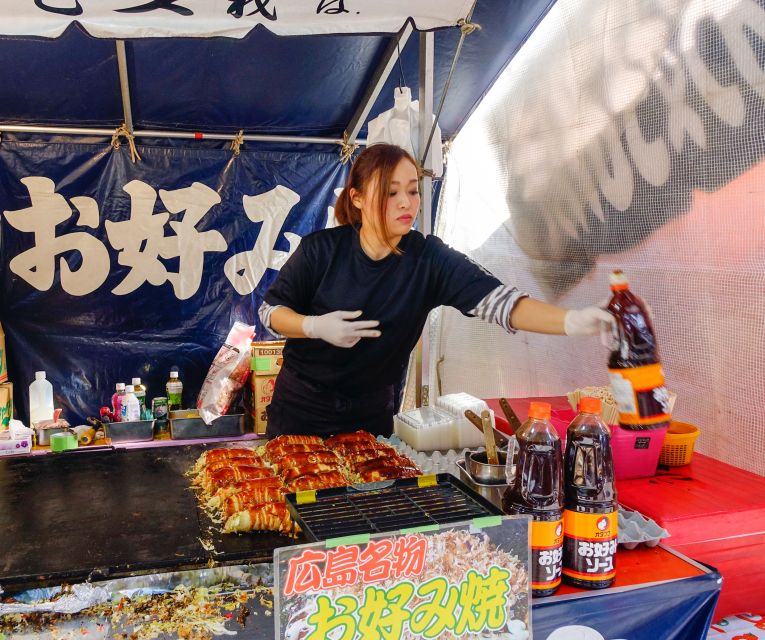
- Eat and drink like a local: Hiroshima-style okonomiyaki, oysters, curry, sake, and neighborhood restaurants may fit your route.
- Choose the pace: Book a walk lasting from 2 to 6 hours, with the route shaped around your interests.
- Expect a walking tour: Transport is not included, and any train, bus, or taxi costs are paid separately.
A local introduction at Hiroshima Orizuru Tower
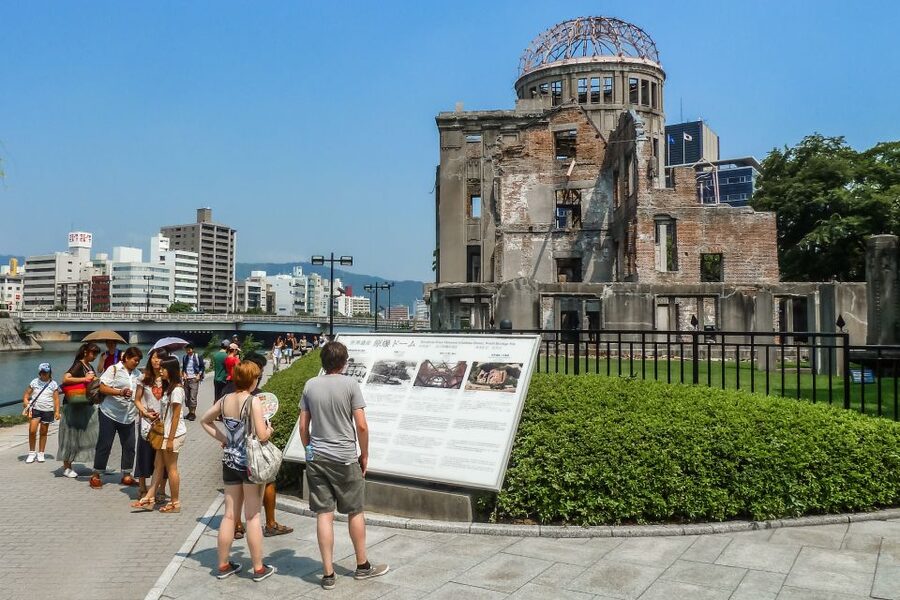
The meeting point is outside the souvenir shop on the ground level of Hiroshima Orizuru Tower. This is a practical place to begin because it puts you close to the Atomic Bomb Dome, Peace Memorial Park, and central Hiroshima streets.
Your host contacts you after booking with a short questionnaire. You can explain what interests you, what foods you like, how much walking suits you, and what sort of day you want. The host then suggests a route and remains in direct contact while planning.
That step matters. A private guide can spend more time on the topics that hold your attention. If you care about wartime history, the walk can give that subject more room. If you have already visited the memorial sites, you can focus on food, local districts, gardens, or evening drinks instead.
The guides named in the available feedback include Ken, Yuka, Kaku, Masayo, and Tom. Ken received especially warm praise for clear English and for sharing family connections to Hiroshima. Kaku took a couple to a curry restaurant they nearly skipped, and it became one of their best meals in Japan. Those details suggest that the guide can shape the day around conversation, not just landmarks.
More Walking Tours in Hiroshima
- Hiroshima Historical Walking Tour – Why A-Bomb was Dropped
★ 4.8 · 893 reviews - Hiroshima Peace (Heiwa) Walking Tour at World Heritage Sites
★ 5.0 · 872 reviews - Hiroshima City 4hr Private Walking Tour with Licensed Guide
★ 5.0 · 437 reviews
Shukkei-en Garden begins the story
Shukkei-en Garden is a 400-year-old garden in central Hiroshima. It gives you a calmer start than walking directly into the memorial district. Ponds, paths, and carefully arranged scenery create room to slow down before facing the city’s hardest history.
The garden also survived the atomic bombing, although it suffered severe damage and became a place of refuge for injured people. That makes it more than a pleasant green stop. Your guide can help connect its quiet paths with the events that changed Hiroshima in August 1945.
The exact route depends on your chosen length and interests. A two-hour visit may need to concentrate on a few key places, while a longer walk can give Shukkei-en more time. Admission is not included, so ask your host about the current ticket cost if the garden is part of your plan.
I like this opening for travelers who need a thoughtful pace. Hiroshima’s memorial sites can feel heavy, and a garden gives you a little space to gather yourself. The drawback is that adding the garden may leave less time for food stops or farther neighborhoods during a short tour.
Peace Memorial Park and the Atomic Bomb Dome
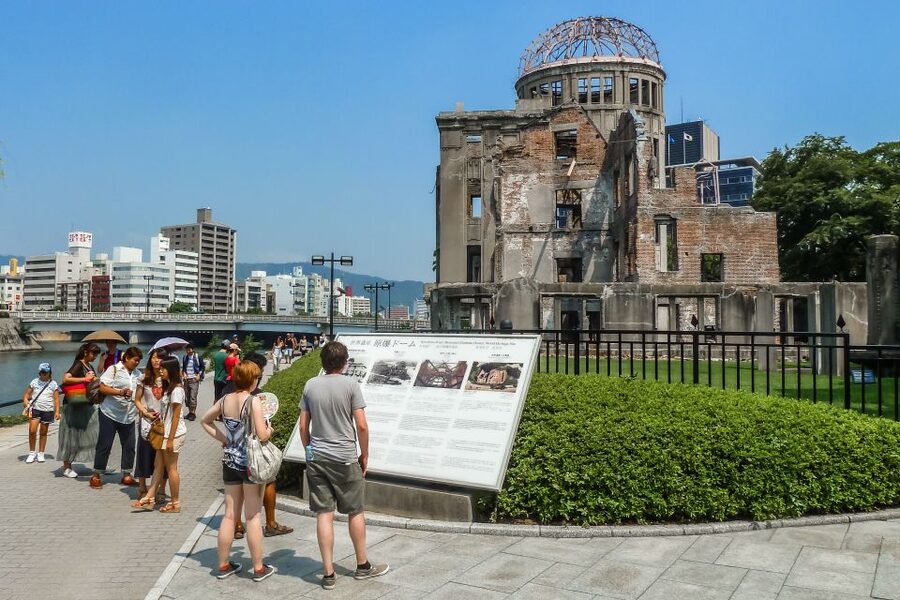
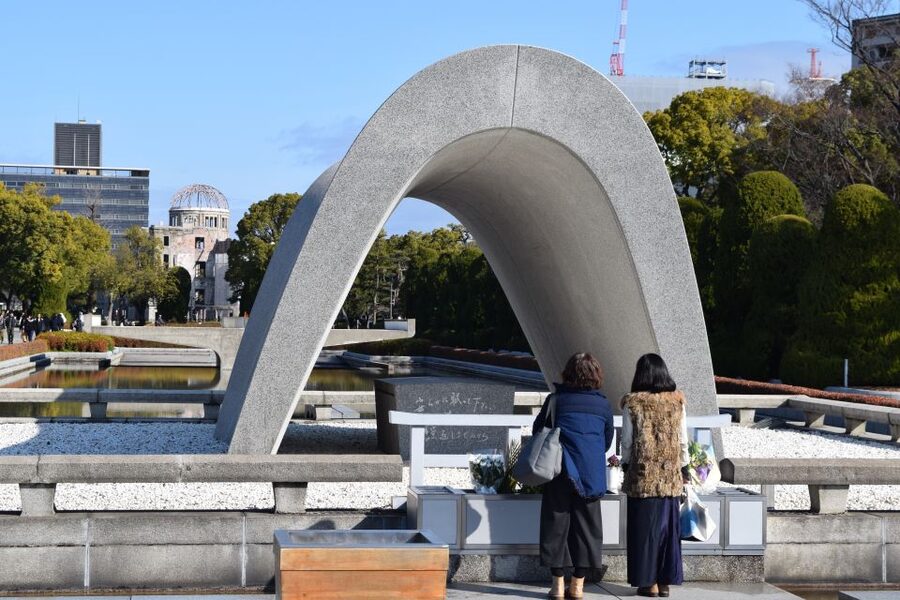
Peace Memorial Park is the emotional center of the walk. The park includes memorials, open space, and the Atomic Bomb Dome, the preserved building that became one of Hiroshima’s best-known symbols.
Your host can explain what you are seeing and add local stories that a quick solo visit may not provide. Ken, for example, shared family history connected to Hiroshima while discussing the A-bomb site, the Peace Memorial, and the Japanese garden. That kind of personal context can make the visit feel less like a list of dates and more like a conversation about real lives.
This portion requires sensitivity. It is not a sightseeing stop to rush through for photographs. Give yourself time to listen, ask questions, and pause. If you also want to visit the Peace Memorial Museum, tell your host in advance. One four-hour route included the A-bomb Dome, the museum, and Hiroshima Castle, but museum entry is not included in the tour price.
The museum can make the day longer and more intense. Some people will want that fuller historical picture. Others may prefer the outdoor memorial sites followed by food or a quieter neighborhood. The private format lets you make that call with your host.
Hiroshima food beyond the standard checklist
Food is one of the strongest reasons to choose this walk. Hiroshima-style okonomiyaki is a natural choice, with layers of ingredients cooked together rather than mixed into a single batter. The tour may take you to a favorite neighborhood eatery, but the food bill is separate.
A specific restaurant, Okamoto’s, was singled out as a highlight on one route. Another guide led a couple to an excellent curry restaurant in a local area. You should not expect the same restaurant every time, since the route is shaped around your host and your interests, but these examples show the value of asking for a recommendation instead of simply choosing the first place near the park.
Oysters are another local specialty. Your host may point out oyster stalls or suggest a stop where you can try them. If you do not eat seafood, say so in the questionnaire. The stated aim is a tailored day, and your food preferences should guide the choices.
Food stops are not included in the $67 price. That is useful to know before you book, particularly if you are traveling with a group. You pay for what you order, and costs vary by restaurant and appetite.
I would tell you to treat the meal as part of the tour’s value, not as a hidden extra to ignore. A good local recommendation can save you from a mediocre meal and add a memorable part to the day. Still, the guide cannot guarantee a particular restaurant, menu, or price unless you confirm those details directly.
More Hidden Gems Tours in Hiroshima:
- Hiroshima: History and Hidden Gems Tour
★ 4.9 · 81 reviews - Hiroshima Private Tour with a Local – Highlights & Hidden Gems
★ 4.5 · 24 reviews - Kyoto Geisha Walking Tour: Gion District & Hidden Gems
★ 4.7 · 3,273 reviews - Private Kyoto Tour with a Local, Highlights & Hidden Gems, Personalised
★ 5.0 · 1,543 reviews
Ekinishi, Nagarekawa, and the city after dark
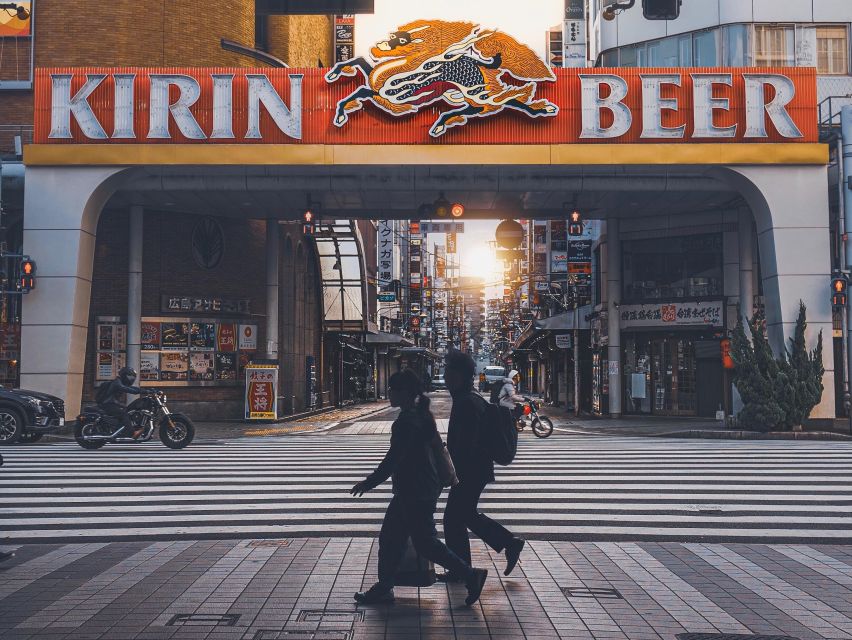
The route can move beyond the memorial center into Ekinishi and Nagarekawa. These districts offer a different picture of Hiroshima, with local restaurants, narrow alleys, small bars, and evening activity.
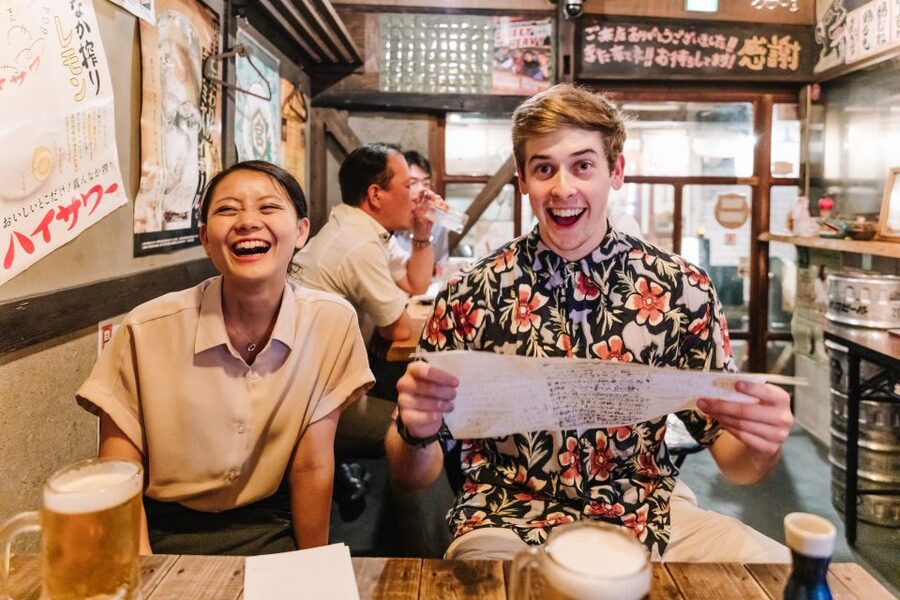
Ekinishi is useful for travelers who want to see where people go after work, while Nagarekawa is associated with nightlife and tucked-away drinking spots. The experience may include a cozy bar or a sake stop, depending on your schedule and preferences. Drinks are not included, and the tour does not promise a fixed list of venues.
This is where the private format earns its keep. A large group usually follows a set route, but your host can stop when a street, shop, or conversation catches your attention. You might spend more time looking for a bar, or you might decide that another café is not worth delaying your waterfront walk.
Do not expect a polished entertainment district designed for sightseeing. The appeal is the ordinary city around it: small places, local habits, and streets that do not feature on every first-time itinerary. Some spots may be quiet, compact, or less comfortable for travelers who want a formal dining experience.
Minato Park and room to change plans
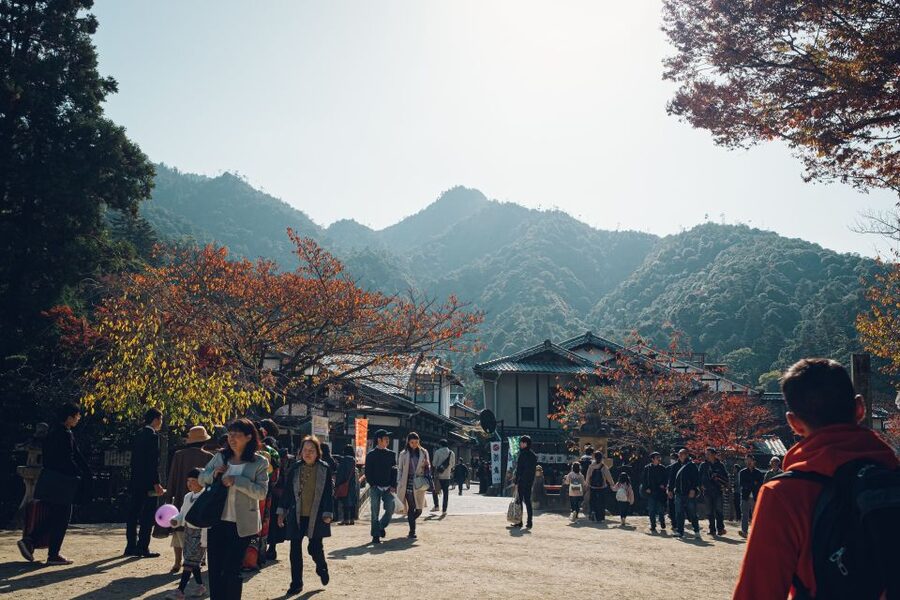
A longer tour may head toward Minato Park, giving you a chance to leave central Hiroshima and spend time near the waterfront. The exact transport plan depends on the route. This is a walking experience, but public transport or a local taxi may be used between sites if needed.
Those costs are not included. Discuss them with your host after booking, especially if you want to cover several separate districts during a six-hour outing. A two-hour walk is more likely to stay concentrated in central Hiroshima, while six hours allows more room for a garden, memorial sites, food, and a farther neighborhood.
The ability to change plans during the day is one of the tour’s better features. If the history section has given you enough to think about, you can turn toward food. If you are still curious about the memorial sites, you can spend longer there. If your feet are tired, you can reduce the walking and use local transport at your own expense.
That flexibility is real, but it is not unlimited. Your host can adapt the itinerary, not remove distance, opening hours, or admission charges. Tell the host early if you have a firm deadline or a place you must visit.
What $67 buys you
At $67 per person, this is not the cheapest way to see Hiroshima. You are paying for a private host, planning help before the tour, a flexible route, and local advice you can use for the rest of your stay.
The price makes more sense for couples, families, or small groups who want direct attention. If you split the cost among several people, the private format can offer fair value, though the listed price is per person. A solo visitor pays more for the same personal attention.
The tour also saves planning time. You do not have to work out how to combine Shukkei-en, the Peace Memorial area, a restaurant, and a night district on your own. Your host can help match the route to the hours available.
The value is weaker if you only want the Atomic Bomb Dome and Peace Memorial Park. Those sites are easy to reach independently, and the tour does not include admission, food, drinks, or transport. In that case, a shorter private walk may be the better choice, or you may prefer to explore alone.
The rating is 4.8 from 27 ratings, and the recurring strengths are clear: personal attention, understandable English, historical context, and food recommendations. Guides such as Ken, Yuka, Kaku, Masayo, and Tom were praised for making the day easy to follow and pleasant to discuss.
Choosing two, four, or six hours
A two-hour booking suits a first look at central Hiroshima. Ask for the Atomic Bomb Dome, Peace Memorial Park, and one nearby local stop. You will need to keep the route tight, and there may not be time for Shukkei-en, a full meal, or a distant neighborhood.
Four hours gives you the best balance for many visitors. You can combine the main memorial area with a garden, a restaurant, or Hiroshima Castle. One four-hour outing covered the A-bomb Dome, the museum, and Hiroshima Castle, so a similar schedule is possible, although exact stops depend on your host.
Six hours works best if you want several types of Hiroshima in one day. You could request Shukkei-en, the memorial sites, food, and a district such as Ekinishi or Nagarekawa, with Minato Park as another possible direction. Expect more walking or extra transport costs.
Choose your start time when booking, then confirm the plan directly with your host. English and Japanese are available. Since this is a private group experience, you do not share the route with strangers.
Who should book this Hiroshima walk
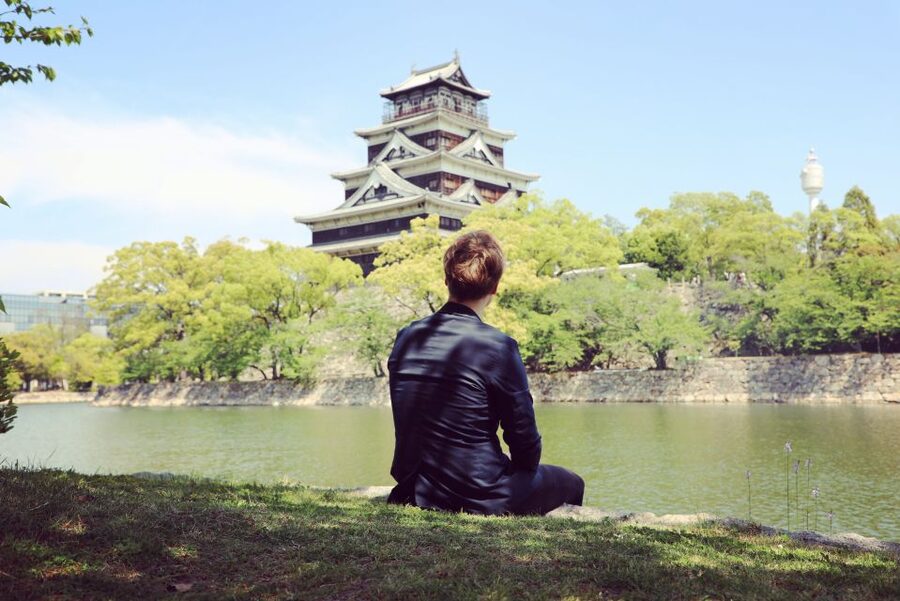
I would recommend it to first-time visitors who want the major sights explained without giving up time for local food and ordinary neighborhoods. It also suits repeat visitors who have already seen the Atomic Bomb Dome and want help finding a different side of the city.
Food-focused visitors should state their preferences clearly. Ask about okonomiyaki, oysters, curry, sake, or a particular type of restaurant. History-focused visitors should say if they want the Peace Memorial Museum and more time at the A-bomb sites.
This is less suitable if you want a fixed schedule, a private vehicle, or an all-inclusive price. It is also not ideal if you dislike making choices during a tour. The host will suggest a route, but the experience works best when you take part in shaping the day.
Wear comfortable shoes and keep some flexibility in your budget for food, tickets, and transport. Cancellation is free up to 24 hours before the tour, and you can reserve now and pay later, which helps if your Japan plans are still moving around.
Should you book it?
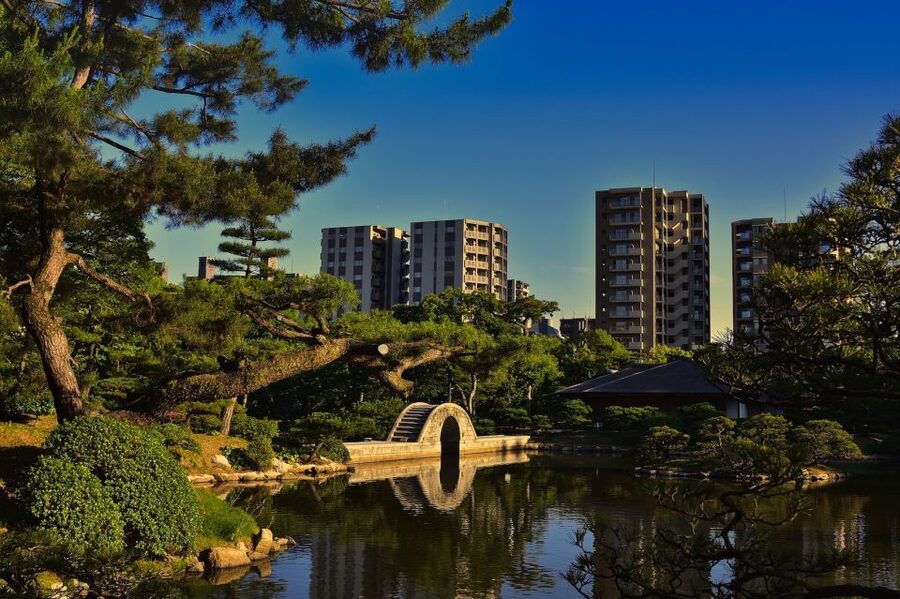
Book this tour if you want Hiroshima explained by a local person, with time for both the city’s painful past and its everyday present. The strongest version combines Peace Memorial Park and the Atomic Bomb Dome with a garden, a well-chosen meal, and one neighborhood outside the usual sightseeing loop.
For the best value, choose at least four hours and tell your host exactly what interests you. Mention food restrictions, museum plans, preferred walking pace, and whether you want a quiet historical day or a more social evening route.
Skip it if you only need directions to the memorial sites or want every expense included upfront. For everyone else, the private format, named local guides, flexible schedule, and strong food focus make this a useful way to get oriented in Hiroshima.
FAQ
Where does the tour meet?
Your host waits outside the souvenir shop on the ground level of Hiroshima Orizuru Tower.
How long does the tour last?
You can choose a duration from 2 to 6 hours. Available starting times are shown when you check the booking options.
Is the tour private?
Yes. This is a private group experience.
Which languages are available?
The tour is available in English and Japanese.
What places can the tour include?
Possible stops include Shukkei-en Garden, Peace Memorial Park, the Atomic Bomb Dome, Hiroshima Castle, local food spots, Ekinishi, Nagarekawa, and Minato Park. The final route depends on your interests and the time you book.
Is the Peace Memorial Museum included?
The museum may be included in the route, but attraction tickets are not included in the tour price.
Are food and drinks included?
No. You pay separately for food and drinks, including okonomiyaki, oysters, curry, or sake.
Is transportation included?
No private vehicle is provided. Public transport or local taxis may be used between sites, and those costs are extra.
How is the itinerary customized?
After booking, you receive a questionnaire about your interests, personality, and travel style. Your host then suggests an itinerary and communicates with you directly.
Can I cancel the tour?
Yes. You can cancel up to 24 hours in advance for a full refund. You can also reserve now and pay later.
Just added around Hiroshima
- Full Day Hiroshima and Miyajima Tour by Bullet Train from Kyoto★ 4.5 · 120 reviews
- Hiroshima Saijo Sake Tasting Tour with visit to 7 Breweries★ 5.0 · 104 reviews
- The Peace Memorial to Miyajima : Icons of Peace and Beauty★ 4.5 · 31 reviews
- Shore Excursion from Hiroshima Port : Private Tour in Hiroshima★ 5.0 · 17 reviews
- Okunoshima Rabbit Island Cycling Tour with Local Guide★ 4.5 · 17 reviews
- Hiroshima & Miyajima All-Inclusive Tour w/Licensed guide Pancho★ 5.0 · 54 reviews
- Private Full Day Hiroshima Tour★ 4.5 · 29 reviews
- Hiroshima Private Tour with a Local – Highlights & Hidden Gems★ 4.5 · 24 reviews
Hidden Gems Tours, compared.

Kyoto Geisha Walking Tour: Gion District & Hidden Gems
Our verdict →
Small Group, Big Flavors & Hidden Local Secrets Tour
Our verdict →Browse the lists this tour appears in