
Reviewed · TEA CEREMONY EXPERIENCES
World Heritage Kyoto & Nara Uji Authentic Matcha Experience
Nara’s famous deer are only part of the appeal here. This full-day outing links Todai-ji, Kasuga Taisha, and Nara Park with Uji’s Byodoin Temple and a hands-on matcha session, giving you two very different sides of the Kansai region in one trip.
I like the comfortable coach, the strong mix of sightseeing and free time, and the guides who bring real personality to the day. Nanami, Yuta, Mai, Den, Ciel, and At-Chan are among the guides praised for clear explanations and careful group management. The catch is simple: this is a long walking day, and the schedule can feel full in hot or crowded conditions.
Key points at a glance
- Nara’s Great Buddha: Enter Todai-ji, one of the world’s largest wooden buildings, and see its enormous bronze Buddha.
- Deer in Nara Park: Feed the free-roaming deer if you wish, but keep moving once your crackers are gone.
- Two UNESCO-linked cultural areas: See major Nara sights, then continue to Uji and Byodoin’s famous Phoenix Hall.
- Real matcha preparation: Whisk your own bowl and learn the traditional way to drink it at a tea shop with more than 500 years of history.
- Useful coach transportation: The air-conditioned vehicle, onboard WiFi, and multilingual audio help you cover a lot without arranging each train and bus.
- A full day for $129.25: The price is strongest if you choose the lunch and make use of the included temple admissions and transport.
Why this Kyoto to Nara and Uji day works
This tour is designed for you if your Kyoto schedule is tight but you still want to see Nara properly. In about eight and a half hours, you move from ancient Buddhist monuments to a Shinto shrine, then finish among Uji’s tea shops and riverside streets.
That range is the main reason I find the plan appealing. Nara gives you scale and history: huge temple gates, a monumental Buddha, and deer wandering through parkland. Uji is quieter in feel and more focused on tea, sweets, and the elegant Byodoin Temple.
The coach matters. You meet at 7:50 am at Tully’s Coffee inside Kyoto Avanti, near Kyoto Station, then return to the same place at the end. You do not need to work out separate rail connections to Nara and Uji, or worry about finding each temple entrance once you arrive.
The group can have up to 38 people, so this is not a private or slow-paced tour. Still, the guide leads the walking portions, gives directions, and leaves time for you to look around. Several guides, including Nanami and Yuta, are praised for balancing historical explanation with time to explore independently.
More Tea Ceremony Experiences in Nara:
- Kyoto: Nara & Traditional Matcha Experience Bus Tour
★ 4.9 · 185 reviews - Nara:Authentic Tea Ceremony(Max 5 ppl) -Master Matcha Making
★ 5.0 · 119 reviews - Nara:5 Type of Tea Tasting & Mindful Tea Ceremony
★ 5.0 · 28 reviews
The early ride past Kyoto’s landmarks
The morning coach ride takes you out from Kyoto toward Nara. Along the way, you pass Fushimi Castle and the Heijo Palace site, which helps place the day in the wider story of Japan’s former capitals.
Do not expect a long visit at every passing point. These are part of the route rather than the main focus, and the day’s substantial stops come later. The coach does let you see more of the region than a single-city tour, though.
The vehicle is air-conditioned, a major advantage in Kyoto and Nara’s humid summer months. WiFi is provided onboard, and multilingual audio guidance is available in English, Spanish, French, Italian, German, Portuguese, and Ukrainian. The live guide speaks English, while the audio can help fill in details during the ride.
The tour uses a fixed meeting point rather than hotel pickup. That keeps the operation simple, but it also means you must reach Kyoto Avanti on time. Late arrivals cannot join partway through, and there is no extra pickup service.
Kasuga Taisha, Nara’s lantern-filled shrine
Kasuga Grand Shrine is usually your first major stop. It is Nara’s best-known Shinto shrine, and the visit gives you a useful contrast with the Buddhist temple that follows.
You have about 30 minutes here, with no separate admission charge listed for the stop. That is enough to take in the shrine approach and its traditional features, but not enough for a slow, wandering visit through every corner.
The guide helps you understand why the site matters rather than leaving you to stare at unfamiliar buildings without context. Guides such as At-Chan and Yuta are praised for adding information about Japanese culture and language, which can make a short shrine visit more meaningful.
Wear shoes suited to walking and expect uneven ground, slopes, and steps during the day. The tour description specifically warns that you will walk hills and stairs at the various sites.
Meeting the deer in Nara Park
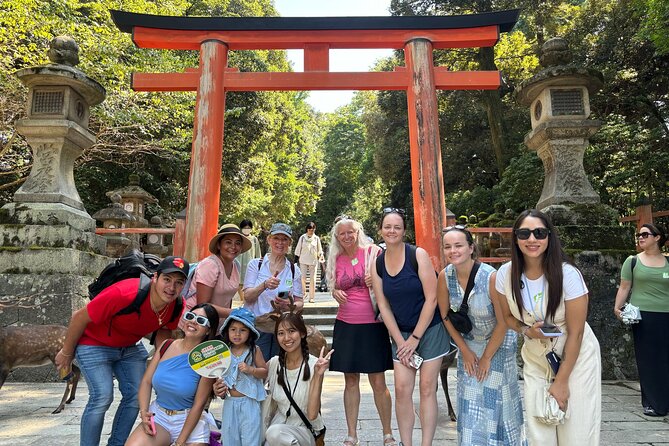
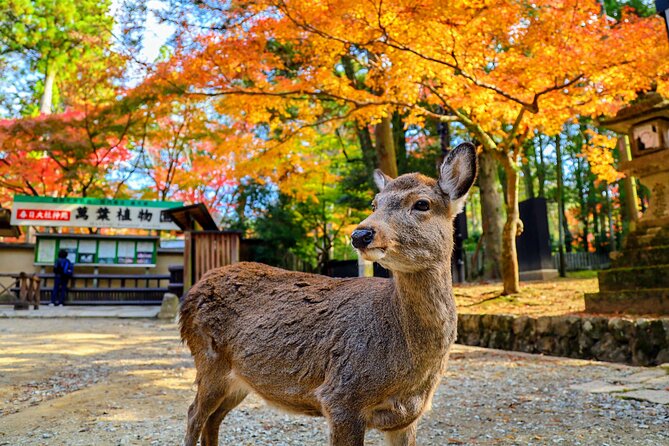
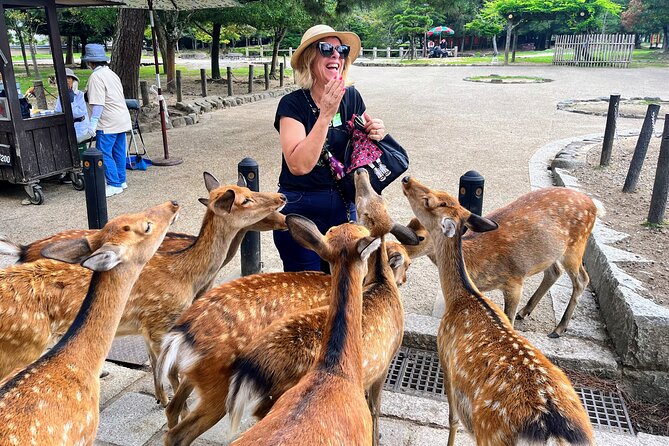
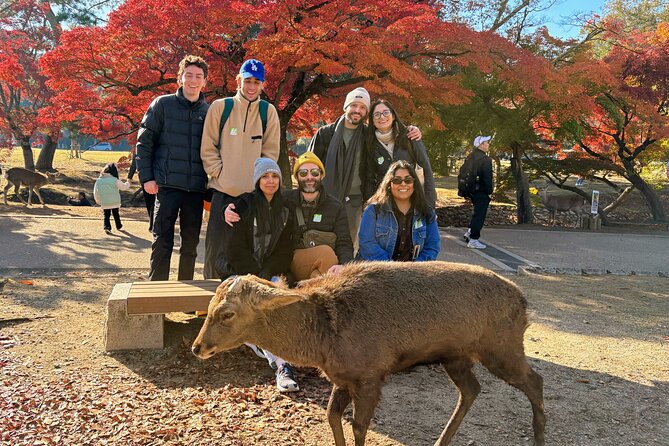
Nara Park is the day’s most playful stop. Around 1,400 deer live in and around the park, and many come close to people. You can buy crackers locally and feed them if you like, though the food is not included.
The deer are generally calm, but they are not stuffed animals. Once you have crackers in hand, they may follow you, bow, or give you a forceful pinch if you stop feeding them while still holding food. Keep your hands open and empty after the crackers are gone, and take care around children.
You get about 30 minutes here. That is enough for photos and a short feeding session, but you should not expect a long nature walk through all of Nara Park. The guide’s instructions are useful because the group needs to stay together and reach the next sight on time.
This is one of the strongest family elements of the trip. One family with a four-year-old found the deer and matcha activities especially suitable. Just remember that the day as a whole requires much more walking than the deer stop alone suggests.
More Historical Tours in Nara:
- From Kyoto: Nara History Guided Half Day Bus Tour with Lunch
★ 4.8 · 114 reviews - Nara: Bike Tour in Ancient Capital UNESCO World Heritage
★ 5.0 · 43 reviews - From Kyoto: Nara History Guided Half Day Bus Tour with lunch
★ 5.0 · 23 reviews - Osaka: Kyoto & Nara & Uji Historical and Scenic One-Day Tour
★ 4.7 · 21 reviews
Passing through Nandaimon to Todai-ji
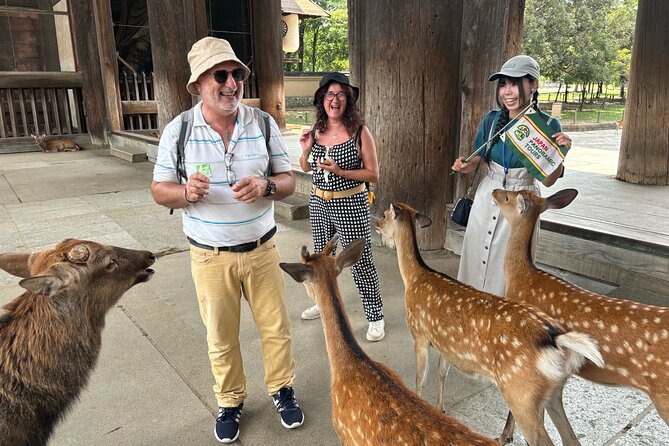
The great South Gate, or Nandaimon, gets a short five-minute stop. That may sound brief, but the gate is an impressive introduction to Todai-ji. Its huge timber structure and guardian statues give you an immediate sense of the scale of Nara’s religious architecture.
You then spend about 40 minutes at Todai-ji, with admission included. The temple houses the Great Buddha and occupies one of the world’s largest wooden buildings. This is the visual high point of the Nara portion.
The short timing means you need to follow the guide and keep an eye on the meeting instructions. You will have time to see the main hall and Buddha, but this is not the right tour if you want to study every building or explore the temple grounds slowly.
I like that Todai-ji admission is included in the price. You avoid another queue and can focus on the building itself. The guide also adds useful context, especially if this is your first visit to Nara and you want to understand why the temple is such a major national landmark.
Lunch beside the Uji River
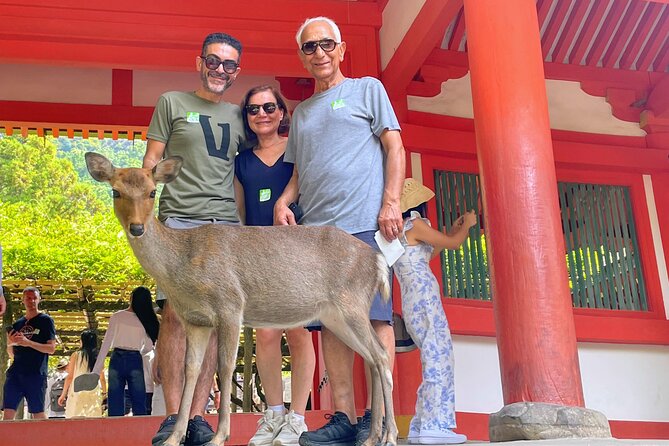
Lunch is optional, so compare the booking price carefully before you pay. The meal is a Japanese-style set menu served at a restaurant along the Uji River, with a vegetarian option available if requested at least two days before the tour.
The planned lunch stop lasts about 50 minutes. That gives you a proper break from the walking, and several guests especially liked the presentation and the chance to try a traditional Japanese meal without choosing a restaurant under time pressure.
Vegetarian arrangements are not guaranteed for last-minute bookings, which is an important detail. The restaurant can also change for operational reasons, so treat the meal as a convenient included option rather than a fixed culinary destination.
If you prefer complete control over what you eat, choosing the no-lunch option may suit you better. If you want to save time and sample a set meal, lunch adds practical value.
Byodoin Temple and Uji’s Phoenix Hall
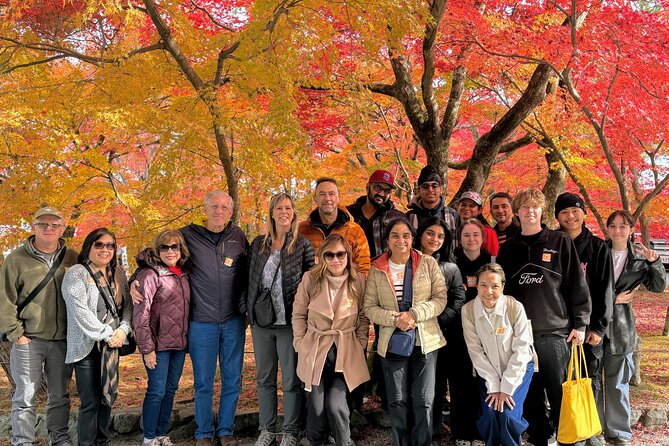
Uji shifts the mood of the day. The town is closely associated with Japanese tea, and the Uji River gives the stop a calmer setting after Nara’s crowds and deer.
At Byodoin Temple, you spend about 40 minutes with admission included. The Phoenix Hall is famous enough to appear on Japan’s 10-yen coin, so you may already recognize its graceful shape. The visit gives you a clear, memorable symbol of Uji rather than another large temple complex to rush through.
The tour description also identifies the palace site as part of Nara’s World Heritage area, though the main scheduled temple visits are Kasuga Taisha and Todai-ji. It is best to think of the day as a broad introduction to several heritage locations, not as a specialist architectural tour.
Byodoin is a good reason to keep the Uji section. Without it, the day would lean heavily toward Nara’s deer and Buddhist monuments. Here, you get a different style of beauty and a direct link to Japanese money, tea culture, and local history.
Making matcha at a 500-year-old tea shop
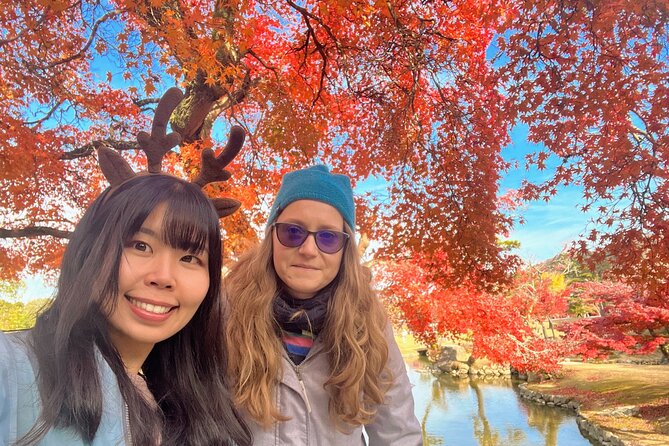
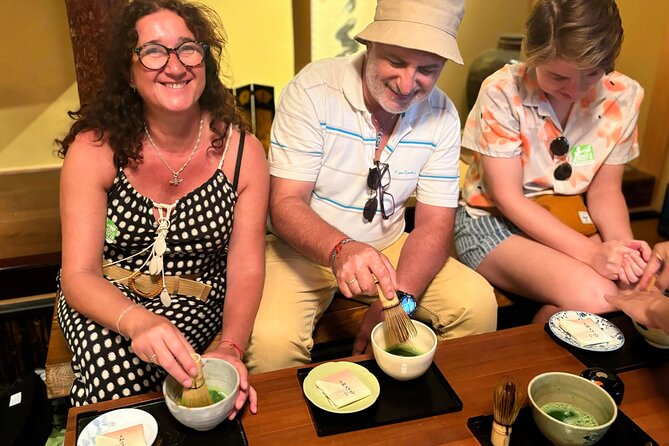
The matcha activity is more useful than a simple tasting. At a historic tea shop with more than 500 years of tradition, you prepare your own bowl, learn how to whisk it, and practice the traditional way to drink it.
You have about 30 minutes for the experience. The activity is guided, so you do not need prior knowledge of tea etiquette. It is hands-on, but not presented as a formal, lengthy tea ceremony.
This was the favorite part of the day for several people, and I understand why. A temple visit can be impressive but passive. Making matcha gives you something to do with your hands, and it connects the tea powder in your cup with Uji’s long tea-making identity.
The atmosphere also depends partly on the person leading the session. One particularly well-liked tea shop owner was described as funny, which suggests the experience can feel relaxed rather than stiff. You should still expect the flavor of traditional matcha to be grassy and bitter, especially if you are used to sweet matcha drinks.
Matcha sweets on Byodoin Omotesando
The final Uji stop is Byodoin Omotesando, a shopping street where you can walk around and taste matcha sweets. The scheduled time is about 30 minutes.
This is a sensible ending. After the structured temple and tea activities, you get a little freedom to browse and try local flavors. Food and drinks outside the specified lunch and matcha activity are not included, so carry money for purchases.
Do not expect a long shopping session. Thirty minutes passes quickly, especially if you want photos, sweets, and souvenirs. The guide will also need to keep the group moving back toward the coach.
What the $129.25 price includes
At $129.25 per person, the tour is not the cheapest way to reach Nara. Public transportation can cost less if you are happy to plan every connection, pay separate admissions, choose your own food, and manage your own timing.
The value improves when you count the included pieces:
- Air-conditioned coach transportation
- English-speaking guide
- Multilingual audio guidance
- WiFi onboard
- Todai-ji admission
- Byodoin Temple admission
- Matcha-making activity
- Japanese-style lunch, if selected
You are also paying for coordination. Nara and Uji are close enough to combine, but doing both independently requires careful timing. This tour takes care of the route and gives you a guide who can explain what you are seeing.
The tradeoff is flexibility. You cannot linger at Todai-ji for hours, change the order, or spend the whole afternoon in Uji. For a first visit and a short stay, that structure is useful. For a second visit or a slow cultural trip, traveling independently may suit you better.
Walking, weather, and group rhythm
The tour requires moderate fitness and includes long stretches on foot. One stop can involve more than 15 minutes of walking between the coach parking area and the actual historic site. Hills, stairs, and uneven paths are part of the day.
Hot and humid weather can make the schedule feel harder, especially for older people. An 80-plus participant found the sites worthwhile but felt the walking was demanding in those conditions. Bring water, wear comfortable shoes, and avoid treating this as a gentle coach ride.
The group size can reach 38 people. That is large enough for a lively atmosphere, but it also means you need to listen carefully to meeting instructions. One serious complaint involved a participant becoming separated from the group after confusion about the meeting place, so confirm the meeting point with your guide before walking off.
That appears to be an exception among the many positive guide reports, but it is still useful advice. Stay aware of the flag, guide, and return location at every stop, especially in Nara Park.
The guides make a real difference
The guide is one of the biggest variables in a group tour. Nanami is repeatedly praised for enthusiasm, clear historical explanations, and keeping the day on track. Yuta is noted for helpful recommendations, good communication, and allowing free time without losing control of the schedule.
Mai is praised for her friendly manner and strong explanations, while At-Chan is described as warm, energetic, and good at adding cultural and language notes. Den and Ciel are also highlighted for being approachable and informative.
You cannot select a guide from the information provided, so book this for the itinerary and transport first. Still, the range of positive guide names suggests that the company has several strong staff members. The guide can turn a fast-moving day into a clear story rather than a string of disconnected photo stops.
Who should book this day trip?
I would choose this tour if you are visiting Kyoto for the first time, have one open day, and want to see Nara without arranging rail travel and admissions yourself. It also suits families who want deer, temples, food, and a practical activity rather than a day made only of historical lectures.
It works well for couples and small groups who like a full schedule but still want short periods to wander. The optional lunch is useful if you prefer a planned meal, and the Uji matcha session gives the afternoon a welcome change of pace.
I would hesitate if you have limited mobility, dislike group timing, or want a slow visit to Nara Park. The 38-person maximum, fixed meeting point, long walking sections, and possible traffic changes all matter.
The itinerary can change because of weather, traffic, closures, or operating conditions. If a stop cannot run, the company may provide an alternative or a gift, with no refund for those changes. Free cancellation is available up to 24 hours before the start time, but changes or cancellations inside that window are not refunded.
Should you book the Nara and Uji tour?
Book it if you value coverage and convenience. For $129.25, you get a well-planned route through Nara and Uji, two temple admissions, a guide, coach transport, and a hands-on matcha activity. The strongest moments are Todai-ji’s Great Buddha, the close encounter with Nara’s deer, and making tea in Uji.
Skip it if you want complete control over your pace or if long walks are a serious concern. For most first-time visitors with only one day available, though, this is a sensible way to connect the major sights without spending your vacation studying train timetables.
FAQ
Where does the tour start?
The tour starts at 7:50 am at Tully’s Coffee inside Kyoto Avanti, at 31 Higashikujō Nishisannōchō in Kyoto’s Minami Ward.
Where does the tour end?
The activity ends back at the same meeting point.
How long does the tour last?
The tour lasts approximately eight hours and 30 minutes.
Is an English-speaking guide included?
Yes. A professional English-speaking guide accompanies the tour. Multilingual audio guidance is also available on the bus.
Which languages are available through the audio guidance?
Audio guidance is available in English, Spanish, French, Italian, German, Portuguese, and Ukrainian.
Is lunch included?
Japanese-style lunch is included only if you select the lunch option when booking. Vegetarian arrangements can be made up to two days before the tour date.
Are temple admissions included?
Admission to Todai-ji and Byodoin Temple is included.
Do I need to pay for deer crackers?
Deer crackers and other food or drinks are not included. You need to purchase them separately if you want to feed the deer.
How many people can join the tour?
The tour can have a maximum of 38 participants.
Is the tour suitable for people who cannot walk long distances?
No. The tour includes substantial walking, stairs, and hills, and it is not recommended for people who cannot walk long distances.
What happens if weather or traffic changes the schedule?
The itinerary order can change because of weather, traffic, closures, or operating conditions. The company may visit an alternative place or provide a gift, and refunds are not provided for these changes.
Can I cancel for a full refund?
Yes, if you cancel at least 24 hours before the experience start time. Cancellations or changes made less than 24 hours in advance are not refunded or accepted.
Just added around Nara
- Private Kyoto Tour by Car with Optional Nara or Osaka Add-Ons★ 5.0 · 36 reviews
- Kyoto, Osaka, Nara Private Tour by Car English Driver Guide★ 4.0 · 63 reviews
- Nara Todaiji Kasuga Taisha Private Full Day Tour From Kyoto★ 5.0 · 13 reviews
- From Kyoto: Nara History Guided Half Day Bus Tour with lunch★ 5.0 · 23 reviews
- Nara 8hr Private Tour – Kyoto DEP. with Licensed Guide★ 5.0 · 115 reviews
- Arashiyama & Nara Highlights: One-Day Private Tour Adventure★ 5.0 · 16 reviews
- Kyoto Private Car Tour – Full Day with Local Guide & Nara Option★ 5.0 · 169 reviews
- Kyoto & Nara Private Tour from Osaka Kyoto Hotel Pick-up★ 4.5 · 32 reviews
Tea Ceremony Experiences, compared.

Tea Ceremony in a Traditional Tea House in Kiyomizu
Our verdict →


Arashiyama Bamboo Forest, Monkeys, Matcha & Temple Tour
Our verdict →
Matcha Making Class in Tokyo with Authentic Japanese Sweets Set
Our verdict →
Browse the lists this tour appears in