
Reviewed · TEMPLES & SHRINES
Ise’s Sacred Shrines and Captivating Coastlines – From Nagoya
Ise is where Japan’s spiritual traditions meet cypress forests, coastal views, and good local food. This nine-hour small-group trip takes you well beyond Nagoya’s city streets, with time for Ise-Jingu, Okage Yokocho, and Meotoiwa Rocks. I like the mix of sacred sites and ordinary pleasures, and I like that the group is limited to 14 people.
The main drawback is the long day and fixed route. You get a useful introduction to Ise, but not a slow, independent visit with hours at each shrine. Lunch is also your responsibility, and transportation to and from Nagoya Station before and after the tour is not included.
Key points at a glance
- Ise-Jingu Geku: Walk through tall cypress groves while learning Shinto customs, shrine history, and the proper way to behave on sacred grounds.
- Okage Yokocho lunch stop: Enjoy two hours for a guided look, local food, craft beer, sweets, and souvenir shopping.
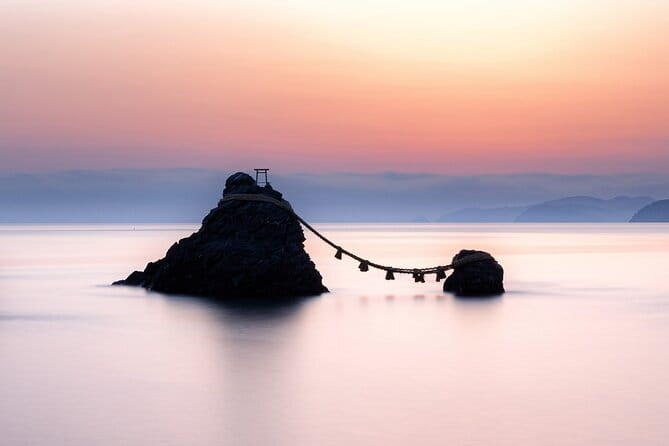
- Meotoiwa Rocks: Finish at the famous wedded rocks and Futami-Okitama Shrine, with an included omikuji fortune.
- Small group format: The maximum group size is 14, a practical number for questions and easier movement at busy sites.
- Multilingual guiding: Choose an English, Spanish, French, or Chinese-speaking guide when booking.
- Simple Nagoya departure: Meet at Nagoya Station at 9:00 am and return to the same meeting point after the day’s visits.
Why Ise makes a worthwhile day from Nagoya
Nagoya is a useful base for central Japan, but its city setting can leave you wanting a stronger sense of old Japan. Ise offers that change of pace. The day moves from wooded shrine grounds to a traditional food and shopping street, then out to the coast.
What makes Ise especially important is Ise-Jingu, Japan’s most sacred shrine. The visit is not just a photo stop. Your guide explains Shintoism, the shrine’s place in Japanese life, and the small actions that show respect. That context matters, because a shrine can otherwise feel like a beautiful but puzzling collection of gates, paths, and wooden buildings.
I like the way this tour connects three different sides of the region. You get spiritual tradition at Geku, everyday pleasure at Okage Yokocho, and a coastal setting at Meotoiwa. The result is a fuller day than a shrine-only outing.
At $210.87 per person, this is not a cheap sightseeing bus ride. You are paying for a full day, transportation during the tour, a guide in your chosen language, entry fees, and a group capped at 14 people. The value is strongest if you want the logistics handled and prefer explanations as you go.
More Temple & Shrine Tours in Nagoya:
- Kyoto: Fushimi Inari, Kinkakuji, Bamboo Grove 1 Day Bus Tour
★ 4.8 · 4,316 reviews - Kyoto: Tea Ceremony in a Traditional Tea House in Kiyomizu
★ 4.9 · 3,519 reviews - Kyoto: Tea Ceremony Ju-An at Jotokuji Temple
★ 4.9 · 3,207 reviews
Meeting at Nagoya Station at 9:00 am
The tour begins at Nagoya Station, at 1-chōme-1-4 Meieki in Nakamura Ward. You need to arrive ready for a full day, since the tour lasts about nine hours and includes travel time between destinations.
Meeting at a major station is convenient if you are staying in Nagoya and already know how to reach the station. It also keeps the departure point clear. The tour ends back at the same meeting point, so you do not need to arrange a separate return location in Ise.
There is one important planning detail: transportation to and from Nagoya Station is not included. You handle your own way to the starting point and your own onward plans after returning. Accommodation is not part of the package either.
The trip is offered with an English, Spanish, French, or Chinese-speaking guide. That choice can make a real difference at Ise-Jingu, where the meaning of gestures and customs is central to the visit. If you want to ask questions freely, choose the language in which you are most comfortable.
Entering Ise-Jingu Geku among the cypress trees
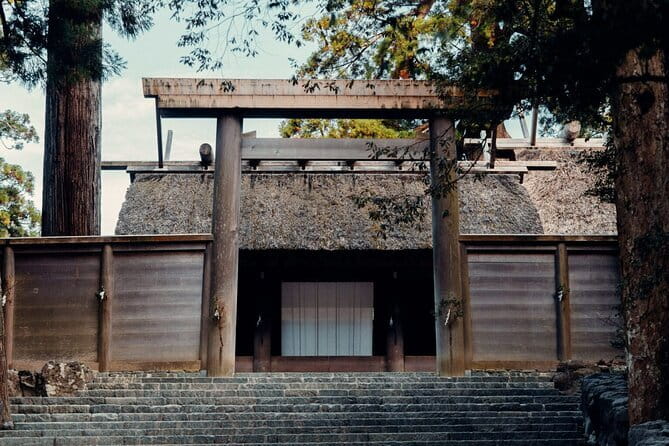
The first main stop is Ise Shrine Geku, with about 90 minutes on site. Geku is one part of the wider Ise-Jingu complex, and the tour focuses on its expansive grounds and tall cypress trees.
The trees are part of the experience. The setting gives the visit a quiet, wooded feel, and it helps you notice how Shinto places value the natural world around the shrine. Your guide leads you through the grounds rather than leaving you to guess where to go or what you are seeing.
You will hear about Shintoism, the history of the shrine, and the correct actions to take at the site. That may include how to approach a sacred place and how to conduct yourself respectfully. The exact explanation will depend on your guide, but the point is practical: you learn not only what the place is, but how to visit it properly.
I like this part of the schedule because 90 minutes gives the shrine room to breathe. It is long enough for a guided walk and questions without turning the morning into an all-day shrine visit. Still, the time is fixed, so anyone wanting extended quiet reflection or detailed photography may find it short.
Weather can shape this stop. On a rainy day, the cypress groves may feel especially atmospheric, with mist adding to the mood. The tradeoff is obvious: wet paths and umbrellas can make movement less comfortable. The tour runs as a planned day, so bring sensible clothing for changing conditions.
Two hours of food and browsing at Okage Yokocho
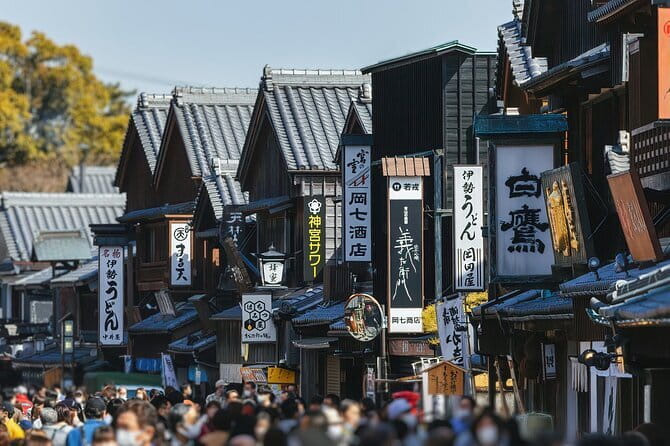
After the shrine, the tour continues to Okage Yokocho for about two hours. Your guide first gives you an orientation, then you have time for lunch, shopping, and your own wandering.
This is a useful change of rhythm. After the quiet formality of Ise-Jingu, Okage Yokocho gives you a more casual way to experience Ise. The street has well-known restaurants, local dishes, craft beer, and souvenir shops. You can make the stop as food-focused or shopping-focused as you like.
Lunch is not included, so budget for it separately. That may sound like a small detail, but it gives you freedom to choose what appeals to you rather than being tied to one fixed meal. You should also allow room in your budget if you plan to buy gifts or regional treats.
Two hours is a generous portion of the day. You have time to eat without rushing, look around, and make a few purchases. The limitation is that Okage Yokocho can tempt you into spending more time than planned. Keep an eye on the meeting time, since the rest of the route continues to the coast.
I particularly like having free time here because food is part of understanding a place. A guide can explain the setting, but you get to decide what you actually try. If you are traveling with different tastes in your party, this arrangement works better than one preselected lunch.
A few more Nagoya half-days worth comparing
- Ghibli Park 1-Day Bus Tour from Nagoya
★ 4.5 · 277 reviews - Hiking the Historic Nakasendo Trail [1 Day Tour from Nagoya]
★ 5.0 · 104 reviews - Nagoya Highlight Tour guided by a friendly local
★ 5.0 · 86 reviews - Nagoya: Japanese Traditional Sweets making and Tea Ceremony
★ 4.9 · 76 reviews
Meotoiwa Rocks and Futami-Okitama Shrine
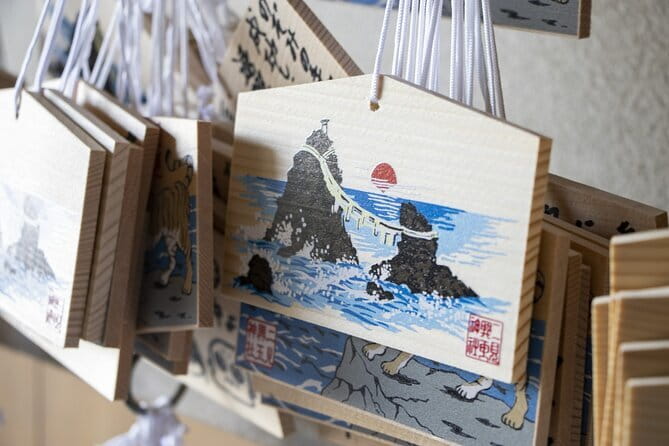
The final stop lasts about 45 minutes at Meoto Iwa and Futami-Okitama Shrine. Meotoiwa means the wedded rocks, two rocks offshore that are linked with Shinto symbolism and are among the area’s best-known views.
This is the tour’s coastal finish. After the trees and traditional streets, you get open water and a strong photo setting. The rocks are also an important Shinto location, so the stop continues the day’s theme rather than becoming a random scenic detour.
At Futami-Okitama Shrine, an omikuji, or lucky fortune, is included. That gives you a small personal ritual to take part in, not just another explanation from the guide. The fortune is a modest inclusion, but it makes the shrine visit feel more hands-on.
You may even catch a silhouette of the rocks if conditions and timing cooperate. The wording matters here: it is a possibility, not a promise. Weather, light, and the day’s conditions affect what you see, so treat the coastal view as a bonus rather than the sole reason to book.
Forty-five minutes is enough for the shrine, the rocks, photos, and your fortune. It is not enough for a leisurely coastal walk. If you want to sit by the water or explore every corner of the shrine area, you will need a separate visit.
How the small group changes the day
The maximum group size is 14. That is small enough to feel more personal than a large coach excursion, while still keeping the price below what a fully private tour would usually require.
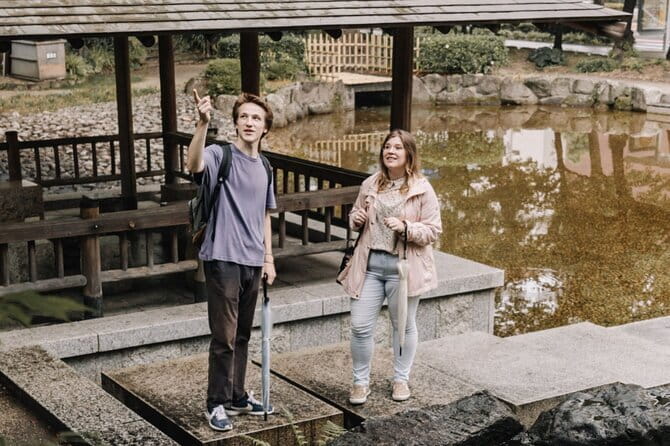
A smaller group matters most at Ise-Jingu. You can hear explanations more clearly, ask questions, and stay closer to the guide. It also helps at Okage Yokocho, where a large group can be awkward in narrow shopping areas.
The experience is not private. You will still follow a set schedule and share the vehicle and guide with other people. But the group limit gives the day a better chance of feeling organized rather than crowded.
The strongest praise has gone to the guides and driver. Jeff, one guide, was described as prompt and kind, with useful historical information. Shoko-san was praised for being funny, kind, and informative, and for using quizzes during the day. That detail tells you something practical: the guiding style may be interactive rather than a long string of formal speeches.
A good guide is especially valuable at Ise, where the setting can be easy to admire but harder to interpret. The quality of the day depends partly on who leads your departure, but the experience is designed around guided understanding rather than simple transportation.
What the price includes, and what it does not
The $210.87 price includes transportation during the tour, admission fees at all tour locations, your selected-language guide, and the omikuji at Futami-Okitama Shrine. It does not include lunch, accommodation, or getting to and from Nagoya Station.
I see the value in the package if you are short on time or do not want to plan the route yourself. Ise is close enough to visit from Nagoya, but the day includes several stops and a return trip. Having one provider handle the movement between them reduces the number of decisions you need to make.
The price is harder to justify if you mainly want free time. Independent visitors may prefer to spend longer at Ise-Jingu, linger over lunch, or skip the coastal stop. This tour is best for someone who wants a clear introduction to the region in one day.
The fact that it is often booked about 92 days ahead suggests you should plan early if your dates are fixed. Confirmation arrives when you book, and free cancellation is available if you cancel at least 24 hours before the 9:00 am start. Cancellations or changes made inside that window are not refunded or accepted.
Who will get the most from this Ise day trip
I would recommend this tour to you if you want to see an important religious site but also need help understanding what you are seeing. It suits first-time visitors to the Ise area, people staying in Nagoya, and anyone who prefers a planned day over a chain of separate train and local transport decisions.
It also suits food-minded visitors who want lunch freedom. The two-hour Okage Yokocho stop gives you room to choose your meal and browse rather than forcing everyone into the same restaurant.
You should think twice if your priority is slow travel. The day is long, and the route includes three main stops. You will get an introduction to each place, not unlimited time at any one of them.
Most travelers can participate, and the tour operates near public transportation at its meeting point. The available information does not specify detailed mobility arrangements, so you should ask the provider directly if you have particular access needs.
Should you book this Ise tour from Nagoya?
Book it if you want Ise-Jingu explained properly, a taste of local food and shopping, and a coastal shrine stop in one organized day. The combination is well judged, and the small group, multilingual guide choices, included transport, and return to Nagoya make the price easier to understand.
Skip it if you want a private schedule, a long coastal visit, or complete control over how much time you spend at the shrine. For everyone else, this is a practical way to reach one of Japan’s most important sacred areas without giving up the pleasures of food, scenery, and a little good fortune.
FAQ
How long does the tour last?
The experience lasts about nine hours, including travel time between destinations and activities.
Where does the tour begin and end?
It begins at Nagoya Station at 9:00 am and ends back at the same meeting point.
Which places are visited?
The tour visits Ise Shrine Geku, Okage Yokocho, Meotoiwa Rocks, and Futami-Okitama Shrine.
Is lunch included?
No. Lunch is not included, but you receive about two hours at Okage Yokocho for lunch, shopping, and free time.
What languages are available for the guide?
You can choose an English, Spanish, French, or Chinese-speaking guide.
What is included in the price?
Transportation during the tour, entry fees at all tour locations, the guide, and an omikuji fortune at Futami-Okitama Shrine are included. Transportation to and from Nagoya Station, lunch, and accommodation are not included.
Just added around Nagoya
- Kimono Rental and Tea Ceremony Experience in Inuyama★ 5.0 · 15 reviews
- Gifu Samurai Sword Town;Japanese Damascus Knife Making Experience★ 5.0 · 27 reviews
- Magome & Tsumago Nakasendo Full-Day Private Trip with Government-Licensed Guide★ 5.0 · 20 reviews
- Knife Making Experience in Samurai Sword Town★ 5.0 · 29 reviews
- Nagoya: Toyota Commemorative Museum Guided Tour★ 4.7 · 22 reviews
- Nagoya Private Custom Tour with Local Guide★ 5.0 · 15 reviews
- Nagoya: Traditional Japanese Sweets-Making Workshop★ 4.6 · 14 reviews
- Nagoya: Customized Private Tour★ 4.6 · 15 reviews
Temples & Shrines, compared.

Tea Ceremony in a Traditional Tea House in Kiyomizu
Our verdict →
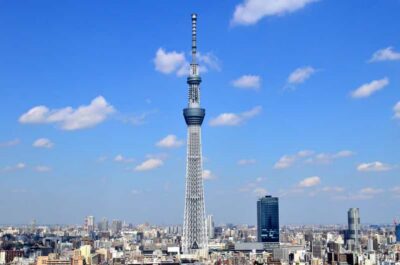
Meiji Shrine, Asakusa, Skytree Bus Tour and Cruise
Our verdict →
Fushimi Inari Hidden Hiking Tour (Private Option Available)
Our verdict →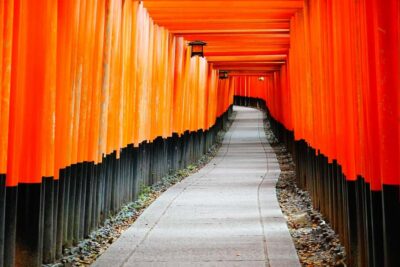
Osaka/Kyoto:Kinkakuji,Arashiyama,FushimiInariShrine,NaraPark
Our verdict →
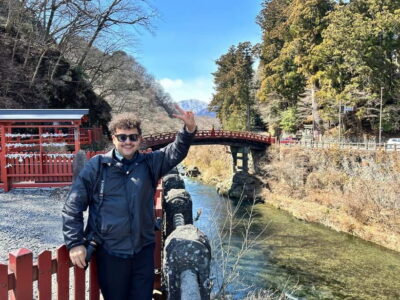
Nikko: Kegon Falls, Lake Chuzenji & Toshogu Temple
Our verdict →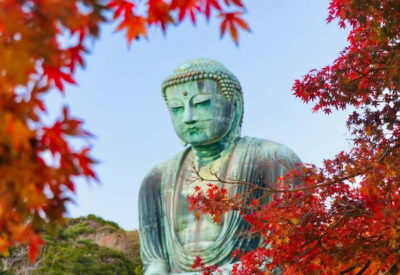
Kamakura & Enoshima Day Trip including Temple Tickets
Our verdict →Browse the lists this tour appears in