
Reviewed · NAGASAKI TOURS
Visit Gunkanjima Island (Battleship Island) in Nagasaki
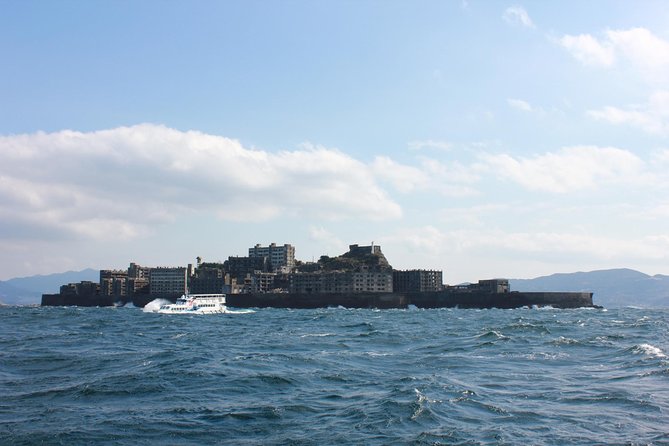
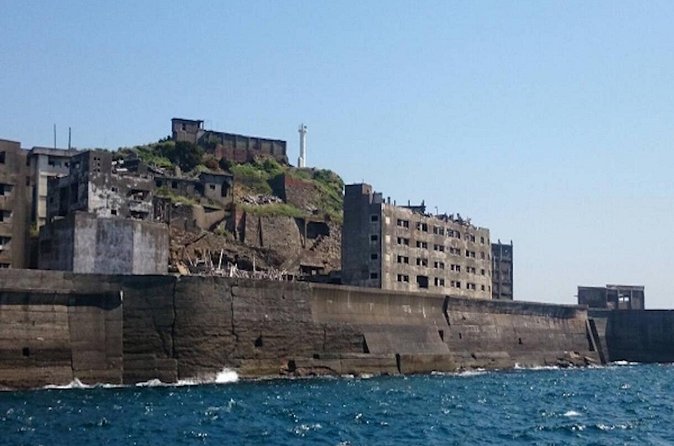
Gunkanjima is one of Japan’s strangest sights: a tiny concrete island that once held more than 5,000 people, then emptied almost overnight when its coal mine closed in 1974. From the water, its apartment blocks and industrial ruins look like a miniature city left to the sea.
I like that this outing combines the boat crossing and island admission with a visit to the Digital Museum. I also like the strong sense of place: you see schools, housing, work buildings, and narrow surviving viewpoints rather than a polished historic monument. The main drawback is language. The tour may run almost entirely in Japanese, with printed material or a rented audio guide standing in for a live English explanation.
- The island once held over 5,000 residents on a strip only about 480 meters long and 150 meters wide.
- The Digital Museum comes first, giving you roughly an hour to understand the mine and daily life before boarding.
- The boat and landing depend on the sea, so rough waves can mean a harbor cruise without going ashore.
- English support is not guaranteed, though English folders, translated material, and occasional radio guides may be available.
- Flat shoes are required, and umbrellas and parasols are not allowed on the boat.
- The $71.85 price includes the cruise and admissions, but you still pay a small Nagasaki boarding fee and arrange your own transport to the meeting point.
Why Gunkanjima feels unlike any other Nagasaki stop
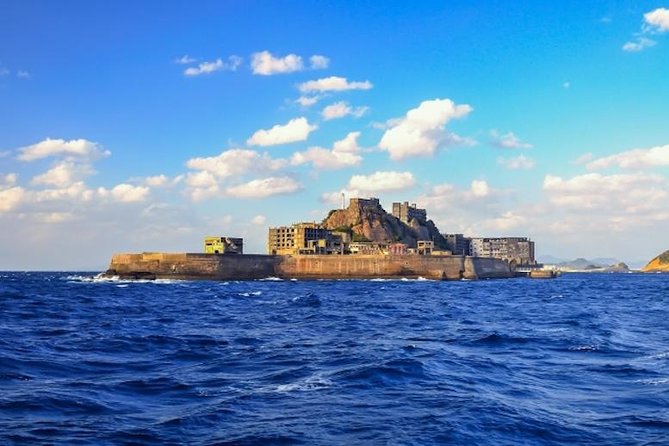
Gunkanjima, officially Hashima Island, sits about 20 kilometers from Nagasaki Port. Its Japanese nickname, Battleship Island, comes from its dense profile of concrete buildings and sea walls. From a distance, the island resembles a gray warship moving through the water.
That image is memorable, but the real interest lies in the human story. The island was a working coal-mining community until 1974. At its peak, more than 5,000 people lived and worked there, making this narrow piece of land one of the most densely populated places ever recorded.
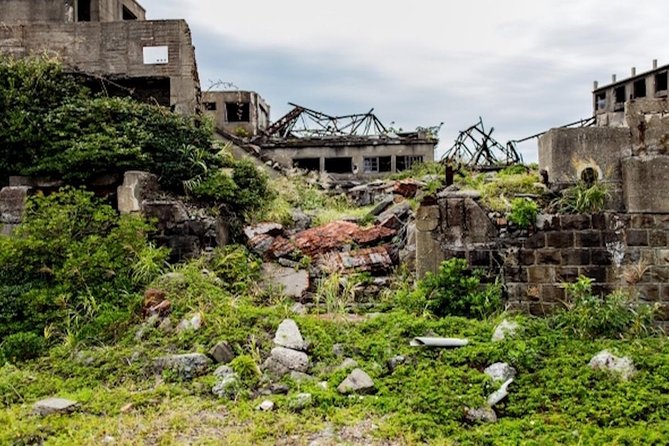
You will not wander freely through abandoned apartment blocks. The structures are unstable, and the landing route is limited to designated observation areas. That restriction can feel frustrating if you expect an urban exploration adventure, but it also protects the site and keeps the visit possible.
The island is recognized as part of a UNESCO World Cultural Heritage designation, and it has also drawn film attention, including a connection with the James Bond film Skyfall. The film association may bring you here, but the island’s coal-mining past gives the visit its real weight.
Start at the Digital Museum before the boat
The meeting point is the Gunkanjima Digital Museum at 5-6 Matsugaemachi in Nagasaki. The museum visit is not just a spare extra before the cruise. I consider it an important part of the experience because it gives you the background that the island itself cannot easily provide.
The schedule allows about an hour at the museum, commonly from 12:00 to 13:00, followed by boarding around 13:20. You may also be able to return to the museum once after leaving the island, using the visit pass issued to you. The whole outing must be completed by 5:00 p.m., so keep an eye on the day’s timing.
Inside, you can learn about the coal mine, the island’s apartment buildings, and the systems needed to support thousands of residents in such a tight space. Digital displays and virtual experiences help show areas you cannot enter in person. If the sea prevents a landing, the museum becomes especially important because it can provide a fuller substitute for the physical visit.
I suggest arriving in time for the museum rather than treating it as optional. The island can look like a pile of ruins if you reach it without context. After seeing how people lived there, the concrete walls and empty windows begin to make more sense.
A few more Nagasaki half-days worth comparing
- Nagasaki: Private Walking Tour with a Local
★ 4.7 · 79 reviews - Nagasaki Full-Day Private Tour with Government-Licensed Guide
★ 5.0 · 66 reviews - Nagasaki Half-Day Private Tour with Government-Licensed Guide
★ 5.0 · 53 reviews
Boarding at 13:20 and choosing your seat
Boarding is first come, first served. The practical advice is simple: reach the ship around 13:00 if you want a better chance of choosing your seat. One past passenger was placed facing a toilet door with little view, which shows why arrival time matters.
The boat is described as modern and comfortable, but seating quality can vary. If you receive a radio guide, staff may help place you where the signal works. Some visitors have also been escorted to the rear deck for a clearer view as the island approaches.
The cruise fare is included in the $71.85 price, so you do not need to arrange a separate transfer by boat. Hotel pickup and drop-off are not included, however. You must make your own way to the Digital Museum, which is near public transportation.
The package includes local assistance, but not an English audio guide. You may rent one locally for an additional fee. English printed information has been provided on some departures, and a few passengers have received useful radio-guided explanations. Still, you should plan for the possibility that the main commentary will be in Japanese.
The crossing gives you the first views of the island
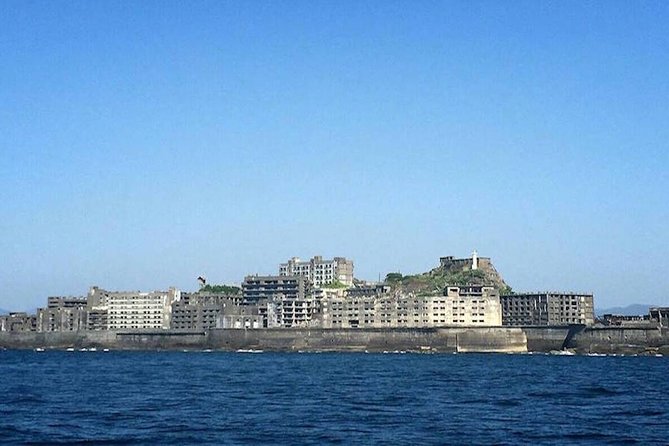
The boat ride is part of the experience, not simply transport. Gunkanjima has its greatest visual impact from the sea, where the full wall of apartments and industrial buildings comes into view.
The vessel may circle the island slowly, giving you several angles for photographs. You can see why the nickname Battleship Island caught on. The compact outline, seawalls, and dense concrete structures create a stark profile against the water.
The crossing can be rough. Sea conditions affect both comfort and access, so consider taking appropriate motion-sickness precautions. One Japanese guide was praised for handing out candy said to help with seasickness, but you should not count on that being offered on every departure.
The boat commentary can also shape your impression of the trip. Japanese-speaking guides may explain not only Gunkanjima but also Nagasaki’s economic development, shipbuilding, Mitsubishi, and the people connected with the city’s industrial growth. That wider context can make the cruise feel like part of a larger Nagasaki story.
For English speakers, the experience is less certain. You might receive a translated folder, an English radio guide, or printed captions. You might also find that much of the explanation is delivered only in Japanese. I would pay for the local audio guide if understanding the details matters to you.
Going ashore on the three viewing areas
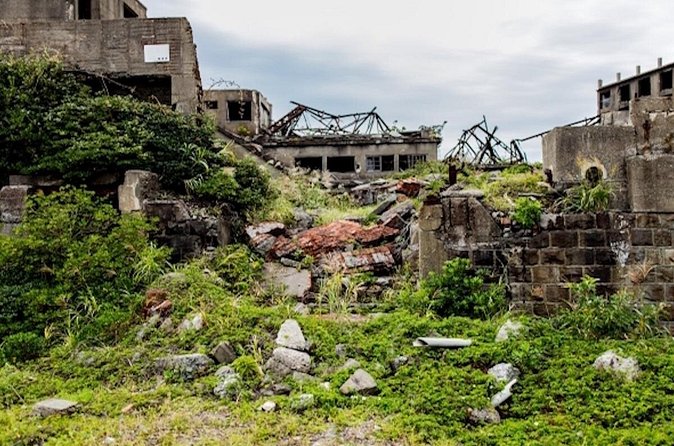
If the waves stay within the allowed limits, the boat lands at Gunkanjima. The shore visit is controlled and brief, with several observation points rather than open access to the island.
From these areas, you can look into abandoned buildings and see how much had to fit on such a small piece of land. Former residents had schools, a gym, a pool, housing, and other daily facilities. That detail is what changes the island from a dramatic ruin into the remains of a complete community.
You will be guided along the approved route and may be moved from one viewing site to the next. This keeps the group safe, but it also means you cannot stop wherever you like or spend unlimited time framing a photograph. The structures are damaged and may collapse, so the restrictions are necessary.
Bring flat, secure shoes. Heels are not allowed ashore. The boat also prohibits umbrellas and parasols, even in bright sun. Wear a hat and sunscreen, and bring a raincoat if the forecast looks uncertain. Raincoats may be sold at reception or on board for 200 yen, but preparing your own is more sensible.
The island is not a comfortable place for a leisurely picnic. Food and drinks are not included, and this is a guided visit through a controlled industrial ruin. Eat before departure or plan around the available schedule.
Same trip, a completely different kind of day:
- Nagasaki Full Day Tour with Licensed Guide and Vehicle
★ 5.0 · 27 reviews - Taste Local Life: Nagasaki’s Historical Street Walking Tour
★ 5.0 · 27 reviews - Nagasaki Street Food Adventure: Private Walking Tour with a Local
★ 5.0 · 26 reviews - Nagasaki Private Tour with a Local – Highlights & Hidden Gems
★ 5.0 · 24 reviews
When the sea cancels the landing
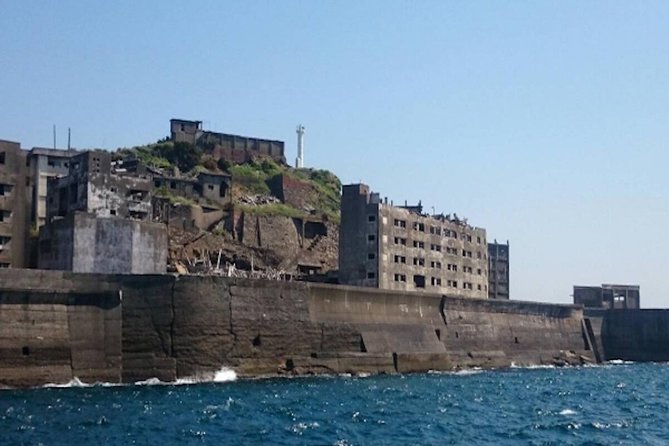
The most important condition is the weather. If the waves are too high, or the wave height exceeds the operating rules, you may not be allowed to land. The operator may cancel the outing, replace the landing with a boat trip around the island, or offer a gift when an island visit is not possible.
You may receive notice by email, so provide an address you check during your time in Nagasaki. A cancellation caused by poor weather can result in a different date or a full refund, according to the stated policy.
This uncertainty is not a minor footnote. You can plan carefully and still end up viewing Gunkanjima only from the boat. I would schedule the trip early enough in your Nagasaki stay to leave room for another attempt if seeing the island on foot is essential.
The Digital Museum helps soften the disappointment. Its displays and virtual experiences can show parts of Gunkanjima that are off limits even on a successful landing. Still, a museum visit and a boat circle are not the same as stepping onto the island, so set your expectations clearly.
English-language help is the biggest variable
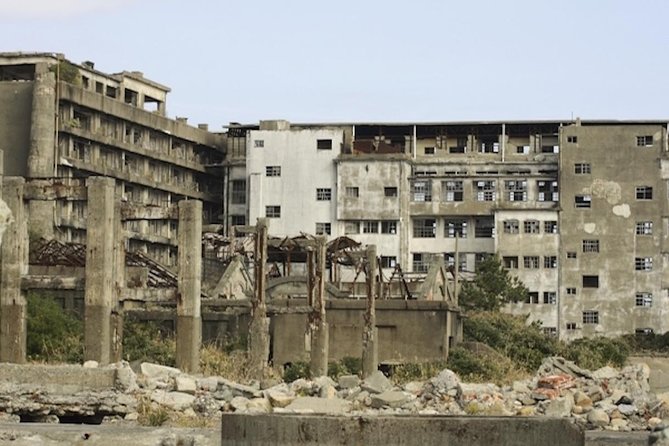
This tour suits you best if you can enjoy the place visually and read supplied English material without needing constant spoken explanation. The island itself is powerful, but the background is detailed. Without context, you may miss why the buildings were arranged as they were and how daily life worked in the mine community.
English support has varied. Some departures have provided an English information folder or a radio guide that worked well even in poor weather. On other departures, the guide spoke Japanese and no live English explanation was available. An English audio guide can be rented locally, but it is not included in the package.
I would ask at reception about the audio guide before boarding. I would also arrive early enough to visit the museum carefully, since the museum supplies much of the information that may not be available on the ship.
The staff can be helpful with practical matters. English-speaking visitors have been escorted to seats, helped with radio-guide reception, and directed toward better views from the rear deck. That assistance does not guarantee a bilingual tour, but it can make the day easier.
Is $71.85 a fair price?
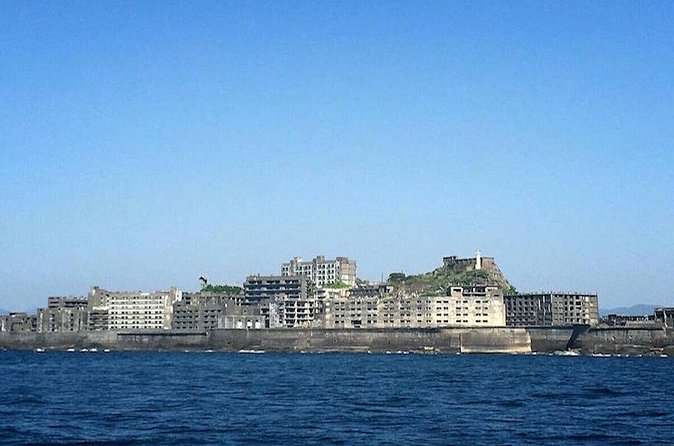
At $71.85 per person, the tour is reasonably priced for a boat-only access site. The cost includes the cruise, admission to Gunkanjima, the Digital Museum, and local assistance. Since Gunkanjima can only be reached by boat, having the water transfer arranged saves you from piecing together separate tickets.
There are still extra costs. A Nagasaki City boarding fee of 310 yen per adult, or 150 yen for youth and children, is payable separately. Food and drinks are also your responsibility, and an English audio guide costs extra if you choose to rent one.
The value depends mainly on landing conditions and language support. On a successful landing with useful English material, the package gives you a compact history lesson, a memorable boat ride, museum access, and time on a rare industrial site. If rough seas prevent landing and you do not speak Japanese, the value feels weaker, though the museum remains worthwhile.
The small maximum group size of 10 should help keep the meeting process manageable. However, the boat itself may carry more people, so do not assume every part of the experience will feel like a private tour.
Who should book this Gunkanjima outing?
I would choose this trip if you are interested in industrial history, abandoned places, photography, or the changing role of coal in Japan’s development. It is also a good match if you want an unusual break from Nagasaki’s churches, temples, and portside sights.
You should be comfortable with a fixed route, outdoor exposure, possible rough water, and a chance of cancellation. This is not a flexible sightseeing cruise where you can change plans at every stop.
I would be more cautious if you need guaranteed English narration, have difficulty with boat travel, or have only one free afternoon in Nagasaki. The operator cannot control the waves, and the language arrangement may not meet your expectations.
The best preparation is simple: arrive early, visit the museum, wear flat shoes, bring sun and rain protection, and treat landing as possible rather than certain.
Should you book it?
Book this tour if setting foot on Gunkanjima is high on your list and you accept the sea and language limits. The Digital Museum adds real value, and the combination of boat views, restricted island access, and industrial history makes this one of Nagasaki’s most unusual outings.
Skip it if you require a guaranteed English-speaking guide or cannot spare time for a weather-related change. For everyone else, the $71.85 price is fair, provided you understand that the abandoned island is the reward, not a promise.
FAQ
Where does the Gunkanjima tour begin?
The meeting point is the Gunkanjima Digital Museum at 5-6 Matsugaemachi, Nagasaki, 850-0921, Japan. The activity ends back at the same meeting point.
How long does the experience take?
The listed duration is about three hours, but the schedule includes museum time, boarding, and a return by 5:00 p.m. Allow the afternoon for the complete program.
What does the price include?
The price includes the Gunkanjima admission fee, Digital Museum admission, cruise fare, and local assistance.
Is an English-speaking guide included?
A live English-speaking guide is not guaranteed. The package does not include an English audio guide, though you may rent one locally. English folders or radio-guide support may be available on the day.
Can the boat fail to land on Gunkanjima?
Yes. High waves or poor weather can prevent landing. The operator may provide a boat trip around the island, offer an alternative gift, or cancel and arrange another date or a refund when weather causes cancellation.
What should I wear?
Wear flat shoes, since heels are not allowed ashore. Bring a hat and sunscreen for sunny weather, and a raincoat if rain is possible. Umbrellas and parasols are not allowed on the boat.
Is there an extra fee to go ashore?
Yes. You must sign the boarding pledge and pay an additional Nagasaki City boarding fee of 310 yen per adult or 150 yen for youth and children.
Just added around Nagasaki
- Nagasaki: Private Walking Tour with a Local★ 4.7 · 79 reviews
- Nagasaki: Private Tour with Local Guide★ 4.8 · 18 reviews
- Tour Nagasaki or Fukuoka in Privacy and Comfort.★ 5.0 · 17 reviews
- Nagasaki Street Food Adventure: Private Walking Tour with a Local★ 5.0 · 26 reviews
- Nagasaki Private Tour with a Local – Highlights & Hidden Gems★ 5.0 · 24 reviews
- Nagasaki WW2 History and Culture Tour★ 5.0 · 19 reviews
- Nagasaki Private Customizable Half Day Tour★ 5.0 · 16 reviews
- Nagasaki Full-Day Private Tour with Government-Licensed Guide★ 5.0 · 66 reviews
Nagasaki Tours, compared.
Browse the lists this tour appears in