
Reviewed · ANIME & MANGA TOURS
Tokyo: Gameboy Mod Workshop at Akihabara
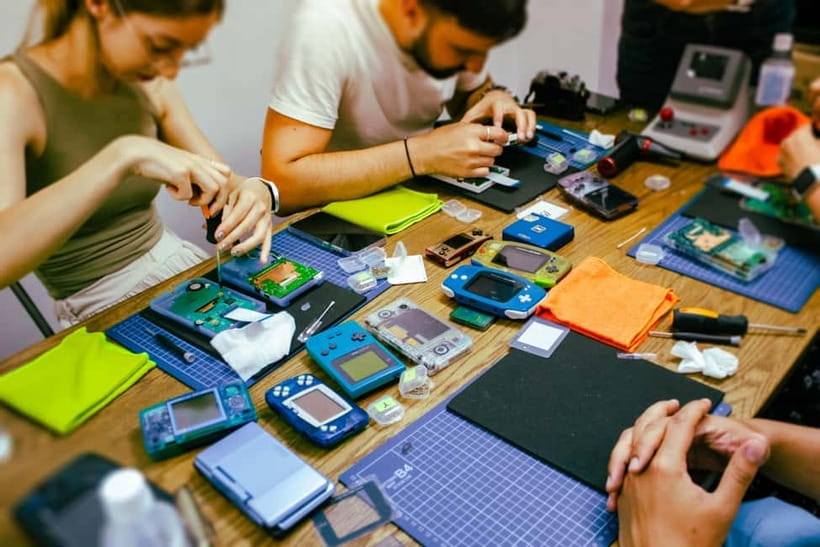
Akihabara is full of things to buy, but this Game Boy mod workshop lets you make something instead. In two hours, you learn how Nintendo’s handheld changed gaming, choose your own shell, buttons, screen, and parts, then rebuild a working DMG-01 to take home. I like the small group size and the patient, hands-on help. I also like that your souvenir is personal, playable, and not just another character toy.
The main drawback is the $360 price, which is high for a two-hour activity. You also need to climb to the second floor of the Wakita Building, since there is no elevator or escalator. Still, for a serious Nintendo fan, the hardware, instruction, and finished console make this easier to justify than a standard shopping trip.
Key points at a glance
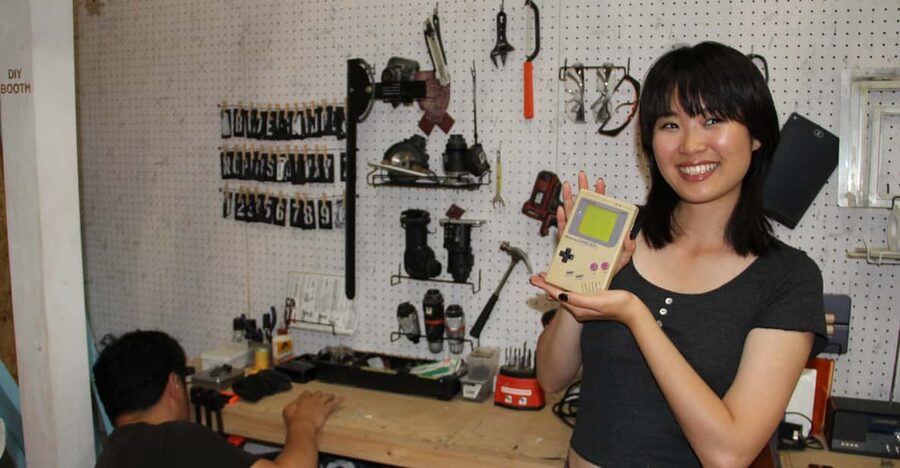
- Build a real DMG-01 Game Boy: Take apart and rebuild a classic handheld with guidance at each stage.
- Choose nearly every visible detail: Pick the case color, buttons, screen surround, power rocker, screen, and other supplied parts.
- Learn before you work: The session begins with a look at Nintendo handhelds and the history of portable gaming.
- Small groups keep it personal: The group is limited to four, so you can ask for help without waiting long.
- Beginner-friendly instruction: You do not need electronics or Game Boy experience before arriving.
- Browse games after the build: Retro titles, including Japanese and international games, may be available to buy.
Why this Akihabara workshop is different
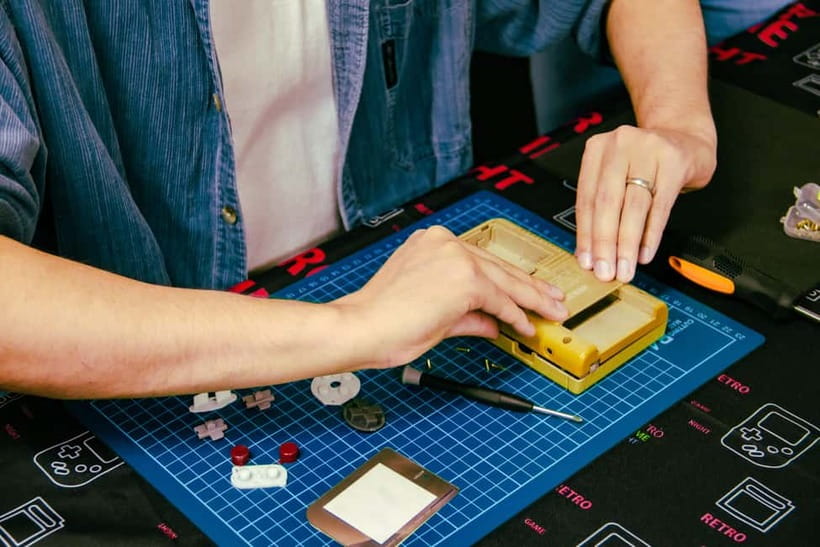
Most Akihabara activities ask you to look, shop, or take pictures. This one gives you a workbench and a classic console to rebuild. You are not simply buying an old Game Boy from a shelf. You are making design choices, handling the parts, and leaving with a machine tied to your own time in Tokyo.
The base model is the original DMG-01 Game Boy. The finished console can include a changed screen, new buttons, a new shell, and other updated parts supplied for the workshop. The exact choice depends on the available selection, but the point is clear: you get to create a color combination that Nintendo never sold in a regular store.
That personal touch matters. A pre-owned Game Boy can be a nice souvenir, but a console you assembled yourself carries a story. You remember the color choices, the careful screws, the moment the screen comes on, and the first game you put in. It becomes something you can use, not something that stays in a display case.
More Anime & Manga Tours in Tokyo:
- Tokyo Studio Ghibli Museum and Ghibli Film Appreciation Tour
★ 4.5 · 421 reviews - Akihabara Anime & Game Adventure Walking Tour (Group or Private)
★ 5.0 · 404 reviews - Tokyo: Manga Drawing Workshop Guided by Pro Manga Artist
★ 4.9 · 102 reviews
Entering the Wakita Building in Akihabara
The meeting point is on the second floor of the Wakita Building. Follow the supplied address carefully, since the activity does not begin at a large street-front attraction with an obvious tourist desk.
There is no elevator or escalator. You need to be comfortable using stairs, and this activity is not wheelchair accessible. That detail is easy to overlook when planning a full day in Akihabara, so consider it before booking.
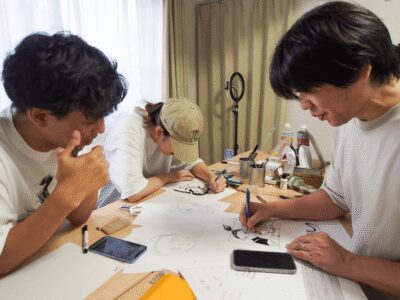
The workshop takes place in a compact setting designed for a small group. With a limit of four participants, you get a better chance to work directly with an instructor. This is important when you are handling small parts and need a quick answer rather than a long wait.
English and Japanese are offered. Staff members who have led sessions include Gabi, Franz, Shio, and Ro. The team’s interest in retro gaming is part of the appeal. You can ask about Nintendo hardware, handheld design, game history, or the practical side of modifying an old console.
The opening lesson on Nintendo handhelds
The session begins with background on the Game Boy and other portable consoles. This is not just filler while the tools are being prepared. It helps explain why a fairly plain gray handheld became one of the most important game systems of its era.
You may see examples of different Nintendo handhelds and hear how the devices developed over time. The collection has been used for hands-on demonstrations, so this part can feel more like a small enthusiast presentation than a standard tour lecture.
I particularly like this opening because it gives the build some context. Without it, you might focus only on shell colors and buttons. With it, you understand why the simple DMG-01 design mattered, how portable gaming grew, and why people still care about a machine with a monochrome screen and basic controls.
The lesson also helps first-time participants. You do not need to know the difference between every Game Boy model before you arrive. The instructors explain the subject in a way that works for beginners, while still giving serious fans plenty to discuss.
Choosing a shell, buttons, and screen
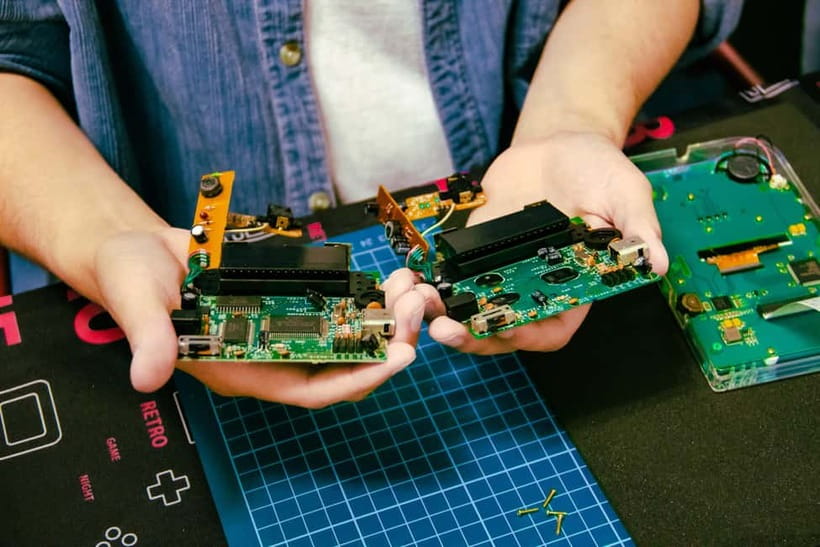
The design stage is where the workshop becomes personal. You choose the outer shell, button colors, screen surround, power rocker, and other available parts. Some participants build a clean, single-color console. Others mix colors to make a combination that looks more like a custom art piece.
Give yourself time here. It is easy to arrive with one color in mind, then change direction after seeing the full selection. A special color combination may be possible if the parts are available, but the exact inventory can change.
The choices are more than decoration. The shell and buttons control the feel and look of the finished Game Boy. The screen choice affects how the old hardware is experienced today. An improved backlit screen has been part of completed builds, making the device easier to use than an untouched original.
You can ask the staff to help you weigh the options. That is useful if you are unsure about matching colors or do not understand what a particular part changes. The staff can also explain what is cosmetic and what affects play.
A few more Tokyo half-days worth comparing
- 1-Day Tokyo Bus Tour
★ 5.0 · 14,250 reviews - Tokyo: TOKYO SKYTREE® Admission ticket
★ 4.5 · 11,192 reviews - Tokyo: teamLab Planets TOKYO Digital Art Museum Entry Ticket
★ 4.6 · 9,779 reviews - Tokyo: Sumo Show Experience with Chicken Hot Pot and a Photo
★ 4.8 · 6,678 reviews
Taking apart the original Game Boy
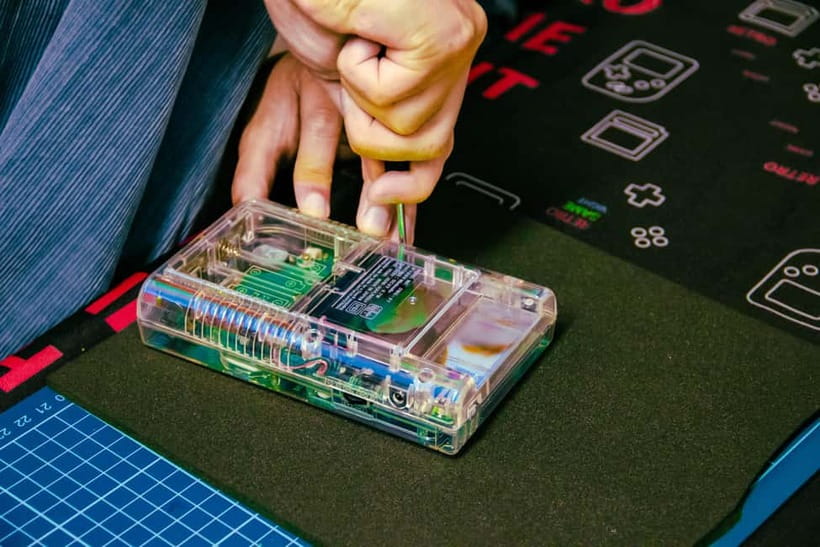
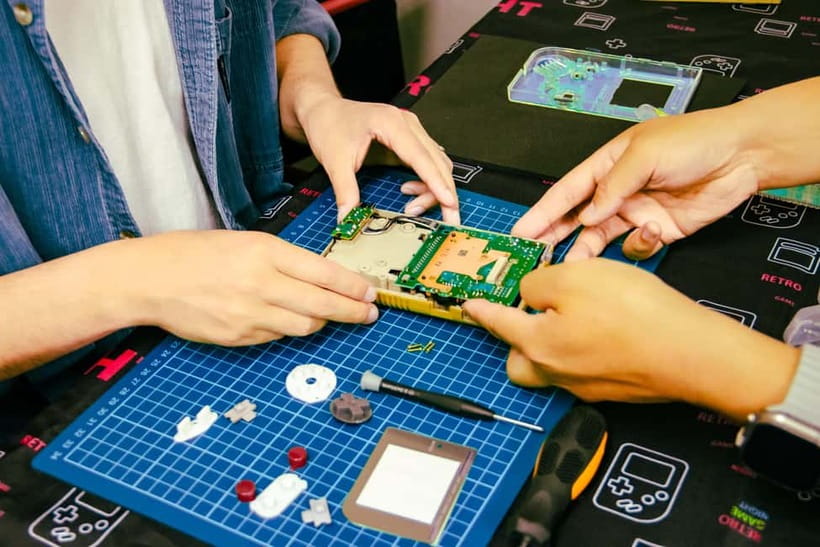
Next comes the hands-on work. You take apart the Game Boy with step-by-step help, rather than watching an instructor do everything for you. That distinction makes the activity worthwhile.
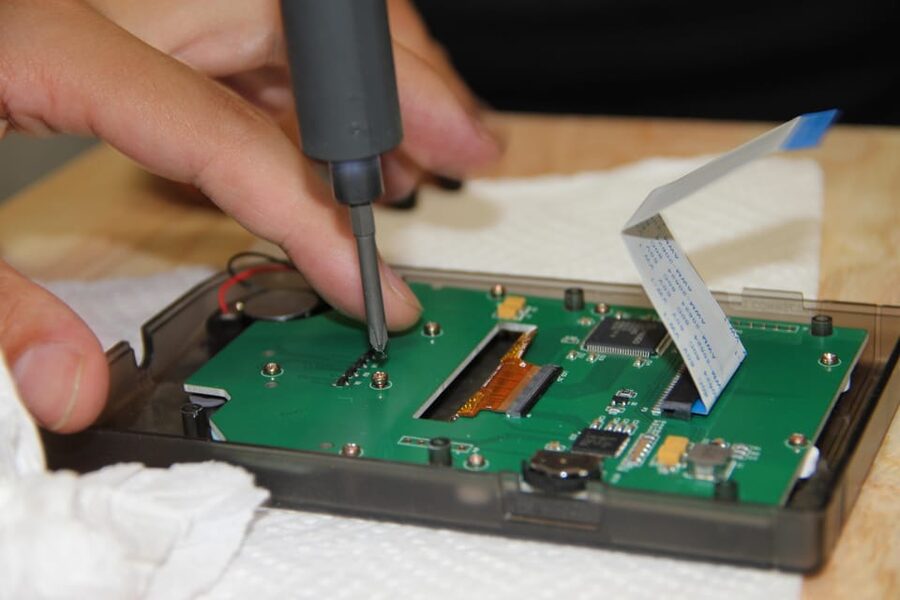
You handle the screws, shell, buttons, screen area, and internal parts under supervision. The work requires care, but you are not expected to arrive with repair skills. Instructions are repeated when needed, and the team checks progress before you move on.
This is the part that will appeal most to anyone who likes electronics, models, or fixing old equipment. You see how a familiar handheld is put together and gain a better sense of why careful handling matters.
For younger builders, the activity can also work well with adult support. A 13-year-old participant completed a build with close guidance, and children around 10 and 13 have enjoyed the process. The tools and small components mean parents should stay involved, especially with younger children.
The activity is not a free-form repair class. You are working within a prepared workshop system, with parts and assistance supplied. That makes it approachable, but it also means you are not being taught every possible Game Boy repair or modification technique.
Rebuilding and testing your custom console
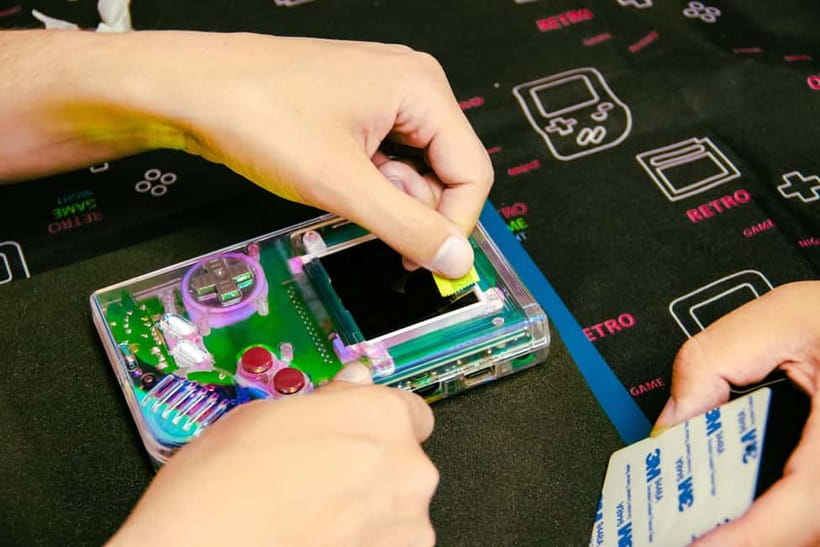
After the old parts are separated, you rebuild the handheld using your chosen components. The instructor checks the work along the way, helping you avoid the small mistakes that can keep a screen, button, or power switch from working.
The best moment comes at testing. The Game Boy needs to function before you leave, so the staff checks the controls and display rather than sending you home with an attractive but uncertain project.
That final check adds real value to the price. You are paying for parts, but you are also paying for guidance, troubleshooting, and the confidence that your finished console works. If something does not go right, the staff can help quickly instead of leaving you to guess which connection went wrong.
You should expect the completed system to feel more personal than a standard secondhand purchase. The shell and controls reflect your choices, and the updated screen can make it more practical to play. It remains a retro machine, though. This is not a modern console with current graphics or online features.
Choosing games in Akihabara
The workshop also gives you access to a selection of Game Boy games. The available range has included Japanese and international titles, with familiar classics such as Tetris, Mario, Kirby, and Dr. Mario appearing in the collection.
One useful advantage is convenience. After building the system, you can test your interest in games right there rather than searching several Akihabara shops. You may also find titles at fair prices. A participant comparing games with Super Potato found some workshop prices roughly 40 percent lower, though prices and stock can change.
Some sessions have included a game priced at 1,000 yen as part of the finishing experience. Treat that as a possible workshop extra rather than a guaranteed inclusion, since the stated package focuses on the build, parts, activities, and instruction.
You are not limited to browsing. Additional games may be available to purchase, which is handy if your new Game Boy needs a small starting library. Bring room in your luggage for cartridges and the finished console.
Is $360 a fair price?
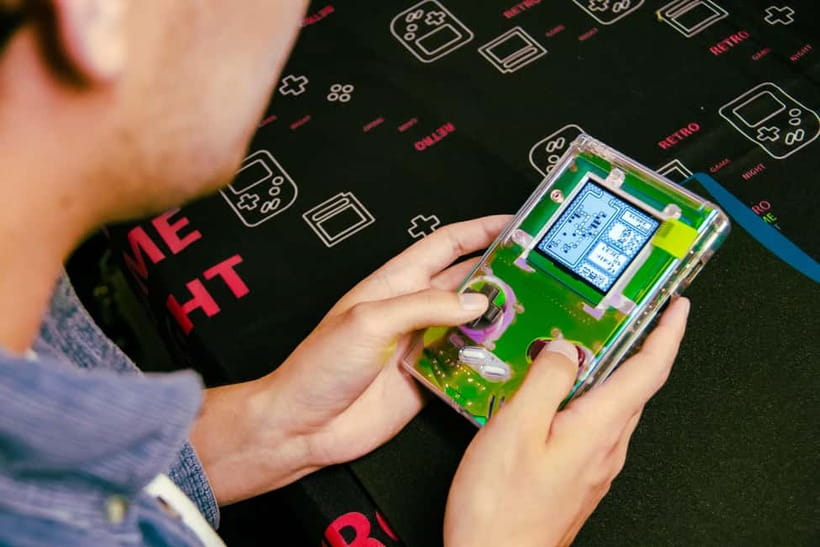
At $360 per person, this is not a budget activity. You could spend much less on a used handheld, especially if you are comfortable shopping around Akihabara and accepting an unmodified console.
The better comparison is a custom-built, tested Game Boy plus a two-hour private-feeling workshop. The price includes the device, supplied parts, activities, admission, and help from English and Japanese-speaking staff. You also get the story and practical experience behind the finished object.
I think the cost makes the most sense in three cases. First, you want a working souvenir that feels made for you. Second, you enjoy electronics or retro gaming and would rather create than shop. Third, you are buying this as a gift for someone who grew up with the Game Boy.
The value is weaker if you have little interest in Nintendo, do not care about customizing hardware, or mainly want the cheapest way to play old games. In that case, Akihabara’s shops offer other options.
Still, the small group helps. With only four participants, the experience is less like a crowded class and more like a guided session with enthusiasts. You can ask questions, compare color choices, and get help at your own pace.
Who should book this activity?
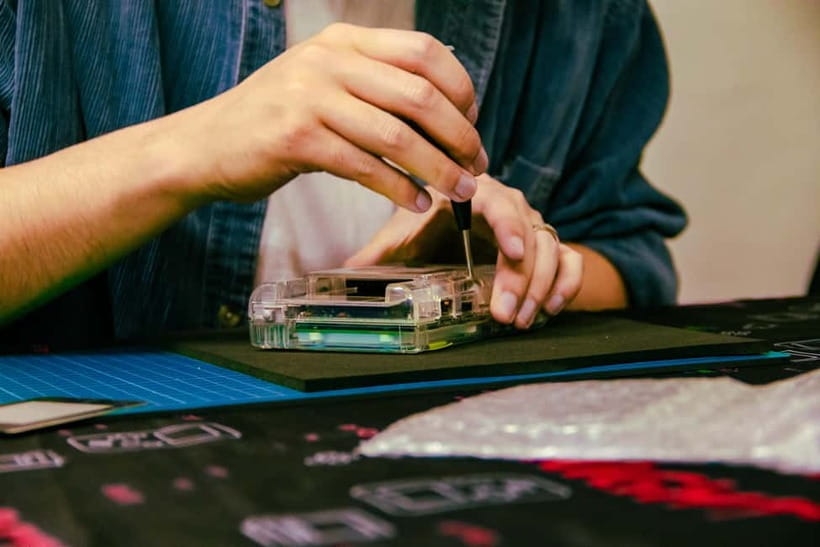
You do not need prior Game Boy knowledge. The instructors explain the process clearly, and beginners have been able to complete the build with support.
The best match is someone who fits one or more of these descriptions:
- A Nintendo fan who grew up with the Game Boy
- A retro-gaming collector who wants a playable custom piece
- Someone interested in electronics but nervous about starting alone
- A parent looking for a hands-on activity for an older child or teenager
- A couple or small group that wants a shared souvenir from Tokyo
- A person who prefers making something over visiting another museum or shop
Solo participants can enjoy it too. The group is small, and the workshop naturally gives you something to focus on while also leaving room for conversation.
It is less suitable for anyone who dislikes small, careful assembly work. The session is friendly and guided, but you are still handling tiny components. Also skip it if stairs are a problem, since the second-floor location has no elevator or escalator.
Booking, timing, and practical details
The workshop lasts two hours. Starting times vary, so check the available slot before planning the rest of your Akihabara day.
Free cancellation is available up to 24 hours before the activity for a full refund. You can also reserve now and pay later, which helps if your Tokyo schedule is still changing.
The listed price is $360 per person. The group is limited to four participants, and instruction is available in English and Japanese.
Bring your completed Game Boy home and give yourself some luggage space for it. If you buy cartridges after the build, they will need to be packed safely as well.
Should you book the Game Boy mod workshop?
Book it if you want a hands-on Akihabara memory rather than another purchase. The strongest parts are the careful instruction, broad customization choices, small group, and the fact that you leave with a working console you helped build.
I would especially recommend it for a Nintendo fan who values nostalgia but also wants something useful. The $360 price is a real consideration, yet it includes far more than a basic souvenir: a custom DMG-01, supplied parts, expert help, a short lesson in handheld gaming, and time spent making the object yourself.
Skip it if price is your main concern or if you only want to browse retro games. For everyone else, this is a thoughtful way to turn Akihabara’s gaming culture into something you can carry home and play.
FAQ
How long does the Game Boy mod workshop last?
The workshop lasts two hours.
Where does the activity take place?
It takes place on the second floor of the Wakita Building in Akihabara, Tokyo.
Is the workshop wheelchair accessible?
No. The location is on the second floor and does not have an elevator or escalator.
What languages are available?
Instruction is available in English and Japanese.
How many people can join the workshop?
The group is limited to four participants.
Do I need previous Game Boy or electronics experience?
No. The activity is guided and designed for beginners as well as experienced gaming fans.
What Game Boy model do I customize?
You customize a vintage DMG-01 Game Boy.
Which parts can I choose?
You can choose from available shell colors, buttons, screen options, the screen surround, the power rocker, and other supplied parts.
Can I buy games during the activity?
Yes. A selection of Japanese and international retro games may be available to try or purchase, including classic titles such as Tetris, Mario, Kirby, and Dr. Mario.
Can I cancel the booking for a refund?
Yes. You can cancel up to 24 hours in advance for a full refund. You can also reserve now and pay later.
Just added around Tokyo
- Kawagoe Japanese Food Tour : Unagi Kaiseki and Sake near Tokyo★ 5.0 · 30 reviews
- Kawagoe 4hr Private Tour with Licensed Guide (Kawagoe Dep)★ 5.0 · 13 reviews
- Little EDO Sushi Making workshop in Kawagoe★ 5.0 · 18 reviews
- 【R34】Tokyo:Private Daikoku tour in Modified R34★ 4.9 · 92 reviews
- :Tokyo,Shibuya/ Pro Photography in Kimono / English-Friendly★ 5.0 · 26 reviews
- Tokyo:Celebrate Unique Japanese New Year Tradition Festivity★ 3.9 · 20 reviews
- Tokyo: Allstar Food Tour★ 4.7 · 29 reviews
- Tokyo: West-Side Cycling and Food Tour with Guide★ 5.0 · 37 reviews
Anime & Manga Tours, compared.
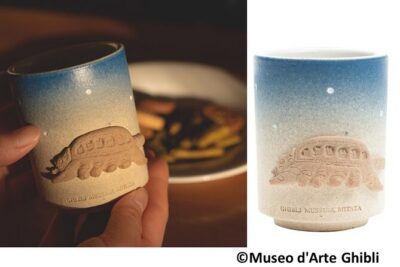
Tokyo Studio Ghibli Museum and Ghibli Film Appreciation Tour
Our verdict →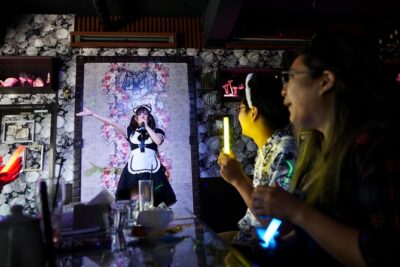
Akihabara Anime & Game Adventure Walking Tour (Group or Private)
Our verdict →

Browse the lists this tour appears in