
Reviewed · COOKING CLASSES
Private Home-Style Cooking Class in Osaka with Local Mom Yoshiko
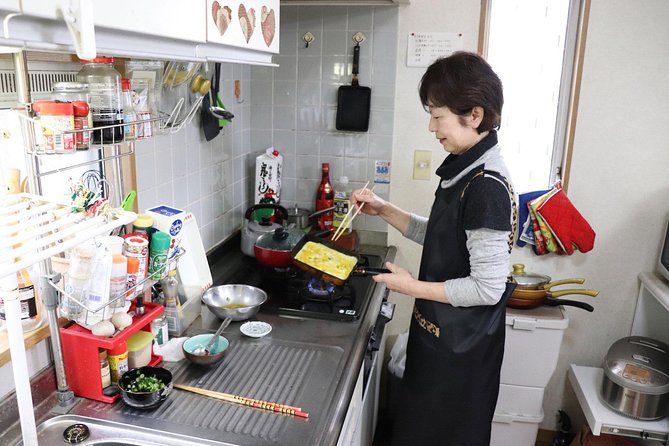
The best part of this experience is not simply learning to cook Japanese food. It is stepping into Yoshiko’s home and seeing how everyday meals come together in a real Japanese kitchen. You will make dashi, prepare four to five dishes, then sit down with the person who taught you.
I like the focus on home cooking rather than restaurant technique, and I like that you leave with printed recipes instead of just a full stomach. The main drawback is the location: Yoshiko’s home is outside central Osaka, and the ride from Osaka Station area can take about an hour before the short pickup drive.
Key points to know before booking
- Learn the dashi-first method: Yoshiko shows you how stock made from Japanese ingredients brings umami to ordinary dishes.
- Cook in a private home: This is a personal meal and class with Yoshiko, not a large group demonstration.
- Expect a four- to five-dish menu: Choices include home-style meals, okonomiyaki, and bento-style food, with seasonal changes.
- Plan extra travel time: Meet at Kawanishi-Ikeda Station on the JR Takarazuka Line, well outside Osaka’s main sightseeing core.
- Request your menu early: Tell Yoshiko your preferred option and dietary needs at least three days before the class.
- Budget for the ride home: The activity ends at Yoshiko’s home, and a taxi back to the station costs about ¥2,000, paid directly to the driver.
A real Osaka-area kitchen, not a staged food show
Many Japanese cooking classes take place in a studio built for visitors. This one takes you somewhere more personal. Yoshiko picks you up at Kawanishi-Ikeda Station and drives you about 10 minutes to her home in Hyogo Prefecture.
That short drive matters. You leave the familiar Osaka sightseeing route and enter a more residential setting. You are not just being shown a recipe. You are seeing where a local mother cooks, how she organizes a meal, and how Japanese food fits into ordinary daily life.
Yoshiko’s style is warm and patient. She explains the steps clearly and gives you time to follow along. Her easy manner also leaves room for conversation after the meal, when the class becomes less about food and more about getting to know one another.
The setting is intimate by design. This is a private activity, so only your group takes part. That makes it a good choice for couples, families, friends, or a small group looking for a quieter experience than a crowded market tour.
More Cooking Classes in Osaka
- Osaka: Ramen and Gyoza Cooking Class in Dotonbori
★ 5.0 · 378 reviews - Osaka Cooking Class: Okonomiyaki &Japanese cuisines experience
★ 5.0 · 261 reviews - Ramen and Gyoza Cooking Class in Osaka
★ 5.0 · 202 reviews
Why dashi is the lesson worth taking home
The class begins with dashi, the basic stock used in many Japanese dishes. Yoshiko teaches you to use it in place of plain water, helping bring out the savory umami flavor in the food.
This is the most useful lesson in the class because it changes how you think about Japanese cooking. Dashi is not a complicated restaurant trick. It is a foundation for everyday dishes, and learning the idea gives you more than one recipe to copy.
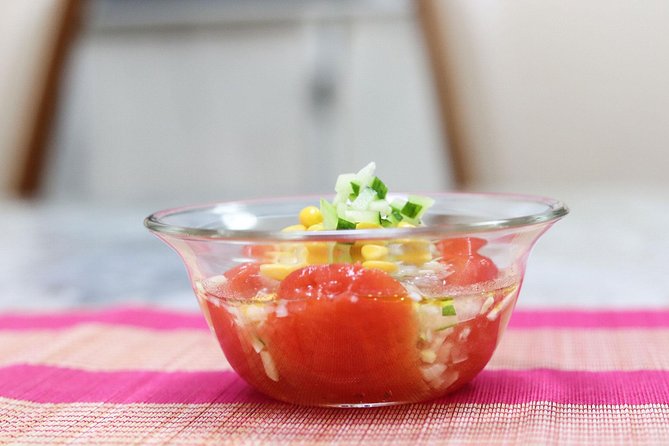
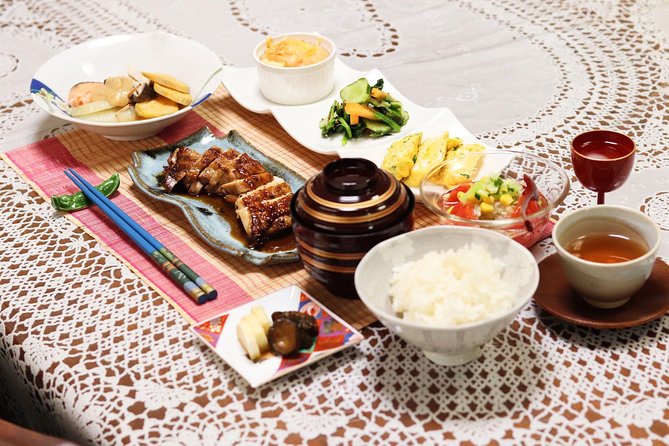
You will then prepare four to five Japanese home-style dishes from scratch. The exact menu depends on the option you choose and what is available in the season. That flexibility is helpful, but it also means you should not book expecting one fixed set of dishes every time.
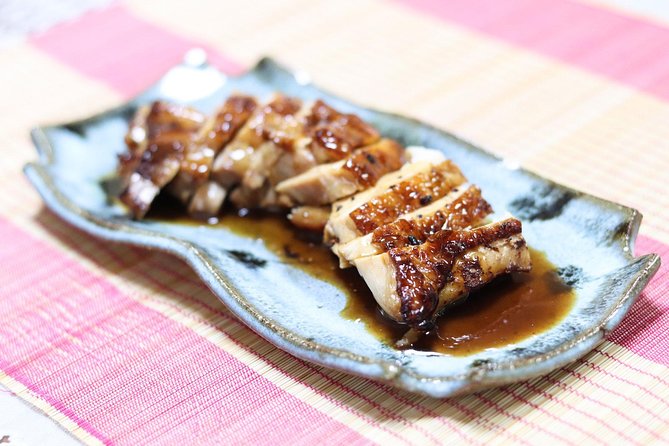
Some menus feature okonomiyaki, the Osaka favorite often described as a savory cabbage pancake. Other meals may be arranged as a bento, with several dishes assembled into a compact lunch. The bento format adds a practical touch because you see how separate foods can be balanced and presented as one meal.
The three-hour rhythm: cook first, eat second
The cooking portion lasts about an hour. That is shorter than the total experience, since the remaining time includes the meal and conversation.
You will not spend three straight hours standing at the counter. This is good news if you want a relaxed outing, but it is worth setting your expectations. One account of the experience found it more like a demonstration than a fully hands-on workshop. Other descriptions point to a small class with active participation.
The safest way to picture it is a guided home lesson. Yoshiko leads the process, demonstrates key techniques, and lets you help with parts of the preparation. The amount of hands-on work may depend on the menu, your group size, and the pace of the meal.
Once the food is ready, you sit down and eat what you helped prepare. That shared meal is central to the experience. It gives the cooking a clear purpose and makes the visit feel like an invitation into someone’s home rather than a class you simply leave when the final dish is done.
Yoshiko provides plum wine with the meal. You can request local beer in advance, or bring your own alcohol to enjoy with the food. If you want beer rather than plum wine, mention it before the day of the class.
Choosing the menu and handling food needs
Yoshiko offers four meal choices from the sample menu. You need to tell her your preference at least three days before the experience so she can shop for the right ingredients.
If you do not send a preference, she prepares option one, called the Mother’s Taste menu. That default is useful if you are happy to let her choose, but I would still recommend contacting her. A menu request gives you more control and lets her plan for dietary requirements.
Include allergies, restrictions, and other food needs in the Special Requirements box when booking. The menu can change with the season, so even a requested option may include small adjustments based on what is available.
The menu choice also affects what you learn. An okonomiyaki-focused meal gives you a direct connection to Osaka’s food culture. A bento-style menu shows more about variety, portioning, and the balance of several small dishes. If your main aim is to learn basic seasonings and kitchen staples, tell Yoshiko that when you contact her.
Same trip, a completely different kind of day:
- Osaka Go Karting Tour with Funny Costume
★ 5.0 · 2,658 reviews - Osaka Castle: Museum and Tower Entry Ticket
★ 4.5 · 2,380 reviews - Osaka: Shinsekai Food Tour with 13-15 Dishes at 5 Eateries
★ 4.8 · 2,204 reviews - Osaka Food Tour: 13 Dishes at 5 Local Eateries
★ 5.0 · 2,149 reviews
The station meeting point and the trip into Hyogo
You meet Yoshiko at Kawanishi-Ikeda Station on the JR Takarazuka Line. The station address is 2 Chome-7 Sakane, Kawanishi, Hyogo 666-0021.
From there, Yoshiko drives you around 10 minutes to her home. The station pickup is included, but hotel pickup and drop-off are not.
The important planning point is the distance from central Osaka. You should allow about an hour from Osaka Station to reach the meeting area, then add the pickup drive. This is not a quick class you can squeeze between Dotonbori and Osaka Castle.
That travel time is part of the trade-off. You give up some convenience in exchange for a private home visit in a residential part of Hyogo. I would schedule this on a day when you have no tight evening plans, especially if you choose the dinner option.
Groups of four or fewer can ride with Yoshiko from the station. If your group has more than four people, Yoshiko asks the additional people to take a taxi and follow her home. Confirm the exact plan when booking so nobody is left guessing at the station.
The return trip needs careful planning
The activity ends at Yoshiko’s home, not at your hotel. The detailed instructions say you need to make your own way back to the station after the meal.
Yoshiko can help arrange a taxi to the nearest station. The estimated cost is about ¥2,000, paid directly to the driver. This is a small but important expense to include in your budget.
The stated meeting information also refers to the activity ending back at the meeting point, so the practical instructions are not perfectly consistent. I would follow the more specific guidance that the class ends at the home and confirm the return plan with Yoshiko before the day.
This is especially important for a dinner booking. You want to know the likely taxi timing and station before you sit down for the meal. It is easier to enjoy the final conversation when your return route is already clear.
What the price includes, and what it means in practice
The price is about $86 per person. It includes the private class, the meal, plum wine or local beer if requested ahead of time, and pickup from Kawanishi-Ikeda Station.
That is not a bargain cooking lesson if you judge it only by the number of dishes or the hours at the stove. The cooking itself takes about an hour. But the fee also covers a private host, a home visit, food shopping, meal preparation, drinks, and the chance to ask questions in a personal setting.
I see the value in the contact with Yoshiko. A standard restaurant meal may cost less, and a group class in central Osaka may save travel time. Neither gives you the same look at daily home cooking or the same private conversation.
The value is strongest for you if you care about food culture, want to cook Japanese dishes after returning home, or prefer personal contact to a polished tourist production. It is weaker if you want a fast, highly technical class with constant hands-on work.
The experience is often booked about 88 days ahead, and confirmation arrives within 48 hours of booking if space is available. That advance booking pattern suggests you should not wait until the final days of your Osaka stay, especially if you need a specific menu or date.
Recipes, conversation, and the parts beyond the plate
The printed recipe cards are one of the most useful inclusions. You can recreate the meal at home instead of relying on memory or trying to translate a few notes later.
The cards also help turn the class into a lasting souvenir. Food memories fade quickly, but a recipe for dashi, okonomiyaki, or a bento dish gives you a way to bring the experience into your own kitchen.
Conversation is another major part of the visit. After lunch or dinner, you have time to talk with Yoshiko and learn about her life as a local resident. The tone is personal and informal, which is exactly what makes a home class different from a cooking studio.
The strongest praise centers on Yoshiko herself. She is described as kind, patient, welcoming, and passionate about teaching. That matters because the success of a home visit depends heavily on the host. Here, her clear instructions and friendly approach appear to be as important as the food.
Who will enjoy this class most
I would recommend this experience to couples who want one meaningful meal away from the main Osaka sights. It also fits families and small groups who enjoy sitting down together and asking questions as they cook.
It works especially well for people who are curious about everyday Japanese food, not just famous restaurant dishes. You will learn about seasonings, kitchen staples, dashi, and meal assembly in a setting where those things are used naturally.
This may not suit you if you need a fully hands-on cooking course from start to finish. The class can lean toward demonstration, and the menu changes by season. It also may not fit a short Osaka visit when every hour needs to be spent near the main attractions.
You should also think about mobility and transport comfort. The activity includes train travel, a station meeting, a car ride, time in a home kitchen, and a taxi back after the meal. The supplied information does not provide specific accessibility details, so ask before booking if you have mobility needs.
Is Yoshiko’s cooking class worth booking?
Book it if you want a personal food experience and are willing to spend much of an afternoon or evening outside central Osaka. The private home setting, dashi lesson, printed recipes, and shared meal give you something far more personal than a quick cooking demonstration.
Skip it if convenience matters more than contact with a local host, or if you want a class with guaranteed constant hands-on work. For everyone else, $86 is a fair price for the food, drinks, private setting, and time with Yoshiko, provided you plan the train journey and taxi ride carefully.
Request your menu at least three days ahead, mention all dietary needs, and confirm the return trip. Do that, and this can become one of the more memorable food experiences in the Osaka area.
FAQ
Where does the cooking class take place?
The class takes place at Yoshiko’s home in Kawanishi, Hyogo Prefecture, about a 10-minute drive from Kawanishi-Ikeda Station.
Where do I meet Yoshiko?
You meet Yoshiko at Kawanishi-Ikeda Station on the JR Takarazuka Line.
How long does the experience last?
The experience lasts approximately three hours, including about one hour of cooking followed by the meal and conversation.
What food will I learn to prepare?
You will learn to prepare four to five Japanese home-style dishes. The menu may include options such as okonomiyaki or a bento-style meal, and it can change with the season.
Can I choose my meal?
Yes. Yoshiko offers four sample menu choices. You should tell her your preference at least three days in advance. If she does not hear from you, she prepares the Mother’s Taste menu.
Is a drink included?
Yes. Plum wine is included. Local beer can be requested in advance, and you may also bring your own alcohol to enjoy with the meal.
How do I return to the station afterward?
The detailed instructions state that the experience ends at Yoshiko’s home and that you arrange your own return. Yoshiko can help arrange a taxi to the nearest station, costing about ¥2,000 paid directly to the driver.
Just added around Osaka
- Exclusive Sushi Making Experience with a Master Chef – Osaka Area★ 5.0 · 25 reviews
- Hidden Osaka – Yukaku Red Light Tour & Culinary Adventure★ 4.8 · 96 reviews
- Osaka: Walking Tour and Top Highlights★ 4.8 · 104 reviews
- Osaka: Private Ceramic Painting Workshop★ 5.0 · 13 reviews
- Pickleball in Osaka, Kobe & Kyoto with Locals!★ 4.7 · 80 reviews
- Eat Like a Local in Osaka – Private Custom Street Food Tour★ 4.3 · 33 reviews
- Osaka:SUMO BEATS SHOWCASE: Taiko Drum and Wagyu burger!★ 4.2 · 37 reviews
- Osaka: Visit the must-see places.★ 5.0 · 15 reviews
Cooking Classes, compared.
Browse the lists this tour appears in