
Reviewed · HIROSHIMA TOURS
Hiroshima Miyajima and Bomb Dome Private Tour
Hiroshima’s past and present come together in one long day: the Atomic Bomb Dome and Peace Memorial Museum offer a serious look at 1945, while Miyajima brings sea views, shrine architecture, local food, and its famous floating torii gate. That contrast is the heart of this tour.
I like the private format, since you can ask direct questions and adjust the pace. I also like the use of trains and ferries, which gives you a more ordinary view of getting around Hiroshima instead of keeping you sealed in a tour bus.
The main drawback is the packed schedule. Seven to eight hours on foot and public transportation is a lot, and lunch, drinks, and transport fares are extra. This is best for you if you want a full day of major sights rather than a slow, quiet visit.
Key points to know before booking
- Two very different sides of Hiroshima: Move from the city’s war memorials to Miyajima’s shrine, shops, food, and sea views in one day.
- Private attention: Your group has the guide to itself, so you can ask about history, customs, food, or local life without waiting for a large group.
- Public transportation is part of the experience: Expect trains and a ferry rather than a private vehicle.
- Guides can add personal context: Yuta, Keiko, and Uta have been especially praised for clear explanations, flexibility, family-friendly conversation, and practical help.
- The museum needs emotional energy: The exhibits use real wartime objects and personal stories, so plan for a serious and sometimes difficult hour and a half.
- Good value for a one-day visit: At $231.24 per person, the price is high for a solo excursion but more reasonable for a private group that wants history, sightseeing, and local guidance in one day.
A full Hiroshima day, from 1945 to Miyajima
This experience is built around a useful pairing. Hiroshima’s Peace Memorial area asks you to stop, listen, and think. Miyajima gives the day a change of pace with an island setting, shrine buildings, street food, and the red torii gate over the water.
That combination works well if you have only one day in Hiroshima. You will not see every corner of the city, but you will cover the places most closely tied to its wartime story and its best-known nearby attraction.
The private setup matters here. Hiroshima’s memorial sites contain a lot of information, and the meaning of individual objects is not always obvious when you are reading labels on your own. A guide can explain the sequence of events, answer questions, and help you understand how the city rebuilt itself after the bombing.
The day is also social and practical. Past guide assignments have included Yuta, Keiko, and Uta. Yuta has been praised for communicating before the tour, helping with onward train arrangements, adapting food stops, and keeping younger family members involved. Keiko has been appreciated for combining clear explanations with personal stories. The exact guide is not guaranteed, so ask about availability if a particular guide matters to you.
A few more Hiroshima half-days worth comparing
- Peaceful Hiroshima & Miyajima UNESCO 1 Day Bus Tour
★ 5.0 · 5,309 reviews - Hiroshima: Hiroshima and Miyajima UNESCO Sites 1-Day Tour
★ 4.9 · 2,330 reviews - Hiroshima / Miyajima Full-day Private Tour with Government Licensed Guide
★ 5.0 · 1,298 reviews
Starting at Hiroshima Station between 9 and 10 a.m.
The stated meeting point is Hiroshima Station, at 1-2-37 Matsubaracho in Minami Ward. The available start window is listed as 9 to 10 a.m., Monday through Sunday.
That station meeting point is practical. Hiroshima Station is easy to reach and gives you a clear place to begin before heading toward the memorial district. Some past arrangements have involved meeting at a Hiroshima hotel, but the formal meeting information names Hiroshima Station and says the activity ends back at the meeting point. Confirm the exact pickup and return plan before you go.
You should arrive ready to walk and use public transportation. There is no private vehicle or air-conditioned vehicle included. That keeps the tour closer to ordinary local travel, but it also means the day is affected by train, ferry, and walking times.
The listed sections add up to more than six hours of sightseeing, before you count the movement between places. That is why the total duration reaches roughly seven to eight hours. Wear comfortable shoes and avoid scheduling an important evening commitment too soon after the tour.
The Atomic Bomb Dome: beginning with the city’s central symbol
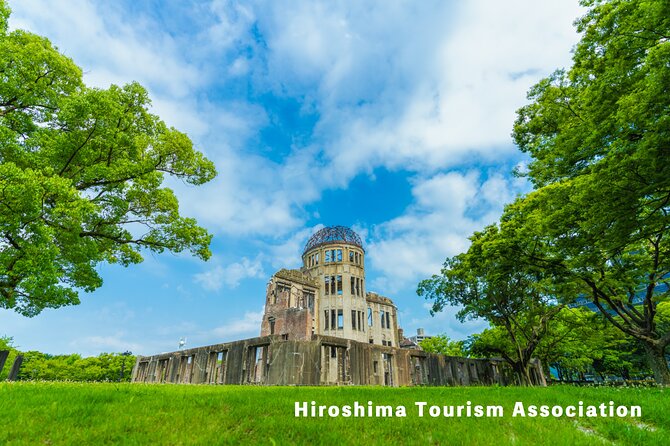
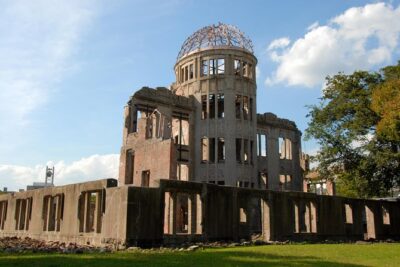
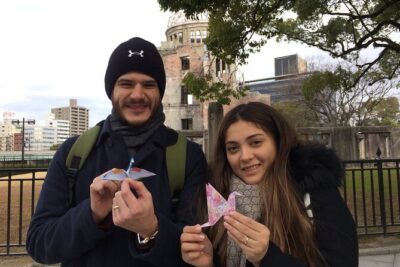
The first main stop is the Atomic Bomb Dome, with about an hour set aside for the site and an explanation of what happened in 1945 and how Hiroshima recovered.
The preserved structure is powerful because it is not an abstract memorial. You are looking at a building that remained after the blast, with its damaged frame still visible. A guide can help place the dome within the wider story of the city, rather than leaving you with only a photograph and a brief plaque.
This is also where the tour’s focus on lesser-seen bombing-related places can become useful. The supplied description promises stops connected with the bombing that many independent visitors miss, although the exact locations are not named in advance. Ask your guide what additional sites are possible on your date.
The one-hour stop is long enough for explanation and photographs without turning the opening of the day into a marathon. Still, the subject is heavy from the start. If you prefer to ease into a holiday morning, this is not that kind of tour.
Peace Memorial Park and its quiet places
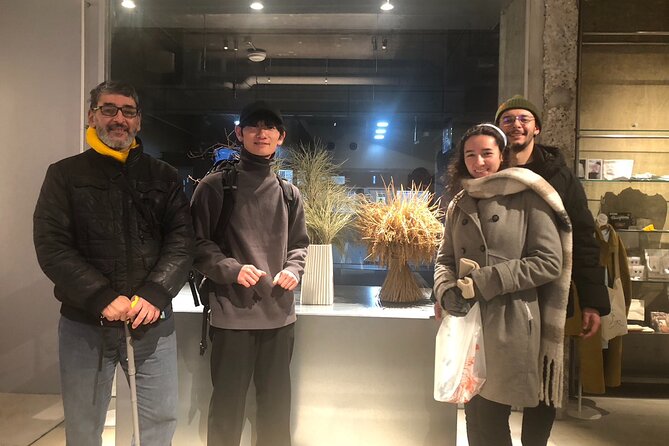
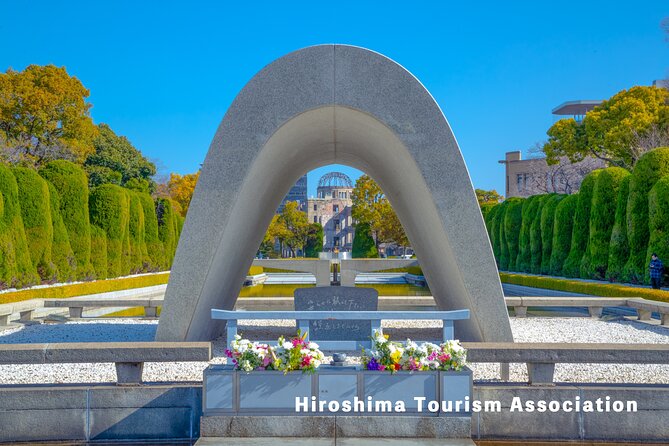
The tour then spends about 40 minutes in Hiroshima Peace Memorial Park. The park is a place for remembrance and prayer, and its open spaces give you time to take in the setting after the compact, damaged form of the dome.
A guide can point out the meaning of the park’s memorials and explain how it functions as a place where people come to pray for peace. This is a good moment to ask about local customs, memorial practices, and how Hiroshima presents its past today.
Forty minutes is enough for a guided overview, but not enough for every monument. If you want a long, unhurried look at the park, you may need to return independently. The value here is the explanation and orientation, not exhaustive coverage.
Keep your tone respectful. This is a working memorial space, not simply a sightseeing stop. The tour’s pace helps you understand the area before moving indoors to the museum.
More Private-Only Departures in Hiroshima:
- Hiroshima City 4hr Private Walking Tour with Licensed Guide
★ 5.0 · 437 reviews - Hiroshima & Miyajima: Full-Day Private Tour & Licensed Guide
★ 4.8 · 252 reviews - Miyajima Half-day Private Tour with Government Licensed Guide
★ 5.0 · 184 reviews - Hiroshima/Miyajima Private Custom Tour with Local Guide
★ 5.0 · 134 reviews
Ninety minutes inside the Peace Memorial Museum
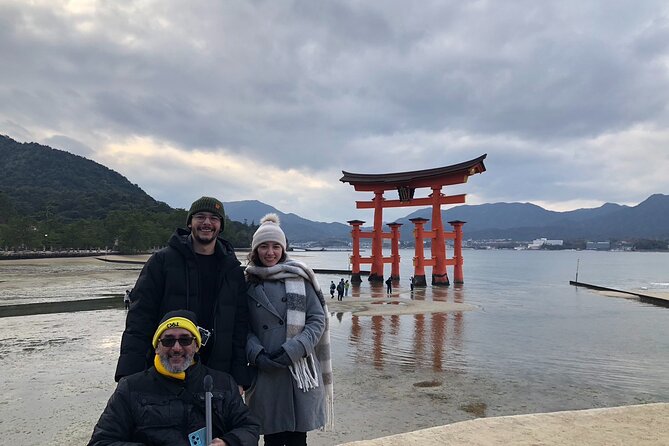
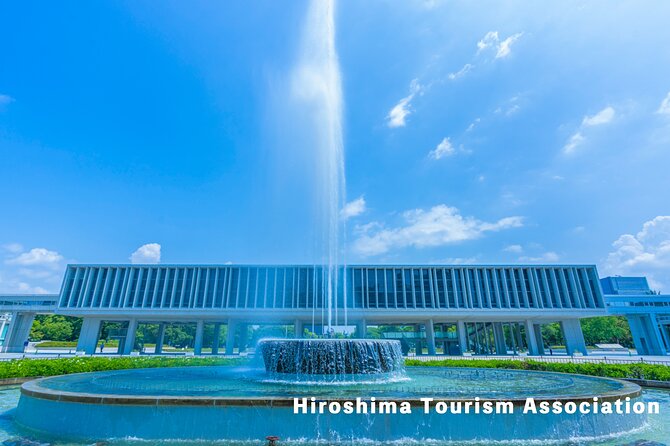
The Peace Memorial Museum receives about an hour and 30 minutes, with admission included. This is the most demanding part of the day emotionally, and for many people it is the most important.
The exhibits include actual objects used during the war period and personal accounts connected with the bombing. You will see the human effects of the event rather than only dates, maps, and military history. That makes the museum hard to process, but also gives the earlier park and dome a clearer purpose.
A private guide is especially useful here because you can ask questions at your own pace. You can also discuss the parts that are difficult to understand or place in context. At the same time, your guide cannot remove the emotional weight of the displays. Give yourself permission to be quiet.
The museum time is substantial, but it is not endless. A guide can help you focus on the main sections and avoid spending too long on one display if Miyajima is still ahead. Admission is included, so you do not need to budget a separate museum ticket.
Public transportation to Miyajima
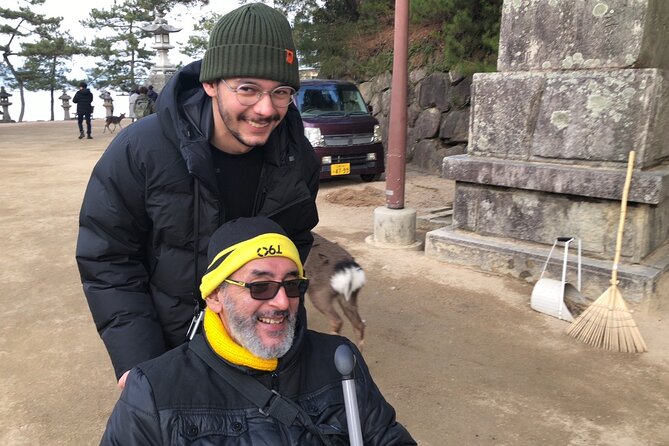
The move to Miyajima is part of the day, not just a transfer hidden between attractions. You will use public transportation, including a ferry to the island, rather than a private tour vehicle.
That choice has two sides. I like it because you experience Hiroshima the way many residents and independent visitors do. It also gives the tour a more grounded feel and lets you ask practical questions about transport, local life, and the city as you move through it.
The tradeoff is less control over timing. Trains and ferries take time, and crowded periods can make the day feel tighter. Your guide handles the route, but you should not expect the speed or privacy of a chartered car.
The final return section is listed at about one hour and 10 minutes, using public transportation back to Hiroshima Station or the agreed Hiroshima city end point. Confirm whether fares are paid directly by you, since private transportation is not included and no transport allowance is listed.
Itsukushima Island and Kiyomori souvenir street
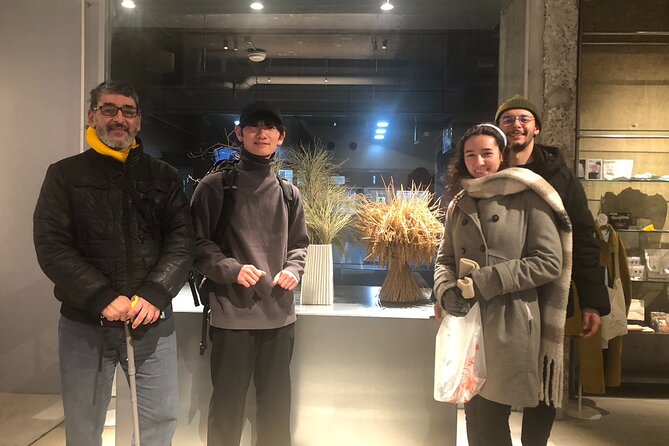
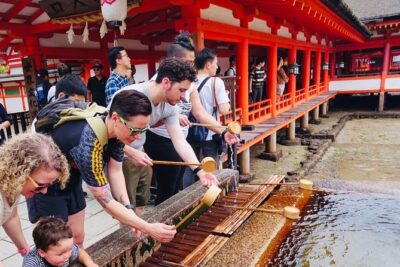
The Miyajima section is allotted about two hours, including Itsukushima and Kiyomori souvenir street. This is where the day becomes lighter and more sensory after the memorial sites.
You can browse local food, beer, souvenirs, and small shops. The food is a strong part of the experience. Past tour days have included Hiroshima specialties such as okonomiyaki, oysters, scallops, fried local fish, maple-leaf-shaped sweets, chocolate, and craft beer. Those specific choices are not guaranteed, but they show how easily the private format can turn lunch into a local tasting stop.
Lunch is not included, so plan to pay for your own meal and drinks. This is both a cost and an advantage. You can choose what appeals to you, and your guide can help if you have dietary preferences or are unsure what to order. One family with selective eaters received help finding a suitable option.
Two hours passes quickly if you want food, shopping, shrine visits, and photographs. If local snacks are a priority, tell your guide early so the schedule does not become dominated by shopping or formal sightseeing.
Itsukushima Shrine and the floating torii
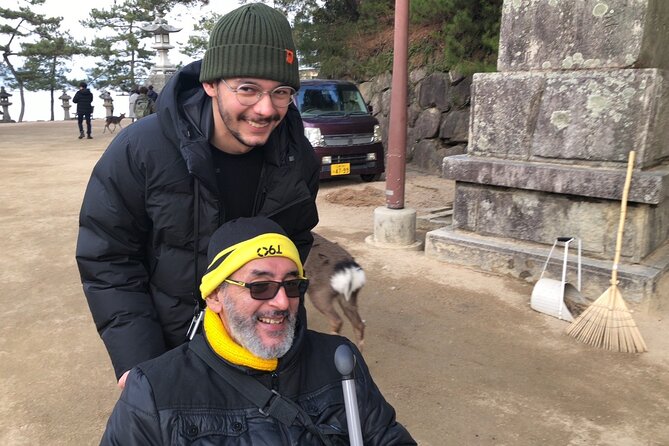
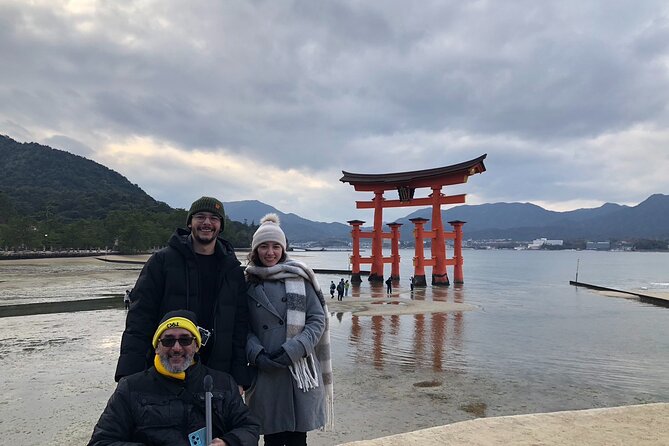
The tour gives about 40 minutes to Itsukushima Shrine and its famous torii gate. The red gate is positioned over the water and is one of Japan’s most recognizable views.
The gate’s appearance depends on the tide and the conditions on the day. The supplied details do not promise a particular tide level, so ask your guide what you can expect when you arrive. The view can change from a gate surrounded by water to a structure that appears more accessible from the shore.
The shrine itself is included in the tour price. Your guide can explain the customs and traditions connected with the site, which adds more than simply taking the standard gate photograph.
Forty minutes is a focused visit. You will have time for the main view and a basic shrine visit, but not a leisurely exploration of every part of the island. If you want to hike, spend hours eating, or shop at length, this tour will feel too compressed.
Why the private format can be worth $231.24
The listed cost is $231.24 per person. That is a serious price, especially for a solo visitor. The value becomes clearer for a couple, family, or small group that wants a private guide instead of joining strangers.
The price includes the certified guide fee, admission to the Peace Memorial Museum, admission to Itsukushima Shrine, and photo data taken by the guide. You are paying for planning, interpretation, and time saved at two major destinations, not just entrance tickets.
Lunch, drinks, and public transportation are extra. That means the final cost will be higher than the advertised per-person price. Group discounts are available, so larger private groups should compare the adjusted rate before deciding.
I would call this good value if you have one day in Hiroshima, care about the historical context, and want someone to manage the movement between the city and Miyajima. I would not choose it if you prefer to travel slowly, already know the memorial sites well, or mainly want an inexpensive visit to the torii gate.
What the guide adds to the day
The strongest part of this experience is the human guidance. A good private guide can connect the museum objects, memorial park, local customs, food, and transport into one readable day.
You can ask about Japanese culture, wartime history, shrine traditions, local foods, and the city’s revival. The guide can also adjust the conversation to your interests. Families have found this useful because younger children and teenagers may need a different style of explanation than adults.
The photo service is another small but practical benefit. Your guide takes pictures and provides photo data, so you do not have to choose between taking photographs and being in them. Do not treat this as a professional photography session, but it is helpful for a private group.
Communication before the tour has also been a strength for some bookings. You can use that contact to confirm the meeting place, explain food preferences, ask about a hotel pickup, and request information about the day’s route.
Who should book this Hiroshima tour?
I would recommend it for:
- First-time visitors with only one full day in Hiroshima
- Families that want help keeping children engaged
- Couples who want a private guide and flexible conversation
- History-minded visitors who want more context than signs provide
- People who want Hiroshima and Miyajima in one organized day
- Visitors who enjoy trying local food but want help choosing it
I would hesitate to recommend it to anyone with limited mobility unless the operator confirms the day’s walking and transport arrangements directly. The experience uses public transportation and includes several major sites, so the physical demands may be greater than the headline duration suggests.
I would also skip it if you want a slow Miyajima day. The schedule gives you an excellent introduction, but the island portion is only a couple of hours before the return journey.
Practical details that matter
Confirmation is received at booking. Service animals are allowed, and the activity is near public transportation. The tour is private, so only your selected group participates.
The cancellation terms allow a full refund if you cancel at least 24 hours before the start time. Changes or cancellations inside that window are not accepted for a refund, and the cut-off uses local time.
The experience is offered from 9 to 10 a.m. daily during the stated operating periods. Since the exact walking pace, food choices, and minor stops can vary, use the pre-tour contact to state your priorities clearly.
Should you book it?
Book this tour if you want Hiroshima’s most important memorial sites, Miyajima, shrine culture, local food, and a private guide in one demanding but efficient day. The best reason to choose it is not simply the number of stops. It is the chance to ask questions, adjust the day, and connect two very different parts of Hiroshima.
Skip it if you want a cheap outing, a private car, or several quiet hours on Miyajima. At $231.24 per person before food and transport, the price makes sense for personal guidance and limited time, not for a basic sightseeing checklist.
FAQ
How long does the Hiroshima Miyajima and Bomb Dome Private Tour last?
The experience lasts approximately 7 to 8 hours.
Where does the tour start?
The stated meeting point is Hiroshima Station at 1-2-37 Matsubaracho, Minami Ward, Hiroshima.
What time does the tour start?
The listed start window is between 9:00 a.m. and 10:00 a.m., Monday through Sunday.
Is this a private tour?
Yes. Only your group participates in the activity.
Are admission fees included?
Admission to the Peace Memorial Museum and Itsukushima Shrine is included.
Is lunch included?
No. Food and drinks are not included, so you should budget separately for lunch and any snacks or beer on Miyajima.
Is private transportation included?
No. The tour uses public transportation, and private transportation or an air-conditioned vehicle is not included.
Can I cancel for a full refund?
Yes, if you cancel at least 24 hours before the experience start time. Cancellations or changes made less than 24 hours in advance are not refunded.
Just added around Hiroshima
- Full Day Hiroshima and Miyajima Tour by Bullet Train from Kyoto★ 4.5 · 120 reviews
- Hiroshima Saijo Sake Tasting Tour with visit to 7 Breweries★ 5.0 · 104 reviews
- The Peace Memorial to Miyajima : Icons of Peace and Beauty★ 4.5 · 31 reviews
- Shore Excursion from Hiroshima Port : Private Tour in Hiroshima★ 5.0 · 17 reviews
- Okunoshima Rabbit Island Cycling Tour with Local Guide★ 4.5 · 17 reviews
- Hiroshima & Miyajima All-Inclusive Tour w/Licensed guide Pancho★ 5.0 · 54 reviews
- Private Full Day Hiroshima Tour★ 4.5 · 29 reviews
- Hiroshima Country Cycling: Explore Rural Life 1 HR from City★ 5.0 · 22 reviews
Hiroshima Tours, compared.
Peaceful Hiroshima & Miyajima UNESCO 1 Day Bus Tour
Our verdict →
Hiroshima Historical Walking Tour – Why A-Bomb was Dropped
Our verdict →
Hiroshima Peace (Heiwa) Walking Tour at World Heritage Sites
Our verdict →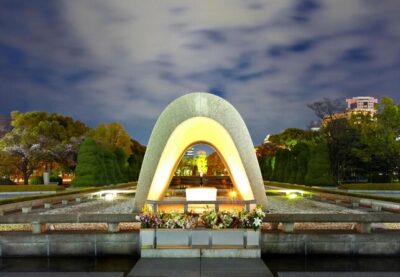
Hiroshima City 4hr Private Walking Tour with Licensed Guide
Our verdict →
Japanesel Archery Experience HIROSHIMA CASTLE SHARAKU
Our verdict →
Browse the lists this tour appears in