
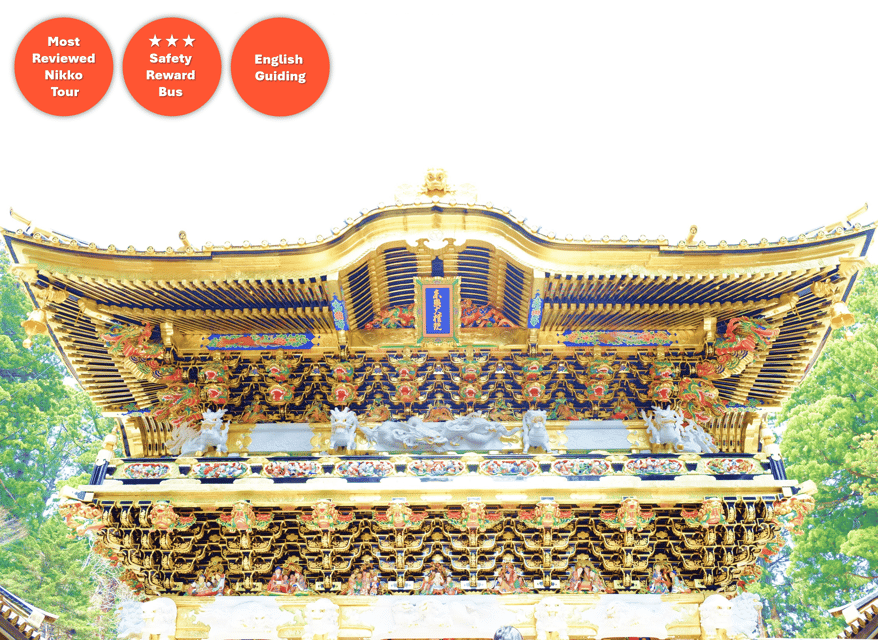
Reviewed · TEMPLES & SHRINES
Tokyo: Nikko Toshogu Shrine and Kegon Waterfall Tour
Nikko gives you a very different Japan from Tokyo’s crowded streets. This full-day trip takes you from Tokugawa-era history at Toshogu Shrine to the mountain scenery of Kegon Falls and Lake Chuzenji, with a long but useful coach ride linking it all together. I especially like the guide-led history lesson before the shrine and the comfortable bus, which has been praised for roomy seats, Wi-Fi, and charging points.
I also like that the route reaches places that are awkward to connect by public transport in one day, especially the waterfall and Iroha Slope. The main drawback is time: Toshogu Shrine can feel rushed, and traffic may stretch the return journey. At $84, this is a strong value if you want a broad Nikko introduction without arranging several trains and buses yourself.
Key points to know before booking
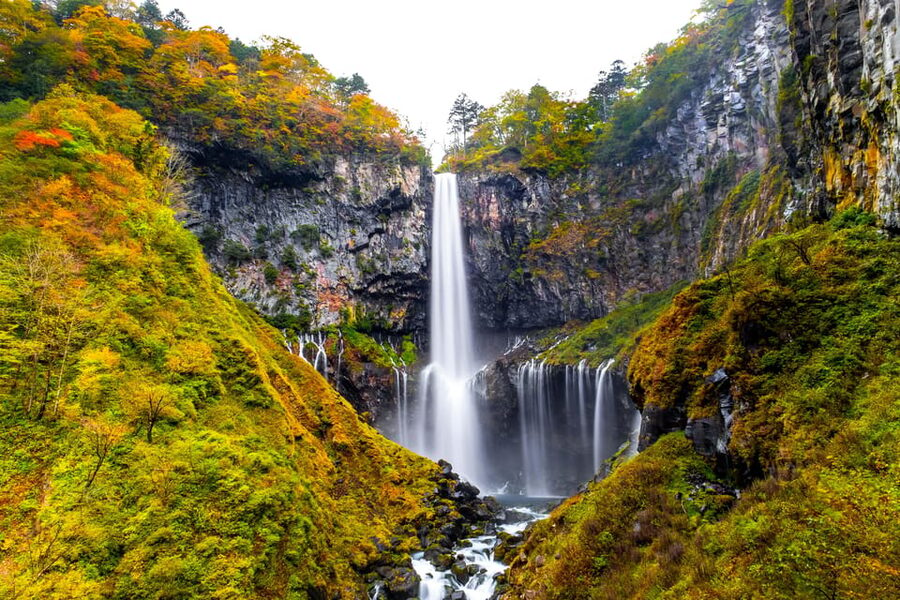
- Toshogu Shrine is the day’s cultural highlight: Entry is included, and your guide explains the Tokugawa connection, buildings, carvings, and local legends.
- Kegon Falls requires extra cash for the elevator: The waterfall viewing area is included in the schedule, but the elevator is not part of the tour price.
- The route changes by date: Until September 30, 2025, the tour visits a Nikko onsen. From October 1, 2025, it visits Shinkyo Bridge instead.
- The bus ride is long but practical: Expect about 2.5 hours to Nikko and roughly 3 hours back to Tokyo, with scenic roads and mountain views along the way.
- Bring warm layers in the hills: Lake Chuzenji can feel much colder than Tokyo, especially in autumn and winter.
- Lunch is your responsibility: Food is not included, but the waterfall area offers places to eat, and guides may suggest local dishes such as udon.
Why Nikko makes a good escape from Tokyo
Nikko is close enough for a day trip but far enough to feel like a change of country. The city is tied to Tokugawa Ieyasu, founder of the shogunate that ruled Japan for more than 250 years, and its sacred sites sit among forested hills and mountain roads.
This tour works because it combines three different kinds of sightseeing. You get one major historical site, one dramatic natural attraction, and one broad scenic view. Many day trips promise variety but leave you moving too fast. Here, the schedule gives roughly 75 minutes at Toshogu Shrine, 75 minutes around Kegon Falls and lunch, and 45 minutes at Lake Chuzenji.
That said, this is a long day. The total duration is 630 minutes, or about 10.5 hours, and the return drive may take longer if Tokyo traffic is heavy. I would choose it for a first visit to Nikko, especially if you want a simple overview rather than a slow, independent exploration of every temple and trail.
More Temple & Shrine Tours in Nikko
- Nikko: Kegon Falls, Lake Chuzenji & Toshogu Temple
★ 4.6 · 1,577 reviews - Chartered Private Tour – Tokyo to Nikko, Toshogu, Edo Wonderland
★ 5.0 · 105 reviews - From Tokyo: Nikko Toshogu Day tour with Traditional Lunch
★ 3.9 · 72 reviews
Getting from Tokyo to Nikko by coach
The tour begins at one of two possible meeting points: Tokyo Yaesu Bus Terminal or the ground floor of the Sumitomo Mitsui Bank, Shinjuku Nishiguchi Branch. The exact location depends on the departure selected, so check your booking details carefully rather than relying on the station name alone.
The coach ride to Nikko takes about two and a half hours. That sounds long, but it saves you from piecing together the train journey, local transport, and mountain connections. Several passengers have found the bus comfortable, with roomy seating, Wi-Fi, and USB charging on some departures.
Your guide stays with the group for the day and gives information on the way. Guides named Tina, Zoe, Jeff, Vicki, Annie, Sheila, Jax, and Sophie have led recent departures. The quality of the day depends partly on who leads your group, but the strongest pattern is clear: guides explain Japanese history, suggest food, help with photos, and keep the schedule moving without talking constantly.
The coach also gives you a chance to rest. Bring water and a small bag, but do not bring large luggage. Only one carry-on bag is allowed, and huge suitcases are not accepted.
Shinkyo Bridge and the entrance to sacred Nikko

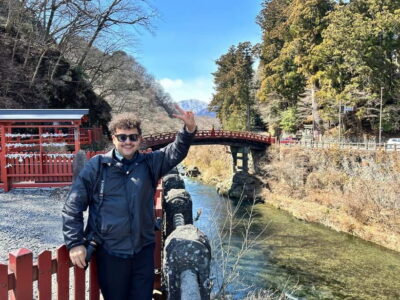
From October 1, 2025, the first sightseeing stop is Shinkyo Bridge. This red arched bridge crosses the Daiya River and marks the entrance to Nikko’s sacred area. You get about 20 minutes here, enough for photographs and a quick look rather than a long visit.
Shinkyo Bridge is visually simple but meaningful. Its bright red structure contrasts with the river and surrounding trees, and the short stop helps you understand that Nikko’s shrines are not isolated buildings. The bridge is part of the approach into a sacred zone.
You will want comfortable shoes here and throughout the day. The tour includes walking at the shrine, the waterfall area, and the lake, so this is not a sit-on-the-bus sightseeing tour.
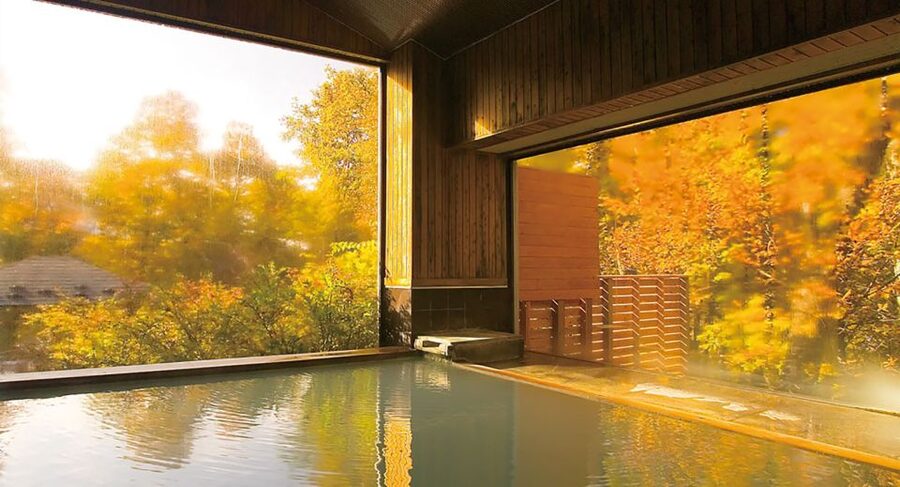
If you take this trip before October 1, 2025, the itinerary visits a Nikko onsen instead of Shinkyo Bridge. The onsen stop offers a chance to relax in hot spring water, but it is a different kind of experience from the bridge. Check the date carefully if one option matters more to you.
Toshogu Shrine and the Tokugawa story
Toshogu Shrine is the centerpiece of the tour. It is the final resting place of Tokugawa Ieyasu, whose government shaped Japan throughout the Edo period until 1868. The shrine complex is part of Nikko’s UNESCO World Heritage area, but the title alone does not explain why it is worth the long ride.
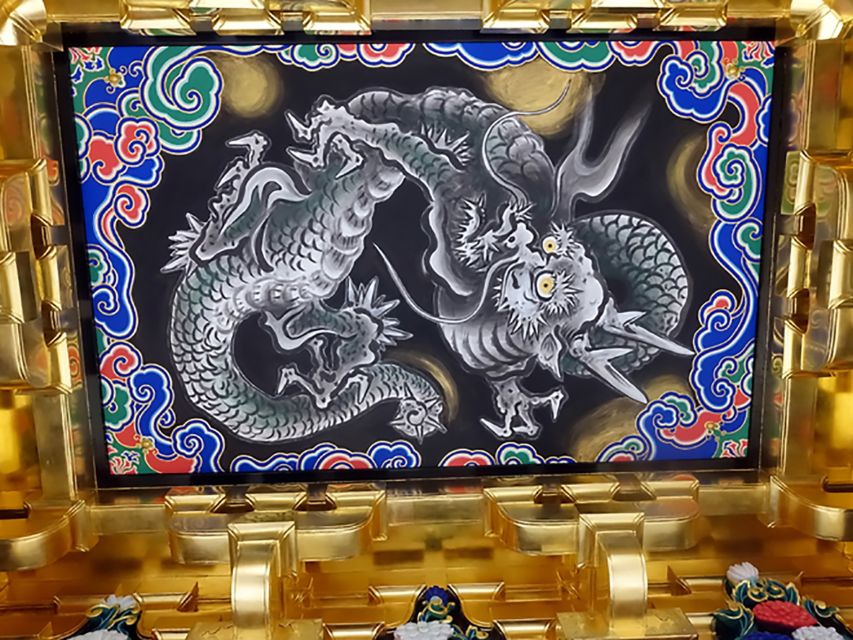
The appeal is in the details. Toshogu is filled with elaborate woodwork, carved animals, painted surfaces, gates, and layered buildings. The famous carvings include the three wise monkeys, and the complex feels far more ornate than the restrained wooden temples many people picture when they think of Japan.
Your guide provides the historical setting before you arrive, then explains the buildings and legends on site. This makes a real difference. Without context, Toshogu can feel like a parade of gates and carvings. With a short explanation of the Tokugawa family and the shrine’s purpose, the site becomes easier to read.
The scheduled visit lasts about 75 minutes. That is enough to see the main areas and absorb the atmosphere, but it may not satisfy you if you want to inspect every carving or visit nearby religious buildings. One particularly useful point: a Buddhist temple next to the Shinto shrine is not included in the tour, so you should not expect a full visit to every important site in the complex.
Some people have found the shrine portion too short, especially when crowds are heavy. The group format helps with orientation, but you give up some freedom. I would listen closely to the guide’s explanation, then use your free time for the specific buildings and details that interest you most. An audio-guided option at the shrine has also been recommended by past participants, though it is not included in the tour description.
There are steps, including a climb of about 207 steps toward the inner area. The effort is manageable for many visitors, but it is worth wearing proper shoes and pacing yourself. Tattoos are considered taboo in this area, so keep that local custom in mind.
Same trip, a completely different kind of day:
- Nikko Full-Day Private Tour with Government-Licensed Guide
★ 5.0 · 259 reviews - From Tokyo: Nikko World Heritage Site Private Full-Day Trip
★ 4.9 · 243 reviews - Nikko: Edo Wonderland Edomura Cultural Theme Park Ticket
★ 4.3 · 205 reviews - Tokyo: Nikko World Heritage Private Day Trip Hotel Pick-up
★ 4.8 · 145 reviews
Iroha Slope, a mountain road with a story
After Toshogu, the bus climbs toward the high country along Iroha Slope. You pass through this section for about 20 minutes rather than stopping for a separate visit.
The road is famous for its 48 sharp turns. It also appears in the anime Initial D, which gives it special appeal for fans of Japanese car culture and animation. Even if you have never seen the series, the road is part of the experience of reaching the waterfall and lake.
The route can be demanding for drivers, but the tour uses a professional coach driver. Several passengers have singled out the driver’s skill on the winding climb. If you are prone to motion sickness, sit where you normally feel most comfortable, keep water nearby, and avoid reading during this section.
Autumn is a popular season here because the trees change color. November can also be cold, especially once you reach the lake, so pack more than you think you need for a day that begins in Tokyo.
Kegon Falls and the practical lunch stop
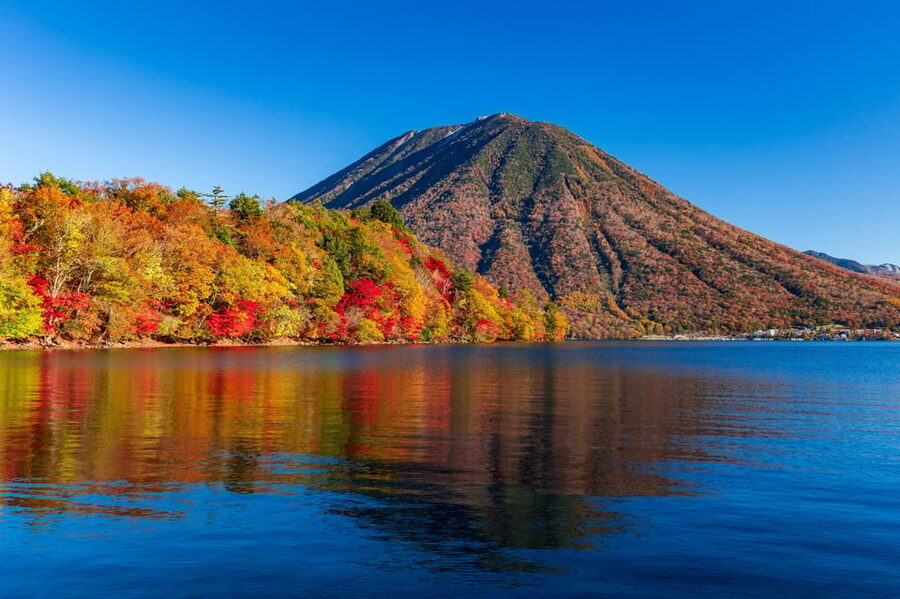
Kegon Falls drops almost 100 meters and is one of Japan’s three famous waterfalls, alongside Nachi Falls in Wakayama and Fukuroda Falls in Ibaraki. You have about 75 minutes in the area, including time for photographs and lunch.
The waterfall is the most dramatic natural stop on the route. Depending on the weather, you may see a full column of water, mist around the gorge, or a more atmospheric view with clouds and fog. Poor weather can hide parts of the fall and reduce the views, so this stop is partly dependent on conditions.
The elevator to the lower viewing area costs extra. It is not included in the $84 price, so bring cash if you want the closer viewpoint. Credit cards are not accepted at all locations, and the tour specifically advises carrying cash.
Lunch is also not included. You can buy food near the waterfall, and guides sometimes point the group toward local restaurants. One guide recommended an authentic udon restaurant, and several guides have helped people choose food during the day. You should still plan to pay for your own meal and drinks.
Seventy-five minutes is a useful amount of time, but it is not a leisurely restaurant stop combined with a long waterfall visit. If you want the elevator, photographs, lunch, and a relaxed walk, keep an eye on the clock. The guide’s timing matters here.
Lake Chuzenji and the colder side of Nikko
The last major stop is Lake Chuzenji, where you have about 45 minutes for views, a walk, shopping, or a cafe stop. The lake sits in the mountain area above Nikko, and the change from city streets to open water and high-country scenery is one of the pleasures of the day.
This stop is flexible. You might walk along the shore, take photographs, buy a small item, or have coffee and cake. It is not a structured lecture or a long hike. The short visit lets you enjoy the setting without adding another major physical demand after the shrine steps and waterfall area.
Weather matters greatly here. Fog can cover the lake, while clear days reveal a broad, calm view. In November, the temperature may feel sharply colder than Tokyo. Bring a warm jacket, even if the forecast in the capital looks mild.
The lake is best understood as a quiet pause before the long ride home. Do not expect a full lake excursion or extensive hiking. You get a scenic stop and time to take in the mountain air.
Is $84 good value for a Nikko day trip?
At $84 per person, the tour offers solid value if you care about convenience. The price includes round-trip coach transport, a bilingual English and Chinese guide, and admission to Toshogu Shrine. It also connects attractions that are not especially simple to combine on your own.
The value is strongest for first-time visitors, families with children accompanied by adults, and anyone staying in Tokyo who does not want to manage multiple transport changes. You also get historical context, which can make the shrine more meaningful than a self-guided visit.
The price does not include lunch, drinks, the Kegon Falls elevator, or other personal spending. Bring cash for these costs. If you are a very independent traveler, you may find the group schedule restrictive, particularly at Toshogu Shrine.
Traffic is the other value question. A serious jam can change the itinerary, and the return to Tokyo is scheduled for about three hours. You are paying for access and organization, not a guarantee of a perfectly timed day.
Who will enjoy this tour most?
I would recommend this trip if you want to see traditional Japan and mountain scenery in one day. It suits visitors with limited time in Tokyo, people interested in the Tokugawa period, and anyone who wants to reach Kegon Falls without arranging a complicated route.
It is also a good choice if you prefer a guide who can explain what you are seeing. The best guides on this route do more than announce the next stop. They give useful history on the bus, recommend food, help with photographs, and then let you explore.
I would hesitate if your main goal is a slow temple visit. Toshogu is the most important stop, but 75 minutes may feel tight when crowds are present. I would also think twice if you dislike long bus journeys, winding roads, or weather-dependent scenery.
The tour is not suitable for unaccompanied minors, and children must travel with an adult. Large luggage is not allowed. For bad weather, cancellation information is sent on or before 2:00 PM the previous day.
Should you book the Nikko Toshogu and Kegon Falls tour?
Book it if you want a well-organized day outside Tokyo that combines Japan’s shogun-era story with waterfalls, a lake, and mountain roads. The comfortable coach, included shrine ticket, and helpful bilingual guides make the $84 fare reasonable.
Before booking, confirm your meeting point and check whether your date includes Shinkyo Bridge or the onsen. Pack comfortable shoes, water, warm clothing for the hills, and cash for lunch and the waterfall elevator.
If you want to study Toshogu in detail or visit more of Nikko’s religious sites, plan a longer independent visit instead. If you want a broad first look with minimal transport planning, this tour is an efficient and worthwhile choice.
FAQ
How long does the tour last?
The tour lasts 630 minutes, or about 10.5 hours. The trip to Nikko takes about 2.5 hours, and the return journey takes roughly 3 hours, depending on traffic.
Where does the tour begin?
There are two possible meeting points: Tokyo Yaesu Bus Terminal and the ground floor of the Sumitomo Mitsui Bank, Shinjuku Nishiguchi Branch. The meeting point can vary by the option and date booked.
What languages does the guide speak?
The tour provides a live guide in English and Chinese.
Is lunch included?
No. Lunch is not included, so bring cash to buy food and drinks during the day.
Is the Kegon Falls elevator included?
No. The elevator at Kegon Falls costs extra. Bring cash if you want to use it.
What changes after October 1, 2025?
From October 1, 2025, the itinerary visits Shinkyo Bridge. Until September 30, 2025, the tour visits a Nikko onsen instead.
Can I bring luggage on the bus?
Only one carry-on bag is allowed. Large bags and huge luggage are not accepted.
Just added around Nikko
- Tokyo: Nikko Private Day Tour With Guide★ 4.9 · 18 reviews
- Tokyo: Nikko Day Tour Shrines, Lake Chūzenji & Kegon Falls★ 4.9 · 26 reviews
- Tokyo: Nikko Day Tour with English Driver and Flexible …★ 4.8 · 22 reviews
- Nikko: Private Walking Tour with Local Guide★ 4.8 · 35 reviews
- Nikko Private Custom Tour with Local Guide★ 5.0 · 16 reviews
- From Tokyo: Nikko Customize private Tour With English Driver★ 4.9 · 13 reviews
- From Tokyo: Guided Day Trip to Nikko World Heritage Sites★ 4.8 · 51 reviews
- Tokyo → Nikko:Private Customizable Day Trip (English Driver)★ 4.9 · 26 reviews
Temples & Shrines, compared.

Tea Ceremony in a Traditional Tea House in Kiyomizu
Our verdict →
Meiji Shrine, Asakusa, Skytree Bus Tour and Cruise
Our verdict →
Fushimi Inari Hidden Hiking Tour (Private Option Available)
Our verdict →
Osaka/Kyoto:Kinkakuji,Arashiyama,FushimiInariShrine,NaraPark
Our verdict →
Nikko: Kegon Falls, Lake Chuzenji & Toshogu Temple
Our verdict →
Kamakura & Enoshima Day Trip including Temple Tickets
Our verdict →Browse the lists this tour appears in