
Reviewed · THEME PARKS
Nikko: Edo Wonderland Edomura Cultural Theme Park Ticket
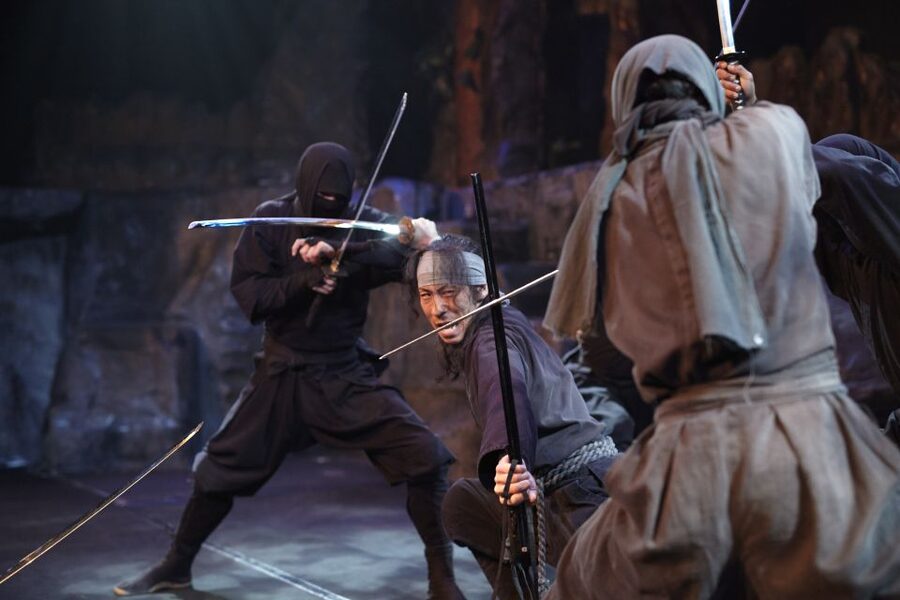
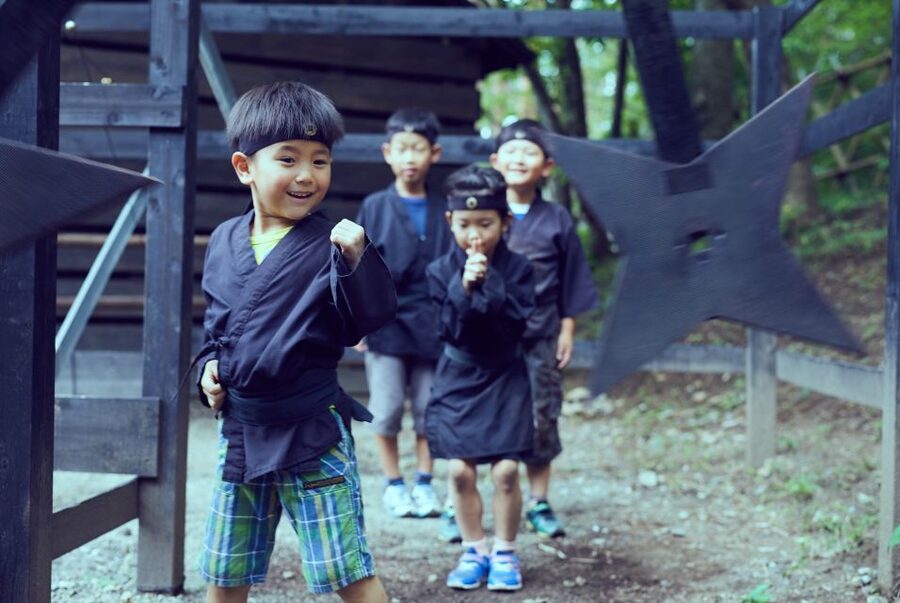
The best thing about Edo Wonderland is how quickly the modern world falls away. You enter a town of wooden buildings, gates, shops, and theaters, then spend the day choosing your role: ninja, samurai, lord, princess, or ordinary citizen. The live shows are funny and physical enough to follow even if you do not speak Japanese.
I especially like the combination of excellent ninja theater and simple hands-on activities such as sword practice and the ninja training hall. Costume rental adds a lot to the photographs and turns a walk through the park into a small piece of theater. The main drawback is the journey from Tokyo, plus limited English signs and schedules. Come prepared, and bring cash.
Key points to know before you go
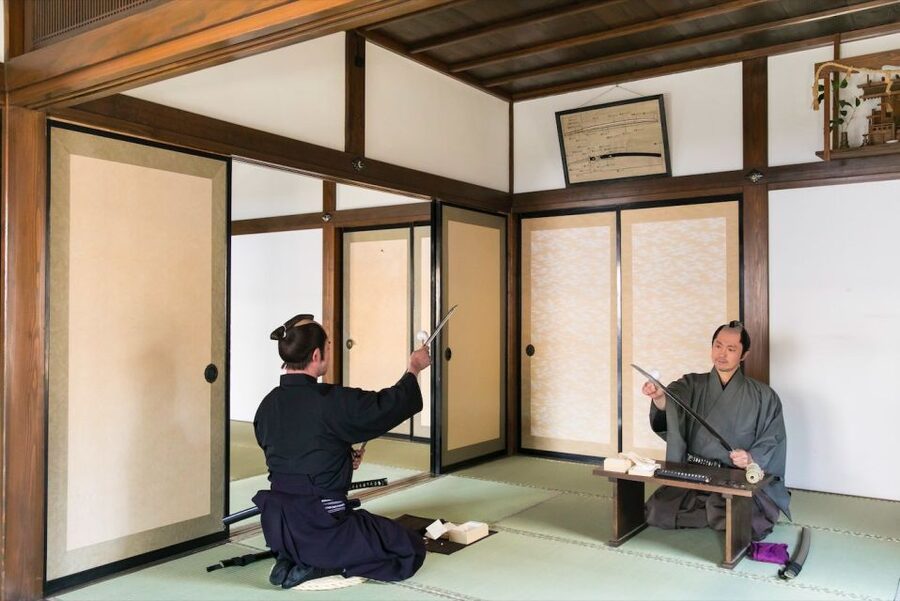
- Ninja theater is the star attraction: The action is clear, energetic, and easy to follow even without much Japanese.
- Costumes make the setting come alive: Kimono, samurai, lord, princess, and ninja outfits create some of the day’s best photos, but rental costs extra.
- Plan around the show schedule: You can see several performances in one day, but missing a session may mean a long wait.
- The trip from Tokyo takes effort: Travel from Shinjuku or Asakusa can take two to three hours, so staying in Nikko or nearby is more convenient.
- Cash matters: Food, games, and paid workshops cost extra, and one visitor found no card payment option or ATM inside the park.
- Families get the most from the park: Children have special free workshops, while adults can enjoy the theater, costumes, food, and architecture.
Entering a town built for the Edo period
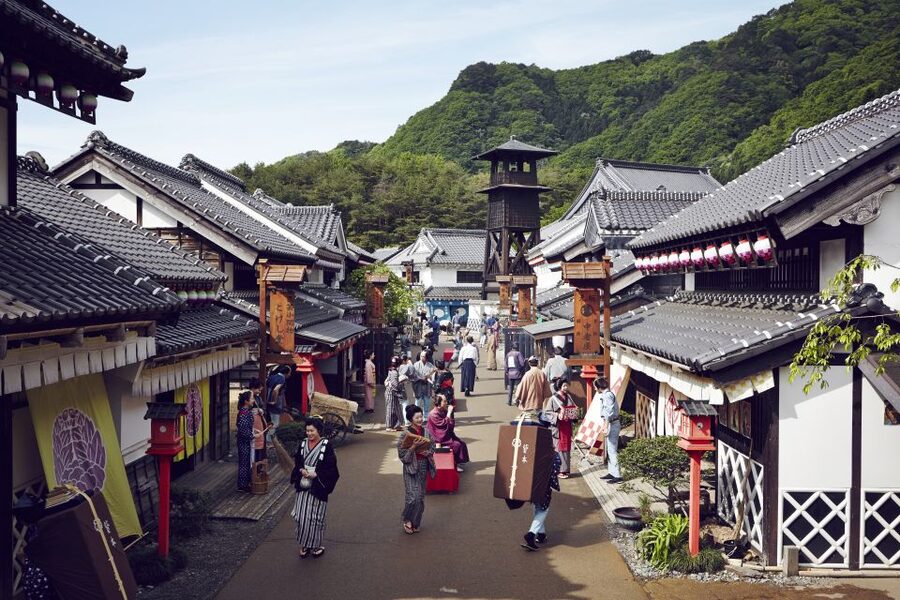
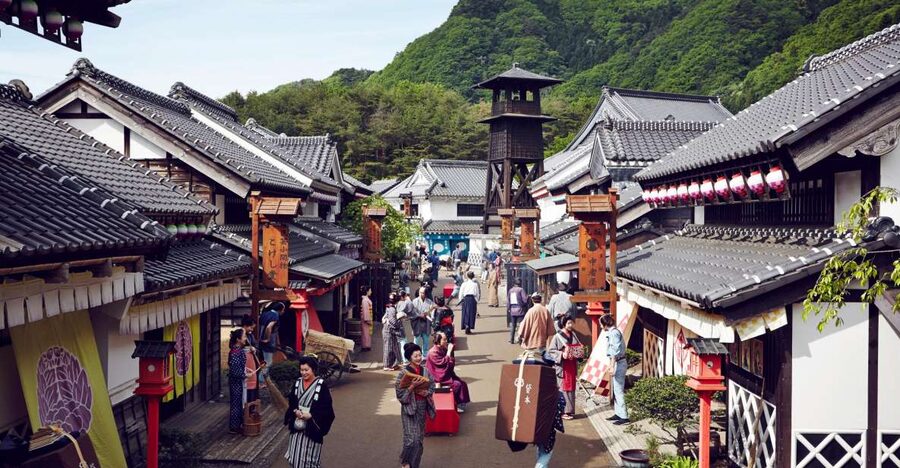
Edo Wonderland recreates Japan’s Edo period in a purpose-built town in Karakura, Nikko. The buildings are not scattered museum displays. They form streets, courtyards, shops, theaters, and work areas that give you a strong sense of place as you move through the park.
That setting is the reason I would not treat this as just a theme park. You are not only watching a ninja act. You are also walking past Edo-style buildings, learning how different people lived, and seeing how clothing, crafts, food, theater, and social rank fit together.
The park sits in the Nikko area, with wooded mountain scenery around it. The setting gives the day a calm feel, even when a ninja performance is full of sword flashes and comic shouting. Allow a full day if you want to see the shows, try activities, eat, take photographs, and explore the exhibits without racing from one end to the other.
The entrance ticket includes the park, theaters, performances, exhibits, the free sword activity, the ninja training hall, the maze, and children’s Edo work experiences. Kimono rental, games, food, drinks, and special craft workshops cost extra.
More Theme Parks in Nikko:
- Tokyo: teamLab Planets TOKYO Digital Art Museum Entry Ticket
★ 4.6 · 9,779 reviews - Tokyo: DisneySea 1-Day Passport
★ 4.5 · 2,726 reviews - Tokyo Disneyland 1-Day Passport
★ 4.6 · 2,512 reviews
The shows that give the park its energy
The live performances are the main reason to make the trip. The ninja action show is the one I would put first on your schedule. It uses movement, timing, and visual comedy, so you can understand much of what is happening without Japanese.
The action is not a historical lecture. It is theater, with fighting, humor, dramatic poses, and stage effects. That makes it a good choice for families and for anyone who worries about a language barrier. One English-speaking visitor found the acting easy to follow even without understanding the dialogue.
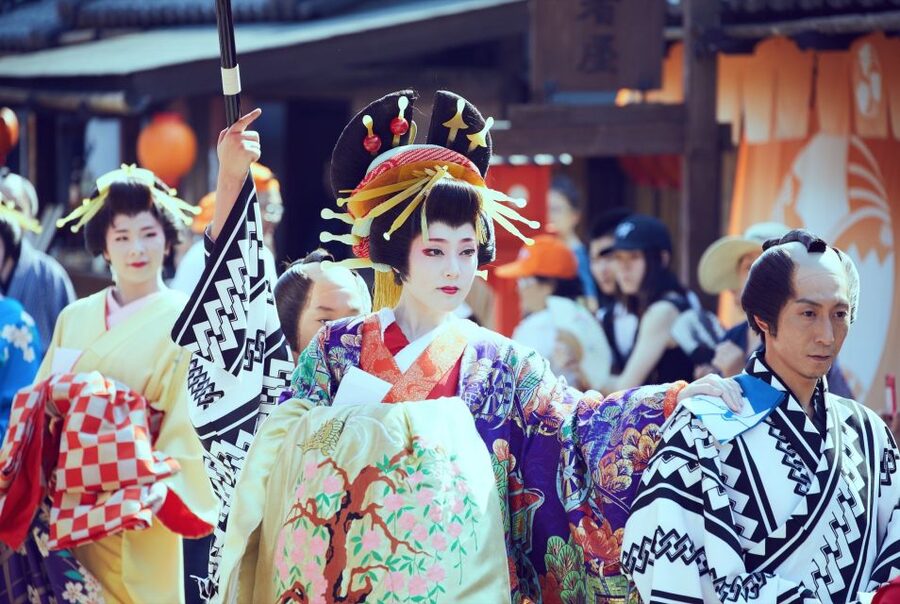
You can also see an oiran cultural show, water magic, and other traditional plays. Each offers a different look at Edo entertainment. The oiran presentation is more formal and focused on movement and dress, while the ninja show is faster and more playful.
Check the daily program as soon as you enter. The park gives you enough to do between performances, but show times can shape your entire visit. If you arrive late, you may have to wait for the next session. One practical approach is to mark the performances you most want, then fit meals, costumes, and exhibits around them.
The shows are in Japanese, and English information is limited. Still, the physical nature of the performances helps. If you want detailed explanations of the historical background, you may need to read ahead or use a translation app.
Choosing your Edo identity with a kimono
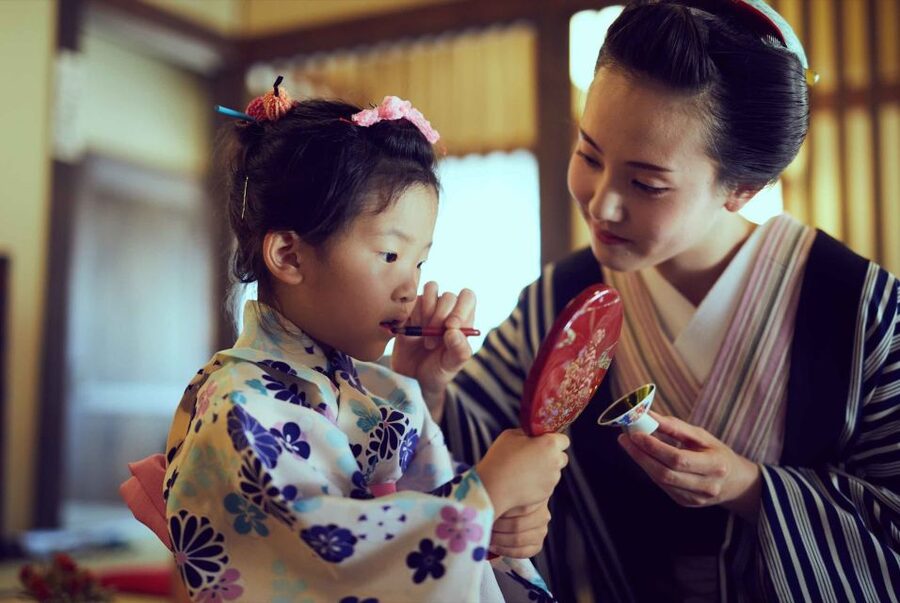
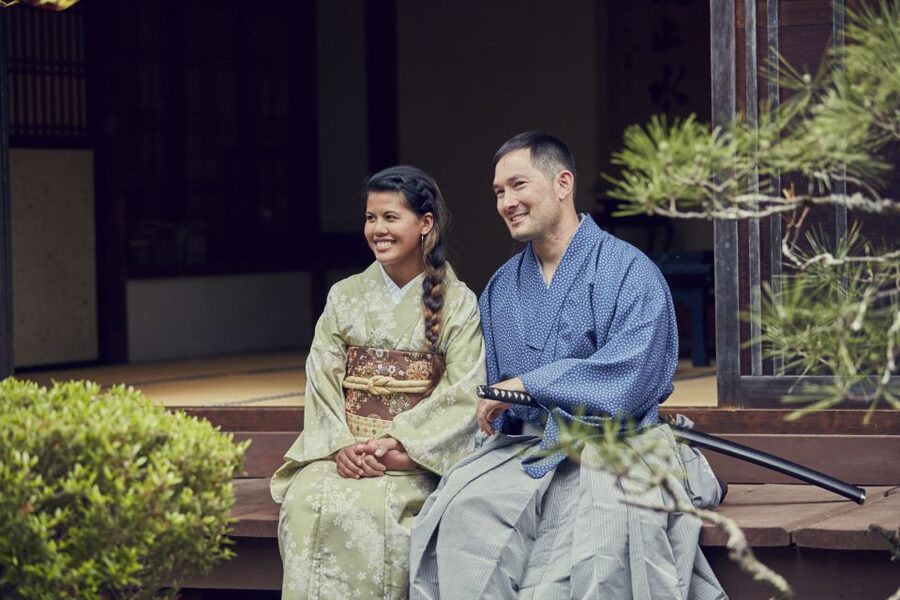
Kimono rental is not included, but it can add a great deal to the day. You can choose clothing linked to different Edo roles, such as a samurai, lord, princess, farmer, or other citizen. The costume changes how you see the town, and the town gives you a much better setting for photographs than an indoor studio.
I would rent a costume early if photographs are important to you. You can then spend the rest of the day using the streets, bridges, gates, and wooden buildings as a backdrop. Families can create a playful group scene, while couples and solo visitors can choose a more formal look.
The clothing is part of the experience, not just a prop. Edo society was shaped by rank and occupation, and the available outfits help you think about those differences. You do not need to know every detail to enjoy the effect, but the costume gives context to the buildings and performances.
Keep the weather in mind. The park has outdoor walking, and traditional clothing may feel warm in summer. Even so, costume rental was one of the strongest suggestions from the supplied experiences, including on hot days. If you skip it, you can still have a good visit, but you will miss one of the easiest ways to make the day feel special.
Free activities and paid craft workshops
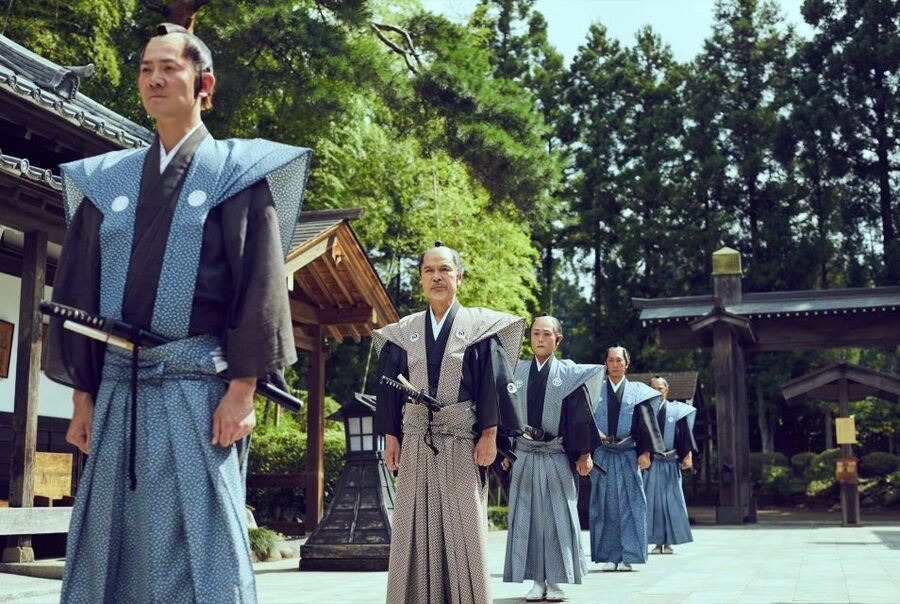
The ticket includes several activities that help break up the theater schedule. The sword activity introduces basic handling rather than offering a full martial arts course. The ninja training hall is a playful space built around ninja skills and tricks, and adults can enjoy it as much as children.
The mechanical maze and mysterious ninja house are also worth your time. The ninja house uses tilted floors and visual effects to make ordinary movement feel strange. These attractions are lighthearted rather than educational, but they give the day variety and work well for families.
Children can register on the day for free workshops with ninja, police, and samurai themes. Sessions are limited, so go to the registration point early. The free children’s activities are not something to leave until late afternoon.
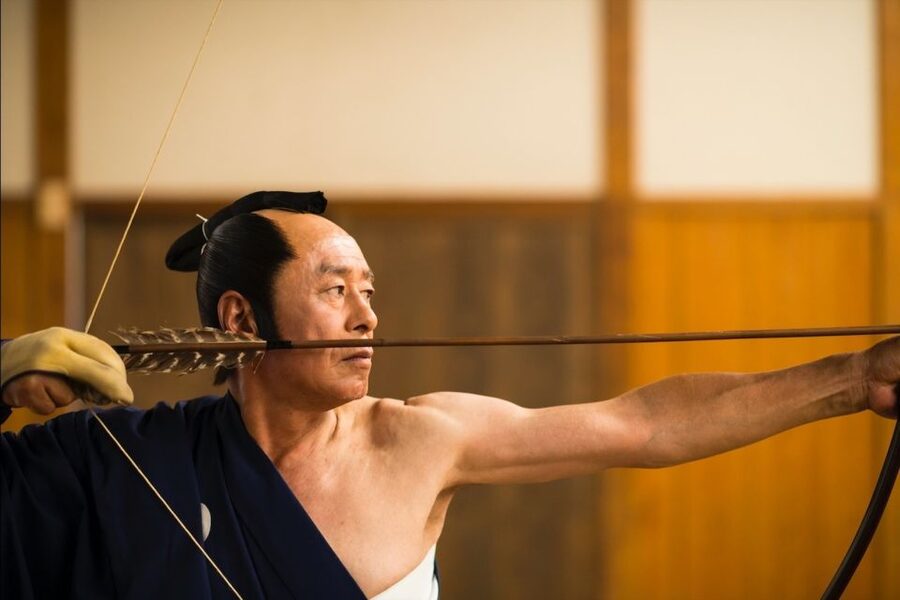
Several special activities cost extra. These include ukiyo-e woodblock printing, aizome indigo dyeing, and Daruma painting. You may also find lessons connected with shamisen music, handmade beni lipstick, samurai etiquette, traditional archery, and horseback archery, depending on the day’s program and availability.
The paid workshops can be worthwhile if you want to make something or spend more time on one tradition. But do not assume every activity is included in the admission price. Ask about the day’s schedule and fees before committing, especially if you have a tight budget.
A few more Nikko half-days worth comparing
- Nikko: Kegon Falls, Lake Chuzenji & Toshogu Temple
★ 4.6 · 1,577 reviews - Tokyo: Nikko Toshogu Shrine and Kegon Waterfall Tour
★ 4.5 · 1,266 reviews - Nikko Full-Day Private Tour with Government-Licensed Guide
★ 5.0 · 259 reviews - From Tokyo: Nikko World Heritage Site Private Full-Day Trip
★ 4.9 · 243 reviews
Exhibits that add context to the fun
Edo Wonderland is easiest to enjoy as entertainment, but the exhibits give the park more substance. The Edo firefighters exhibition introduces a distinctive part of old city life, when organized groups worked to control fires in dense wooden neighborhoods.
The swordsmith exhibit connects the popular samurai image with the making and care of swords. It is a useful counterpoint to the stage fights. On stage, the sword is part of a story. In the exhibit, it becomes a craft object requiring skill and patience.
You can also learn about ordinary Edo work and customs through the town displays. The park does not present one long museum route, so you will get the most from it by stopping when something catches your eye instead of rushing from attraction to attraction.
English explanations can be thin. That is the clearest weakness for independent international visitors. You can still understand the broad idea from the objects, demonstrations, and setting, but detailed historical information may be easier if you use a translation tool or read about the Edo period before arriving.
Eating noodles, sweets, and seasonal dishes
Food is another reason to allow enough time. The restaurants serve Edo-style dishes, seasonal menus, sweets, and drinks. Ramen, shaved ice, and mochi are among the foods enjoyed during a visit, and the meals are not necessarily a major financial burden.
The food is not included in the ticket, so plan for extra spending. Games and souvenirs also cost more. One important detail is that card payment may not be available, and there is no ATM in the park according to the supplied information. Bring enough Japanese yen for admission extras, meals, snacks, and shopping.
Vegetarian choices may be limited. If you do not eat meat or have strict dietary needs, check what is available before ordering. The park’s food is part of the setting, but it is not the place to assume every modern dietary preference will be covered.
I would eat at least one meal inside rather than treating the park only as a series of shows. A bowl of noodles or a traditional sweet gives you a slower break and keeps you from losing time by leaving the grounds.
Getting there from Tokyo: the part to plan carefully
The journey is the biggest practical issue. From Shinjuku or Asakusa, the trip can take two to three hours. The most direct route is generally the Tobu limited express from Asakusa to Kinugawa Onsen Station, followed by onward transport to the park.
JR Pass holders can use a Shinkansen from Tokyo to Utsunomiya, change to a local train toward JR Nikko, and then use the free shuttle bus to Edo Wonderland. This route can involve several changes and requires careful timing.
The free shuttle bus does not run constantly. A missed bus can leave you waiting close to an hour, and the connections may make a same-day trip from Tokyo tiring. One visitor left Tokyo around 4 a.m., changed trains several times, and reached the park at about 10 a.m. The effort was considered worthwhile, but that schedule is a warning, not a recommendation for everyone.
For a more relaxed visit, stay in Nikko or nearby. You can start earlier, avoid turning the day into a transport marathon, and have more room for the shows and activities. If you are traveling with small children, this matters even more.
Check the route and shuttle times before you leave. Arriving early is useful not only for transport, but also for registering children for limited workshops and organizing your day around the performances.
How much value does the $35 ticket offer?
At about $35 per person, the ticket offers solid value if you use the park for most of the day. Admission covers all the main shows, theaters, exhibits, the free sword activity, the ninja training hall, the maze, and children’s Edo work experiences.
The value drops if you arrive late, miss the main performances, or spend only a few hours walking around. Transport from Tokyo can cost almost as much in time and money as the ticket itself, so this is best treated as a full-day outing rather than a quick stop.
You should budget separately for a kimono, food, drinks, games, souvenirs, and special workshops. The ticket is not an all-inclusive pass. Still, the free attractions are substantial enough that you do not need to purchase extras to have a worthwhile day.
The park’s rating of 4.3 from 205 reviews fits the experience well: most of the appeal comes from the setting, shows, costumes, and family activities, while the common concerns are transport, language, seasonal closures, and payment options.
Who will enjoy Edo Wonderland most?
Families with children have plenty to do. The ninja training hall, maze, costumes, shows, and children’s workshops cover different attention spans. Adults without children should not dismiss it, either. The theater, architecture, food, and photography give the visit enough substance for an adult day out.
It is also a good choice if you want a visual introduction to the Edo period rather than a quiet museum visit. You can learn through demonstrations, costumes, buildings, and performances. If your priority is detailed English interpretation, this may feel less satisfying.
The park suits visitors who enjoy taking photographs and joining in. It is less suitable if you dislike staged entertainment, paid extras, or long transfers. Seasonal schedules also matter. On some dates, shops and workshops may be closed or reduced, so check operating information before setting out.
The park is wheelchair accessible, though the supplied information does not give detailed access notes for every attraction. If you need specific assistance, contact the provider before your visit.
Should you book Edo Wonderland?
I would book it if you can give it a full day and you like live theater, costumes, Japanese crafts, or family-friendly attractions. The ninja show, Edo streets, kimono photographs, and free hands-on activities offer more variety than a simple theme park ticket.
I would be cautious about a same-day trip from Tokyo if you dislike early starts or complicated connections. Staying near Nikko makes the experience far easier. Bring cash, check the shuttle timetable, arrive early for limited workshops, and plan your must-see shows first.
At $35, the ticket is a fair deal for a full day, especially if you enjoy the included performances and activities. Add the costume only if photographs and role-playing appeal to you, and treat the paid craft workshops as optional extras. With those expectations, Edo Wonderland can be one of the most memorable cultural stops in the Nikko area.
FAQ
How long is the Edo Wonderland ticket valid?
The ticket is valid for one day from the first time you use it.
What is included in the admission ticket?
Admission includes entry, all exhibits, theaters, and performances. It also includes the free sword activity, ninja training hall, maze, and children’s Edo work experiences.
Is kimono rental included?
No. Kimono rental is an additional cost.
Are food and drinks included?
No. Food and drinks must be purchased separately inside the park.
Do the performances take place in English?
The performances are in Japanese, and English explanations are limited. The physical action in shows such as the ninja performance is generally easy to follow.
Are there free activities for children?
Yes. Children can register on the day for free ninja, police, and samurai workshops. Places and sessions are limited.
How long does it take to reach Edo Wonderland from Tokyo?
The journey from Shinjuku or Asakusa usually takes between two and three hours. Check your route and the shuttle timetable before leaving.
Can I use a JR Pass to reach the park?
Yes. JR Pass holders can travel by Shinkansen from Tokyo to Utsunomiya, change to a local train toward JR Nikko, and then take the free shuttle bus to Edo Wonderland.
Can I cancel the booking?
You can cancel up to 24 hours in advance for a full refund. You can also reserve now and pay later, according to the booking conditions.
Just added around Nikko
- Tokyo: Nikko Day Tour Shrines, Lake Chūzenji & Kegon Falls★ 4.9 · 26 reviews
- Tokyo: Nikko Private Day Tour With Guide★ 4.9 · 18 reviews
- Tokyo: Nikko Day Tour with English Driver and Flexible …★ 4.8 · 22 reviews
- Nikko Private Custom Tour with Local Guide★ 5.0 · 16 reviews
- Nikko: Private Walking Tour with Local Guide★ 4.8 · 35 reviews
- From Tokyo: Nikko Customize private Tour With English Driver★ 4.9 · 13 reviews
- From Tokyo: Guided Day Trip to Nikko World Heritage Sites★ 4.8 · 51 reviews
- Tokyo → Nikko:Private Customizable Day Trip (English Driver)★ 4.9 · 26 reviews
Theme Parks, compared.
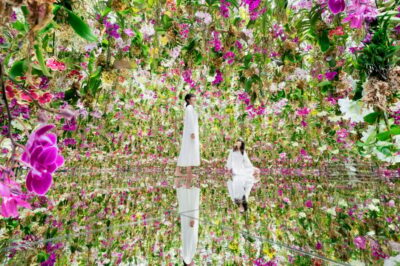
teamLab Planets TOKYO Digital Art Museum Entry Ticket
Our verdict →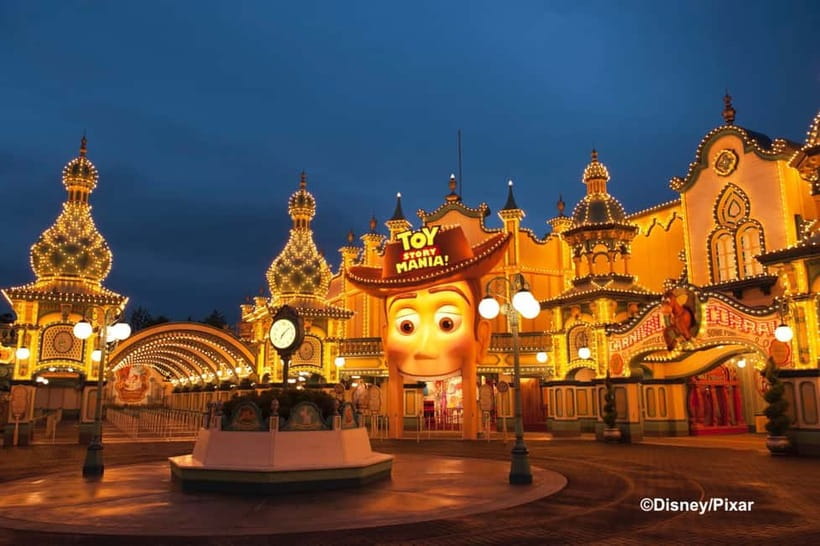
Tokyo Disneyland or DisneySea Ticket & Door to Door Transfer
Our verdict →
Fuji-Q Highland: Afternoon Pass (Non-Japanese Citizens)
Our verdict →
Nijigen No Mori:Naruto & Boruto Theme Park Entry Ticket
Our verdict →
Tama: Sanrio Puroland Entry Ticket for Non-Japanese Citizens
Our verdict →
Fuji Mountain Area – FujiQ – Lake Kawaguchiko – Chureito Pagoda
Our verdict →Browse the lists this tour appears in