
Reviewed · SPORTS EXPERIENCES
Tokyo: Horse Racing Tour with Local Fan
Tokyo horse racing puts you in a part of city life most visitors never see. You learn the betting system with English-speaking guide Eito, cheer beside local fans, and watch live races from a reserved seat when available. I like the clear help with Japanese betting machines and the chance to enjoy racecourse food, sake, and local drinks. The catch is that the $60 price does not cover food, trains, or bets, so bring extra yen and set a firm gambling budget.
I also like the way the racecourse changes with the date. Weekend outings usually visit Tokyo Racecourse or Nakayama Racecourse, while weekday dates use Oi or Kawasaki. That makes this less predictable than a fixed sightseeing stop, but it also means you should check the venue before booking and allow time for the train ride.
Key points to know before booking
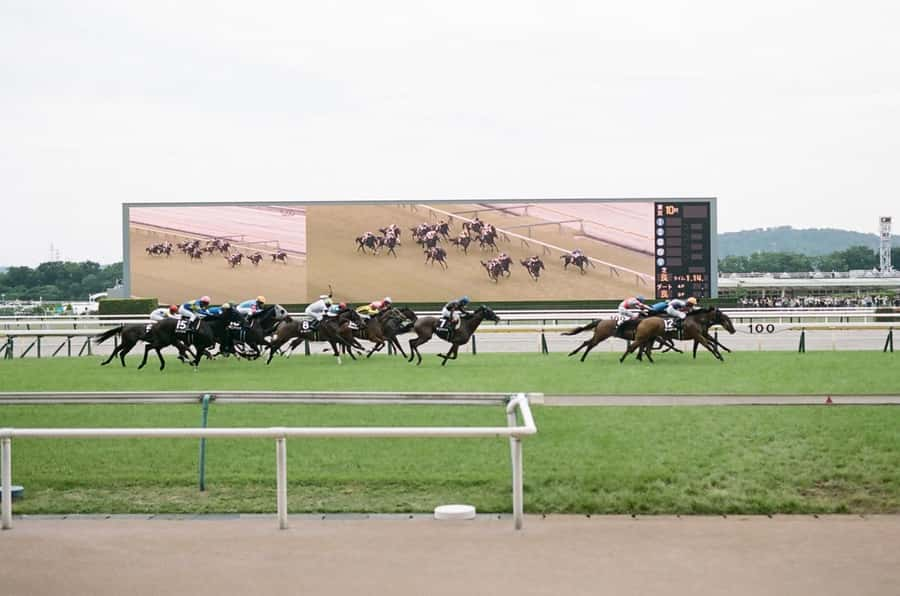
- Eito guides you through the Japanese betting system, from basic rules to placing a ticket.
- The racecourse depends on your date: Tokyo or Nakayama on weekends, Oi or Kawasaki on weekdays.
- Your voucher is not your admission ticket: the guide meets you, then gives you the racecourse ticket.
- Reserved seating is arranged when available, giving you a clear base between races.
- Food and drinks are bought separately, with options such as karaage, yakitori, sake, and local cocktails.
- Bring Japanese yen for betting, since your wagers are not part of the tour price.
Why Tokyo horse racing makes a good local outing
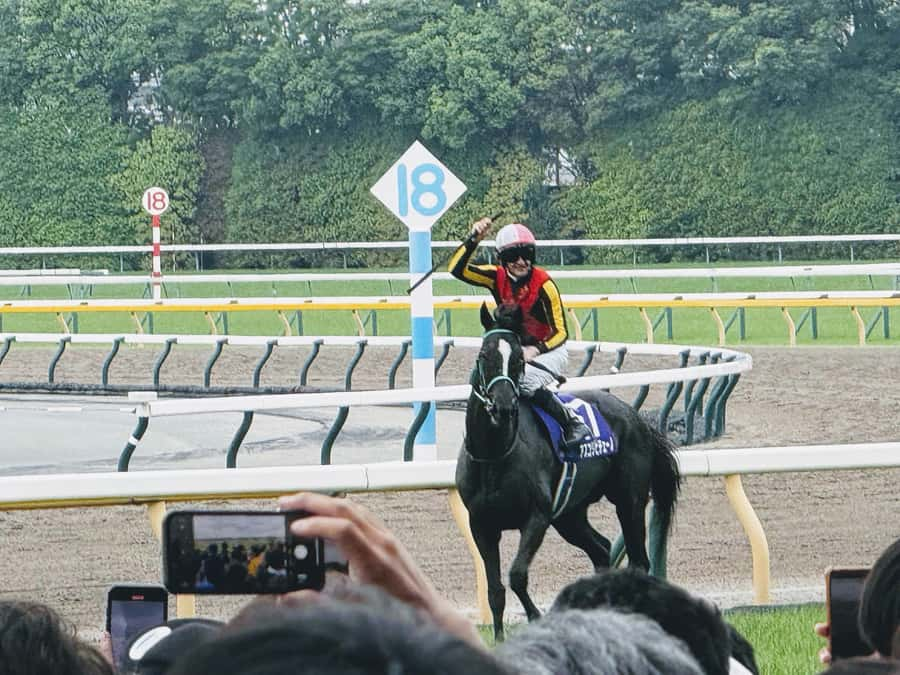
Tokyo has plenty of polished attractions, but a day at the races gives you a different view of ordinary leisure. Japanese horse racing is a major pastime, yet it is not usually part of the standard first-time Tokyo itinerary. You are not simply looking at an old building or taking another city-view photo. You are watching people follow horses, jockeys, form, odds, and luck in real time.
That local setting is the main reason I find this experience appealing. The races provide a clear focus, but the people around you provide the cultural interest. You hear the crowd react, watch fans study their choices, and see how a Japanese racecourse operates. Even if you know nothing about racing, you have an easy subject to talk about.
The activity also avoids a common problem with niche experiences in Japan: the language barrier. Racecourse signs, betting instructions, horse information, and ticket machines can be difficult to follow if you cannot read Japanese. Eito explains the rules in English and helps you place bets, so you can take part rather than simply watch from the side.
You do not need to be a serious racing fan. The guide can explain the basics, including the betting choices, jockeys, and horses. If you already attend races in your home country, you can still find this interesting because Japanese race-day customs and the overall scale may feel different.
More Sports Experiences in Tokyo:
- Tokyo: FC TOKYO Football Game at Ajinomoto Stadium
★ 4.8 · 58 reviews - Tokyo: Alvark Tokyo Basketball Game Ticket
★ 4.5 · 18 reviews - Pickleball in Osaka, Kobe & Kyoto with Locals!
★ 4.7 · 80 reviews
Picking the racecourse for your date
The venue is not the same for every booking. On weekends, the activity usually goes to Tokyo Racecourse or Nakayama Racecourse. On weekdays, it usually goes to Oi or Kawasaki Racecourse. Your exact course appears when you select the date.
This matters for two reasons. First, the train journey and meeting point depend on the venue. Second, each racecourse gives the outing a slightly different setting, so check the date before assuming you will visit Tokyo Racecourse.
The meeting process is designed to prevent confusion. You go to the stated meeting point, send a text when you arrive, and look for the guide holding a sign with your name. The guide then provides the reserved seat ticket in person. Your GetYourGuide voucher is not the admission ticket, and entry is only possible when accompanied by the guide.
That last detail is important. You should not head to the gates alone with only the voucher on your phone. The guide handles the entry process and gets you into the course, which is especially useful when ticketing and signs are in Japanese.
Train tickets are not included. You should also allow enough time to reach the meeting point, since the venue may be outside the districts most visitors know best. The exact transport instructions are tied to your chosen date and course, so read them carefully before setting out.
Getting started with Japanese racing
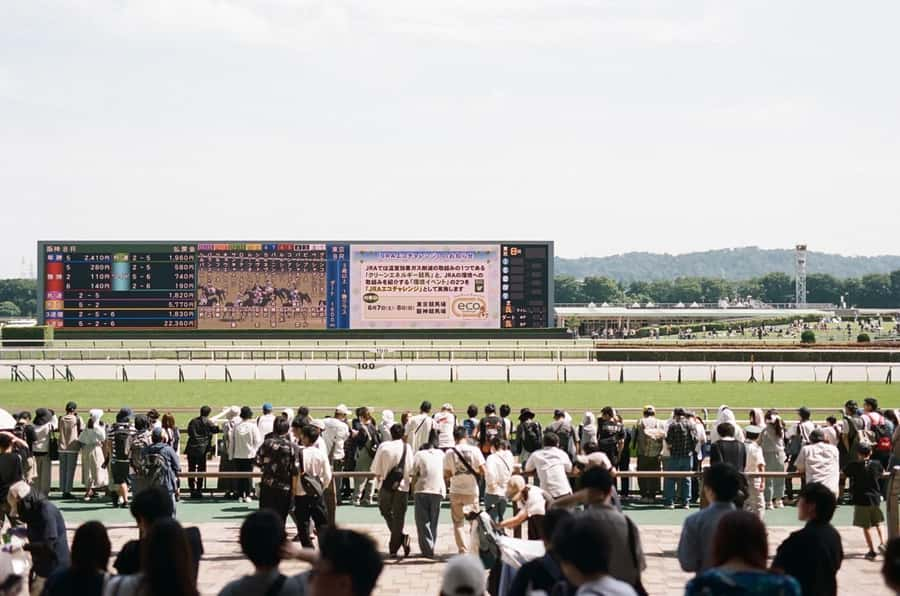
Once inside, the guide gives you the basic framework. You learn how a race works, what the betting options mean, and how to read enough information to make a choice. The point is not to turn you into a professional handicapper in one afternoon. It is to give you enough confidence to understand what is happening.
That help has real value. Without it, you might see rows of Japanese text, unfamiliar betting forms, and a crowd reacting to information you cannot read. With an English-speaking guide beside you, you can ask questions as the day moves along and place a bet without guessing at every step.
Eito is described as friendly, clear in English, and happy to explain the details. He can help with the practical steps, but he also adds context about horses, jockeys, and the culture around the sport. That makes the experience more social than a simple admission ticket.
You should still treat the betting as entertainment. It is possible to win, but it is just as possible to lose every bet. Bring cash in Japanese yen, decide how much you are comfortable spending, and do not count on a win to cover your lunch or train fare.
The race-day rhythm between each start
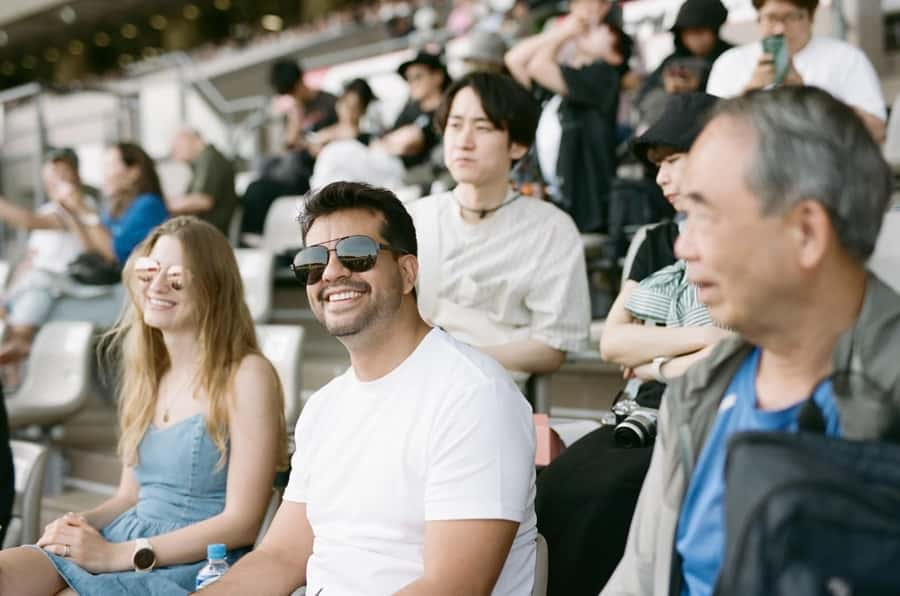
Horse racing works well as a half-day activity because the action comes in bursts. A race begins, the crowd focuses, the horses run, and the attention shifts back to studying the next one. The gaps give you time to talk with Eito, look over the information, buy food, or place another small bet.
You are not locked into a formal lecture. The explanations happen when they are useful, often while you are trying to understand the next race. That practical approach suits beginners better than a long lesson before anything happens.
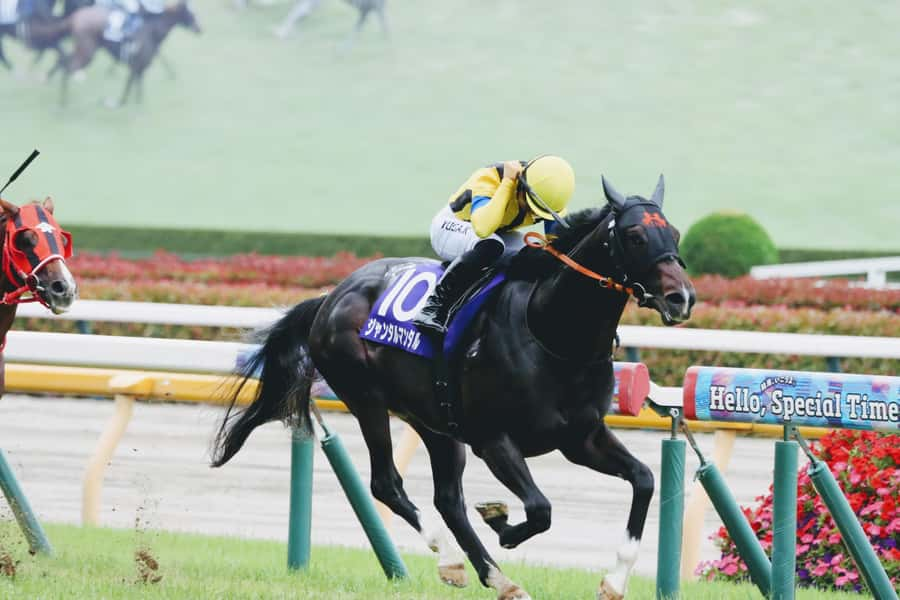
The live races are the main event, of course. You see the horses in person, follow the jockeys, and feel the crowd change as the race approaches. A screen can show you results, but it cannot quite reproduce the shared tension of people waiting for the start and reacting together at the finish.
Reserved seating, when available, gives you a place to return to between races. The tour information says the guide provides your reserved seat ticket, so you are not left to figure out the seating system alone. Still, seating arrangements can depend on availability, and you should not assume the experience means a private box or luxury hospitality. This is a public racecourse outing, not an all-inclusive racing package.
Same trip, a completely different kind of day:
- 1-Day Tokyo Bus Tour
★ 5.0 · 14,250 reviews - Tokyo: TOKYO SKYTREE® Admission ticket
★ 4.5 · 11,192 reviews - Tokyo: teamLab Planets TOKYO Digital Art Museum Entry Ticket
★ 4.6 · 9,779 reviews - Tokyo: Sumo Show Experience with Chicken Hot Pot and a Photo
★ 4.8 · 6,678 reviews
Food, drinks, and the social side of the course
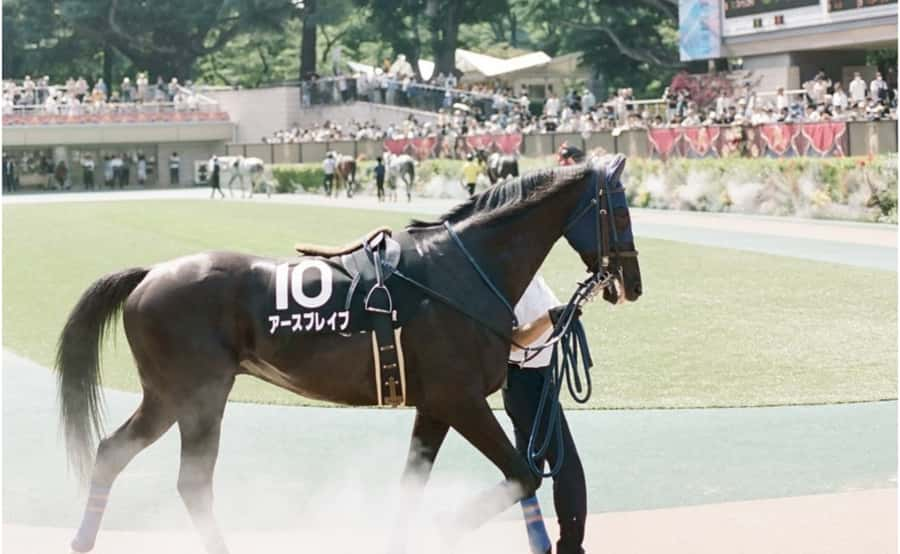
Food and drinks are not included in the $60 price, but that leaves you free to choose what suits your appetite and budget. Available choices can include crispy karaage, yakitori, seasonal items, sake, beer, and local cocktails. These are not just extras to fill time. They help turn the racecourse into a social outing.
I like that the food is handled this way. You do not pay for a fixed meal you may not want, and you can decide how much to spend. The tradeoff is that the final cost is higher than the advertised price if you want several drinks and snacks.
The eating side also makes the outing approachable for people who are not sure about horse racing. You can enjoy the Japanese food, watch the crowd, and follow a few races without treating every bet as a serious decision. If you are already a fan, the drinks and casual conversation make the pauses between races more enjoyable.
There is no promise of a particular dish or a set menu, so think of the food as racecourse fare rather than a planned dining experience. For a special meal, you would want another restaurant before or after the tour. For quick local snacks with the races, the setup works well.
What the $60 price really covers
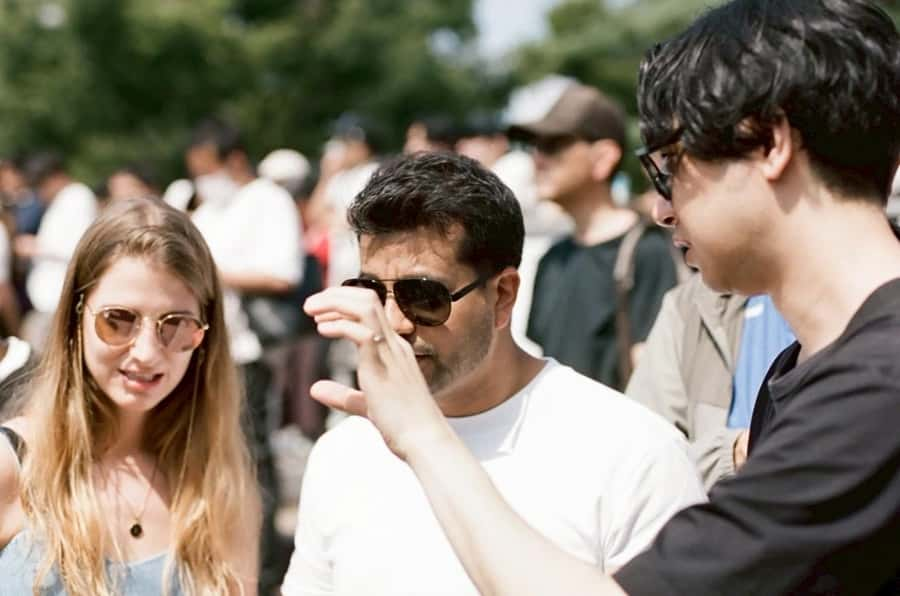
At $60 per person, the strongest value comes from access and guidance. You receive admission, an English-speaking guide for the event, explanations of the racing rules, help with betting, and a reserved seat ticket when arranged. You are also getting help with a place that can be hard to navigate without Japanese.
The price does not include several costs that can add up:
- Train tickets to and from the meeting point
- Food and drinks
- Any betting money
- Extra spending at the racecourse
This is a fair price if you value local assistance and want to take part confidently. It is less attractive if you only want to watch one race from outside the gates or are trying to keep every activity as cheap as possible.
I would compare it with the cost of making the same visit alone. A solo visit might reduce the guide fee, but you would need to handle the route, admission process, seating, betting system, and Japanese instructions yourself. The $60 is mainly paying for a smoother and more social introduction to the course.
It is also worth remembering that losing bets are not a flaw in the tour. Betting is part of the activity, not a promise of profit. Set aside a small amount, enjoy the suspense, and view any winnings as a bonus.
Who will enjoy this, and who may not
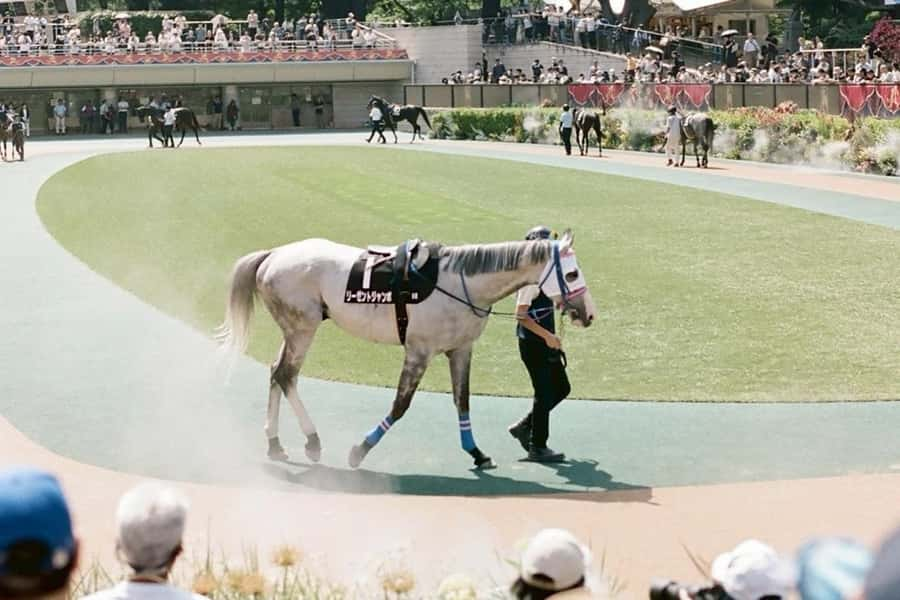
This experience suits you if you want something outside Shinjuku, Shibuya, and the usual Tokyo checklist. It works especially well for people who like sports, local customs, social evenings, or unusual food stops. A first-time bettor can join because the rules are explained in English.
It also suits regular racegoers. The format is not limited to beginners, and the guide can discuss jockeys, horses, and betting choices at a more useful level than a basic introduction. The Japanese setting gives experienced fans a fresh comparison with racing in places such as New Zealand, Australia, or Hong Kong.
You may want to skip it if you dislike gambling, crowds, or making decisions around unfamiliar rules. You also need to be comfortable paying extra for transport, food, drinks, and bets. This is not a quiet sightseeing tour, and the excitement depends partly on the race-day atmosphere.
Families should check the details for their own group before booking. The supplied information does not state age rules, child pricing, accessibility arrangements, or a fixed tour length. It is best to ask the provider if any of those points matter to you.
Practical advice for making the day work
Bring cash in Japanese yen. You need it for betting, and the food and drink purchases are also separate. I would keep betting money in its own small envelope or wallet so you know exactly where your limit is.
Check the racecourse shown for your selected date. Tokyo Racecourse, Nakayama, Oi, and Kawasaki are not interchangeable meeting points. Save the location, read the arrival instructions, and send the required text when you reach the meeting place.
Do not use the voucher as if it were the entry ticket. Wait for the guide, look for the sign with your name, and enter with the ticket supplied by the guide. This small step prevents a very avoidable start-of-day problem.
Wear something comfortable for a half-day outing and expect to spend time standing or moving around the public areas, even with a reserved seat available. The information does not promise a particular seat location, so keep your expectations practical.
Finally, let Eito set the pace of the first bet. Watch one explanation, ask questions, and start small. You will get more from the day if you understand what you are doing instead of rushing to place a wager before the first race.
Should you book this Tokyo horse racing tour?
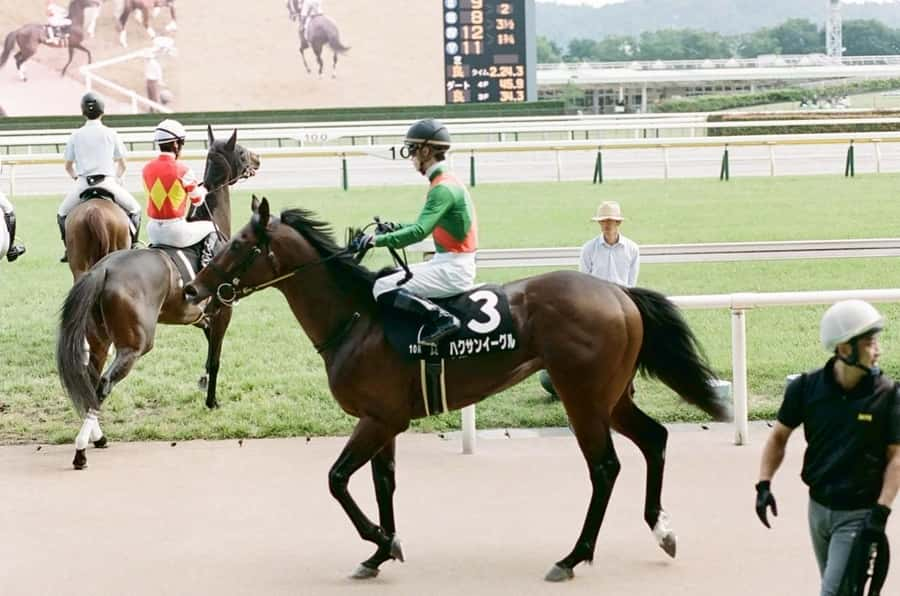
I would book it if you want a genuine local activity and like the idea of combining live sport, Japanese snacks, drinks, and a little low-stakes betting. The English guidance is the key benefit. It turns a confusing racecourse into an activity you can actually follow.
The strongest reason to choose it is not the admission alone. It is the help from Eito, the reserved seat arrangement, and the chance to take part in a Japanese pastime that most sightseeing plans miss. The main caution is the extra spending and the need to check the changing venue.
Book it for the cultural experience, the crowd, and the fun of learning something new. Skip it if you want a fixed itinerary, an included meal, or a no-cost sightseeing stop. For the right person, this can be one of Tokyo’s most memorable half-days, especially if you leave your betting budget modest and your curiosity wide open.
FAQ
What does the $60 tour price include?
The price includes admission, an English-speaking guide, explanations of horse racing rules and betting, help placing bets, and a reserved seat ticket when available.
Is food included?
No. You buy your own food and drinks at the racecourse. Options may include karaage, yakitori, seasonal snacks, sake, beer, and local cocktails.
Is betting included in the price?
No. You pay for all bets yourself. Bring cash in Japanese yen and choose a spending limit before you start.
Which racecourse will I visit?
The venue depends on your date. Weekend tours typically visit Tokyo Racecourse or Nakayama Racecourse. Weekday tours typically visit Oi or Kawasaki Racecourse.
Is my booking voucher the admission ticket?
No. The voucher is not the admission ticket. The guide meets you at the stated location and gives you the racecourse ticket in person.
Can I enter the racecourse without the guide?
No. Entry is only possible when accompanied by the guide, so wait at the meeting point and follow the arrival instructions.
Are train tickets included?
No. You pay for your own train tickets to and from the meeting point.
Just added around Tokyo
- Kawagoe Japanese Food Tour : Unagi Kaiseki and Sake near Tokyo★ 5.0 · 30 reviews
- Kawagoe 4hr Private Tour with Licensed Guide (Kawagoe Dep)★ 5.0 · 13 reviews
- Little EDO Sushi Making workshop in Kawagoe★ 5.0 · 18 reviews
- 【R34】Tokyo:Private Daikoku tour in Modified R34★ 4.9 · 92 reviews
- :Tokyo,Shibuya/ Pro Photography in Kimono / English-Friendly★ 5.0 · 26 reviews
- Tokyo:Celebrate Unique Japanese New Year Tradition Festivity★ 3.9 · 20 reviews
- Tokyo: Allstar Food Tour★ 4.7 · 29 reviews
- Tokyo: West-Side Cycling and Food Tour with Guide★ 5.0 · 37 reviews
Sports Experiences, compared.

Browse the lists this tour appears in