
Reviewed · RAMEN & NOODLE TOURS
Tokyo: Easy Ramen Cooking Experience in Kabukicho, Shinjuku
Ramen here is more than a meal. In one hour, you learn why the bowl works, assemble the parts yourself, and eat in the middle of Kabukicho. The full ramen process takes much longer, so this class uses a shortened recipe that keeps the hands-on parts and skips the days of preparation.
I like the small-group setting, which can make the class feel personal rather than like a cooking show. I also like the clear, useful sequence: learn the background, choose a soup, boil the noodles, add ingredients, then sit down with your own bowl. Guides including Tak, Hinata, Mikhail, Kai, Nina, and Chihiro have been praised for friendly instruction and practical tips.
The main catch is simple: you do not make the broth and noodles entirely from scratch. The soup contains pork, chicken, and beef, and the base is prepared ahead of time. If you need vegetarian, vegan, or gluten-free food, this is not the right class.
Key points at a glance
- A one-hour ramen lesson in Kabukicho: You cook and eat your own bowl at Shinjuku Ale, close to the Godzilla statue.
- A shortened but useful process: The class explains the longer method, then focuses on the parts you can complete during your visit.
- Small groups up to six: The format allows time for questions and individual help.
- Choose and assemble your bowl: Pick your soup, boil noodles, and add the ingredients you want.
- A friendly teaching team: Guides such as Tak, Hinata, Mikhail, Kai, and Nina have led engaging sessions.
- Good value at $29: Your meal is included, making this a reasonably priced food activity in central Tokyo.
Starting upstairs at Shinjuku Ale
You meet at Shinjuku Ale, an upstairs venue in the Kabukicho area of Shinjuku. When you arrive, tell the staff that you are there for the trial reservation. The meeting point uses Google Plus Code WFQbgLjFTVA9bwdL7, so save the location before setting out.
The class takes place on the second floor, and there is no elevator. That matters if anyone in your party has difficulty with stairs. Shinjuku Station can also take time to navigate, so I would give yourself extra time, especially if you are unfamiliar with the area. One couple arrived late after struggling through the station, and the staff still worked to keep the session going, but punctual arrival is the safer plan.
The setting is not a formal culinary school. It is a quirky upstairs bar with a characterful feel, including decorative bar items and unusual bottles. That informal setting fits the short class well. You are there to cook, ask questions, and eat, not to sit through a stiff demonstration.
The class is available as a small-group experience, with groups reported at no more than six people. A small class gives you a better chance to ask about Japanese food, ingredients, and Tokyo. If you happen to be the only person booked, the format can become almost private, though group size depends on the date.
More Cooking Classes in Tokyo
- Ramen & Gyoza Cooking Class in Tokyo with Local Supermarket Visit
★ 5.0 · 823 reviews - Ramen and Sushi Cooking Class with Sake Pairing Set in Tokyo
★ 5.0 · 291 reviews - Tokyo: Wagyu and 7 Japanese Dishes Cooking Class
★ 4.9 · 273 reviews
Ramen explained before the cooking starts
The session begins with an easy explanation of ramen and its place in Japanese food culture. You learn that a bowl is built from several parts: noodles, soup, meat, eggs, vegetables, and other toppings. That sounds basic, but it helps you understand why ramen is not simply noodles floating in broth.
The guide also explains the time behind a proper ramen recipe. The noodles and soup can take several days to prepare, while the full broth process may take many hours. This context is useful because it sets an honest expectation before you begin. You are not pretending to run a ramen shop in sixty minutes.
Instead, the class presents a shortened method that lets you handle the cooking and assembly yourself. This is a good compromise for a short Tokyo activity. You learn the structure of the dish and take part in the key finishing steps, without waiting half a day for stock to develop.
The teaching style varies by guide, but the strongest part of the experience is the personal instruction. Tak has helped nervous beginners and children work through the steps. Hinata has explained the difference between the long preparation method and the shortened class version. Mikhail has been praised for explaining technique in a clear, lively way. Other guides, including Kai, Nina, and Chihiro, have also led sessions with a friendly and attentive approach.
English ability is not identical across the staff. Some guides speak very good English, while others may use a translation machine. The cooking process is practical and visual, so basic language limitations should not prevent you from following along, but you should be ready for a little translation-assisted conversation.
Choosing soup and preparing the bowl
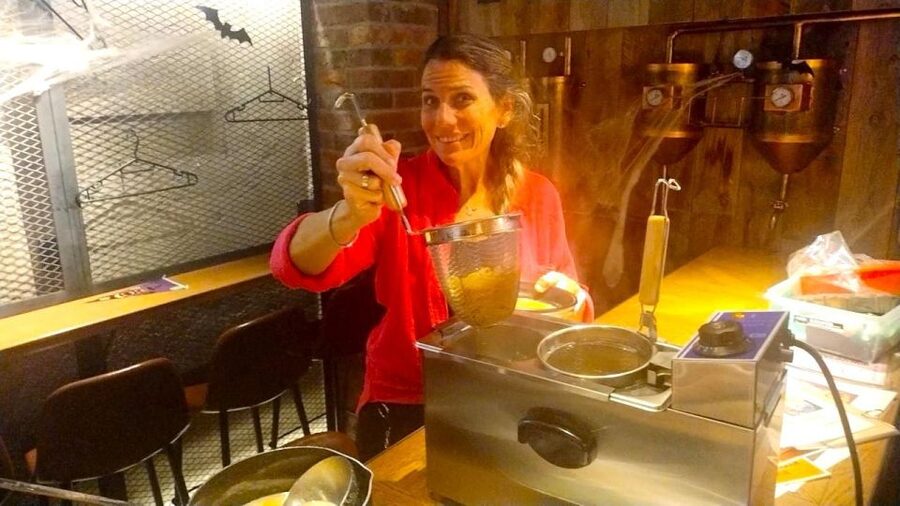
The cooking begins with your choice of soup. The exact range of options can depend on the session, but the central choice is yours to make before you build the bowl. One participant particularly enjoyed customizing a spicy ramen, while another found the available pork stock too salty.
That gives you an important point to consider. The soup contains pork, chicken, and beef, and the recipe is secret, so staff cannot provide a full ingredient list. You should not book this class if you need to avoid any of those meats or if you require detailed allergen information.
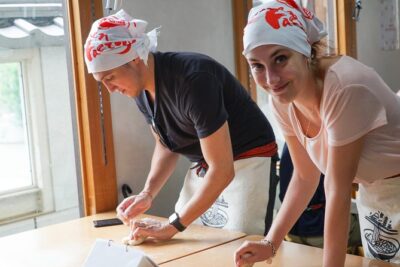
You then boil the noodles. This is one of the most satisfying parts because it gives you a real cooking task without being difficult. The guide takes you through the timing and handling, so you are not left guessing what to do next. The class is designed for beginners, including people who rarely cook.
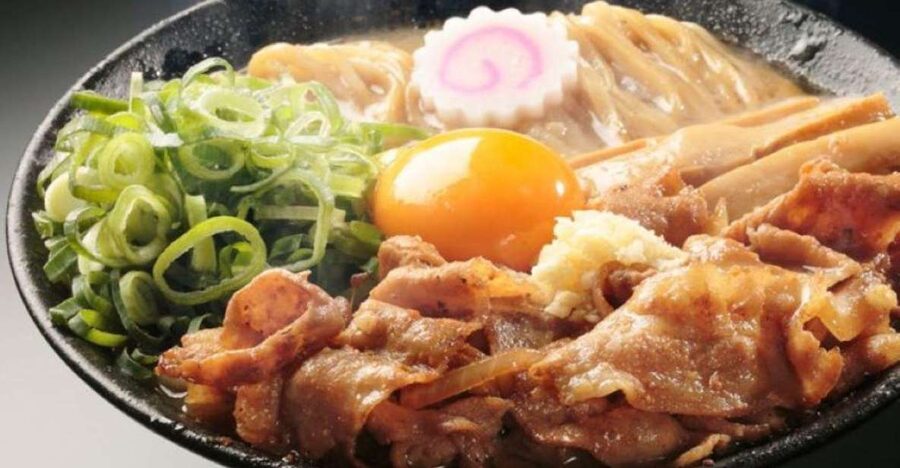
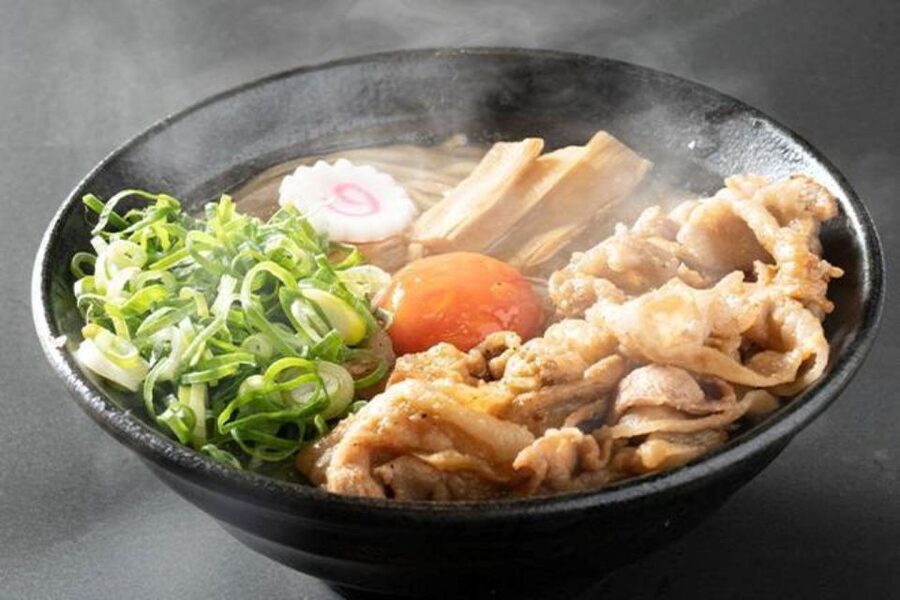
After the noodles, you add the prepared ingredients to your bowl. Depending on the selected option, this can include meat, vegetables, and other toppings. The point is not to invent a brand-new ramen recipe. It is to see how each part comes together and to adjust the final bowl toward your own taste.
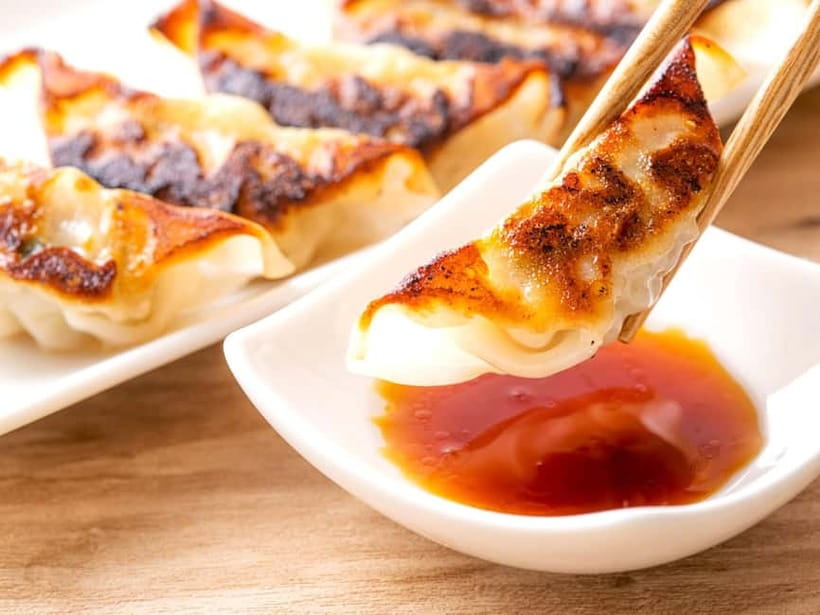
The class may also offer add-ons such as gyoza and an alcoholic drink. These are not part of the basic $29 package, so check the cost before ordering. One upgraded option included five gyozas per person and a choice of alcoholic drinks, which made it a much larger meal. If you are budgeting closely, stick to the included ramen and ask about any extras first.
Eating what you made in Kabukicho
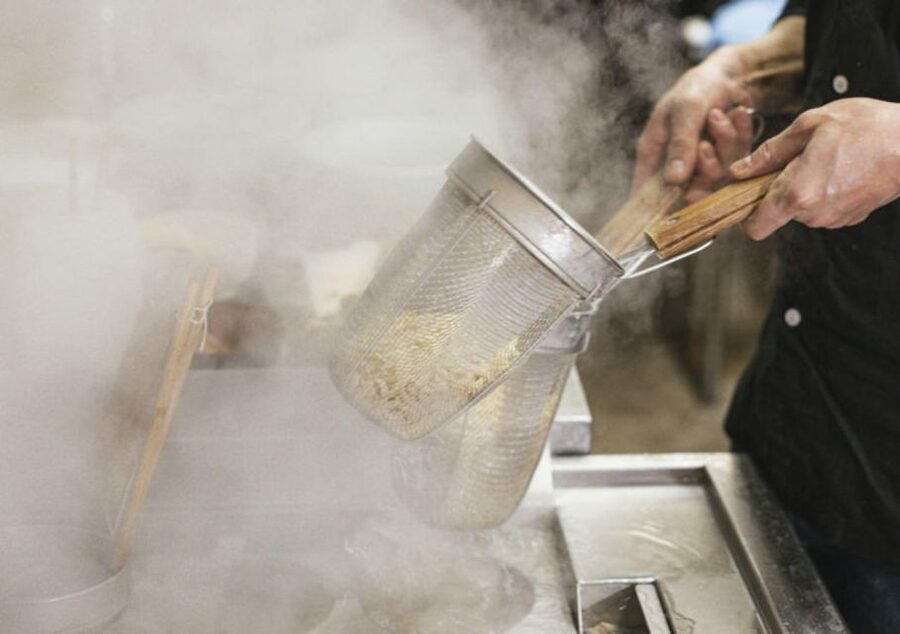
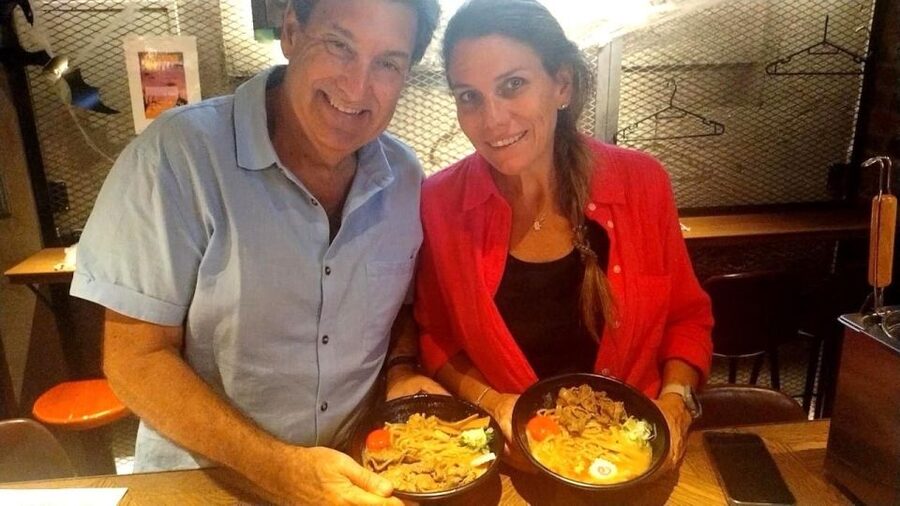
Once the toppings are in place, you sit down and eat the ramen you prepared. This is where the class earns its appeal. You are not simply handed a bowl after watching someone else cook. You have chosen the soup, boiled the noodles, and built the final dish.
The meal is included in the $29 price, along with the ramen cooking experience. For central Shinjuku, that is fair value, particularly because you also receive a guided food lesson and a social activity. A regular bowl of ramen may cost less, but it would not give you the instruction or the hands-on work.
The food itself has generally been a strong part of the experience. Many bowls have been described as delicious and filling, with the broth receiving particular praise. Still, taste is personal, and the salt level may not suit everyone. Since the soup is prepared from a set recipe, you have less control over that part than you do over the toppings.
The venue is close to the Godzilla statue, which makes the class easy to pair with a walk through Kabukicho. You might hear the statue’s roar during your visit, and the surrounding area offers plenty to see before or after the meal. I would treat the ramen class as a compact stop within a Shinjuku day, not as a full-day activity.
Some sessions include photographs, with an option to purchase them afterward. That can be a nice record of the cooking process, but it is not included in the basic price. Again, ask about extra charges before agreeing to anything beyond the booked experience.
More Ramen Tours in Tokyo
- Eat and Drink Like a Local: Tokyo Ueno Food Tour-Taverns&Ramen
★ 5.0 · 957 reviews - Tokyo: Ramen Tasting Tour with 6 Mini Bowls of Ramen
★ 4.9 · 432 reviews - Professional Ramen & Gyoza with Ramen Chef in a restaurant!
★ 5.0 · 223 reviews - Shibuya: Ramen Dojo Tokyo | Make All 3 (Tonkotsu/Shoyu/Miso)
★ 5.0 · 214 reviews
Why the one-hour format works

The short duration is one of the best features for a Tokyo itinerary. You can fit the class between sightseeing plans without giving up half a day. It also gives children and teenagers a manageable activity, provided they meet the age rules and can handle the stairs.
The class is especially suited to people who want to learn by doing. You do not need strong cooking skills. The instructions are broken into small steps, and the guides help you assemble the bowl. Even if your kitchen ability is limited, the process is approachable.
At the same time, serious ramen fans should keep their expectations in check. This is an introduction to ramen making, not professional training. You will not spend days making stock, fermenting ingredients, or pulling noodles from raw dough. You get a practical explanation of those processes, then work with the shortened version.
That tradeoff is reasonable at one hour and $29. The experience gives you an understanding of the dish that you will not get from simply eating at a ramen counter. It also avoids asking you to commit a large part of your sightseeing day to a more elaborate culinary course.
Who should book this ramen class
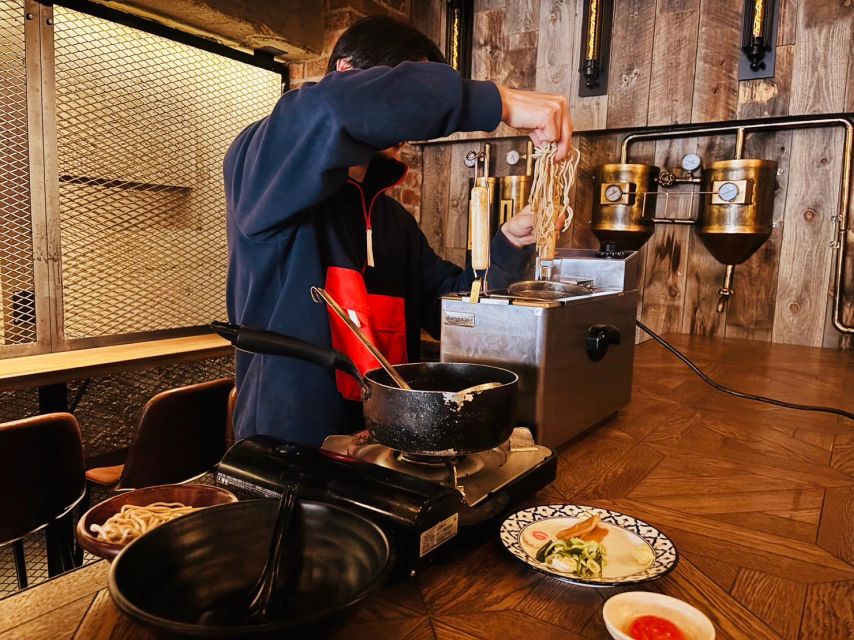
I would recommend this for first-time visitors to Tokyo, families with older children, couples, solo visitors, and anyone who enjoys food activities. The small group format makes it easy to talk with the guide and with the other people in the class. It can also be a pleasant indoor break if the weather is poor.
Families should note that children under four are not allowed, and anyone under 20 must be accompanied by a parent or guardian. Alcohol is prohibited for anyone under 20 under Japanese law. Bring an ID card, and a copy is accepted.
This is not suitable for vegans, vegetarians, or people with gluten intolerance. The secret soup recipe includes pork, chicken, and beef, and the ramen noodles contain gluten. If you have other food restrictions, the available information does not promise substitutions, so ask before booking.
The class can also suit a solo visitor. A solo booking may result in a very small group or even a one-person session, depending on the date. That gives you more time to ask about Japanese dishes, Tokyo neighborhoods, and cooking methods.
Price, timing, and practical value
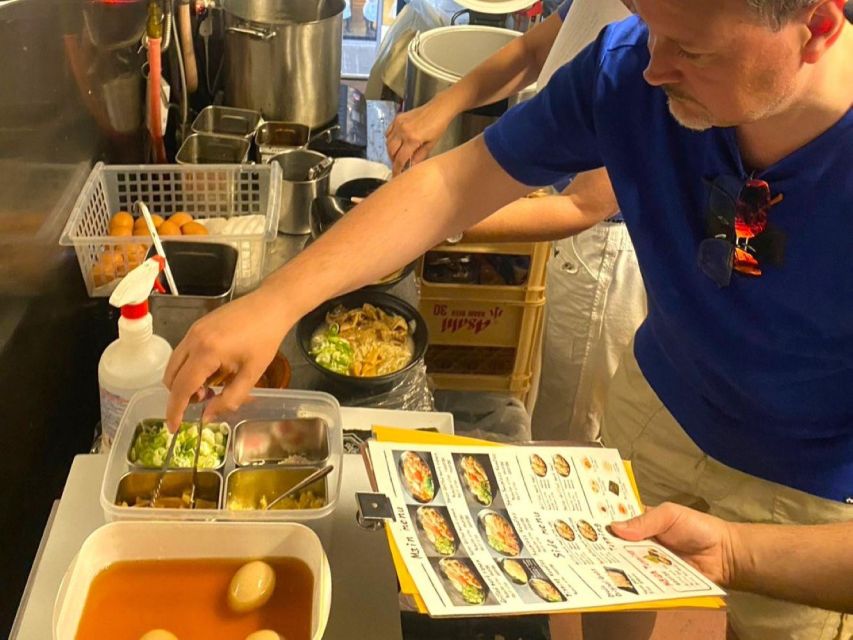
At $29 per person, the class is priced below many longer cooking lessons while still including a meal. You are paying for instruction, ingredients, the cooking activity, and the bowl you eat at the end. For a short experience in central Shinjuku, I see it as good value if you want more than a standard restaurant meal.
The price does not include bottled drinks, additional meals, extra drinks, transportation to Shinjuku Ale, or optional photographs. A gyoza and drink package may be available, but budget for that separately. The basic booking is enough for a filling ramen meal.
You can cancel up to 24 hours before the experience for a full refund, and the reserve-now, pay-later option keeps your plans flexible. Modifications still depend on the cancellation policy. If your schedule is uncertain, those terms make the booking less risky.
Bring your ID and allow time to find the venue. The second-floor location has no elevator, and Shinjuku’s station exits can be confusing. These are small practical details, but they can decide whether a one-hour class feels relaxed or rushed.
Should you book it?
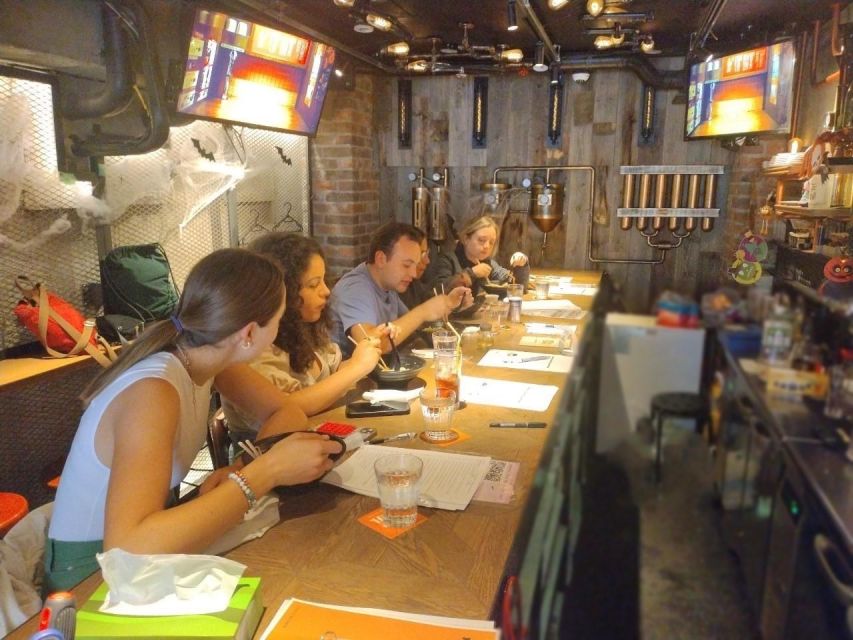
Book this ramen class if you want a friendly, low-pressure introduction to Japanese food and you like the idea of eating something you helped prepare. The guides usually make the process easy to follow, and the small group size gives the class a personal feel.
Skip it if your main goal is to make noodles and broth completely from raw ingredients. You will learn how that longer process works, but you will not carry it out from start to finish. Also skip it if you need vegetarian, vegan, gluten-free, or fully disclosed soup ingredients.
For most visitors who have one spare hour in Shinjuku, I think the class is a sensible choice. You get a meal, a bit of food culture, a hands-on activity, and a convenient location near the Godzilla statue. It is simple, affordable, and more memorable than another meal eaten without knowing how it came together.
FAQ
How long does the ramen cooking experience last?
The activity lasts one hour, including the explanation, cooking, and meal.
How much does the experience cost?
The listed price is $29 per person.
Where does the class take place?
It takes place at Shinjuku Ale in Kabukicho, Shinjuku, on the second floor.
Is there an elevator at the venue?
No. The experience takes place on the second floor, and there is no elevator.
What do I make during the class?
You choose your soup, boil the noodles, add the ingredients and toppings, and eat the ramen you prepare.
Do I make the ramen broth and noodles completely from scratch?
No. The full process takes many hours or several days, so the class uses a shortened recipe. The broth and some preparation are done in advance.
What meats are in the soup?
The soup contains pork, chicken, and beef. The exact recipe is secret, so staff cannot provide the full list of ingredients.
Is the experience suitable for vegetarians or vegans?
No. The activity is not suitable for vegetarians or vegans.
Can children join the experience?
Children under four cannot join. Participants under 20 must be accompanied by a parent or guardian.
What should I bring?
Bring an ID card. A copy of the ID is accepted.
Can I cancel for a refund?
You can cancel up to 24 hours in advance for a full refund. Modifications and cancellations remain subject to the applicable cancellation policy.
Just added around Tokyo
- Kawagoe Japanese Food Tour : Unagi Kaiseki and Sake near Tokyo★ 5.0 · 30 reviews
- Kawagoe 4hr Private Tour with Licensed Guide (Kawagoe Dep)★ 5.0 · 13 reviews
- Little EDO Sushi Making workshop in Kawagoe★ 5.0 · 18 reviews
- 【R34】Tokyo:Private Daikoku tour in Modified R34★ 4.9 · 92 reviews
- :Tokyo,Shibuya/ Pro Photography in Kimono / English-Friendly★ 5.0 · 26 reviews
- Tokyo:Celebrate Unique Japanese New Year Tradition Festivity★ 3.9 · 20 reviews
- Tokyo: Allstar Food Tour★ 4.7 · 29 reviews
- Tokyo: West-Side Cycling and Food Tour with Guide★ 5.0 · 37 reviews
Ramen & Noodle Tours, compared.
Eat and Drink Like a Local: Tokyo Ueno Food Tour-Taverns&Ramen
Our verdict →

Five Must-See Highlights Walking Tour & Ramen Lunch
Our verdict →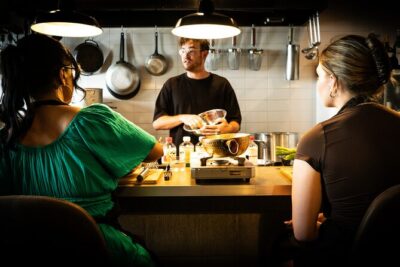
Professional Ramen & Gyoza with Ramen Chef in a restaurant!
Our verdict →
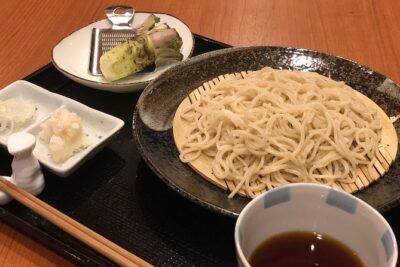
Popular in SapporoExperience authentic hand-made soba at a real soba shop!
Our verdict →
Browse the lists this tour appears in