
Reviewed · COOKING CLASSES
Tokyo: Kawaii Bento Cooking Class – Cute Character Lunchbox
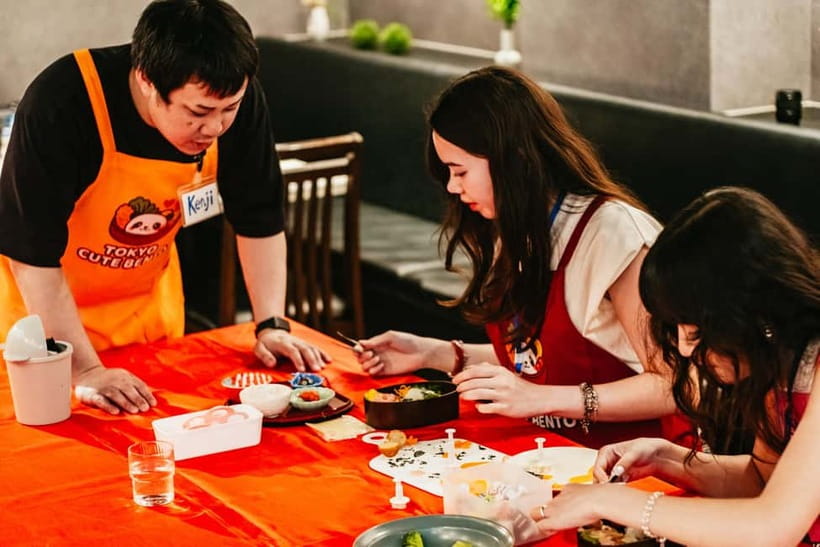
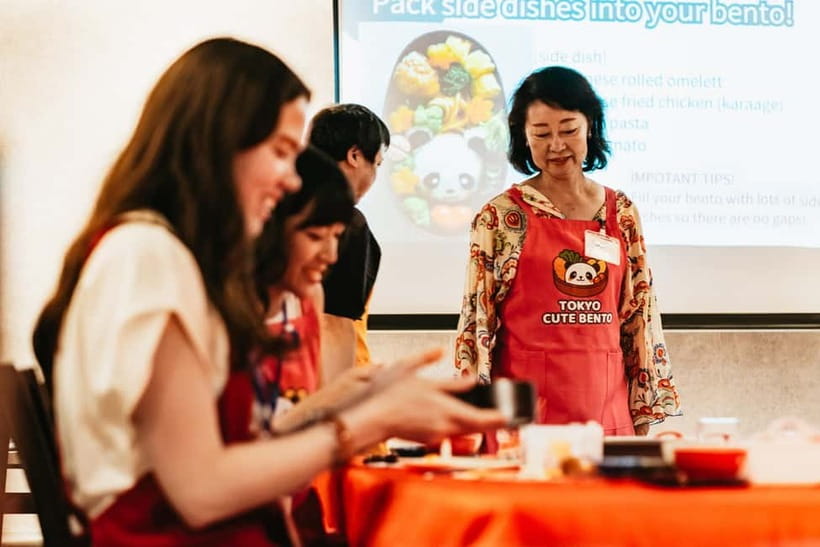
Creating a character bento turns lunch into edible art. Near Tameike-Sanno Station, Kenji and Mari guide you through the process in English, showing how Japanese food, careful presentation, and kawaii culture meet in one small lunchbox. I like the hands-on format, and I like that beginners can make something genuinely cute without needing knife skills or artistic talent.
The class also gives you a useful look at why bento matters in Japan, rather than treating it as a simple craft session. The main consideration is food safety: common allergens such as seafood, soy, and sesame may be used, so serious allergies or strict diets require advance notice and may not be fully accommodated.
Key points at a glance
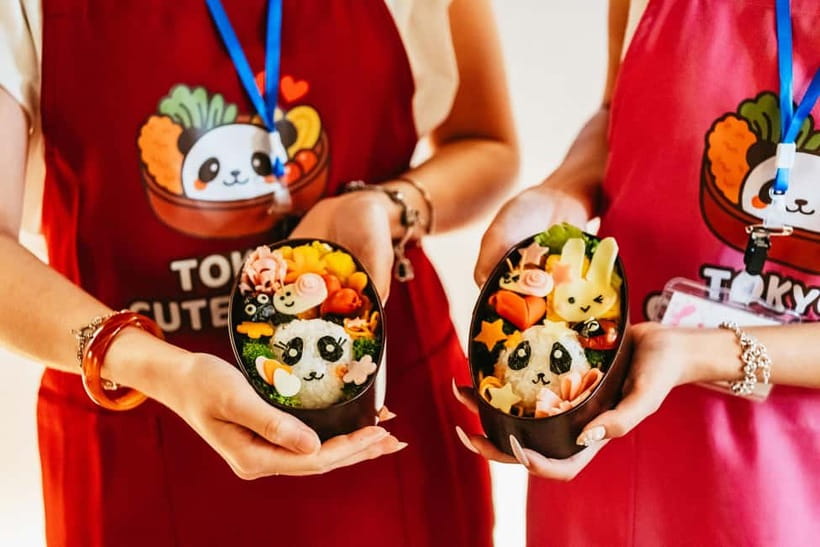
- Make an edible character lunchbox: Choose a panda, brown bear, or seasonal design, with the final choice confirmed by email after booking.
- Learn from English-speaking instructors: Kenji and Mari explain both the techniques and the place of bento in Japanese food culture.
- Suitable for children and beginners: The steps are clear, but younger children need adult supervision because knives and cooking tools are used.
- Bring home useful skills: You receive English recipes and can repeat the basic designs at home.
- A practical rainy-day activity: The class takes place indoors and includes all ingredients, tools, a photo session, and the meal.
- Dietary requests are possible: Vegetarian, vegan, pork-free, no-nut, and no-milk adjustments may be arranged with advance notice.
Why character bento is more than a cute lunch
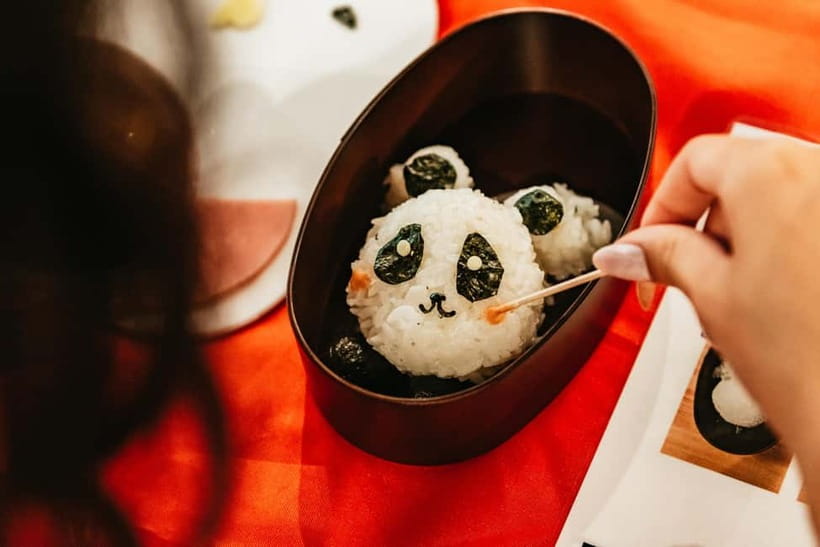
A Japanese bento is a packed meal, but its appeal comes from the way it combines balance, order, and presentation. Rice, vegetables, protein, and small side dishes are arranged in a compact box. With character bento, the rice becomes a face or animal, and ordinary ingredients turn into something playful.
That makes this class a good fit if you want a cultural activity with a clear result. You are not just watching a demonstration or tasting a finished dish. You make the lunch yourself, then sit down and eat it.
I especially like that the class explains the cultural side before the craft begins. The opening introduction lasts about 15 minutes and gives you a reason to care about the small details. You learn why bento is important in Japanese daily life, then see how the decorative work fits into that tradition.
The kawaii element is also more than a photo prop. Cute food is part of modern Japanese popular culture, and character bento gives you a hands-on way to take part in it without needing to visit a themed café or buy a prepared souvenir.
More Cooking Classes in Tokyo
- Ramen & Gyoza Cooking Class in Tokyo with Local Supermarket Visit
★ 5.0 · 823 reviews - Tokyo: Easy Ramen Cooking Experience in Kabukicho, Shinjuku
★ 4.6 · 321 reviews - Ramen and Sushi Cooking Class with Sake Pairing Set in Tokyo
★ 5.0 · 291 reviews
Meeting Kenji and finding the workshop
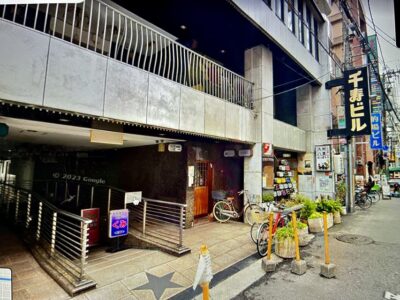
The meeting point is Exit 7 of Tameike-Sanno Station. Walk straight ahead, cross the intersection, and look for the building directly in front of you. A panda bento sign marks the entrance. The class is in the basement, under a ramen shop.
This is useful to know because the venue is not presented as a street-level cooking studio. If you arrive at the ramen shop, you are in the right place. Ticket redemption and the activity take place at the same location, so there is no second meeting point to find.
The workshop is described as convenient for plans involving Tokyo Station, Shibuya, and Asakusa, though you should still allow time for the train ride from your own hotel. Tameike-Sanno is the precise location to put into your navigation app.
Kenji is the instructor most often named in the class information, and Mari also teaches sessions. Their role is hands-on rather than distant. They guide you through each stage, help with the small tools, and adjust the pace when children or first-time cooks need more time.
The class can be social and small, and if your party is the only booking, it may feel like a private session. That is possible rather than guaranteed, so do not book expecting a private lesson unless the operator confirms it.
The first 15 minutes: bento culture before cooking
The session begins with about 15 minutes of cultural explanation. This short introduction matters because it gives the meal some context before you start pressing rice into shapes.
You learn about the role of bento in Japan and how a packed meal can be both practical and carefully presented. The lesson connects everyday food with seasonal ideas, family meals, school lunches, and the Japanese habit of giving attention to arrangement.
I prefer this kind of introduction to a long lecture. You get enough background to understand the food, then move quickly to the part you came to do. If you have children with you, the visual nature of the subject should help hold their attention.
The instructions are in English, and no previous cooking experience is needed. The emphasis is on following clear stages, not on producing a restaurant-quality dish. That makes the activity comfortable for families, couples, friends, and solo participants.
The 60-minute build: shaping rice and decorating faces
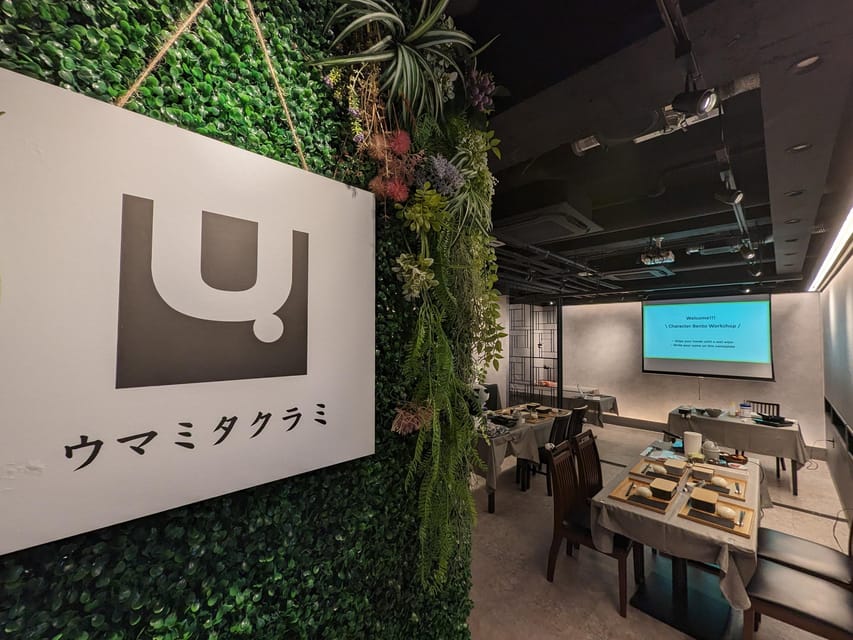
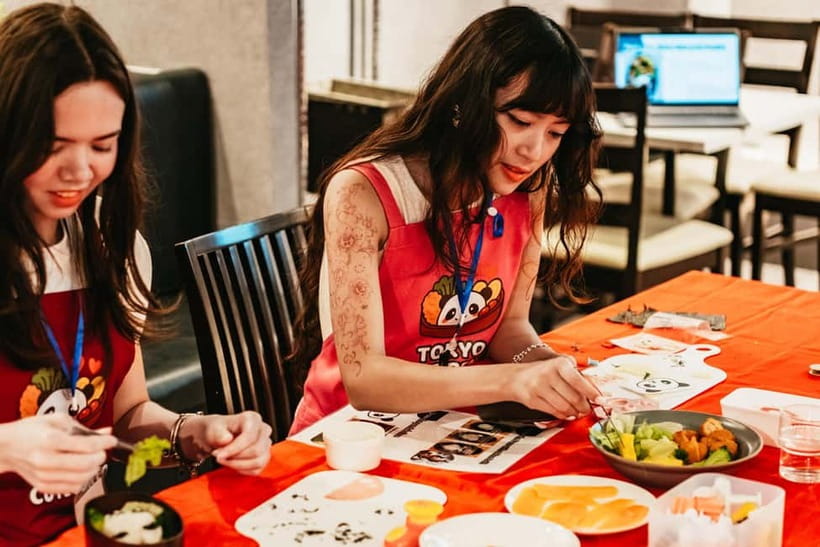
The main cooking section lasts about an hour. You select a character design from the available choices, then work through the parts of the lunchbox with help from the instructor.
The listed options are a cute panda bento, a brown bear bento, and a seasonal limited-edition design. Your specific choice is confirmed by email after booking, so check your messages and reply promptly if the operator asks you to select one.
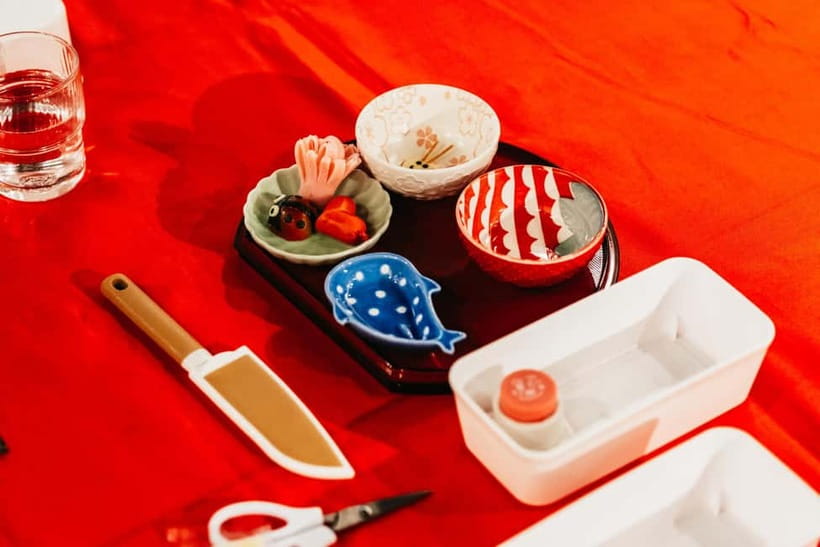
The class includes all ingredients and tools. A wide range of bento-making tools helps with cutting, shaping, and decorating, which is important because the tiny facial features can look harder than they are. You do not need to arrive with special cutters or equipment.
The process usually includes shaping the main rice character, adding the face, and arranging side dishes around it. The exact ingredients can vary with the chosen design and dietary needs. The goal is not speed. You work one piece at a time, with the instructor showing you what to do next.
That clear structure is one of the strongest parts of the experience. I like activities that leave you with a skill you can use later, and this one does. The English recipes help you recreate the basic idea at home, even if your first homemade panda looks a little less symmetrical.
Children can take part, and families with children as young as seven have enjoyed the class. Keep in mind that knives and other cooking tools are part of the session. Parents or guardians should supervise younger children rather than assuming the instructor can watch every hand at the table.
Couples and friends can make matching designs or choose different characters. Solo participants are welcome too, which is helpful if your companions are spending the morning elsewhere. The activity gives you a natural shared task without requiring conversation from the start.
Same trip, a completely different kind of day:
- 1-Day Tokyo Bus Tour
★ 5.0 · 14,250 reviews - Tokyo: TOKYO SKYTREE® Admission ticket
★ 4.5 · 11,192 reviews - Tokyo: teamLab Planets TOKYO Digital Art Museum Entry Ticket
★ 4.6 · 9,779 reviews - Tokyo: Sumo Show Experience with Chicken Hot Pot and a Photo
★ 4.8 · 6,678 reviews
The food itself: cute, filling, and meant to be eaten
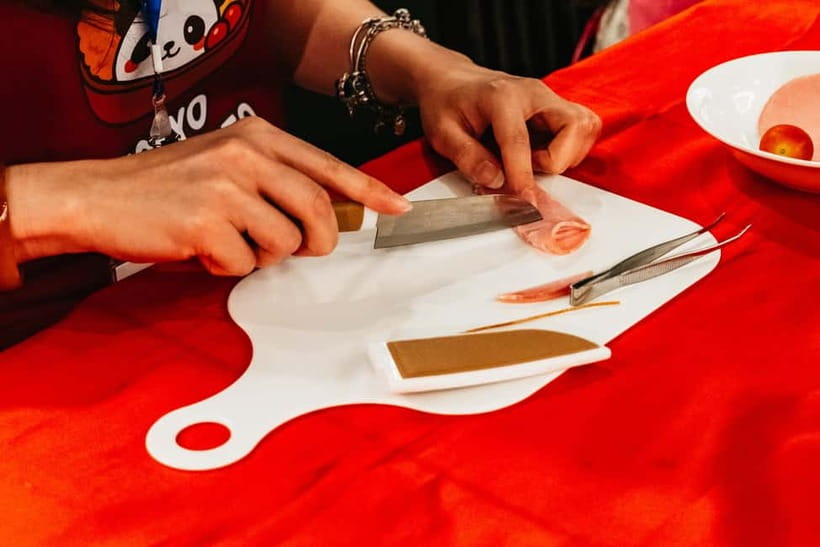
This is not only a craft project. After the decoration is finished, you eat the bento you made.
The meal includes the character rice and side dishes, and the portion can be more generous than the small box suggests. You should not expect a full restaurant menu or a tasting course. The value is in making and eating a complete little lunch, with the food arranged by your own hands.
Taste matters here. A pretty bento that is bland would be disappointing, but the class is designed as a proper meal rather than a display item. Ingredients and side dishes are prepared for the session, and adjustments may be made for dietary needs when arranged in advance.
If you do not eat pork, tell the operator before arrival. A pork-free replacement has been prepared for at least one participant, showing that the request can be handled when there is enough notice. Vegetarian and vegan options are also available, and no-nut or no-milk requests may be possible.
The limits are important. Seafood, soy, and sesame are common allergens in this activity. If you have a severe allergy, you should ask specific questions before booking. The operator may be able to adjust the food, but the class may not be suitable for every serious allergy or strict dietary requirement.
The 15-minute photo session
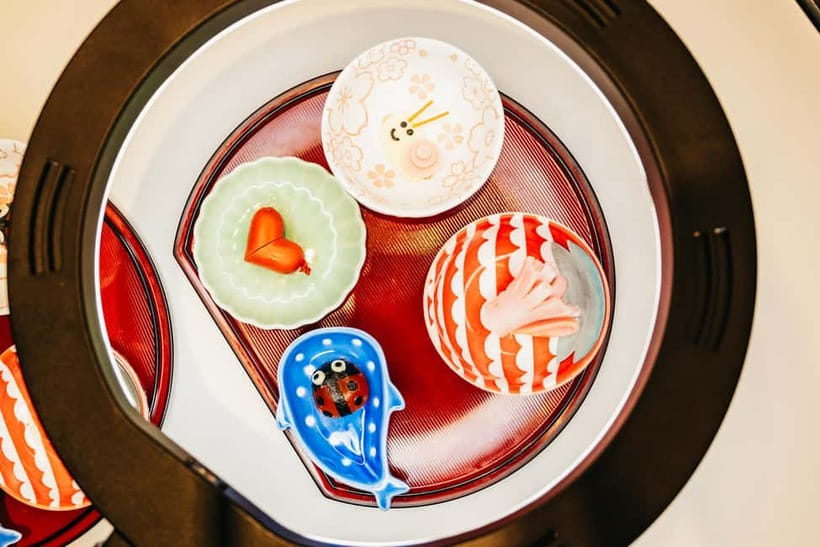
Once the bento is complete, you have about 15 minutes for photographs. This is a sensible part of the schedule because the face and arrangement look best before the meal is opened.
You can photograph the finished box as a record of your work, and the session gives families and couples a chance to capture a shared activity rather than another standard sightseeing image. The photo stop is short enough that it does not overwhelm the cooking.
The photos also help if you want to remember the design before trying it at home. Character bento is delicate. Once you lift a piece or start eating, the little face may never look quite the same again.
The final 30 minutes: sit down and enjoy your lunch
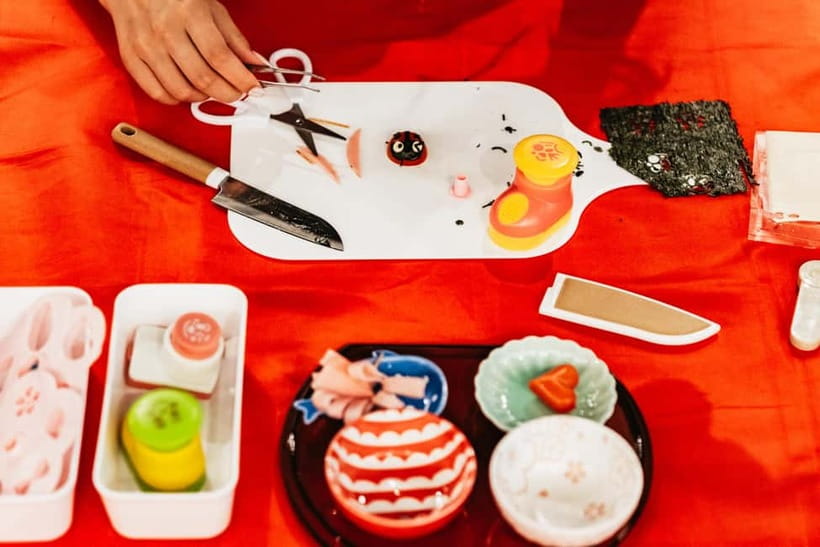
The last half hour is set aside for eating. After concentrating on shaping and decorating, this slower finish gives you time to talk, compare designs, and enjoy the result.
For families, the timing is useful. Children get a clear beginning, a creative middle, and a meal at the end. For adults, the final meal prevents the class from feeling like a one-note craft workshop.
You also receive a souvenir and an English recipe. Those extras matter more than they might seem. The recipe turns the experience into something you can repeat, while the souvenir gives you a small reminder of the class without adding another bulky item to your luggage.
If you plan to visit a park afterward, bring a way to carry the bento carefully. One participant took a finished lunch to Shinjuku Gyo-en, but the information provided does not promise special packaging or transport arrangements, so eating at the venue is the simplest plan.
Is $64 a fair price?
At $64 per person, this is not a cheap way to buy lunch. You could find a prepared bento for far less. The price makes more sense when you count the English instruction, all ingredients, tools, cultural explanation, photo session, meal, recipe, and souvenir.
You are paying for a two-hour activity, not just food. The class also removes the need to buy specialist bento tools or figure out the shaping methods by yourself. If you are interested in Japanese food culture, this is a better value than a basic cooking demonstration because you do the work from start to finish.
The value is strongest for families and pairs who want a shared activity. At $128 for two people, you receive two meals and a guided experience that can fill a useful part of the day. For a solo participant, the price is harder to compare with a normal lunch, but the class still works if you want an organized cultural activity.
The free cancellation window, up to 24 hours before the start time, gives you some flexibility. You can also reserve now and pay later, which helps if your Tokyo schedule is still changing. Check the available start times before building the class into a tight train connection.
Who will enjoy this class most?
I would choose this for families with children who like crafts, food, animals, or Japanese pop culture. The instructions are broken into manageable parts, and the finished result gives children a clear sense of achievement.
It also suits couples and friends. You can compare a panda with a bear, help one another with small details, and leave with photos that show what you made together.
Solo visitors should not feel out of place. The class is open to individuals, and the task gives you something to do with your hands while making conversation naturally.
This is less suitable if you want an advanced Japanese cooking lesson focused on knife technique, regional dishes, or a large meal. The class is about character bento and presentation. The cooking is approachable, and the artistic side is the main attraction.
It may also be a poor choice for someone with a severe seafood, soy, or sesame allergy unless the operator confirms a safe arrangement in advance. Parents should also be ready to supervise younger children around knives.
Useful extras and access
Two free add-ons may be available if requested in advance. One is a 30-minute advanced side-dish preparation session before the workshop. The other is a 30-minute Akasaka tour after the class.
These are not automatic parts of the two-hour schedule, so ask for them when booking. They may appeal if you want more cooking practice or a little neighborhood context, but do not assume they will be added without advance notice.
The class is indoors, making it a practical choice in Tokyo rain or summer heat. Wheelchair access is available. English is the operating language, and English recipes are included.
The schedule is approximate:
- 15 minutes for the bento culture introduction
- 60 minutes for hands-on preparation
- 15 minutes for photos
- 30 minutes to eat
Allow extra time before the start to find Exit 7 and the basement entrance. The panda sign is the key landmark.
Should you book Tokyo Cute Bento?
Book it if you want to make something personal, eat it afterward, and learn a little about Japanese food culture along the way. The strongest reasons are the patient step-by-step teaching, the large selection of tools, the child-friendly format, and the chance to repeat the recipe at home.
I would be especially comfortable recommending it to families, couples, friends, and solo visitors who want an indoor activity near central Tokyo. The $64 price is reasonable when you use the class as both lunch and a two-hour cultural experience.
Skip it if you are looking for advanced cooking instruction, a long food tour, or a completely allergy-proof kitchen. For everyone else, this is a cheerful, practical way to make a souvenir you can eat.
FAQ
How long does the Tokyo kawaii bento class last?
The class lasts two hours. The approximate schedule includes 15 minutes of cultural introduction, 60 minutes of bento making, 15 minutes for photography, and 30 minutes to eat.
Where is the workshop held?
The meeting point is near Tameike-Sanno Station. Exit through Exit 7, walk straight, cross the intersection, and look for the building directly ahead with the panda bento sign. The workshop is in the basement under a ramen shop.
What bento designs can I choose?
The available choices include a panda bento, a brown bear bento, and a seasonal limited-edition bento. Your choice is confirmed by email after booking.
Is the class taught in English?
Yes. The class includes English-speaking instruction and English recipes.
Do I need cooking experience?
No. The instructor guides you through each step, and no previous cooking experience is required.
Can children join the class?
Yes. Children are welcome, but the class uses knives and other cooking tools. Parents or guardians should supervise younger children.
Is the class suitable for solo participants?
Yes. Solo travelers are welcome, along with families, couples, and friends.
Are vegetarian or vegan options available?
Vegetarian and vegan options may be arranged. Tell the operator about your dietary needs when booking.
Can the class accommodate food allergies?
Some adjustments may be possible with advance notice, including no-nut, no-milk, and other requests. Seafood, soy, and sesame are commonly used, so the class may not suit people with severe allergies.
Is the workshop wheelchair accessible?
Yes, the activity is listed as wheelchair accessible.
What is included in the $64 price?
The price includes English instruction, ingredients, cooking tools, the cultural explanation, your character bento meal, a photo session, English recipes, and a souvenir.
Can I cancel the booking?
You can cancel up to 24 hours in advance for a full refund. Reserve now and pay later is also available.
Just added around Tokyo
- Kawagoe Japanese Food Tour : Unagi Kaiseki and Sake near Tokyo★ 5.0 · 30 reviews
- Kawagoe 4hr Private Tour with Licensed Guide (Kawagoe Dep)★ 5.0 · 13 reviews
- Little EDO Sushi Making workshop in Kawagoe★ 5.0 · 18 reviews
- 【R34】Tokyo:Private Daikoku tour in Modified R34★ 4.9 · 92 reviews
- :Tokyo,Shibuya/ Pro Photography in Kimono / English-Friendly★ 5.0 · 26 reviews
- Tokyo:Celebrate Unique Japanese New Year Tradition Festivity★ 3.9 · 20 reviews
- Tokyo: Allstar Food Tour★ 4.7 · 29 reviews
- Tokyo: West-Side Cycling and Food Tour with Guide★ 5.0 · 37 reviews
Cooking Classes, compared.
Browse the lists this tour appears in