
Reviewed · HIROSHIMA TOURS
The Journey of Hiroshima from Tragedy to Peace
Hiroshima Peace Memorial Park is not simply a collection of monuments. It is a carefully arranged walk through a city before, during, and after the atomic bombing. This tour connects those places with the people behind them, from Dr. Marcel Junod to Sadako Sasaki and the survivor remembered at the Rest House.
I especially like the wide range of memorials, including the Korean Monument and the Norman Cousins Peace Memorial, and the fact that the tour ends at the actual hypocenter. I also like the human pace of the guiding: Ali, Wajid, and Zunera are praised for clear explanations, discussion, and time for photos. The main drawback is that this is not suitable for people with mobility impairments, and the Peace Museum costs extra.
Key points at a glance
- The Atomic Bomb Dome is part of a wider story: You see the famous UNESCO World Heritage Site in context rather than as an isolated photo stop.
- The route includes the exact hypocenter: The final stop brings you to the point directly beneath the explosion.
- Several guides are praised by name: Ali, Wajid, and Zunera are noted for clear explanations and a friendly approach.
- The tour looks beyond Japanese suffering alone: The Korean Monument recognizes Korean victims of the bombing.
- The $30 price covers the outdoor memorial route: Museum admission and food are not included.
- A late afternoon start can help: One booking began at 4:30 pm, a useful option during hot weather.
Hiroshima’s story begins before the bomb
The most useful feature of this walk is its structure. You are not rushed from one famous monument to the next. The guide places Hiroshima in time, explaining what the city was like before the Second World War, what happened on the morning of the bombing, and how survivors rebuilt their lives afterward.
That context matters. The Atomic Bomb Dome can look like a stark ruin if you see it alone. By the end of this route, you will have encountered memorials to doctors, children, foreign victims, peace activists, and ordinary residents. The Dome becomes part of a larger story about loss, recovery, and the political work of peace.
The tour is led in English by a professional guide with a degree in Peace Studies. Ali, Wajid, and Zunera are among the guides associated with the experience. The strongest praise goes to their explanations, calm pace, communication before the walk, and willingness to answer questions.
This is a group walking tour, so it suits you if you want conversation and interpretation rather than a private guide focused only on your party. It may not suit you if you prefer to move alone, spend a long time inside the museum, or avoid emotionally difficult subjects.
A few more Hiroshima half-days worth comparing
- Peaceful Hiroshima & Miyajima UNESCO 1 Day Bus Tour
★ 5.0 · 5,309 reviews - Hiroshima: Hiroshima and Miyajima UNESCO Sites 1-Day Tour
★ 4.9 · 2,330 reviews - Hiroshima / Miyajima Full-day Private Tour with Government Licensed Guide
★ 5.0 · 1,298 reviews
Starting at the Gates of Peace
You meet at the Gates of Peace, in front of the Italian restaurant Mario. This gives you a clear, fixed place to gather before entering the park. From there, the walk begins with an emphasis on the people affected by the bombing rather than on military strategy alone.
The first stop is the Mother and Baby in Storm statue. Its image of a mother protecting a child introduces one of the tour’s central ideas: Hiroshima’s story is about individual lives, family bonds, and the effort to care for others after catastrophe.
This is a good opening stop because it makes the subject personal without needing a long lecture. You are likely to begin thinking about the bombing through the experiences of civilians, children, and families. If you want a light sightseeing activity, this is not it. The tone is serious from the start.
Dr. Marcel Junod and Norman Cousins
The Dr. Marcel Junod Memorial honors a Swiss physician who came to Hiroshima after the bombing and worked as a humanitarian. His memorial adds an international dimension to the park. Hiroshima was a local disaster, but the medical response and later peace movement reached far beyond Japan.
The route then reaches the Norman Cousins Peace Memorial. Cousins was an American author and peace activist who supported nuclear disarmament. Including this stop helps explain that Hiroshima’s message has been carried by people from many countries, not only by Japanese citizens.
I like these two stops because they keep the tour from becoming a simple story of Japan versus the United States. The memorials point instead toward medical aid, moral responsibility, and the shared danger of nuclear weapons.
The guide’s role is especially important here. Names and dates can blur together on a self-guided walk. A guide with Peace Studies training can explain why these people were remembered and how their work fits into Hiroshima’s larger call for peace.
The Peace Cenotaph and its eternal flame
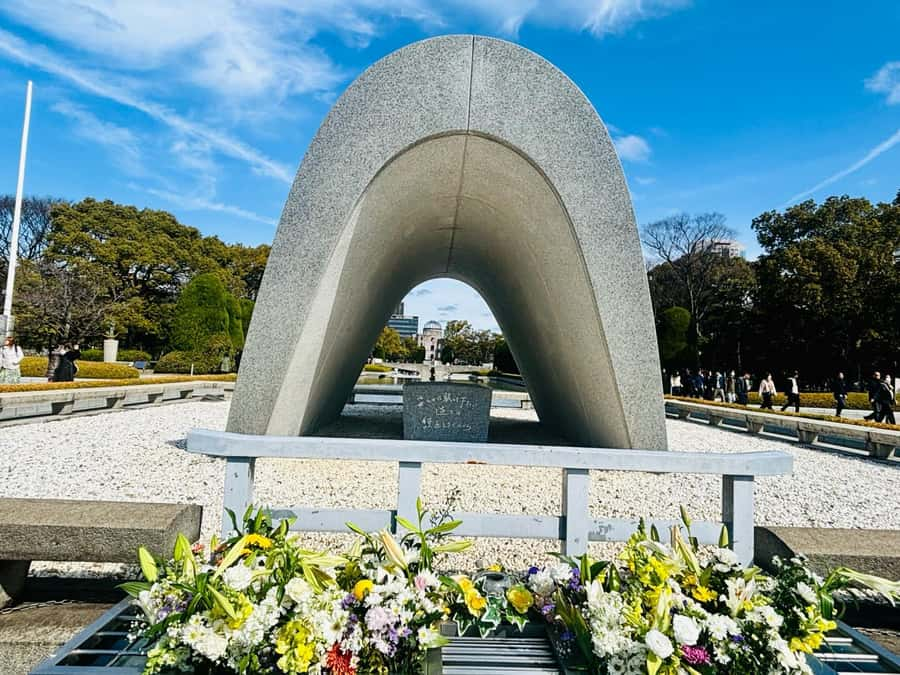
The Peace Cenotaph is one of the park’s central memorials. Its curved stone form shelters the names of the atomic bomb victims, while the Flame of Peace burns nearby.
The flame is intended to remain lit until the last nuclear weapon has been eliminated from the earth. That message gives the site a clear purpose. It is not only a memorial to the dead. It is also a statement about the future Hiroshima wants to see.
Your guide can help you read the park’s symbolism instead of simply walking past it. The cenotaph, the flame, and the surrounding memorials work together, but each has a different focus. The route gives you time to pause, listen, and ask questions.
You should expect an emotional visit. One person described the tour as a powerful lesson marked by a strong sense of the pain and desolation experienced by those who lived through the bombing. That reaction is understandable. The park asks you to think about people whose lives ended or changed in a single morning.
Same trip, a completely different kind of day:
- Osaka/Kyoto: Hiroshima Miyajima Bus Tour & Shinkansen Ticket
★ 4.7 · 919 reviews - Hiroshima Historical Walking Tour – Why A-Bomb was Dropped
★ 4.8 · 893 reviews - Hiroshima Peace (Heiwa) Walking Tour at World Heritage Sites
★ 5.0 · 872 reviews - Hiroshima in a Nutshell: Morning Bike Adventure
★ 5.0 · 524 reviews
The National Peace Memorial Hall for Atomic Bomb Victims
The Hiroshima National Peace Memorial Hall for the Atomic Bomb Victims preserves names, records, and personal stories. It is intended to remember those who died and to show who they were before the bombing.
This stop is valuable because statistics can make a tragedy feel distant. Personal information brings the victims back into view as students, workers, parents, and neighbors. The focus is not only on the moment of destruction but also on the lives that existed before it.
The museum and memorial hall are not the same thing, and it is important to understand the cost arrangement. The outdoor walking route and listed memorial sites are included, but entrance to the Peace Museum is not. If you want to spend time with the museum exhibits, plan and budget for a separate admission.
A guide cannot replace the museum. Instead, the tour helps you understand the park before or after you visit it. I see the two experiences as complementary: the walk gives you place and context, while the indoor exhibits can give you more documents and personal accounts.
The Rest House and a survivor’s story
At the Hiroshima Peace Park Rest House, you hear about a resident who was only 170 meters from the hypocenter when the bomb exploded and survived. The story is one of the tour’s most striking examples of endurance.
The Rest House is useful because it turns survival from an abstract idea into a specific human experience. You are asked to consider what it meant to be near the center of the blast, then to live through the aftermath and take part in rebuilding.
This is also one of the places where a good guide makes a real difference. The facts alone are startling, but careful explanation helps you understand why the building and the survivor’s account matter. Ali and Wajid are praised for giving context without rushing, while Zunera is noted for her strong command of Hiroshima’s story and the comfortable pace of the walk.
Sadako Sasaki and the Children’s Monument
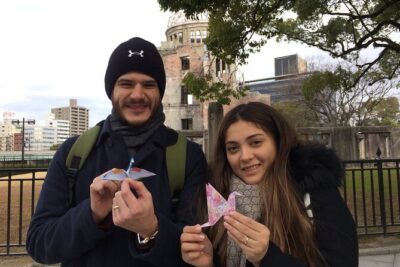
The Children’s Monument is dedicated to Sadako Sasaki and the many children affected by the atomic bombing. Colorful paper cranes surround the memorial, linking it to the widely known wish for peace and an end to nuclear weapons.
Sadako’s story gives the park a child’s perspective. It also explains why paper cranes have become such a strong symbol at Hiroshima. The monument is visually different from the stark stone memorials, yet its message is just as serious.
You may find this stop especially meaningful if you are visiting with older children or teenagers. The guide can explain the story in a way that gives young people a clear point of connection, while still treating the subject with care.
The walk does not turn the monument into a quick photo opportunity. Its place in the route lets you connect children’s lives, illness, memory, and peace activism. Color and movement from the paper cranes soften the setting, but they do not make the subject less painful.
The Korean Monument and a wider memory
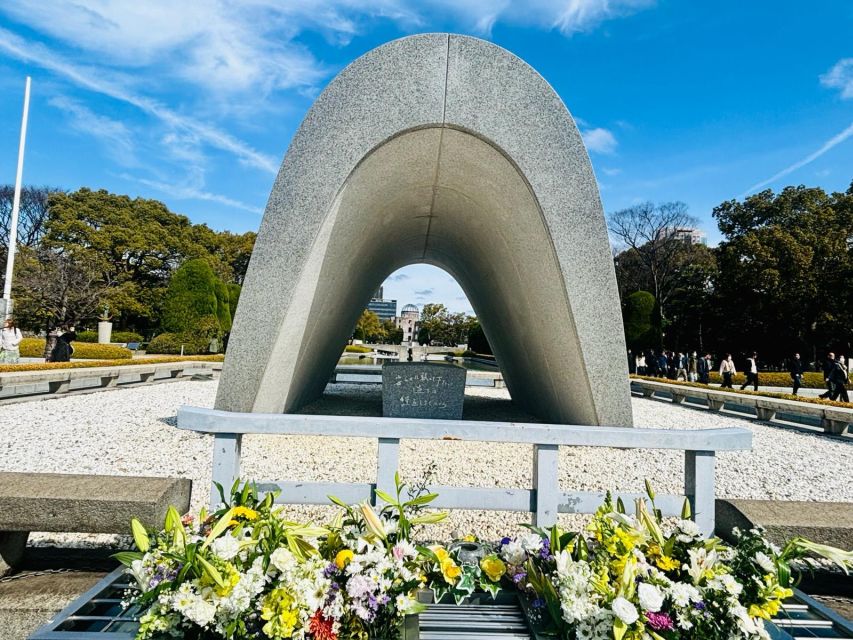
The Korean Monument remembers Korean victims of the atomic bombing. Its inclusion is important because the story of Hiroshima is not limited to Japanese citizens.
Koreans were among those affected by the bombing, and their suffering is part of the park’s shared history. This stop adds a needed reminder that wartime populations were mixed and that the consequences of the bombing crossed national boundaries.
I value this part of the route because it encourages a broader view of memory and reconciliation. A tour that only visits the most famous Japanese memorials would leave out an important group. Here, you are asked to remember victims whose experiences may be less familiar to international visitors.
The Korean Monument also fits the tour’s wider theme. Peace is not only about recalling one tragedy. It requires recognizing different communities and the ways war affects people across borders.
Ringing the Peace Bell
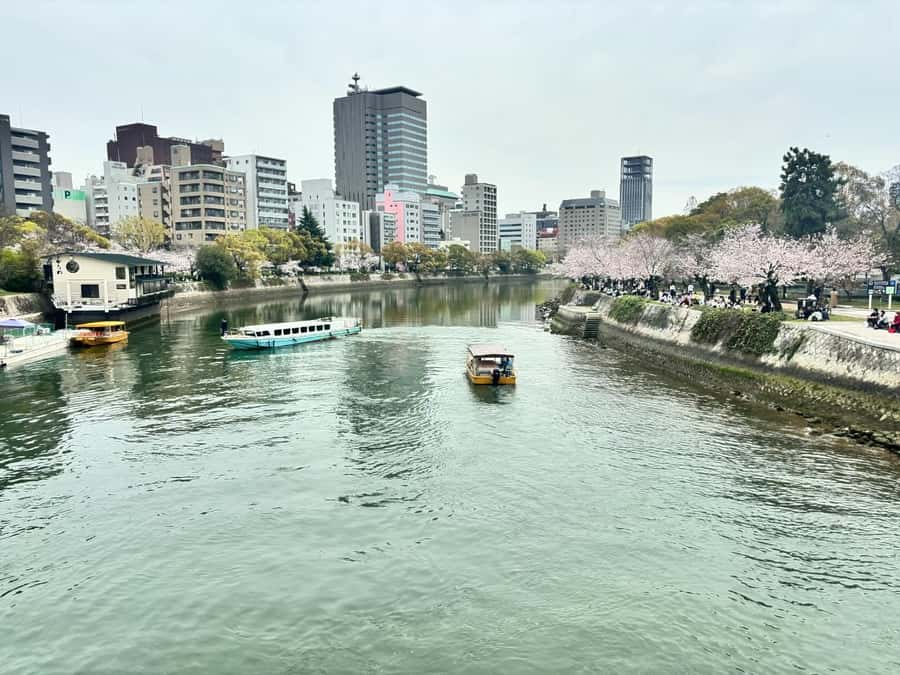
The Peace Bell gives you a chance to take part rather than simply observe. Visitors are invited to ring it in remembrance, with each toll representing a call for peace.
That small action can feel more personal than reading another plaque. It creates a quiet pause in the route and gives you a way to respond to what you have heard. The bell’s message is direct: remember the dead, reject nuclear war, and work toward a more peaceful future.
The experience is still a walking tour, not a formal ceremony. The guide controls the flow of the group, so the amount of time at each place can vary. If you need long periods for private reflection, a later return to the park may be worthwhile.
The Atomic Bomb Dome and the final hypocenter
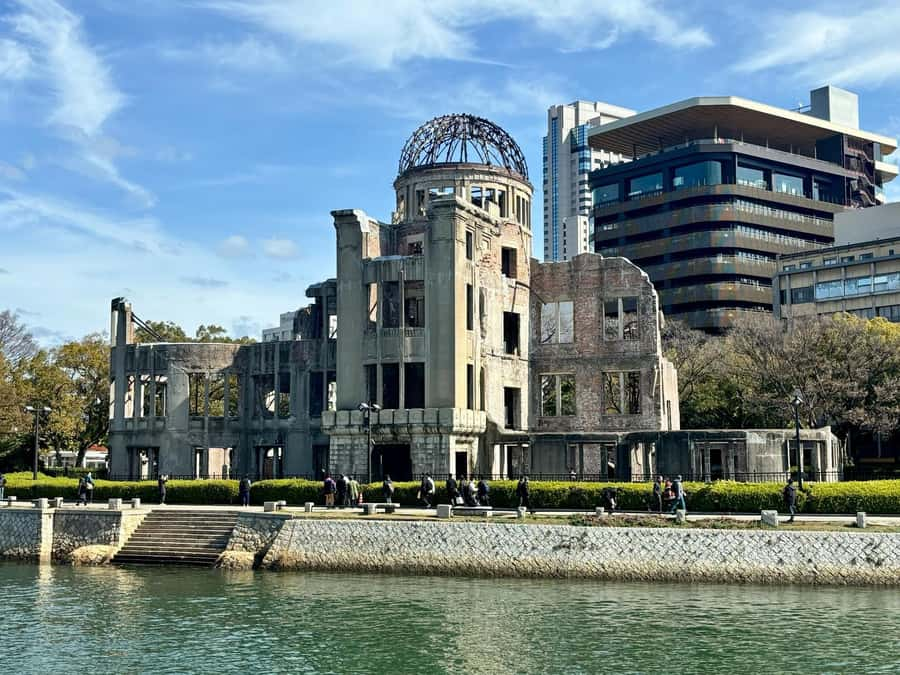
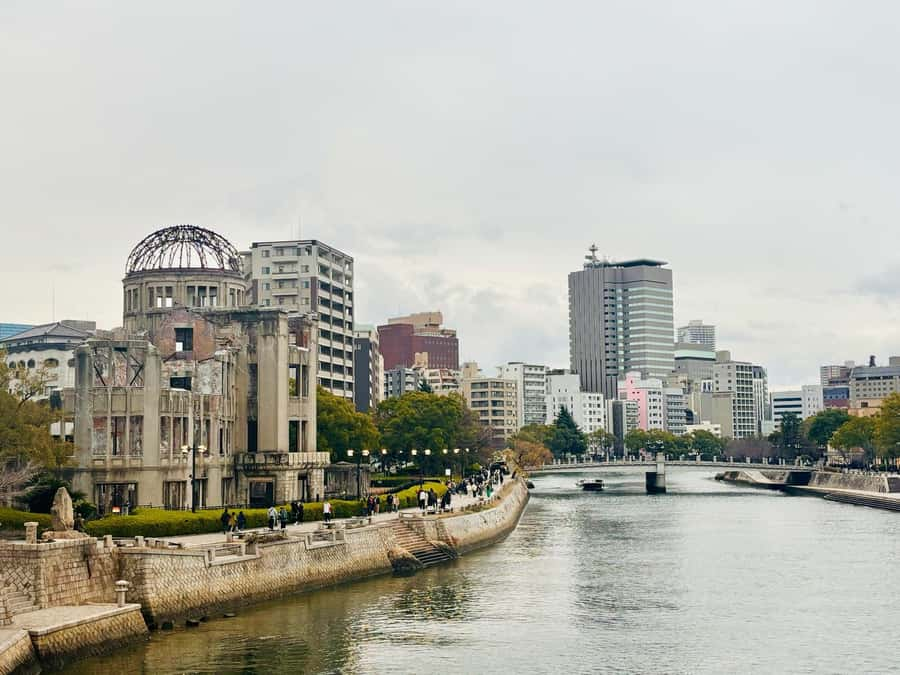
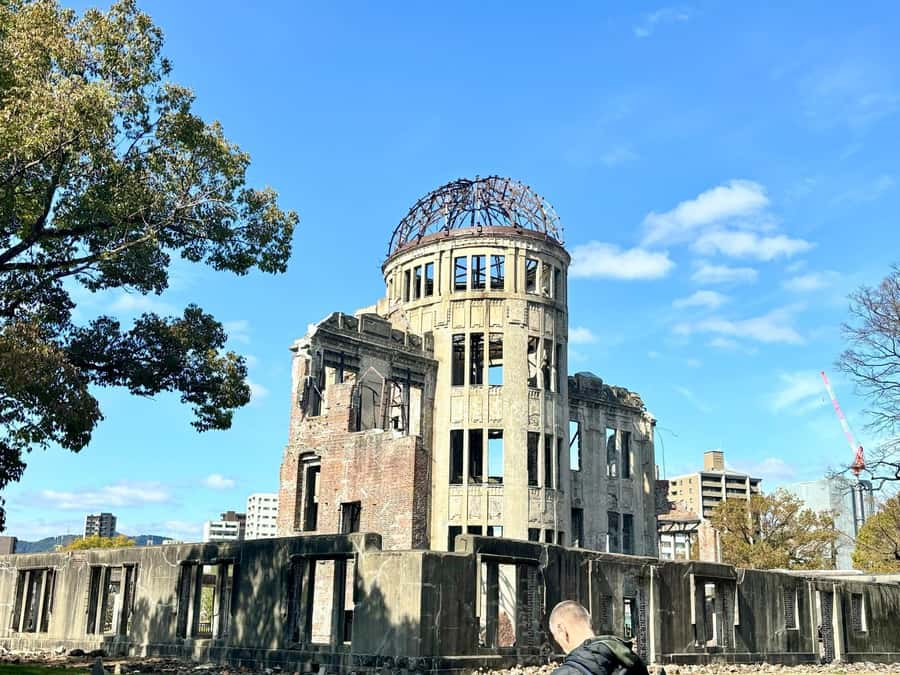
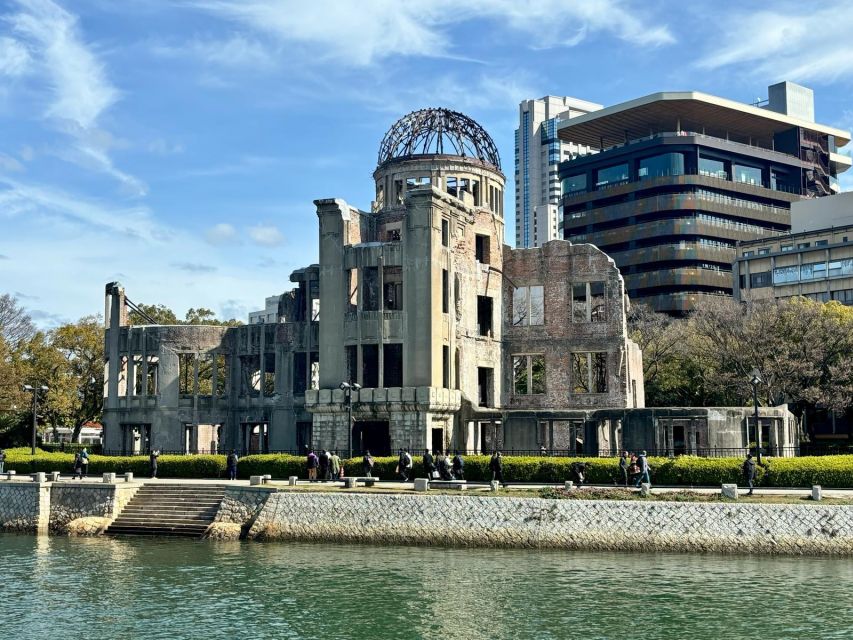
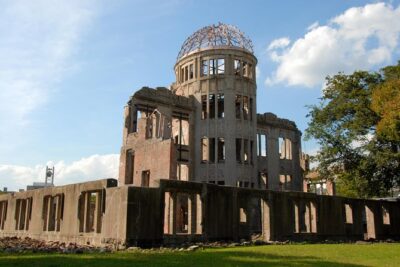
The Atomic Bomb Dome is the park’s best-known sight and a UNESCO World Heritage Site. Its damaged structure survived close to the point of the explosion, making it a powerful physical reminder of the bombing.
Seeing the Dome after visiting the other memorials changes the way you look at it. You have already heard about children, doctors, foreign victims, survivors, and peace advocates. The ruin then becomes more than a historic building. It links the physical remains of the city with the human stories you have just encountered.
The guide explains why the Dome survived and what it represents today. You will have time for photos, but this is not presented as a decorative ruin. The setting carries a clear message about war, destruction, and Hiroshima’s commitment to peace.
The final stop is the hypocenter, the point directly beneath the explosion. Ending here is a strong choice. Instead of finishing at the most recognizable monument, the route brings you to the precise location where the blast began.
That final moment can be quiet and personal. You are close to the physical center of the event, but the tour has also shown you the people and institutions that came after it. The walk closes by connecting tragedy with remembrance and the hope for a world without nuclear weapons.
What the $30 price really covers
At $30 per person, this is a reasonable price if you want a guide to connect the park’s many memorials. You are paying for a structured English-language walk, local interpretation, and a route that includes several sites you could otherwise pass without understanding.
The value is strongest for first-time visitors. The park is free to enter, but its meaning is not always obvious from signs alone. A guide can explain why the Mother and Baby in Storm statue matters, who Dr. Junod was, why the Korean Monument belongs in the story, and how the Peace Cenotaph fits the city’s message.
The price does not include food or admission to the museum. That keeps the basic cost clear, but you should set aside extra money if you want to visit the museum afterward.
A reported score of 4.8 from 44 ratings reflects the tour’s strongest qualities: clear explanations, a manageable walking speed, and guides who encourage questions. One family group with two young adults found the pace comfortable and the experience good value. Another person particularly liked a 4:30 pm start, which helped avoid the worst heat.
Timing, pace, and practical matters
The tour begins and ends at the Gates of Peace, in front of Mario. The supplied details do not give a fixed duration, so check the available booking time before you reserve. At least one start time was 4:30 pm, but you should confirm the schedule for your date.
The route includes repeated outdoor walking and several emotionally difficult subjects. It is not suitable for people with mobility impairments. Wear comfortable shoes, and bring what you need for time outside, especially if your start is earlier in the day.
English is the stated tour language. The guides are praised for speaking clearly and answering questions, which matters on a subject with many names, dates, and sensitive details. The tour is more useful if you participate, so bring questions about the bombing, the memorials, and Hiroshima’s postwar peace work.
You can reserve now and pay later, which helps if your plans are still changing. Cancellation is free up to 24 hours before the activity for a full refund.
Who should book this Hiroshima walk?
I would choose this tour if you are visiting Hiroshima for the first time and want the park explained in human terms. It suits adults, families with older children, and anyone interested in peace studies, modern Japanese history, or the moral questions raised by nuclear weapons.
It is also a good choice if you want to see more than the Atomic Bomb Dome. The Korean Monument, Peace Bell, Rest House, Children’s Monument, and hypocenter give the walk real breadth.
I would hesitate if you want a casual sightseeing stroll, dislike group tours, or plan to spend most of your time inside the museum. You may also need another plan if walking is difficult.
Should you book it?
Book this tour if you want clear English explanations and a serious, carefully connected route through Hiroshima Peace Memorial Park. The strongest reason to go is not the Dome alone. It is the way the walk links the Dome to survivors, children, foreign victims, doctors, peace activists, and the exact hypocenter.
At $30, the tour offers good value for a first visit, especially with guides such as Ali, Wajid, or Zunera leading the discussion. Just remember that museum admission is extra, mobility is required, and the subject deserves your full attention.
FAQ
How much does the Hiroshima peace walking tour cost?
The tour costs $30 per person.
What language is the tour offered in?
The tour is offered in English.
Where does the tour begin?
Meet your guide at the Gates of Peace, in front of the Italian restaurant Mario.
Where does the tour end?
The activity ends back at the meeting point.
Is the Atomic Bomb Dome included?
Yes. The walking tour includes the Atomic Bomb Dome and explains its history as a UNESCO World Heritage Site.
Is Hiroshima Peace Memorial Museum admission included?
No. Entrance to the museum is not included in the tour price.
Is food included?
No. Food is not included.
Is the tour suitable for people with mobility impairments?
No. The experience is not suitable for people with mobility impairments.
Can I cancel or pay later?
You can reserve and pay later, with nothing due today. You can cancel up to 24 hours in advance for a full refund.
Just added around Hiroshima
- Full Day Hiroshima and Miyajima Tour by Bullet Train from Kyoto★ 4.5 · 120 reviews
- Hiroshima Saijo Sake Tasting Tour with visit to 7 Breweries★ 5.0 · 104 reviews
- The Peace Memorial to Miyajima : Icons of Peace and Beauty★ 4.5 · 31 reviews
- Shore Excursion from Hiroshima Port : Private Tour in Hiroshima★ 5.0 · 17 reviews
- Okunoshima Rabbit Island Cycling Tour with Local Guide★ 4.5 · 17 reviews
- Hiroshima & Miyajima All-Inclusive Tour w/Licensed guide Pancho★ 5.0 · 54 reviews
- Private Full Day Hiroshima Tour★ 4.5 · 29 reviews
- Hiroshima Private Tour with a Local – Highlights & Hidden Gems★ 4.5 · 24 reviews
Hiroshima Tours, compared.
Peaceful Hiroshima & Miyajima UNESCO 1 Day Bus Tour
Our verdict →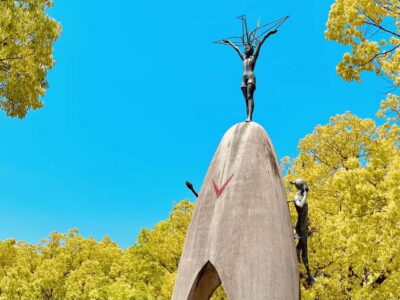
Hiroshima Historical Walking Tour – Why A-Bomb was Dropped
Our verdict →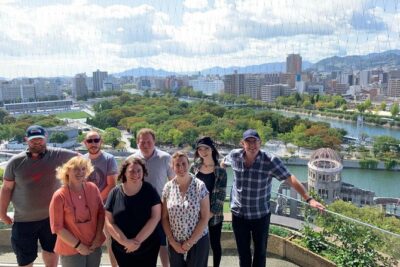
Hiroshima Peace (Heiwa) Walking Tour at World Heritage Sites
Our verdict →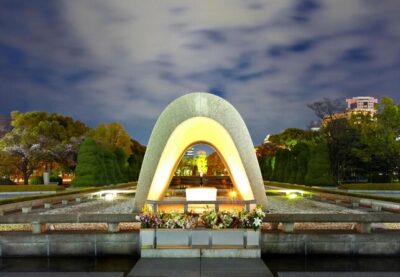
Hiroshima City 4hr Private Walking Tour with Licensed Guide
Our verdict →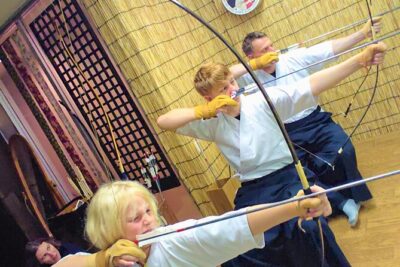
Japanesel Archery Experience HIROSHIMA CASTLE SHARAKU
Our verdict →
Browse the lists this tour appears in