
Reviewed · DAY TRIPS IN HIROSHIMA
From Hiroshima: Miyajima Island Day Trip with Ropeway Ride
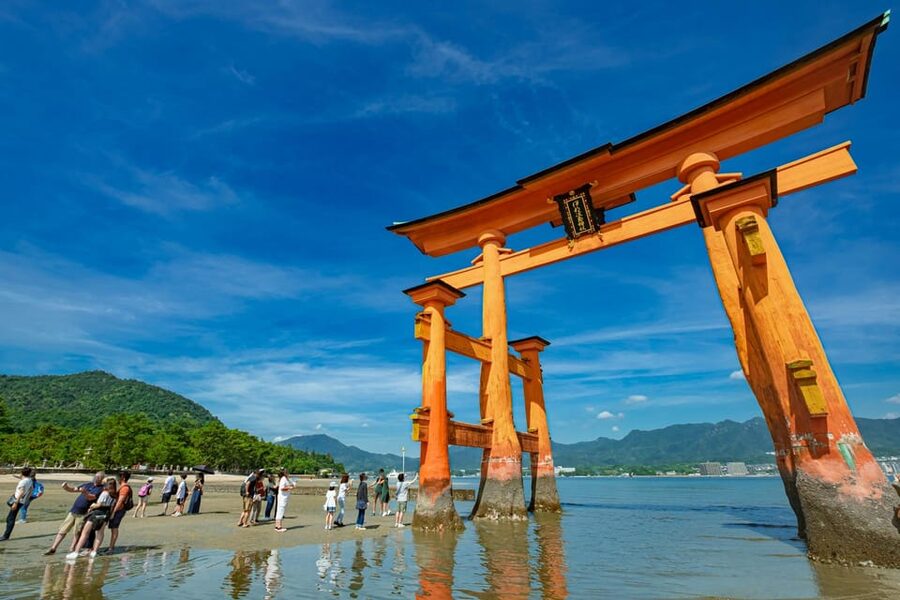
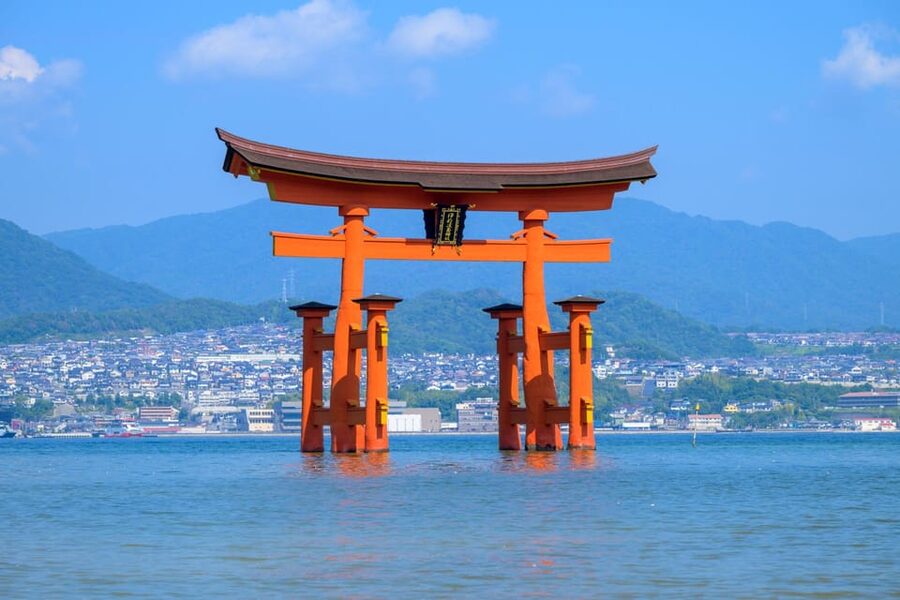
Miyajima packs Japan’s sacred architecture, island scenery, deer-lined paths, sea views, and mountain walking into one very full day. The highlight is the changing view of the O-torii gate, first seen offshore from the ferry and, if the tide cooperates, approached on foot later.
I like the efficient train-and-ferry route from Hiroshima and the small group, capped at 15 people. I also like the mix of famous sights and quieter religious places, especially Daisho-in, where rows of Buddhist figures give the visit a more personal feel. The drawback is simple: this is a long, active day, and the Mt. Misen summit walk can be steep and tiring.
Key Points at a Glance
- A full island day: Plan on nine hours, including trains, ferries, sightseeing, free time, and the return trip to Hiroshima.
- Two ways to see the O-torii: You may see the gate from the water at high tide and walk toward it at low tide, though tide conditions vary.
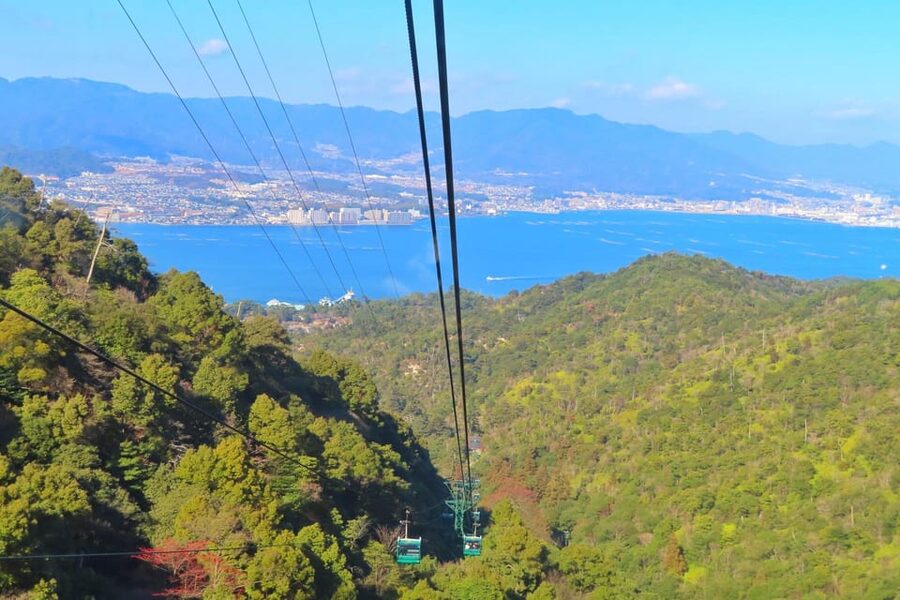
- Mt. Misen by ropeway: The cable ride provides broad views, followed by an optional hike to the summit.
- Small-group guiding: Groups are limited to 15, making it easier to keep a steady pace and ask questions.
- Two hours for lunch and shopping: Omotesando Street gives you time to try local food and browse for souvenirs.
- Bring proper shoes: The temple paths are manageable, but the summit route is a serious uphill walk.
Why This Miyajima Day Trip Works So Well
Miyajima is easy to visit independently, but the island rewards a well-planned route. Its most famous places are spread between the waterfront, the shrine district, the shopping street, and Mount Misen. Add changing tides, ropeway timing, ferry schedules, and crowds, and a first visit can become a day of watching the clock.
This tour takes care of the basic movement. You meet at Hiroshima Station, travel by train to the ferry, cross to the island, walk between the major sights, ride the ropeway, and return by the same general route. That leaves you free to pay attention to the setting instead of sorting out each connection.
The guide also adds useful context. Itsukushima Shrine is not just a photogenic complex in the sea. You learn about Shinto, Japan’s indigenous religion, and why the shrine’s buildings and gate are arranged as they are. At Daisho-in, the explanation helps you make sense of Buddhist images that might otherwise look like a long line of similar statues.
Recent guide names connected with this experience include Isabella, Miki, Simarjeet, Shimar, and Samar. The strongest pattern is clear: the guides are praised for keeping the day organized, explaining Japanese history in good English, and adjusting the pace when needed. That matters on an outing with so many moving parts.
More Day Trips in Hiroshima
- Peaceful Hiroshima & Miyajima UNESCO 1 Day Bus Tour
★ 5.0 · 5,309 reviews - Hiroshima: Hiroshima and Miyajima UNESCO Sites 1-Day Tour
★ 4.9 · 2,330 reviews - From Hiroshima: Hiroshima & Miyajima 1 Day Tour with Lunch
★ 4.7 · 395 reviews
Meeting at Hiroshima Station
The meeting point is under the Tourist Information sign outside the Shinkansen gates. If you arrive by Shinkansen, the sign is directly to your left after leaving the gates. If you arrive on a regular JR train, follow the signs toward the Shinkansen gates, since both are on the same floor.
Arriving early is wise. Hiroshima Station is under heavy construction, and the station can feel confusing even when you know where you are going. Look for a guide holding a SNOW MONKEY RESORTS tour sign.
You need to arrange your own way to the station. From a streetcar, follow signs to the Shinkansen gates. By taxi, ask for the Shinkansen Entrance, also called the North Entrance. This detail is worth saving on your phone before breakfast, especially if you are carrying luggage or working with a tight schedule.
Train, Ferry, and the First View of Miyajima
The journey begins with a local train and then a ferry to Miyajima. The transport is included, which makes the $180 price easier to assess. You are not paying only for a walking guide. The cost also covers the ferry, train, admission fees, and ropeway ticket.
The ferry crossing gives you the first memorable view of the island. The O-torii appears offshore, separated from the main shrine buildings by the water. Its position changes with the tide, so the gate may appear to float or sit on exposed sand and mud later in the day.
Your guide uses this early part of the outing to explain Miyajima’s religious importance and the way the island’s sacred sites fit together. This is a useful start because the rest of the day moves between Shinto and Buddhist places, and the differences are easier to notice once you have some background.
The ferry itself is not a long sightseeing cruise. Think of it as a practical crossing with a fine view, not a separate boat excursion. Keep your camera ready, but do not expect the entire ride to be devoted to narration.
Senjokaku Pavilion and Its Unfinished Story
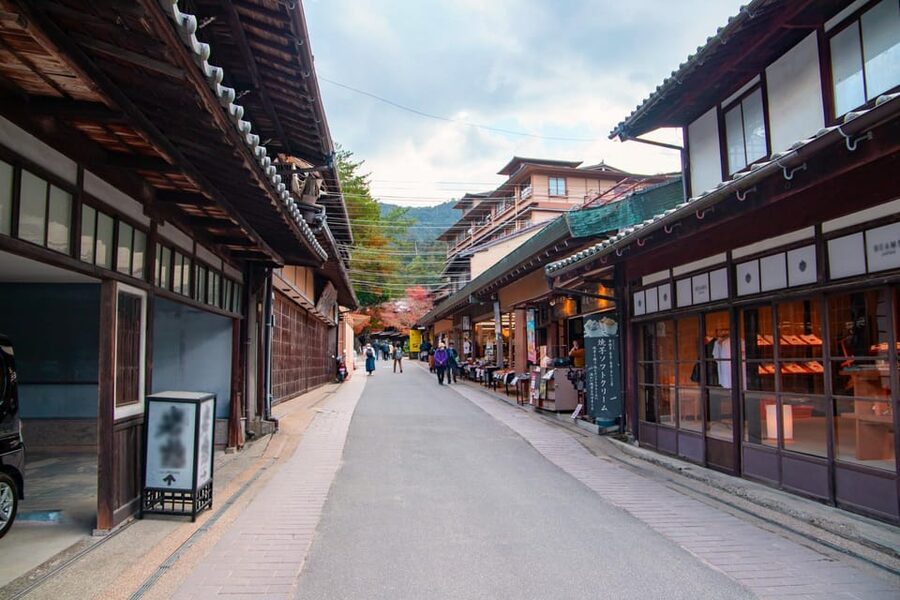
Senjokaku Pavilion is one of the first major stops. Its unfinished condition is the point. Construction began as a large hall, but the work was never completed, leaving an unusual open structure that feels different from the polished shrine buildings nearby.
The pavilion helps break up the usual Miyajima picture. Many people arrive expecting only the famous gate and shrine. Senjokaku adds a reminder that Japanese religious sites are not always neat, finished, or uniform. The guide explains why the building remains incomplete and places it within the island’s wider religious setting.
The visit is also useful for orientation. From here, you begin to see how closely the major sites are connected. You are not simply ticking off separate attractions. The tour links them through a walk, with the guide pointing out details that are easy to miss when you move quickly on your own.
More Cable Car Trips in Hiroshima:
- Tokyo: Mt. Fuji Tour, Hakone Ropeway, Owakudani, Lake Ashi
★ 4.7 · 4,002 reviews - Tokyo: Hakone Fuji Day Tour w/ Cruise, Cable Car, Volcano
★ 4.2 · 724 reviews - Tokyo: Mt. Fuji 5th Station, Kawaguchiko Tour w/ Cable Car
★ 4.5 · 570 reviews - Mt. Fuji Tours with Kawaguchi Lake Ropeway View English Speaking
★ 4.5 · 519 reviews
Itsukushima Shrine and the Floating Gate
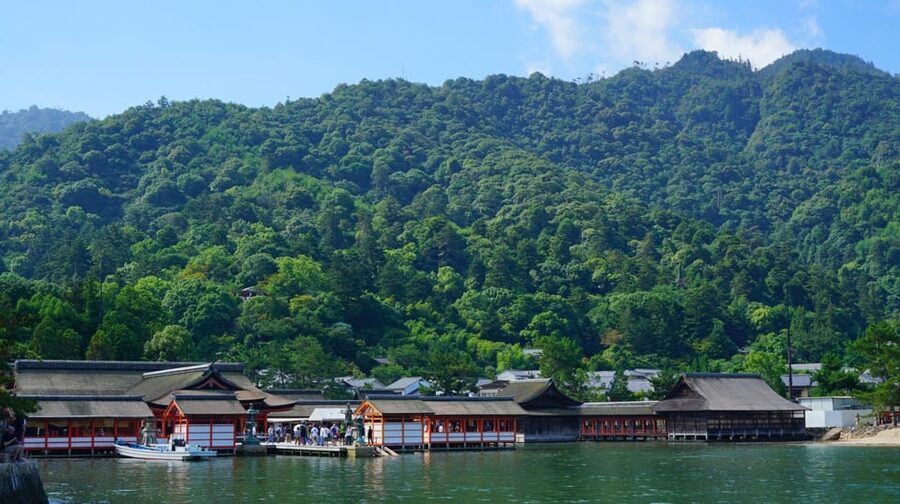
Itsukushima Shrine is the center of the Miyajima visit. The shrine’s buildings extend over the water, creating the famous floating effect. At high tide, the sea surrounds the lower structures and gives the complex its most recognizable appearance. At lower tide, the setting changes sharply, and the O-torii may be reached on foot.
Inside, you pass several worship halls and see how the shrine’s architecture relates to the water. Your guide discusses Shinto beliefs and the role of the shrine, which makes this more than a quick photo stop.
The visit can be busy, especially around the most photographed areas. A small group helps here because the guide can keep everyone moving without losing the thread of the explanation. It also makes it easier to regroup after photographs.
Tide timing is the one part no tour operator can fully control. The guide will try to arrange a walk toward the O-torii when the tide is low enough, but the exact conditions vary by date. You should treat this as a strong possibility, not a guaranteed scene at a specific hour.
If the schedule works, seeing the gate from the ferry, from the shrine, and from the exposed shore gives you three different views of the same structure. That changing perspective is one of the best reasons to visit Miyajima in person.
Daisho-in, a Temple Full of Small Details
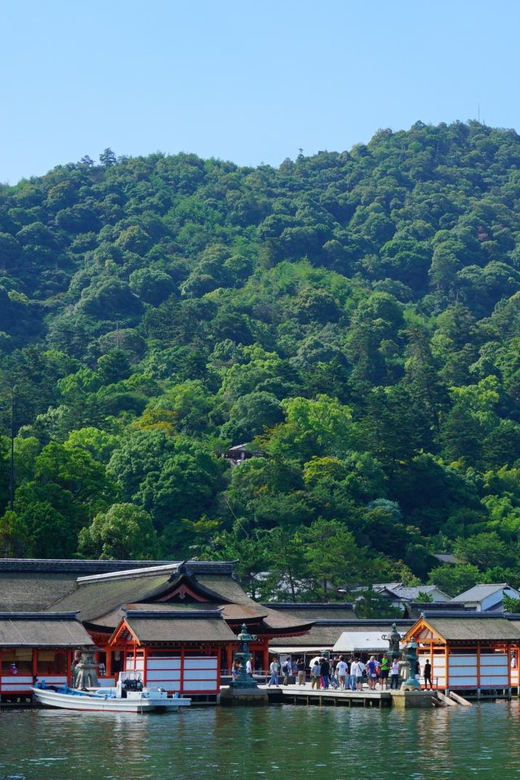
The walk to Daisho-in shifts the mood. Instead of the broad, open waterfront setting of Itsukushima Shrine, you enter a Buddhist temple complex filled with religious figures and smaller visual details.
Daisho-in is a major Shingon Buddhist temple. Statues appear throughout the grounds, greeting you along the paths and around the buildings. Some are large and formal, while others are easy to pass unless someone points them out.
This is where a guide earns the fee. Without context, you may notice only that there are many statues. With an explanation of Buddhist imagery and temple practice, the grounds become easier to read. You also get a better sense of how Shinto and Buddhism have both shaped Miyajima.
The temple visit involves walking and some uneven surfaces. It is not described as wheelchair suitable, and the full tour is not designed for wheelchair users. If you have mobility concerns, contact the operator before booking rather than assuming the route can be changed on the day.
Two Hours on Omotesando Shopping Street
After the religious sites, you get about two hours of free time on Omotesando Shopping Street. This pause is important. A nine-hour tour with constant guiding would feel exhausting, and the open block lets you choose your lunch and browse at your own speed.
Lunch is not included, so budget separately. You can use this time to try local dishes, buy sweets, browse souvenirs, or simply rest before the mountain section. The exact food choices are up to you, and the supplied details do not promise a particular restaurant or meal.
Miyajima is known for local specialties, and the shopping street is the most practical place to sample island food during this tour. You might find oysters, grilled seafood, or sweet treats, but availability and personal spending are your responsibility. The guide can help with orientation, but this is free time rather than a fixed food tasting.
Two hours gives you a reasonable chance to eat without rushing. Still, keep an eye on the meeting time. The ropeway and summit portion come later, and a long lunch or crowded shop can cut into the mountain schedule.
Riding the Miyajima Ropeway to Mount Misen
Mount Misen is the highest point on Miyajima, and the ropeway provides the easiest way to gain height. From the cabin, you get aerial views across the island and the Seto Inland Sea. This ride is one of the strongest parts of the day because it changes your view from shrine-level details to broad coastal scenery.
Ropeway rides can be affected by availability or operating conditions. The tour includes a ropeway ticket, but listed activities remain subject to availability. If a change is needed, the operator says it will contact you about alternatives.
At the upper station, you have a choice. You can stay near the Shishiiwa Observatory, close to the ropeway station, or continue toward the Mt. Misen Observatory at the summit.
The Shishiiwa option suits you if you want the views without a demanding climb. It also gives you a sensible fallback if heat, fatigue, or footwear becomes a problem. The summit route is described as steep and arduous, so do not treat it as a casual stroll after lunch.
Wear closed-toe shoes, ideally sturdy sneakers, if you want to make the summit walk. Comfortable clothes matter as much as footwear. In summer, temperatures can reach 32 degrees Celsius and higher, with heavy humidity. Sun protection, water, and light clothing are important. Winter temperatures can range from 1 to 10 degrees Celsius, so warm clothes and footwear suited to cold conditions are needed.
The summit reward is a more open view with fewer obstructions. If you enjoy walking and the weather is kind, the effort makes sense. If you are mainly interested in the ropeway scenery, staying near Shishiiwa is a perfectly reasonable choice.
The Return to the Ferry
After the mountain section, you ride the ropeway back down and walk toward the pier. This final stretch gives you another chance for last-minute purchases and photographs.
The return route can feel long by this point. You have already visited several religious sites, spent time shopping, and climbed the mountain. That is why the nine-hour length matters. This is not a light half-day outing that ends before your energy drops.
Your guide accompanies the group on the ferry back to the mainland and then on the final train to Hiroshima Station. The tour ends where it began, which is convenient if you have evening plans in the city.
Some particularly well-paced days have included both daytime views of the gate and a final low-tide visit near sunset. That depends on the date, tide chart, daylight, and the pace of the group. It is an appealing possibility, but you should not book this tour expecting a guaranteed sunset scene.
What the $180 Price Includes
At $180 per person, this is not the cheapest way to see Miyajima. You pay for a full nine-hour guided day, an English-speaking guide, entry fees, train and ferry transport, and the ropeway ticket. Lunch, personal purchases, and your trip to Hiroshima Station are extra.
The value is strongest if you want structure and explanation. A self-guided visit can cost less, especially if you already understand the train and ferry route and are comfortable arranging shrine and ropeway tickets yourself. The tour makes more sense if you want someone to manage the sequence and explain the religious sites as you go.
The group limit of 15 is another part of the value. It is not a private tour, but it is small enough for the guide to monitor the slower walkers and answer questions. Several guides, including Isabella, Miki, and Simarjeet, have been praised for adjusting timing and keeping the group moving without making the day feel rushed.
You also get flexibility within the fixed plan. The two-hour shopping break gives you control over lunch, and the Mount Misen section lets you choose between a shorter viewpoint visit and the summit walk.
Who Should Book This Tour?
I would recommend this outing to a first-time visitor to Hiroshima who wants Miyajima handled in one organized day. It suits you if you value clear explanations, do not want to plan several transport connections, and like combining major landmarks with a mountain viewpoint.
It is also a good fit for active visitors who can walk for much of the day and want the option of hiking to the summit. The small group is useful for solo visitors and couples who want company without joining a large coach tour.
You may want another plan if you dislike fixed schedules, need a very slow pace, or want to spend most of the day eating and shopping. The route includes free time, but the main sights and mountain ride take priority.
Book it if you want the full Miyajima picture in one day: sea gate, shrine, temple, food street, ropeway, and mountain views. Skip it if you prefer to explore at your own rhythm and are comfortable arranging the details yourself. For most first visits, the guide’s timing and cultural explanation are the main reasons to choose it.
FAQ
How long does the Miyajima tour last?
The tour lasts about nine hours, including travel between Hiroshima and Miyajima, sightseeing, free time, the ropeway ride, and the return trip.
Where is the meeting point?
Meet under the Tourist Information sign outside the Shinkansen gates at Hiroshima Station. If arriving by Shinkansen, the sign is directly to your left as you exit the gates.
What transportation is included?
Train and ferry transportation to and from Miyajima are included, along with the ropeway ticket.
Is lunch included?
No. Lunch is not included, but you receive about two hours of free time on Omotesando Shopping Street to choose a meal and shop.
Is the tour conducted in English?
Yes. The tour has a live English-speaking guide.
Can I walk to the O-torii gate?
The guide will try to schedule a walk toward the gate during low tide. Tide conditions vary, so the walk cannot be guaranteed at a specific time.
Is the hike to Mount Misen required?
No. At the upper ropeway station, you can stay near the Shishiiwa Observatory or choose to continue on foot to the Mt. Misen Observatory.
Is the tour suitable for wheelchair users?
No. The tour is not suitable for wheelchair users. It also includes substantial walking, and the Mt. Misen summit route is steep.
Just added around Hiroshima
- Full Day Hiroshima and Miyajima Tour by Bullet Train from Kyoto★ 4.5 · 120 reviews
- Hiroshima Saijo Sake Tasting Tour with visit to 7 Breweries★ 5.0 · 104 reviews
- The Peace Memorial to Miyajima : Icons of Peace and Beauty★ 4.5 · 31 reviews
- Shore Excursion from Hiroshima Port : Private Tour in Hiroshima★ 5.0 · 17 reviews
- Okunoshima Rabbit Island Cycling Tour with Local Guide★ 4.5 · 17 reviews
- Hiroshima & Miyajima All-Inclusive Tour w/Licensed guide Pancho★ 5.0 · 54 reviews
- Private Full Day Hiroshima Tour★ 4.5 · 29 reviews
- Hiroshima Private Tour with a Local – Highlights & Hidden Gems★ 4.5 · 24 reviews
Day Trips in Hiroshima, compared.
Peaceful Hiroshima & Miyajima UNESCO 1 Day Bus Tour
Our verdict →
Browse the lists this tour appears in