
Reviewed · OSAKA TOURS
Osaka Private Tour with Government-Licensed Guide
Osaka is easiest to understand when you connect its grand landmarks with its everyday food streets. This private tour lets you pair Osaka Castle with Kuromon Ichiba Market, then finish around working-class Shinsekai, rather than follow a fixed route.
I like the freedom to set your own priorities, and I like having a guide explain the city as you move through it. Guides such as Sachiko, Yama, Nabet, and Yuko have been praised for patience, planning, cultural insight, and careful route choices. The main drawback is that transportation, lunch, and entrance fees cost extra, and the tour uses public transport and cruising taxis rather than a private car.
Key points to know before booking
- Choose your own Osaka: Build a 4 to 8-hour route around history, food, shopping, culture, or a mix.
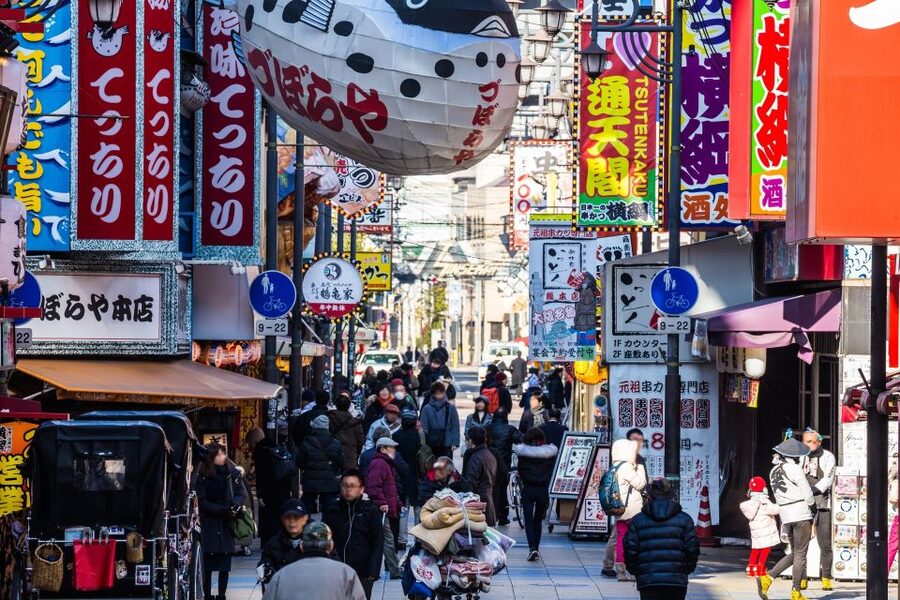
- Connect old and new Osaka: See Osaka Castle, Kuromon Ichiba Market, and the Shinsekai area in one custom day.
- Meet at your hotel or station: Your guide arrives on foot about 10 minutes before the agreed pickup time.
- Expect a walking and transit day: Public transportation and cruising taxis are used, with no private vehicle included.
- Plan for extra costs: You pay separately for your guide’s listed extras, including your own transport, food, and attraction admission.
- Private and wheelchair accessible: The booking is for a private group and is offered in English or Japanese.
A private route instead of a preset Osaka checklist
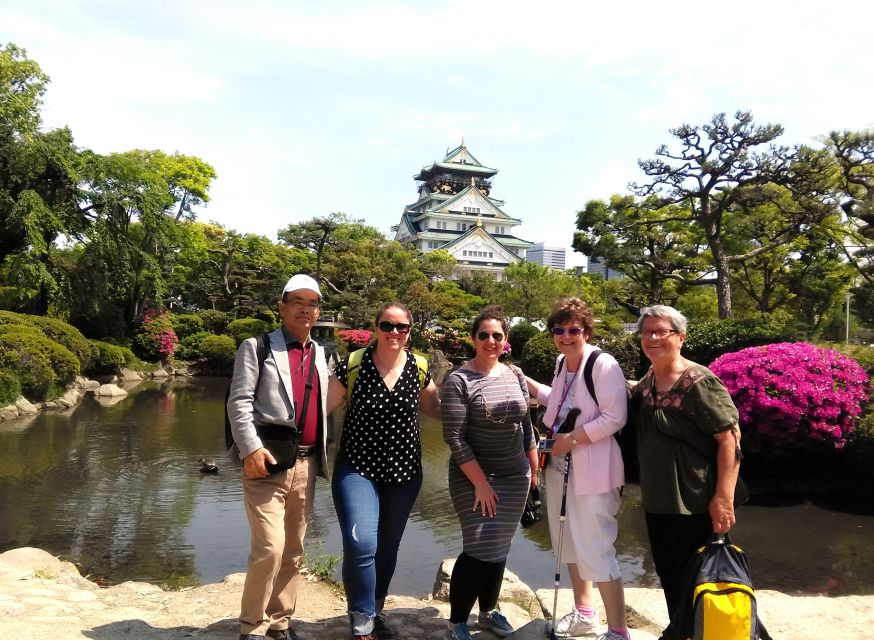
The best feature here is control. You can ask for a day built around Osaka Castle and city history, or shift the focus toward market food, shopping, and local neighborhoods. If your group has mixed interests, a private guide can shape the day around those differences instead of asking everyone to accept the same fixed schedule.
The available duration is 4 to 8 hours, so you have room to choose the pace. Four hours can work for a compact route with a few major stops. An eight-hour day gives you more time for food, conversation, and extra sights, but it also demands more energy. You should think of this as a walking day with city travel between stops, not a ride where you watch Osaka pass through a window.
Your guide meets you in your hotel lobby or at a train station you request. The pickup is on foot, and the guide waits about 10 minutes before the scheduled start. That arrangement is useful in a large city, since you do not need to find a distant meeting point on your own.
The guide then helps shape the route. Past guides have included Sachiko, Yama, Nabet, Mangimi, Yuko, and Yuka. The strongest pattern in the feedback is clear: guides have been patient, organized, and good at adapting to specific interests. That matters here because the tour’s value depends less on a fixed script and more on how well your guide uses your time.
A few more Osaka half-days worth comparing
- Osaka Go Karting Tour with Funny Costume
★ 5.0 · 2,658 reviews - Osaka Castle: Museum and Tower Entry Ticket
★ 4.5 · 2,380 reviews - Osaka: Shinsekai Food Tour with 13-15 Dishes at 5 Eateries
★ 4.8 · 2,204 reviews
Osaka Castle gives the day a grand opening
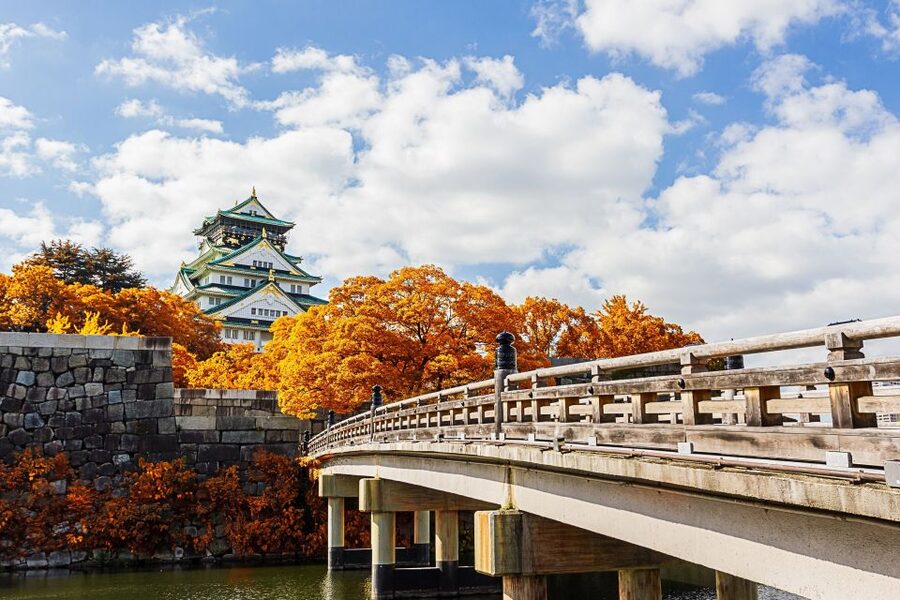
Osaka Castle is the obvious historic anchor. The castle was destroyed during the sieges of the 17th century and later rebuilt, giving you a useful way to discuss both Osaka’s past and its modern identity.
You can use this stop as more than a quick photograph. Ask your guide to explain what you are seeing, how the castle fits into the city, and which parts deserve your attention. The exact visit depends on your chosen plan, but the castle is one of the tour’s named highlights and a natural choice for anyone interested in Japanese history.
Entrance fees are not included. That is worth checking before you commit to an interior visit, since the price of the tour covers the guide rather than admission for you. If you prefer to spend more time outdoors, you can make the castle a shorter stop and use the saved time elsewhere.
The castle also shows why a private tour can be helpful. A guide can adjust the amount of historical explanation to your group. You can ask for a quick overview, or spend longer on the events behind the reconstruction. This flexibility is especially useful if some people in your party want history while others are more eager for food and neighborhoods.
Kuromon Ichiba Market puts Osaka on a plate
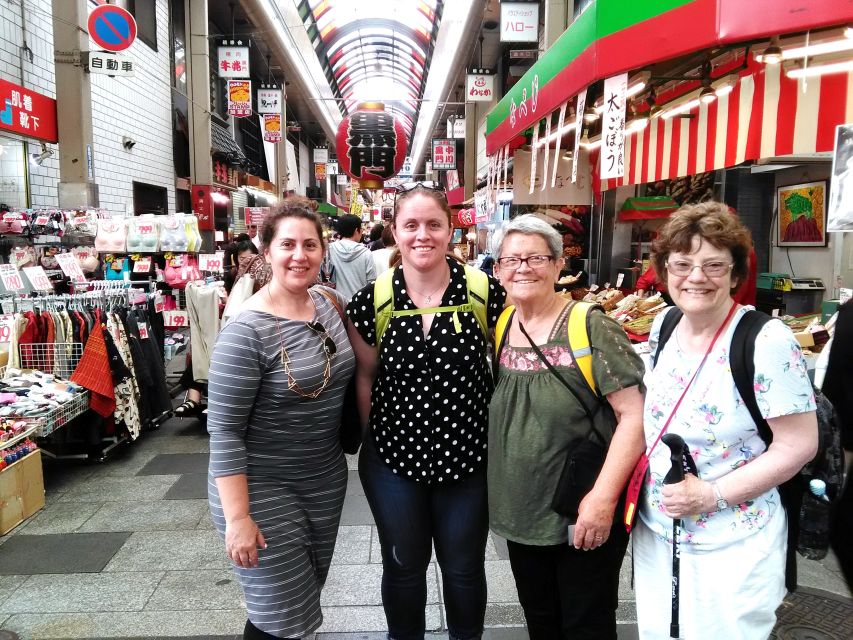
Kuromon Ichiba Market brings the day down from castle-scale history to street-level Osaka. You walk through a market filled with merchants calling out and selling local foods, with the chance to stop for snacks along the way.
This is one of the tour’s most appealing parts for food-minded visitors because you are not limited to a formal lunch. You can try several small items, ask what you are looking at, and let your guide help explain the market culture. One past guide, Yuko, took two sisters to a ramen bar, so your food stop may become a proper meal rather than only a series of bites.
Keep your budget flexible. Food is not included, and the activity does not promise a set tasting menu. That is a plus if you want to choose what interests you, but it means you should not expect every snack to be covered by the booking price.
The market may also be the point where your group needs to agree on a pace. One person may want to stop at every food counter, while another may prefer to keep moving. A private guide can help balance that, but you should tell the guide at the start how much time you want for eating and browsing.
Shinsekai shows a different side of the city
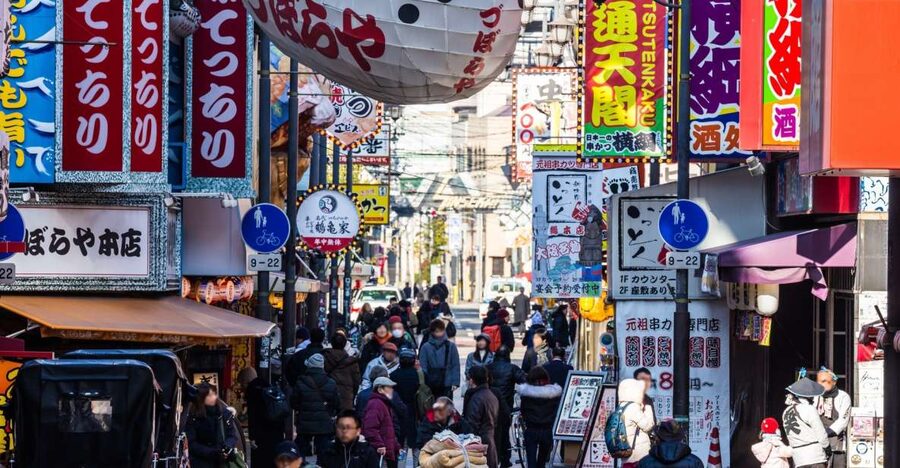
Lunch in Shinsekai gives the itinerary a strong local flavor. The area is described as a traditional working-class district, so it offers a contrast to the castle and the market. Instead of treating Osaka as a collection of famous sights, the route gives you a look at a neighborhood tied to ordinary city life and casual dining.
Lunch is not included, which keeps your choice open. You can decide how much to spend and what sort of meal suits your group. A guide can also point you toward places that match your interests, as guides have done with food and shopping suggestions during past tours.
Do not expect a polished sightseeing circuit here. Shinsekai is valuable precisely because it offers a different mood from Osaka’s grand landmark areas. If your ideal day is only major attractions, this stop may feel less essential. If you want to understand why Osaka is known for its food culture and direct, down-to-earth character, it adds welcome variety.
The best plan is to state your priorities early. Tell your guide if Shinsekai matters to you, or if you would rather spend that part of the day on another area. The route is designed to be adjusted.
More Private-Only Departures in Osaka:
- Osaka: Hotspots & Hidden Gems Walking Tour Private or Group
★ 4.9 · 1,300 reviews - Private Osaka Walking Tour: Highlights & Hidden Gems
★ 5.0 · 569 reviews - Osaka 4hr Private Tour with Government-Licensed Guide
★ 5.0 · 359 reviews - Osaka: Private Custom Walking Tour with a Local Guide
★ 4.6 · 97 reviews
Public transport keeps the tour personal, but not effortless
This is a private guided tour, not a private driving tour. You and your guide use public transportation and cruising taxis, and you pay your own transportation costs. The guide picks you up on foot, so you should be comfortable walking between the meeting point, stations, market streets, and sights.
That setup has two clear effects. First, you experience Osaka as a city connected by its normal transit system rather than from behind the windows of a private vehicle. Second, the day can involve more walking, waiting, and route changes than a car-based tour.
Transportation fees are not included, so include them in your budget. The $106 per-person price pays for a private guide and a custom experience, but it is not the total cost of the day. You also need to cover lunch, snacks, and any entrance fees.
For a group of two or more, the value comes from sharing one guide while keeping the route private. You are paying for help with orientation, explanations, and planning rather than for a luxury vehicle. If private transport is important to you, this is the wrong product. If you want someone to help you use the city and make better choices along the way, the arrangement makes more sense.
What the guide adds to the day
A good guide is most useful when your interests are specific. You might want cultural attractions, food, shopping, or a balance of old and new Osaka. The guide can explain the places you choose and help link them into a workable route.
Past guide feedback highlights several qualities worth valuing. Sachiko was praised for patience and courtesy. Yama was able to fit in requested sights and lunch. Nabet was described as organized and informative. Another guide, Yuka, helped cover a lot of ground while adding historical context. Mangimi gave practical ideas for food and shopping, and Yuko helped make a ramen stop part of the day.
These details suggest that the guide relationship is central. You should arrive with a short list of must-see places and a sense of how much walking your group can handle. Do not assume the guide will decide everything for you, since the activity is built around your choices.
The tour is offered in English and Japanese. It is also wheelchair accessible, though you should still discuss your preferred route with the guide when arranging the day. Accessibility does not remove the need to consider market crowds, public transit, and the amount of walking involved.
Is $106 per person a fair price?
At $106 per person, this is not a bargain sightseeing shuttle. You also pay your own transport, lunch, snacks, and attraction admission. The price makes more sense if you value a private guide who can respond to your group rather than a cheap, fixed group route.
For a first day in Osaka, the custom format can save mental effort. You do not have to plan every connection or decide how much time to spend at each stop alone. You can ask for advice about food, shopping, and city culture as the day develops.
The value is strongest for families, couples, and small groups with different interests. Someone who wants castle history can get it, while another person can focus on food or shopping. The value is weaker if you already know Osaka well, prefer to travel entirely on your own, or want a fixed all-inclusive price.
The flexible cancellation rule also reduces some booking risk. You can cancel up to 24 hours before the start for a full refund, and the reserve-now, pay-later option lets you hold a place without paying immediately. One important point needs attention: the tour is not confirmed until a guide contacts you. Most guides make contact within seven days, but if no guide accepts, the search can continue until 24 hours before the tour.
That uncertainty is unusual enough to take seriously. If your Osaka schedule is tight, wait for confirmation before treating the booking as final. If a guide cannot be found, you will be informed, and you can cancel without a fee when the stated timing applies.
Who should book this Osaka tour?
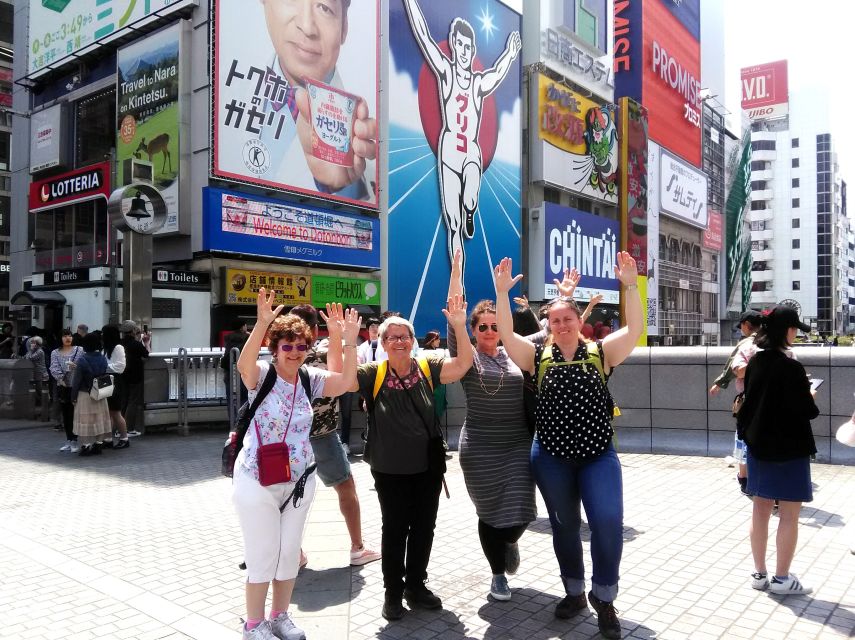
You should consider it if you want a private, adjustable day and prefer explanations to a quick list of photo stops. It suits first-time visitors who want help with Osaka’s major sights, food areas, and public transit.
It is also a good match for groups that already have a wish list. Tell the guide which cultural attractions matter most, then leave room for lunch and local food. The private format lets you avoid wasting time on places nobody in your group cares about.
You may want another option if you need a private car, an all-inclusive price, or a guaranteed fixed itinerary. You should also think carefully about the duration. Four hours is a compact outing, while eight hours is a full city day with more walking and added expenses.
Should you book it?
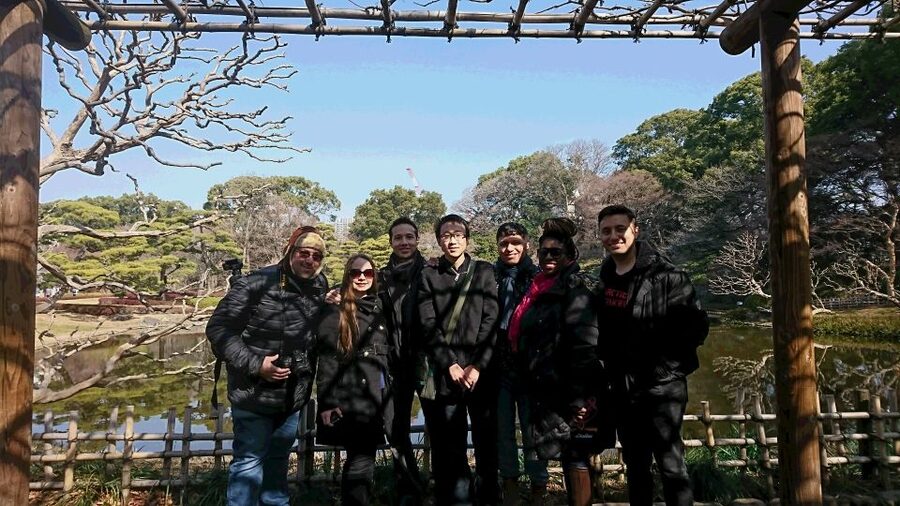
Book this tour if you want Osaka explained by a person who can adjust the plan as you go. The strongest reasons are the private format, the choice of language, and the chance to connect Osaka Castle with Kuromon Market and Shinsekai in one day.
Before paying, prepare three things: your must-see sights, your food interests, and your comfort level with walking and public transit. Also budget for transport, lunch, snacks, and admission. If those terms suit you, the $106 price buys useful local guidance and a day shaped around your own Osaka.
FAQ
How long does the Osaka private tour last?
The tour lasts from 4 to 8 hours. Available starting times depend on the date you select.
Where does the guide meet me?
The guide can meet you in your hotel lobby or at a train station you request. The guide arrives at the meeting point on foot about 10 minutes before the scheduled pickup time.
Is private transportation included?
No. The tour uses public transportation and cruising taxis, not a private vehicle. You pay your own transportation fees.
Are lunch and entrance fees included?
No. You pay separately for lunch, snacks, and entrance fees for yourself.
What languages are available?
The tour is available with a live guide speaking English or Japanese.
Is the tour private and wheelchair accessible?
Yes. It is offered as a private group experience and is wheelchair accessible.
Just added around Osaka
- Exclusive Sushi Making Experience with a Master Chef – Osaka Area★ 5.0 · 25 reviews
- Private Home-Style Cooking Class in Osaka with Local Mom Yoshiko★ 5.0 · 46 reviews
- Hidden Osaka – Yukaku Red Light Tour & Culinary Adventure★ 4.8 · 96 reviews
- Osaka: Walking Tour and Top Highlights★ 4.8 · 104 reviews
- Osaka: Private Ceramic Painting Workshop★ 5.0 · 13 reviews
- Pickleball in Osaka, Kobe & Kyoto with Locals!★ 4.7 · 80 reviews
- Eat Like a Local in Osaka – Private Custom Street Food Tour★ 4.3 · 33 reviews
- Osaka:SUMO BEATS SHOWCASE: Taiko Drum and Wagyu burger!★ 4.2 · 37 reviews
Osaka Tours, compared.

Shinsekai Food Tour with 13-15 Dishes at 5 Eateries
Our verdict →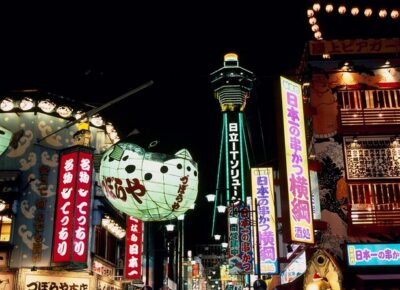
Hungry Osaka Street Food Tour:15 Tastings & 3 Drinks with a Local
Our verdict →

Deep Backstreet Osaka Tours (Option to add Dinner)
Our verdict →Browse the lists this tour appears in