
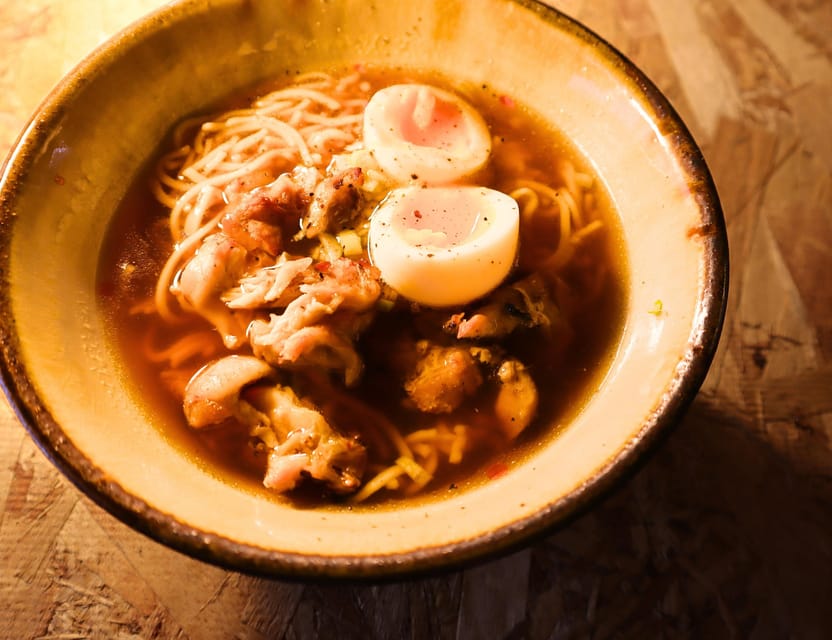
Reviewed · RAMEN & NOODLE TOURS
Osaka: Gluten-Free Ramen and Gyoza Cooking Class
The rare treat here is not simply eating gluten-free ramen in Osaka. It is learning how to make the noodles and gyoza wrappers yourself, then sitting down to eat the whole meal. Yuki’s small home class gives you time to ask questions, work at your own pace, and see how familiar Japanese dishes can be rebuilt without wheat.
I especially like the chance to make two types of ramen, including a less common tomato version, and the practical focus on recipes you can try at home. I also like the tiny group, limited to four people, which lets Yuki give calm, personal help rather than shout instructions across a busy kitchen.
The main consideration is the price: $103 per person is a serious outlay for a three-hour activity. It makes the best sense if you need gluten-free food, want a cooking lesson rather than a restaurant meal, or value the personal setting and recipes you take away.
Key points at a glance
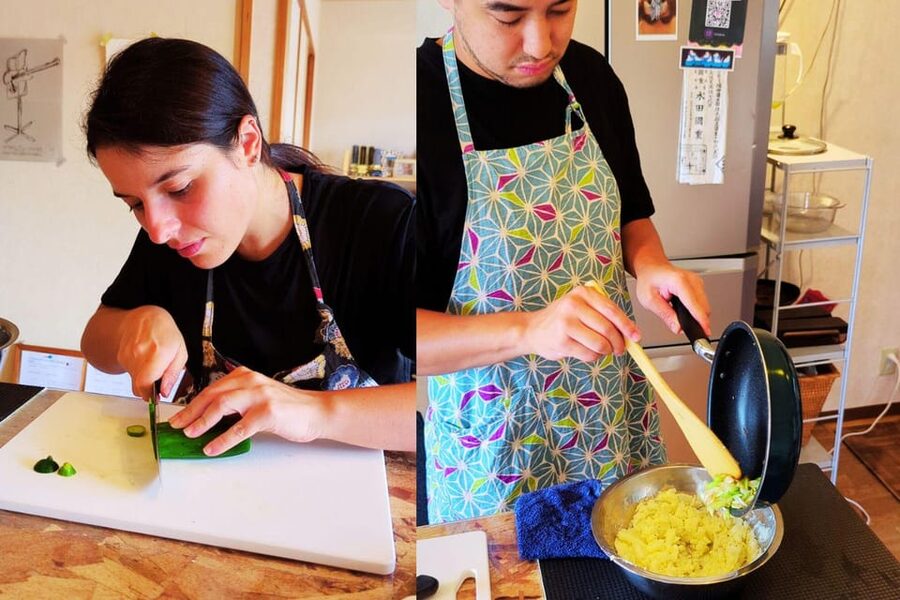
- Rice-flour ramen from scratch: Learn how to create gluten-free noodles with a chewy texture.
- Two ramen styles: Prepare savory soy sauce ramen and a tangy tomato ramen.
- Gyoza made by hand: Mix the filling, form rice-flour wrappers, fold the dumplings, and pan-fry them.
- A four-person maximum: The small group gives you direct help from Yuki throughout the class.
- A meal you actually cook: Your final meal includes the ramen and gyoza made during the lesson.
- Optional sake pairing: Add three 45-milliliter servings, including chilled Junmai, chilled Junmai Ginjo, and warm Junmai.
A quiet Osaka kitchen instead of a crowded food tour
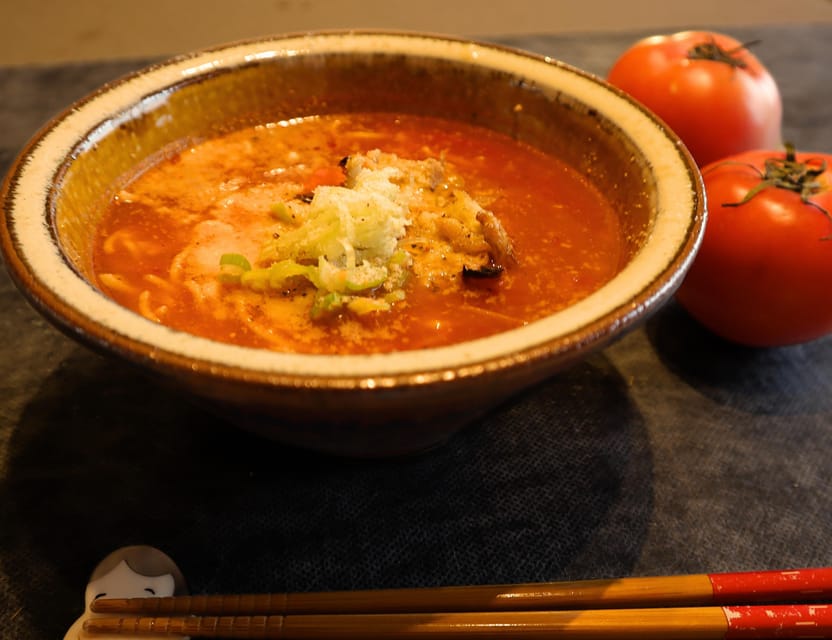
The class takes place at 4-19 Nukata-cho, about a five-minute walk from Nukata Station. You will be heading into a quiet neighborhood and looking for a welcoming sign at a clean, residential-style building. Detailed directions arrive after booking, which matters because this is a home setting rather than a large cooking school with a prominent storefront.
That location shapes the mood. You are not being moved from station to market to restaurant. You settle into one place, meet your instructor, and spend three hours working through a meal. The setting feels personal and direct, though you should be comfortable entering a home-style venue rather than expecting a formal commercial kitchen.
Yuki teaches in English and has more than ten years of professional culinary experience. Her teaching style, based on the structure of the class, is patient and step by step. You do not need prior cooking experience, and the small group means you can ask about flour, texture, folding, or seasoning as you go.
Wear comfortable clothes suitable for cooking. The practical advice is simple: arrive hungry, but also ready to work.
More Cooking Classes in Osaka
- Osaka: Ramen and Gyoza Cooking Class in Dotonbori
★ 5.0 · 378 reviews - Osaka Cooking Class: Okonomiyaki &Japanese cuisines experience
★ 5.0 · 261 reviews - Ramen and Gyoza Cooking Class in Osaka
★ 5.0 · 202 reviews
Starting with gluten-free ramen noodles
The first major task is making ramen noodles with rice flour. This is the part that gives the class its strongest value for anyone who avoids gluten. In many Japanese meals, wheat appears in places you might not expect, including noodles, wrappers, and soy sauce-based seasonings. Here, you learn how to make the noodle itself rather than just asking a restaurant to remove an ingredient.
Yuki guides you through the process step by step, with attention to the texture. Gluten normally helps wheat noodles hold together and develop elasticity, so making a satisfying rice-flour noodle requires a different approach. The lesson focuses on achieving a chewy result without wheat, a useful skill if you want to recreate the meal later.
Do not expect a quick demonstration followed by a bowl placed in front of you. You are part of the preparation team. That hands-on format can be messy and slower than ordering ramen, but it gives the meal a clear sense of purpose. You understand what went into the noodles before you taste them.
The recipes and tips are included, so this section has value beyond the afternoon in Osaka. You can return home with a method rather than a vague memory of a good meal. Still, success in your own kitchen may take practice. Handmade gluten-free noodles are a skill, not an instant souvenir.
Two bowls, two different ideas of ramen
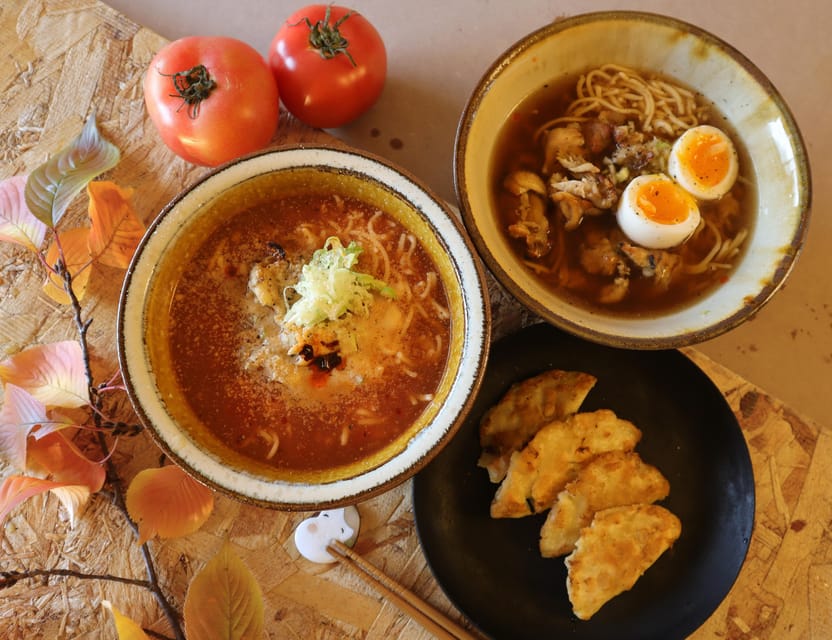
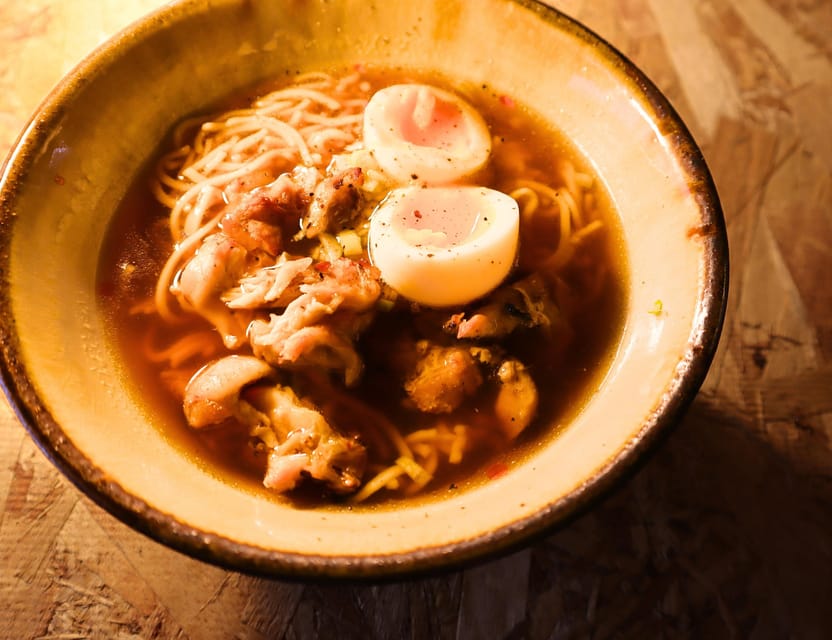
The class then moves into two ramen preparations: a classic soy sauce ramen and a tomato ramen. The soy-based bowl gives you a familiar Japanese flavor profile, with a savory broth designed to pair with the handmade noodles.
This is a useful lesson in balance. The noodles are not an isolated craft project. You see how broth, seasoning, and noodles need to work together in the finished bowl. The soy sauce ramen is likely to feel closest to the traditional style most people expect when they hear the word ramen.
The tomato ramen provides the contrast. It has a fresher, tangier character and shows how Japanese cooking can make room for newer combinations. Tomato ramen remains less common in Japan than more established ramen styles, so it gives the class a playful twist without abandoning the basic structure of noodles and broth.
Making both styles in one session also helps justify the price. You are not learning one dough and one soup, then stopping. You compare two broths and see how the same handmade noodle can work with different flavors. For a home cook, that is more useful than a single fixed recipe.
The tradeoff is time. Since you make noodles, two ramen preparations, gyoza wrappers, filling, and dumplings within three hours, the pace may feel active. Yuki’s teaching experience and the small group help, but this is not a slow, leisurely meal from the beginning. The eating comes after the work.
Rolling rice-flour gyoza wrappers
After the ramen, you turn to gyoza. The wrappers are made from rice flour, continuing the class’s focus on replacing wheat without giving up the shape and pleasure of a familiar Japanese dish.
This is one of the most useful parts for anyone with gluten-free needs. Packaged dumpling wrappers can be difficult to find in some places, and restaurant gyoza usually contain wheat. Learning to form your own gives you another way to cook a favorite food at home.
The wrapper stage is hands-on. You work with the dough, shape the pieces, and prepare them for filling. The process takes more care than using store-bought wrappers, so you should expect a real cooking lesson rather than a shortcut. That extra effort is part of the point.
Yuki explains the techniques in English and Japanese, with attention to beginners. You do not need to arrive knowing how dumpling dough behaves. If you have cooked before, you may enjoy the chance to refine your handling and folding instead of simply following a recipe card.
More Ramen Tours in Osaka
- Osaka: Five Must-See Highlights Walking Tour & Ramen Lunch
★ 4.7 · 411 reviews - Osaka: Cooking Class Ramen & Gyoza Course in Nanba
★ 4.9 · 86 reviews - 90 min Shared Handmade Udon Experience
★ 5.0 · 70 reviews
Filling, folding, and getting the crisp edge right
Once the wrappers are ready, you prepare a savory filling and learn to fold the dumplings. Gyoza folding is one of those small kitchen skills that looks easy until you try to make a neat row of them. Yuki shows you how to create the shape, and you get repeated practice rather than making just one decorative dumpling.
The goal is not only appearance. The fold helps hold the filling inside while the dumpling cooks. You then pan-fry the gyoza to produce the desired contrast: a crisp, golden exterior with a tender inside.
This is likely to be the most social part of the class. Everyone has a task, and the finished dumplings give you a visible measure of progress. Even if your first folds look uneven, the meal still rewards the effort.
The cooking method also gives the class a practical home-kitchen focus. You are not learning a restaurant-only technique that requires special equipment. The emphasis is on steps you can repeat later, using the recipes and tips provided.
As with the noodles, there is a small learning curve. Gluten-free wrappers can be less forgiving than wheat wrappers, and handmade dumplings take patience. That is not a flaw in the activity, but it is worth knowing before you book. You are paying for instruction and participation, not just a guaranteed picture-perfect plate.
Eating the meal you prepared
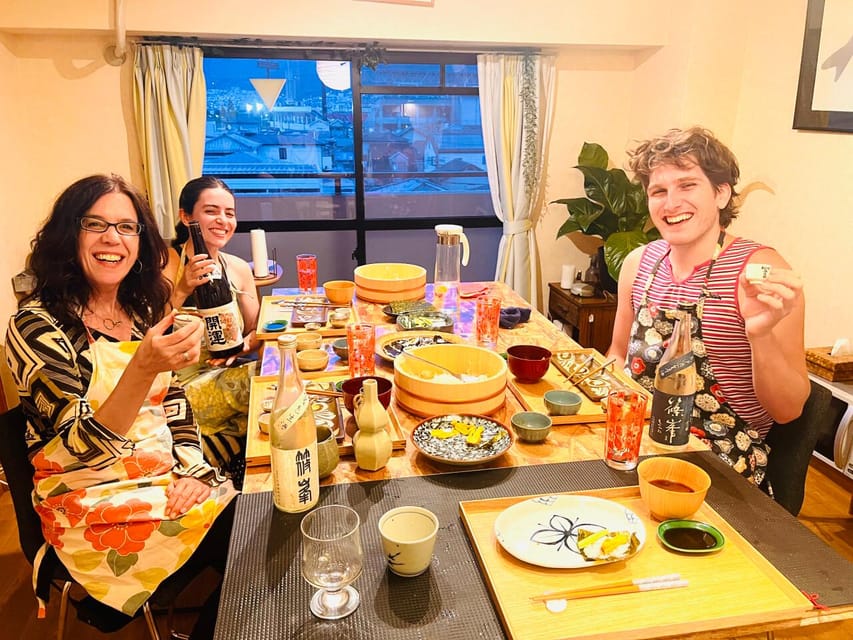
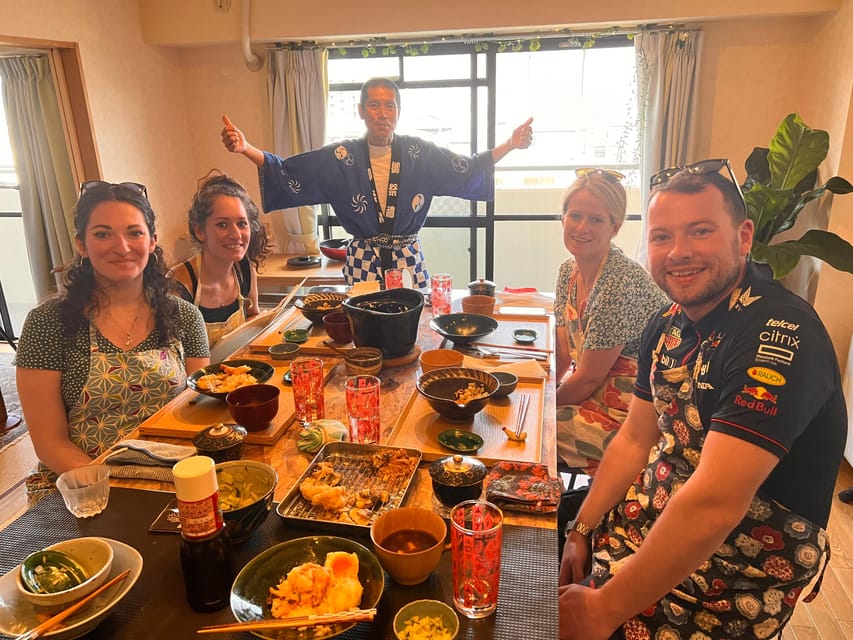
When the cooking is finished, you sit down in a cozy dining area and eat your own ramen and gyoza. This final meal is included in the price, and it is more satisfying because you have handled each stage yourself.
You get to taste the difference between the soy sauce and tomato ramen, then compare both with the pan-fried dumplings. Yuki can explain how the flavors fit together and how the sake pairing changes the meal if you choose that add-on.
The full meal also makes this a good choice for travelers who want a break from restaurant dining. Osaka has no shortage of places to eat, but another bowl served to you will not teach you much. Here, the meal is the result of three hours of work and conversation.
The home setting adds warmth, but it also means the experience is intimate rather than polished like a culinary institute. If you prefer a large professional kitchen, a printed demonstration, or a fast food-focused tour, this may feel too personal. If you like sitting down with the person who taught you, the setting is a major part of the appeal.
Optional sake in three small servings
You can add a sake pairing with three 45-milliliter servings. It includes a chilled Junmai, a chilled Junmai Ginjo, and a warm Junmai. The small pours let you compare styles without turning the cooking class into a drinking event.
The pairing is most useful after the cooking is done. You can taste how chilled sake works with the savory ramen and gyoza, then compare it with the warm serving. Yuki also explains how each choice complements the dishes.
This is optional, so you can skip it if you do not drink alcohol or want to keep the cost lower. The cooking class remains the central activity. If you do choose the pairing, treat it as a small food-and-drink lesson rather than a full tasting session.
What the $103 price really buys you
At $103 per person, this class costs more than a casual ramen meal. The comparison is not quite fair, though. You are paying for three hours of instruction, ingredients, a full meal, recipes, personal guidance, and a group capped at four people.
The price is strongest for a person with celiac disease, gluten intolerance, or a serious interest in gluten-free Japanese cooking. Finding wheat-free ramen and gyoza in Japan can be difficult, and the class gives you a way to understand and recreate those dishes.
It also works for couples or friends who want a shared activity. You are not just sitting across a table from one another. You are making noodles, folding dumplings, and solving small kitchen problems together.
For a budget-conscious visitor who simply wants to eat ramen, the value is weaker. A restaurant meal will cost less and take far less time. Book this for the instruction, the home setting, and the recipes, not because it is the cheapest way to get lunch.
The reserve-now, pay-later option and free cancellation up to 24 hours before the class make planning easier. Starting times vary, so you need to check availability when booking.
Who will enjoy this class most
This class suits you best if you:
- Need or prefer gluten-free food and want reliable preparation from scratch.
- Like hands-on activities more than sightseeing from a distance.
- Want to learn techniques you can use after returning home.
- Enjoy small groups and direct contact with the instructor.
- Are curious about both traditional and newer Japanese flavors.
- Want a meal that feels connected to the work behind it.
It is also suitable for complete beginners. Yuki’s role is not simply to cook in front of you. She walks you through the process and answers questions, which makes the format accessible even if you rarely make noodles or dumplings.
You may want to skip it if your Osaka schedule is packed, you dislike cooking, or you are looking for a large group social event. With a four-person limit, the atmosphere is close and calm, not loud or party-like.
The activity is listed as not suitable for people over 95. Comfortable clothing is the only specific item you need to bring.
Should you book Yuki’s Osaka cooking class?
I would book this if gluten-free eating is important to you, or if you want an Osaka activity that teaches a real skill instead of adding another restaurant stop. The combination of handmade rice-flour noodles, two ramen bowls, gyoza, and a full meal gives you plenty to do during the three hours.
The strongest reason to choose it is Yuki herself. Her professional background and patient teaching style match the small home setting, and the class is built around helping you succeed rather than showing off complicated cooking tricks.
At $103, it is not a bargain meal. It is a personal cooking lesson with food included. If that sounds like a good use of part of your Osaka budget, this is a focused, friendly choice with unusually strong value for gluten-free diners.
FAQ
Where does the cooking class take place?
The class takes place at 4-19 Nukata-cho in Osaka, about a five-minute walk from Nukata Station. The venue is a residential-style building with a welcoming sign at the entrance.
How long does the experience last?
The cooking class lasts three hours. Starting times vary, so check availability when booking.
How many people can join?
The group is limited to four participants, creating a small setting with direct help from Yuki.
Is the class taught in English?
Yes. English instruction is provided. The instructor can also explain techniques in Japanese.
Do I need cooking experience?
No. The class is suitable for beginners, and Yuki explains the steps and techniques as you work.
What food will I make?
You will make gluten-free ramen noodles from rice flour, soy sauce ramen, tomato ramen, gyoza wrappers, gyoza filling, and pan-fried gyoza.
Is sake included?
Sake is optional rather than part of the standard class. The pairing includes three 45-milliliter servings: chilled Junmai, chilled Junmai Ginjo, and warm Junmai.
What is included in the $103 price?
The price includes the hands-on cooking class, personal instruction, recipes and tips, and a full meal made from your creations. Transportation to the venue is not included.
Just added around Osaka
- Exclusive Sushi Making Experience with a Master Chef – Osaka Area★ 5.0 · 25 reviews
- Private Home-Style Cooking Class in Osaka with Local Mom Yoshiko★ 5.0 · 46 reviews
- Hidden Osaka – Yukaku Red Light Tour & Culinary Adventure★ 4.8 · 96 reviews
- Osaka: Walking Tour and Top Highlights★ 4.8 · 104 reviews
- Osaka: Private Ceramic Painting Workshop★ 5.0 · 13 reviews
- Pickleball in Osaka, Kobe & Kyoto with Locals!★ 4.7 · 80 reviews
- Eat Like a Local in Osaka – Private Custom Street Food Tour★ 4.3 · 33 reviews
- Osaka:SUMO BEATS SHOWCASE: Taiko Drum and Wagyu burger!★ 4.2 · 37 reviews
Ramen & Noodle Tours, compared.
Eat and Drink Like a Local: Tokyo Ueno Food Tour-Taverns&Ramen
Our verdict →

Five Must-See Highlights Walking Tour & Ramen Lunch
Our verdict →
Professional Ramen & Gyoza with Ramen Chef in a restaurant!
Our verdict →
Popular in SapporoExperience authentic hand-made soba at a real soba shop!
Our verdict →
Browse the lists this tour appears in