
Reviewed · NAGASAKI TOURS
Nagasaki: Private Tour with Local Guide
Nagasaki is a city that rewards a guide who can connect its difficult past with its lively streets. This private walking tour gives you that chance, moving from the Peace Park and Atomic Bomb Museum to Chinatown, Oura Church, and Glover Garden, with room to adjust the day to your interests.
I like the personal planning, especially because guides such as Yoshi, Rikako, and Kuribayashi-san have taken time to ask about interests before meeting. I also like the mix of serious and everyday Nagasaki: peace memorials, Christian heritage, port culture, and local noodles all fit into one day.
The main drawback is cost control. The $109 price covers your guide and private tour, but not entry fees, meals, or transport during the tour. A walking route keeps expenses down, while a taxi or public transport makes more of the city possible but adds to the bill.
Key points to know before booking
- The route is yours to shape: Choose a four-hour or six-hour tour and tell the guide what matters most to you.
- The Peace Park and Atomic Bomb Museum bring emotional weight: Allow time to think, not just to collect photos.
- Local guides add personal context: Rikako has shared details about life in Nagasaki, while Yoshi has been praised for thoughtful route choices.
- The six-hour route covers very different sides of the city: Expect memorial sites, Chinatown, Christian landmarks, and western-style homes.
- The tour is private: You can ask questions freely and adjust the pace without keeping up with a large group.
- Transport is flexible but not included: Pickup is on foot when practical, and taxis or public transport cost extra.
Why a private guide helps in Nagasaki
Nagasaki can feel like several cities joined at the same harbor. It is a place of remembrance, a former gateway for international trade, and a city with strong Christian and western connections. The key sights are not all clustered in one easy pedestrian zone, so a guide can help you use your time well.
You begin by meeting your guide at your hotel if it is within a reasonable walking distance. The guide waits in the lobby about 10 minutes before the agreed pickup time. From there, you can follow a suggested plan or build the day around a theme such as wartime history, foreign influence, religious heritage, food, or general sightseeing.
That flexibility matters. A family with older children may want a shorter visit to the museum and more time in Chinatown. A first-time visitor may prefer the full six-hour route. Someone arriving from a cruise ship may need careful timing and a compact plan. The operator can arrange public transport or a taxi if walking the full route is not practical, but those costs are extra.
The English quality may vary by guide. Most of the available feedback is strongly positive, with an overall score of 4.8 from 18 ratings, but one person reported very weak English and felt the guide had to check basic details during the tour. I would contact the local partner early, explain your interests clearly, and confirm that the guide’s language level suits your needs.
A few more Nagasaki half-days worth comparing
- Nagasaki: Private Walking Tour with a Local
★ 4.7 · 79 reviews - Nagasaki Full-Day Private Tour with Government-Licensed Guide
★ 5.0 · 66 reviews - Nagasaki Half-Day Private Tour with Government-Licensed Guide
★ 5.0 · 53 reviews
The Peace Park and the Nagasaki Hypocenter
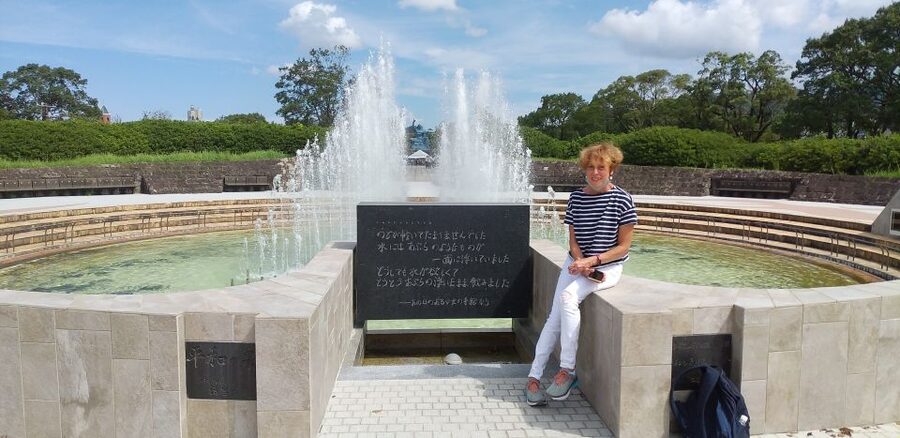
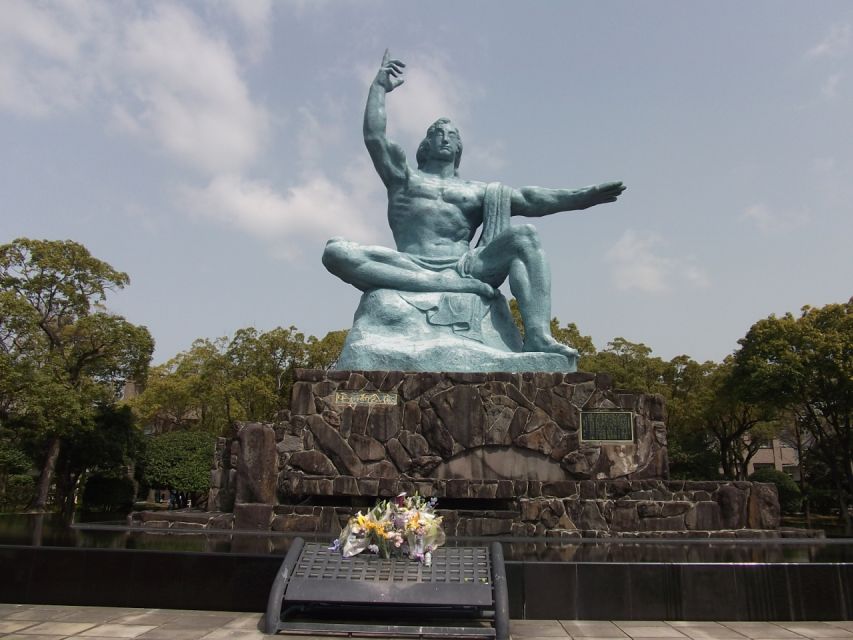
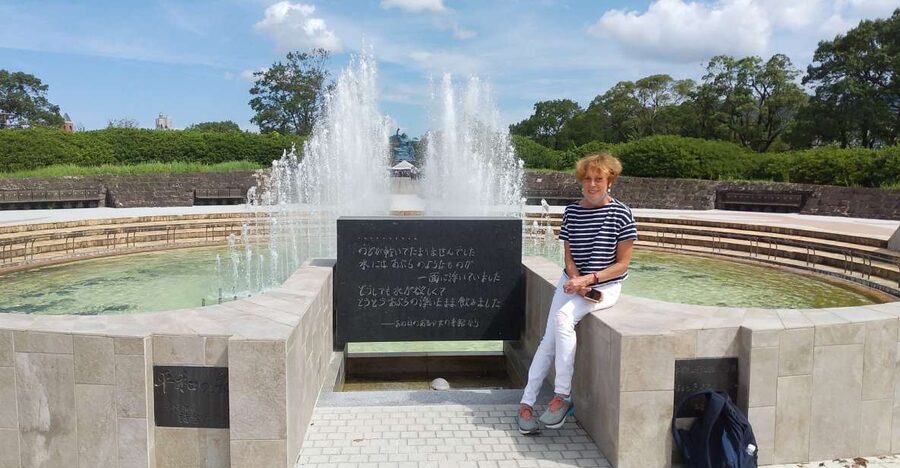
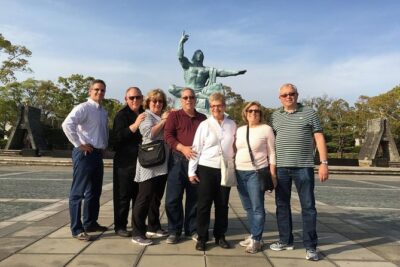
The usual six-hour route begins at Nagasaki Peace Park, where the large Peace Statue gives the city a clear public symbol. This is not a quick photo stop. Your guide can explain how the park fits into Nagasaki’s ongoing work for peace and why the city presents remembrance as a message aimed at the whole world.
From there, you walk through Hypocenter Park, built at the site of the atomic bomb’s blast. The cenotaph and surviving wall from Urakami Cathedral make the scale of the destruction easier to grasp. These are quiet, direct reminders, and they can be more affecting than a long explanation.
I would not rush this part of the tour. Nagasaki’s memorial sites ask for attention, and a private guide lets you pause or ask questions without worrying about a group schedule. If you are traveling with children, tell the guide in advance so the pace and amount of detail can be handled with care.
The park area also helps place the Atomic Bomb Museum in context. You first see the physical setting, then move indoors to learn how the attack affected the city and what followed. That order makes the museum visit easier to understand.
The Atomic Bomb Museum and a difficult lesson
The Nagasaki Atomic Bomb Museum presents the bombing, its human cost, and the city’s efforts to promote peace between nations. Exhibits include artifacts recovered in the years after the attack, along with material that explains what happened before and after the blast.
This is one of the most important stops on the tour, but it is also the most emotionally demanding. You may find the museum difficult, particularly if you have come to Nagasaki expecting only scenic streets and historic buildings. That is part of the point. A visit here gives meaning to the Peace Park rather than leaving it as a symbolic plaza.
A private guide is useful because you can ask for background in plain language and decide how much discussion you want. The guide can also connect the museum to the memorial sites you have already seen. I would plan a little breathing room afterward instead of scheduling a rushed lunch immediately at the museum exit.
The museum requires an entrance fee, which is not part of the tour price. The same applies to other paid sights on the route, so keep some extra money available.
Chinatown, port exchange, and Nagasaki noodles
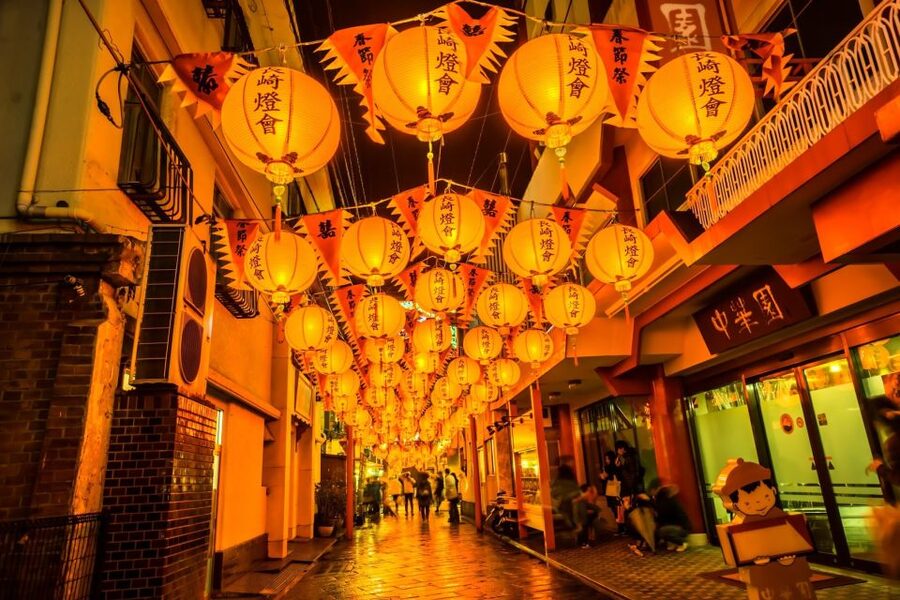
The move to Chinatown changes the mood. Nagasaki’s port helped bring people, goods, and ideas from East and West into contact over many centuries. In Chinatown, your guide can explain how that contact shaped the city’s food and culture.
Lunch is not included, but this is a good place to try local dishes. Chanpon noodles combine noodles, seafood, meat, and vegetables in a hearty bowl. Sara Udon uses crisp noodles with a savory topping. These dishes are practical choices for a busy walking day, though you should budget separately for food and drinks.
I like this part of the route because it keeps the day from becoming a string of solemn monuments. You see how Nagasaki is lived in now, while still learning why its port mattered. Ask your guide for help choosing between the two noodle dishes if you are unsure, or simply sample one each if your group is hungry.
The walking route may involve hills or extended time on your feet, although the precise route depends on your interests and mobility. Wheelchair access is available for the experience, but tell the local partner about your needs before the day so the route and transport can be planned properly.
More Private-Only Departures in Nagasaki:
- Nagasaki Street Food Adventure: Private Walking Tour with a Local
★ 5.0 · 26 reviews - Nagasaki Private Tour with a Local – Highlights & Hidden Gems
★ 5.0 · 24 reviews - Semi Private Guided Tour of Nagasaki.
★ 5.0 · 17 reviews - Nagasaki Private Customizable Half Day Tour
★ 5.0 · 16 reviews
Oura Church and Nagasaki’s Christian story
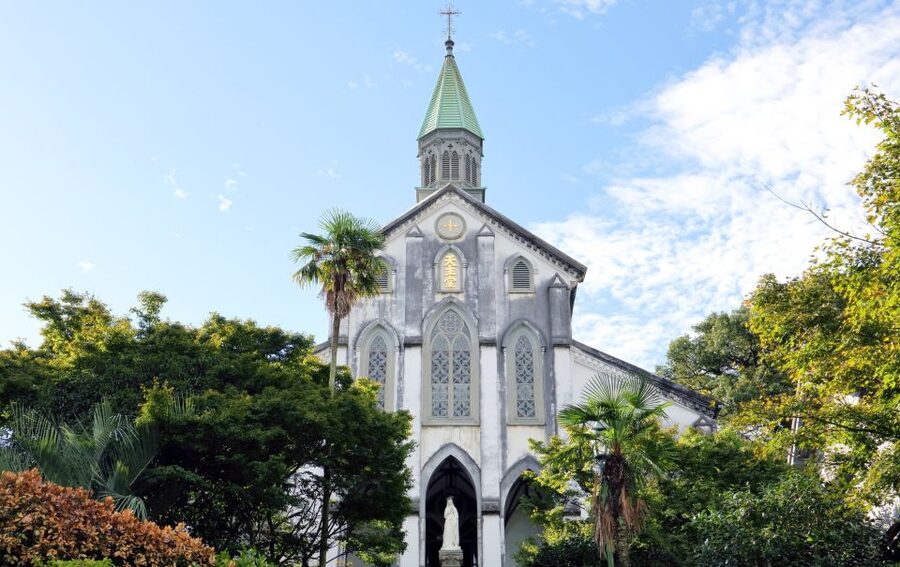
After lunch, the sample itinerary continues to Oura Church. Built in the mid-1800s, it served Nagasaki’s Christian community and is recognized as Japan’s oldest surviving church. It is also designated a National Treasure.
The church adds a different layer to the city’s story. Nagasaki’s connections with Christianity are closely tied to its international port and its long contact with foreign merchants and missionaries. The building gives you something concrete to look at while your guide explains how religion and foreign contact shaped local life.
Entry is not included, so check the current fee when planning your budget. The visit is worthwhile for anyone interested in architecture, religion, or Japan’s relationship with the outside world. If your main interest is the atomic bomb memorials, you may prefer to spend more time at the Peace Park and museum and ask for a shorter stop here.
One useful feature of a private tour is that you do not have to treat the sample itinerary as fixed. You can request Oura Church, skip it, or pair it with another nearby sight if the timing works.
Glover Garden and the western homes above the harbor
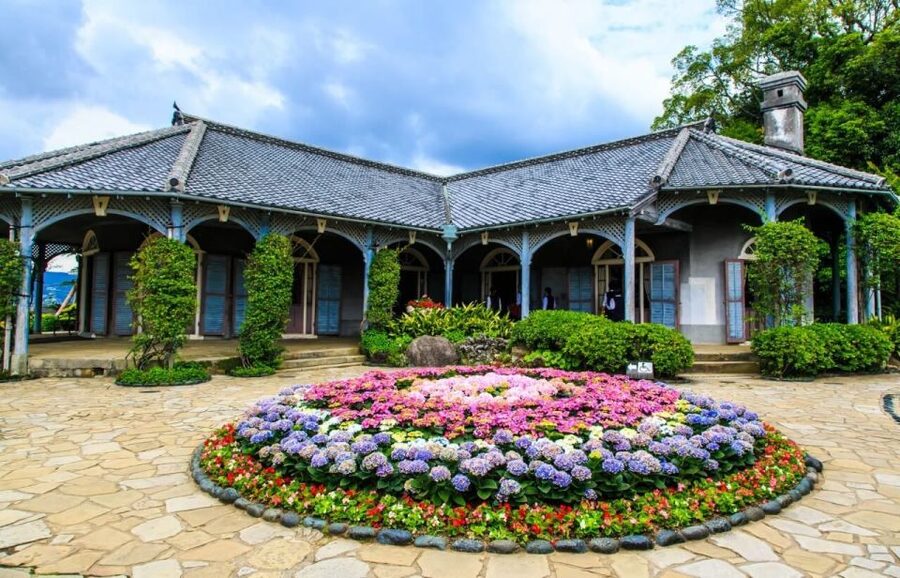
Glover Garden gathers western homes and buildings that were moved and reassembled around the house of Thomas Blake Glover, a Scottish entrepreneur. The setting links Nagasaki’s port trade with the foreign residents who helped shape the city during Japan’s opening to the outside world.
This is one of the more scenic sections of the route, but it is not only about views or attractive houses. The buildings show how foreign merchants lived and worked in Nagasaki, and the guide can help you read the site as part of the city’s economic story.
Glover Garden also gives the tour a lighter closing note after the memorial sites and museum. You can look at the buildings, ask about the people connected with them, and compare this western influence with the Chinese influence seen in Chinatown.
Entry costs extra, and a six-hour tour is the better choice if you want both Glover Garden and the earlier memorial sites without racing. On a four-hour tour, you may need to choose between a broad overview and longer visits at fewer places.
What the guides add to the day
The strongest part of this experience is the chance to have a real conversation rather than listen to a fixed script. Guides have adjusted routes after asking about interests, answered many questions patiently, and added explanations about Japanese language and culture.
Rikako, for example, has been praised for combining historical information with language and cultural context, as well as personal details from her life in Nagasaki. Yoshi has been described as choosing activities that fit the group well and bringing a clear sense of purpose to the Peace Museum and memorial. Kuribayashi-san has helped first-time Japan visitors find places they would not have discovered on their own.
Those names are examples, not a promise that you will receive a particular guide. The booking is not final until a guide contacts you, and the local partner may continue looking for one until close to the tour date. If a guide is not available, you will be informed and can cancel without a fee up to 24 hours before the start.
I would send a short message with your priorities as soon as possible. Mention your preferred pace, interest in the memorial sites, food needs, mobility concerns, and whether you want more time for photographs or explanation. That gives the guide useful material before the meeting.
Is $109 good value?
At $109 per person, this is not the cheapest way to see Nagasaki. It becomes better value when you use the guide’s planning and conversation well. A private four-hour tour gives you personal attention, while the six-hour option lets you cover the main sights without trying to solve the route yourself.
The price includes a licensed local guide and a personalized private tour. It does not include food, drinks, entrance fees, transport to the meeting point, or public transport and taxis used during the tour. If you choose taxis, the final cost rises.
For a couple or small private group, the price can make sense, particularly if you want historical context at the Peace Park and museum. It is also useful for a short stay when every hour matters. If you are comfortable reading maps, using public transport, and visiting museums on your own, buying individual admissions and planning your route yourself will cost less.
The real value lies in the tailoring. You are paying for someone to adjust the day around your questions and interests, not simply to lead you from one fixed stop to the next.
Four hours or six hours?
Choose four hours if you want a focused introduction. You might concentrate on the Peace Park and Atomic Bomb Museum, then add either Chinatown or the Oura and Glover area. This length works well if you have limited time or do not want a full day on foot.
Choose six hours for the complete sample route. It allows time for the memorial sites, museum, Chinatown lunch, Oura Church, and Glover Garden. You still need to keep moving, but the day will feel less compressed.
The tour operates rain or shine, so wear suitable shoes and bring protection from the weather. Since the activity is mainly a walking tour, ask about public transport or a taxi if the weather, distance, or mobility needs make a fully walking route uncomfortable.
Who should book this Nagasaki tour?
I would recommend it most strongly to first-time visitors who want Nagasaki explained by a local person. It suits couples, families, cruise passengers, and small private groups that want to control the pace.
It is especially useful if you want several subjects in one day: the atomic bombing and peace work, port trade, Chinese food culture, Christianity, and western architecture. The private format also helps if one person in your group has many questions or if you need a slower route.
You may want to skip it if your only goal is a low-cost, self-guided walk. You should also think carefully about the emotional weight of the Peace Park and museum. These places matter, but they are not casual sightseeing stops.
FAQ
How long does the Nagasaki private tour last?
You can book either a four-hour or six-hour private tour. Starting times depend on availability.
What languages are available?
The tour is offered in English or Japanese. The guide contacts you before the tour to confirm arrangements.
Can I choose the sights?
Yes. The experience is customizable. You can request places and interests, or let the guide plan the route.
Is hotel pickup included?
Pickup from your accommodation is included when it is within a reasonable walking distance. The guide waits in the requested hotel lobby about 10 minutes before the scheduled time.
Are entrance fees, lunch, and transport included?
No. Food, drinks, entrance fees, transport to the meeting point, and public or private transportation used during the tour are extra.
Is the tour wheelchair accessible?
Yes, the experience is described as wheelchair accessible. Contact the local partner before the tour so your route and transport needs can be discussed.
Should you book it?
Book this tour if you want Nagasaki to make sense, not just a list of places to photograph. The strongest plan is the six-hour route with the Peace Park, Atomic Bomb Museum, Chinatown, Oura Church, and Glover Garden, provided you are comfortable with the added cost of admissions, lunch, and transport.
For a shorter visit, choose four hours and tell the guide your top two priorities. The private format, local knowledge, and ability to ask direct questions make this a solid choice for first-time visitors. Just confirm communication in advance, allow time for the serious memorial sites, and remember that the $109 price is the starting cost rather than the full day’s expense.
Just added around Nagasaki
- Visit Gunkanjima Island (Battleship Island) in Nagasaki★ 4.0 · 32 reviews
- Nagasaki: Private Walking Tour with a Local★ 4.7 · 79 reviews
- Tour Nagasaki or Fukuoka in Privacy and Comfort.★ 5.0 · 17 reviews
- Nagasaki Street Food Adventure: Private Walking Tour with a Local★ 5.0 · 26 reviews
- Nagasaki Private Tour with a Local – Highlights & Hidden Gems★ 5.0 · 24 reviews
- Nagasaki WW2 History and Culture Tour★ 5.0 · 19 reviews
- Nagasaki Private Customizable Half Day Tour★ 5.0 · 16 reviews
- Nagasaki Full-Day Private Tour with Government-Licensed Guide★ 5.0 · 66 reviews
Nagasaki Tours, compared.
Visit Gunkanjima Island (Battleship Island) in Nagasaki
Our verdict →
Browse the lists this tour appears in