
Reviewed · DESSERT TOURS
Wagashi traditional japanese sweets class
The special part of this Sapporo activity is that you leave the city center and enter Yuki’s own home, where traditional Japanese sweets become a hands-on craft. You’ll shape nerikiri, a delicate bean-paste sweet, then enjoy it with matcha while learning how wagashi connects food, seasons, and Japanese life.
I like the small-group setting, with no more than 12 people, and the personal station pickup that Yuki has provided for many participants. I also like that you get more than a recipe: Yuki explains the sweets, offers local restaurant tips, and sends you home with written instructions. The main thing to consider is location. Makomanai is away from central Sapporo, so this is not a quick activity between sights in Odori and Susukino.
Key points to know before booking
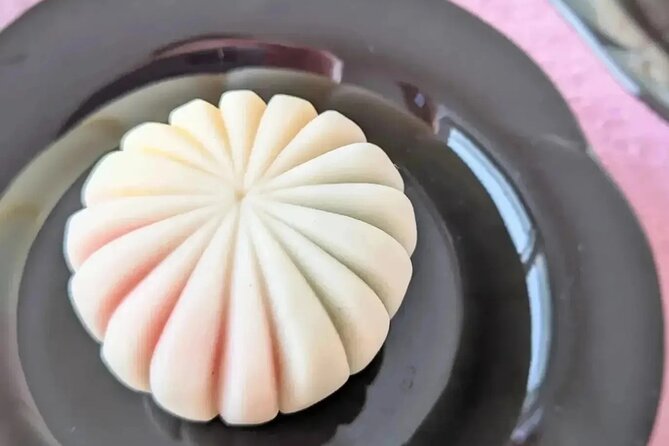
- Make nerikiri in Yuki’s home: Learn to shape one of Japan’s prettiest traditional sweets in a warm, local setting.
- Meet at Makomanai Station: Pickup may be offered, but confirm the details after booking and allow time to reach southern Sapporo.
- Enjoy matcha and conversation: The class includes tea, cultural explanation, and time to talk with Yuki about Japan and Hokkaido.
- Expect a hands-on challenge: The sweets look simple, but fine shaping takes patience and focus.
- Take home your work: Yuki has packed finished sweets in containers for participants to enjoy during the rest of their trip.
- Best for curious food lovers: This suits families, couples, small groups, and anyone who wants a quiet break from standard sightseeing.
Why this wagashi class feels different from a standard cooking lesson
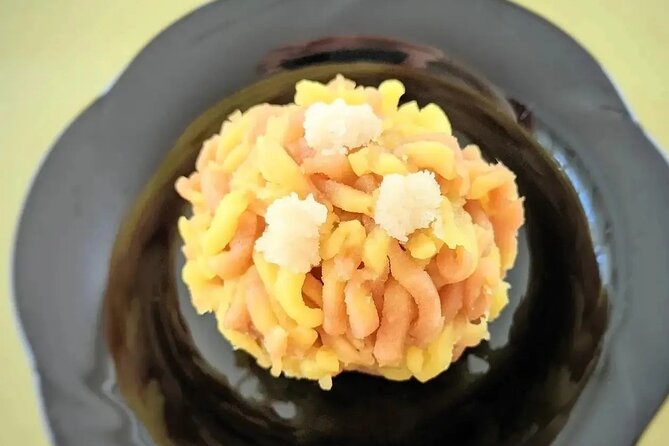
Many food activities teach you how to prepare something tasty. This one also asks you to pay attention to shape, color, and season. Wagashi has been part of Japanese tradition for more than 1,000 years, and its appeal is not only sweetness. The finished piece should look like something from nature or reflect the time of year.
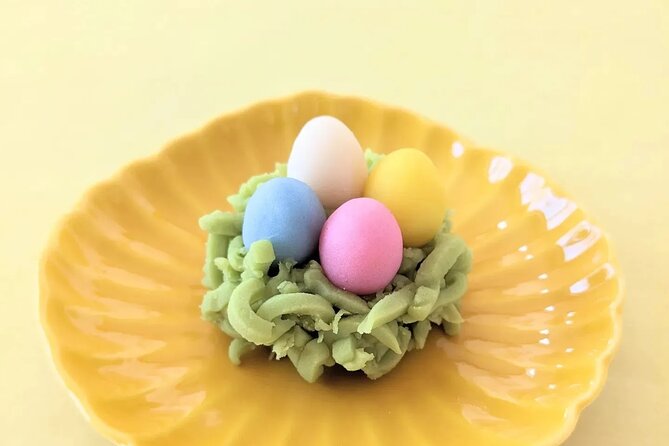
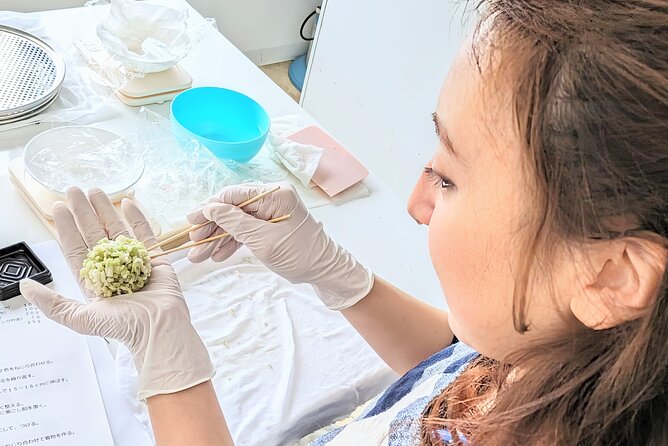
The class focuses on nerikiri, a fine wagashi made from sweet bean paste. It is soft and moldable, but the pretty shapes require care. You are not simply mixing ingredients and waiting for a dish to cook. You use your hands to form petals, curves, and details. That makes the activity both relaxing and surprisingly demanding.
I like this kind of class because the work slows you down. You need to watch the demonstration, copy the movements, and correct your shape as you go. The result may not look exactly like Yuki’s example, but that is part of the fun. Your sweets become a small record of your own effort.
The class is advertised as the only wagashi class of its kind in Sapporo. That gives it a clear appeal for visitors who have already seen the main sights and want an activity they cannot easily duplicate elsewhere in the city.
More Sweets & Dessert Tours in Sapporo:
- Matcha Making Class in Tokyo with Authentic Japanese Sweets Set
★ 5.0 · 744 reviews - Matcha Making Class in Osaka with Authentic Japanese Sweets Set
★ 5.0 · 509 reviews - Tokyo: Matcha Making Experience with Mochi Sweets in Asakusa
★ 4.9 · 388 reviews
Meeting Yuki at Makomanai Station
The official meeting point is Makomanai Station in Sapporo’s Minami Ward. This matters because Makomanai is not in the city center. You should plan this as a dedicated outing rather than something to squeeze between a morning market visit and an evening meal in Susukino.
Pickup has been offered from the station, and Yuki has taken participants from the subway stop to her home and returned them afterward. Still, the exact pickup arrangement is important enough to confirm after your booking. The booking confirmation is normally sent within 48 hours, subject to availability.
The trip from the station is part of the change in mood. You leave the denser parts of Sapporo behind and head toward a quieter area. One participant described the drive as passing through a mountainous region, while another noted that Yuki’s home is near a beautiful river. These details help explain why the location is part of the experience rather than just a place to hold a class.
You should allow extra time for the meeting point, especially if you are unfamiliar with Sapporo’s subway system. The activity ends back at the meeting point, so you do not need to arrange a separate return destination.
Entering a cozy Japanese home
The class takes place in Yuki’s home, not in a large commercial kitchen or a busy cooking school. That gives the activity a personal feel. You get a glimpse of how a local Japanese host welcomes people into her own space, and the setting encourages conversation between the practical steps.
Several details make the arrival feel thoughtful. Yuki has served hot matcha in Japanese teacups, and she has taken time to talk with participants before and after the sweet-making. Her home has also been described as traditional and welcoming. One family specifically remembered meeting her cat, though you should not assume the cat will be part of every visit.
The home setting has a tradeoff. It offers warmth and character, but it is less formal than a purpose-built classroom. If you prefer a polished studio with rows of workstations and a fast-paced demonstration, this may feel more intimate than expected. If you want a personal cultural exchange, the home setting is the point.
Yuki has appeared on television, radio, and in newspapers, according to the activity information. That public profile helps explain why she has developed a specialty in hosting food experiences, but the class itself remains friendly and personal rather than showy.
What you actually make during the two hours
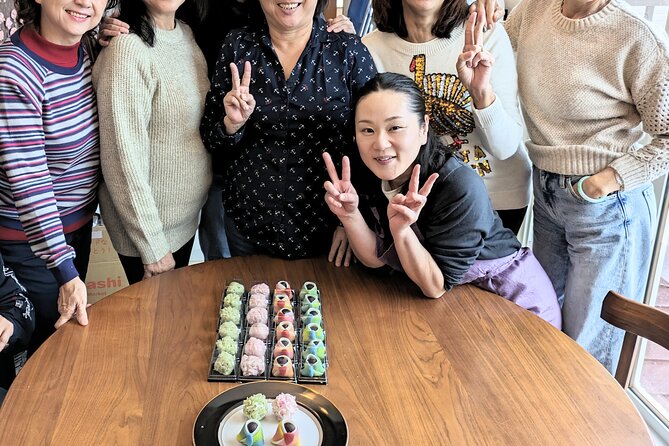
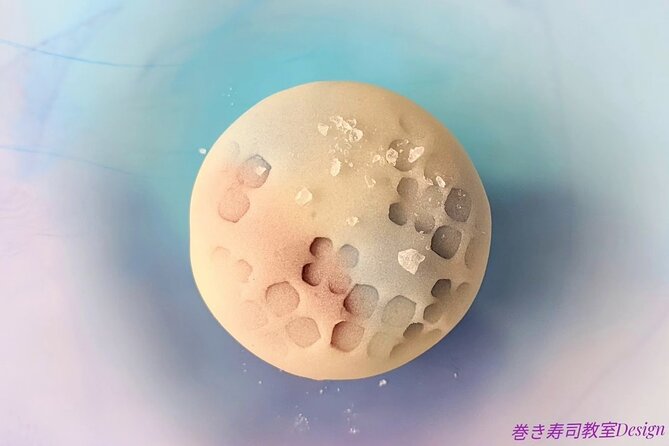
The class lasts about two hours. You learn the basic idea behind wagashi, then work through the shaping process for nerikiri. The available information indicates that participants make two kinds of sweets, with two of each, giving you several pieces to practice and enjoy.
Yuki prepares the materials in advance, which keeps the session focused. You are not spending much of the short class measuring, shopping, or waiting for ingredients to cook. Instead, the time goes toward technique, design, and tasting.
Expect the lesson to involve demonstration followed by guided practice. Yuki has provided clear English instructions and written English directions for participants to keep. That is useful because some of the hand movements are easy to forget once you leave. Written guidance also makes it possible to try the sweets again at home.
The making itself is a little more difficult than it first appears. Nerikiri is soft, delicate, and shaped by hand. You need to focus on even portions and careful details. One practical way to think about the class is as a craft workshop that happens to end with something edible.
Yuki’s flower sushi roll class is described as easier than the wagashi class. If you want a simpler food activity, that alternative may suit you better. If you enjoy fine detail and do not mind working slowly, wagashi offers the more distinctive challenge.
A few more Sapporo half-days worth comparing
- Sapporo Bar Hopping Food Tour
★ 5.0 · 232 reviews - Sapporo Private Tour with a Local – Highlights & Hidden Gems
★ 5.0 · 91 reviews - Sapporo: Sumo Show Experience with Japanese food & Photo
★ 4.9 · 81 reviews - Popular in SapporoExperience authentic hand-made soba at a real soba shop!
★ 5.0 · 77 reviews
Matcha, tasting, and the meaning behind the sweets
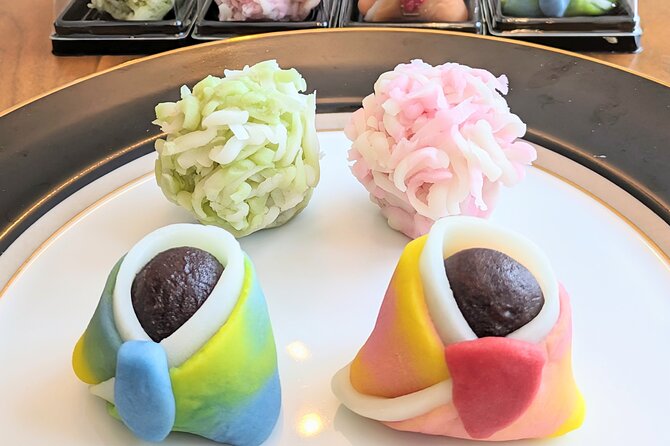
The tasting is not an afterthought. You have the chance to eat the sweets you have made, often with hot matcha, and connect the finished pieces to Japanese tea culture. Wagashi is known for elegant sweetness rather than the heavy sugar hit you might expect from Western confectionery.
Yuki also explains the background of the sweets and the ideas behind their designs. Seasonal beauty is central to wagashi. A flower-inspired shape, for example, is not merely decoration. It reflects the Japanese habit of noticing small changes in nature and marking the year through food.
That cultural context gives the activity more value than a basic dessert lesson. You understand why wagashi is carefully shaped and why appearance matters so much. You also get a clearer sense of how Japanese food can express restraint, season, and hospitality.
The class is conducted in English, and the available information describes communication with Yuki as easy. Her explanations have been supported by demonstrations and written instructions. You should still expect a hands-on lesson rather than a long lecture. The best learning happens while your own sweets are taking shape.
A quiet change from central Sapporo
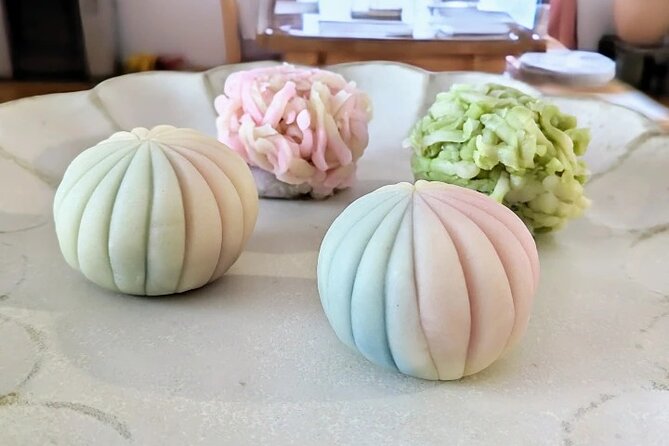
Sapporo is easy to enjoy through its major sights, restaurants, shopping streets, and nightlife. This class gives you a different view of the city. The quieter southern setting, river nearby, and ride from Makomanai create a pause from the central districts.
I see this as a strong choice for a second or third day in Sapporo. After you have visited the familiar attractions, two hours in a local home can add a more personal layer to the trip. It also works well on a cold day, when a warm drink and indoor activity are more appealing than another long walk.
The drawback is simple: you give up some sightseeing time to reach the class. If your schedule is already packed, the trip to Makomanai may feel inconvenient. This is not an activity for someone looking for a central meeting point or a quick drop-in session.
The setting also suits people who prefer conversation. Yuki has offered recommendations for cafes, restaurants, and places to visit after class. Those suggestions can be especially useful if you want to eat away from the most obvious tourist streets.
Group size, family fit, and the pace of the lesson
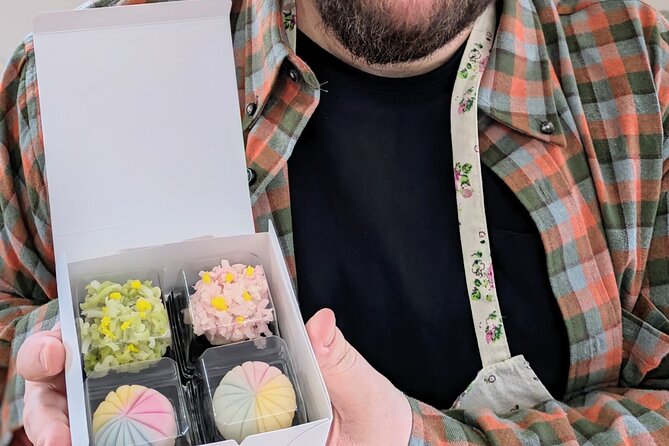
The maximum group size is 12 people. That is small enough to keep the class personal, though the exact feel will depend on how many people book your time. A group of two or four should have plenty of room for direct help. With a full group, you may need to wait briefly while Yuki checks another person’s shaping.
The class has worked well for couples, friends, and families. Children have taken part, and Yuki has been described as patient with them. The activity does require concentration, so very young children may find the detailed shaping harder than a simple rolling or decorating task.
It can make a thoughtful birthday activity for someone interested in Japanese culture. One family used it as a birthday experience for a daughter who appreciated Japanese traditions. The combination of making, tasting, and spending time in a local home gives the occasion more meaning than a standard restaurant meal.
You should also consider your group’s language comfort. English instruction is available, and the teacher has provided written guidance. The clear demonstrations reduce the need for every technical point to be explained in perfect detail.
Is $59.31 a fair price?
At $59.31 per person, this is not the cheapest way to eat a Japanese sweet. You are paying for more than ingredients. The price includes a two-hour guided class, access to a private home setting, cultural explanation, matcha, hands-on instruction, and the chance to take your creations with you.
The value is strongest if you care about personal contact and making something yourself. A pastry tasting in central Sapporo may cost less, but it will not teach you how nerikiri is shaped or give you the same connection to a local host.
The value is also helped by the practical extras. Yuki has provided station pickup, restaurant suggestions, cafe recommendations, and written instructions. These are small things, but they make the experience more useful during a short stay.
Group discounts are available, though the amount is not specified. If you are booking for several people, check the current group price before deciding. Since the experience often fills bookings well in advance, with an average booking time of 46 days, early planning may matter during busy travel periods.
What to know about pickup, timing, and cancellation
Pickup is offered, but Makomanai Station remains the stated starting point. Confirm how pickup works for your date rather than assuming a hotel transfer is included. The activity ends back at the meeting point.
A mobile ticket is available, and confirmation is sent within 48 hours, subject to availability. The group maximum is 12 people. Free cancellation is allowed up to 24 hours before the start time for a full refund. Cancellations or changes made within 24 hours are not accepted for a refund, and the cutoff follows local Sapporo time.
Since the experience takes place in a private home, timely communication is especially important. Keep your booking details available on your phone and arrive at the agreed meeting point with enough time for the pickup.
Who should book the wagashi class?
I would choose this class if you want to see a quieter side of Sapporo, enjoy Japanese food culture, and prefer making something over simply watching a demonstration. It is a good match for couples, families with older children, small groups, and solo visitors who like friendly conversation.
It is also a strong choice for repeat visitors who have already covered the central sights. The home setting, matcha service, local advice, and traditional craft offer something different from a museum or restaurant stop.
I would hesitate if you have only one short day in Sapporo, dislike detailed handwork, or want an activity close to Odori Park and Susukino. The trip to Makomanai is part of the charm, but it is still extra travel.
For most people who value local contact and a memorable skill, the price is reasonable. Book it for the cultural exchange and careful making, not simply for dessert. You will leave with sweets, instructions, and a better understanding of why wagashi is treated as both food and art.
FAQ
Where does the wagashi class begin?
The activity begins at Makomanai Station in Minami Ward, Sapporo, Hokkaido, Japan.
Where does the activity end?
The class ends back at the meeting point at Makomanai Station.
How long does the class last?
The experience lasts approximately two hours.
How much does the class cost?
The listed price is $59.31 per person.
What type of Japanese sweet will I make?
You will learn to make nerikiri, one of the delicate and highly decorative forms of traditional Japanese wagashi.
Is the class taught in English?
Yes. Yuki provides English instruction, clear demonstrations, and written English instructions.
Is pickup available?
Pickup is offered, and Yuki has picked participants up from the station. Confirm the exact arrangement after booking.
How many people can join the class?
The maximum group size is 12 people.
Can I cancel for a full refund?
Yes. You can cancel at least 24 hours before the local start time for a full refund. Cancellations or changes made less than 24 hours in advance are not accepted for a refund.
Just added around Sapporo
- Sapporo Walking Tour★ 4.9 · 17 reviews
- Sapporo TV Tower Admission Ticket★ 4.7 · 21 reviews
- Sapporo: The Indigenous Ainu People & Jozankei walking tour★ 4.9 · 25 reviews
- Sapporo: Furano Flower Sea & Biei Blue Pond Tour w/ Pickup★ 4.0 · 40 reviews
- Sapporo: Private Customized Guided Tour★ 4.9 · 30 reviews
- Sapporo: Furano Lavender & Biei Blue Pond Tour with Lunch★ 4.6 · 13 reviews
- Sapporo Highlights: Golden Route Morning Guided Walking Tour★ 4.9 · 16 reviews
- Sapporo: Custom Highlights and Hidden Gems Tour with a Local★ 4.9 · 21 reviews
Dessert Tours, compared.

Matcha Making Class in Tokyo with Authentic Japanese Sweets Set
Our verdict →
Browse the lists this tour appears in