
Reviewed · COOKING CLASSES
Private Japanese Cooking Class in Hiroshima with Machiko’s Family
The best part of this Hiroshima experience is not simply learning to cook. It is being welcomed into Machiko and Daishi’s home, about 20 minutes from the city center by streetcar, and sharing an ordinary family meal in a residential neighborhood. You may prepare Hiroshima okonomiyaki, mackerel, miso soup, salad, Japanese omelet, tempura, rice balls, or hand-rolled sushi.
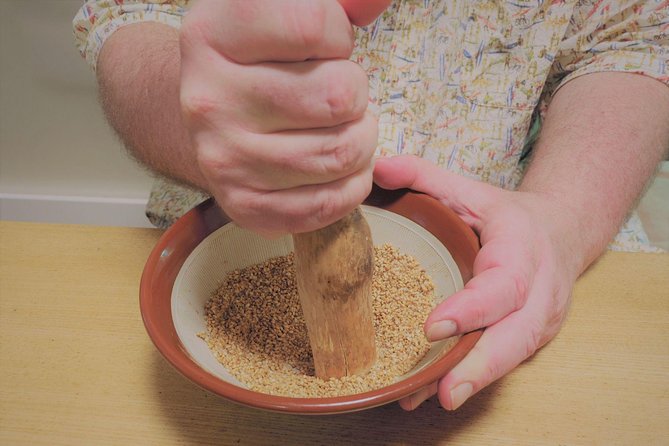
I like the private format, since your group gets the kitchen and the conversation to itself. I also like the hands-on details, such as crushing sesame with a mortar and pestle instead of watching a polished demonstration from a distance. The main consideration is that the meal is homestyle Japanese food, not a restaurant tasting menu, and the exact dishes change.
Key points
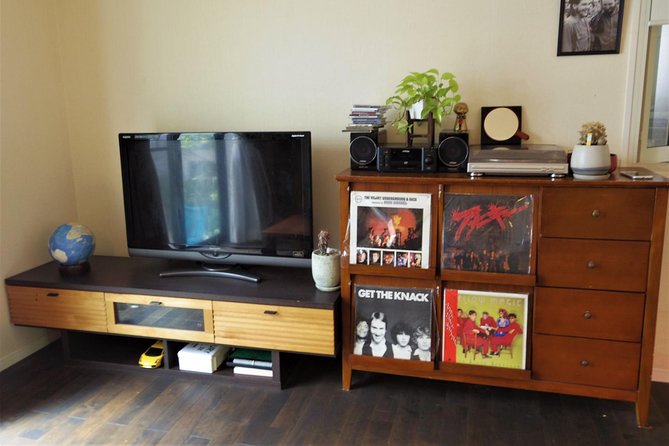
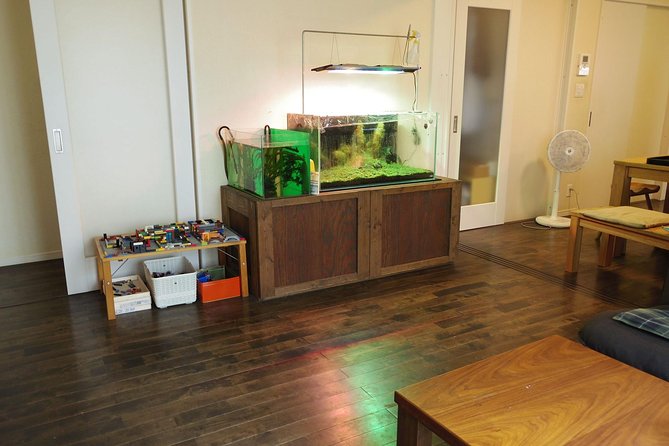
- A real Hiroshima home: You visit Machiko’s family house in a leafy residential neighborhood, with family photos, children’s toys, an aquarium, an old turntable, and albums.
- Cooking from scratch: The lesson lasts about 1.5 hours and covers two or three Japanese dishes.
- A private family visit: Only your group participates, with Daishi and the children joining when they are available.
- Regional cooking options: The menu may include Hiroshima okonomiyaki, mackerel, miso soup, sushi, tempura, or other homestyle dishes.
- Vegetarian and vegan friendly: Dietary needs can be accommodated, making this a useful choice after several restaurant meals.
- Good practical value: The $108 price includes the cooking class, the meal, and gratuities, but not transportation to or from the home.
Cooking Japanese Food in Machiko’s Hiroshima Kitchen
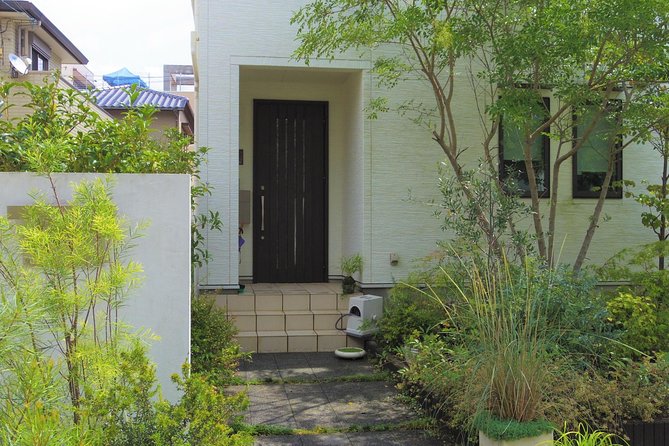
This experience begins at 10:00 am at 1-chōme-5-20 Ujinamiyuki in Minami Ward. You make your own way there, since hotel pickup and drop-off are not included. From central Hiroshima, the house is about a 20-minute streetcar ride, followed by the final approach to the residential neighborhood.
That short trip matters. You are leaving the central sightseeing area and entering the part of Hiroshima where people live, raise children, and handle everyday meals. This is not a cooking school designed for tourists in a commercial district. It is a visit to a family home, which gives the experience a more personal shape from the moment you arrive.
Machiko’s house has the details you would expect in a lived-in home: an aquarium, family pictures, children’s toys, an old turntable, and several albums. Those details help set the tone. You are not walking into a staged restaurant kitchen with a uniformed chef. You are stepping into a family space where cooking is part of normal life.
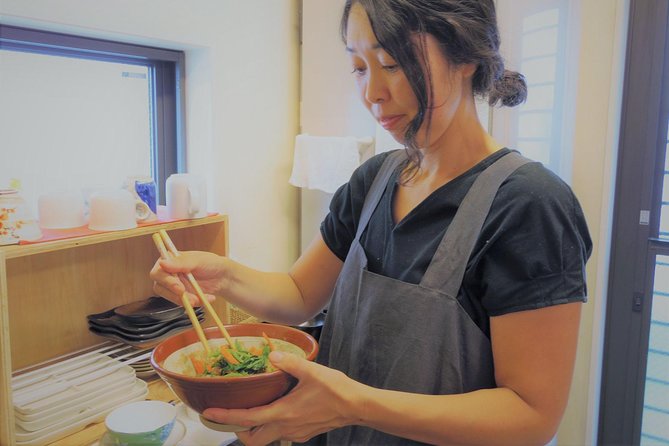
Machiko teaches the cooking portion for about 1.5 hours. The class focuses on two or three dishes, though the menu can vary. You may prepare soup, salad, an omelet, fried meat or seafood, rice balls, sushi, or sweets flavored with green tea. Some meals have included Hiroshima okonomiyaki and mackerel, two dishes that give the class a clear local connection.
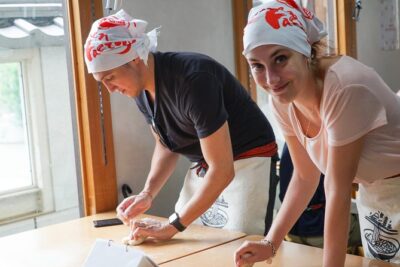
The lesson is designed around participation. You should expect to chop, mix, shape, season, and follow instructions rather than simply sit and watch. One especially useful technique involves making sesame dressing with a mortar and pestle. It is a small step, but it shows you how texture and fragrance are built into Japanese home cooking.
That hands-on style is valuable if you want to recreate the food later. You are not only collecting a menu. You are learning a few methods that can transfer to your own kitchen. Bring a notebook if you want to record recipes, measurements, or small instructions that are easy to forget after a busy day in Hiroshima.
More Family Tours in Hiroshima:
- Ninja Experience (Family Friendly) at Samurai Ninja Museum TOKYO
★ 5.0 · 441 reviews - Samurai Sword Experience (Family Friendly)at SAMURAI MUSEUM TOKYO
★ 5.0 · 168 reviews - Kyoto:Family-Friendly Kimono & Yukata Experience at WARGO
★ 5.0 · 147 reviews
A Flexible Menu, From Miso Soup to Hiroshima Okonomiyaki
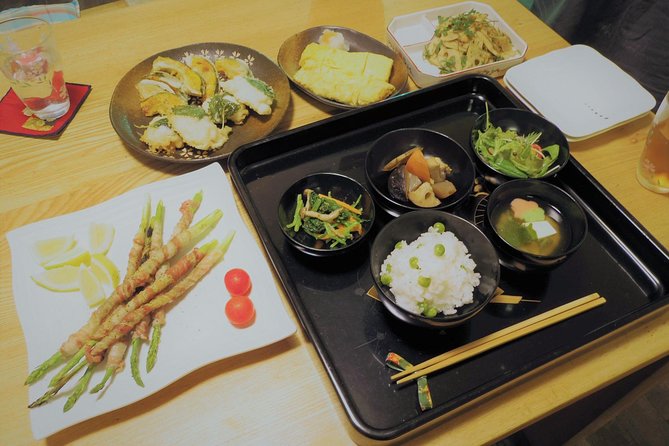
The menu is not fixed, so you should not book this expecting one exact set of dishes. That flexibility is useful because Machiko can offer vegetarian or vegan food, and the meal may reflect what works best for your group. It also means you should confirm any important dietary needs when booking.
Possible dishes include:
- Miso soup
- Salad with sesame dressing
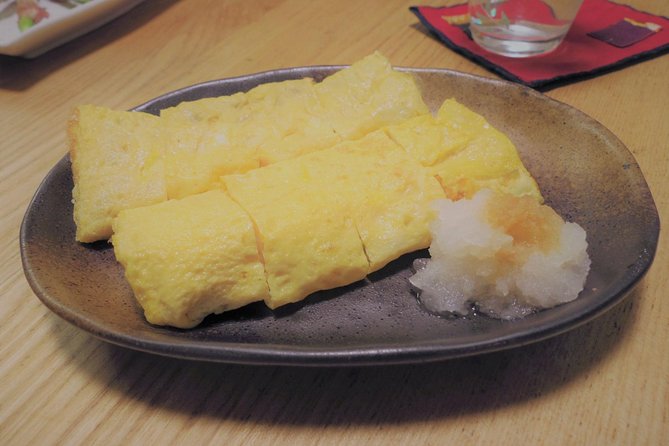
- Japanese omelet
- Karaage or tempura
- Rice balls
- Hand-rolled sushi
- Mackerel
- Hiroshima okonomiyaki
- Green tea flavored sweets
This range gives you a good sense of Japanese family cooking. Some dishes are familiar from restaurants, but the home version can feel quite different. A restaurant may focus on presentation and a single specialty. Here, the point is to understand how several dishes fit together into a meal.
Hiroshima okonomiyaki is a particularly appealing possibility. It is one of the city’s best-known foods, and preparing it in a home setting gives you a useful connection between the dish and the place you are visiting. Still, the description says the menu might include okonomiyaki, not that every group will cook it. Keep that distinction in mind when deciding how important it is to your plans.
The same goes for seafood. Mackerel has been part of a previous menu, while other sessions may use meat, vegetables, or seafood prepared as karaage or tempura. If you do not eat a particular ingredient, ask about alternatives before the class rather than waiting until the kitchen work begins.
Vegetarians and vegans have a strong reason to consider this activity. Japanese restaurant cooking can hide fish-based ingredients in soup stock, sauces, and seasonings. A private class gives you a better chance to explain your needs clearly and receive a meal designed around them. The provided information confirms that vegetarian and vegan options are available, but it does not specify every ingredient substitution, so detailed communication remains important.
The Family Meal After the Cooking Lesson
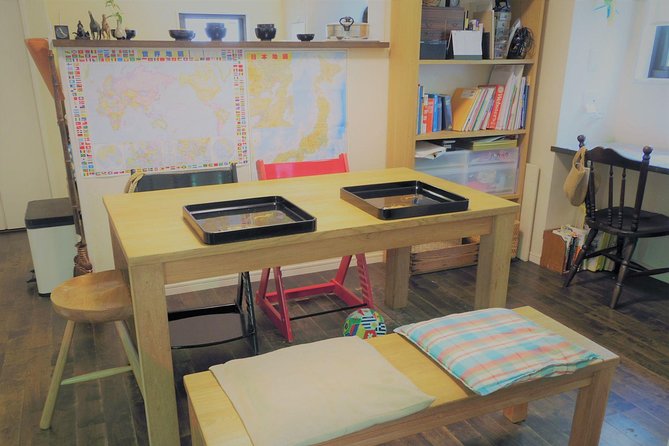
After the kitchen work, you sit at Machiko’s dining table and eat the food you helped prepare. This second half is not an afterthought. It is where the activity changes from a lesson into a shared meal.
Machiko’s husband, Daishi, and their children may join you when they are available. Since family participation depends on the day, you should not expect every member of the household to be present. When they can join, the setting gives you time to talk about food, travel, and daily life in Japan.
That conversation is one of the strongest reasons to choose this experience. Hiroshima is often planned around major sights, memorials, and regional food. Those are important, but a meal in a residential home gives you a different view of the city. You get time to ask questions in a relaxed setting, rather than trying to exchange a few words during a restaurant order.
The home setting also makes the meal feel more intimate than a standard food tour. You are eating at a family table, surrounded by objects that belong to the household. The children’s toys and family photos are not decorations added for atmosphere. They are part of the real setting, and they remind you that this is a family visit first and a tourism activity second.
The experience is family-friendly, too. Children who enjoy mixing, shaping, and assembling food can take part, and the meal gives them a reason to try dishes they may have only seen in restaurants. The private format also gives families more breathing room than a large public class.
You should allow the full three hours rather than treating the cooking as a quick morning stop. The listed duration is approximate, and the meal and conversation take time. That is a benefit if you want a social visit, but a drawback if you are trying to pack Hiroshima’s major sights into a tight schedule.
Why the Private Format Matters
A private activity changes the pace. Only your group participates, so the class can focus on your questions, cooking ability, and dietary preferences. You do not have to compete for a place at the counter or wait for a large class to catch up.
I especially like this format for couples, families, and small groups who want cultural contact without a formal group tour. It also helps if you are shy about asking questions. In a private kitchen, it is easier to ask why a sauce is made a certain way, how a dish changes from home to home, or what you can substitute in your own kitchen.
The drawback is simple: a private experience costs more than joining a large cooking class. At $108 per person, this is not the cheapest meal in Hiroshima. You are paying for personal instruction, a private home visit, the meal, and time with a local family. Gratuities are included, which makes the final price easier to understand.
For a three-hour private experience, the price can be fair if you value conversation and personal attention as much as food. If you only want to eat okonomiyaki or learn one recipe as quickly as possible, a restaurant or shorter class may suit you better.
The experience has received a 4.9 rating from 35 reviews, with 100 percent recommendation shown in the supplied information. The strongest pattern is clear: people value the welcome, the family conversation, the step-by-step guidance, and the chance to take the techniques home. Several visitors described it as a highlight of their Japan trip, while one family appreciated getting real home cooking rather than another restaurant meal.
More Cooking Classes in Hiroshima:
- Ramen Cooking Class at Ramen Factory in Kyoto
★ 5.0 · 1,937 reviews - Ramen & Gyoza Cooking Class in Tokyo with Local Supermarket Visit
★ 5.0 · 823 reviews - Kyoto: Ramen Cooking Class at a Ramen Factory with Souvenir
★ 4.9 · 532 reviews - Kyoto: Ramen, Gyoza, and Onigiri Cooking Class
★ 5.0 · 445 reviews
Getting to Ujinamiyuki and Planning the Morning
The meeting point is 1-chōme-5-20 Ujinamiyuki, Minami Ward, Hiroshima, 734-0015, Japan. The experience starts at 10:00 am and finishes back at the meeting point. Hotel transportation is not included.
The home is about 20 minutes from Hiroshima’s city center by streetcar. That makes it reasonably easy to pair with other plans, but you should allow enough time to find the correct address and arrive ready for the class. The information provided does not specify a particular streetcar line, stop, or walking time from the stop, so check the route carefully before the morning of your visit.
A mobile ticket is available, and confirmation is sent within 48 hours of booking, subject to availability. Since this is a home visit with limited space, do not treat it like a walk-up restaurant reservation. Book ahead and wait for confirmation before assuming the time is secured.
Free cancellation is available if you cancel at least 24 hours before the local start time. Changes or cancellations made less than 24 hours ahead are not accepted for a refund. That policy is fairly standard, but it is worth noting because the activity begins at a fixed morning hour.
Service animals are allowed. The supplied details do not provide a full accessibility description for the home, so contact the provider if you need specific information about stairs, narrow spaces, or seating.
Who Will Get the Most From This Home Visit
I would choose this class if you want more than a meal and have room in your Hiroshima schedule for a slow morning. It is especially well suited to:
- Couples seeking a private cultural activity
- Families with children
- Visitors interested in everyday Japanese life
- Vegetarian and vegan diners
- People who enjoy cooking and want recipes to use at home
- Anyone tired of eating every meal in restaurants
- Small groups willing to pay for personal attention
It may be less suitable if you need a fixed menu, hotel pickup, or a fast activity close to the main sightseeing center. It is also not the right choice if you want a polished restaurant-style presentation or a formal culinary qualification. Machiko’s class is about home cooking, family contact, and practical techniques.
The experience also suits repeat visitors who have already seen Hiroshima’s central sights. A first-time visitor can enjoy it as well, but you should make sure the morning does not squeeze out time for places you consider essential.
What Makes the Experience Feel Authentic
Authenticity is an overused travel word, but here it has a clear meaning. You cook in a local home, use ordinary kitchen tools, eat at a family dining table, and meet people who live in Hiroshima. The setting is not a replica of a Japanese house built for visitors.
The small details matter. Crushing sesame by hand, seeing the family records and children’s toys, and talking over food all give the visit a sense of daily life. You are still taking part in a planned activity, but the people and the home are not reduced to a performance.
The best moments may come between the formal steps of the lesson. You might ask about the old records, discuss travel with Daishi, or compare family cooking habits. The provided feedback also points to cultural conversation as a major part of the appeal, not just the recipes.
That said, the family’s availability can change. Daishi and the children may join when they are free, so the exact social atmosphere is not guaranteed. Machiko is the constant host and cooking teacher. Choose the experience because of the home lesson and shared meal, then regard the larger family gathering as an added possibility.
Should You Book Machiko’s Hiroshima Cooking Class?
Book it if you want a private, friendly introduction to Japanese home cooking and are happy to trade a restaurant meal for several hours in a family home. The $108 price makes the most sense when you value the cooking instruction, conversation, meal, and personal setting together.
I would particularly recommend it for families, vegetarian or vegan diners, and anyone who wants to learn dishes they can try at home. Bring a notebook, arrive with an open schedule, and be ready for the menu to change.
Skip it if you want a guaranteed okonomiyaki lesson, hotel transportation, or a short stop with no social element. But if your idea of a good Hiroshima morning includes cooking with Machiko, talking with Daishi, and eating food made by your own hands, this is a thoughtful use of three hours.
FAQ
How long does the Japanese cooking class last?
The full experience lasts approximately three hours. The cooking lesson itself lasts about 1.5 hours, followed by a shared meal in Machiko’s home.
Where does the experience take place?
It takes place at Machiko’s home at 1-chōme-5-20 Ujinamiyuki, Minami Ward, Hiroshima, 734-0015, Japan.
What time does the activity start?
The activity starts at 10:00 am.
Is transportation included?
No. Hotel pickup and drop-off are not included. The home is about a 20-minute streetcar ride from Hiroshima’s city center.
Is the cooking class private?
Yes. Only your group participates in the activity.
What dishes might I learn to cook?
The menu can vary and may include miso soup, salad with sesame dressing, Japanese omelet, karaage, tempura, rice balls, hand-rolled sushi, mackerel, Hiroshima okonomiyaki, and green tea flavored sweets.
Are vegetarian and vegan options available?
Yes. Vegetarian and vegan options are available.
Can I cancel for a full refund?
Yes, if you cancel at least 24 hours before the experience’s local start time. Cancellations or changes made less than 24 hours before the start time are not accepted for a refund.
Just added around Hiroshima
- Full Day Hiroshima and Miyajima Tour by Bullet Train from Kyoto★ 4.5 · 120 reviews
- Hiroshima Saijo Sake Tasting Tour with visit to 7 Breweries★ 5.0 · 104 reviews
- The Peace Memorial to Miyajima : Icons of Peace and Beauty★ 4.5 · 31 reviews
- Shore Excursion from Hiroshima Port : Private Tour in Hiroshima★ 5.0 · 17 reviews
- Okunoshima Rabbit Island Cycling Tour with Local Guide★ 4.5 · 17 reviews
- Hiroshima & Miyajima All-Inclusive Tour w/Licensed guide Pancho★ 5.0 · 54 reviews
- Private Full Day Hiroshima Tour★ 4.5 · 29 reviews
- Hiroshima Country Cycling: Explore Rural Life 1 HR from City★ 5.0 · 22 reviews
Cooking Classes, compared.
Browse the lists this tour appears in