
Reviewed · CASTLE TOURS
Nagano/Matsumoto: Matsumoto Castle and Narai-juku Day Trip
Matsumoto Castle is the star here, a dark wooden fortress with six floors, narrow stairways, old weapons, and broad views across the city. The day then shifts from samurai power to the quiet wooden buildings of Narai-juku, once a rest stop on the road between Tokyo and Kyoto.
I like the pairing of Matsumoto Castle and Frog Street because you get both serious history and a relaxed local shopping lane. I also like having transport between Nagano, Matsumoto, and the Kiso Valley handled for you. The catch is the long day, with about 2.25 hours on the return coach and plenty of walking on steep, uneven routes.
Key points to know
- Matsumoto Castle’s six-story climb: Expect steep, narrow stairs with little room to pass.
- Frog Street’s local flavor: Nawate-doori has more than 50 shops, cafes, snacks, and frog-themed souvenirs.
- Narai-juku’s preserved Edo-era street: The old post town feels quieter and more traditional than a major city attraction.
- English-speaking guides add context: Guides including Shawn, Nadin, and Joyce have been praised for history, local advice, and personal care.
- A full day with long transfers: The coach makes the route simple, but the schedule is demanding.
- Winter needs serious preparation: Snow, cold weather, and wet ground call for warm clothing and waterproof shoes.
Why this day trip works so well
This is a good choice if you are staying in Nagano and want to see more of central Honshu without sorting out several train connections and entry tickets. It also works from Matsumoto, where the day begins closer to the main sights.
The route connects three different sides of the region. Matsumoto gives you castle architecture and samurai-era military history. Nawate-doori adds food, small shops, and a bit of playful street life. Narai-juku shows how ordinary people once lived and traveled along the Nakasendo road.
At $180 per person, this is not a cheap sightseeing day. The value comes from the amount of ground covered, the castle admission, the English-speaking guide, and the private coach transportation. If you were already planning to buy transport tickets and castle admission separately, the price is easier to justify. You are also paying for someone to explain what you are looking at, not just drop you at the entrance.
More Castle Tours in Nagano
- Matsumoto Castle Tour & Samurai Experience
★ 4.9 · 128 reviews - 1-Day Tour from Nagano and Matsumoto Kamikochi & Matsumoto Castle
★ 5.0 · 105 reviews - Full-Day Tour: Matsumoto Castle & Kamikochi Alpine Valley
★ 4.8 · 78 reviews
Starting from Nagano or Matsumoto
You can join the trip from Nagano Station, Matsumoto Station, or Kokusai 21, depending on the option you book. The meeting point varies, so check your confirmation carefully rather than assuming the tour starts at the station closest to your hotel.
The coach ride to Matsumoto takes about 100 minutes from the initial pickup. That is a useful transfer if you are based in Nagano, since Matsumoto is far easier to visit with transport arranged in advance. Once all participants are aboard, the group heads into Matsumoto’s old castle-town center.
The return route takes about 2.25 hours, with drop-off options at Matsumoto Station, Kokusai 21, or Nagano Station. That final ride is worth keeping in mind when planning dinner or another evening activity. A full day on the road can leave you ready for a quiet meal rather than a late-night plan.
Nawate-doori, Matsumoto’s playful Frog Street
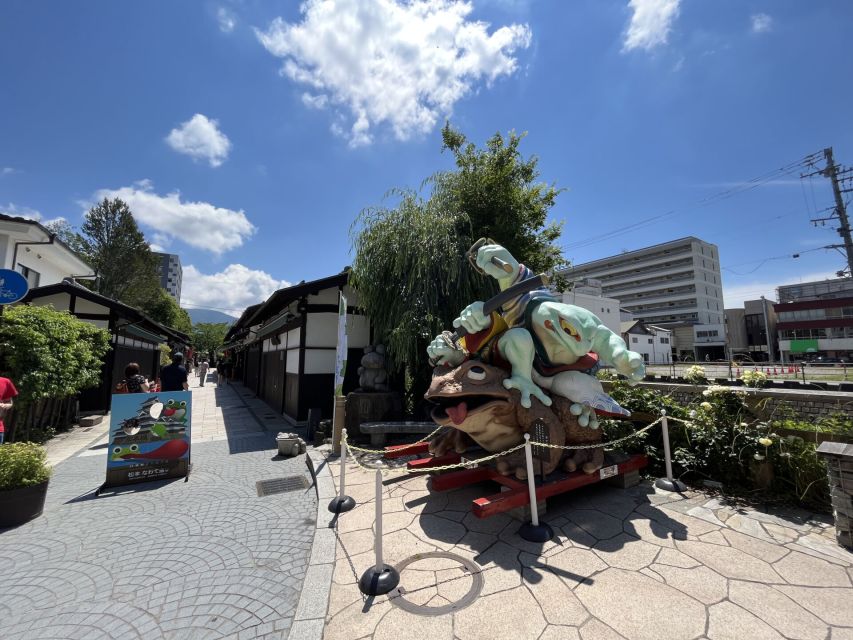
The day begins in the historic center at Nawate-doori, commonly called Kaeru Michi, or Frog Street. More than 50 shops, restaurants, and cafes line this compact area, with frog sculptures and frog-themed goods giving the street its unusual character.
I like this stop because it eases you into Matsumoto before the more formal castle visit. You can browse o-senbei rice crackers, taiyaki fish-shaped pastries, dagashi candy, ice cream, and other small treats. It is an easy place to pick up a snack, especially if you prefer to eat in small portions rather than sit down for a full meal.
The street also gives you a little free time to look around and get your bearings. The frog theme is lighthearted, but the setting is still connected to Matsumoto’s old town. You will see shops and local businesses rather than only large souvenir chains.
Lunch is not included, so this area may be your best chance to buy something before the castle visit. One guide, Shawn, directed a group toward a regional fried chicken dish, while Joyce helped guests find a local restaurant serving udon in a meat and seafood soup. Those examples show the practical value of having a guide who can point you toward food that fits your tastes.
Do not expect a long shopping session here. The stop is part of a tightly scheduled day, and the castle is the main attraction. Still, Nawate-doori gives the morning a pleasant local touch that a castle-only excursion would miss.
Matsumoto Castle and the steep climb to the top
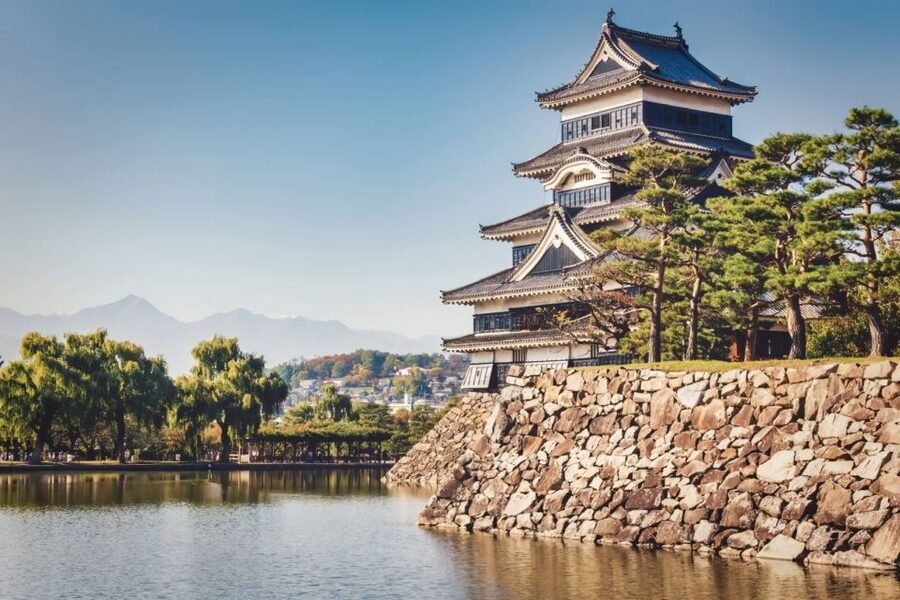
Matsumoto Castle is one of Japan’s designated National Treasures, and much of its original structure remains intact. It dates from the end of the Warring States Period, a time when castles were built for defense as much as ceremony.
The black exterior gives the castle a strong, almost severe appearance. Inside, the building feels more practical than polished. You will see heavy timber, narrow passages, defensive openings, and displays of guns, armor, and other objects connected with the warriors who used the castle.
The guided portion lasts about 2.5 hours, including the castle visit and time around the grounds. Your guide can explain why the castle was built as it was, how its floors were used, and what details are easy to miss when you walk through on your own.
The most important warning is the staircase. You climb through all six floors, and the stairs are steep and narrow. They are not a gentle museum staircase. You may need to use the handrail, wait for people moving in the opposite direction, and take your time at the tighter turns.
That climb is also what makes the visit memorable. From the upper levels, you can look across Matsumoto City and toward the surrounding mountains. The views change with the weather, and in colder months snow often covers the ground and nearby peaks.
The castle is not ideal for people with mobility impairments or wheelchair users. If steep stairs are difficult for you, the interior climb may be uncomfortable or impossible. The grounds still offer something to see, but the main experience is inside the tower.
After the guided visit, you get free time to look around the castle grounds and nearby shops. Use it to take photographs, revisit a detail you missed, or buy a small local item. The schedule gives you structure, but it does not rush you through every minute.
More Day Trips in Nagano
- 1-Day Snow Monkeys, Zenko-ji Temple & Sake in Nagano
★ 5.0 · 1,020 reviews - Nagano: Snow Monkeys, Zenkoji Temple & Sake Day Trip
★ 4.9 · 833 reviews - From Tokyo: Snow Monkey 1 Day Tour with Beef Sukiyaki Lunch
★ 4.6 · 295 reviews - Nagano Snow Monkey 1 Day Tour with Beef Sukiyaki Lunch from Tokyo
★ 4.5 · 123 reviews
The coach ride into the Kiso Valley
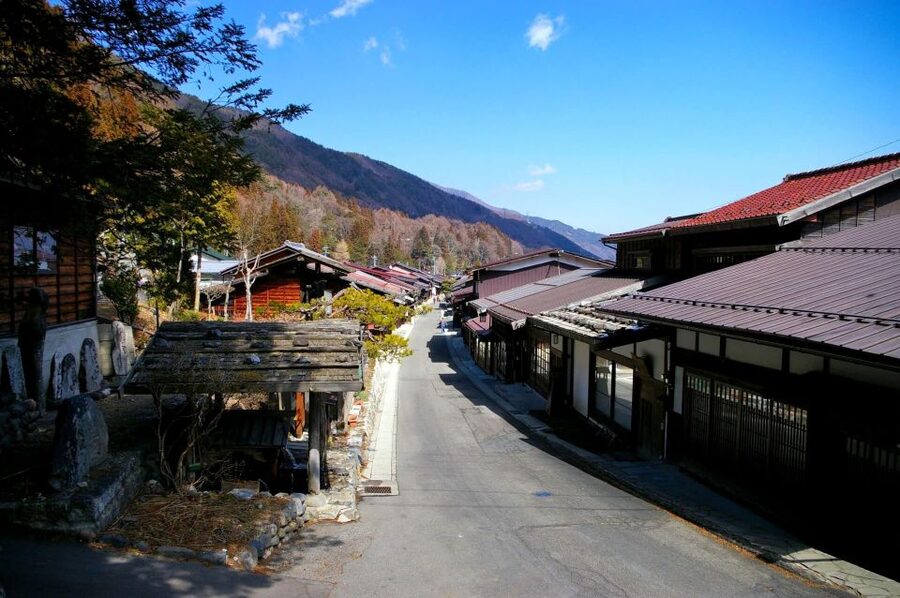
After Matsumoto, the coach travels for about an hour toward Narai-juku. This transfer is part of the appeal of the trip. You can sit back as fields, wooded hills, and mountain views pass by instead of managing another train change.
In winter, snow often lies on the ground, and the mountains may be capped in white. The weather can change quickly, so pack for the season rather than assuming the coach will protect you all day. You will spend most of the excursion outside once you arrive.
This is not a route for spending the entire day indoors. Bring sunglasses and a sun hat in bright weather, plus an umbrella and rain gear if showers are possible. Comfortable walking shoes matter in every season, and waterproof winter shoes are especially important when snow or wet ground is present.
Narai-juku and the old Nakasendo road
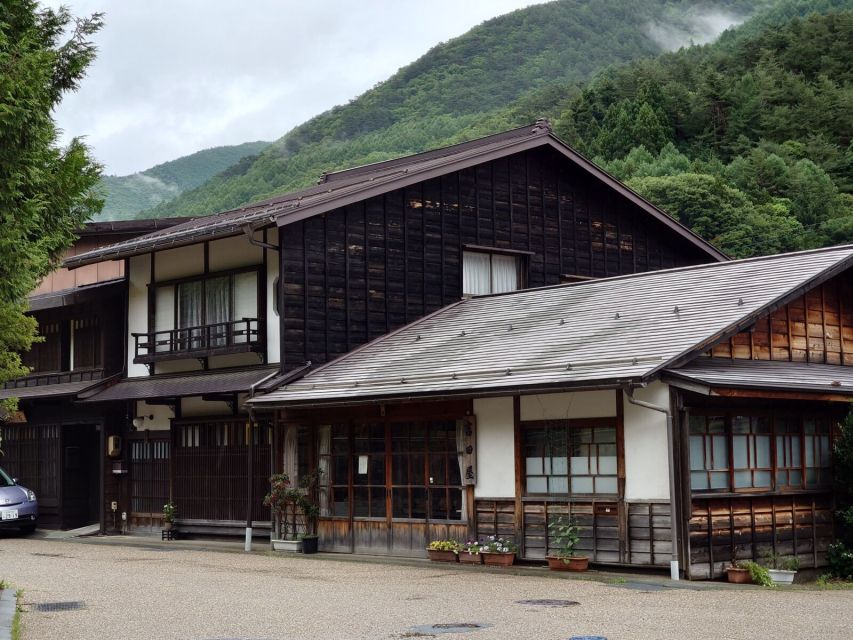
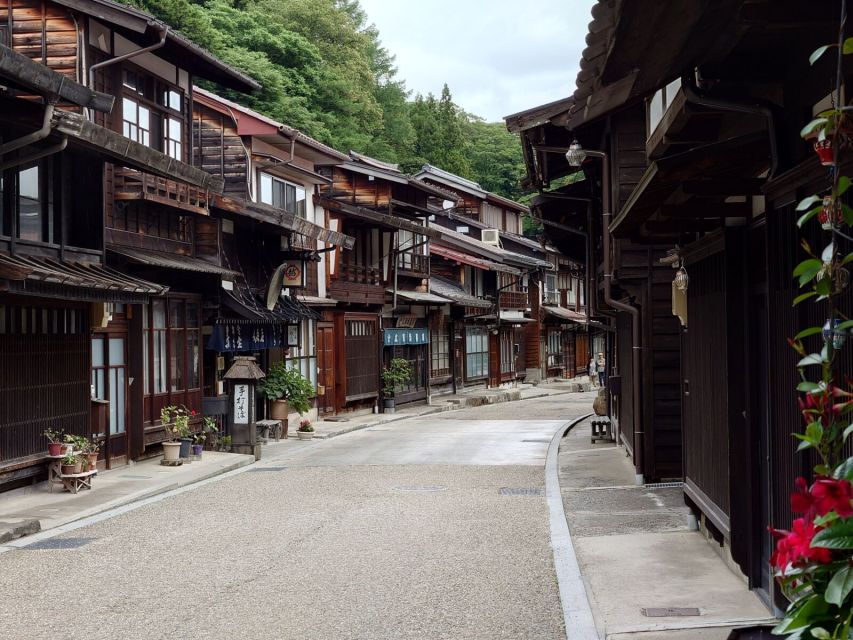
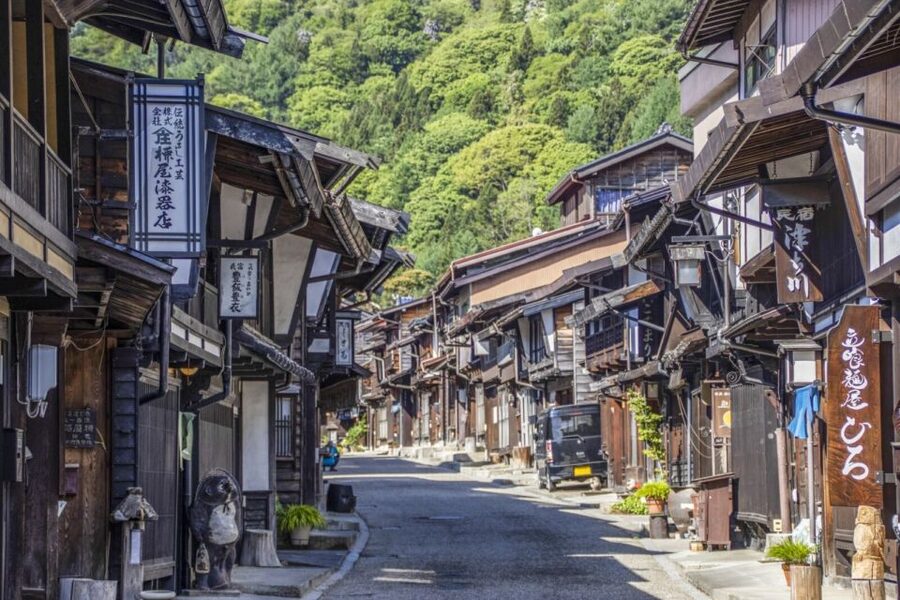
Narai-juku was once a post town on the Nakasendo road, the inland route that connected Tokyo and Kyoto. Travelers stopped here to rest during the long journey, and the town’s wooden street still gives you a strong sense of that older travel system.
The guided walk begins near the train station at the entrance to the town. You then follow the main street while learning about Narai-juku’s layout, buildings, and years as a busy stopping point. The town is quieter and more intimate than Matsumoto, with traditional wooden facades and a mountain setting.
This is the part of the day I would especially value if you enjoy old towns more than grand monuments. The castle shows you power and defense. Narai-juku shows you shops, lodging, craft work, and the slower rhythm of people moving from one place to another.
You get roughly 2.5 hours for the guided walk and time in town, including about an hour of free time after the explanation. That is enough to browse the main street, visit open shops, or sit down for a meal at a cafe or restaurant.
Opening hours can affect the feel of the visit. Some small shops may be closed outside the weekend, particularly during quieter periods. The shops that are open may sell local woodwork and lacquered handicrafts, so this is a better stop for regional craft shopping than for a large choice of modern retail.
Narai-juku also rewards a slower pace. Look at the wooden details, pause for photographs, and allow time for the mountain views beyond the street. You do not need a packed schedule here. The atmosphere is the point.
What the guides add
The guide is an important part of the experience because both castle and post town can seem quiet if you do not know what you are seeing. English-speaking guides have included Shawn, Nadin, and Joyce, depending on the departure and date.
Shawn has been especially helpful with historical explanations and regional context. Nadin has paid close attention to dietary needs, including helping a vegetarian guest. Joyce has been praised for her friendly approach, restaurant suggestions, and even teaching origami during a small-group outing.
Those details matter because the tour is not only about reciting dates. A good guide helps you connect the castle to samurai life, understand why Narai-juku developed where it did, and make sensible choices during free time.
The exact guide and group size are not guaranteed. On one outing with only two participants, the schedule had more flexibility and felt close to a private tour. A larger group may feel less personal, especially on the narrow castle stairs, but the transport and set route remain convenient.
Time, walking, and the overall pace
This is a full-day outing, not a short side trip. The listed schedule includes about 100 minutes to reach Matsumoto, 2.5 hours at the castle area, an hour to Narai-juku, 2.5 hours there, and about 2.25 hours on the return.
You will walk at both major stops. Matsumoto includes the steep castle stairs, while Narai-juku involves walking along the old main street. The route is not suitable for wheelchair users or people who need a low-effort sightseeing plan.
The pace should suit you if you like seeing several meaningful places in one day and are comfortable with a set schedule. It may not suit you if you prefer to spend an entire afternoon at one museum, linger over lunch, or explore side streets without a timetable.
Rain does not automatically stop the day. The route can continue in wet weather, but you need proper clothing. An umbrella, rain gear, and shoes with good grip will make a major difference.
Is the $180 price good value?
I would call the price fair for the right kind of visitor, but not a bargain for everyone. The fee includes the guide, transportation between the listed destinations, Matsumoto Castle admission, the guided castle visit, and the guided walk at Narai-juku.
The strongest value comes if you are staying in Nagano and want a simple way to reach Matsumoto and the Kiso Valley in one day. Public transport may cost less in some situations, but you would need to organize the connections, check timing, buy the castle ticket, and manage the route yourself.
The tour also gives you historical explanation in English. That is useful at Matsumoto Castle, where the interior details can be easy to overlook, and at Narai-juku, where the significance of the old buildings is not always obvious from a casual stroll.
Lunch, personal purchases, and any extra travel costs are not included. Plan for your own food budget, and do not count on every shop being open in Narai-juku.
Who should book this experience?
I would recommend it to you if you are based in Nagano or Matsumoto and want a broad look at the region without renting a car. It is also a strong fit if you enjoy Japanese castle history, traditional towns, local snacks, and guided walking.
Families with older children may enjoy the castle displays and the frog-themed street, though the stairs require care. History fans will get the most from the explanations at Matsumoto and Narai-juku. Food-focused visitors can use the free time for rice crackers, taiyaki, udon, fried chicken, and local cafes.
I would think twice if you have trouble with steep stairs, need wheelchair access, or dislike long coach rides. I would also avoid booking it on a day when you want a relaxed morning and an early evening, since the route covers a lot of ground.
Should you book it?
Book this day trip if you want Matsumoto Castle and Narai-juku in one organized day, especially from Nagano. The combination is well chosen, and the guide adds useful context that you would miss by simply taking photographs and moving on.
Skip it if you want a slow, independent visit or if steep stairs and long transfers are a serious concern. For most active visitors, the castle, Frog Street, and old Nakasendo town make the $180 worthwhile, provided you arrive ready for weather, walking, and a full schedule.
FAQ
Where does the tour start?
The available starting points are Kokusai 21, Matsumoto Station, and Nagano Station. The exact meeting point depends on the option you book.
Where does the tour finish?
Drop-off options are Matsumoto Station, Kokusai 21, and Nagano Station.
How long does the experience last?
It is a full-day experience. Check availability for the specific starting time.
Is transportation included?
Yes. Transportation between the listed destinations from Nagano and Matsumoto is included.
Is Matsumoto Castle admission included?
Yes. The entry ticket and guided tour at Matsumoto Castle are included.
Is lunch included?
No. Lunch is not included, so you should budget for your own meal and snacks.
What language is the tour conducted in?
The tour has a live English-speaking guide.
How much walking is involved?
The tour includes a reasonable amount of walking at Matsumoto Castle and Narai-juku. The castle also has steep, narrow stairs.
Is the tour suitable for wheelchair users?
No. The experience is not suitable for wheelchair users or people with mobility impairments.
What should I bring in winter?
Bring warm clothing and waterproof winter shoes. Snow is often present on the ground during winter. Sunglasses, a sun hat, an umbrella, and rain gear are also recommended according to the weather.
Just added around Nagano
- Wild Bird Sanctuary Forest Guided Tour in Nagano★ 5.0 · 17 reviews
- Tokyo: Nagano Snow Monkeys and Zenkoji Tour with Temples★ 4.9 · 19 reviews
- Nagano/Tokyo: Snow Monkey and Zenkoji Temple Private Tour★ 4.8 · 54 reviews
- Nagano: 1-Day Snow Monkey & Cherry Blossom Tour in Spring★ 4.8 · 51 reviews
- Nagano: Tateyama-Kurobe Guided Walking Tour★ 5.0 · 16 reviews
- Nagano/Tokyo: Snow Monkey Private Day Tour At Lowest Rate★ 4.7 · 44 reviews
- Nagano: Snow Monkeys & Togakushi Shrine Two-Spot in-One Day★ 4.9 · 35 reviews
- Nagano Sake Tasting Walking Tour★ 5.0 · 17 reviews
Castle Tours, compared.
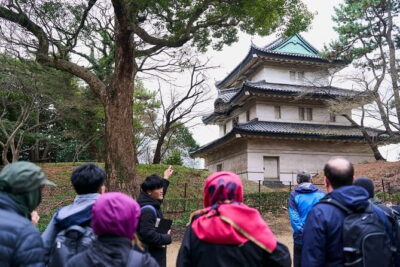
Tokyo Castle & Imperial PalaceーShogun Walking Tour
Our verdict →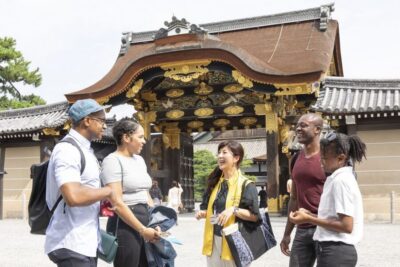
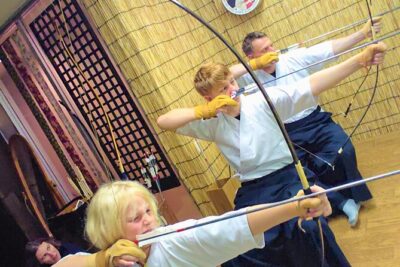
Japanesel Archery Experience HIROSHIMA CASTLE SHARAKU
Our verdict →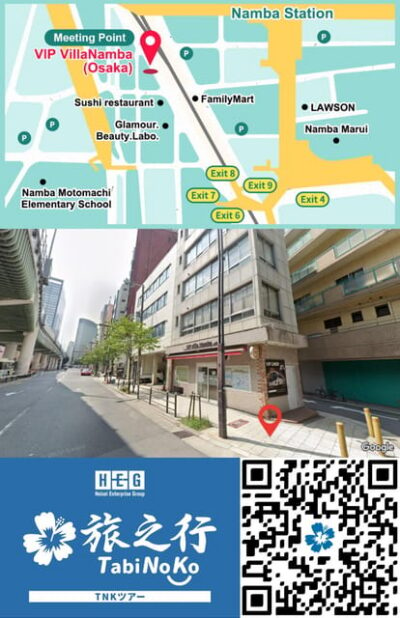
Browse the lists this tour appears in