
Reviewed · MUSEUMS
Yokohama: Guided Cup Noodles Museum Tour & Make Your Own Cup
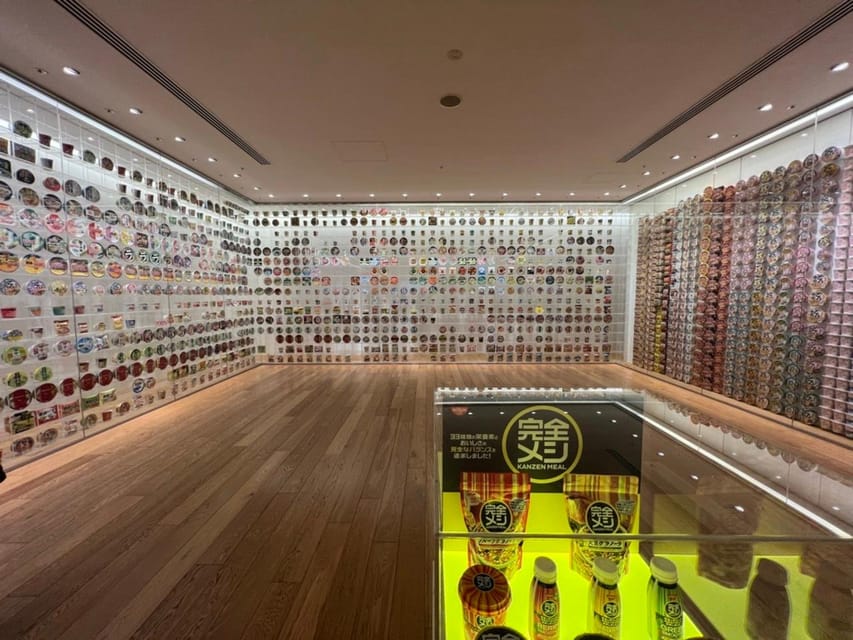
Yokohama’s Cup Noodles Museum turns a humble packet of instant noodles into an entertaining lesson in food, invention, and modern Japan. You’ll follow the story of Momofuku Ando, see a replica of the shed where he developed instant ramen, and finish by designing a cup of your own.
I like the small group of four because your guide can answer questions and help during the hands-on part. I also like the personal touch reported by guests who toured with Nori, Tomo, Tomoko, and Andy, including help with photos and even small handmade origami from Tomo. The main drawback is clear: this is cup-noodle making, not a full ramen-cooking class, and all soup bases contain pork.
Key points to know before booking
- A 90-minute guided visit covers the museum and the My Cup Noodles Factory.
- Momofuku Ando’s recreated work shed gives the invention story a memorable, human focus.
- Your guide leads the museum visit in English and discusses noodle foods from around the world.
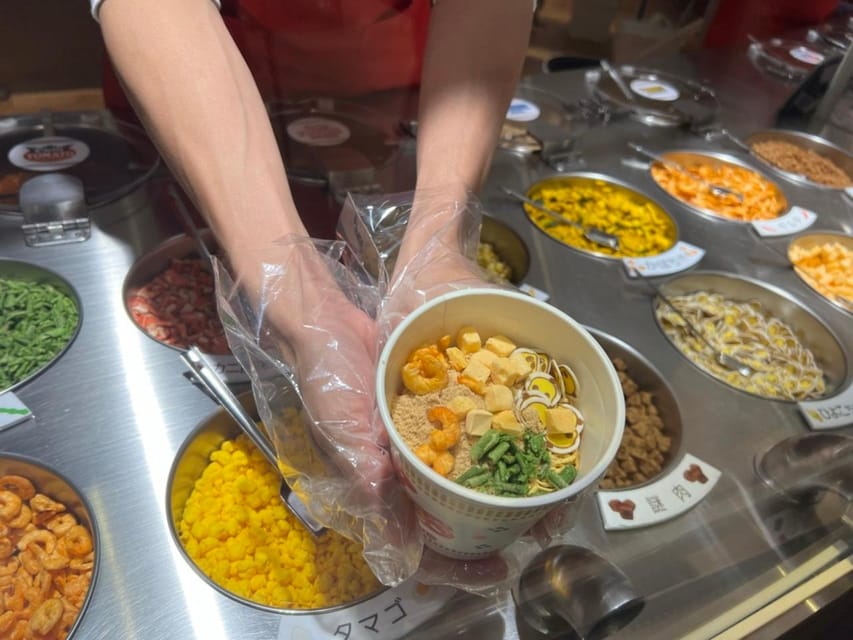
- You design your own package and choose from available soup bases and toppings.
- The group is limited to four people, making it easier to get help and ask questions.
- The $70 price includes museum entry, guide service, and cup-making, but not a separate ramen-making activity.
Why instant noodles make a good museum subject
At first, a museum about cup noodles may sound like a quick novelty stop. The better way to see it is as a compact story about postwar food, invention, business, and global eating habits.
Instant ramen is familiar almost everywhere, yet most people rarely think about how it was created. This visit gives you that missing context. You learn about Momofuku Ando, the founder of Nissin Foods, and the work that led to instant ramen becoming a food eaten far beyond Japan.
I like that the museum does not treat the product as just a snack. The guide connects it with noodle dishes from different parts of the world, so you get a wider look at how people use noodles in daily life. That conversation can make the exhibits more meaningful, especially if you are curious about food culture rather than only looking for a souvenir.
The format also works well for families, couples, and small groups of friends. You are not simply walking past display cases. You have a clear activity at the end, and the custom cup gives the visit a physical souvenir that you made yourself.
More Museum Tours in Yokohama:
- Tokyo: teamLab Planets TOKYO Digital Art Museum Entry Ticket
★ 4.6 · 9,779 reviews - Osaka Castle: Museum and Tower Entry Ticket
★ 4.5 · 2,380 reviews - Tokyo: Samurai Ninja Museum Guided tour and Experience
★ 4.6 · 1,010 reviews
Meeting your guide at the Yokohama entrance
The meeting point is the main entrance of the Cup Noodles Museum Yokohama. This detail matters because you should not go to the museum’s front desk looking for the tour. Your guide waits in the entrance area with a sign marked gotcha.
That instruction is simple, but it can save you a few minutes of confusion in a busy public building. Look for the guide before joining any museum line or asking staff to locate the tour. The guide leads the visit from there and brings you through the museum program.
The tour is offered in English, and the group is capped at four participants. That size is one of the strongest practical reasons to pay for a guided visit. A larger group could make the museum feel like a standard walk-through. With only a few people, you have a better chance to ask about an exhibit, clarify a point about the production process, or get help during the cup design activity.
The available starting time depends on the date, so check it when you book. The full experience lasts about 90 minutes and begins and ends at the museum.
Momofuku Ando’s work shed and the invention story
One of the most interesting parts of the visit is the replica of Momofuku Ando’s work shed. It gives the invention story a useful sense of scale. Instead of hearing only about a major food company and a worldwide product, you see a recreation of the modest place where the early work took place.
Your guide explains Ando’s life and achievements, along with the way instant ramen changed food culture. The point is not only that he created noodles that could be prepared quickly. It is also that the idea developed into a product with worldwide reach.
I find this personal angle more effective than a simple corporate timeline. You get a person, a workplace, a problem to solve, and the result. The museum can then show how that result moved from an idea into a global food phenomenon.
The guide also helps connect Ando’s work with noodle dishes from other countries. That discussion is useful because it keeps the visit from feeling too narrow. You are not only learning about one Japanese product. You are comparing ways that different cultures prepare, season, and serve noodles.
Do not expect a long lecture or an academic food-history course. The visit is short, conversational, and designed to keep moving. If you want a detailed study of Nissin Foods or industrial manufacturing, you may find the experience too brief. For a sightseeing stop, though, the amount of background fits the time well.
Following the instant ramen production process
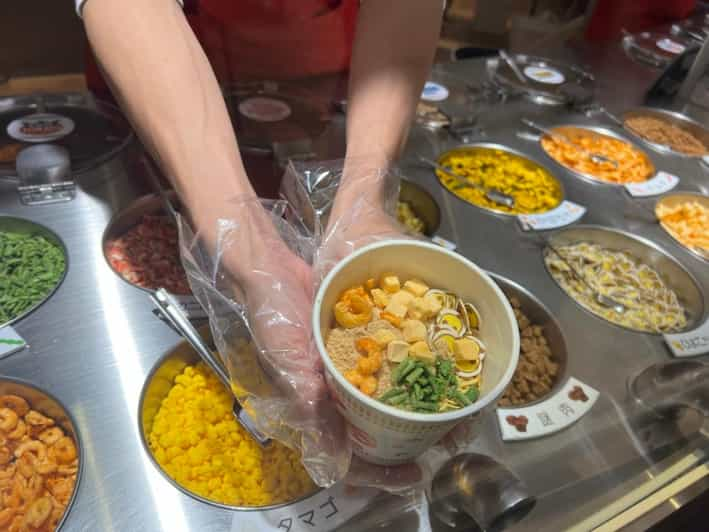
The museum visit includes an explanation of the history and production process of instant ramen. Your guide helps you understand how the product developed and why it became so successful.
This part gives the custom-cup activity more meaning. You first learn about the product as something developed through experimentation and production. Then you take part in a small, personal version of the finished product.
The production story also helps explain why instant noodles became such a practical food. The appeal is tied to convenience, preparation, and the ability to package a noodle meal for wider use. The museum presents that change as part of modern food culture rather than treating cup noodles as a throwaway item.
Your guide’s role is important here. The exhibits provide the setting, but the guide supplies the explanation and context. People who toured with Nori, Tomoko, and Andy especially valued the added background and practical help. Tomoko was also praised for meeting on time and helping people through different parts of the visit, while Andy was noted for making the history easier to follow.
Since names may vary by date, do not book this expecting one particular guide. The useful point is that the English-speaking guide is there to interpret the museum, not merely lead you from room to room.
A few more Yokohama half-days worth comparing
- Tokyo 8hr Private Tour with Licensed Guide from Yokohama
★ 5.0 · 94 reviews - Shuttle Van Transfer, Yokohama(Port)⇒Tokyo, Narita, Haneda, TDR
★ 5.0 · 63 reviews - Yokohama Ramen Adventure From a Local Noodle Factory to Home
★ 5.0 · 60 reviews - Yokohama 4hr Private Tour with Government-Licensed Guide
★ 5.0 · 34 reviews
Designing your own cup at My Cup Noodles Factory
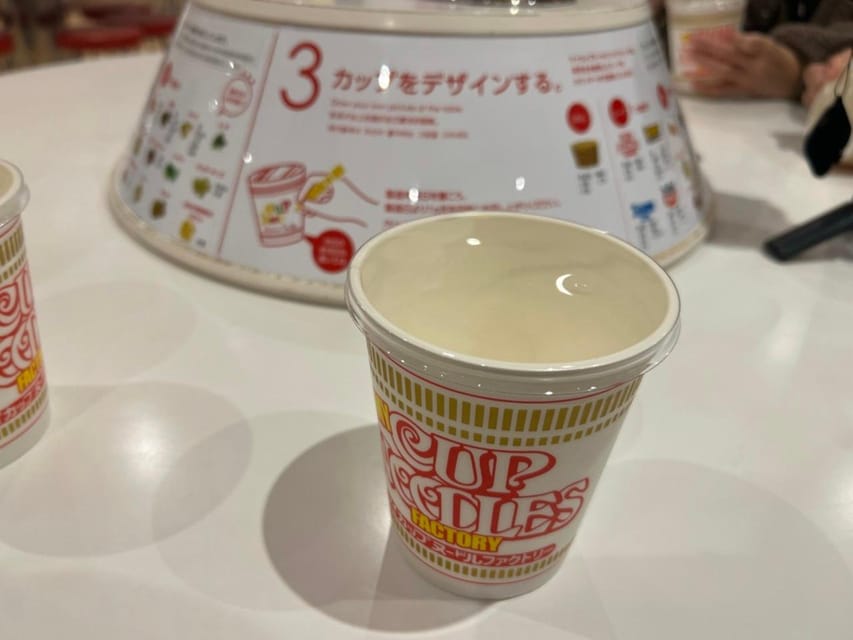
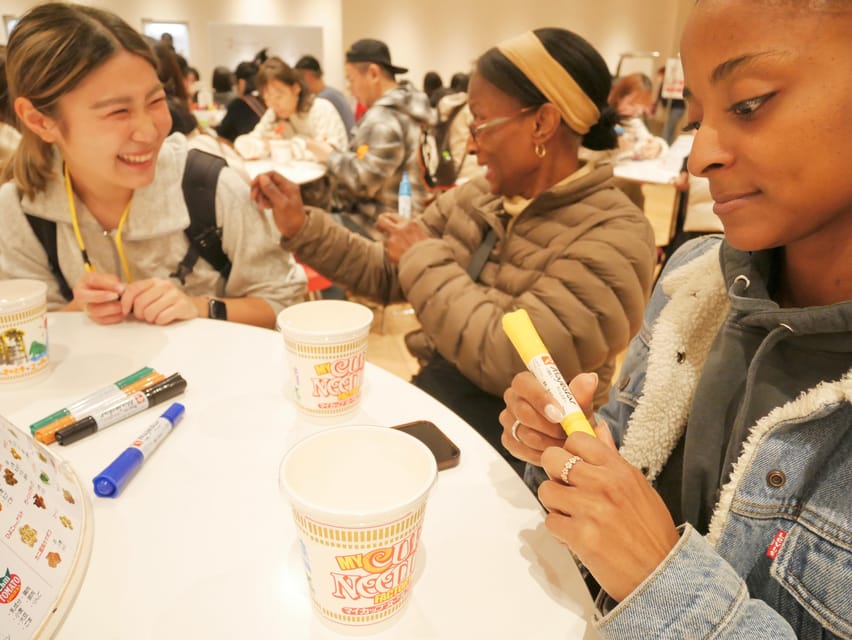
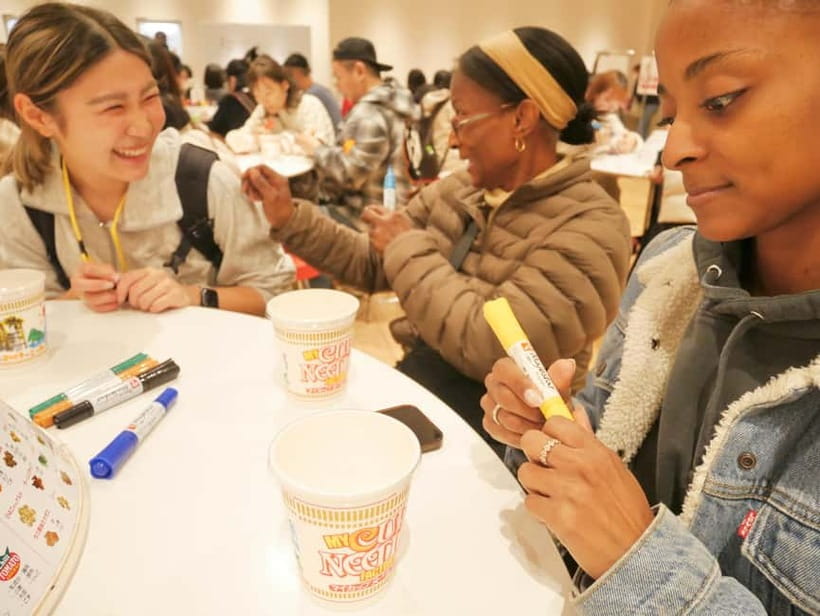
The final major part of the experience takes place at the My Cup Noodles Factory. Here, you design your own ramen package, then choose from different soup bases and toppings for a personal combination.
This is the part that gives the tour its hands-on finish. You are not simply buying a standard cup from the museum shop. You create a package connected to your visit, which makes it a better keepsake for children and adults who enjoy small creative activities.
The choices are limited to the options available at the factory, so you should not expect an unlimited recipe menu. Still, the basic appeal is strong: choose a soup base, select toppings, and create a cup that is different from the standard product.
Your guide can help explain the process and keep the activity moving. That matters if you are unsure what to choose or want help communicating during the workshop. One guest specifically noted that the guide was helpful at this stage, and that practical assistance is one reason the small group format has value.
You should also allow for the fact that this is a packaging and selection activity, not a full cooking class. You will not be making ramen from raw ingredients or taking part in a separate ramen-making experience. The advertised experience includes My Cup Noodles making only.
The pork issue is important
All soup bases contain pork. If you are vegetarian or vegan, this activity is not a good fit for eating the finished product.
This is not a minor footnote. The main hands-on portion involves choosing a soup base and toppings, so dietary restrictions affect the central activity. If you avoid pork for religious, ethical, or dietary reasons, check carefully before booking and do not assume that a vegetable topping choice makes the cup suitable.
The provided information does not identify a pork-free soup base. I would treat the activity as unsuitable for vegetarians and vegans unless the provider gives you different information before your visit.
Is $70 a fair price?
The price is $70 per person. That includes the museum entry fee, the English-speaking guide, and the My Cup Noodles making experience.
For a 90-minute activity, that is not the cheapest museum visit in Japan. The value depends on what you want from the stop. If you only want to enter the museum and look around quickly, the guided package may feel expensive. If you want explanations in English, a very small group, help with the activity, and an organized visit, the price makes more sense.
The guide is the main reason to choose this option over visiting on your own. You are paying for interpretation, not just admission. The guide explains the production process, provides background on Momofuku Ando, discusses noodle culture, and helps you through the custom-cup workshop.
The small group also affects the value. A maximum of four participants gives you a more direct experience than a large group tour. You can ask questions without waiting for a crowd, and the guide can take photos or help with the cup-making process. Tomoko was specifically praised for taking photos in different parts of the museum, while Nori also helped with pictures.
For families or small groups that want an easy, structured activity, I think the price is reasonable. For solo visitors on a tight budget, the cost may be harder to justify unless the English guidance is important to you.
What the 90-minute schedule feels like
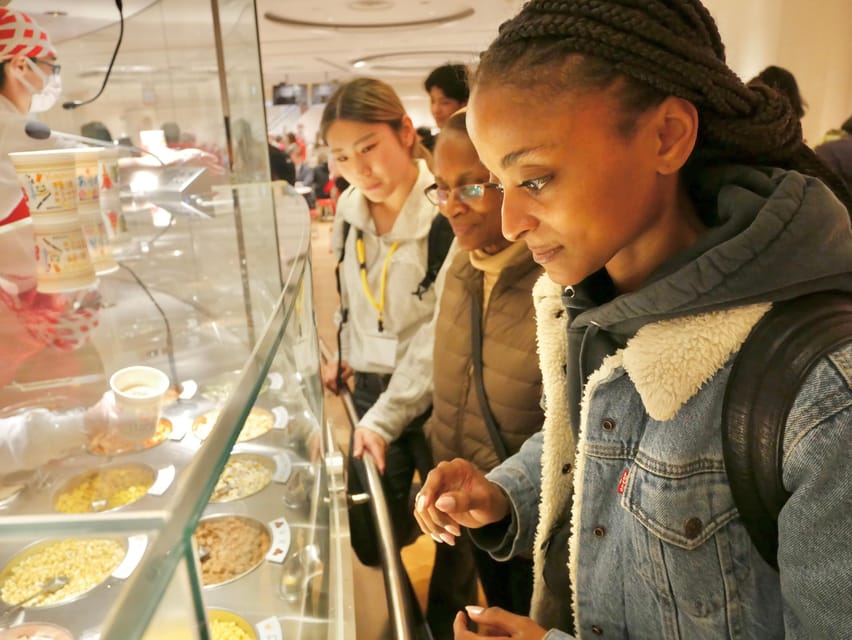
The experience stays in one place, which keeps the logistics easy. You meet at the museum entrance, tour the museum, take part in the workshop, and finish at the same museum.
The first portion focuses on the museum exhibits and Momofuku Ando’s story. You learn about the invention of instant ramen, see the recreated work shed, and discuss noodle foods from around the world with your guide.
The second portion brings you to the My Cup Noodles Factory. You design the package and select your soup base and toppings. The guide helps you complete the activity and keeps the small group together.
Ninety minutes is enough for a focused visit, but it is not enough for a slow, all-day museum outing. You may want to explore other parts of Yokohama before or after the tour, but those extra plans are separate from this activity. The experience begins and ends at the Cup Noodles Museum, so it works well as one stop in a larger day.
The personal touches that improve the visit
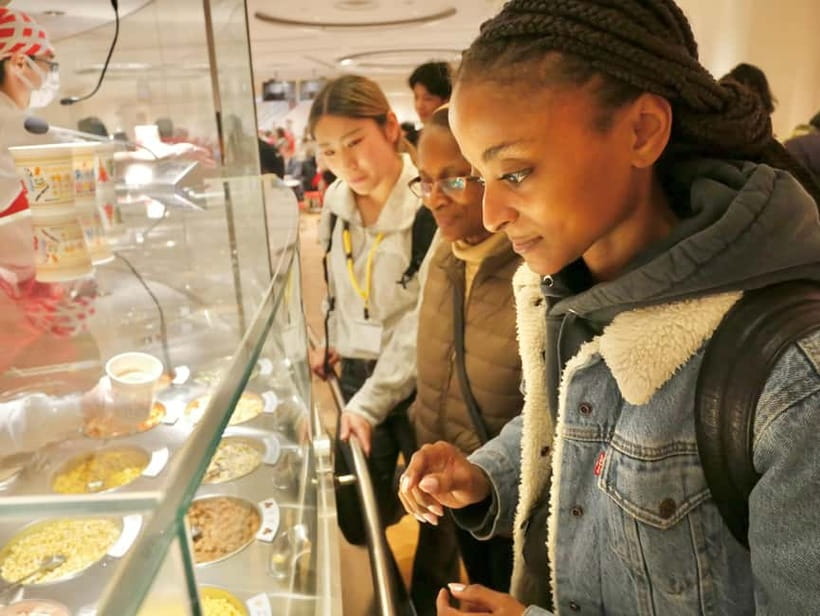
The best part of having a guide here is not only the information. It is the practical help.
Nori was praised for explaining the museum’s different stations and taking photographs. Tomoko was described as punctual, kind, and helpful throughout the visit. Andy was credited with adding background that made the cup-noodle story easier to understand. Tomo was remembered for giving handmade origami, a small gesture that made the experience feel personal.
You should not expect every guide to offer origami or take the same number of photos. Those details depend on the person leading your group. Still, they show how much the quality of the visit can depend on the guide rather than the exhibits alone.
The maximum group size of four gives that personal service room to work. Your guide can notice when you need assistance, explain a display in a different way, or help the group make decisions during the workshop.
Who should book this experience?
I would recommend it to you if you want a light, food-focused activity with a clear beginning and end. It suits families, couples, friends, and first-time visitors who would like an English explanation instead of exploring every exhibit alone.
It is also a good choice if you enjoy making small souvenirs. The custom package gives you something connected to the visit, and the soup and topping choices add a simple creative element.
You may want to skip it if you have already spent time at several food museums, dislike guided activities, or want a serious ramen-cooking class. The experience does not include ramen making at the Cup Noodles Museum or another Ramen Museum.
It is also not suitable for vegetarians and vegans based on the pork content of all soups. That limitation should guide your decision before you pay.
Booking details worth keeping in mind
You can cancel up to 24 hours before the activity for a full refund, and you can reserve now and pay later. Those terms help if your Yokohama plans may change.
The tour is offered in English with a live guide. Check the available starting times for your date, and arrive at the museum entrance rather than going to the front desk. Look for the guide holding the sign marked gotcha.
The experience provider is gotcha Corporation. The activity has a rating of 4.9 from 27 bookings, with especially strong praise for guide friendliness, clear explanations, photo help, and assistance during the custom-cup activity.
Should you book it?
Book this tour if you want more than a quick museum visit and like the idea of turning a famous everyday food into a short cultural lesson. The English guidance and four-person limit are the strongest reasons to choose it, while the custom cup gives the visit a useful souvenir and an easy activity to remember.
Skip it if you want a full ramen-cooking class, need a pork-free meal, or are watching your budget closely. For everyone else, $70 is a fair price for a guided 90-minute visit that combines museum context, a personal invention story, and hands-on cup-noodle making in one stop.
FAQ
Where does the tour begin?
Meet your guide at the main entrance of the Cup Noodles Museum Yokohama.
How will I recognize the guide?
The guide waits in the entrance area holding a sign marked gotcha.
Should I go to the museum front desk?
No. You should meet the guide at the entrance area and should not go to the museum front desk to find the tour.
How long does the experience last?
The activity lasts 90 minutes.
What language is the tour conducted in?
The live guided tour is conducted in English.
How many people can join the group?
The group is limited to four participants.
Is museum admission included?
Yes. The price includes the museum entry fee.
Is the My Cup Noodles making experience included?
Yes. Creating your own cup at the My Cup Noodles Factory is included.
Is a separate ramen-making class included?
No. A ramen-making experience at the Cup Noodles Museum or Ramen Museum is not included.
Can vegetarians or vegans eat the soup?
The information provided says all soups contain pork, so the activity is not suitable for vegetarians or vegans who need a pork-free soup.
Can I cancel for a full refund?
Yes. You can cancel up to 24 hours in advance for a full refund.
Can I book now and pay later?
Yes. The reserve-now-and-pay-later option lets you book without paying at the time of reservation.
Just added around Yokohama
- Tokyo/Yokohama: Private JDM Daikoku/大黒 Car Meet With Driver★ 4.7 · 20 reviews
- Yokohama 4hr Private Tour with Government-Licensed Guide★ 5.0 · 34 reviews
- Shuttle Van Transfer, Yokohama(Port)⇒Tokyo, Narita, Haneda, TDR★ 5.0 · 63 reviews
- Yokohama Private Tour★ 5.0 · 21 reviews
- Yokohama Full Day Tour with a Local Expert Guide★ 4.3 · 23 reviews
- Sencha-do the Japanese Tea Ceremony Workshop★ 5.0 · 21 reviews
- Yokohama Private Food Tours with a Local: 100% Personalized★ 4.5 · 21 reviews
- Yokohama Private Tour with a Local: Highlights & Hidden Gems★ 4.5 · 21 reviews
Museums, compared.
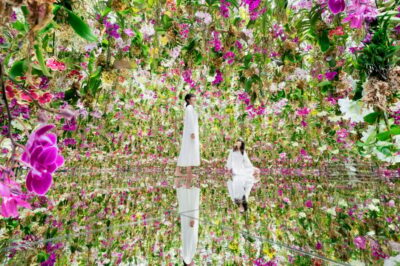
teamLab Planets TOKYO Digital Art Museum Entry Ticket
Our verdict →
Kamigata Ukiyoe Museum:Ukiyo-e Woodblock Printing Experience
Our verdict →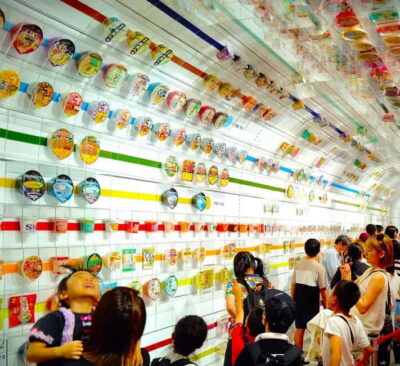
Mt. Fuji, Owakudani, Hakone Shrine, & Open-Air Museum
Our verdict →Browse the lists this tour appears in