
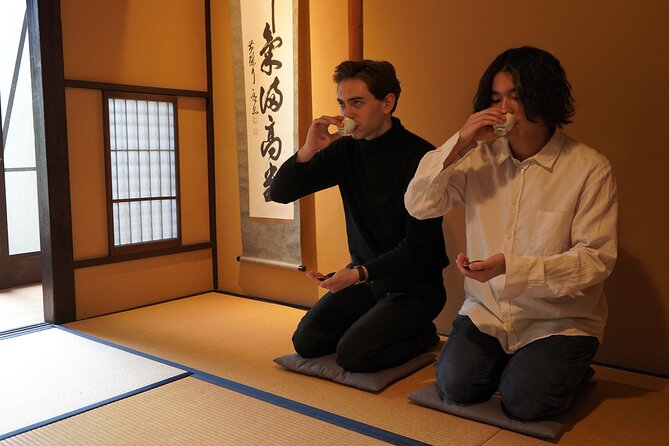
Reviewed · TEA CEREMONY EXPERIENCES
Sencha-do the Japanese Tea Ceremony Workshop
Sencha-do offers something many Japanese tea workshops do not: you actually handle the utensils and brew the tea yourself. The class begins with a demonstration, then moves from watching to doing, with a master of the Higashi Abe school guiding each step.
I like the small maximum of four people and the chance to compare the tea you make with the cups prepared by your companions. I also like the gentle, personal teaching style, especially for families and first-time visitors. The main drawback is practical: the meeting point can be hard to find, so allow extra time and check the directions carefully.
Key points to know before booking
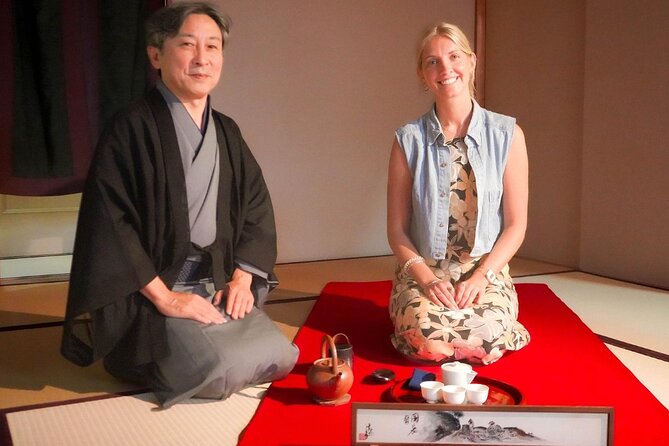
- Loose-leaf tea, not matcha: Sencha-do brews green tea leaves with hot water rather than whisking powdered tea.
- A hands-on class: You move beyond watching and use the tea utensils yourself.
- Small group size: The workshop accepts a maximum of four people, which leaves room for questions.
- Japanese sweets included: A sweet is served during the ceremony and pairs with the tea.
- About 90 minutes in Kawasaki: The experience starts and finishes at the same meeting point.
- A master-led lesson: The instructor belongs to the Higashi Abe school and has taught many students.
Why Sencha-do offers a different view of Japanese tea
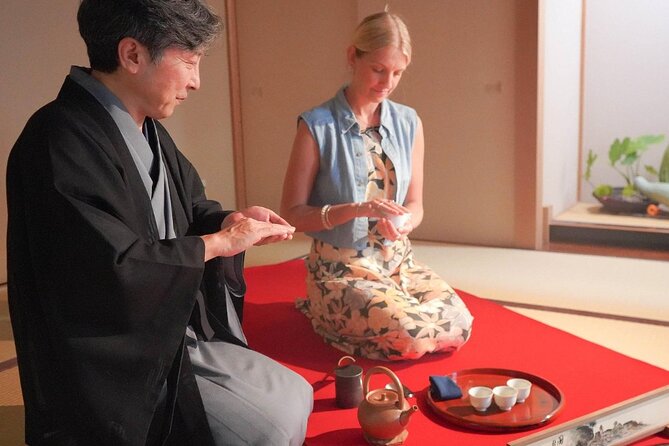
Most visitors first meet Japanese tea through matcha. That powdered green tea is whisked into a frothy drink, often in a formal ceremony with carefully set movements. Sencha-do follows another path. You brew whole green tea leaves, allowing the water, timing, and pouring technique to shape the flavor.
That difference makes this workshop useful even if you already know a little about tea. You are not simply learning a few ceremonial gestures. You are seeing how Japanese tea culture includes more than the version most often presented to visitors.
The instructor teaches through the Higashi Abe school, a specific Sencha-do tradition. The school connection gives the class more substance than a casual tea-tasting stop. You learn that tea ceremonies can vary by school, with different utensils, movements, and ideas about how tea should be prepared and served.
I especially like that the workshop does not keep the tools behind a glass case. You can touch the utensils, follow the brewing process, and taste the result of your own work. That small change from watching to doing is what turns the lesson into a memory you can carry home.
More Tea Ceremony Experiences in Yokohama:
- Japanese Tea Ceremony at Private Home in Yokohama, suburban Tokyo
★ 5.0 · 32 reviews - Kyoto: Tea Ceremony in a Traditional Tea House in Kiyomizu
★ 4.9 · 3,519 reviews - Kyoto: Tea Ceremony Ju-An at Jotokuji Temple
★ 4.9 · 3,207 reviews
The opening demonstration sets the tone
Your 90-minute visit begins with observation. Before you are asked to brew anything, the instructor performs the ceremony and explains the atmosphere, customs, and meaning behind the steps.
This opening matters because Sencha-do can look quiet and slow if you do not know what to watch. The arrangement of the utensils, the order of the movements, and the way the tea is poured all have a purpose. Once you see the complete process, your own turn becomes easier to follow.
The teaching style is careful and patient. Kyo is named in the experience feedback as an instructor who explains the tradition respectfully and works at a comfortable pace. Other sessions have also been taught by the school’s grandmaster, so the exact teacher may vary, but the class is led by someone connected directly to the Higashi Abe tradition.
Do not expect a rushed demonstration designed only for photographs. The point is to understand the ceremony before taking part. You are encouraged to ask questions, and the personal format makes it possible to spend time on details that interest you, such as the school’s story, tea culture, and the difference between Sencha-do and matcha preparation.
Brewing your own cup is the best part
After watching, you take your place at the utensils and brew tea yourself. The instructor guides you through the process rather than expecting you to remember everything from the demonstration.
This is where the workshop earns its price. A standard cultural presentation can show you a beautiful ritual, but it may leave you as an observer. Here, you learn by handling the tools and making decisions during the brewing process. You can notice how the tea changes depending on how it is prepared, then taste the result immediately.
The activity is well suited to curious beginners because you are not expected to arrive with tea knowledge. The teacher explains the process from the start and corrects you gently when needed. Families can also take part together, and children who enjoy practical activities may find this more engaging than a lecture.
The small group limit is important. With no more than four people, each person should have a real chance to participate rather than simply watch another student brew. If you are visiting with friends or family, comparing the cups adds a playful element. You can taste how each person’s preparation differs and discuss which flavor you prefer.
The tea is not described as sweetened, so do not expect a sugary drink. The Japanese sweets provide the sweetness alongside the tea, helping you notice the tea’s own taste. This pairing is part of the lesson, not just a snack added to the schedule.
Japanese sweets make the tasting more complete
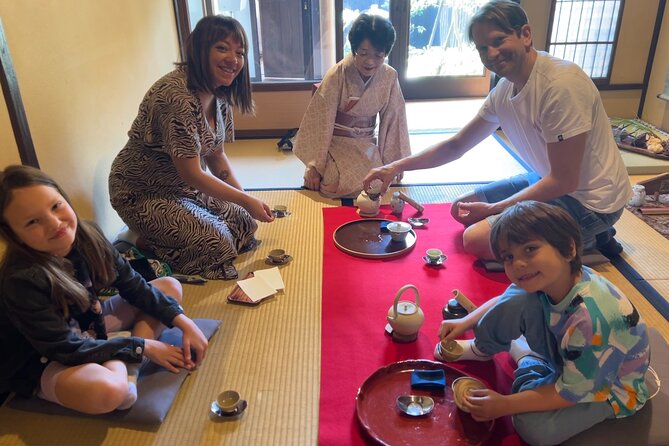
The sweets are included in the $65.69 price, along with the green tea. Their role is more than a small extra. In Japanese tea culture, the sweet and the tea are meant to work together, with the sweet preparing your palate for the tea’s flavor.
You are given time to enjoy the moment rather than being pushed from one activity to another. That slower pace suits the subject. Tea preparation depends on attention, and the sweets give you a natural pause between the demonstration and your own brewing.
The precise sweet is not specified in the available details, so you should not book this expecting a particular confection. You can count on Japanese sweets being served, but the selection may vary.
A few more Yokohama half-days worth comparing
- Tokyo 8hr Private Tour with Licensed Guide from Yokohama
★ 5.0 · 94 reviews - Shuttle Van Transfer, Yokohama(Port)⇒Tokyo, Narita, Haneda, TDR
★ 5.0 · 63 reviews - Yokohama Ramen Adventure From a Local Noodle Factory to Home
★ 5.0 · 60 reviews - Yokohama 4hr Private Tour with Government-Licensed Guide
★ 5.0 · 34 reviews
A traditional setting with a personal teaching style
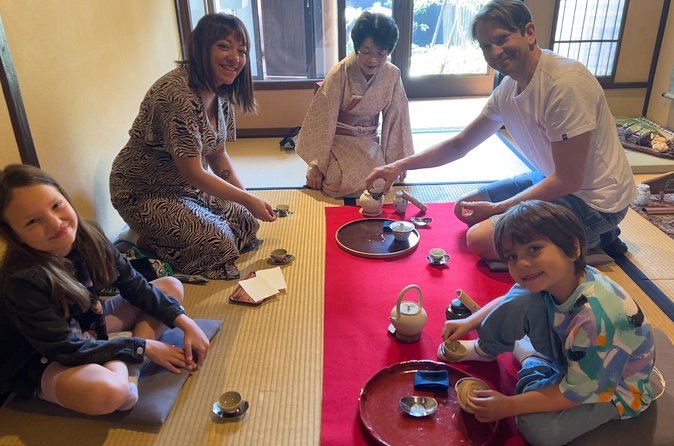
The class takes place at the Higashi Abe school location in Kawasaki. The address is 一般財団法人 煎茶道東阿部流, 1-chōme-7-2 Totehonmachi, Saiwai Ward, Kawasaki, Kanagawa 212-0023, Japan.
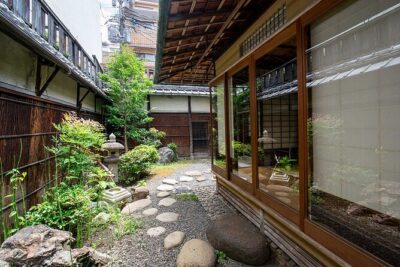
The setting is described as traditional, which helps the ceremony feel connected to a real school rather than staged as a quick tourist performance. At the same time, the atmosphere is welcoming. You can take photographs throughout the experience, making it easier to remember the utensils, tea, and setting after you leave.
There is a useful balance here. The instructor protects the customs of the school, but you are not asked to remain silent and passive. You can learn the formal side of Sencha-do while still asking questions and taking part.
The school’s connection to both tea practice and family tradition also adds depth. One lesson included discussion of the school’s background and the history of this particular tea style. That context helps explain why learning Sencha-do is different from simply ordering sencha at a café.
Price and group size: what you receive for $65.69
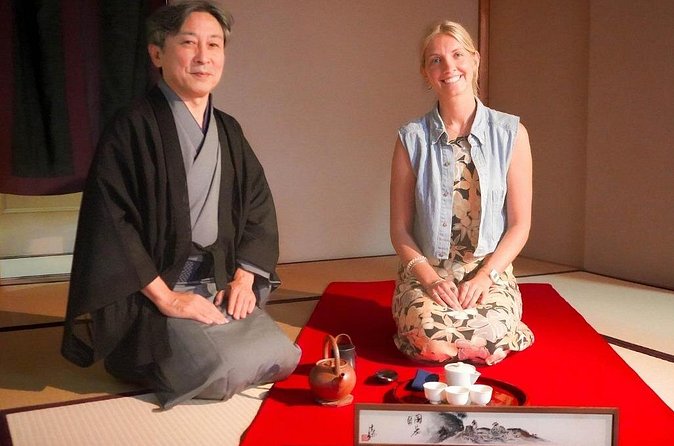
At $65.69 per person, this is not the cheapest way to drink green tea in Japan. You could buy a cup of sencha for far less. The value comes from the teaching, access to the utensils, the school setting, the sweets, and the chance to brew tea under guidance.
For a group of two to four people, the price can make sense as a focused cultural lesson. You receive personal attention that is difficult to get in a large class, and you can compare your results with people you know. Group discounts may be available, so check the final price if you are booking together.
The 90-minute length is also practical. It is long enough to include explanation, demonstration, tasting, and your own brewing without taking over an entire day. You can fit it between other plans in Kawasaki, provided you allow time to reach the address.
The experience is booked, on average, 13 days ahead. That is a useful sign for planning. If you have a fixed schedule, reserve before your Japan trip rather than assuming you can walk in.
Finding the Kawasaki meeting point
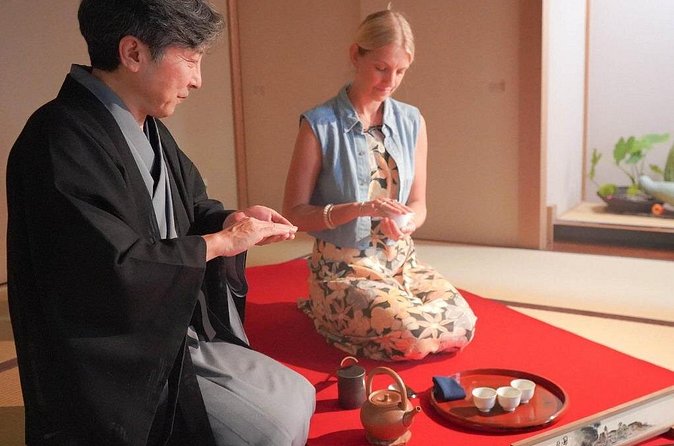
The meeting point is also the ending point, and private transportation is not included. The location is near public transportation, but finding the exact building may take more care than the short address suggests.
One important practical warning: directions supplied through the booking process have been difficult for some people to follow. I would download or screenshot the address before setting out, keep the Japanese address visible, and leave extra time to ask for help if needed. This is especially important if you are arriving for a fixed start time.
Do not confuse this Kawasaki meeting point with references to Kyoto that appear in some teacher responses. The experience details provided here place the workshop in Kawasaki, Kanagawa. If your plans are based in Kyoto, confirm the exact venue before booking, since the school name may also be associated with other locations or branches.
The activity ends back where it begins, so you do not need to arrange a separate pickup. You are responsible for getting to and from the school.
Who will enjoy this workshop most
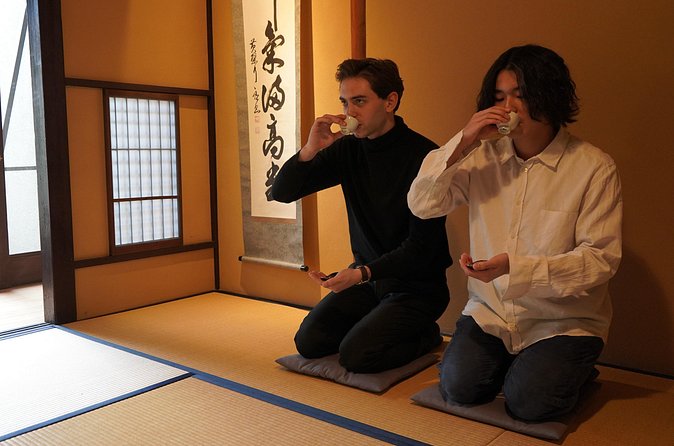
I would choose this experience for anyone who wants more than a quick photograph at a tea ceremony. The hands-on brewing makes it a good fit for:
- First-time visitors to Japanese tea culture: You see the ceremony, hear the background, then try it yourself.
- Tea lovers: You can focus on the flavor of loose-leaf green tea and how brewing affects the cup.
- Families: Children can take part in a real task, and the small group makes it easier to keep everyone involved.
- Couples and friends: Comparing the teas gives you something to discuss and enjoy together.
- Solo visitors: A maximum of four people creates a more personal lesson than a large group activity.
You may want to skip it if you are looking only for a quick drink or a highly theatrical performance. Sencha-do rewards patience and attention. The movements are part of the lesson, so the pace may feel slow if you prefer fast sightseeing.
Most people can participate, and service animals are allowed. The supplied information does not list specific seating or mobility details, so contact the provider if you have a particular access need.
Weather, booking, and cancellation details
Confirmation is provided when you book. The activity requires good weather, and if poor weather forces a cancellation, you can choose another date or receive a full refund.
The experience also requires a minimum number of participants. If that minimum is not reached and the provider cancels, you are offered another date or experience, or a full refund.
You can cancel for a full refund up to 24 hours before the start time. Cancellations or changes made within 24 hours are not accepted for a refund, and the cut-off follows local time in Japan.
Should you book the Sencha-do workshop?
Book it if you want a small, hands-on lesson that shows a side of Japanese tea culture beyond matcha. The strongest reasons are the direct access to the utensils, the master-led instruction, the Japanese sweets, and the chance to taste tea you prepared yourself.
The main cautions are the price, the need to reach a precise meeting point, and the possibility that the slow ceremonial pace will not suit everyone. Give yourself extra time to find the Kawasaki address, and confirm the location if your wider itinerary is centered in Kyoto.
For families, couples, solo visitors, and anyone curious about loose-leaf tea, I think the personal format makes this a worthwhile choice. You are not just watching a tradition. You are learning how to perform one small part of it with your own hands.
FAQ
Where does the Sencha-do workshop take place?
It takes place at 一般財団法人 煎茶道東阿部流, 1-chōme-7-2 Totehonmachi, Saiwai Ward, Kawasaki, Kanagawa 212-0023, Japan.
How long does the experience last?
The workshop lasts approximately 1 hour and 30 minutes.
What kind of tea is used?
Sencha-do uses green tea leaves that are brewed by infusion. It does not use powdered matcha.
Can I brew tea myself?
Yes. You first observe the ceremony, then use the tea utensils to brew your own tea with guidance from the instructor.
Are Japanese sweets included?
Yes. Green tea and Japanese sweets are included in the price.
How many people can join?
The activity accepts a maximum of four people. Group discounts are available.
Can I cancel for a full refund?
Yes, if you cancel at least 24 hours before the experience start time. Cancellations or changes made less than 24 hours before the start time are not refunded.
Just added around Yokohama
- Tokyo/Yokohama: Private JDM Daikoku/大黒 Car Meet With Driver★ 4.7 · 20 reviews
- Yokohama: Guided Cup Noodles Museum Tour & Make Your Own Cup★ 4.9 · 27 reviews
- Yokohama Private Food Tours with a Local: 100% Personalized★ 4.5 · 21 reviews
- Yokohama Private Tour with a Local: Highlights & Hidden Gems★ 4.5 · 21 reviews
- Japanese Tea Ceremony at Private Home in Yokohama, suburban Tokyo★ 5.0 · 32 reviews
- Yokohama Ramen Adventure From a Local Noodle Factory to Home★ 5.0 · 60 reviews
- Tokyo Full Day Tour with Licensed Guide and Vehicle from Yokohama★ 5.0 · 26 reviews
- Yokohama Half Day Walking Tour with an Expert Local Guide★ 4.5 · 22 reviews
Tea Ceremony Experiences, compared.

Tea Ceremony in a Traditional Tea House in Kiyomizu
Our verdict →


World Heritage Kyoto & Nara Uji Authentic Matcha Experience
Our verdict →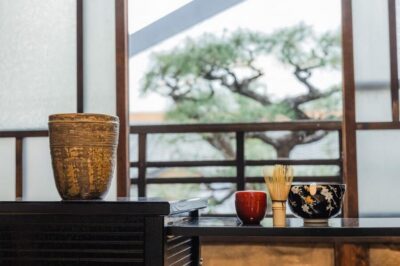

Arashiyama Bamboo Forest, Monkeys, Matcha & Temple Tour
Our verdict →
Browse the lists this tour appears in