
Reviewed · TEA CEREMONY EXPERIENCES
Kanazawa: Kenrokuen Tea Ceremony Experience
Kanazawa’s Kenrokuen Tea Ceremony gives you a calm, hands-on look at one of Japan’s most formal traditions. Inside historic Kenrokutei, once used by the Maeda lords to entertain important visitors, you watch a tea master work through the ritual, then prepare matcha yourself.
I especially like the clear English explanations and the chance to make your own tea rather than simply watch. The wagashi sweets, made by traditional confectioners, are another treat. The main drawback is that the tea room does not look onto the garden, so you need to visit Kenrokuen separately before or after the ceremony.
Key points
- A one-hour introduction: You see the formal procedure without committing to a full three-to-four-hour ceremony.
- Historic Kenrokutei setting: The experience takes place in a building linked to the Maeda lords of Kanazawa.
- Hands-on matcha making: After watching the tea master, you whisk your own bowl with help.
- English guidance throughout: The guide explains the gestures, manners, history, and meaning behind the ritual.
- Wagashi with the tea: Traditional sweets soften matcha’s strong flavor and add a local food element.
- Plan for the garden fee: Kenrokuen admission costs 320 yen extra, and the tea room itself does not show the garden.
What this Kanazawa tea ceremony is really like
A Japanese tea ceremony can seem mysterious if you only see the finished performance. Every movement looks precise, and the quiet atmosphere may leave you unsure about where to look, when to bow, or how to hold the bowl.
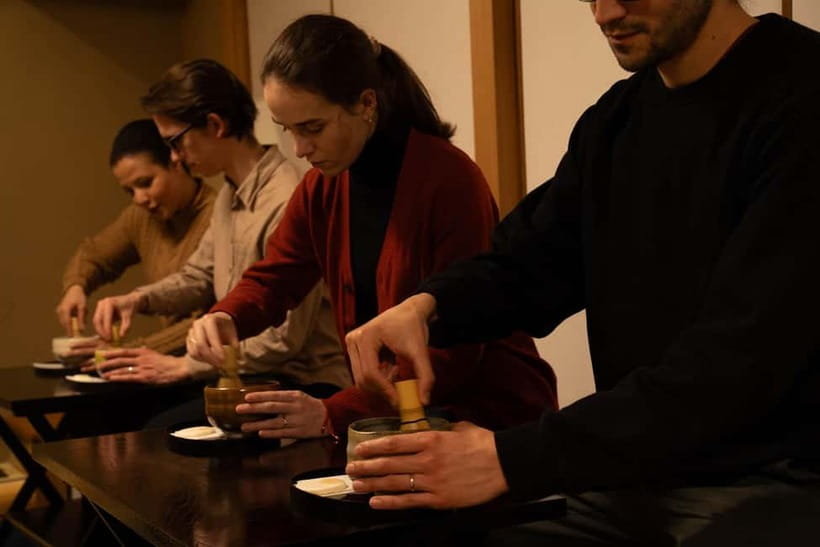
This experience removes that uncertainty. You are not expected to know the rules beforehand. An English-speaking guide explains what is happening, then gives you simple instructions so you can take part without feeling awkward.
The session lasts one hour. That makes it a practical choice during a short stay in Kanazawa, especially if you want a cultural activity that fits between Kenrokuen, Kanazawa Castle, and the city’s historic districts. It is also a shorter version of the formal tea tradition. A complete ceremony can last three to four hours, while this session focuses on the key elements.
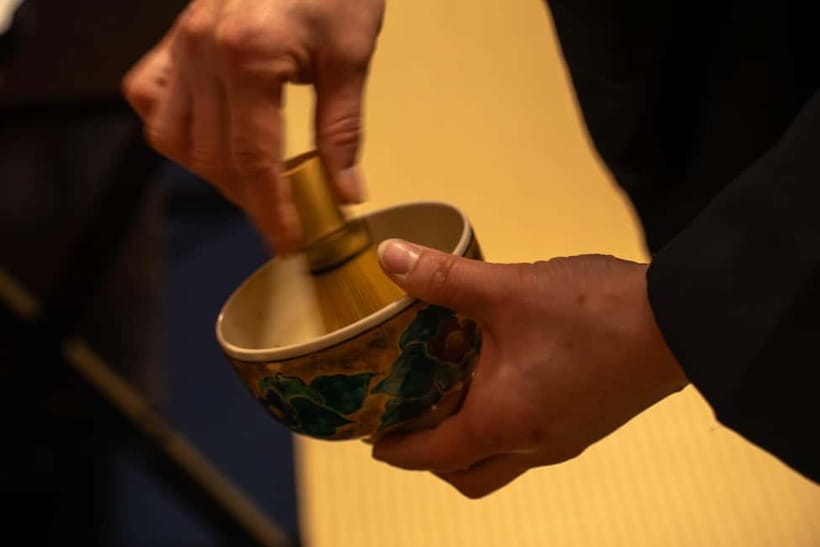
You watch a tea master prepare matcha with care and precision. Then you have a turn. The result may not look as effortless as the master’s bowl, but that is part of the fun. You learn that making good matcha involves more than stirring green powder into hot water.
More Tea Ceremony Experiences in Kanazawa:
- Kanazawa: Samurai, Matcha, Gardens and Geisha Full-Day Tour
★ 4.9 · 75 reviews - Full-Day Tour from Kanazawa: Samurai, Matcha, Gardens and Geisha
★ 5.0 · 68 reviews - Kyoto: Tea Ceremony in a Traditional Tea House in Kiyomizu
★ 4.9 · 3,519 reviews
Finding Kenrokutei inside Kenrokuen Garden
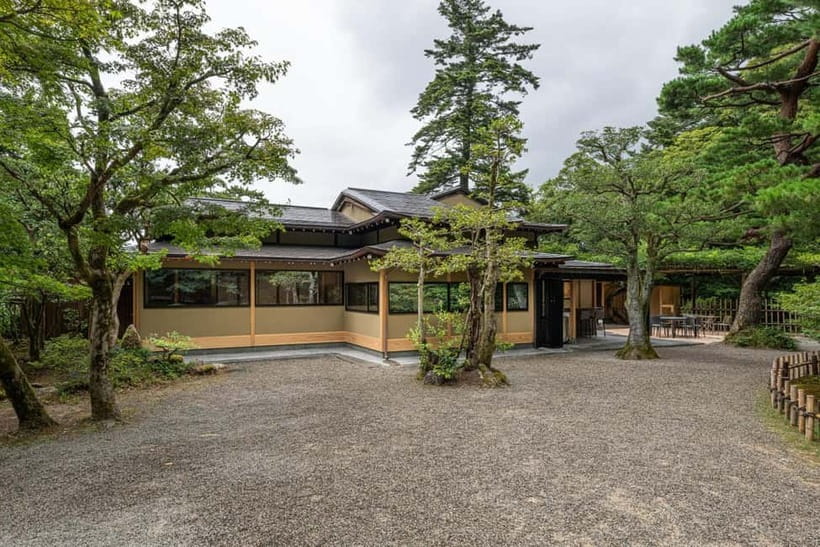
The meeting point is Kenrokutei, in front of the fountain inside Kenrokuen Garden. This detail matters because you must first enter the garden before reaching the tea room.
Kenrokuen admission is not included. The separate fee is 320 yen, and the garden ticket gives you a good reason to arrive early or stay afterward. Kenrokuen is one of Kanazawa’s main sights, so pairing the ceremony with a garden visit makes the extra payment worthwhile.
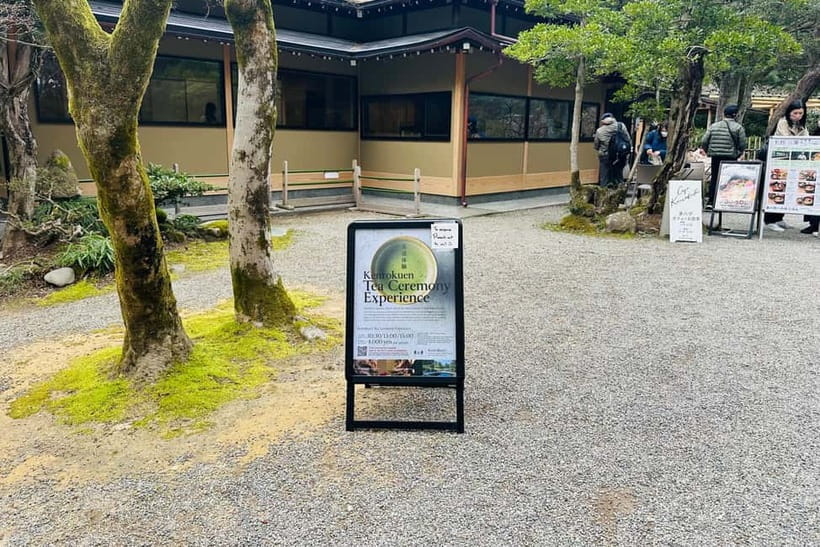
Do not rely only on the phrase in front of the fountain. Look for the Kenrokutei shop and its tea ceremony signboard once you are inside. One practical point to remember is that the ceremony room itself does not offer garden views. The garden provides the setting and the historical context, but you will spend the actual session in a formal indoor room.
Arrive on time. If you are more than 10 minutes late, the reservation can be canceled. That rule is understandable here: the room is quiet, several groups may share the scheduled session, and late arrivals would interrupt the ceremony.
A historic room with a serious purpose
Kenrokutei is not simply a convenient shop inside the park. It is described as a historic place where important guests were entertained by the Maeda lords, the ruling family associated with Kanazawa during the Edo period.
That background gives the ceremony more weight. You are not learning tea etiquette in an anonymous modern room. You are sitting in a place linked to the social world that helped shape Kanazawa’s arts, crafts, gardens, and refined manners.
The experience is still designed for international visitors, and that is a strength rather than a flaw. The guide explains the ceremony in English, including the purpose behind the movements and the correct way to behave. The result is a tourist version of the tradition, but a thoughtful one. You get the essential structure without needing half a day or prior knowledge.
The room is meant to be quiet and formal. You should treat it as a cultural demonstration rather than a casual tea tasting. At the same time, the atmosphere is friendly. Guides have been described as patient, warm, and willing to answer questions before, during, and after the ceremony.
Watching the master prepare matcha
The first main part is observation. A tea master performs the procedure while the guide explains what you are seeing.
Pay attention to the order of the actions. The ceremony is not just about producing a drink. The placement of the utensils, the handling of the bowl, the pace of the movements, and the way the tea is offered all carry meaning.
The guide helps you read these details. Without that explanation, the ceremony could look beautiful but puzzling. With it, the movements become a form of communication, shaped by manners, hospitality, and attention to the present moment.
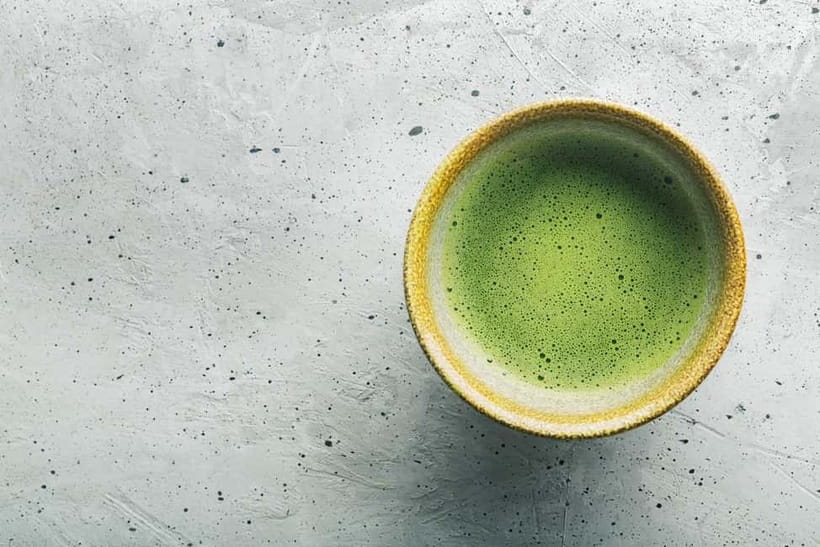
The tea itself is matcha, a powdered green tea whisked with hot water. It has a strong, grassy taste that some people love immediately and others need time to appreciate. The wagashi served alongside it are important because their sweetness balances the tea.
You can also take photographs to remember the experience. Do this thoughtfully and follow the guide’s instructions, since the session depends on a peaceful room and shared attention.
A few more Kanazawa half-days worth comparing
- Kanazawa Half Day Tour (Private Guide)
★ 5.0 · 361 reviews - Kanazawa Full Day Tour (Private Guide)
★ 5.0 · 323 reviews - Kanazawa Night Tour with Local Meal and Drinks
★ 5.0 · 148 reviews - Kanazawa: Private Walking Tour with a Local
★ 4.8 · 141 reviews
Making your own bowl of tea
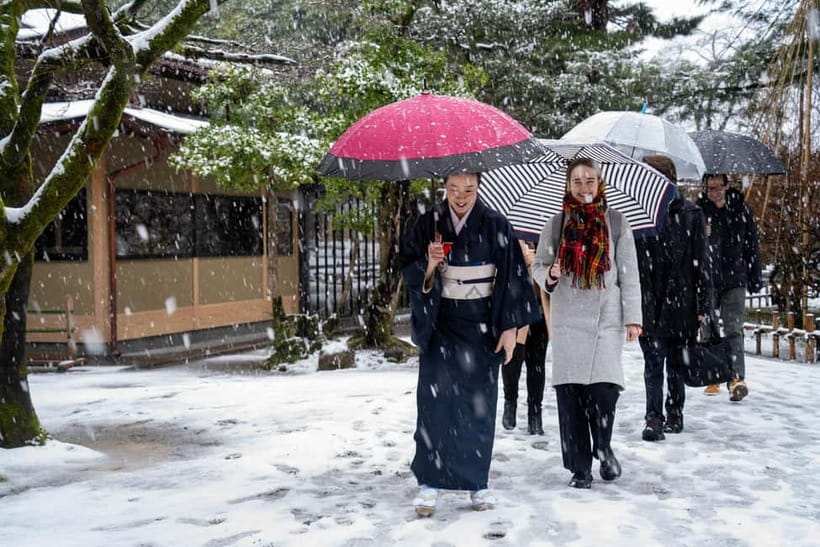
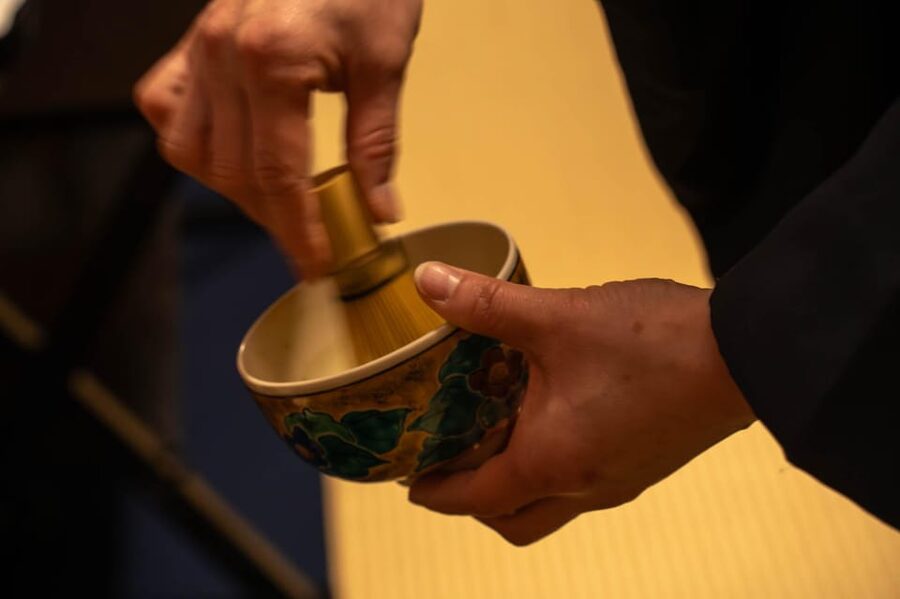
The hands-on part is the best reason to choose this experience over a simple tea demonstration. After watching the master, you are shown how to prepare matcha yourself.
You receive help as you work through the process. The task looks simple, but getting the tea smooth and properly whisked is harder than it appears. That small challenge makes the ritual more memorable. You are not just consuming a cultural product. You are learning one physical skill connected to it.
The guide explains how to act and behave, so you do not need to worry about making a serious etiquette mistake. Follow the instructions, watch the demonstration closely, and accept that your first bowl may be less polished than the master’s.
This is also where the activity feels relaxed rather than overly solemn. The ceremony remains formal, but your own attempt gives the session a playful edge. It suits curious adults, couples, families with older children, and anyone who likes cultural activities with a practical element.
The published age information needs care. One part says participants must be at least seven, while another says the activity is not suitable for children under eight. To avoid confusion, I would treat eight as the safe minimum.
Wagashi, Kanazawa confectionery, and the taste of the ritual
The sweets are not an afterthought. You taste several Japanese wagashi, sourced from traditional confectioners, during the experience.
Wagashi are made to accompany tea, and their sweetness prepares your palate for matcha’s sharper flavor. The pairing also shows how Japanese tea culture connects ceremony, food, season, presentation, and hospitality.
You may taste the sweets before drinking the tea, which is the usual way to balance the flavors. Some participants specifically enjoy having the desserts served first. If you are new to matcha, this makes the drink easier to appreciate.
The exact sweets can vary, so do not book this expecting a fixed dessert menu. Think of them as part of the ceremonial setting and a small introduction to Kanazawa’s confectionery culture.
The matcha has received particularly warm praise for its smooth, balanced taste. That is subjective, of course, but the sweet pairing helps even first-time drinkers approach it comfortably.
How much history and explanation you receive
The English guidance is central to the experience. You learn not only what to do but why the actions matter.
Past sessions have included guides such as Nana and Océane, along with other English-speaking hosts. The most useful qualities are clear timing and patience. The guide explains before the ceremony begins, adds information at suitable points, and leaves room for questions afterward.
You may hear about the historical importance of tea during the Edo period and the connection between the ritual and Japanese ideas of hospitality, calm, and mindfulness. The session does not turn into a long academic lecture. It gives you enough context to understand what you are watching.
If English is not comfortable for you, a private reservation with translation support is recommended. Group sessions are shared with other participants, and the organizers want to keep the room quiet. A private booking is therefore the better choice if you need detailed translation into another language.
Comfort, group atmosphere, and practical limits
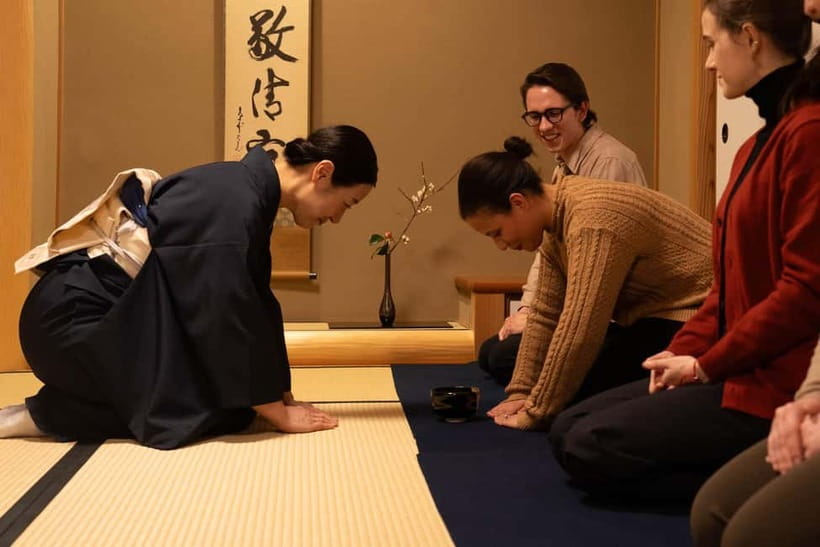
You normally sit on mats during the ceremony. If kneeling or sitting on the floor is difficult, you can request a chair. Make that request when arranging the experience or on arrival so the staff can prepare.
The activity takes place at the same time as other groups. That means you may not receive a completely private ceremony unless you arrange a private reservation. The benefit is that the shared format keeps the price moderate and lets you enjoy the ritual without the cost of a private lesson.
The room should be treated as a quiet space. Keep your voice low, listen to the guide, and avoid arriving late. This is not the right pick if you want a lively cooking class or a free-flowing tasting session.
It is a good match for visitors who want a slow, focused hour in the middle of a sightseeing day. The experience has enough structure to feel special, but it is not so long that it takes over your schedule.
Is $35 a good value?
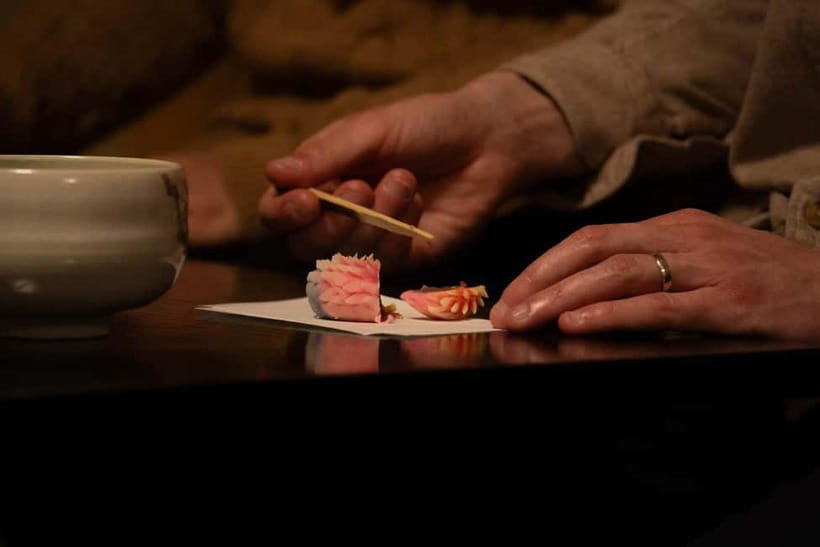
At $35 per person, this is a fair price for an organized cultural activity in central Kanazawa. You receive a tea ceremony, English instruction, wagashi sweets, your own matcha-making attempt, and photographs.
The price becomes better value if you were already planning to visit Kenrokuen. The extra 320 yen garden admission is modest, and the garden ticket allows you to spend time in one of Kanazawa’s key sights before or after the tea ceremony.
The value is less obvious if you are only interested in drinking matcha. Cafes can offer tea for less money. You are paying here for the setting, the explanation, the formal procedure, and the chance to participate.
I would especially recommend it to first-time visitors to Japan who want cultural context without signing up for a long formal ceremony. It also works well for repeat visitors who have tasted matcha before but have never learned the etiquette or preparation.
Who should book this experience?
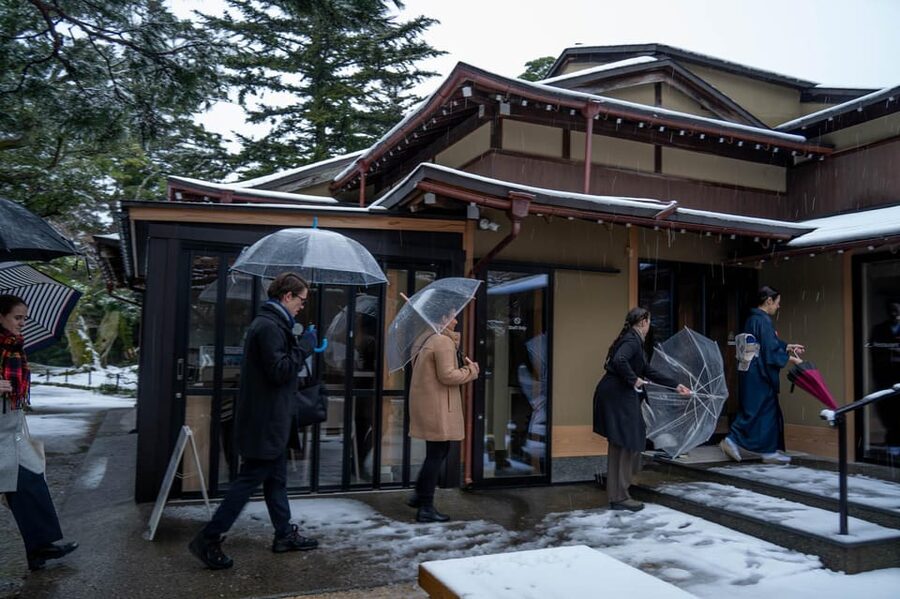
Book it if you want to understand the ritual rather than simply take a drink. The English explanations make it accessible, and the hands-on section gives you something concrete to remember.
It is a strong choice for couples, solo visitors, and families with older children. Children should be at least eight to be safe with the published age guidance, and they need to respect the quiet setting.
The activity may not suit you if you dislike sitting on mats, although chairs can be requested. It is also not ideal if your schedule is so tight that a 10-minute delay or a garden entrance queue could cause trouble.
For photographers, the chance to take pictures is useful, but the ceremony should not be treated as a photo shoot. The best images will likely come from the garden before or after, since the tea room does not look onto Kenrokuen.
Should you book the Kenrokuen tea ceremony?
Yes, if you want a short, well-explained introduction to Japanese tea culture. The combination of a historic room, an actual tea master, traditional wagashi, and your own attempt at making matcha gives the hour real substance.
Book it alongside your Kenrokuen visit, not as a replacement for it. Enter the garden early, enjoy the paths and views, then find Kenrokutei at the fountain with time to spare.
I would skip it only if you want a private, full-length ceremony or if sitting quietly in a shared room sounds unappealing. For most visitors, this is a sensible way to slow down, learn the manners, and taste matcha in the city where a polished tea tradition feels right at home.
FAQ
Where does the tea ceremony take place?
It takes place at Kenrokutei, inside Kenrokuen Garden. Meet in front of the fountain and follow the tea ceremony signboard for information about entering the tea room.
Is the Kenrokuen Garden entrance fee included?
No. You must pay the separate 320 yen entrance fee to Kenrokuen Garden.
How long does the experience last?
The tea ceremony experience lasts one hour.
Is the activity conducted in English?
Yes. English instruction is provided throughout the experience.
Can I make my own matcha?
Yes. After watching the tea master, you are shown how to prepare your own matcha with assistance.
Are sweets included?
Yes. Traditional Japanese wagashi sweets from confectionery shops are included.
Can I take photographs?
Yes. Photography is allowed so you can keep a record of the experience.
Can I sit on a chair instead of the floor?
Yes. You can request a chair if sitting on the floor or kneeling is difficult.
What age is suitable for this activity?
The information gives both seven and eight as the minimum age. Since one section says the activity is not suitable for children under eight, eight is the safer minimum to follow.
Just added around Kanazawa
- Kanazawa: Sushi & Japanese Cooking Class at a Historic School★ 5.0 · 66 reviews
- Taste of Kanazawa (Food tasting in Omicho Market & Higashi Chaya)★ 5.0 · 58 reviews
- Photoshoot session by professional photographer in Kanazawa★ 5.0 · 42 reviews
- Kanazawa private half day/Photoshoot by professional photographer★ 5.0 · 38 reviews
- Kanazawa private 1 day/Photoshoot by professional photographer★ 5.0 · 33 reviews
- Private Ring Craft Experience in Kanazawa★ 5.0 · 22 reviews
- Omicho Market & Kanazawa Ramen Tasting Tour★ 5.0 · 15 reviews
- True Kanazawa: Private Walking tour with a Local guide★ 5.0 · 66 reviews
Tea Ceremony Experiences, compared.

Tea Ceremony in a Traditional Tea House in Kiyomizu
Our verdict →
World Heritage Kyoto & Nara Uji Authentic Matcha Experience
Our verdict →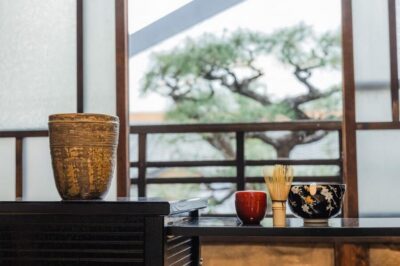

Arashiyama Bamboo Forest, Monkeys, Matcha & Temple Tour
Our verdict →
Browse the lists this tour appears in