
Reviewed · COOKING CLASSES
Osaka Cooking Class: Okonomiyaki &Japanese cuisines experience
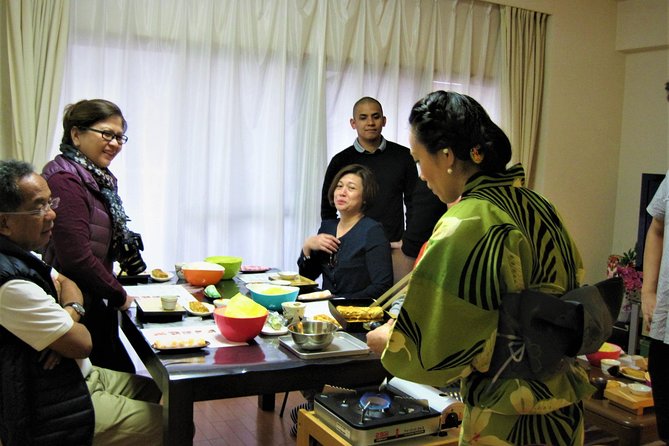
Osaka’s food culture makes more sense once you have cooked it yourself. In Yayo’s home near Noda Station, you learn to make okonomiyaki, takoyaki, and miso soup, then sit down to eat the results. I like the small class size, capped at eight, and the personal teaching from Yayo, who explains both cooking methods and the meaning behind the dishes. The main consideration is the generous amount of food, so arrive hungry and leave room for dessert.
I also like that this is a real home-based lesson rather than a large demonstration with a crowd watching from the back. Vegetarian and pescatarian versions can be arranged if requested when booking. The setting is intimate, though that also means the cooking space is small and punctuality matters: arrival more than 10 minutes late may mean you cannot join and will not receive a refund.
Key points to know before booking
- Cook several Osaka favorites: Prepare okonomiyaki, takoyaki, miso soup, and other dishes rather than focusing on one recipe.
- Learn in Yayo’s home: The apartment setting gives the class a personal, welcoming feel.
- Small group, hands-on format: The class accepts no more than eight participants, allowing direct help at the cooking station.
- Plan for a full meal: You eat your finished dishes, then have taiyaki and matcha. Leftovers may be available if you cannot finish everything.
- Add drinks if you wish: A sake and beer pairing is available as an optional extra.
- Meet near Noda Station: The class starts outside Noda Station and ends back at the meeting point after about two and a half hours.
Why this Osaka cooking class feels personal
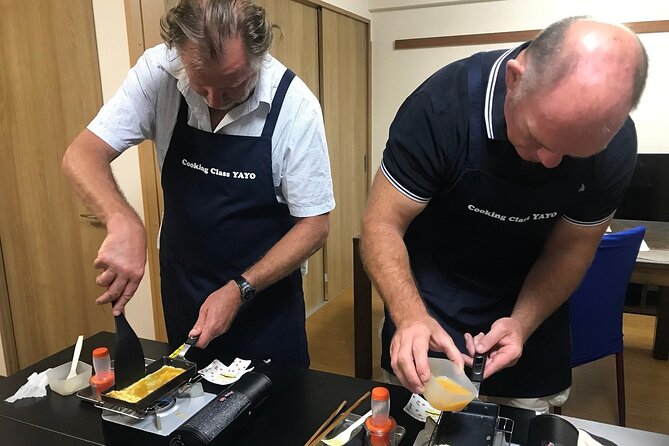
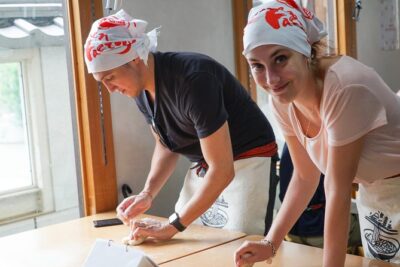
Many food activities in Osaka take place in busy restaurants or formal schools. This one happens in Yayo’s own apartment, which changes the tone from a standard lesson to an invitation into someone’s home. You are not simply watching a chef flip pancakes. You are standing close to the work, asking questions, tasting ingredients, and learning how ordinary Japanese cooking fits into daily life.
Yayo is the host and instructor. Her English is described as quite good, and the class allows plenty of conversation while you cook. She explains the purpose of each ingredient and gives practical advice for making the dishes at home. That last point matters. You are not just collecting a pleasant memory. You are learning recipes that use familiar techniques and ingredients.
The class is limited to eight people, but some sessions may be much smaller. A solo participant could find the class nearly private, while a couple or family may share the apartment with only a few others. That small scale gives Yayo time to answer questions and correct your technique without making you feel watched.
The tradeoff is space. This is not a large professional kitchen with wide counters and multiple work areas. The compact room helps create the friendly atmosphere, but you should expect to work close to the instructor and other participants. Only people with confirmed bookings can join.
More Cooking Classes in Osaka
- Osaka: Ramen and Gyoza Cooking Class in Dotonbori
★ 5.0 · 378 reviews - Ramen and Gyoza Cooking Class in Osaka
★ 5.0 · 202 reviews - Osaka Sake Tasting with Takoyaki Cooking
★ 5.0 · 156 reviews
Meeting Yayo near Noda Station
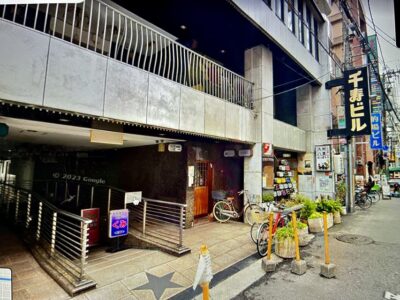
The meeting point is outside Noda Station in Fukushima Ward, at 1 Chome-1 Ohiraki, Osaka. The activity is near public transportation, and the class finishes back at the same meeting point. You will meet Yayo there before continuing to the cooking studio.
Pay close attention to the meeting instructions and arrive early. The class has a firm late-arrival policy. If you arrive more than 10 minutes after the start time, participation is not guaranteed, and a refund will not be provided. That is especially important for a small home class, where the instructor cannot easily pause the whole lesson for a delayed arrival.
The overall activity lasts about 2 hours and 30 minutes. That includes preparation, cooking, eating, drinks if selected, and the final taiyaki and matcha. It is long enough to feel substantial without taking an entire day away from exploring Osaka.
Starting with miso soup and Japanese basics
The lesson begins with miso soup, a simple dish that rewards care. It is a smart place to start because it shows how small changes in preparation can affect the final taste. You learn how ingredients work together rather than simply following a packet instruction.
One useful theme of the class is that Japanese cooking does not need to be mysterious. Several participants found that the instruction made dishes such as dashi feel more approachable than expected. Yayo explains the ingredients and the methods in a way that helps you repeat them at home.
Miso soup also gives you a gentle introduction to the pace of the lesson. Ingredients are prepared in advance for efficiency, but you still take part in the important steps. That balance is useful if you enjoy cooking but do not have much experience with Japanese food.
Making takoyaki, Osaka’s famous snack
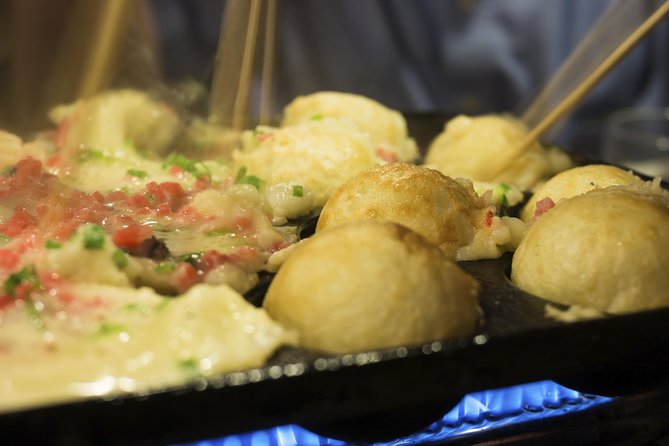
Next comes takoyaki, the round wheat-flour batter balls filled with octopus. These are strongly linked with Osaka, and preparing them gives you a more practical sense of how the dish is made than simply ordering a tray from a street stall.
Takoyaki takes some hand control. You work with the batter and filling, then shape the pieces as they cook. Yayo guides you through the process, so this is not a class where a mistake ruins lunch. The teaching style lets you participate while keeping the result manageable.
For some people, takoyaki will be the most entertaining part of the lesson. You can see how a loose mixture becomes a finished snack through heat, timing, and movement. It also gives you a useful skill to try at home if you have access to the right pan.
The octopus filling means this dish is not suitable for every diet. If you need a vegetarian or pescatarian option, request it at the time of booking rather than waiting until the class begins. The information provided confirms those options are available on request, but it does not specify every replacement ingredient.
Same trip, a completely different kind of day:
- Osaka Go Karting Tour with Funny Costume
★ 5.0 · 2,658 reviews - Osaka Castle: Museum and Tower Entry Ticket
★ 4.5 · 2,380 reviews - Osaka: Shinsekai Food Tour with 13-15 Dishes at 5 Eateries
★ 4.8 · 2,204 reviews - Osaka Food Tour: 13 Dishes at 5 Local Eateries
★ 5.0 · 2,149 reviews
Learning the logic of okonomiyaki
Okonomiyaki is the main event for many people visiting Osaka. The dish is a savory pancake made with ingredients including egg, flour, cabbage, pork, and dried bonito flakes. Its name is often associated with cooking ingredients according to your preference, and the class shows you how the basic mixture comes together.
This is a particularly useful dish to learn because it is filling, adaptable, and realistic to prepare at home. You gain more than a restaurant memory. You learn how the batter, cabbage, toppings, and cooking time work together.
Yayo also adds context about the food and differences in ingredients or methods across Japan. That background helps explain why Osaka treats okonomiyaki as everyday comfort food rather than a formal specialty. You can ask questions while cooking, which makes the session feel more like a conversation than a fixed speech.
Pork and bonito are part of the stated preparation, so the standard version is not vegetarian. Again, make your dietary request when you book. Adult pricing applies to all participants except children aged 2 and under, and the activity has a maximum of eight people.
Eating the meal you prepared
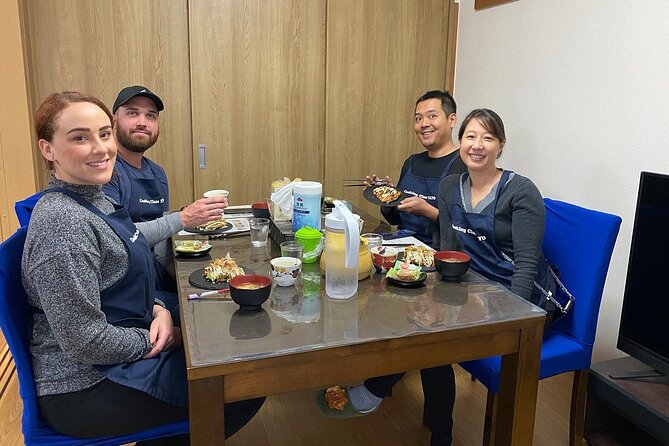
After the cooking is complete, you sit down and eat what you made. This is where the class earns its keep. You have spent time preparing several dishes, and the reward is a full Japanese meal rather than a small sample.
The portions can be generous. Some people may have enough food to take leftovers with them, while others will simply need to pace themselves. Do not arrive after a large lunch. If you want to enjoy every dish, start the class hungry.
The meal also gives you time to talk with the other participants and Yayo. Couples, families, and solo participants can all fit the format, and the small group makes conversation easier than it would be in a large cooking school.
You can add a sake and beer pairing for an extra charge if that option is selected. The pairing is not included in the basic activity, and extra food or drinks are not included either. If you do not choose the add-on, you can still enjoy the meal you prepare.
Finishing with taiyaki and matcha
The final course is taiyaki, a fish-shaped cake, served with matcha tea. Taiyaki is a familiar Japanese snack, and its shape makes it a fun finish after the savory dishes. The matcha adds a quieter end to the meal.
This closing treat is one reason you should avoid assuming the class ends after okonomiyaki. The activity includes more than the main cooking assignment. Yayo may also provide small gifts or homemade touches, such as chopsticks, paper cranes made from national flags, or printed instructions in a participant’s language. These extras are not listed as guaranteed inclusions, so treat them as possible personal touches rather than part of the formal package.
The stated inclusions are the hands-on class, English-speaking instruction, ingredients, utensils, and the lunch or dinner you cook. Local sake tasting is included only if selected.
What you learn for your own kitchen
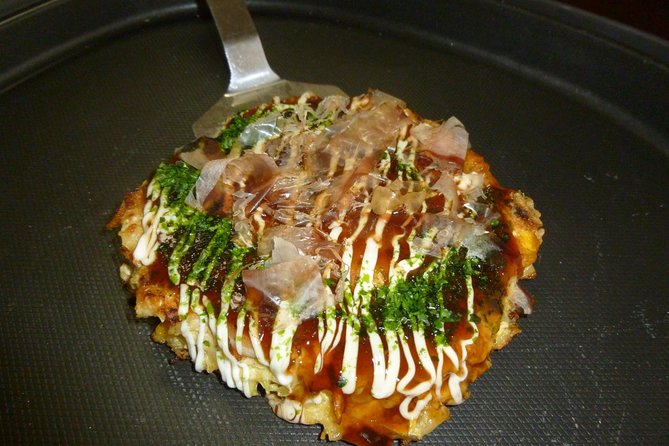
The best reason to book this class is practical. Yayo does not only show you a finished dish. She explains how to get Japanese cooking right at home, including ingredient roles and small technique choices that affect taste.
Okonomiyaki is probably the easiest recipe to repeat after returning home because the ingredients can be adjusted. Miso soup teaches a simple foundation. Takoyaki may be more difficult if you do not own the proper pan, but the lesson still helps you understand what you are eating when you order it in Osaka.
You may also pick up useful ideas from the less formal parts of the class. The instruction includes cultural background, family cooking traditions, and details about daily life in Japan. One especially personal element is Yayo’s use of ingredients connected with her mother, which gives the meal a family dimension.
The recipes and techniques are presented for home cooks, not only trained chefs. Several people who described themselves as less confident in the kitchen still found the class manageable. You should expect active participation, but not a test.
Is the $104.13 price worthwhile?
At $104.13 per person, this is not the cheapest meal you will eat in Osaka. You can buy okonomiyaki, takoyaki, miso soup, and sweets for less at restaurants and food stalls. The price makes sense only if you value the instruction and the personal setting as much as the food.
You receive about two and a half hours of teaching, all ingredients and utensils, and a substantial meal. The small maximum of eight also matters. You are paying for access to Yayo’s attention, not just a seat at a demonstration.
The optional sake and beer pairing raises the total cost, so decide if it adds value for you. If you mainly want to learn Japanese home cooking, skip the drinks. If you enjoy food pairings and want to make the meal more social, the add-on may suit you.
Group discounts are available, and the activity has a mobile ticket. Free cancellation is allowed until at least 24 hours before the start time. Cancellations or changes made inside that window are not refunded or accepted.
Who should book this class?
I would recommend it to anyone who wants a personal food experience in Osaka rather than another restaurant meal. It suits solo visitors, couples, families, and small groups. The host’s patient instruction also makes it a good choice if you are not an experienced cook.
It is especially useful early in a Japan trip. You learn dishes that you may recognize at restaurants later, and you get a friendly introduction to ingredients such as dashi, bonito, miso, and the toppings used on okonomiyaki.
You should think twice if you dislike octopus, pork, or shared home settings. Dietary alternatives are available for vegetarians and pescatarians, but you need to request them in advance. You should also avoid booking if your schedule makes a strict meeting time difficult.
Should you book the Osaka cooking class?
Book it if you want hands-on instruction, a large meal, and time with a warm local host. Yayo’s apartment setting, small groups, English instruction, and practical recipes give the class more substance than a quick food demonstration.
The strongest reasons to go are the personal attention and the variety of dishes. You cook Osaka favorites, learn the cultural background, and finish with taiyaki and matcha. The main drawbacks are the price, the compact cooking space, and the need to arrive on time.
For a food-focused visit, I consider this a good use of half a day, especially if you want to return home able to make your own okonomiyaki and miso soup. Arrive hungry, request dietary changes when booking, and leave enough room for the final sweets.
FAQ
Where does the cooking class meet?
The class starts outside Noda Station in Osaka, at 1 Chome-1 Ohiraki, Fukushima Ward, Osaka, 553-0007, Japan.
How long does the experience last?
The cooking class lasts approximately 2 hours and 30 minutes.
What dishes will I prepare?
The class includes miso soup, takoyaki, and okonomiyaki. You also try taiyaki and matcha before leaving. Some sessions may include additional dishes such as dashimaki tamago.
Is the food included?
Yes. The ingredients, utensils, and lunch or dinner made during the class are included. Extra food and drinks are not included.
Can I add sake or beer?
An optional sake and beer pairing is available. Local sake tasting is included only if you select that option.
Are vegetarian and pescatarian options available?
Yes. Vegetarian and pescatarian options are available if requested at the time of booking.
What happens if I arrive late or need to cancel?
Participation is not guaranteed if you arrive more than 10 minutes late, and no refund is provided in that case. You can cancel for a full refund up to 24 hours before the experience begins. Cancellations or changes made less than 24 hours before the start time are not accepted or refunded.
Just added around Osaka
- Exclusive Sushi Making Experience with a Master Chef – Osaka Area★ 5.0 · 25 reviews
- Private Home-Style Cooking Class in Osaka with Local Mom Yoshiko★ 5.0 · 46 reviews
- Hidden Osaka – Yukaku Red Light Tour & Culinary Adventure★ 4.8 · 96 reviews
- Osaka: Walking Tour and Top Highlights★ 4.8 · 104 reviews
- Osaka: Private Ceramic Painting Workshop★ 5.0 · 13 reviews
- Pickleball in Osaka, Kobe & Kyoto with Locals!★ 4.7 · 80 reviews
- Eat Like a Local in Osaka – Private Custom Street Food Tour★ 4.3 · 33 reviews
- Osaka:SUMO BEATS SHOWCASE: Taiko Drum and Wagyu burger!★ 4.2 · 37 reviews
Cooking Classes, compared.
Browse the lists this tour appears in