
Reviewed · HIDDEN GEMS TOURS
Hiroshima Private Tour with a Local – Highlights & Hidden Gems
Hiroshima is a city best understood at human speed, and this private tour lets you set that speed. Your local host can focus on the Peace Memorial Park and Atomic Bomb Dome, steer you toward gardens and temples, or help you make sense of everyday Hiroshima over lunch and local food recommendations. The personal itinerary is the main draw.
I like the freedom to choose two to six hours, and I like the human touch provided by guides such as Ami, Ken, Yuka, Maryam, Tom, and Nozomi. The flexible pacing works especially well for families, food-focused visitors, and anyone who wants help connecting the city’s wartime past with its life today.
The catch is that this is primarily a walking tour, not a private car outing. A four-hour plan can involve quick walking plus train, tram, ferry, or other public transport, so bring comfortable shoes, an IC card if you have one, and cash for extra transport costs.
Key points to know before booking
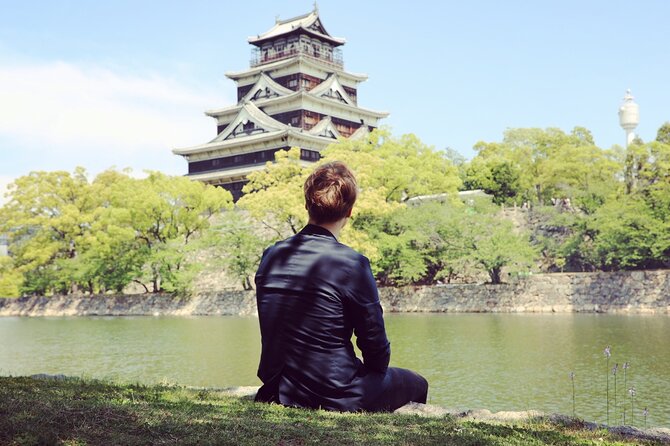
- You set the focus: Build the outing around memorial sites, food, gardens, temples, shopping, or local culture.
- Your guide matters: Ami, Ken, Yuka, Maryam, Tom, and Nozomi are among the named hosts praised for patience, clear communication, and personal attention.
- The two-hour option is focused: It suits a short list of must-sees, while four to six hours allows more neighborhoods or a possible Miyajima extension.
- Walking is central: Public transport may connect distant stops, but a private vehicle is not included.
- Local help adds practical value: Guides can suggest food, help with trains, and communicate through WhatsApp or direct messages while planning.
- The price is moderate for a private outing: At $69.57 per person, the value depends on group size and how much you use the guide’s local knowledge.
Why a private Hiroshima tour makes sense
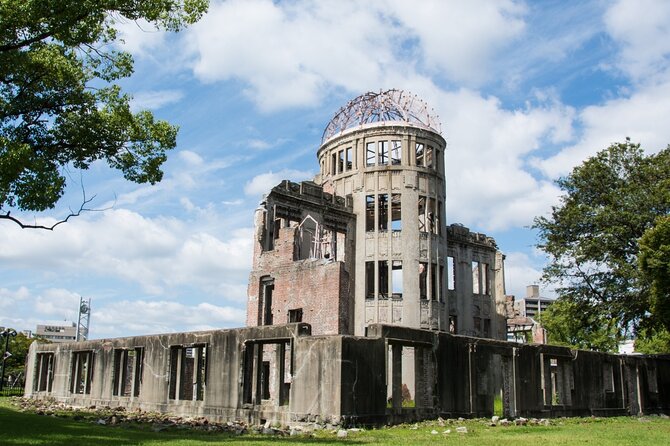
Hiroshima carries enormous historical weight, but it is not only a memorial city. The Peace Memorial Park and Atomic Bomb Dome are essential, yet the city also has shopping arcades, gardens, shrines, temples, sake bars, and ordinary streets where people eat, shop, and meet friends.
That mix is where this tour earns its keep. A large group usually follows a fixed route. Here, you can ask for more time at the Peace Memorial Museum, skip a stop that does not interest you, or trade a major sight for a quieter part of town.
The booking process includes a short online questionnaire. Use it well. Tell your host if you care most about wartime history, Japanese gardens, food, photography, family activities, or lesser-known corners. The better your answers, the more useful the custom plan should be.
You also communicate directly with your host before the tour. One guest finalized the schedule with Maryam through WhatsApp, while Yuka helped another couple find the correct train back to Osaka. Those are small services, but they can remove a lot of stress from a busy Japan itinerary.
More Hidden Gems Tours in Hiroshima:
- Hiroshima: History and Hidden Gems Tour
★ 4.9 · 81 reviews - Hiroshima: Hidden Gems and Highlights Private Walking Tour
★ 4.8 · 27 reviews - Kyoto Geisha Walking Tour: Gion District & Hidden Gems
★ 4.7 · 3,273 reviews
Starting at Orizuru Tower
The stated meeting point is the first floor of Souvenir Select HitotoKi at Orizuru Tower, 1-chome-2-1 Otemachi. The tour ends back at the meeting point, unless you and your host arrange something different during planning.
If you stay in a central accommodation, pickup on foot may be available. Confirm this with your host rather than assuming door-to-door service. The listed pickup is walking pickup, not a private vehicle.
Starting near Orizuru Tower places you close to Hiroshima’s central memorial area. That makes it a sensible base for a short tour focused on the Atomic Bomb Dome and Peace Memorial Park. For a longer outing, your host may use trams, trains, ferries, or local taxis to connect separate parts of the city.
The starting location also helps you avoid wasting your first hour finding your guide. Still, check the exact meeting instructions after booking, especially if you are arriving by train or carrying luggage.
Peace Memorial Park and the Atomic Bomb Dome
For most first-time visitors, Hiroshima’s memorial area is the heart of the day. The Atomic Bomb Dome gives the subject a physical presence, while the Peace Memorial Park creates room for reflection and remembrance.
A local guide can help you approach this area with care. Ami, for example, was praised for a tactful manner while leading a visit to the Peace Memorial Park and Peace Memorial Museum. That matters here. The subject is painful, and a good guide should explain without turning tragedy into a rushed sightseeing stop.
You can ask to spend more or less time at the museum. The museum ticket is not included, so admission is your responsibility. If the memorial area is your main reason for booking, say so clearly in the questionnaire and allow enough time in your chosen duration.
The tour can also add personal meaning through small details. One guide taught crane origami during the day, linking a simple hands-on activity with Hiroshima’s well-known peace symbolism. That sort of moment may be especially useful for families, since children can engage with the subject in a quieter, more approachable way.
Do not expect the same depth from a two-hour plan as from a four or six-hour outing. The memorial district alone can occupy much of a short visit once you include walking, museum time, and conversation.
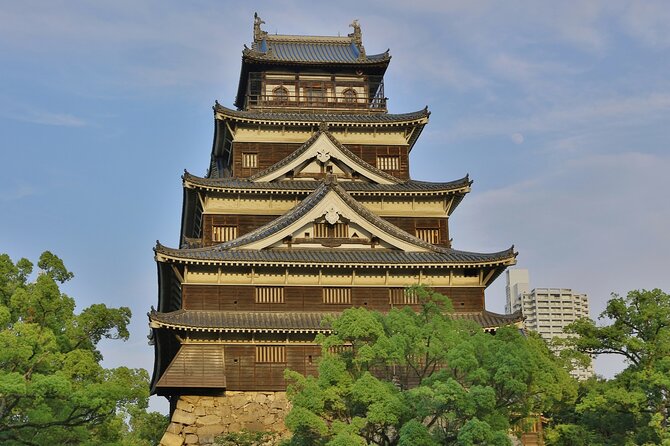
Hiroshima Castle and Gokoku Shrine
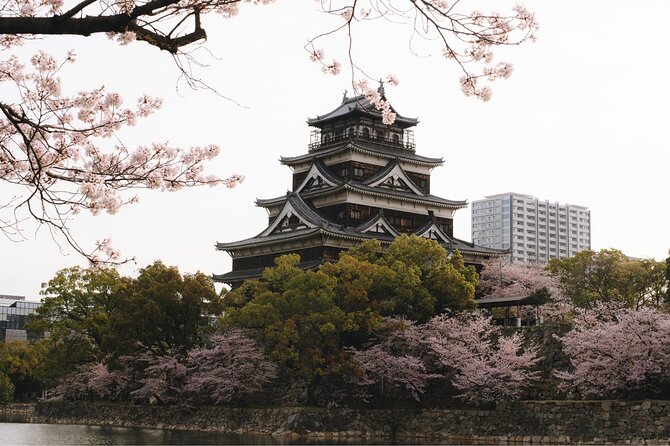
Hiroshima Castle gives the tour a different historical angle. Instead of focusing only on the city’s destruction in 1945, your guide can discuss the older city and its cultural setting.
Gokoku Shrine adds another nearby point of interest. One reported itinerary combined the shrine, castle, Peace Memorial Park, and museum in a single outing with Ami. That is a useful pairing if you want a broad first look at Hiroshima rather than a day devoted only to the memorial sites.
A guide helps by explaining how the stops connect. Without context, a castle, shrine, and memorial park can feel like separate photo stops. With a local host, you can ask direct questions and adjust the route as your interests become clearer.
Keep in mind that the exact sights are not guaranteed. This is a custom experience, not a fixed castle-and-shrine circuit. Put those locations on your must-see list when you book if they are important to you.
A few more Hiroshima half-days worth comparing
- Peaceful Hiroshima & Miyajima UNESCO 1 Day Bus Tour
★ 5.0 · 5,309 reviews - Hiroshima: Hiroshima and Miyajima UNESCO Sites 1-Day Tour
★ 4.9 · 2,330 reviews - Hiroshima / Miyajima Full-day Private Tour with Government Licensed Guide
★ 5.0 · 1,298 reviews - Osaka/Kyoto: Hiroshima Miyajima Bus Tour & Shinkansen Ticket
★ 4.7 · 919 reviews
Shukkeien Garden and a quieter side of the city
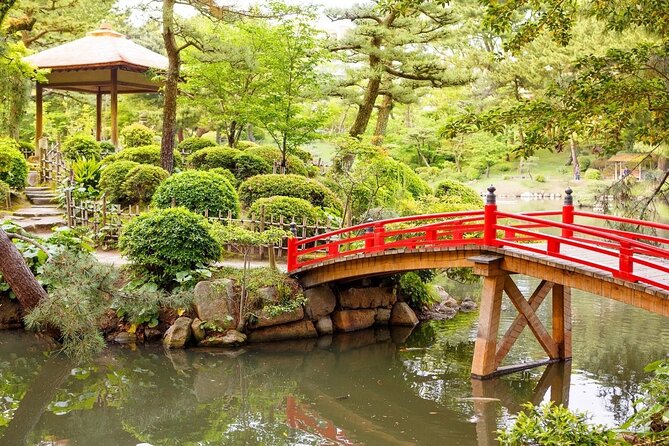
Shukkeien Garden offers a welcome change of mood. The landscaped grounds date to the 17th century and include koi ponds, arched bridges, and teahouses. After the open memorial spaces and busy central streets, the garden gives you a slower place to walk and talk.
This stop works well for visitors interested in Japanese design, gardens, or photography. It also gives your guide a chance to explain how the garden fits into Hiroshima’s past and recovery.
Admission is not included, so plan for an additional ticket if the garden becomes part of your route. The tour information does not give a fixed admission price, and your host can clarify the current cost.
Shukkeien may not suit someone who wants only major landmarks in a short visit. I would choose it on a four to six-hour tour, or on a shorter tour for a repeat visitor who has already seen the Atomic Bomb Dome.
Temple trails and peaceful hillside views
The itinerary can include a forested hillside temple complex with moss-covered stone lanterns and wooden halls. This is one of the more peaceful choices available and gives you a glimpse of spiritual traditions away from the central streets.
The appeal is the setting as much as the buildings. You trade traffic and shops for wooded paths, quiet corners, and a slower walk. Your host can explain the site’s age and customs while you move through it.
The drawback is straightforward: hillside trails require more effort than a flat city walk. If you have mobility limits, tell the company before finalizing the plan. Most people can participate in the tour, but one four-hour outing involved lots of fast walking and several types of transport, and it was not suitable for someone with limited walking ability.
This stop is best for someone who wants variety and does not mind a little exertion. It is not the first choice for a short, easy route built around the central memorial sites.
Peace Boulevard and the meaning of renewal
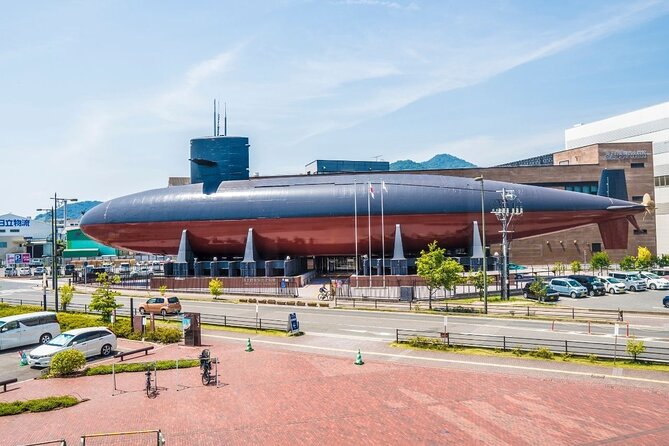
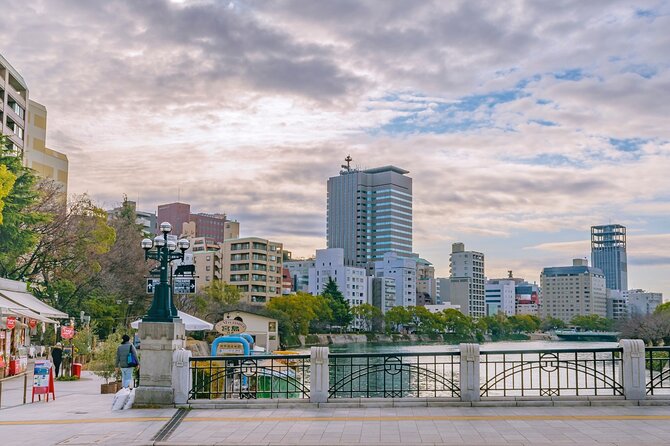
Peace Boulevard is a broad, tree-lined avenue built after World War II. Its design reflects Hiroshima’s effort to rebuild and look ahead, and it links naturally with the memorial district.
Walking here can help you see the city as more than a collection of historic sites. Your host may point out nearby places connected with reconstruction and explain how the avenue fits into present-day Hiroshima.
I would not plan a whole two-hour tour around this stop alone. Its value comes from the conversation and the connection to other sights. On a longer route, it provides a useful transition between the memorial area and the city’s ordinary commercial districts.
Shopping arcades and the rhythm of local life
The central pedestrian arcade brings you back into daily Hiroshima. Shops, snack stalls, and independent boutiques line the route, giving you a chance to see how residents use the city center.
This is a good place to ask practical questions. Your host can point out shops worth your time, explain local habits, and suggest where to eat later. It also gives you a break from formal sightseeing.
I especially like this part for first-time visitors who want more than monuments. A private guide can help you notice small details that are easy to miss when you walk through an arcade alone.
Do not expect every stop to be a major attraction. The value is in local orientation. If you have only two hours and want the museum, castle, and Atomic Bomb Dome, you may want to skip the arcade.
Food streets, izakayas, and useful local advice
One of Hiroshima’s lively districts is known for izakayas, sake bars, and street food stalls. Your host can introduce local favorites during the day, and you can return later on your own if you want a longer meal or evening drink.
Food is one of the easiest ways to make a private tour feel personal. Tell your host if you are interested in eating like a local. Ken was praised for combining city history with local food, and several guides offered lunch recommendations tailored to their clients.
The tour price does not include food or drinks. That is both a limitation and a benefit. You choose what to order and how much to spend, rather than paying for a fixed meal that may not suit you.
Some food districts are more useful as an introduction than as a formal tasting tour. If you want several dishes during the walk, confirm what your host can include and allow enough time for stops.
Can Miyajima fit into the day?
Miyajima appears in several described outings, including visits to Miyajima Island, a train ride to Miyajima Station, and a ferry crossing. Nozomi Kushida, also called Nozz, arranged a day that included both Hiroshima sights and Miyajima, while Maryam helped connect the Atomic Bomb Dome, Peace Memorial Museum, train, and ferry.
This shows what the flexible format can handle, but you should not assume Miyajima fits every booking. A two-hour plan will not be suitable for a full Hiroshima and island combination. Even a longer outing may feel rushed if you try to cover too much.
Transport costs are extra. You may use an IC card, train, tram, or ferry, and one four-hour outing used all three forms of public transport. Carry cash as a backup and discuss the route with your host before the day begins.
If Miyajima is a must, make it your first planning question. You may prefer to devote the private tour to Hiroshima and visit the island separately, or you may value having a local guide manage the connections.
How the timing and price affect value
The listed price is $69.57 per person. For a private experience, that is reasonable, especially if you are sharing the tour with several people and want personal planning rather than a fixed group route.
The value drops if you book only two hours but expect a full city tour. A short outing can cover a focused area well, yet it cannot comfortably include the memorial museum, castle, garden, temple, shopping arcade, food district, and Miyajima.
Four hours is likely the most useful middle ground for many visitors. It can give you a serious look at the memorial area plus one or two contrasting parts of the city. Six hours offers more room for gardens, food, transport connections, or a broader route, though you should still avoid overloading the schedule.
Admission fees, meals, drinks, and transport are not included. Public transport or local taxis may be used at an added cost, and you should discuss those expenses with your host after booking.
Who will get the most from this tour?
Book this if you want a local person to help shape your Hiroshima day. It suits first-time visitors who need orientation, families who want a patient guide, food-focused visitors, and anyone who prefers questions and conversation over a memorized script.
It is also a good match if you have a short list of personal priorities. Yuka helped clients see the places they wanted and then guided them to the right train for Osaka. That kind of practical support can be worth as much as the sightseeing itself.
History-focused visitors should request the Peace Memorial Park, Atomic Bomb Dome, and museum. Food lovers should ask for the central arcade and izakaya district. Garden and temple fans should request Shukkeien and the hillside temple route.
I would hesitate if you dislike walking, want a private car, or prefer a fixed package with all tickets and transport covered. The tour is flexible, but that also means you must take part in planning.
Should you book it?
I would book this tour if you want Hiroshima to feel personal rather than prepackaged. The strongest reasons are the custom route, the chance to ask sensitive history questions in a small setting, and the practical help with food and transport.
Choose at least four hours if you want more than one main district. Use the questionnaire to name your priorities, bring an IC card and cash, and wear shoes suited to city walking and possible temple paths.
For a quick first look, two hours can work. For Hiroshima plus Miyajima, allow more time and confirm the transport plan. Free cancellation is available up to 24 hours before the start time, which gives you some room to adjust plans, but changes made later are not accepted.
FAQ
How long does the Hiroshima private tour last?
You can choose a duration from approximately two to six hours when booking.
What is included in the tour?
The tour includes a private, personalized walking experience with a local host, itinerary planning, insider recommendations, and possible walking pickup from a central accommodation.
Is transportation included?
No. The tour is mainly on foot, and public transport or local taxis may be used at an additional cost.
Are attraction tickets included?
No. Tickets for places such as museums or gardens are not included in the tour price.
Can I visit the Peace Memorial Park and Atomic Bomb Dome?
Yes, these are among the main sights that can be included, depending on your requested itinerary and available time.
Can the tour include Hiroshima Castle?
Yes. Hiroshima Castle is listed as one of the possible major sights, along with Gokoku Shrine.
Can I visit Miyajima during the tour?
Miyajima can be included in some longer itineraries, but it is not guaranteed. Ask your host about timing, trains, and the ferry before the tour.
Where does the tour begin and end?
The stated meeting point is Souvenir Select HitotoKi on the first floor of Orizuru Tower. The activity ends back at the meeting point.
Is the tour suitable for people with limited mobility?
The tour is primarily a walking experience, and some routes may involve quick walking, hills, and public transport. One described four-hour route was not suitable for someone with walking limitations, so discuss your needs before booking.
Can I cancel for a full refund?
Yes, you can cancel for a full refund up to 24 hours before the experience start time. Cancellations and changes made less than 24 hours before the start are not accepted.
Just added around Hiroshima
- Full Day Hiroshima and Miyajima Tour by Bullet Train from Kyoto★ 4.5 · 120 reviews
- The Peace Memorial to Miyajima : Icons of Peace and Beauty★ 4.5 · 31 reviews
- Hiroshima Saijo Sake Tasting Tour with visit to 7 Breweries★ 5.0 · 104 reviews
- Shore Excursion from Hiroshima Port : Private Tour in Hiroshima★ 5.0 · 17 reviews
- Okunoshima Rabbit Island Cycling Tour with Local Guide★ 4.5 · 17 reviews
- Hiroshima & Miyajima All-Inclusive Tour w/Licensed guide Pancho★ 5.0 · 54 reviews
- Private Full Day Hiroshima Tour★ 4.5 · 29 reviews
- Miyajima Guided Tour and Fresh Oyster Farm Tour★ 5.0 · 20 reviews
Hidden Gems Tours, compared.
Kyoto Geisha Walking Tour: Gion District & Hidden Gems
Our verdict →
Small Group, Big Flavors & Hidden Local Secrets Tour
Our verdict →Browse the lists this tour appears in