
Reviewed · SUSHI EXPERIENCES
Fujisan Sushi Making Lesson
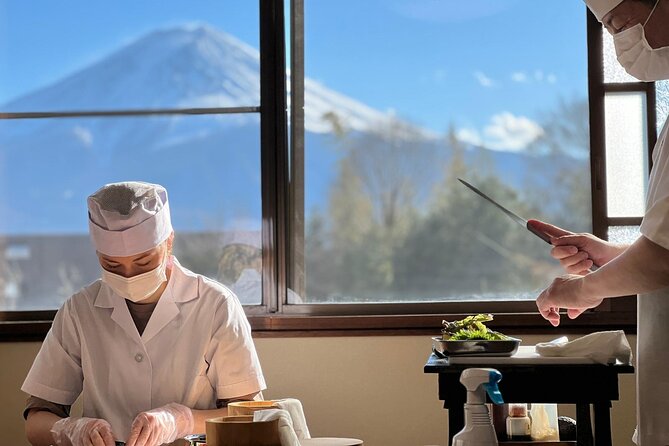
The best part of this three-hour sushi class is that you do not just eat the finished dish. You learn how to make nigiri and sushi rolls yourself, with Mount Fuji nearby and a professional chef guiding each step. I like the mix of hands-on cooking and Japanese food culture, especially the table etiquette lesson and the history of sushi. I also like that the methods are simple enough to try at home.
The main consideration is the price: $229.91 per person is a serious spend for a cooking class. It makes more sense if you value a private lesson, personal instruction, and a cultural activity near Fuji, rather than viewing it as a quick meal.
Key points to know before booking
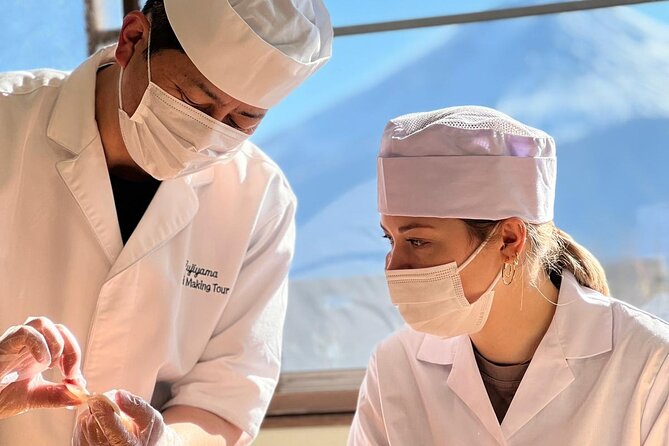
- You make two classic sushi styles: The lesson covers nigiri-sushi and sushi rolls, giving you more than one technique to take home.
- The class is private: Only your group participates, which can make it easier to ask questions and work at your own pace.
- Mount Fuji is part of the setting: The activity takes place near Fuji, with views available while you prepare the food.
- A professional chef teaches the class: The chef has worldwide cooking experience and explains the lesson in English.
- Culture is built into the meal: You learn sushi history and Japanese table etiquette, not just food preparation.
- Dietary needs need advance notice: Vegetarian arrangements are available, and allergies should be reported before the lesson.
Making sushi near Mount Fuji
This experience puts a practical cooking lesson into a classic Fuji-area setting. You meet at Kawaguchiko Station, at 3641 Funatsu in Fujikawaguchiko, and the activity returns to that same meeting point at the end.
That location matters. Kawaguchiko Station is near public transportation, so you do not need to arrange a special transfer just to reach the starting point. It also gives you a clear place to meet before the lesson, which is useful in a town where weather, crowds, and Fuji viewing plans can change during the day.
The activity is listed as a stop at Mount Fuji, but the heart of the experience is the cooking class itself. You should think of Fuji as the setting and backdrop, not as a separate sightseeing stop with a long list of viewpoints. If your main goal is a full Mount Fuji tour, this class will not replace one. If you want a food activity that fits into a Fuji-area visit, it is a more focused choice.
The lesson lasts about three hours. That is long enough to cover preparation, shaping, rolling, etiquette, and background without reducing the class to a rushed demonstration. You will want to keep part of your day free around it, especially if you are also planning other activities in Kawaguchiko.
More Sushi Experiences in Fujikawaguchiko machi:
- Sushi Cooking Class at Sushi Factory -KIWAMI- Mt.Fuji
★ 5.0 · 23 reviews - Sushi Making Tokyo Roll and Authentic Japanese Sushi Class
★ 5.0 · 3,971 reviews - Tokyo: Roll and Authentic Sushi Making Class in Asakusa
★ 4.9 · 1,957 reviews
What you learn from the professional chef
The chef teaches practical cooking methods that you can repeat at home. That promise is important. Sushi can look simple on the plate, but the shape, handling, and presentation require more care than many first-time cooks expect.
You will work with nigiri-sushi, the hand-formed style with a topping over rice, and sushi rolls. Learning both gives the class a useful balance. Nigiri helps you understand shaping and proportion, while rolls teach a different way to arrange ingredients and form a finished piece.
The chef also explains the tradition and history of sushi. This adds context to the work in front of you. Instead of treating sushi as a set of restaurant techniques, the class presents it as part of Japanese food culture.
I especially like the inclusion of Japanese table etiquette. A cooking class can easily focus only on ingredients and tools, but etiquette helps you understand how the food fits into a meal. It gives the activity more value for anyone who wants cultural context, not only a recipe.
The chef’s worldwide cooking experience should also help when the group needs explanations in English. The activity information says the chef will explain the lesson in English, making it suitable for international visitors and expatriates. One detailed account of the class describes the teaching in Japanese and highlights the language as part of the appeal. If language matters to you, confirm your preferred teaching language when booking, since the experience may be able to suit different groups.
A lesson built for participation, not just watching
You are not signing up for a talk followed by a plate of food. The central point is that you actually make the sushi.
That hands-on format is useful for beginners because you can see each technique, try it, and correct your work as you go. You may find that your first pieces look less tidy than the chef’s. That is part of the value. You get a chance to understand the movements rather than simply taking home a printed recipe.
The class also includes an informative slideshow and trivia questions. These details help break up the cooking and give the lesson a clear rhythm. The slideshow can provide background before you handle the ingredients, while the questions make the cultural material easier to remember.
This is a good feature for mixed groups. One person may be excited by food preparation, while another may care more about Japanese customs or language. The cooking keeps the class active, and the history and trivia give everyone something else to follow.
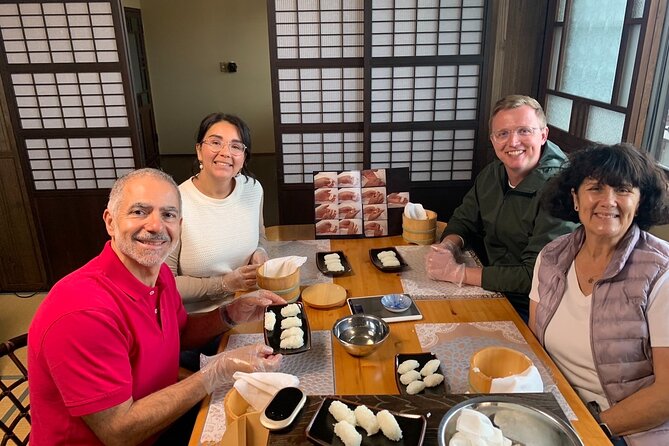
The private format is another advantage. Only your group takes part, so you do not have to share the chef’s attention with a large public class. You can ask for clarification, take a little longer with a technique, or keep the lesson focused on your group’s interests.
Private does not mean completely unstructured. The class still needs to cover the planned material in about three hours. But compared with a larger class, this setup should feel more personal and less like a demonstration viewed from the back of a room.
The Fuji setting adds more than scenery
Cooking near Mount Fuji gives the experience a strong sense of place. You can prepare sushi while enjoying beautiful views, assuming the weather cooperates.
Fuji visibility is never something you can fully control. Clouds, haze, and seasonal conditions may block the mountain, so you should not book the class only for a guaranteed panorama. The food lesson remains the main activity, and the views are an added benefit.
That balance is useful when planning a Kawaguchiko day. If Fuji is visible, the setting can make a familiar cooking activity feel tied to the region. If the mountain is hidden, you still have a structured cultural experience near the station.
I would schedule this class when you want a break from outdoor sightseeing. A three-hour cooking lesson gives you time indoors or in a prepared teaching space while keeping you connected to the local area. It can also work well on a day when the weather is less friendly to long walks or scenic viewing.
A few more Fujikawaguchiko machi half-days worth comparing
- Mt Fuji Area Private Guided Tours in English-Nature up close, quiet, personal
★ 5.0 · 288 reviews - Explore Mt. Fuji Ice Cave in Aokigahara Forest
★ 5.0 · 243 reviews - Private guided hidden gems tour by local English speaking driver
★ 5.0 · 142 reviews - Ramen Cooking Class at Ramen Factory in Mt.Fuji
★ 5.0 · 101 reviews
How the price measures up
At $229.91 per person, this is not a budget food activity. You should compare it with what you are buying, not only with the cost of a sushi meal.
A restaurant meal gives you finished sushi. This class gives you instruction, participation, cultural explanation, a private setting, and a method you can repeat at home. The value is strongest if you enjoy learning by doing and want an activity that becomes part of your memory of Japan.
The price is harder to justify if you only want to taste sushi or if you already have strong sushi-making skills. You may also find cheaper group cooking lessons elsewhere, although this experience’s private format and Fuji-area location are part of the cost.
Group discounts are available, which may improve the value for families or friends booking together. Since the activity is private, the group discount could be especially useful if several people already plan to share the experience.
The high advance booking pattern is worth noting too. This activity is booked an average of 157 days ahead, so last-minute planning may be risky. If the class fits your Japan itinerary, reserve early rather than waiting until you are already in Kawaguchiko.
Confirmation is sent within 48 hours of booking, subject to availability. That means you should avoid treating the reservation as final until confirmation arrives, particularly if you are coordinating train times or other fixed activities.
Vegetarian requests and food allergies
Vegetarian participation is available, but you need to request it in advance. Do not wait until you arrive. The same applies to food allergies, which should be reported before the lesson.
The information provided does not list the exact ingredients or substitutions. If you have a serious allergy or a strict dietary requirement, give clear details when booking and ask for confirmation that the class can accommodate you.
This is especially important in a sushi lesson because the preparation involves several components, and avoiding one ingredient may affect how the class is structured. Advance notice gives the provider a chance to prepare properly.
For a vegetarian participant, the experience still offers the main educational value: shaping nigiri, making rolls, learning etiquette, and understanding sushi culture. The ingredients may differ, but the hands-on format remains central.
Who will enjoy this class most
I would recommend this experience to first-time visitors who want more than photographs and restaurant meals. It gives you a way to spend several hours learning something tied directly to Japanese daily culture.
It also suits families and friend groups. The private format keeps the activity together, and the trivia questions and slideshow add variety for people who might not be equally interested in cooking.
Food-focused visitors will get the most from it. If you already enjoy sushi, you may appreciate the chance to examine the techniques behind a dish you usually order. If you cook at home, the practical methods may continue to be useful after your trip.
The class is also a good fit for language learners. One account of the experience particularly enjoyed that the class was conducted in Japanese and found the trivia and slideshow helpful for learning. The official description promises English explanation, so the class can appeal to different language interests. Ask about your preferred format before attending.
I would be more cautious about booking it for a very tight schedule. The lesson takes about three hours, begins and ends at Kawaguchiko Station, and requires advance confirmation. It is not the right pick if you have only a short stop in the area or need a quick activity between trains.
Practical planning for Kawaguchiko
Start at Kawaguchiko Station, located at 3641 Funatsu, Fujikawaguchiko, Minamitsuru District, Yamanashi. The experience ends back at the same meeting point, so you will not need to arrange a separate return transfer.
Because the activity is near public transportation, it is relatively simple to fit into a day based around the station. Still, allow time to arrive early and find the meeting point. Your booking confirmation should be the final source for the exact meeting instructions.
Plan your Fuji viewing separately if seeing the mountain is a top priority. The class provides a setting with beautiful views, but weather may affect what you see. A good plan treats the sushi lesson as the dependable part of the day and the Fuji view as a welcome bonus.
Free cancellation is available up to 24 hours before the local start time. If you cancel less than 24 hours ahead, the payment is not refunded, and changes made inside that window are not accepted. This gives you some flexibility while still requiring a firm decision close to the activity date.
Is the Fujisan Sushi Making Lesson worth booking?
Book it if you want a private, hands-on cultural activity and are willing to pay a premium for personal instruction near Mount Fuji. The combination of nigiri, sushi rolls, table etiquette, sushi history, trivia, and a slideshow gives the three hours a useful range.
I would skip it if your main goal is an inexpensive meal, a full Fuji sightseeing tour, or a short stop near Kawaguchiko Station. The price is high, and the class takes a meaningful part of your day.
For most suitable groups, the strongest reason to book is that you leave with more than a meal. You learn how the food is made, why it matters in Japanese culture, and how to try the methods at home. Reserve early, state dietary needs clearly, and confirm the language that will work best for your group.
FAQ
Where does the sushi lesson begin?
The meeting point is Kawaguchiko Station, at 3641 Funatsu, Fujikawaguchiko, Minamitsuru District, Yamanashi 401-0301, Japan.
How long does the experience last?
The lesson lasts approximately three hours.
What types of sushi will I learn to make?
You will learn to make nigiri-sushi and sushi rolls.
Is the class taught in English?
The experience information states that the professional chef explains the lesson in English. One account also describes taking the class in Japanese, so you should confirm the preferred language when booking.
Can vegetarians join the class?
Yes. Vegetarian arrangements are available, but you should request them in advance.
What should I do if I have a food allergy?
Tell the provider about your allergy in advance. The experience specifically asks participants to provide allergy information before the lesson.
Is this a private activity?
Yes. Only your group participates in the activity, and it ends back at the meeting point.
Just added around Fujikawaguchiko machi
- Ramen Cooking Class at Lake Kawaguchiko (Short Course)★ 5.0 · 42 reviews
- Sushi Cooking Class at Sushi Factory -KIWAMI- Mt.Fuji★ 5.0 · 23 reviews
- Private Local Hiking to enjoy the nature and culture of Mt.Fuji★ 5.0 · 22 reviews
- Cute & Fun E-Car tour following guide around Lake Kawaguchiko★ 5.0 · 54 reviews
- Ramen Cooking Class at Ramen Factory in Mt.Fuji★ 5.0 · 101 reviews
- Early Morning Kayaking With Views of Mt Fuji at Lake Kawaguchiko★ 5.0 · 69 reviews
- Hidden Fuji drive tour with a Local English speaking guide★ 5.0 · 43 reviews
- Mt Fuji Area: In-depth Guided Adventure in English or French★ 5.0 · 27 reviews
Sushi Experiences, compared.
Sushi Making Tokyo Roll and Authentic Japanese Sushi Class
Our verdict →
Sake Omakase in Tokyo: Guided Tasting by Certified Sommeliers
Our verdict →
Browse the lists this tour appears in